 Spotify
 Apple Podcasts
 Podcast Addict
 Overcast
 Podcast RSS
Artemis 2 swings around the moon
Original Publication Date: 2026-04-07 01:51
Four astronauts aboard Orion’s Artemis 2 mission broke the longest human distance from Earth, reaching 406,771 km on April 6, surpassing Apollo 13’s 400,171 km record. During the moon flyby, the crew conducted lunar observations, monitored a solar eclipse that revealed meteoroid impacts, and received a recorded greeting from the late Jim Lovell. President Trump congratulated the team on the airwaves, while NASA hailed their historic achievement as a step toward a return to the lunar surface.
Moog Highlights Growing Satellite Bus Capabilities with Full‑Scale METEOR Reveal at Space Symposium
Original Publication Date: 2026-04-06 19:19
Moog Inc., a global leader in precision motion and fluid controls, unveiled its expanding satellite bus capabilities at the Space Symposium with a full‑scale METEOR reveal. The demonstration showcased advanced propulsion and control systems tailored for next‑generation spacecraft, emphasizing reliability and performance. Moog’s presentation highlighted the company’s commitment to supporting the growing commercial and governmental space sectors. These innovations aim to enhance future satellite missions with cutting‑edge technology.
FOSSA targets Japan’s defense market as larger smallsats expand capabilities
Original Publication Date: 2026-04-06 18:57
Spanish satellite startup FOSSA Systems is eyeing Japan’s defense sector after striking a local partnership, signaling its move beyond tiny picosatellites that link low‑power monitoring devices. The company plans to deploy more capable spacecraft to support a wider range of government applications. By tapping into Japan’s growing small‑satellite market, FOSSA aims to expand its footprint and offer advanced space solutions.
The moon base has a hardware plan. It needs a software strategy, too.
Original Publication Date: 2026-04-06 13:00
The author recalls his early days at SpaceX, where he was the sole trainer for the Dragon mission‑control team. Over three years he built the entire training program for the operations crew, pushing documentation to the back burner. He felt that writing up procedures always seemed like overhead after the hard work was done. The piece, titled “The moon base has a hardware plan. It needs a software strategy, too,” argues that a robust software plan is essential for future lunar missions.
Seagate Space Signs MOU with Firefly Aerospace to Collaborate on Offshore Launch Infrastructure for Alpha
Original Publication Date: 2026-04-06 12:15
St. Petersburg, Florida – Seagate Space Corp today inked a memorandum of understanding with Firefly Aerospace to develop an offshore launch platform for its Alpha rocket. The partnership will focus on designing and building a floating pad that can support launches from the Gulf of Mexico, potentially reducing costs and increasing launch cadence. Seagate Space said the collaboration will leverage its expertise in offshore infrastructure and Firefly's proven launch vehicle technology. The MOU marks a significant step toward expanding commercial launch options from U.S. Waters.
Azercosmos and Viasat Sign Partnership Agreement for In-Flight Connectivity
Original Publication Date: 2026-04-06 23:50

On April 6, 2026, Azercosmos and Viasat announced a partnership to coordinate frequencies and integrate Azerbaijan into the European Aviation Network. The collaboration will connect the country to a continent‑wide system that delivers continuous, high‑definition air‑traffic management and safety services. By joining the EAN, Azerbaijan will enhance flight safety, improve connectivity for its airlines, and support regional aviation growth.
Satellite Deployers to be Used on JAXA Small Satellite Mission by Exolaunch
Original Publication Date: 2026-04-06 23:15

Exolaunch has been chosen by Japan Aerospace Exploration Agency (JAXA) to deliver satellite deployment services for the upcoming Kakushin Rising mission, a decision announced on April 2 , 2026. The partnership marks the company’s growing role in Japan’s commercial space sector, where it will launch and deploy multiple satellites into orbit. Kakushin Rising aims to advance Japan’s scientific and technological capabilities, though specific payload details remain under wraps. This collaboration underscores the increasing synergy between national space agencies and private launch providers.
SmallSat Europe Speaker Focus: Dr. Ane Aanesland, ThrustMe
Original Publication Date: 2026-04-06 20:46

Dr. Ane Aanesland, founder of ThrustMe, has successfully launched 100 iodine propulsion systems into orbit and secured a €10 million contract with Japan. At SmallSat Europe, she joined a panel debating whether orbital environmental services—such as debris removal and in‑orbit servicing—will become a viable business. The discussion highlighted the growing momentum behind sustainable space operations and the potential for new revenue streams in the sector. Aanesland’s achievements underscore the expanding role of commercial players in keeping Earth’s orbit clean.
Russia Replaces Starlink With European-Built Satellites
Original Publication Date: 2026-04-06 14:03

On April 6, 2026 the Russian military rolled out the Sprint‑030 satellite terminal, a compact, high‑bandwidth unit that plugs into existing battlefield radio networks. The new system promises faster, more reliable data links, allowing commanders to transmit video, sensor feeds and orders in real time even in contested airspace. By replacing older, bulkier satellite gear, the terminals enhance troop mobility and reduce vulnerability to electronic warfare.
Redwire’s ESA Quantum Satellite Deal Expands European Defense Growth Story
Original Publication Date: 2026-04-06 13:50
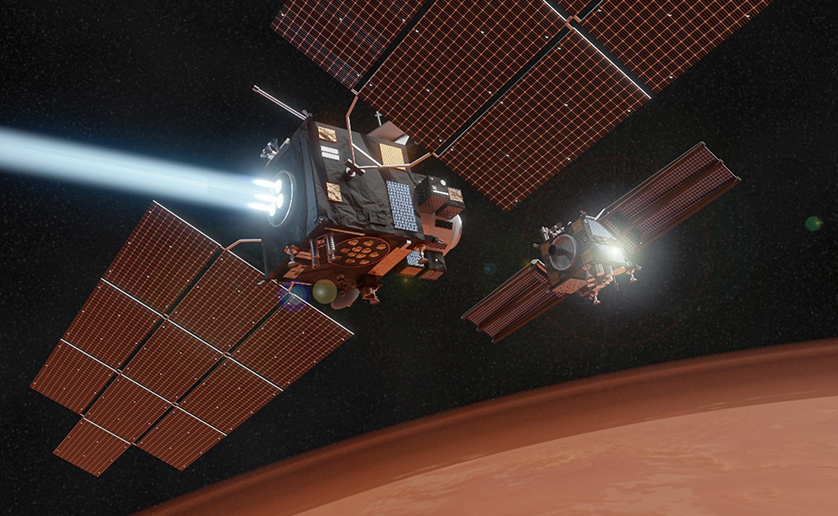
On April 6, 2026, Redwire Corporation secured a major contract with the European Space Agency to develop a cutting‑edge quantum encryption satellite, expanding the company’s footprint in the space technology sector. The partnership will combine Redwire’s lightweight satellite structures and advanced propulsion expertise to deliver a secure communications platform for European defense and commercial users.
Drought Parches Florida
Original Publication Date: 2026-04-07 04:01

NASA’s GRACE‑FO satellites show that the shallow groundwater aquifers in northern and central Florida are the driest in the state as of March 30, 2026. Nearly 80 percent of Florida is experiencing extreme drought, leading to water‑use restrictions and threatening crops that already suffered freeze damage, while wildfires and even the Everglades are facing unusually dry conditions. The 2025‑2026 drought is the most severe in Florida since 2012, though a slow‑moving rainstorm this week may offer some relief.
NASA’s Artemis II Crew Eclipses Record for Farthest Human Spaceflight
Original Publication Date: 2026-04-06 19:46
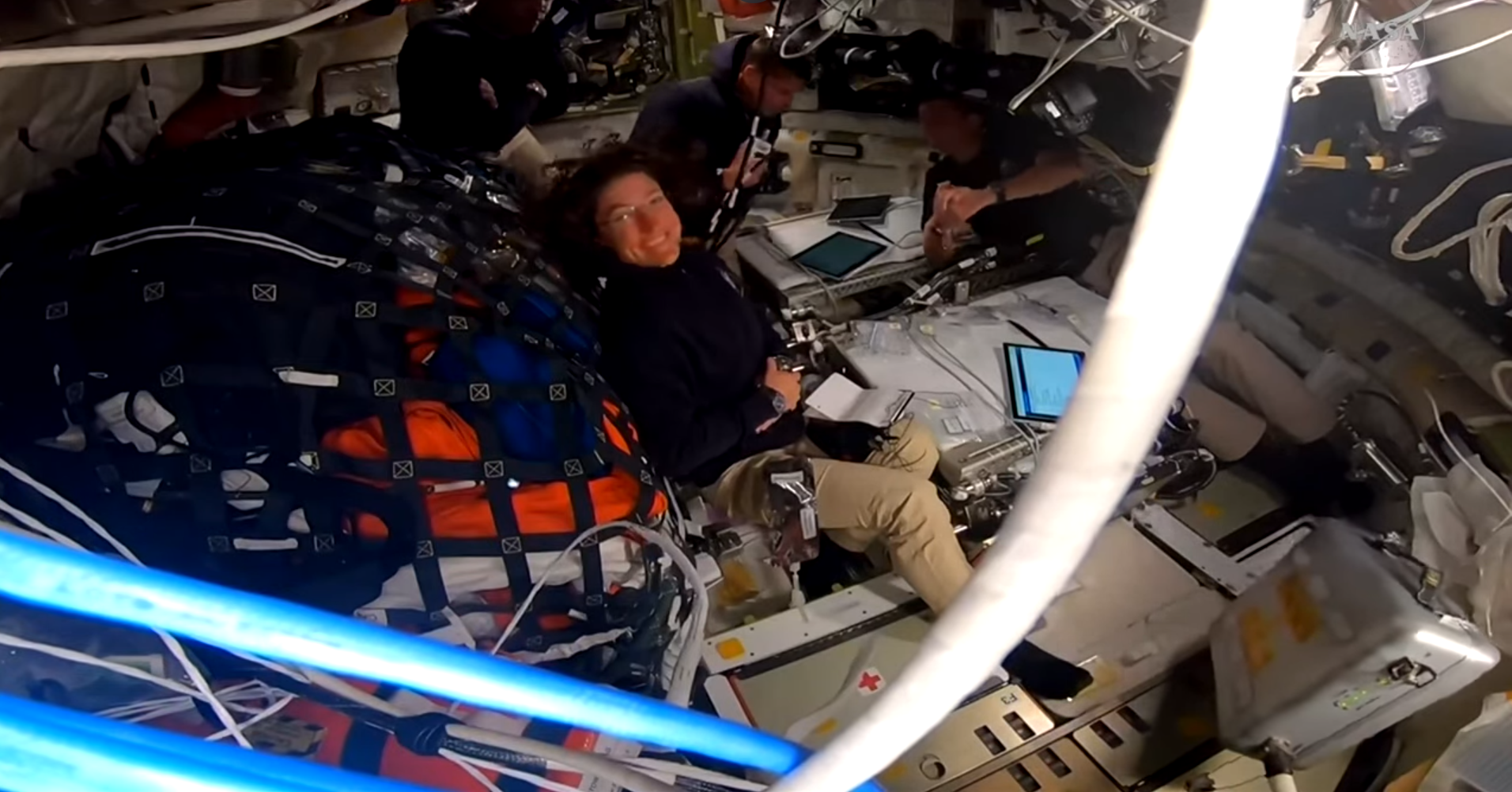
NASA’s Artemis II crew—Reid Wiseman, Victor Glover, Christina Koch and Canadian astronaut Jeremy Hansen—set a new record for the farthest distance humans have traveled from Earth, reaching 252,756 miles on April 6, 2026, surpassing Apollo 13’s 1970 record. The Orion spacecraft, launched on an SLS rocket from Kennedy Space Center, will return to Earth with a splashdown off San Diego’s coast on April 10. The mission also captured unprecedented lunar imagery, including first‑hand views of the Moon’s far side and a solar eclipse during the flyby. This historic achievement marks a significant milestone for NASA’s Artemis program and its future plans to establish a lunar base.
NASA’s Northrop Grumman CRS-24 Mission Overview
Original Publication Date: 2026-04-06 19:29
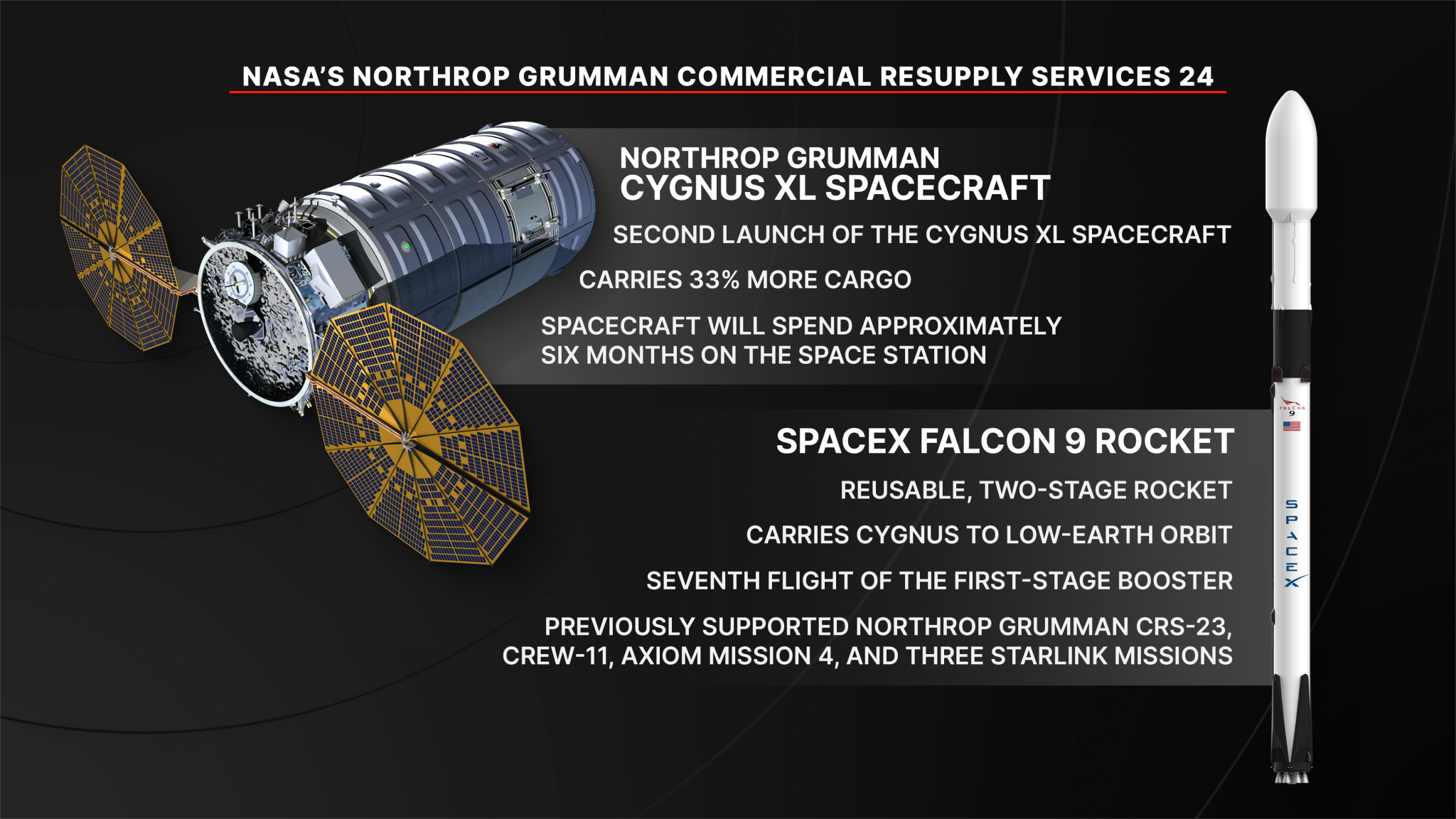
NASA’s CRS‑24 mission will launch the Cygnus XL from Cape Canaveral aboard a SpaceX Falcon 9, delivering about 11,000 pounds of supplies and research payloads to the International Space Station. The solar‑powered spacecraft will be captured by Canadarm2 and attached to the Unity module’s Earth‑facing port, while astronauts Jack Hathaway and Chris Williams oversee the approach.
Night Sky Network Celebrates Artemis II
Original Publication Date: 2026-04-06 15:29
Night Sky Network celebrates Artemis II as the crew becomes the first humans to orbit the far side of the Moon, flying roughly 4,000 miles above its surface. The historic broadcast will air on NASA’s YouTube channel and NASA+ on April 6, 2026, at 10 AM Pacific (1 PM Eastern). Viewers can join the celebration using NSN’s moon‑watching guides, myth collections, and interactive tools. The Night Sky Network thanks the crew and wishes them safe travels.
Artemis II breaks record, conducts lunar flyby
Original Publication Date: 2026-04-07 03:35

Artemis II’s Orion Integrity, carrying Reid Wiseman, Victor Glover, Christina Koch and Jeremy Hansen, successfully passed behind the Moon on Flight Day 6, losing contact for about 40 minutes while the crew enjoyed never‑before‑seen lunar vistas. The flyby set a new record for the farthest distance humans have traveled from Earth, eclipsing Apollo 13’s 1970 mark. Minor on‑board plumbing hiccups were resolved by reorienting the spacecraft to expose a clogged toilet vent to sunlight, allowing waste to drain. The mission will conclude in roughly nine days, with Orion returning to Earth for a high‑speed splashdown and crew recovery by a U.S. Navy ship.
Launch Preview: Falcon 9 to loft Cygnus to ISS, Minotaur IV to launch from California
Original Publication Date: 2026-04-06 22:06

NASA’s Artemis II mission is halfway, while Earthbound launch traffic ramps up with eight missions slated for the week of April 6. SpaceX will fire four Falcon 9 rockets—including three Starlink launches and the NG‑24 cargo flight to the International Space Station—while Northrop Grumman’s Minotaur IV will lift the STP‑S29A defense payload from California.
The State of Satcom 2026
Original Publication Date: 2026-04-06 12:45

SpaceX’s Starlink and Amazon’s Leo are reshaping the satellite‑communications market, flooding it with low‑Earth orbit constellations that serve both consumers and enterprise customers, and forcing legacy players to rethink their strategies. Traditional satcom firms are pivoting away from direct competition with the giants, instead focusing on multi‑orbit networks and deeper service offerings for government and business clients. Consolidation is accelerating, with deals like Viasat‑Inmarsat and SES‑Intelsat creating larger, more versatile fleets that blend GEO, MEO, and LEO capabilities. These shifts signal that low‑latency connectivity is now a baseline requirement, prompting even long‑established operators to invest in new technologies and alliances.
Artemis II Supplier Series: Orion’s Windows
Original Publication Date: 2026-04-06 12:30
McDanel Advanced Materials will supply the windows for Artemis II, giving astronauts a direct view of space instead of a computer screen. The company, which acquired Orion window maker Rayotek, designs multi‑layer panes that shield against micrometeoroids and prevent bacterial growth. Engineers are now working to reduce the weight of these windows while maintaining safety, a change that could lower costs for future deep‑space missions, including a trip to Mars. This development underscores the importance of durable, lightweight windows for the next generation of space exploration.
Moon milestones: A rundown of Artemis 2's many spaceflight firsts
Original Publication Date: 2026-04-07 10:00
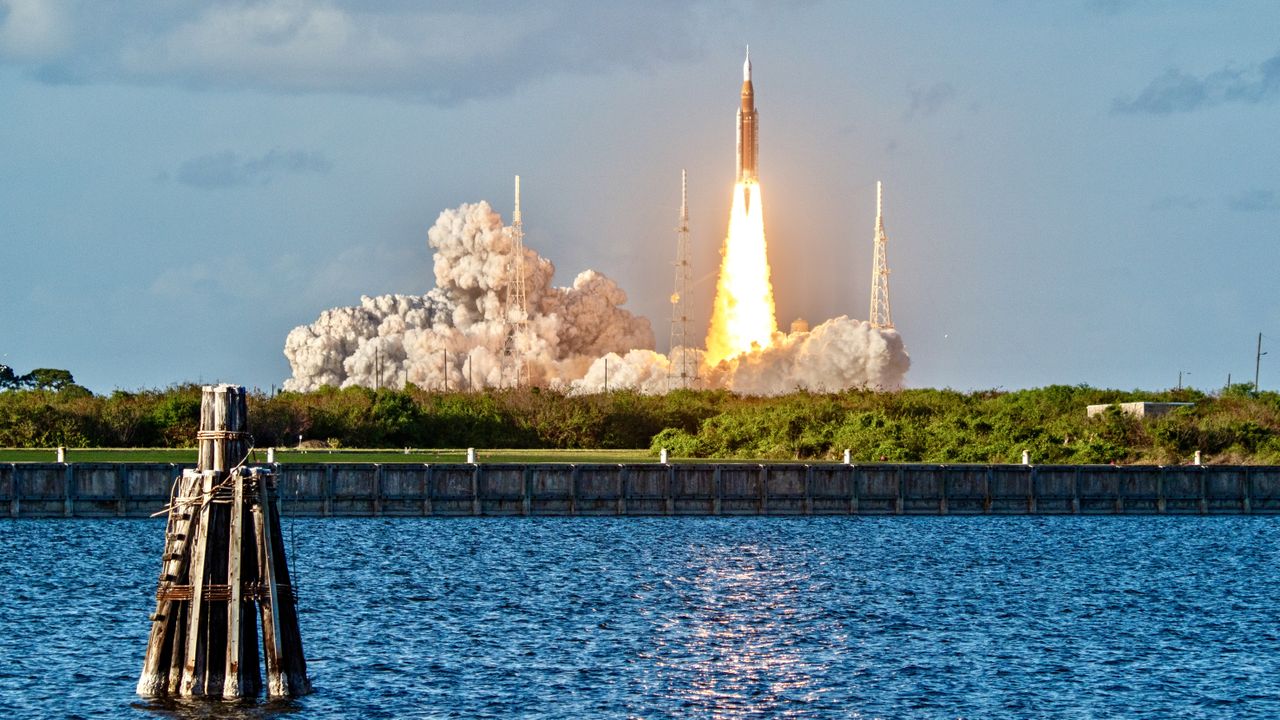
NASA’s Artemis 2, launched April 1, 2026, marked the first crewed flight aboard the Orion spacecraft atop an SLS rocket and the first crewed launch overseen by a female launch director. The ten‑day free‑return trajectory took the crew around the moon, breaking the 1970 Apollo 13 distance record by reaching 252,757 miles from Earth. During the loop the astronauts saw far‑side lunar terrain unseen by humans before, and their splashdown will be recovered by a San Antonio‑class amphibious transport dock ship, a first for a lunar mission. Artemis 2’s successful test of life‑support systems and orbital maneuvers brings NASA one step closer to a permanent moon base.
'This is really big stuff.' Trump hails NASA Artemis 2 astronauts after historic moon flyby feat
Original Publication Date: 2026-04-07 06:39

President Donald Trump praised the four astronauts of NASA’s Artemis 2 mission after they completed a historic loop around the moon, making them the farthest‑traveled humans ever. The crew—Commander Reid Wiseman, Pilot Victor Glover, Mission Specialists Christina Koch and Canadian astronaut Jeremy Hansen—spent seven hours observing the far side of the moon, a feat never seen by human eyes before. Their 10‑day flight, launched from Florida on April 1 aboard NASA’s Space Launch System, marks the first crewed lunar mission since Apollo 17 in 1972 and sets a new all‑time record for distance from Earth. Trump called the mission “incredibly proud” and highlighted the importance of U.S. Leadership in deep‑space exploration.
Moon music: Here's a Spotify playlist of the Artemis 2 crew's wakeup songs
Original Publication Date: 2026-04-06 21:54
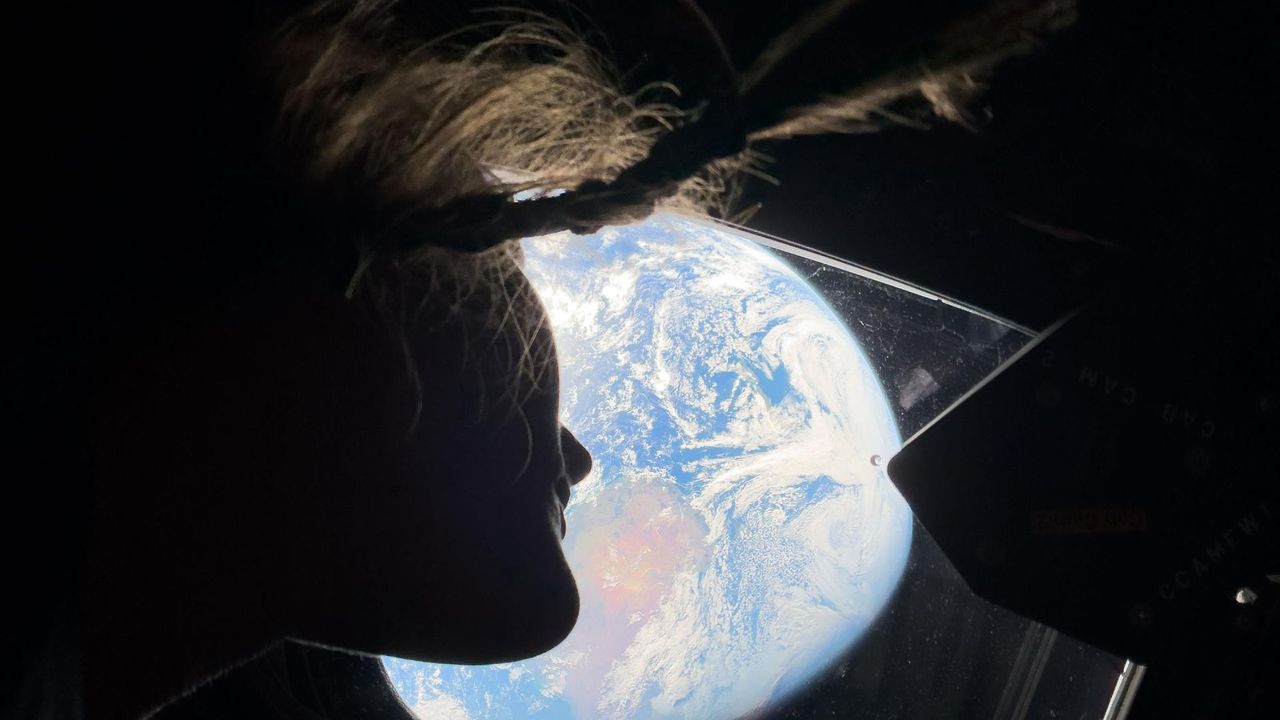
NASA’s Artemis 2 crew are starting each day on the lunar flyby with a curated wake‑up song from Mission Control, a tradition dating back to Apollo. A Spotify playlist now tracks the tunes—from Young & Sick’s “Sleepyhead” to CeeLo Green’s “Working Class Heroes” and Mandisa’s “Good Morning.” The songs bring positivity to the crew as they test the Orion capsule, map lunar lava flows, and even play a zero‑gravity indicator toy called “Rise.” Fans can follow along and hear the latest wake‑up call as the mission continues toward the Moon.
Moon memorial: Artemis 2 astronauts name lunar 'bright spot' after mission commander's late wife
Also covered by: Space.com
Original Publication Date: 2026-04-06 20:17
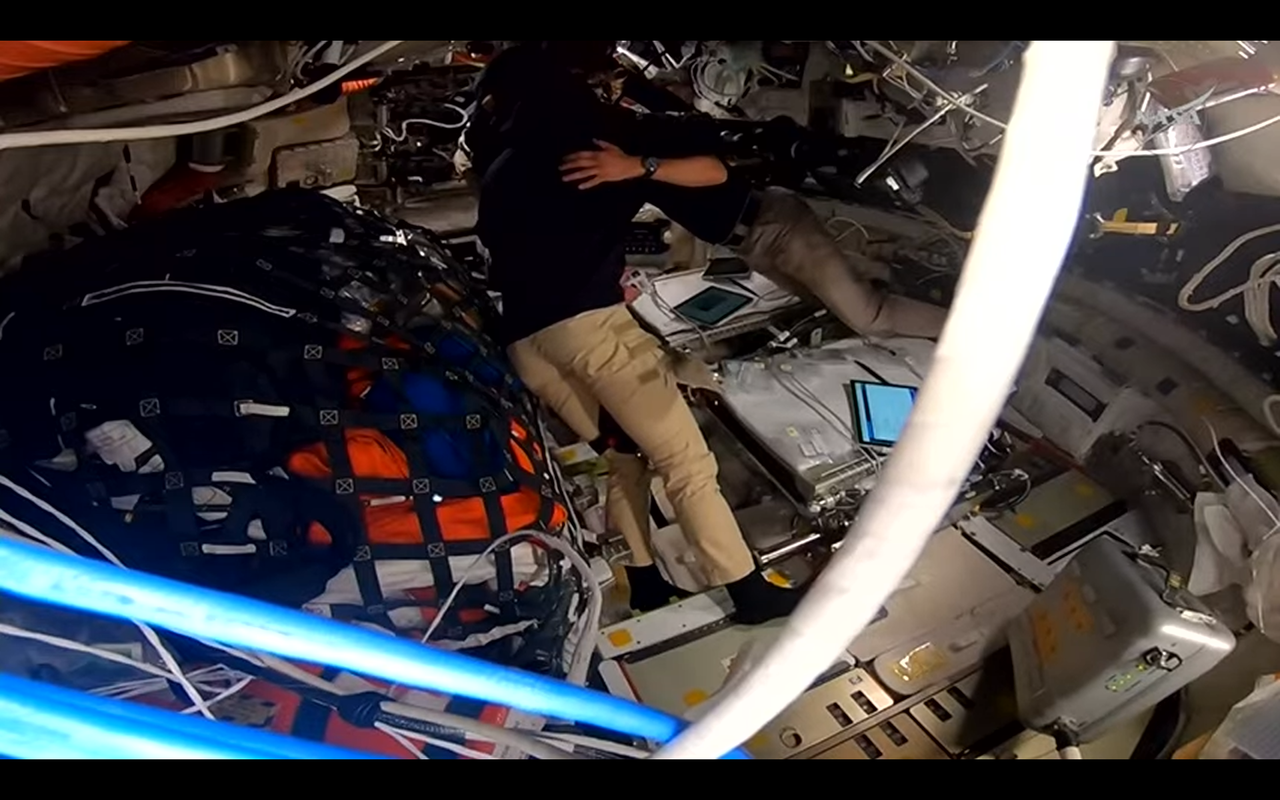
NASA’s Artemis 2 mission completed a historic lunar flyby on April 6, 2026, looping around the far side of the Moon and setting a new all‑time human distance record of 252,756 miles from Earth. During the nearly seven‑hour encounter the Orion capsule “Integrity” observed a total solar eclipse from beyond the Moon and captured unprecedented views of the lunar surface, including a bright spot near Glushko crater. The crew honored commander Reid Wiseman’s late wife, Carroll, by naming a newly observed crater “Carroll,” while another crater was christened “Integrity” after their spacecraft. Mission control confirmed the names via a clear transmission, marking a touching moment amid the historic voyage.
Astronauts set distance record, revealing the Moon as a place to be explored
Original Publication Date: 2026-04-07 03:50
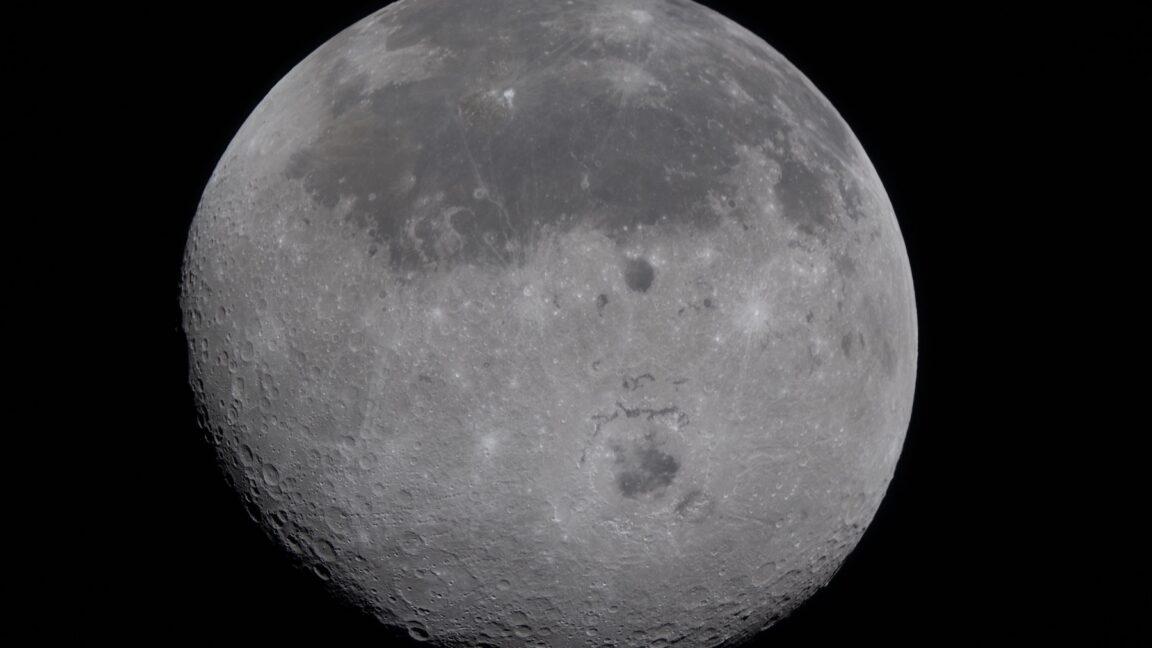
Commander Reid Wiseman, the 50‑year‑old Navy test pilot, marveled at the Moon as Artemis II’s four‑person crew circled it, saying the view was “absolutely spectacular, surreal” and that no adjectives could capture it. The Orion spacecraft’s live feed showed the Moon growing larger during the final approach, while GoPro footage streamed in low resolution because of deep‑space bandwidth limits. Astronauts plan to downlink sharper telephoto images overnight into Tuesday morning. This historic lunar fly‑by marks a significant milestone for NASA’s Artemis program.
Trump's next budget once again calls for massive cuts to science
Original Publication Date: 2026-04-06 21:40

The Trump administration unveiled its 2027 budget Friday, slashing funding for nearly every science agency. NASA faces sharp cuts, while the National Science Foundation and Environmental Protection Agency would see budgets cut by half, and the National Institutes of Health would lose $5 billion from a $47 billion budget. Even less politically controversial agencies like NIST would be trimmed by more than 50 percent. The proposal echoes last year's draft, signaling a continuing political clash that could undermine U.S. Scientific research regardless of congressional resistance.