 Spotify
 Apple Podcasts
 Podcast Addict
 Overcast
 Podcast RSS
SpaceX stack Starship and Super Heavy for first orbital flight
Original Publication Date: 2026-09-23 21:47

SpaceX has stacked its 124‑meter Starship‑Super Heavy rocket on Pad 2 at Starbase, Texas, preparing for the company’s first orbital flight, Starship Flight 14. The vehicle, featuring the 52‑meter upper stage Ship 41, is poised for a potential wet‑dress rehearsal before the FAA grants launch clearance. If approved, the launch could lift off as early as 7:15 a.m. CDT on September 28, carrying 26 new Version 3 Starlink satellites on a nearly 10‑hour mission. The FAA’s temporary flight restriction remains in place through October 7, keeping the skies above Starbase clear of other traffic.
Space Epoch Secures $343 Million Series B Funding to Advance Reusable Methalox Launch Vehicle
Original Publication Date: 2026-09-23 21:04
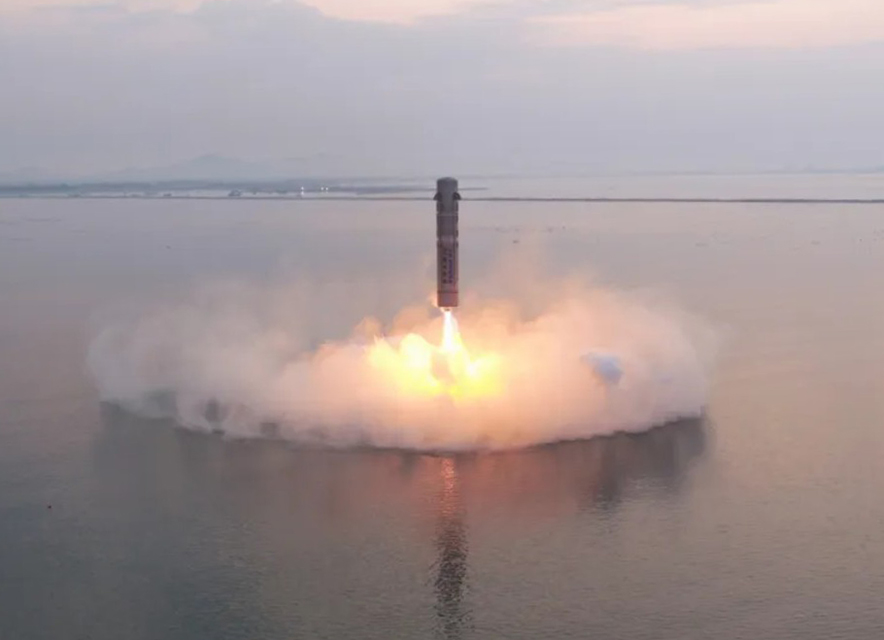
On Sept. 23, 2026, Chinese commercial launch startup Space Epoch finalized a B++ financing round. Space Epoch's total Series B capital raised over the past six months to more than $100 million. Space Epoch is a Chinese commercial launch startup based in Beijing.
DMU41 Inertial Measurement Unit Demonstrates Recoverable Radiation Resilience in Heavy Particle Testing
Original Publication Date: 2026-09-23 20:11
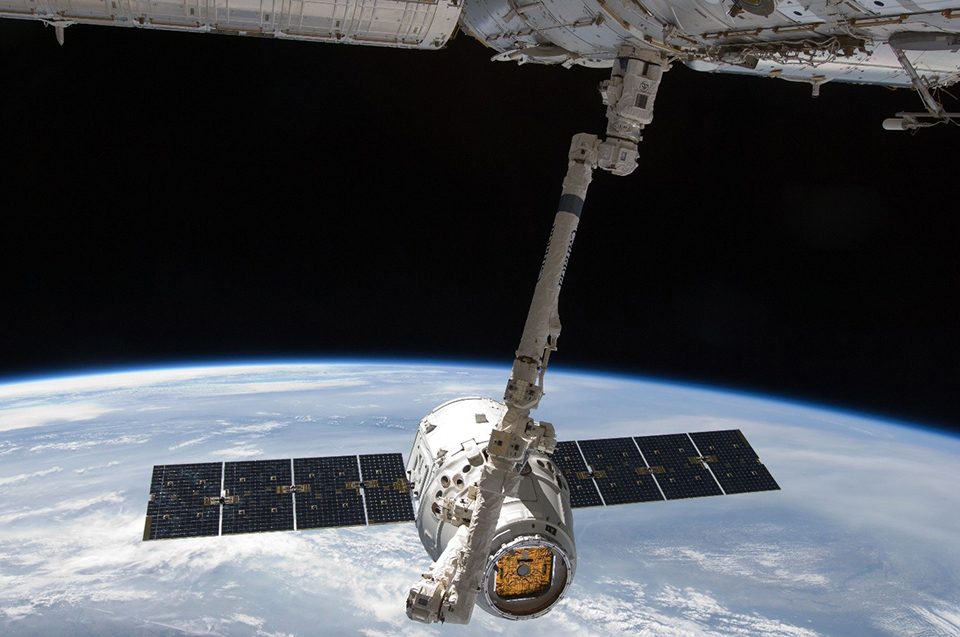
On September 23, 2026 a technical report released detailed radiation‑test results for the DMU41 Inertial Measurement Unit, a key component in satellite navigation. The study showed that built‑in sensor reset architectures significantly reduce the risk of cumulative radiation damage, boosting the unit’s long‑term reliability. By periodically clearing sensor memory, the resets mitigate drift and failure rates in the harsh radiation environments encountered by modern spacecraft. These findings support the design of more robust, radiation‑resilient navigation systems for future missions.
Viasat Awarded $42 Million Task Order Under $307 Million U.S. Marine Corps SATCOM Enterprise Contract
Original Publication Date: 2026-09-23 20:06
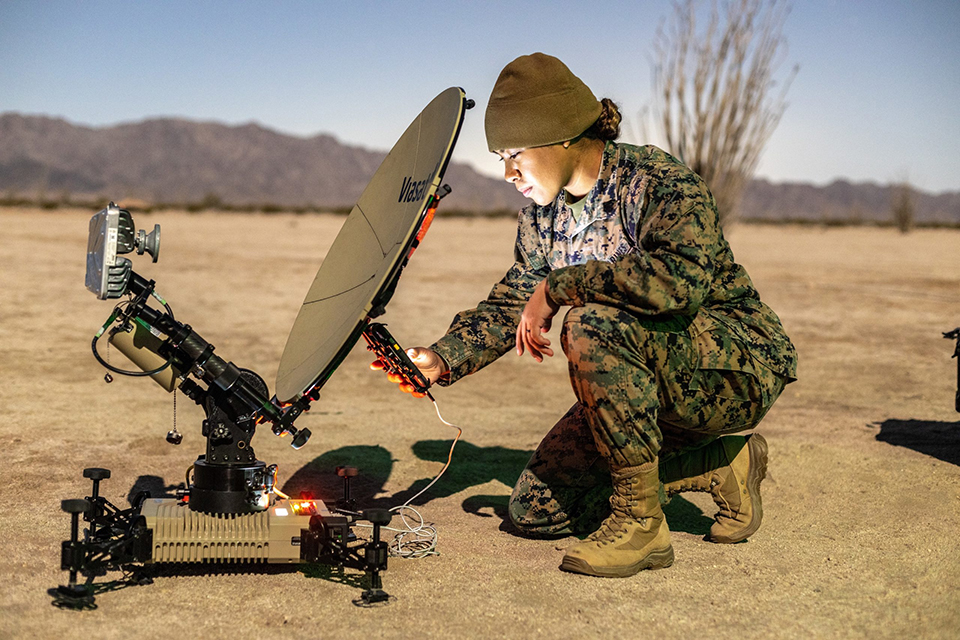
On September 23, 2026, Viasat announced that its subsidiary, Inmarsat Government, Inc., won the Marine Enterprise Commercial Satcom Satellite Services (MECS2) contract from the U.S. Space Force. The deal will provide the Space Force with a robust satellite communications backbone for its Marine operations.
Impulse Space Secures $28 Million U.S. Space Force Contract for Geostationary Space Domain Awareness Mission
Original Publication Date: 2026-09-23 14:25
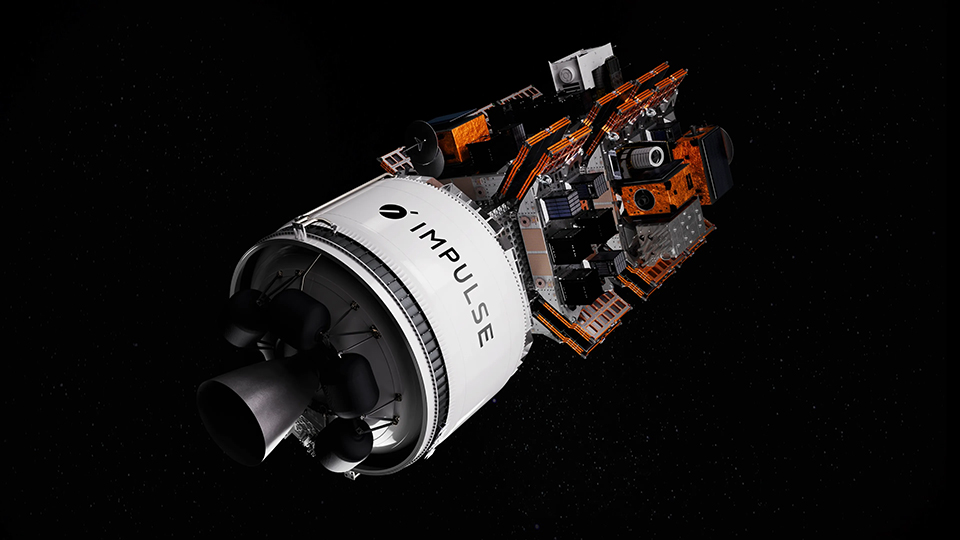
Impulse Space, a provider of in‑space transportation services, has landed a $28 million contract from the U.S. Space Force to deliver an orbital Space Domain Awareness demonstration mission. The contract, signed on September 22, 2026, will see Impulse Space deploy its latest spacecraft to track and catalog objects in Earth orbit, bolstering the U.S. Military’s situational awareness.
Beyond Reach Labs Opens Brooklyn Aerospace Facility to Scale Deployable High-Power Solar Arrays
Original Publication Date: 2026-09-23 14:22

Beyond Reach Labs, an aerospace startup founded by SpaceX veterans, is set to open its new 16,000‑square‑foot manufacturing and testing facility on September 24, 2026, at Brooklyn’s Industry City complex. The state‑of‑the‑art plant will house advanced production lines and rigorous testing rigs aimed at accelerating the development of next‑generation aerospace components. By bringing cutting‑edge manufacturing to the East Coast, the company hopes to bolster New York’s growing aerospace ecosystem and create high‑skill jobs for the local community. This milestone marks a significant expansion for Beyond Reach Labs as it positions itself at the forefront of aerospace innovation.
Cloudy Cloak Over the Northwest
Original Publication Date: 2026-09-24 04:01

NASA’s Earth Observatory captured a dramatic “cloudy cloak” over western Washington and Oregon on September 19, 2026, as cool, moist marine air pushed inland, forming low‑lying stratus clouds that stretched to the Cascade foothills. MODIS data from the Terra satellite showed the cloud layer hugging the Olympic and Oregon Coast Ranges, while smoke from North Cascade wildfires drifted through valleys. By late afternoon, the Aqua satellite reported that most skies had cleared, though marine clouds lingered along the coast where temperatures remained cooler. This event illustrates how temperature inversions can trap moist air near the surface, creating persistent fog and cloud cover in the Pacific Northwest.
NASA Modernizes Commercial Airline Systems
Original Publication Date: 2026-09-23 22:08
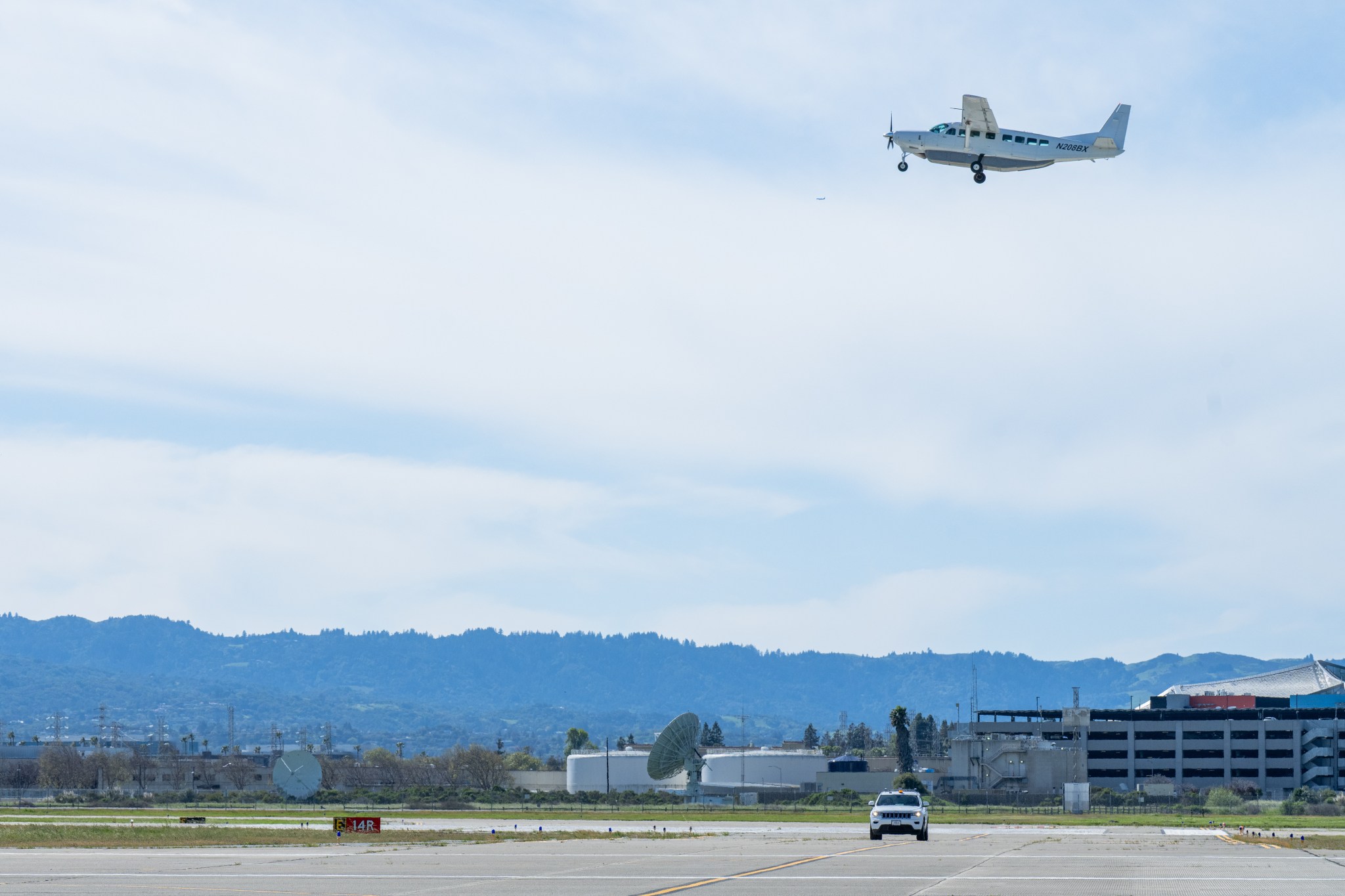
NASA’s Ames Research Center has begun field tests that give pilots digital taxi instructions on cockpit displays and tablets, while onboard sensors automatically spot vehicles or other obstacles on taxiways and runways. In trials with Boeing, the system flagged a runway vehicle during a simulated landing, giving pilots extra situational awareness and cutting the risk of collision. By reducing verbal traffic‑control chatter and easing pilot workload, the technology promises smoother ground operations and fewer delays. The next phase will integrate these tools into a simulated air‑traffic‑control environment, with the FAA already slated to adopt the routing software for real‑world use.
NASA Welcomes Croatia as Newest Artemis Accords Signatory
Original Publication Date: 2026-09-23 20:37
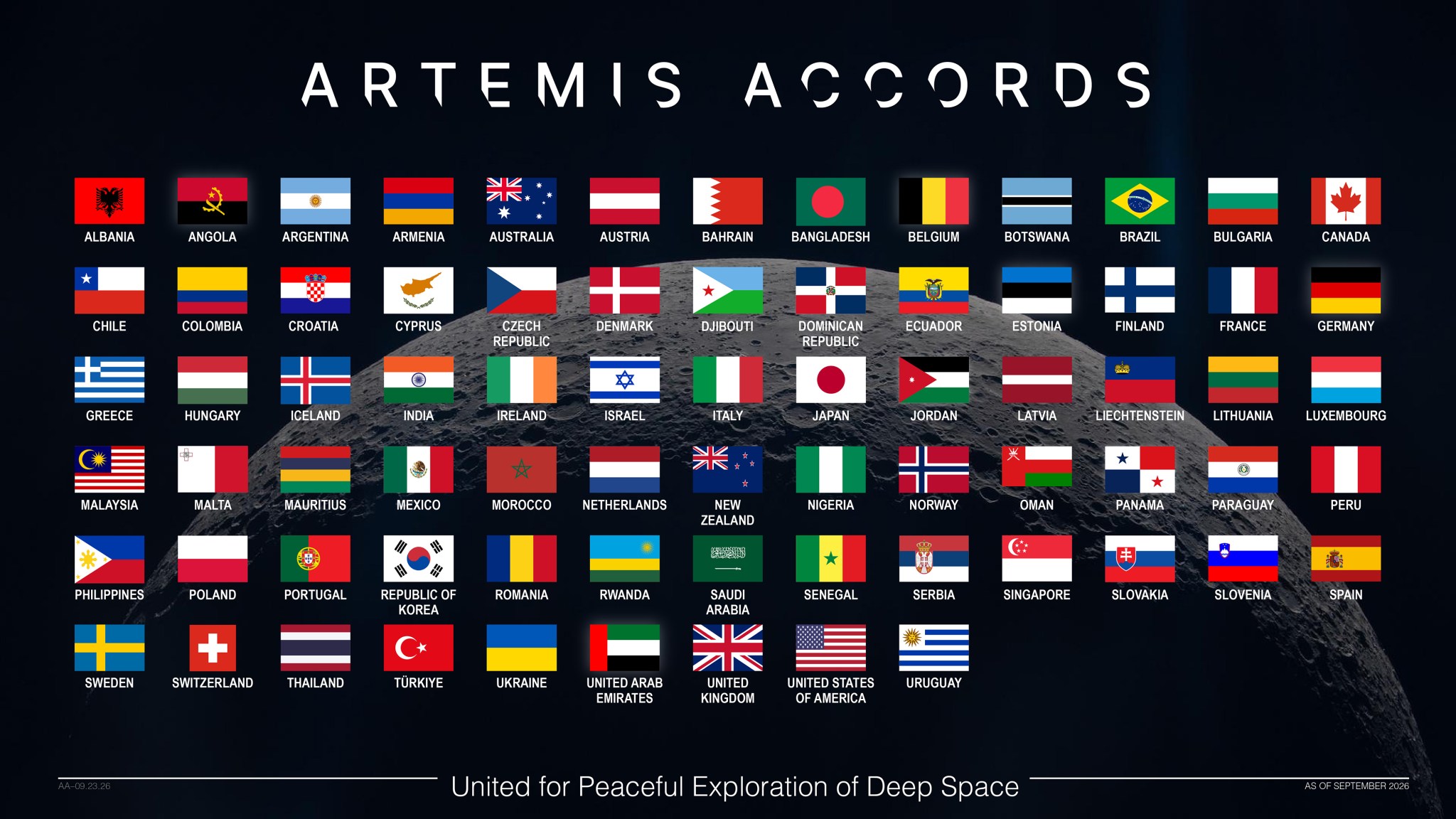
The Republic of Croatia has joined NASA’s Artemis Accords, becoming the 74th signatory in a ceremony in Zagreb attended by U.S. And NASA officials. Croatian Minister of Science Radovan Fuchs highlighted the nation’s growing interest in space and the accord’s role in boosting scientific collaboration and economic growth. The move follows Croatia’s recent successful launch of its first satellite, CroCube, aboard a SpaceX Falcon 9. By signing, Croatia opens new doors for joint lunar exploration and shared scientific data.
NASA Selects Far-Infrared Telescope as First in New Mission Class
Original Publication Date: 2026-09-23 21:00
NASA has advanced its PRIMA far‑infrared telescope into Phase B, sharpening its design for a projected 2033 launch and five‑year mission. The 5.9‑foot observatory will bridge the gap between James Webb and radio telescopes, probing the universe’s dust, planets, galaxies and black holes in wavelengths never before explored in such detail.
Ship 41 and Booster 21 head into key pre-flight test
Original Publication Date: 2026-09-23 21:21

SpaceX has stacked Booster 21 and Ship 41 at its launch site, gearing up for a Wet Dress Rehearsal no earlier than Sept. 24 as it readies its first orbital Starship flight.
Vast Announces New Lunar Programs Division
Original Publication Date: 2026-09-23 13:00
Vast has announced a new Lunar Programs division to help build NASA’s Moon Base, leveraging its commercial space station and satellite expertise. The company will roll out a three‑phase plan, beginning with foundational infrastructure and tech demos, then moving to crewed operations and long‑duration habitats. Using its existing Haven modules, Vast plans solar power stations, a dust‑resistant airlock, and multi‑module habitats equipped with life‑support and comms systems. The initiative also includes a proposed communications constellation for continuous lunar south‑pole coverage, complementing NASA’s relay network.
Exclusive: Outpost Launches In-Space Manufacturing Service
Original Publication Date: 2026-09-23 13:00
Outpost Technologies has unveiled its Space Factories program, a standardized, shipping‑container‑sized module that lets companies manufacture goods—such as pharmaceuticals, semiconductors, and optical fibers—in orbit without building their own spacecraft. The first user of the platform will be Outpost itself, aiming to produce its next‑gen StarFiber optical fiber by 2028, a product that could outperform Earth‑based silica fibers thanks to microgravity. The service, integrated into Outpost’s CarryAll reentry vehicle, will offer up to 33 m³ of production space and bring finished items back to Earth for rapid recovery. This marks a decade‑long effort to make in‑space manufacturing scalable and accessible to industries ready to take advantage of microgravity’s unique benefits.
Exclusive: Astrolab, Interstellar Mapping Hunt Lunar Water
Original Publication Date: 2026-09-23 12:30
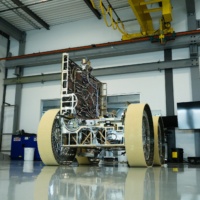
Astrolab has teamed up with Interstellar Mapping to hunt for water on the Moon, a key step in NASA’s plan to build a lunar base. Interstellar Mapping will use its new rover mission to detect hydrogen‑bearing volatiles beneath the surface, guiding Astrolab’s FLIP rover to the most promising sites. The FLIP rover, launching this November aboard Astrobotic’s Griffin‑1 lander, will also carry NASA payloads to search for helium‑3, map the terrain with LiDAR, and study dust effects. Together, the partnership aims to turn the Moon into a strategic refueling station for future missions to Mars and beyond.