 Spotify
 Apple Podcasts
 Podcast Addict
 Overcast
 Podcast RSS
United Launch Alliance announces mid-November return to flight for Vulcan rocket
Also covered by: Ars Technica
Original Publication Date: 2026-10-28 22:46
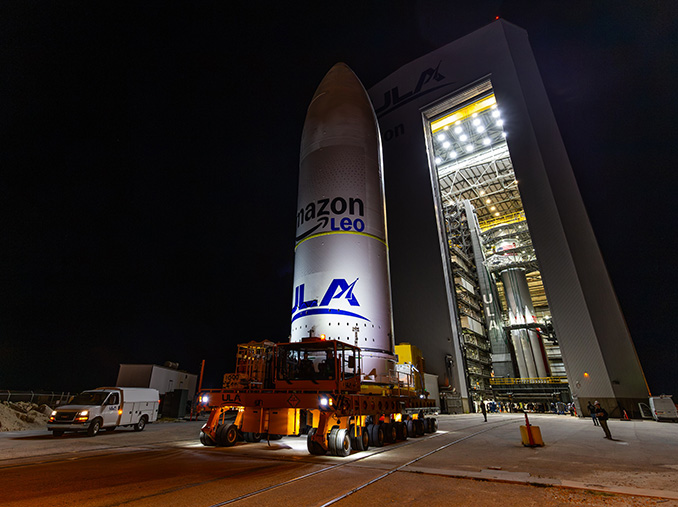
The Vulcan rocket is scheduled to launch from Cape Canaveral Space Force Station on Friday, Nov. 13, carrying 40 Amazon Leo satellites. The payload fairing has arrived at ULA’s new Vertical Integration Facility‑A for attachment, and the flight will be the rocket’s fifth launch and the first to use six strap‑on solid‑rocket boosters after a nine‑month pause caused by nozzle failures.
NASA nears end of space station solar array upgrade with Oct. 29 and Nov. 5 spacewalks
Original Publication Date: 2026-10-28 21:03
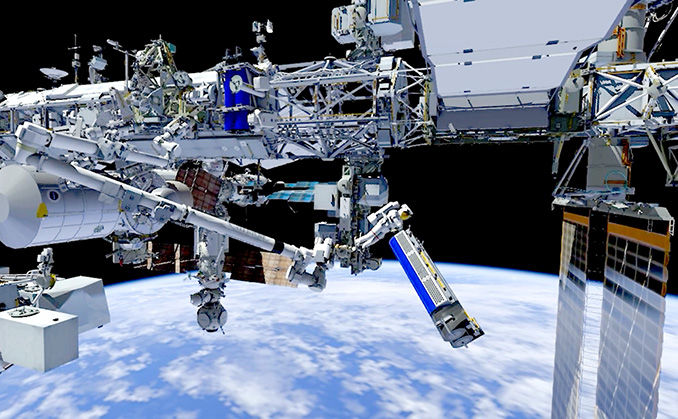
NASA is two spacewalks from finishing a major upgrade that will power the International Space Station through its planned decommissioning in 2030. Astronauts Anil Menon and Joshua Kutryk will unfurl the seventh of eight new roll‑out solar arrays (IROSA) during a Thursday EVA, with the final array scheduled for Nov. 5.
Industry Built the Factories. Washington Keeps Throttling the Money.
Original Publication Date: 2026-10-29 07:08
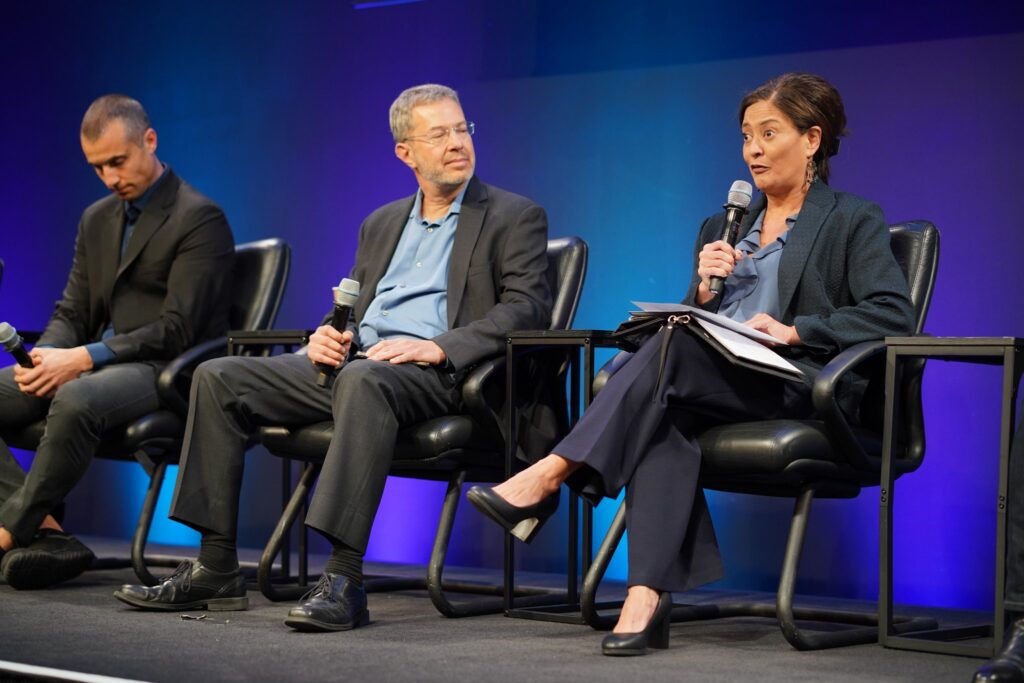
York, Terran Orbital, and CesiumAstro have ramped up satellite production to meet demand, but the stop‑and‑go nature of contract funding makes sustaining high manufacturing rates difficult. The companies report scaling up their production lines as requested, yet the fluctuating financial support from clients creates uncertainty for long‑term operations. While the launch market remains robust, keeping the supply chain humming will depend on steadier financial commitments from partners. The industry watches to see if consistent funding can keep the production pace steady.
Arnab Strikes India
Original Publication Date: 2026-10-29 04:01
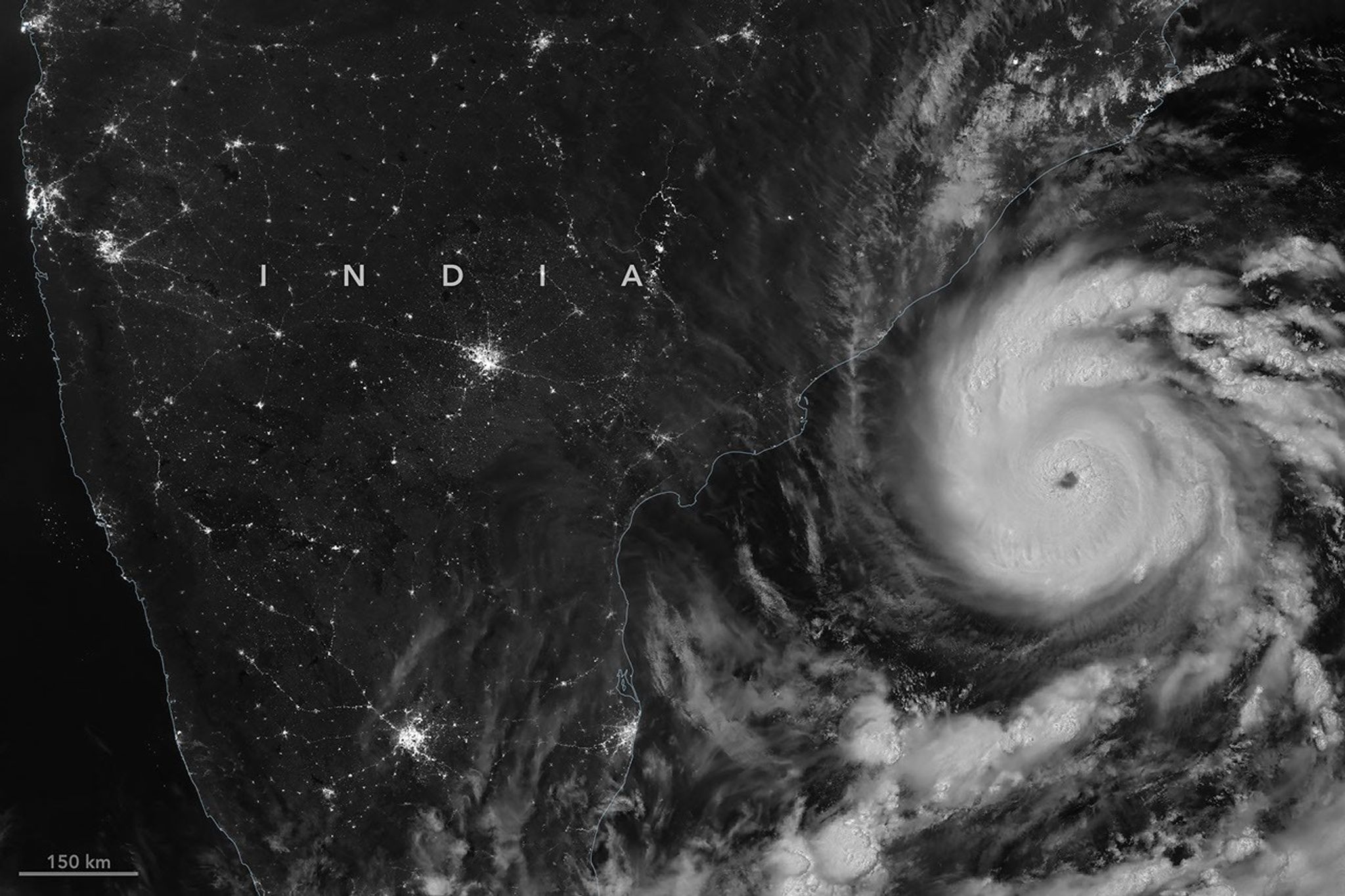
Arnab, the first named storm of the 2026 North Indian Ocean cyclone season, formed in the Bay of Bengal on October 25—a notably late start for the basin’s typical April–May peak.
Caltech Names Artemis II Commander Reid Wiseman as NASA JPL Deputy
Original Publication Date: 2026-10-29 02:50
Artemis II commander Reid Wiseman will become Caltech’s associate vice‑president and deputy director of NASA’s Jet Propulsion Laboratory on Nov. 30, 2026, joining the 90‑year‑old lab that has launched spacecraft beyond our solar system. The retired Navy captain, who flew 695,081 miles on the historic lunar flyby, brings experience from the ISS, extreme‑environment missions, and leading NASA’s astronaut corps. NASA Administrator Jared Isaacman praised Wiseman’s technical judgment and leadership, saying he will help push the edge of what’s possible at JPL. Wiseman said the move lets him continue to inspire and drive humanity’s exploration of the universe from a new perspective.
NASA Welcomes Vietnam as Newest Artemis Accords Signatory
Original Publication Date: 2026-10-28 21:50

Vietnam has become the 78th country to sign the Artemis Accords, joining a growing coalition committed to peaceful, transparent space exploration. NASA Deputy Administrator Matt Anderson praised the partnership, noting Vietnam’s progress in satellite innovation and Earth‑observation capabilities. The signing took place during Vietnam International Digital Week, further extending the U.S.–Vietnam Comprehensive Strategic Partnership into the space domain. With its new National Space Center and the LOTUSat program, Vietnam is building domestic satellite expertise while collaborating with NASA on global soil‑moisture monitoring.
Artemis III SLS Core Stage Joins Boosters at Kennedy
Original Publication Date: 2026-10-28 18:59
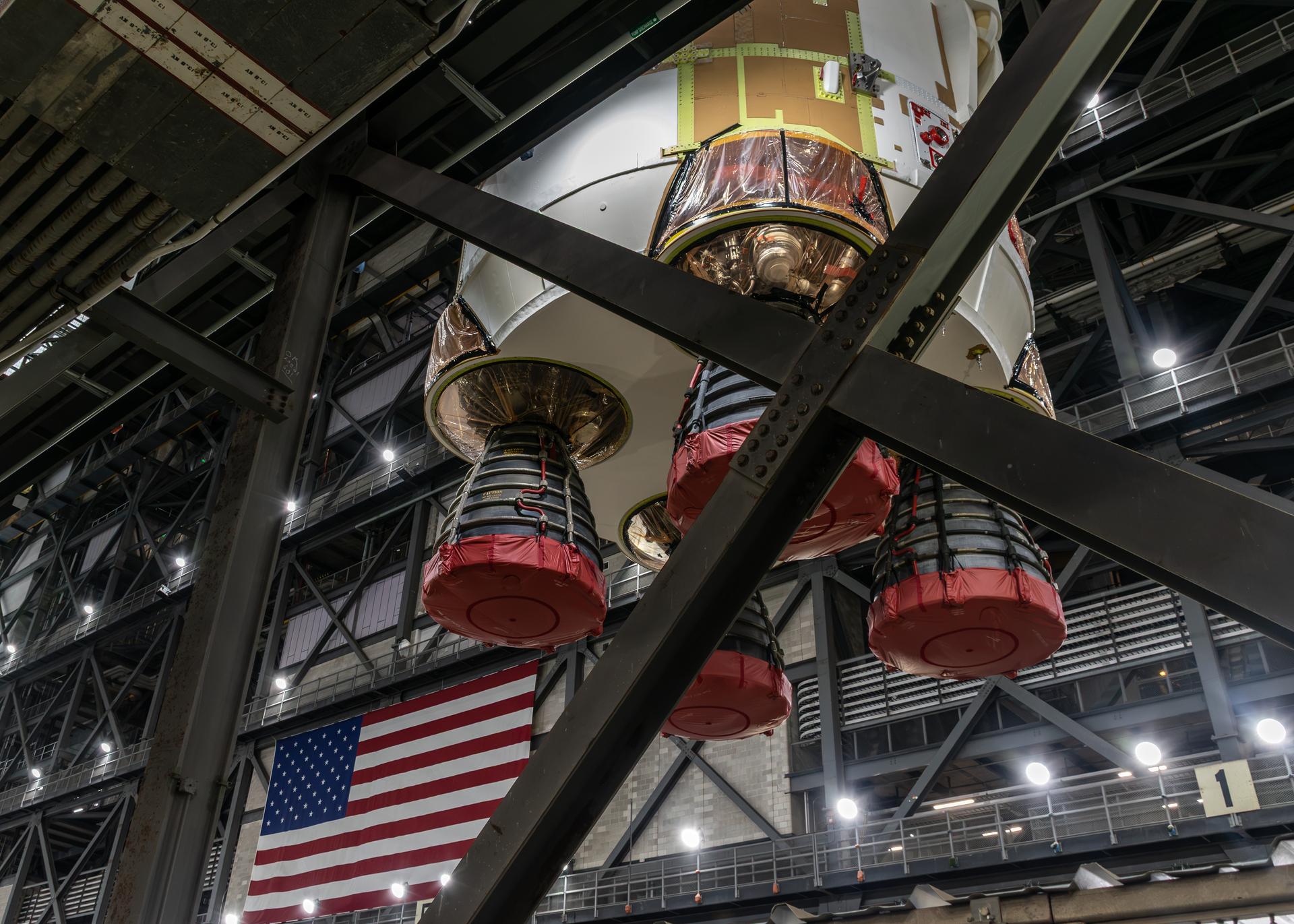
NASA’s Space Launch System core stage was lifted from the Vehicle Assembly Building’s transfer aisle and integrated with twin solid rocket boosters in High Bay 3, completing the short‑stack configuration by October 28. Technicians used a custom lifting beam to place the 212‑foot stage onto the mobile launcher, preparing it for the Artemis III mission. The fully assembled stack will be rolled to Launch Pad 39B for tanking tests and countdown rehearsals, loading liquid hydrogen and liquid oxygen only into the core stage. The Artemis III flight will carry astronauts Randy Bresnik, Frank Rubio, Andre Douglas, and ESA’s Luca Parmitano aboard Orion to test rendezvous and docking with commercial spacecraft before future lunar landings.
Comparing KSC, Starbase construction timelines to understand the development of Starbase, Louisiana
Original Publication Date: 2026-10-28 21:12

Launch infrastructure is the backbone of any rocket program, and the time it takes to build a launch site can vary widely. NASA’s Kennedy Space Center took about five and a half years, Cape Canaveral Space Force Station was ready in 14 months, and SpaceX’s Texas Starbase has taken roughly four and a half years, while a new Louisiana Starbase is slated to launch in about three years.
Seraphim Space Launches Space Academy
Original Publication Date: 2026-10-29 09:00

Seraphim Space has launched the Seraphim Academy, a year‑long program that offers early‑stage space startups $150,000 in seed capital, mentorship, and access to its investor network.
Shield Space Launches UK Space Superiority Coalition
Original Publication Date: 2026-10-28 13:00
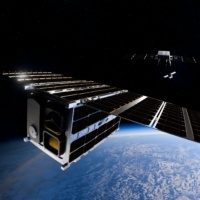
Shield Space, a UK orbital security startup, has launched the UK Space Superiority Coalition, uniting dozens of domestic space firms to create a commercially led space‑based carrier strike
Exclusive: Rendezvous Robotics Raises $20M to Develop Self-Assembling Spacecraft
Original Publication Date: 2026-10-28 13:00
Rendezvous Robotics, a Colorado startup, raised $20 million in new funding from MaC Venture Capital, Toyota Ventures and other investors to advance its self‑assembling spacecraft technology. The system uses a network of one‑meter hexagonal tiles equipped with sensors and electromagnetic couplers that can autonomously snap together in orbit to build large satellites or replace damaged parts.
On this day in space! Oct. 28, 1971: Britain launches its 1st satellite Prospero into space on a Black Arrow rocket
Original Publication Date: 2026-10-28 23:02
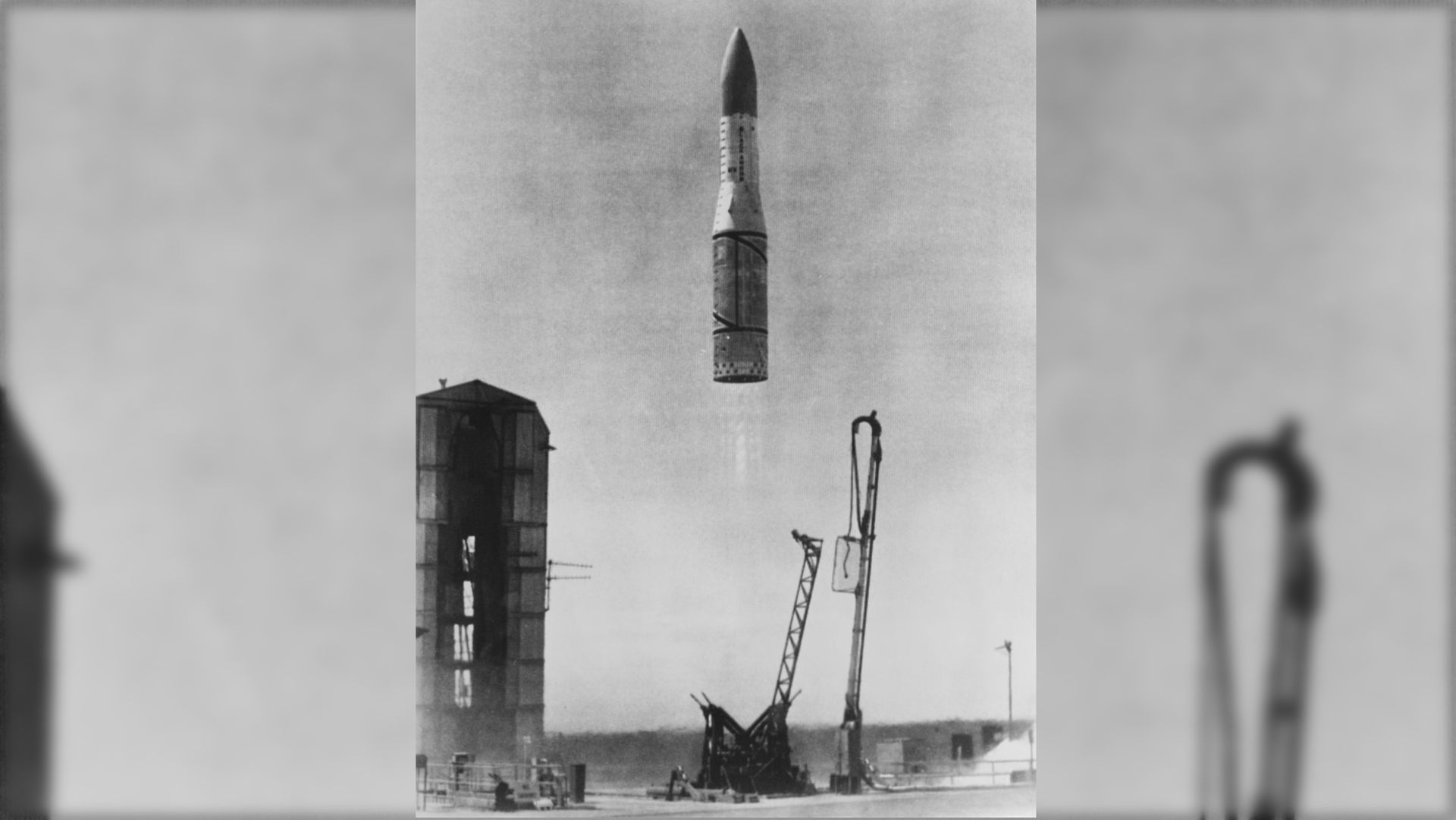
Britain’s first satellite, Prospero (X‑3), was launched on 28 October 1971 from Australia aboard the Black Arrow, the UK’s only native launch vehicle. The 66‑kg research craft studied space weather, tested solar cells and telemetry, and carried a micrometeoroid detector, remaining operational until 1973 despite a collision that damaged one antenna. Prospero’s flight marked the fourth and final Black Arrow launch, a three‑stage rocket derived from the Black Knight research vehicle. Today the satellite still orbits Earth, and Scottish startup Skyrora plans to retrieve and deorbit it with its new space tug.
5 days beneath the waves: What it's like to live in an underwater 'space station'
Original Publication Date: 2026-10-28 21:00
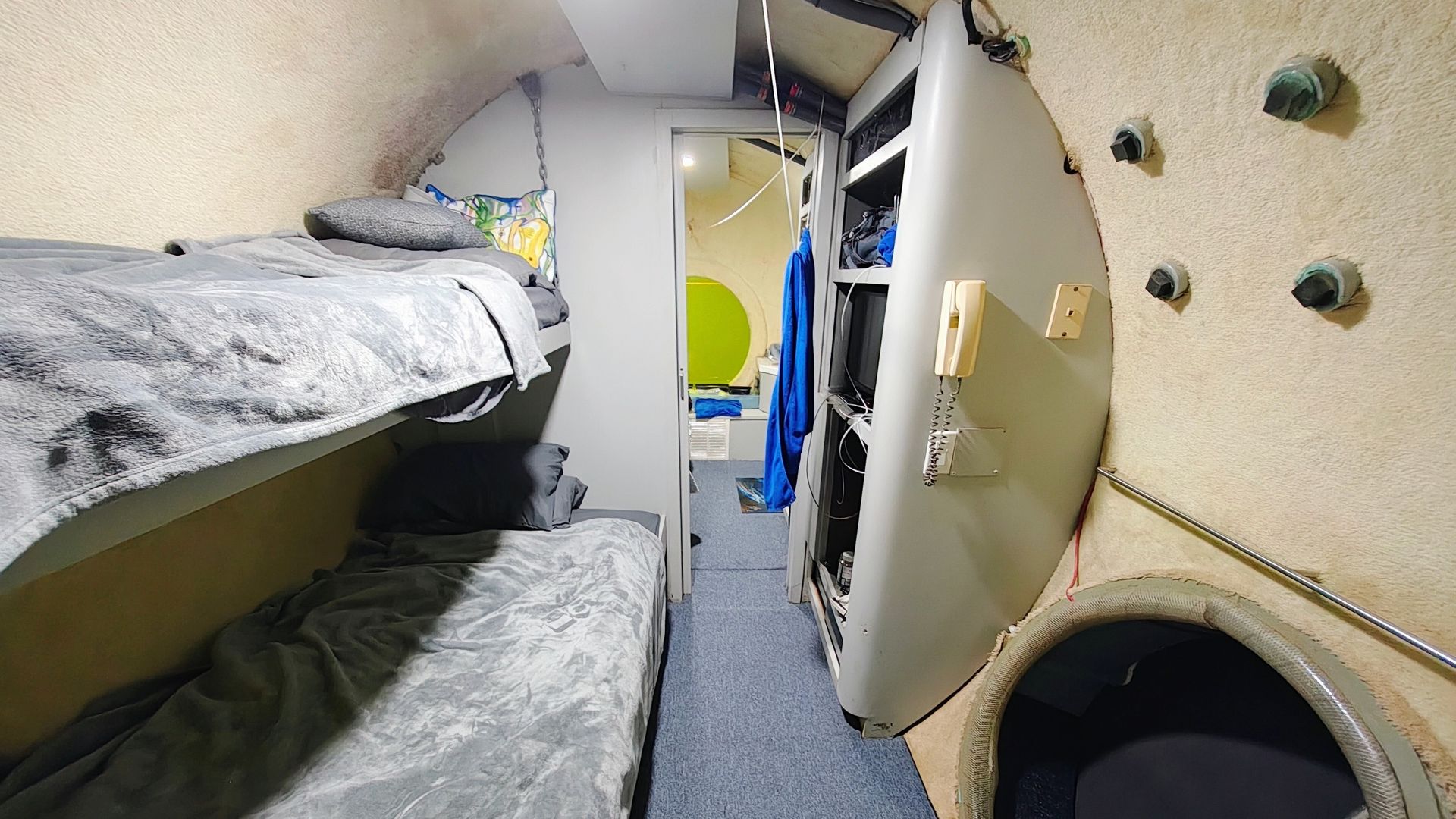
Astrobiologist Dr. Michaela Musilova, a Forbes 30 Under 30 honoree, has led 40 simulated Moon and Mars missions and conducted research at NASA, ESA, and CalTech. She founded the nonprofit XtremeFrontiers and is spearheading Astro Seven Summits, a first‑of‑its‑kind project that blends climbing each continent’s highest peak with NASA‑backed science, education, and documentaries. Musilova consults for global firms and museums, and is one of only a handful to have overseen research on all seven continents. Her expertise lands her keynote slots worldwide and her biography, "Woman from Mars," Chronicles her pioneering journey.
ISS astronaut will conduct Canada's 1st spacewalk in 7 years on Oct. 29: Watch it live
Original Publication Date: 2026-10-28 20:00
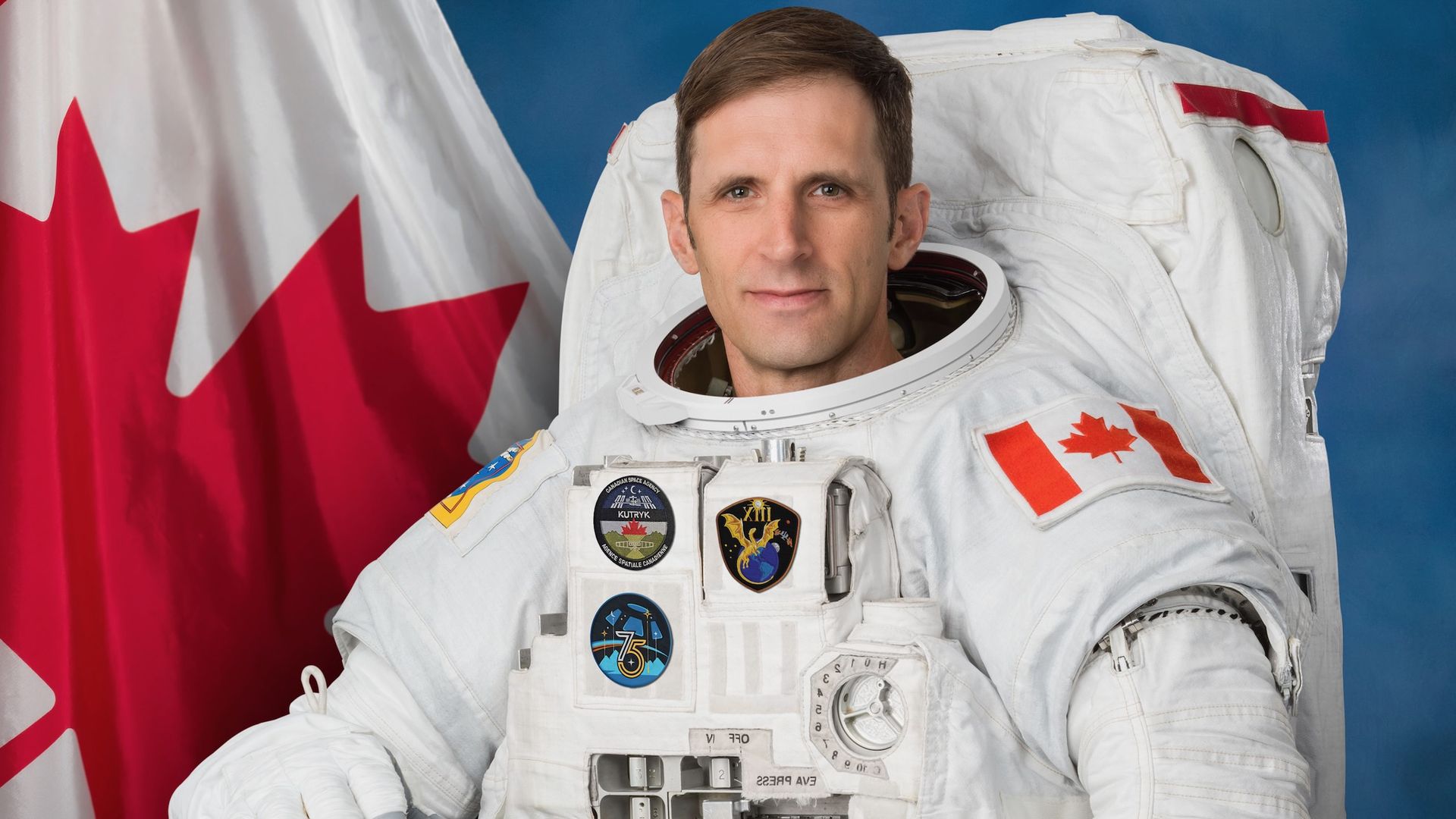
On Thursday, October 29, Canadian astronaut Joshua Kutryk will become the first Canadian to step outside the International Space Station in seven years, joining NASA’s Anil Menon for a 6‑hour, 45‑minute spacewalk.
Meet Apeiron, Virgin Galactic's 1st 'Delta-class' space plane
Original Publication Date: 2026-10-28 19:28
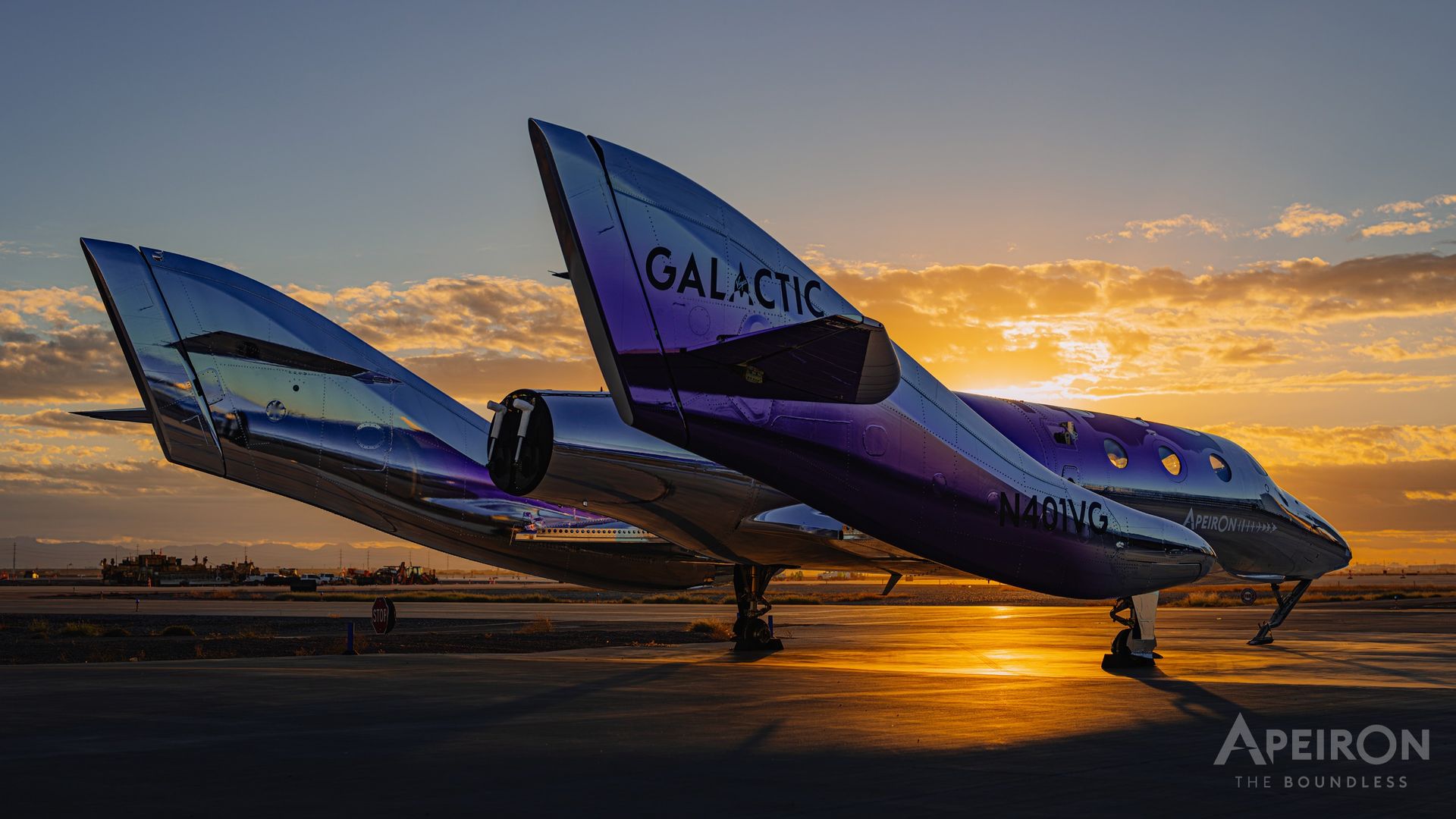
Virgin Galactic has unveiled its first Delta‑class space plane, named Apeiron after a public vote that drew thousands of entries from 83 countries. The six‑passenger craft will be air‑launched from its Mesa, Arizona factory to Spaceport America, replacing the older VSS Unity and will undergo flight tests before resuming commercial missions in mid‑2027. Apeiron will fly suborbital, crossing the Kármán line for a few minutes of weightlessness, and the company plans to launch each Delta‑class vehicle up to eight times a month once fully operational. With ticket prices now at $850,000, Virgin Galactic is preparing to welcome a long‑waiting queue of 675 customers for the next round of suborbital adventures.