 Spotify
 Apple Podcasts
 Podcast Addict
 Overcast
 Podcast RSS
Space Force Unveils Plan to Modernize Eastern and Western Ranges for High-Cadence Operations
Original Publication Date: 2026-10-21 19:35
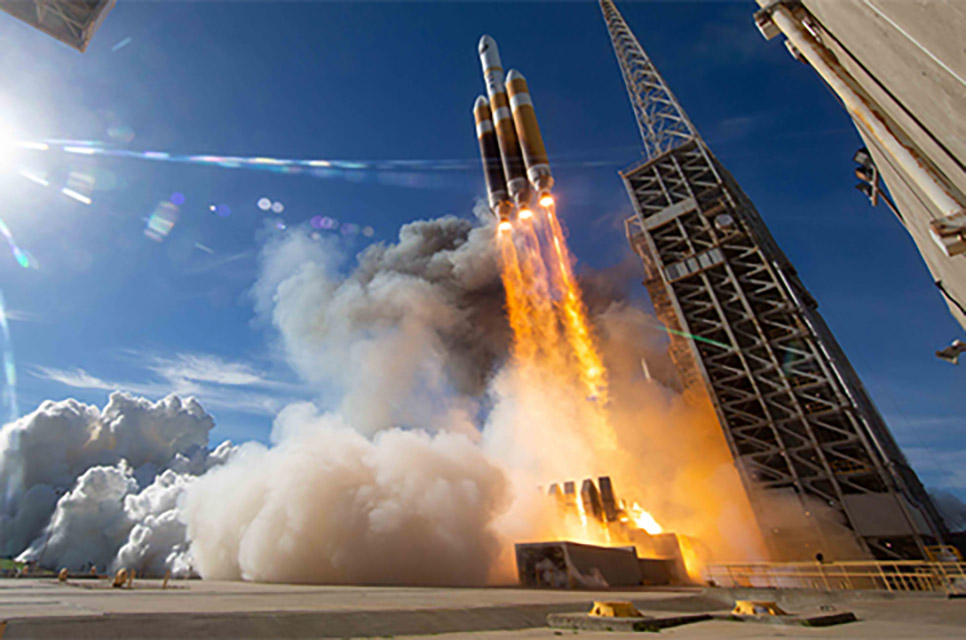
On Tuesday, the U.S. Space Force unveiled a modernization plan for its Eastern and Western Ranges, setting operational goals that extend into the 2030s. The plan calls for significant upgrades to launch infrastructure, safety protocols, and range support systems to boost launch cadence and readiness.
Marble Imaging and Reflex Aerospace Select Odysseus Space Laser Terminal for First Satellite Mission
Original Publication Date: 2026-10-21 19:23
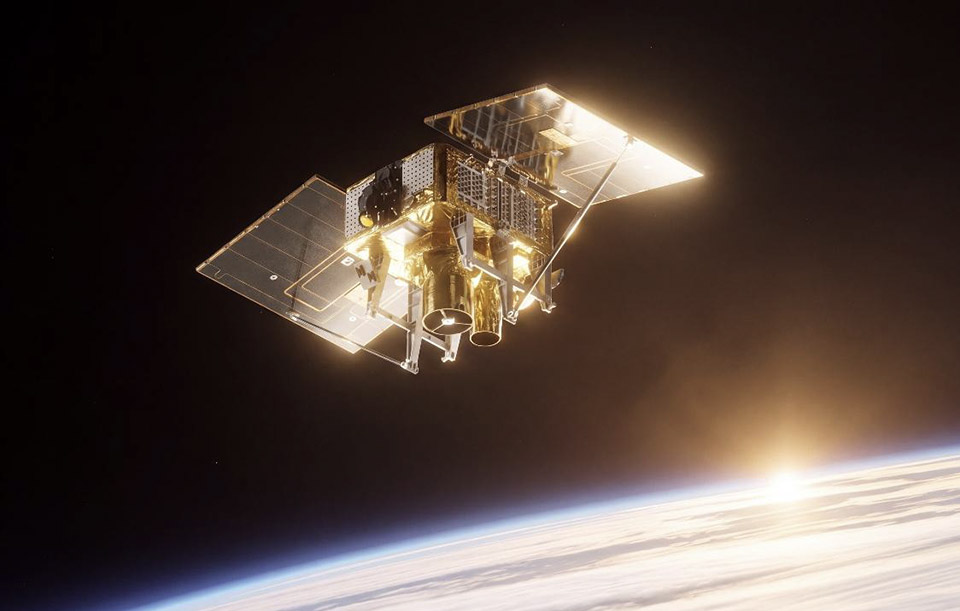
Earth observation company Marble Imaging, satellite maker Reflex Aerospace, and optical‑communications firm Odysseus Space have teamed up for a new joint mission slated to launch on October 21, 2026. The partnership will deploy a space‑to‑ground laser communication system aboard a Reflex Aerospace satellite, aiming to boost high‑speed data transfer between orbit and Earth. The laser link promises faster, more secure transmissions than traditional radio‑frequency methods, potentially transforming real‑time Earth‑monitoring and deep‑space communications. This collaboration marks a significant step toward commercializing laser‑based connectivity from orbit.
Silicon Valley Space Week Speaker Focus: Scot Currie, BlackSky
Original Publication Date: 2026-10-21 19:09

BlackSky announced on Oct. 15 that it has extended its partnership with HEO into a third year, putting spare capacity on its imaging satellites to photograph other satellites. The move expands BlackSky’s role in space situational awareness by leveraging its fleet’s extra imaging slots. Scot Currie, former head of the NGA’s satellite imagery group and current panelist at Silicon Valley Space Week, is involved in the commercial GEOINT community. The extension underscores growing demand for satellite imaging services.
Viasat Launches Rocket Lab-Built Maxwell Satellite for NASA Communications Services Project
Original Publication Date: 2026-10-21 15:37
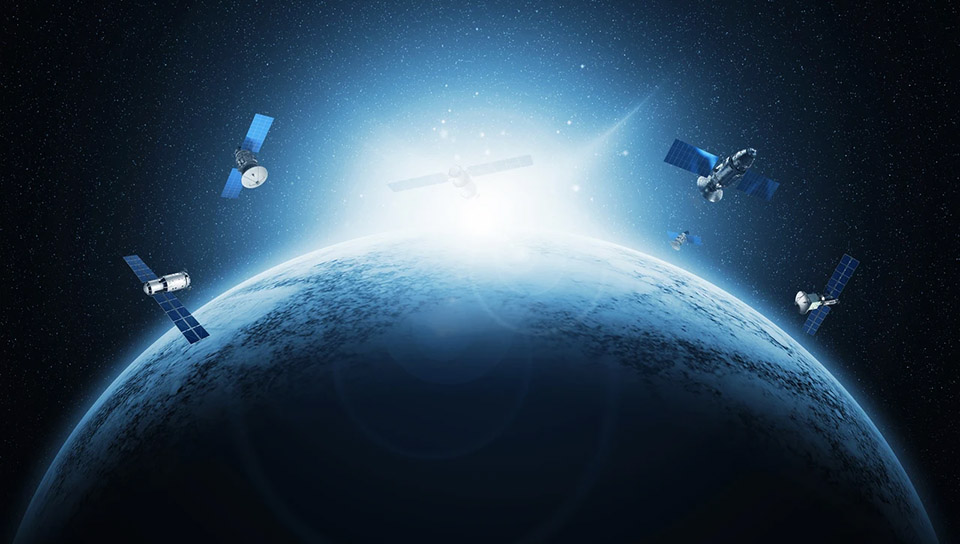
On Wednesday, Oct. 21, 2026, Viasat Inc. Successfully launched its Maxwell spacecraft into orbit, marking a key milestone in its partnership with NASA for the Communications Services Project. The Maxwell satellite will conduct a demonstration mission to validate advanced broadband capabilities and support future NASA communications needs. Viasat’s launch underscores the growing collaboration between commercial satellite operators and government agencies to deliver high‑speed connectivity to space. The successful deployment highlights Viasat’s role as a leading provider of satellite communications technology.
Starlink Surges to 13.6 Million Subscribers as GSMA Assesses TAM Penetration and Telco Defense
Original Publication Date: 2026-10-21 14:26
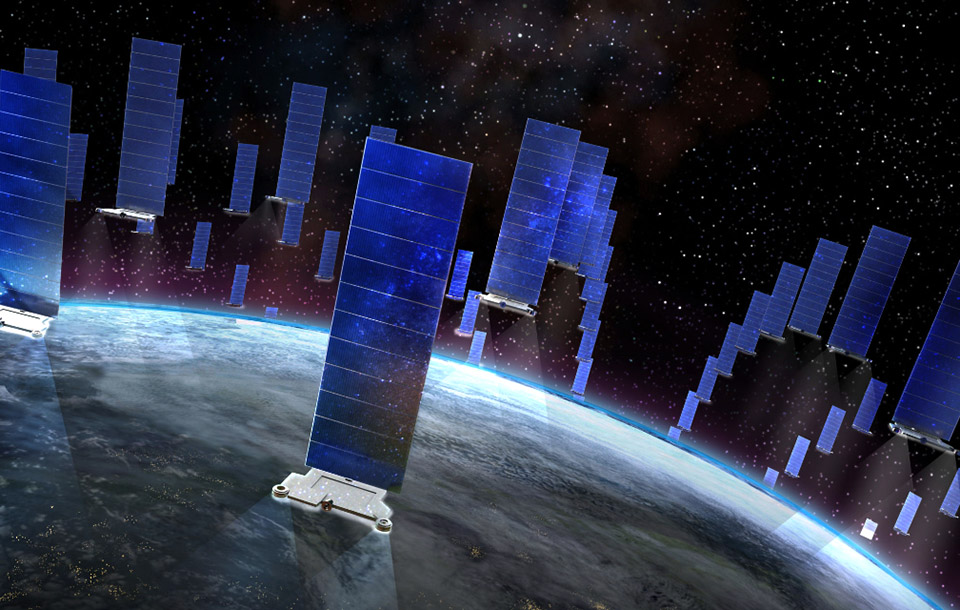
SpaceX announced its Q3 2026 results on October 20, reporting a net gain of 1.6 million Starlink subscribers that brought the total to 13.6 million worldwide. The satellite‑internet service continues to expand, outpacing competitors in both coverage and speed. Revenue growth was driven by increased data usage and new commercial contracts. The company remains optimistic about future expansion into new markets.
Fires Char New Guinea
Original Publication Date: 2026-10-22 04:01
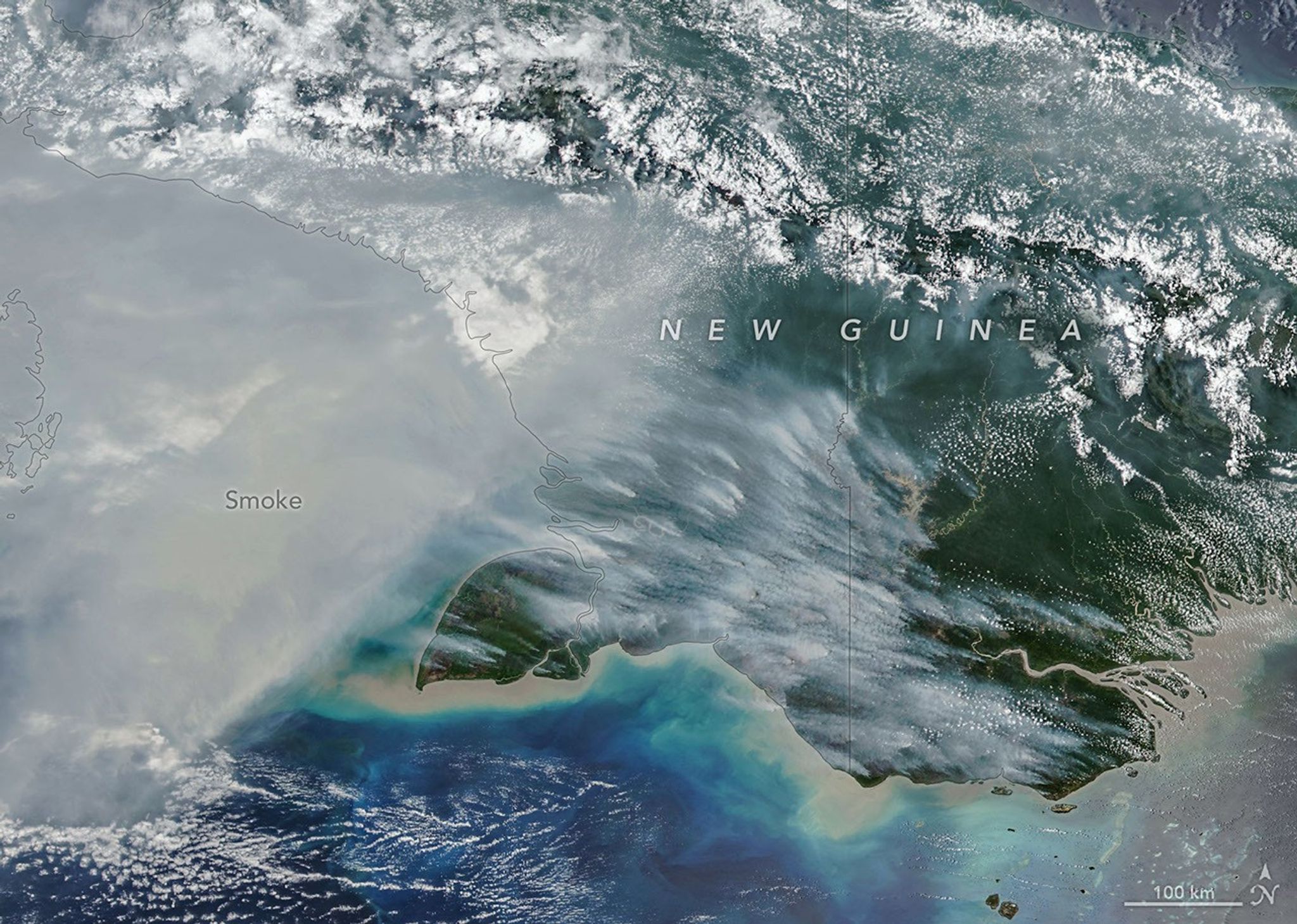
New Guinea’s forests and savannas were scorched by unprecedented fires in September and October 2026, driven by an intense El Niño drought that left the island with more than 90 days of no rain. Satellite data from NOAA‑20 and NASA’s GFED show the fires released nearly 32 megatons of carbon in Papua New Guinea and over 35 megatons in Indonesian Papua, surpassing historic records. Thick smoke has disrupted air quality, causing flight cancellations, school closures, and mask advisories for vulnerable populations. Scientists warn that the blaze will likely continue until the first rains of the wet season arrive in early November, highlighting the growing threat of deforestation in this biodiverse region.
Faster to Science: A Letter to the Science Community
Original Publication Date: 2026-10-22 00:00
NASA Science is rolling out Competition Model 2.0 to cut the time and paperwork for new missions, focusing first on the science case before engineering details. The new two‑step process for Astro‑Probes, New Frontiers and Discovery missions will trim the selection timeline by up to 45 percent, bringing the original 35‑month schedule down to roughly 20 months. MIDEX, Earth Explorer and other program classes will see similar reductions, while smaller SMEX and hosted‑payload missions will move to a single‑step, virtual review that speeds final selection by about 40 percent. By streamlining proposals and opening the door to universities, industry and commercial partners, NASA aims to deliver more science, faster and at lower cost.
NASA Conducts RS-25 Engine Test in Support of Future Artemis Missions
Original Publication Date: 2026-10-21 20:51
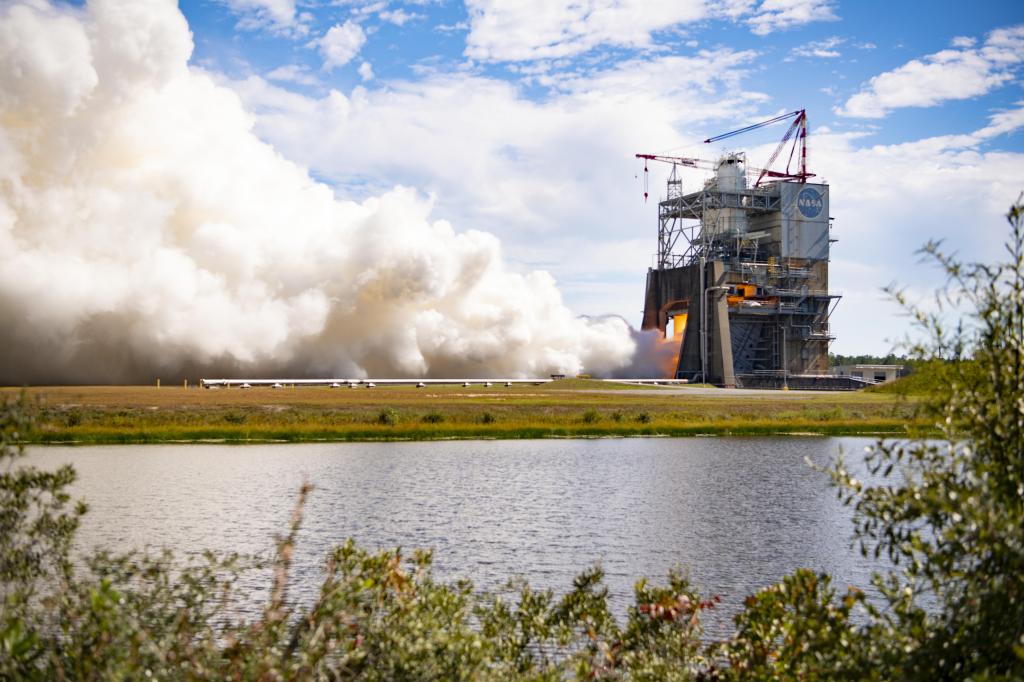
NASA’s Stennis Space Center fired RS‑25 engine No. 10001 for 500 seconds—exactly the duration the engine will run on an SLS launch—to test components for upcoming Artemis missions. The engine was pushed to 111 % power, validating a new thermal‑protection system that shields the nozzle during launch. Though not flight‑ready, the data will refine engine performance and reliability for future SLS rockets. This test underscores NASA’s commitment to ensuring the safety and success of the next Moonwalk.
NASA JPL Looks to Next 90 Years of Innovation, Exploration
Original Publication Date: 2026-10-21 18:00
Celebrating its 90th anniversary, the Jet Propulsion Laboratory—born from a 1936 rocket test in Pasadena—has launched the first U.S. Satellite, the first lunar mission, and pioneered the first probes to all four gas giants, among other milestones.
China readies first commercial resupply craft, first booster reflight, and next landing attempt
Original Publication Date: 2026-10-21 20:25

China is accelerating its reusable rocket program, with a second flight of the Chang Zheng 12A booster slated for November that could mark the country’s third successful orbital‑class booster recovery. The new cargo spacecraft Qingzhou has already completed a test mission carrying scientific payloads, while the Haolong reusable spaceplane is being developed to shuttle up to 2,000 kg to and from the Tiangong station on multiple missions. In parallel, China is testing droneships for sea landings, expanding sea‑launch platforms, and upgrading its broadband and navigation constellations as it prepares domestic services.
Hewlett Packard Enterprise to Send AI Compute Module to the Moon
Original Publication Date: 2026-10-21 12:14
Hewlett Packard Enterprise has unveiled its latest AI‑compute module, the Spaceborne Computer‑4, which will be installed on Astrolab’s FLIP rover for a lunar mission slated to launch this year. The module will run large‑language models, visual and LiDAR data processing, and autonomous monitoring on the Moon, while NASA and Deloitte will also deploy AI workloads—NASA’s neural‑net model will coordinate multiple AI systems and Deloitte’s Silent Shield will detect cyber intrusions in real time. HPE will back the mission from Earth, optimizing data delivery and workload management from Astrolab’s mission control to keep the rover making sense of its findings on the spot. This marks the fourth iteration of HPE’s spaceborne computers, now engineered to survive the lunar vacuum with low‑power CPUs, GPU, solid‑state flash storage, and radiation‑aware cooling.
On this day in space! Oct. 21, 2008: India launches its 1st mission to the moon with Chandrayaan-1
Original Publication Date: 2026-10-21 21:41
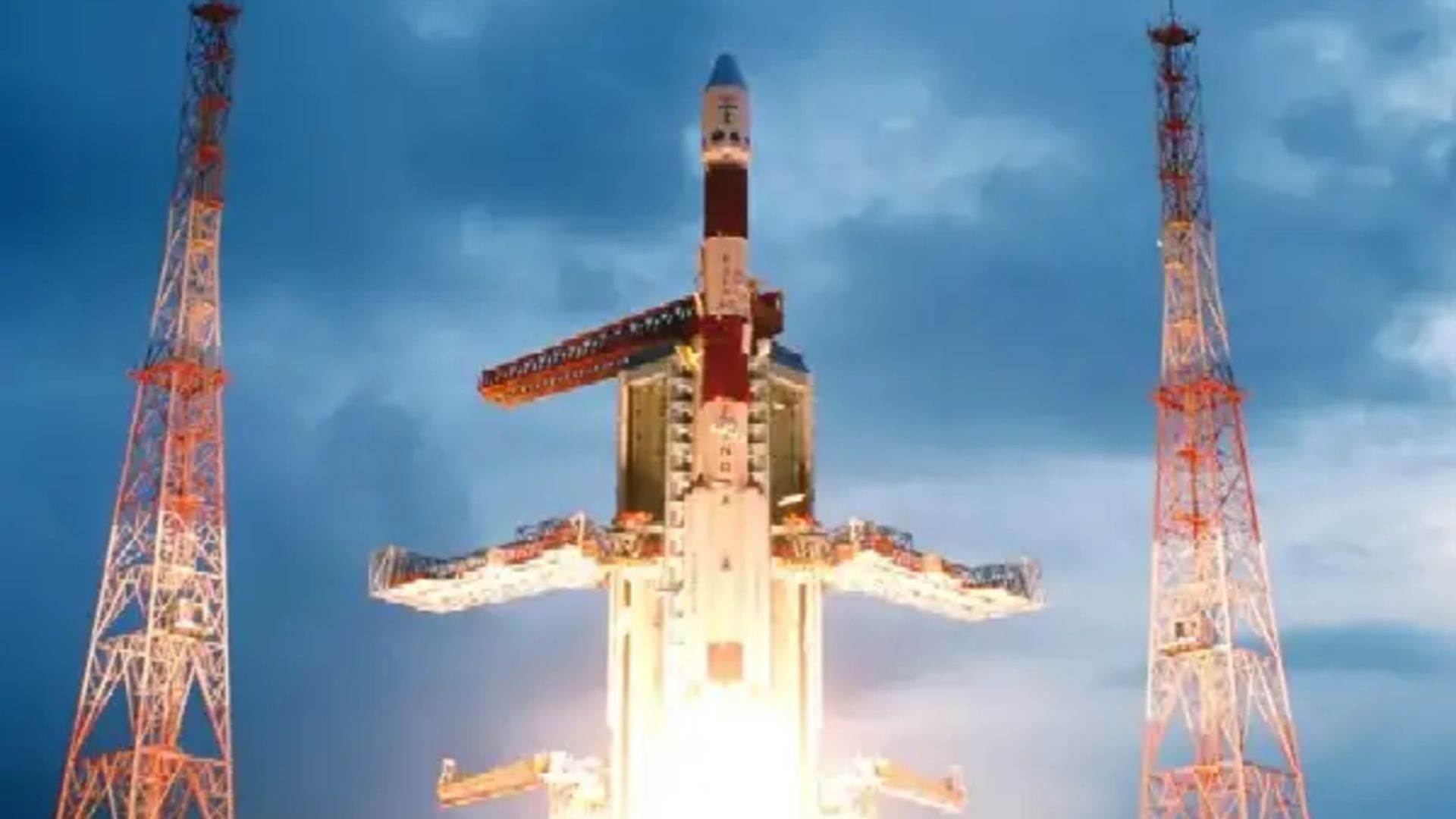
On October 21, 2008, India launched Chandrayaan‑1, its first deep‑space mission to the Moon, aboard a PSLV‑XL rocket from Satish Dhawan Space Centre. The spacecraft carried an orbiter and a Moon Impact Probe that crashed on November 14, while the orbiter spent a year mapping the lunar surface and finding evidence of water ice.
Space botanist conducts plant experiments in orbit | Space photo of the day for Oct. 21, 2026
Original Publication Date: 2026-10-21 14:00
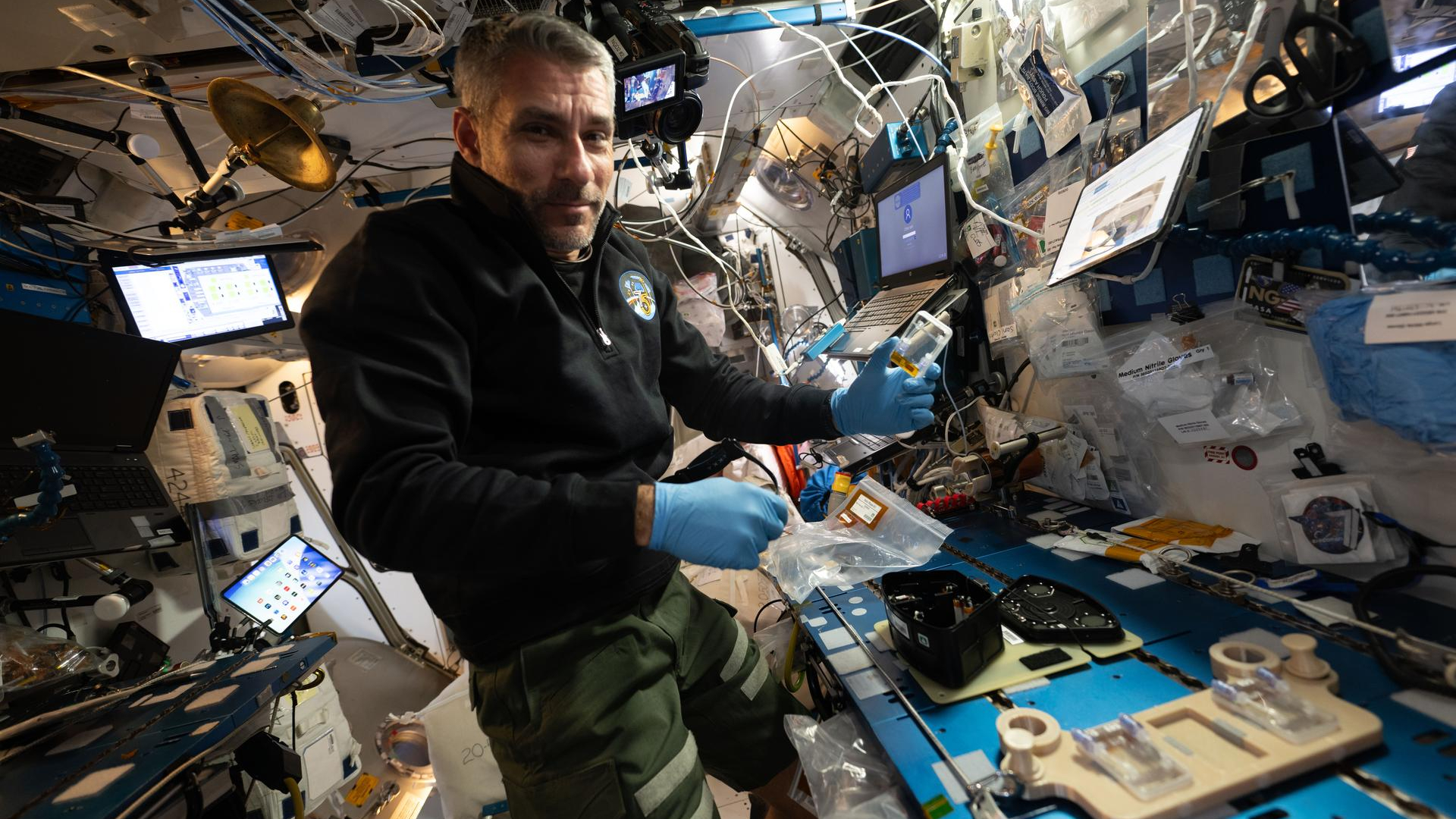
NASA astronaut Luke Delaney is busy in the International Space Station’s laboratory, cultivating plant specimens in petri dishes to study how genetics respond to microgravity. These botany experiments follow a long tradition of growing edible crops and even moss outside the station, helping scientists understand plant growth in space. The research not only advances space agriculture but also offers insights that could benefit Earth’s food production and environmental monitoring. By observing how plants adapt to the vacuum of orbit, astronauts are paving the way for sustainable life support systems on future deep‑space missions.
When will SpaceX and Blue Origin fly to the moon? NASA reveals lunar lander timelines (and an Artemis III update)
Original Publication Date: 2026-10-21 13:00
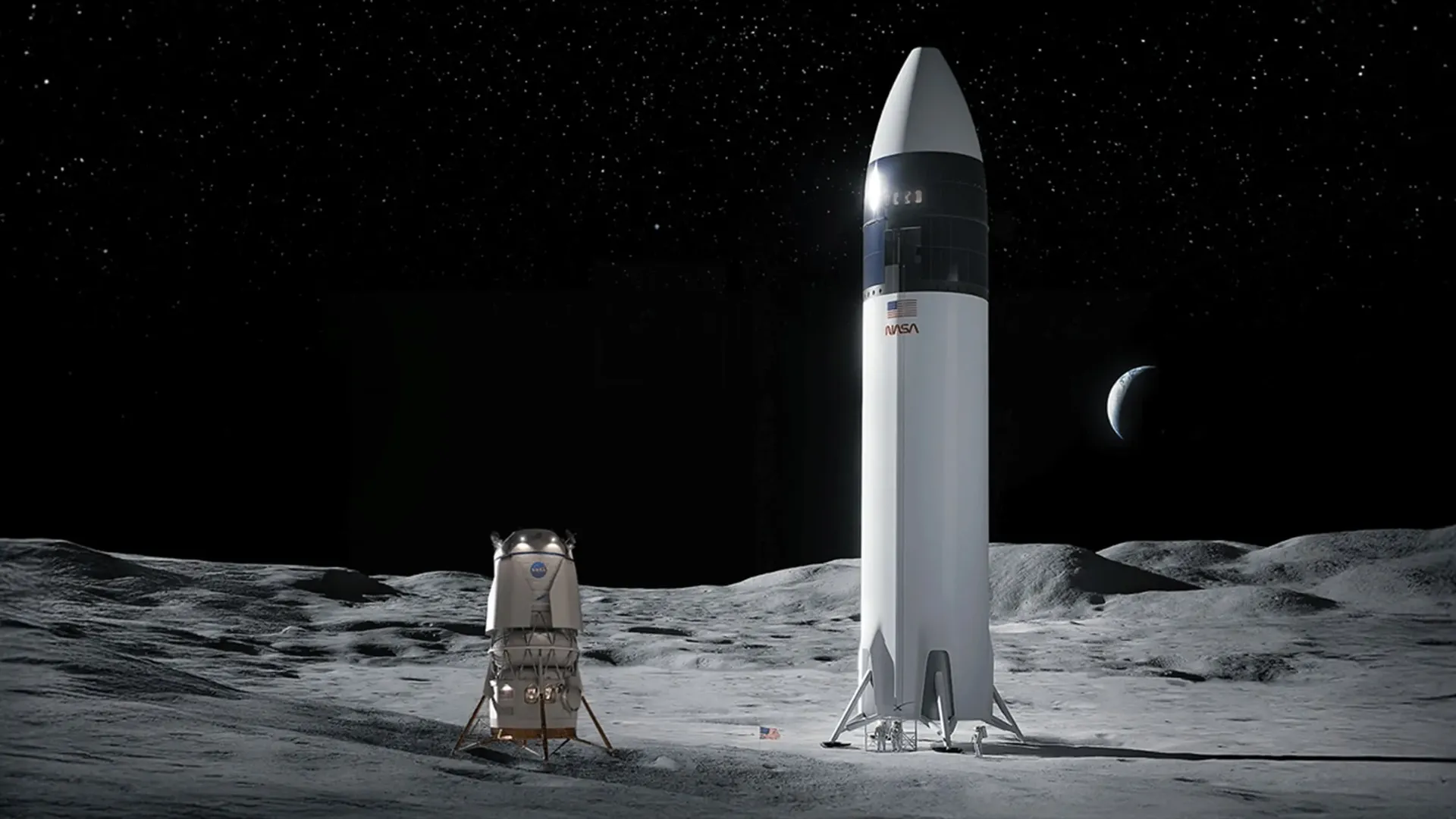
NASA has shifted its Artemis timeline, moving the first crewed lunar landing to 2028 while moving the critical vehicle test mission, Artemis III, to the third quarter of 2027. In that mission, four astronauts will launch aboard Orion to low‑Earth orbit, where they will dock with test versions of SpaceX’s Starship and Blue Origin’s Blue Moon landers to verify interoperability. Both companies must complete uncrewed landing tests, orbital refueling demonstrations, and cabin integration milestones through early 2028.
Russian satellite plays 'cat-and-mouse' with a commercial US spacecraft likely used by Ukraine. But why the risky close encounter?
Original Publication Date: 2026-10-21 10:00

Russian satellite Kosmos 2612 performed a daring close approach to the U.S. Commercial Earth‑observing craft ICEYE‑X36, coming within just a few meters in low‑Earth orbit between October 15 and 19. The maneuver, noted by satellite trackers as a “cat‑and‑mouse” game, marks the first time a Russian satellite has so closely inspected a non‑military U.S. Spacecraft in this orbit. ICEYE‑X36, which supplies high‑resolution synthetic‑aperture radar imagery to Ukraine, is believed to be of strategic interest to Moscow, which may be probing its capabilities or the data it collects. This incident underscores a growing trend of orbital proximity tests among the world's space powers.