 Spotify
 Apple Podcasts
 Podcast Addict
 Overcast
 Podcast RSS
Firefly Aerospace Schedules Third Quarter 2026 Financial Results for November 10
Original Publication Date: 2026-10-14 23:48

Firefly Aerospace Inc. Announced on October 14, 2026 that it will publish its third‑quarter 2026 financial results on Tuesday, November 13. The release will give investors insight into the company’s performance amid a competitive space‑launch market. Firefly, which has been expanding its launch services and developing new propulsion technology, expects the data to highlight its growth trajectory and ongoing projects. The results will be made available through the company’s investor relations website and a press release.
SpaceX Requests FAA Approval for Up to 456 Starship Launches Annually at Starbase
Original Publication Date: 2026-10-14 23:41
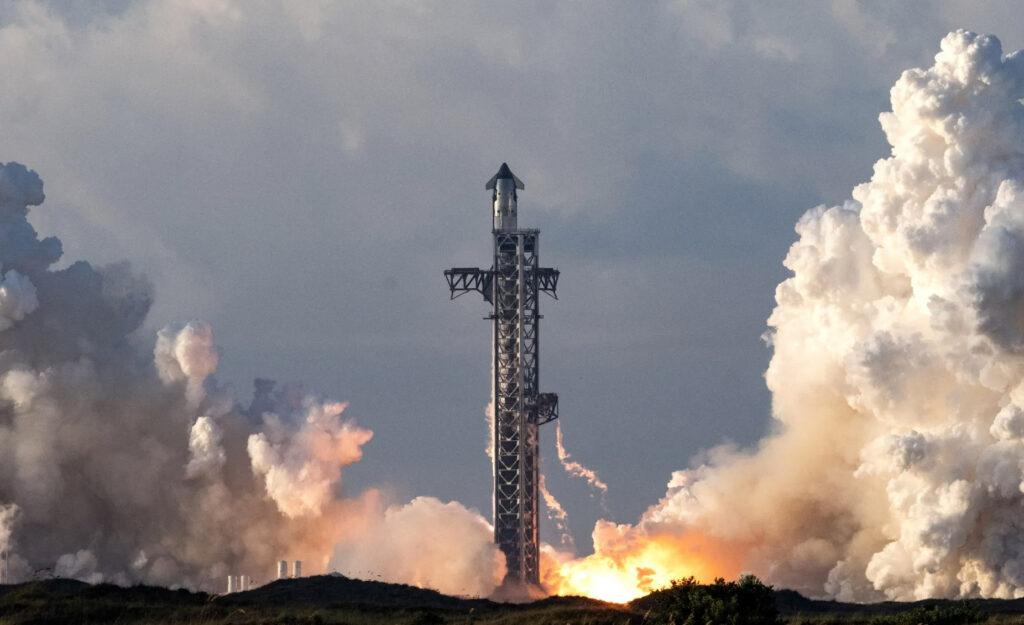
On October 12, 2026, the FAA announced its intention to prepare an Environmental Impact Statement for SpaceX’s plan to boost commercial launch activity. The notice signals the agency’s commitment to evaluating potential effects on airspace, noise, and local ecosystems. SpaceX’s proposal aims to expand launch frequency and payload capacity, raising concerns among environmental groups and nearby communities. The FAA will now open a public comment period to gather input before moving forward with the study.
Silicon Valley Space Week Speaker Focus: Austin Spiegel, Sift
Original Publication Date: 2026-10-14 17:51

FAA licensed fewer space launches in fiscal 2026 than in 2025, marking the first drop in approvals since 2019. Despite the slowdown, Transporter‑18 successfully lofted 130 satellites into orbit on October 1. At Silicon Valley Space Week, former Starlink telemetry engineer Austin Spiegel delivered a technical briefing on mission software. The event highlighted the growing sophistication of commercial spaceflight operations.
Fires Arrive in the Amazon Rainforest
Original Publication Date: 2026-10-15 04:01

El Niño‑driven drought has pushed the Amazon into a severe fire season, with satellite data showing a sharp rise in fires and smoke from September 2026 onward, especially around Manaus and Santarém. The smoke has filled the capital with hazardous air quality, forcing school closures and canceling city events as fine‑particle levels topped 135 µg/m³. Scientists warn that this “cascade” of tropical fires—already seen in Indonesia—will spread northward into Roraima, Pará, and even parts of Venezuela, Guyana, and Suriname by December, with the southern Amazon at peak risk in late 2027. These fires, largely human‑initiated, threaten to intensify as earlier burns char the forest, leaving it more vulnerable to future outbreaks.
NASA to Host News Conference Previewing US Spacewalks 100, 101
Original Publication Date: 2026-10-14 20:13
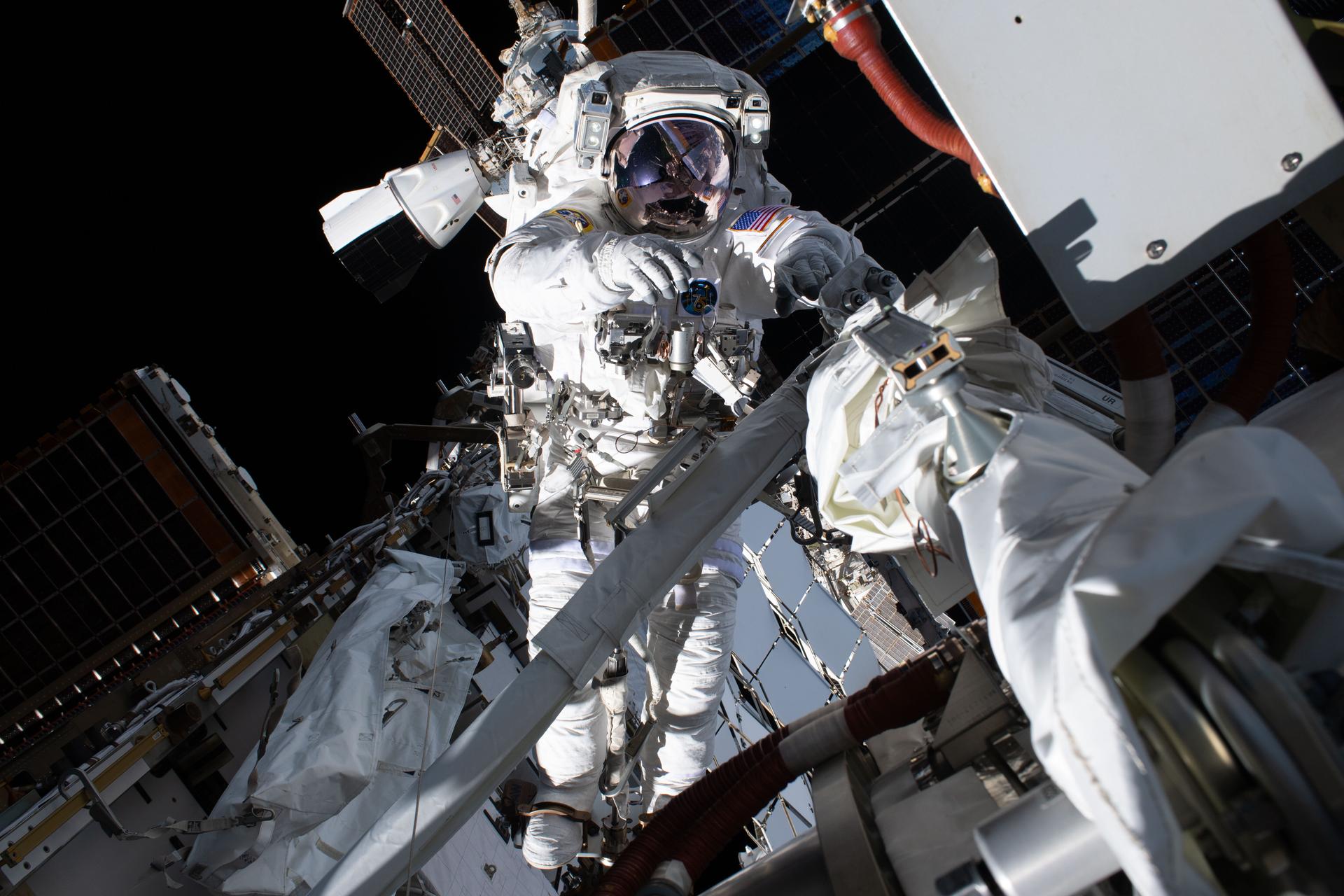
NASA announced on Oct. 20 that astronauts Anil Menon and Canadian partner Joshua Kutryk will perform two spacewalks—numbered 100 and 101—to install the seventh and eighth roll‑out solar arrays on the International Space Station.
NASA Astronauts to Answer Questions from Florida Students
Original Publication Date: 2026-10-14 19:12
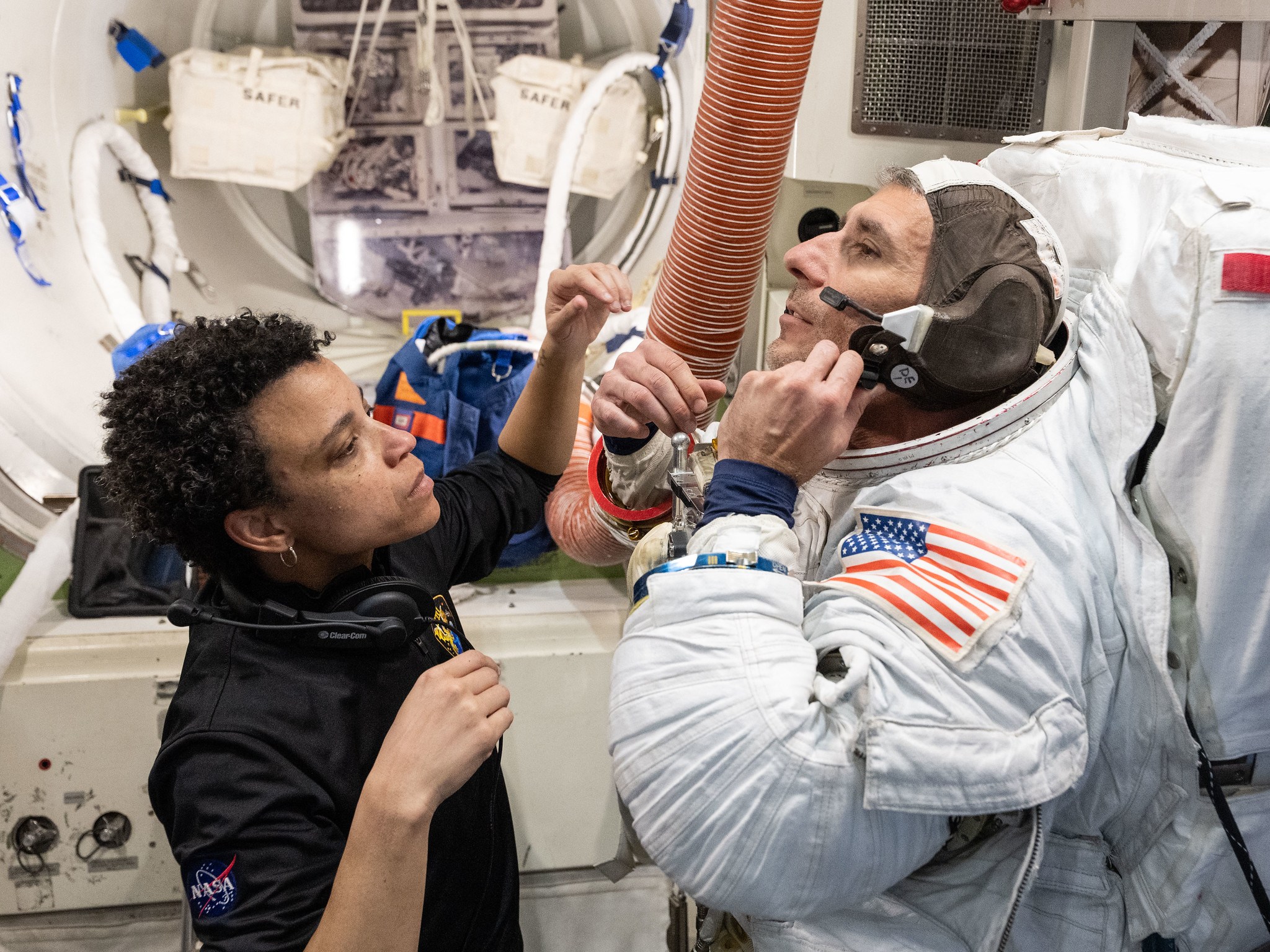
On Friday, Oct. 16 at 12 p.m. EDT, NASA astronauts Jessica Watkins and Luke Delaney will connect with students in grades K‑12 from Sally Ride Elementary School in Orlando, answering prerecorded STEM questions aboard the International Space Station.
Artemis III SLS teams prepare short stack for pad tanking test
Original Publication Date: 2026-10-14 22:36

NASA has finished stacking the twin five‑segment solid rocket boosters and installed all four RS‑25 engines on the Core Stage, forming a short‑stack that will be moved to Launch Pad 39B for a tanking test and crew rehearsal. The test, slated for the coming months, will give the Artemis III crew—Randy Bresnik, Frank Rubio, Andre Douglas, and ESA pilot Luca Parmitano—a full launch‑day run‑through before the no‑earlier‑than‑June 2027 mission.
JAXA Taps ArkEdge for Two Lunar Navigation Demos
Original Publication Date: 2026-10-15 08:00
JAXA has awarded Japanese startup ArkEdge Space two contracts to develop lunar navigation technology, aiming to give future Moon missions a GPS‑like system. The first contract calls for a study to integrate a Lunar Augmented Navigation Service receiver into JAXA’s crew rover for the Artemis program, detailing mass, power, and heat requirements. The second contract has ArkEdge building a receiver that will pick up signals from its own demo satellite, as well as NASA and ESA satellites, ensuring international interoperability. These efforts could lay the groundwork for reliable navigation for humans on the Moon.
Exclusive: In Orbit Aerospace Pivots From Re-entry Vehicles to Spacecraft Autonomy
Original Publication Date: 2026-10-14 12:17
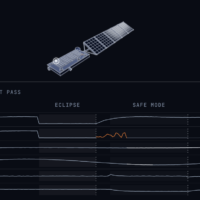
In Orbit Aerospace has shifted from building reentry vehicles to developing onboard AI that lets spacecraft operate without waiting for ground control, thanks to new NASA and Space Force contracts. Their INTELLACT software will debut in Q1 2027 on the AFRL/NASA HyperSTEP mission, managing health, maneuvers and anomalies while feeding operators actionable context instead of raw data.
Reflect Orbital Buys Two Skyroot Aerospace Launches
Original Publication Date: 2026-10-14 12:00
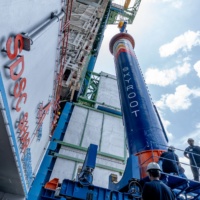
Reflect Orbital has secured two launch contracts with Indian company Skyroot Aerospace, using the Vikram‑1 and its upgraded Vikram‑1U to place its in‑space mirror satellite
How Space Companies Can Prepare for a Potential Launch Gap
Original Publication Date: 2026-10-14 11:09
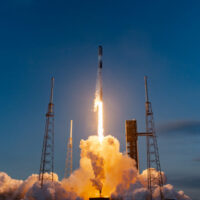
Space companies are urged to brace for potential launch gaps amid growing competition and launch delays. Experts recommend building robust contingency plans and securing additional capital to maintain momentum. By diversifying launch providers and investing in resilient infrastructure, firms can safeguard their schedules and investor confidence. These steps will help companies navigate uncertainties and keep missions on track.
Watch SpaceX deliver more than 6,000 pounds of cargo to the ISS today
Original Publication Date: 2026-10-15 04:05
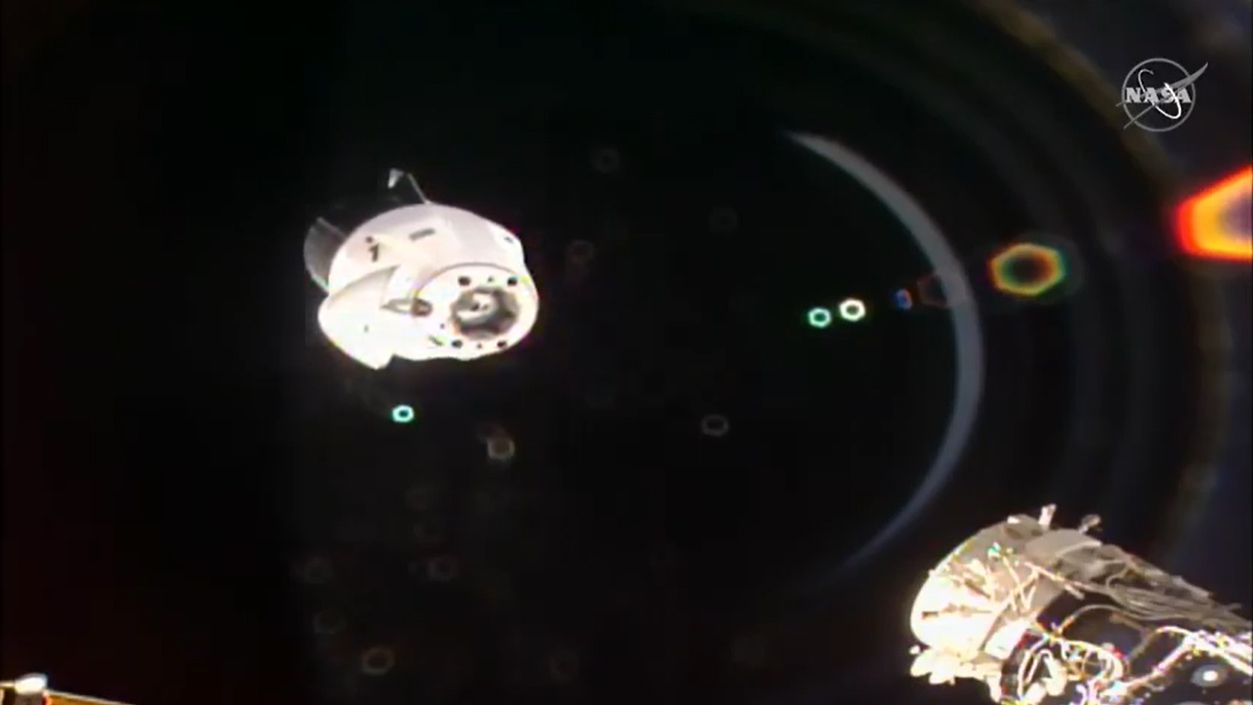
SpaceX’s Dragon cargo spacecraft, on its 35th Commercial Resupply Service mission, launched from Cape Canaveral on Tuesday and is now docked with the International Space Station, delivering more than 6,000 pounds of food, supplies, research equipment, and waste for the crew. The Dragon, which chased the ISS for 51 hours, will remain attached for about a month before returning to Earth with the station’s trash. The launch also produced a spectacular “space jellyfish” visible along the U.S. East Coast. This marks a continued partnership between NASA and SpaceX to keep the ISS stocked and operational.
SpaceX's Starship just turned 10 years old. When will it go to Mars?
Original Publication Date: 2026-10-14 18:00
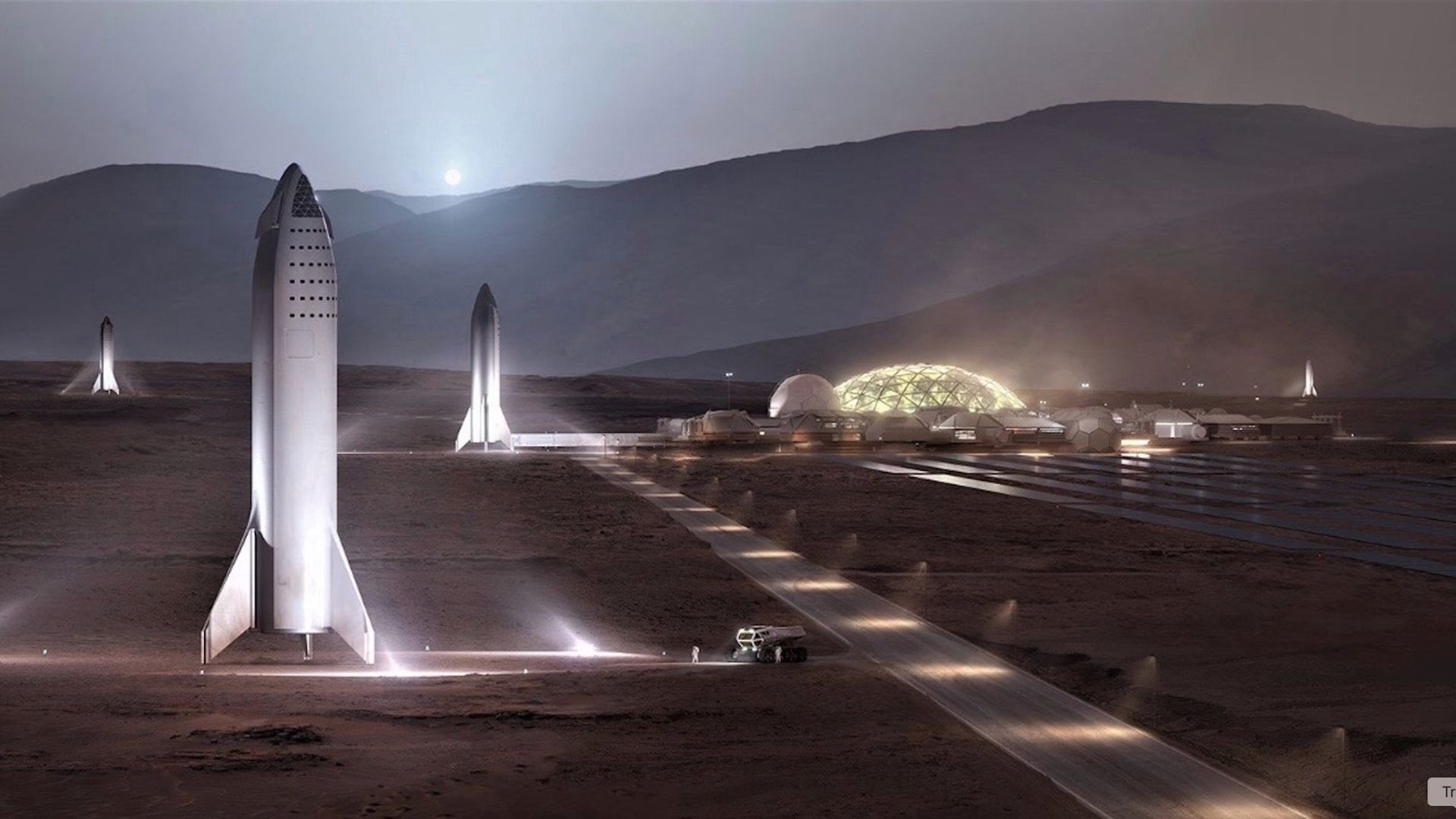
SpaceX’s Starship, now 10 years old, achieved its first orbit on September 28 after a decade of iterative testing, marking a milestone for the company’s flagship rocket. While the vehicle has already delivered the first members of the next‑generation Starlink V3 constellation, engineers say it still must prove large‑scale cryogenic propellant transfer before it can carry humans to the Moon or Mars. NASA’s Artemis program has selected Starship as the first lunar lander, but experts view the Moon as a proving ground that will help refine the system for future Martian missions.
On this day in space! Oct. 14, 1947: Test pilot Chuck Yeager breaks the sound barrier in the Bell X-1, the first X-plane
Original Publication Date: 2026-10-14 16:30
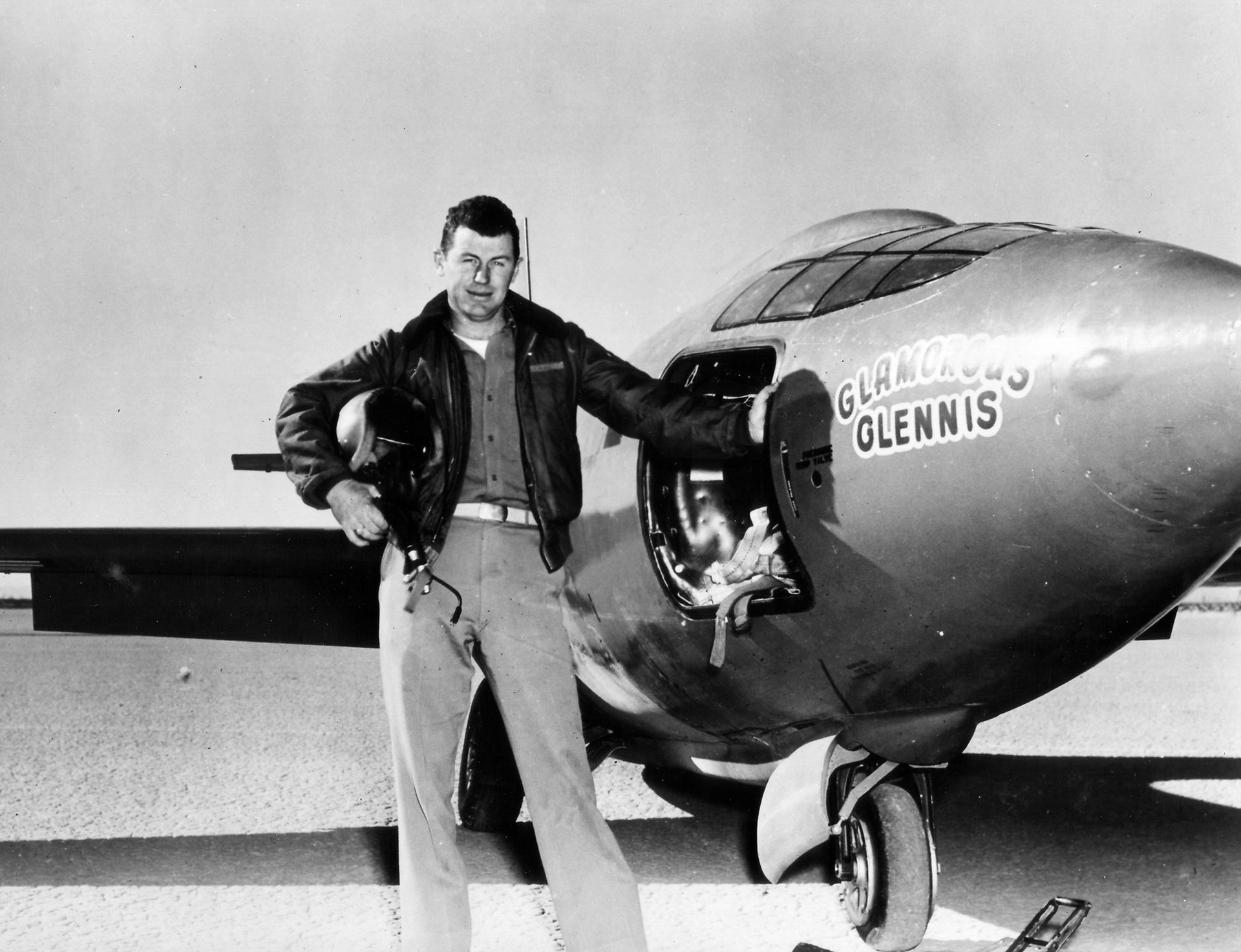
On October 14, 1947, U.S. Air Force test pilot Chuck Yeager became the first man to break the sound barrier, soaring in the Bell X‑1 rocket plane—named “Glamorous Glennis”—to a peak speed of Mach 1.07, or about 821 mph. The flight, dropped from a B‑29 at 43,000 feet, was initially classified as Top Secret and only released to the public in December of that year. Yeager’s historic run proved that supersonic flight was achievable and paved the way for the modern X‑plane research program that continues at NASA and the military today. The Bell X‑1’s success marked a turning point in aviation history, establishing the concept of a research aircraft built solely for experimental purposes.
Life after the moon: Artemis II's Christina Koch steps down from active astronaut duty
Original Publication Date: 2026-10-14 16:00
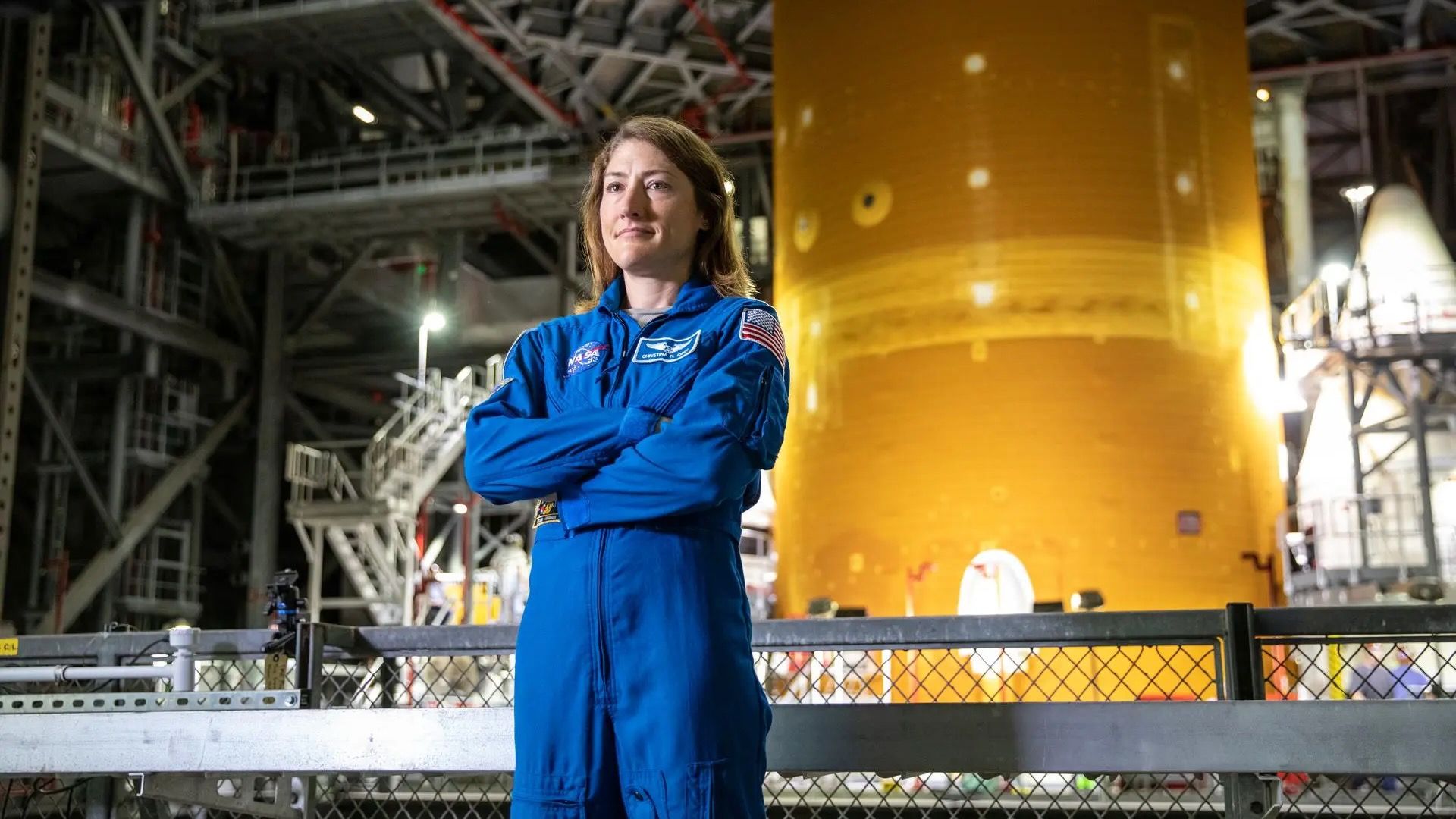
NASA has announced that Artemis II mission specialist Christina Koch will become the agency’s acting deputy chief engineer effective Nov. 1, a move that transitions her to management status and ends her eligibility for future flights. The other three crew members—Reid Wiseman, Victor Glover, and Canadian astronaut Jeremy Hansen—have also shifted roles, with Wiseman and Glover becoming emeritus astronauts and Hansen joining the Royal Canadian Air Force as a reservist colonel.
Things are finally looking up for NASA's first missions to Venus in a generation
Original Publication Date: 2026-10-14 20:48

Venus is set to become the new focus of planetary science, with NASA planning two missions for the early 2030s. DAVINCI, launching in December 2030, will drop a parachute‑assisted probe into the planet’s clouds, delivering the first direct surface images since 1982. The follow‑up VERITAS mission, slated for November 2032, will orbit Venus and use radar to map its surface, while the European Space Agency’s Envision orbiter is also scheduled for a 2032 launch.