 Spotify
 Apple Podcasts
 Podcast Addict
 Overcast
 Podcast RSS
Silicon Valley Space Week Speaker Focus: Dr. Tim Farrar, TMF Associates
Original Publication Date: 2026-10-07 16:55

Last year at Silicon Valley Space Week, Tim Farrar questioned the hype around direct‑to‑device connectivity. Since then, SpaceX has committed to using more EchoStar spectrum for its Starlink Direct‑to‑Cell service, while Amazon has filed to launch its own satellite constellation. Farrar now delivers a solo market brief, examining how Starlink’s broadband dominance could reshape the direct‑to‑device landscape. This briefing underscores the growing competition and potential impact on consumers and the industry.
SDA and DIU Award Deorbit Vehicle Contracts to Firefly, D-Orbit, Katalyst, and Starfish Space
Original Publication Date: 2026-10-07 16:33
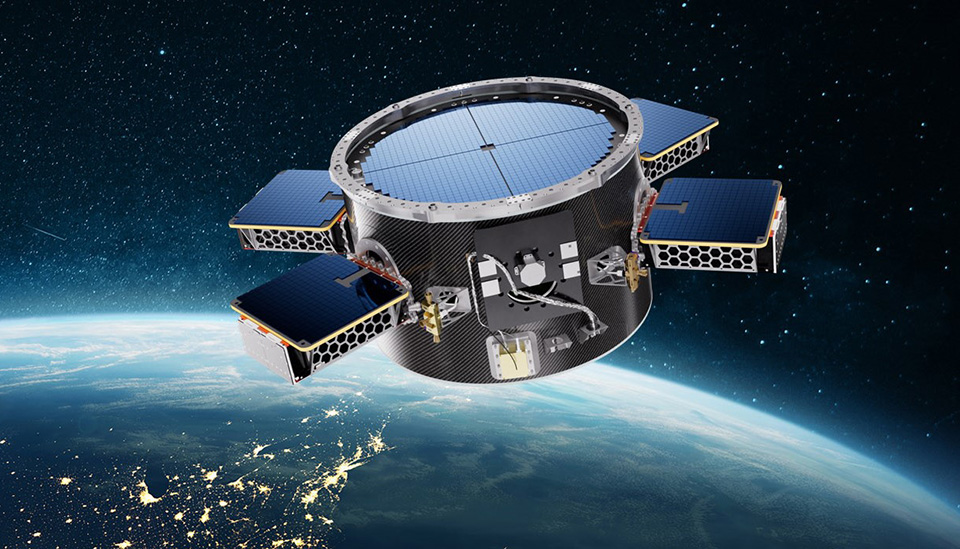
On Oct. 7, 2026, the Space Development Agency and the Defense Innovation Unit announced new contracts to boost space debris mitigation and active satellite deorbiting. The awards aim to develop cutting‑edge technologies that will clean up the increasingly crowded orbital environment and protect national assets. By deploying these systems, the U.S. Hopes to reduce collision risks and extend the lifespan of its space infrastructure. These efforts underscore a growing commitment to safeguarding the final frontier.
U.S. and Japan Formally Designate AST SpaceMobile and Rakuten LEO Infrastructure Under Bilateral Technology Prosperity Deal
Original Publication Date: 2026-10-07 16:04
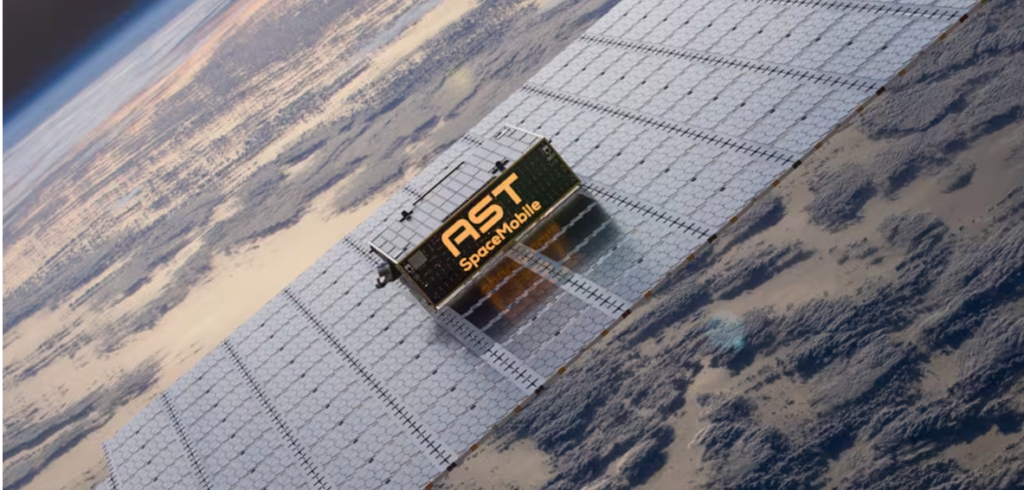
On October 7, 2026, the U.S. Department of State and the White House Office of Science and Technology Policy (OSTP) confirmed that the United States and Japanese governments are jointly working on the project. The United States and Japanese Governments are jointly working on a project to develop a new form of communication technology.
FCC Grants SpaceX Approval for 15,000-Satellite Very Low Earth Orbit Direct-to-Device Constellation
Original Publication Date: 2026-10-07 16:00
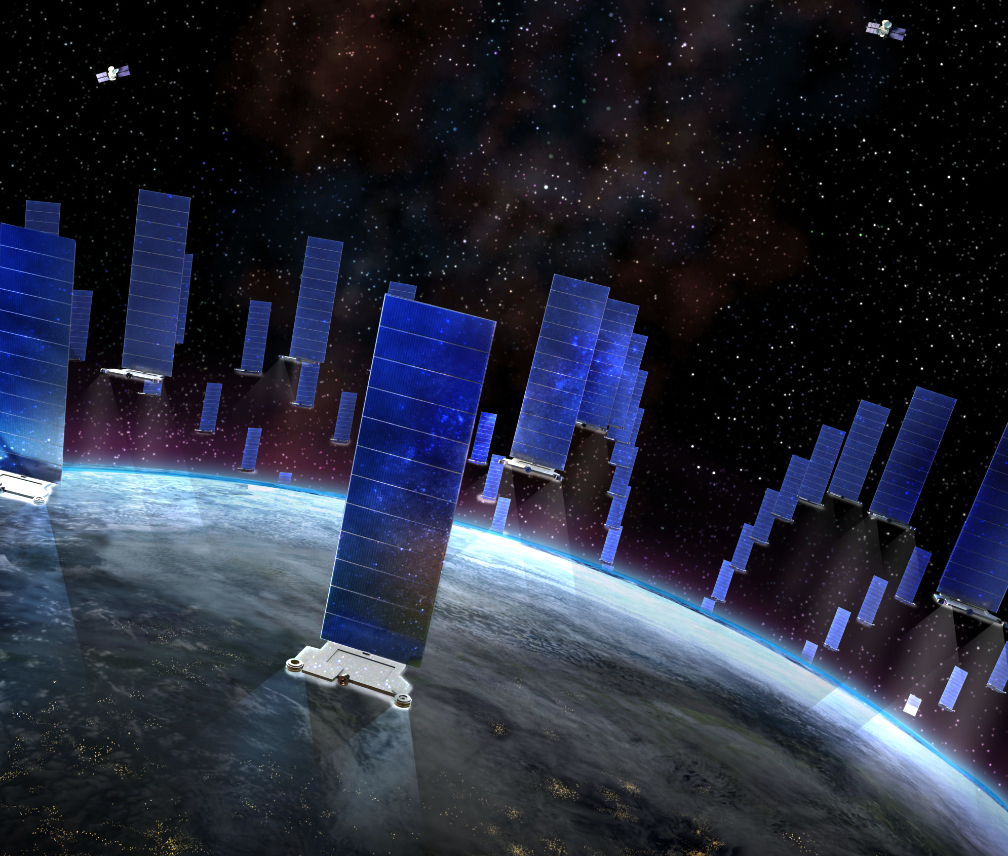
The FCC gave SpaceX the green light on October 7, 2026, to launch a massive 15,000‑satellite constellation in Very Low Earth Orbit dedicated to direct‑to‑device connectivity. This VLEO network will provide ultra‑low latency broadband, enabling high‑speed internet and data services directly to smartphones, laptops, and other mobile devices. SpaceX plans to deploy the satellites in a series of launches over the next few years, aiming to deliver global coverage and support next‑generation applications such as augmented reality and autonomous vehicles. The approval marks a significant step toward a new era of satellite‑based internet services.
NASA Sets Coverage for SpaceX 35th Station Resupply Launch, Arrival
Original Publication Date: 2026-10-07 21:16
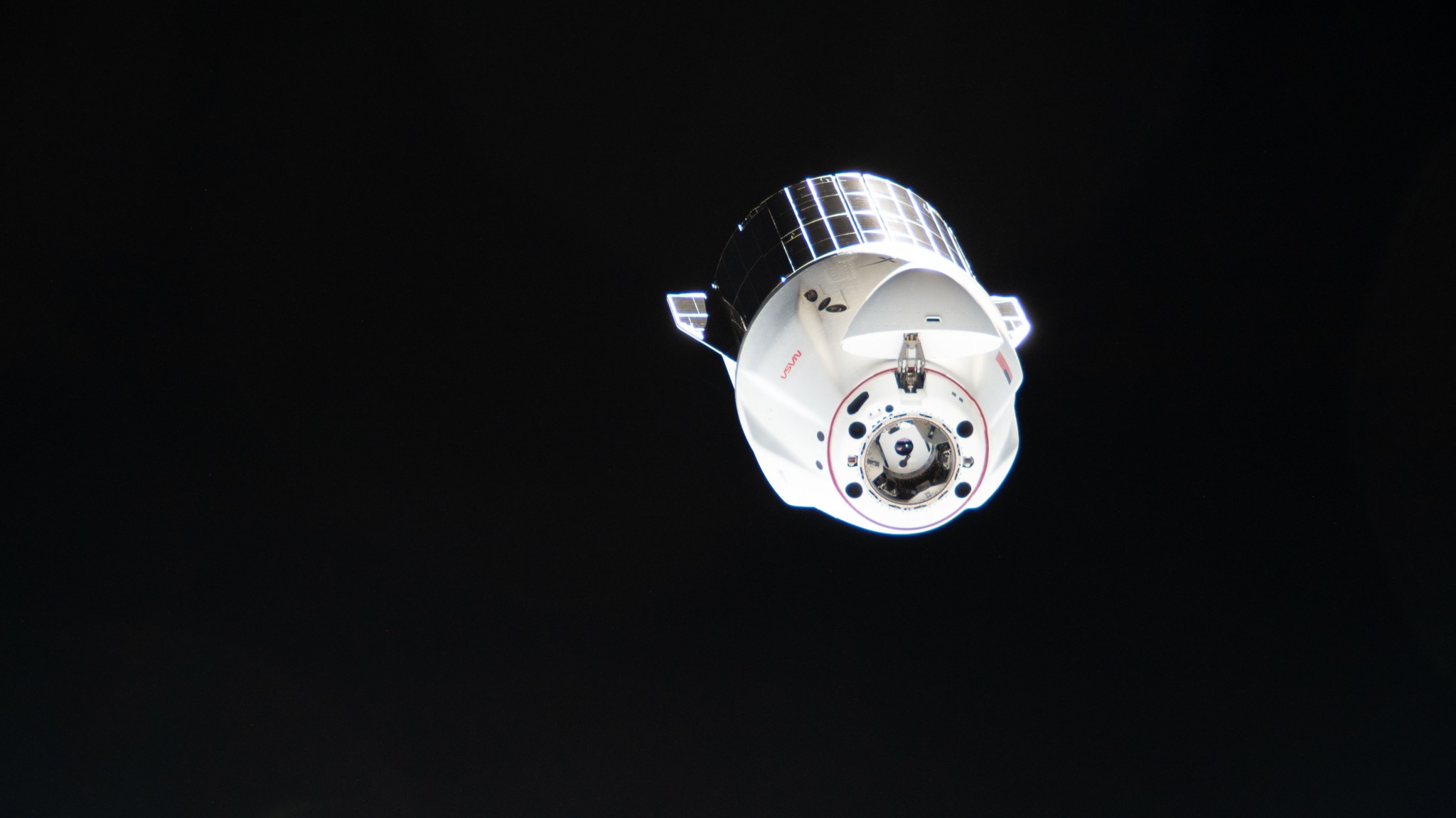
SpaceX Dragon departed the International Space Station on June 16 after undocking from the Harmony module, carrying completed experiments and cargo that splashed down off southern California the following day.
Exclusive: Xona Ramps Up Production Ahead of Pulsar Launch
Original Publication Date: 2026-10-07 13:00
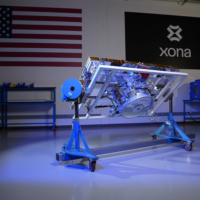
Xona has secured FCC approval and is gearing up to launch six Pulsar satellites on SpaceX’s Bandwagon‑5 mission, with operations slated to begin in early 2027. To scale production, the company has hired Waymo veteran Patrick Cadariu as COO, begun building four lighter satellites in Burlingame, and expanded a Montreal facility to 35,000 square feet for manufacturing and mission operations. Cadariu says the focus is on building a “machine that builds the machine,” integrating design, supply chain, and operations to produce multiple satellites per week by the end of 2027 while maintaining quality and reliability. Xona’s strategy aims to deliver a full constellation of navigation satellites, ensuring performance and resilience as it moves toward large‑scale production.
If you're looking, here's a "good deal" for NASA and the European Space Agency
Original Publication Date: 2026-10-07 11:00
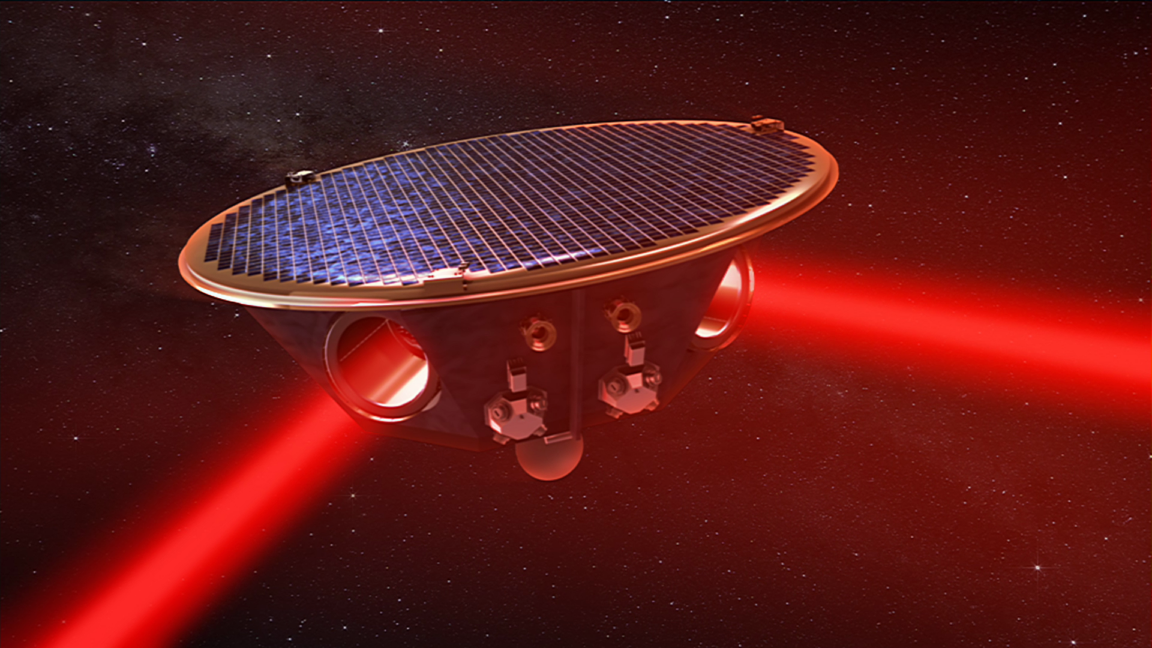
NASA is shifting its international partnership strategy to focus solely on lucrative deals, reshaping expectations of global space cooperation. With no major budget boost, the agency is prioritizing a Moon Base and a race for lunar resources against China, sidelining other projects. As a result, the planned Lunar Gateway space station has been dropped, deemed an unnecessary expense. NASA is now concentrating all efforts on establishing a surface station near the Moon's south pole.