 Spotify
 Apple Podcasts
 Podcast Addict
 Overcast
 Podcast RSS
Space Force Weighs Acquisition of Five Cislunar Satellites by Late 2029
Original Publication Date: 2026-11-11 16:25
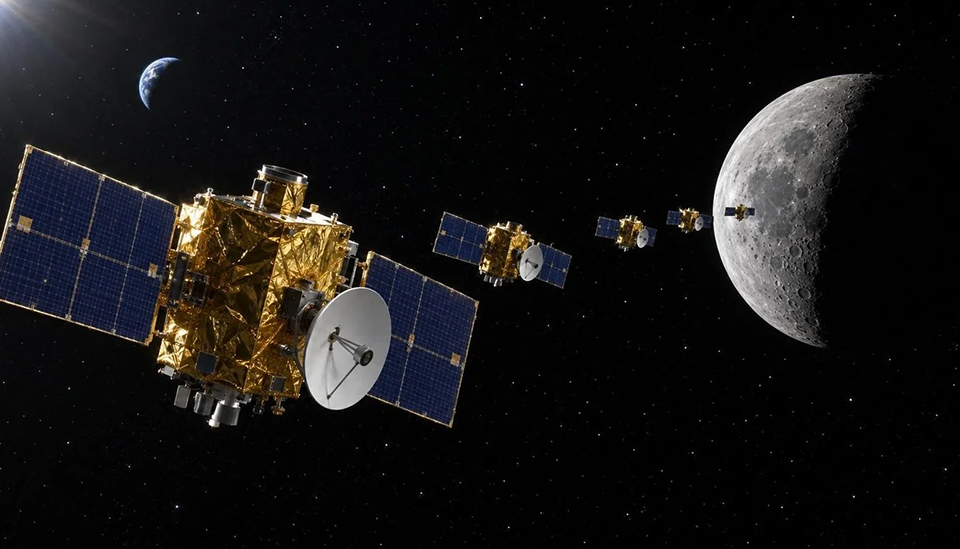
The Department of the Air Force and the U.S. Space Force are moving forward with plans to procure up to five cislunar satellites, aiming to create a defensive presence in the space between Earth and the Moon. These satellites would provide early warning and tracking of potential threats, enhancing national security. The initiative reflects growing concerns over hostile actors and the need for resilient space infrastructure. The procurement process is expected to begin shortly, with deployment anticipated in the next few years.
Rakuten and AST SpaceMobile Form Joint Venture for $1B Japanese J-LEO Satellite Network
Original Publication Date: 2026-11-11 16:19
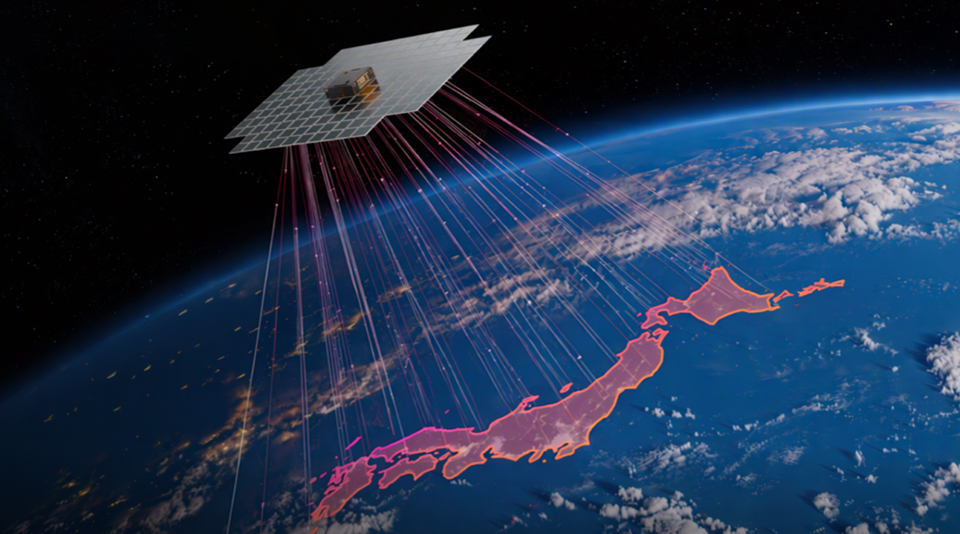
Japanese tech giant Rakuten Group and satellite‑to‑device provider AST SpaceMobile announced a new joint venture, Rakuten AST, on Nov. 10, 2026. The partnership will combine AST’s low‑Earth‑orbit broadband network with Rakuten’s retail and telecom expertise to deliver global satellite internet to consumers and businesses. The deal positions Japan as a key player in the rapidly expanding satellite‑internet market.
Firefly CEO Projects Defense Sector Could Comprise 25% of Lunar Services Market
Original Publication Date: 2026-11-11 15:16
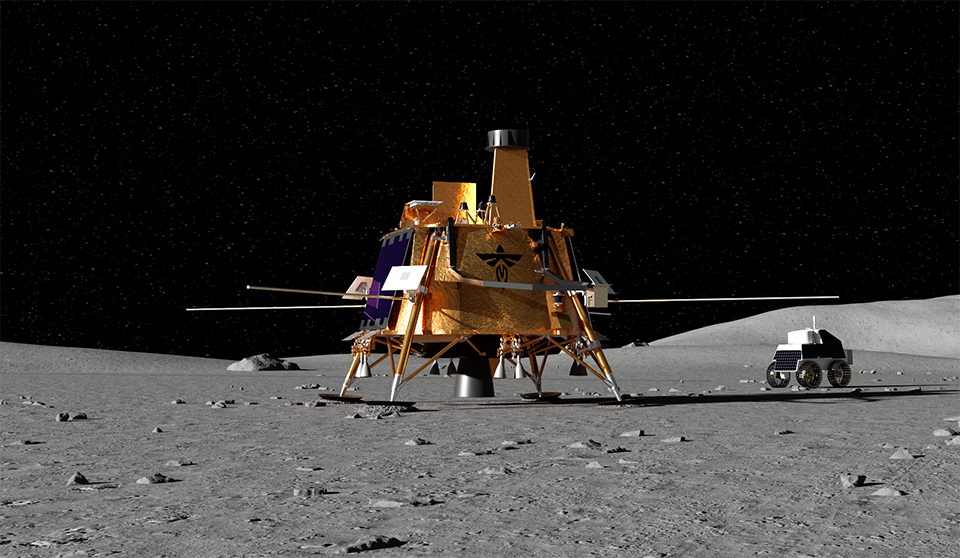
Firefly Aerospace estimates that roughly a quarter of the growing lunar services market will come from military customers as defense agencies boost space domain awareness and orbital maneuvering. The company’s new lunar launch vehicle, designed to deliver payloads to the Moon, is positioned to meet the expanding demand for rapid, reusable access to lunar orbit. Analysts predict that the defense sector’s need for real‑time surveillance and rapid deployment will drive a significant share of the market, while commercial and scientific players continue to grow the broader industry. Firefly’s strategy underscores the increasing importance of private industry in supporting national security objectives in space.
Curiosity Blog, Sols 5063-5069 Rocks and Chips
Original Publication Date: 2026-11-12 00:41
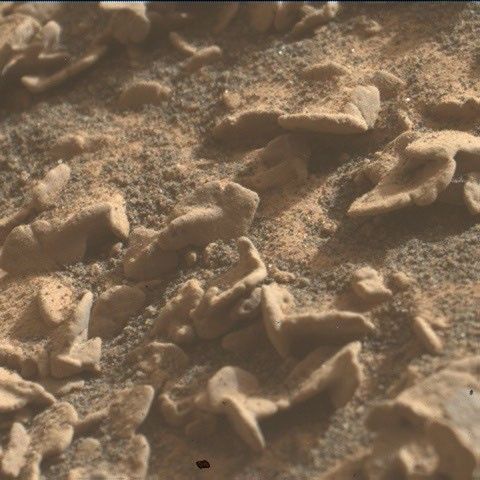
NASA’s Curiosity rover has been busy drilling and sampling at the “Nazca” drill hole, where it collected rock fragments and sent them to the SAM instrument for analysis. The team used MAHLI to capture high‑resolution images of chip‑shaped crystal forms, ChemCam’s LIBS to probe mineralogy, and RMI mosaics to map surrounding rock clusters. Additional observations included a dust devil survey, atmospheric movies, and a nighttime imaging session of the crystals with LED lamps, while also prioritizing a view of Phobos eclipsing the Sun. Curiosity will soon head back along its southern route to continue exploring the rugged terrain of Mount Sharp.
SpaceX launches 2nd mystery mission for US Space Force in 6-day span (photos)
Original Publication Date: 2026-11-12 05:24
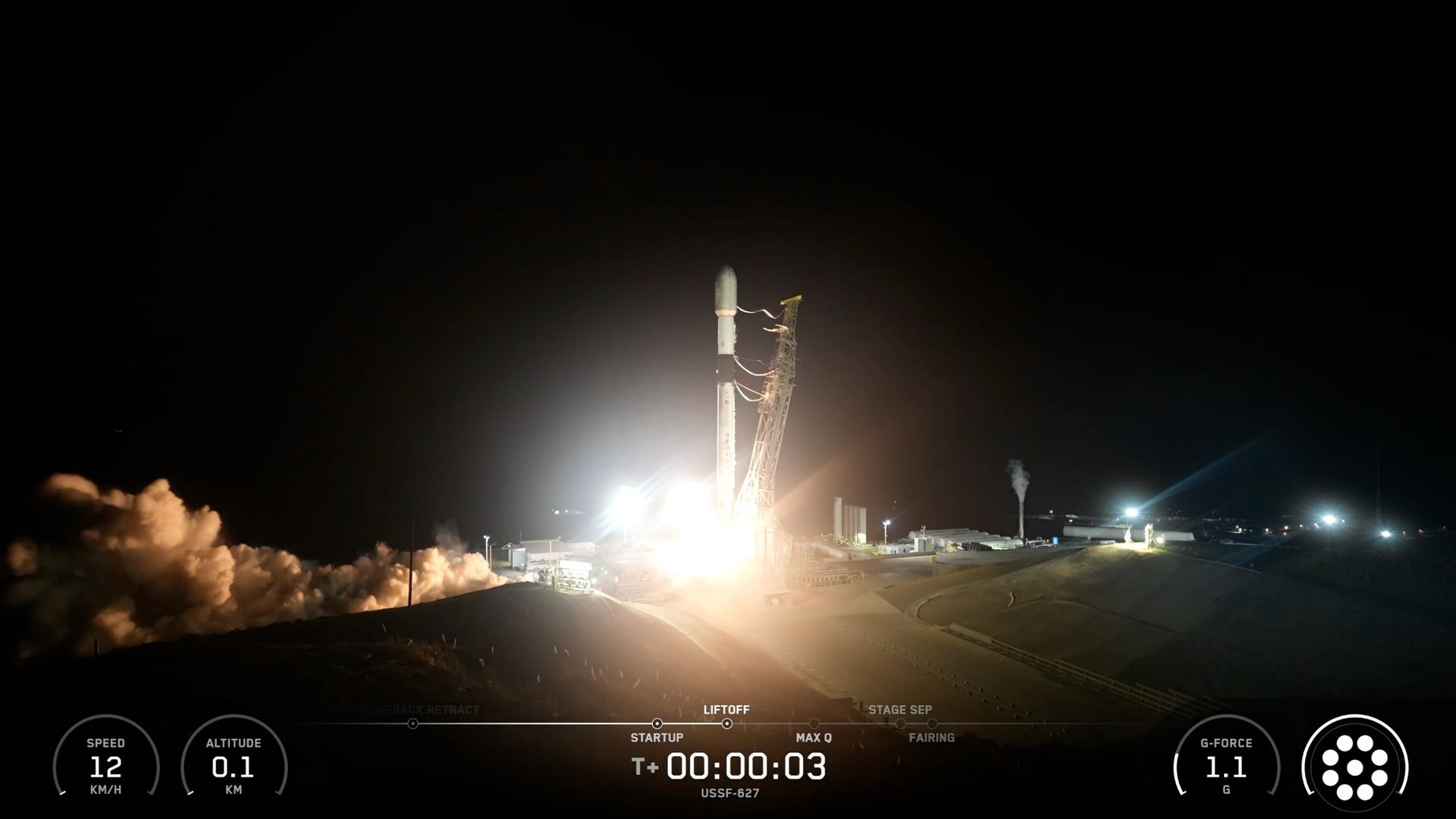
SpaceX launched a classified US Space Force mission, USSF‑627, from California’s Vandenberg Space Force Base on Nov.
NASA kick-starts a fresh push to bring Mars samples home
Original Publication Date: 2026-11-11 22:00
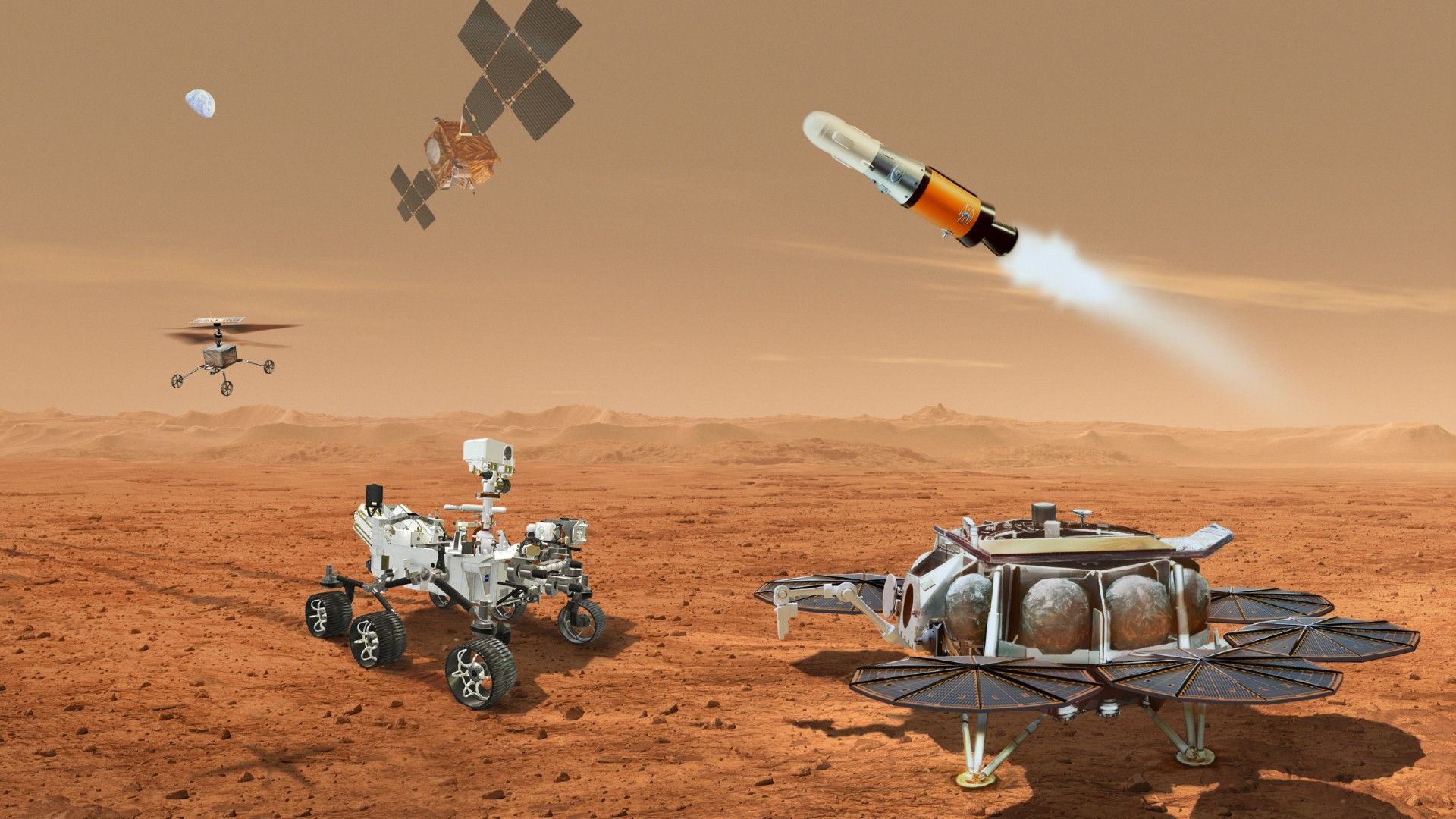
NASA has launched a new initiative, the Perseverance Sample Retrieval Architecture, to design a cost‑effective way to haul back rocks and dust collected by its rover on
We can't see Fast Radio Bursts but we can now hear them thanks to a Finnish Cathedral
Original Publication Date: 2026-11-11 21:00

In Finland, composer Andrew Melchior has turned thousands of fast radio bursts detected by the CHIME telescope into audible music, playing the sounds daily at Oulu Cathedral since April. The bursts, which release as much energy in a millisecond as the Sun does in three days, are mapped to musical pitches and delivered through 12 speakers, creating tones that range from humming to popping. On Nov. 21, 30 singers will join the audience to sing in Finnish while Melchior performs the sonic bursts live, offering listeners a chance to hear cosmic events that last only milliseconds.
On this day in space! Nov. 11, 1966: NASA launches Gemini 12 mission with astronaut icons Buzz Aldrin and Jim Lovell aboard
Original Publication Date: 2026-11-11 20:50
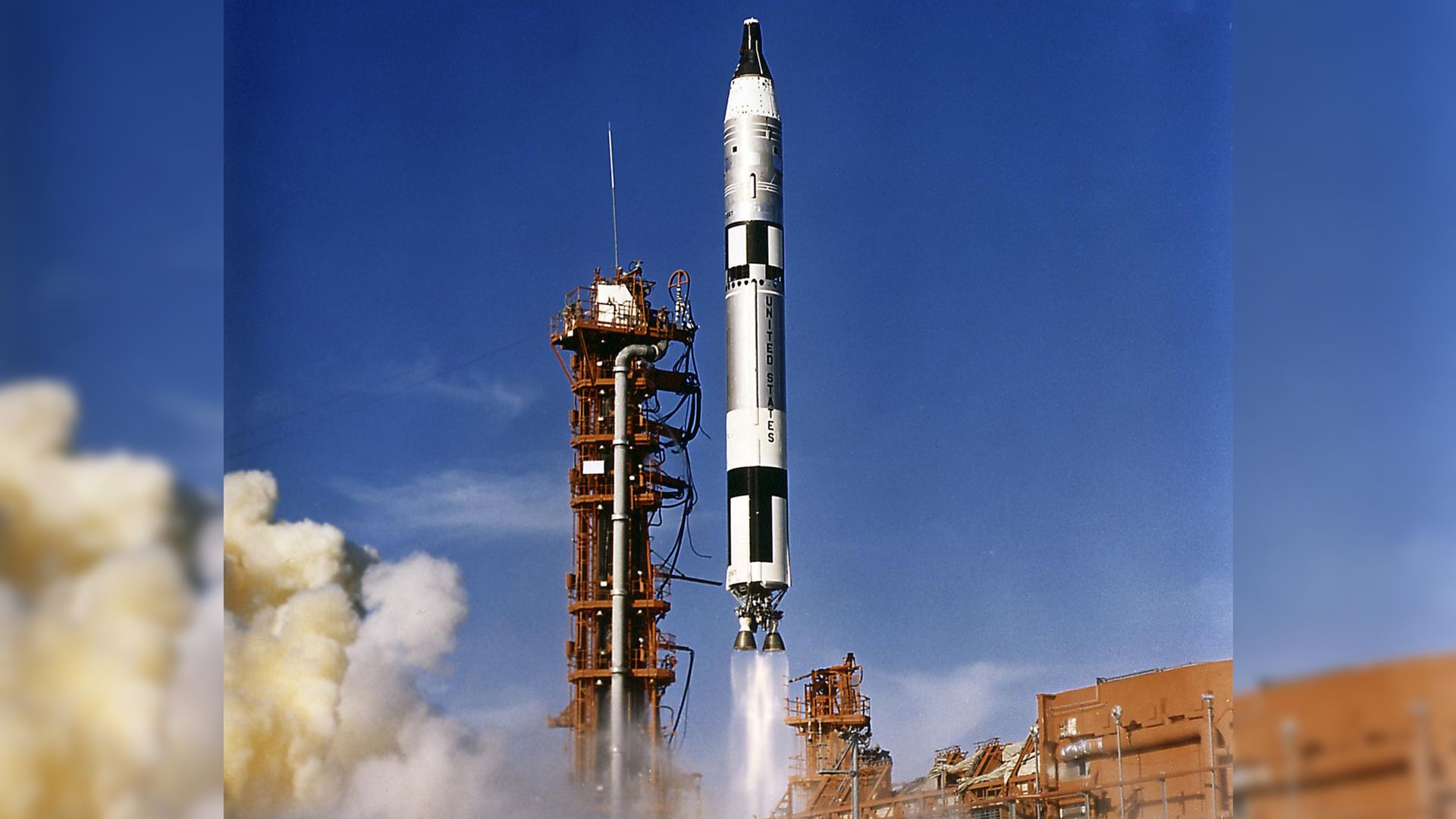
On November 11, 1966, NASA launched Gemini 12 from Kennedy Space Center, carrying Buzz Aldrin and Jim Lovell, marking the final mission of the Gemini program. The crew spent four days in orbit, successfully docking with an unpiloted Agena booster and performing three spacewalks that refined handhold placement and tools for future lunar missions. Aldrin’s underwater training proved so effective that it became the standard method for spacewalk preparation worldwide. Both astronauts would later play pivotal roles in Apollo: Aldrin walked on the Moon in 1969, and Lovell commanded the ill‑fated Apollo 13 mission.
Andy Weir's 'Exoplanet' just landed on Audible, but what actually makes an exoplanet habitable?
Original Publication Date: 2026-11-11 19:00
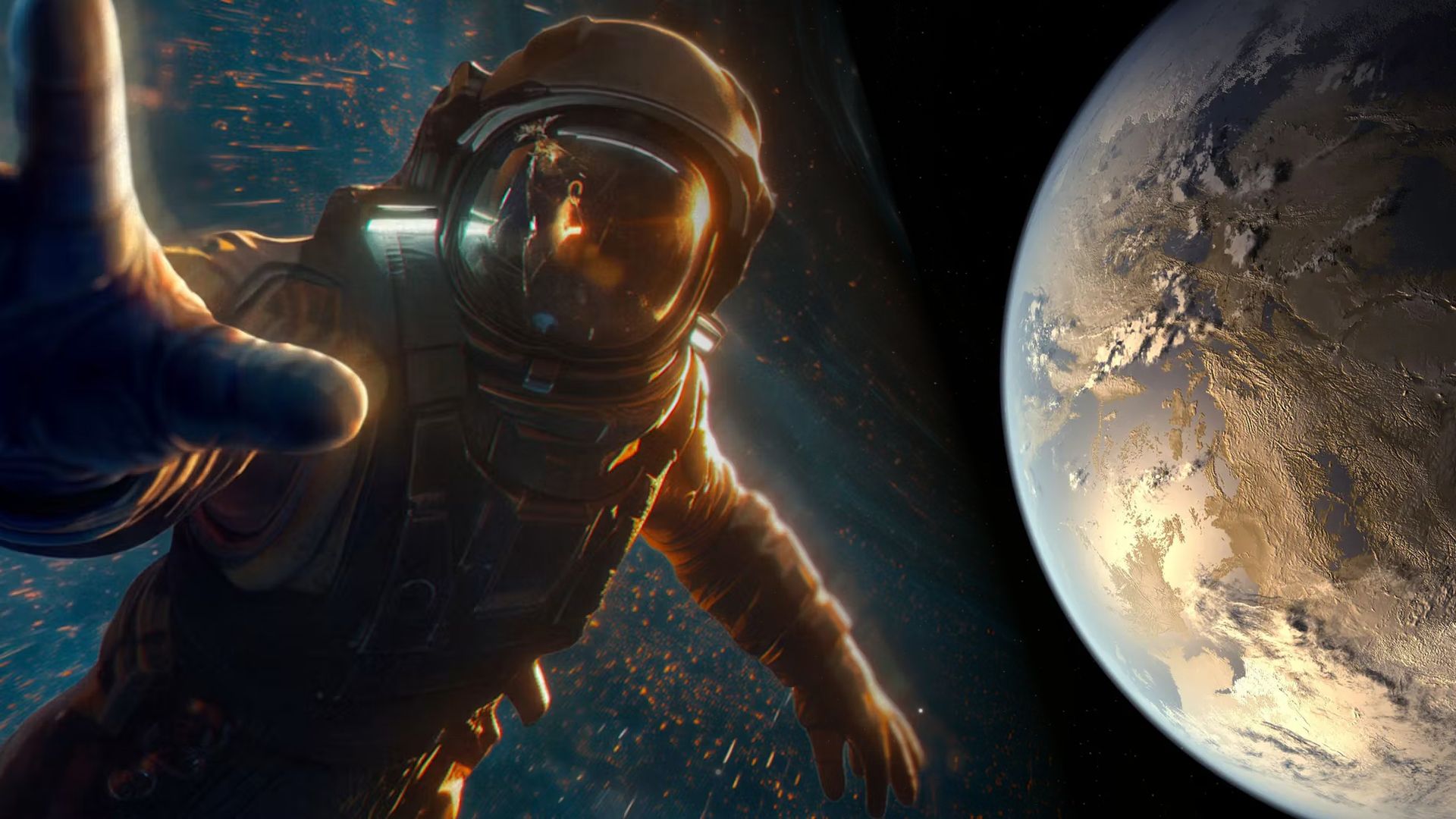
Audible’s new sci‑fi thriller “Exoplanet,” executive‑produced by Andy Weir and voiced by Anthony Mackie, Ariana DeBose and John Leguizamo, follows a crew stranded on a volcanic world with skies
Anduril says its first satellite can see adversaries maneuver in orbital night
Original Publication Date: 2026-11-11 20:22
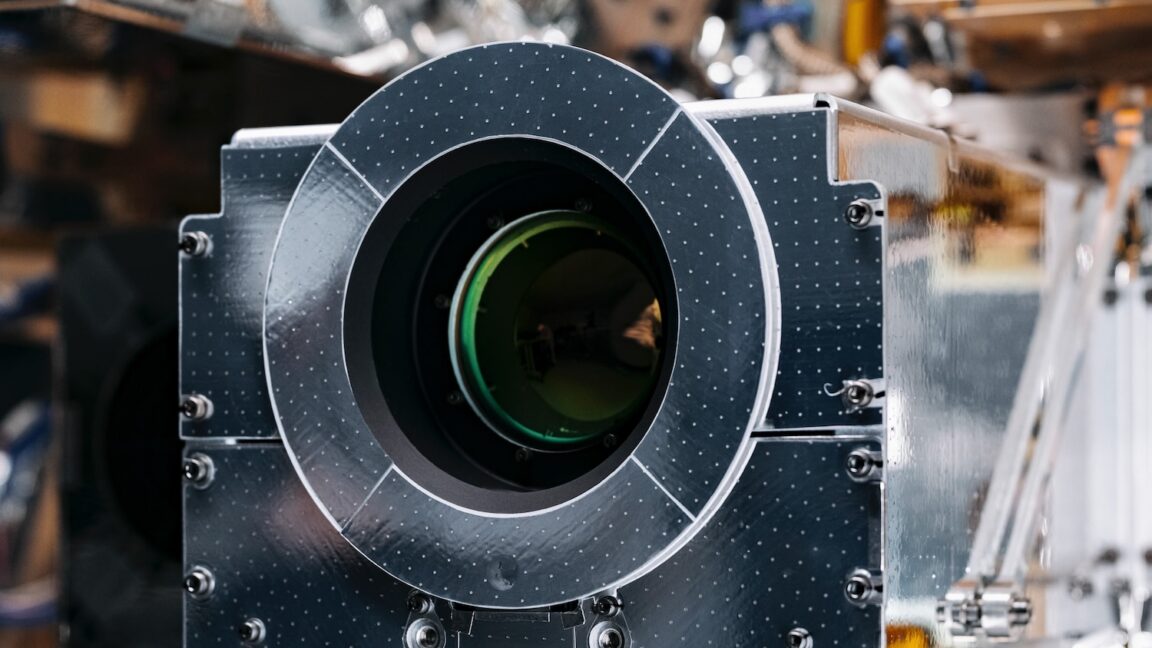
Anduril Industries has successfully demonstrated a new satellite sensor that can spot other spacecraft even when they hide in Earth’s shadow. The oven‑sized satellite, Anduril‑216, launched on a SpaceX rideshare in July, carries an edge‑compute processor, a flexible power‑management system, and a long‑wave infrared sensor designed to detect objects in orbit. During its 590‑km orbit, the satellite spends about a third of each pass in darkness, giving its infrared imager a clear view of hidden maneuvers. The company announced the tech‑demo success on Tuesday, underscoring the system’s potential for space situational awareness.