 Spotify
 Apple Podcasts
 Podcast Addict
 Overcast
 Podcast RSS
Globalstar Petitions FCC to Scrutinize Rocket Lab Supplier Conflict Over $8B Iridium Deal
Original Publication Date: 2026-11-05 00:24

Globalstar, a satellite communications operator, has asked the Federal Communications Commission to scrutinize its supplier relationship with Rocket Lab amid the agency’s ongoing regulatory review of the launch company. The petition raises concerns about how Rocket Lab’s launch activities could affect Globalstar’s spectrum usage and operational integrity.
SES Completes Bidirectional Optical Link Demonstration with meoSphere Pathfinder 1
Original Publication Date: 2026-11-04 22:10
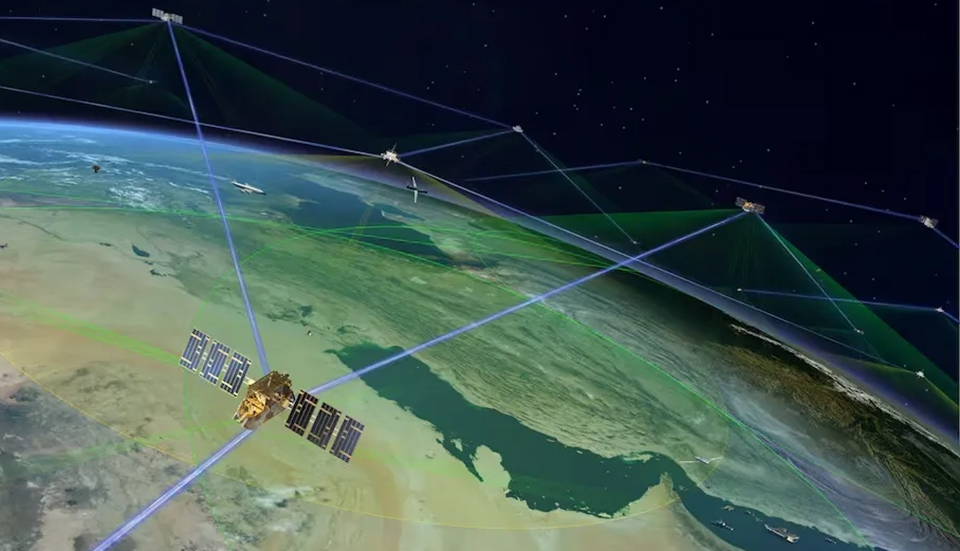
SES, the Luxembourg‑based satellite operator, unveiled a breakthrough in space communications after successfully demonstrating a bidirectional optical link between ground and orbit on its meoSphere Pathfinder 1 mission. The test, announced on Wednesday, Nov. 4, marks the first time a commercial satellite has achieved high‑speed, laser‑based data transmission to and from Earth. By enabling faster, lower‑latency connections, the technology promises to transform global broadband and critical data services. This milestone positions SES at the forefront of next‑generation satellite communications.
Starfish Space Loses First Otter Servicing Satellite Following On-Orbit Bus Anomaly
Original Publication Date: 2026-11-04 21:57
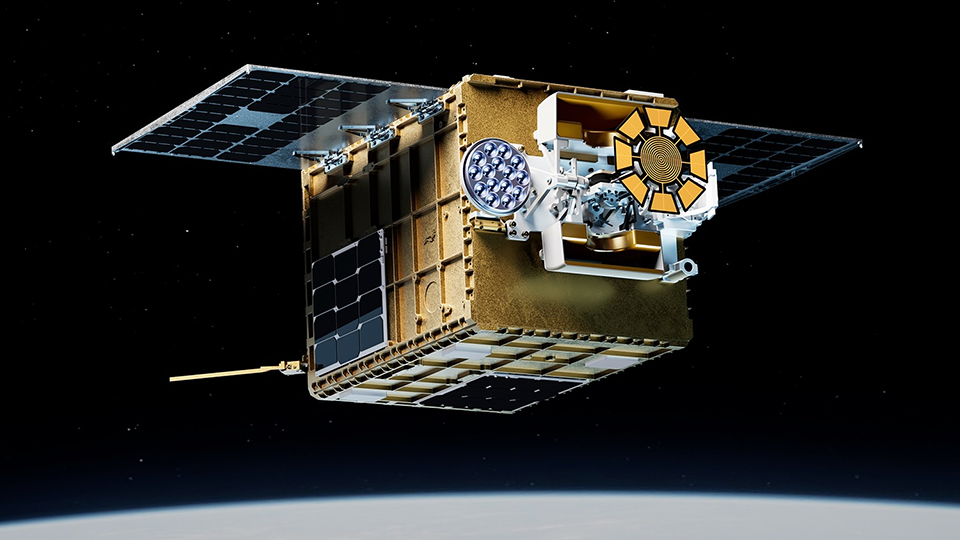
Starfish Space announced on Tuesday that its first Otter servicing spacecraft suffered an unrecoverable on‑orbit failure, forcing ground teams to permanently disable the vehicle. The incident, reported from Tukwila, Washington, came after the spacecraft encountered a critical malfunction during its initial deployment. The loss represents a significant setback for the company’s plans to demonstrate mid‑life satellite servicing, but Starfish remains committed to refining its technology.
Russia Files ITU Plan for 374-Satellite Rassvet-4 Constellation Following Rassvet-3 Orbital Setbacks
Original Publication Date: 2026-11-04 17:11
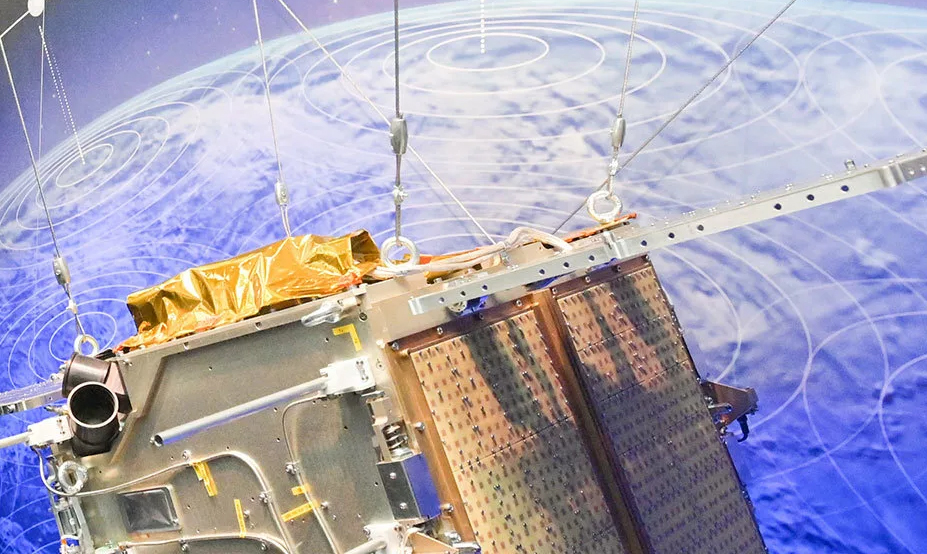
In Geneva, Russia has formally submitted a satellite network filing to the International Telecommunication Union for its planned Rassvet‑4 constellation. The application outlines the proposed orbital slots, frequency bands, and technical specifications for the new satellite system. If approved, Rassvet‑4 would enhance Russia's communications capabilities and expand its presence in space. The ITU will review the submission and determine whether the constellation can proceed.
ThinKom and Space Systems Command Demonstrate GECKO Multi-Orbit Containerized SATCOM System
Original Publication Date: 2026-11-04 17:01

ThinKom Solutions Inc. And Systems Delta 88, a unit of the U.S. Space Force’s Space Systems Command, successfully completed a live demonstration of a new ground control system aimed at enhancing space mission operations. The test showcased real‑time satellite management and monitoring capabilities, improving command and control for future missions. This collaboration underscores the growing partnership between private industry and the Space Force to advance space technology. The demonstration marks a significant step forward in building resilient, high‑performance ground infrastructure for space operations.
Cyprus: Island of Snakes, Cats, and Ophiolites
Original Publication Date: 2026-11-05 05:01

NASA’s Landsat 8 captured a crisp view of Cyprus’s Akrotiri Peninsula on October 10, 2026, revealing the island’s unique geology—an ancient ophiolite core and younger sedimentary layers that formed the peninsula’s two tombolos. The Akrotiri Salt Lake, a former Mediterranean arm, fills in winter, once supporting around 4,000 flamingos, but recent counts have dropped to just 30 birds. Legends say Roman Empress Helena sent Egyptian cats to curb the island’s snake population, and today the island hosts roughly one cat for every resident, with a monastery dedicated to feline snake‑hunters. This blend of geological history, wildlife change, and cultural lore underscores Cyprus’s dynamic natural and human story.
NASA Announces X-70 Experimental Aircraft to Advance Flight Research
Original Publication Date: 2026-11-05 01:43
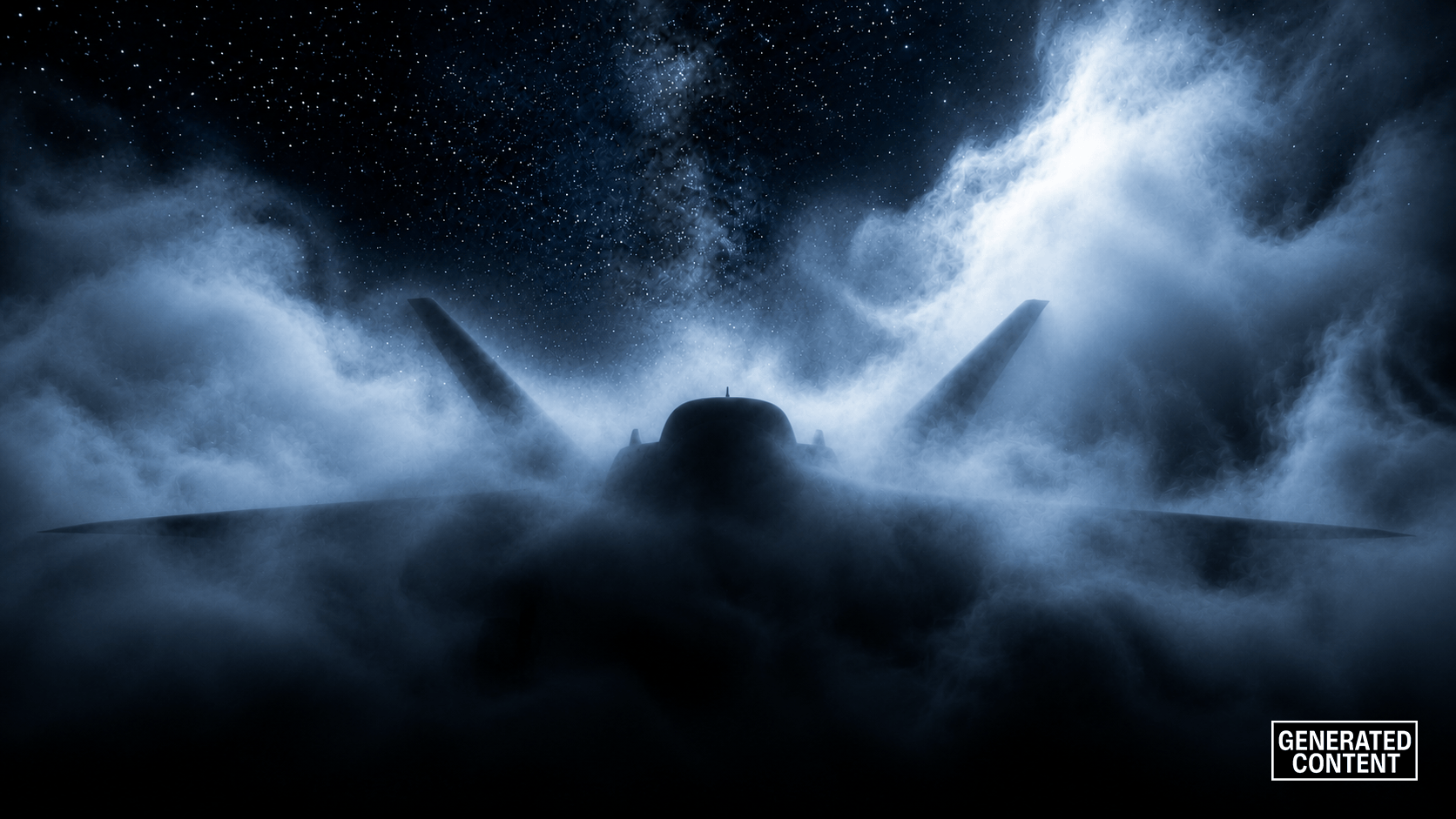
NASA unveiled its latest experimental aircraft, the X‑70 Fractal, at the UP.Summit in Florida, promising a crewed, high‑performance platform that can swap up to 2,000 pounds of payloads and test advanced flight‑control systems. The 10,000‑pound aircraft will cruise at Mach 0.75, reach 45,000 feet, and travel more than 1,700 miles, allowing researchers to explore maneuverability under a wide range of conditions.
NASA Shares Plans to Accelerate Artemis, Return to Moon
Original Publication Date: 2026-11-04 21:04
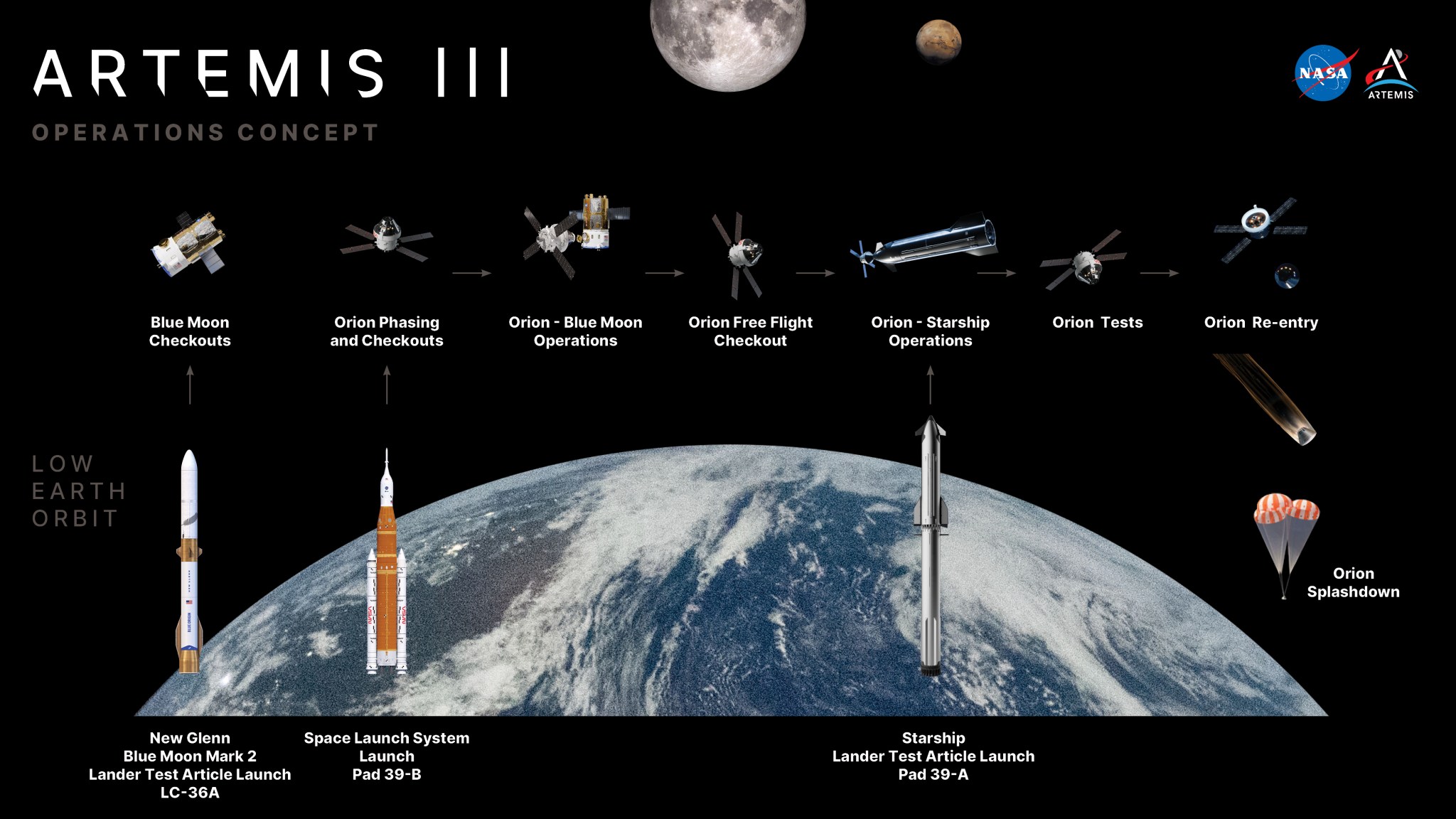
NASA announced on Oct. 23 that it is on track to launch its Artemis III test flight in 2027 and a crewed lunar landing in 2028, with four astronauts flying aboard Orion to test rendezvous and docking with SpaceX’s Starship and Blue Origin’s Blue Moon lander in Earth orbit. The agency highlighted accelerated progress, cutting hardware processing timelines in half and building a critical fuel‑line component in-house at a tenth of the original cost. For Artemis IV, NASA is partnering with SpaceX and Blue Origin to develop flexible lunar landers, while also testing a lighter “Sortie” spacesuit from Axiom Space to enable early moonwalks. These steps aim to reduce risk, rebuild core competencies, and establish a sustained American presence on the Moon as a foundation for future Mars missions.
NASA Announces Ka-Band Satellite Relay Awards for Space Communications
Original Publication Date: 2026-11-04 18:00
NASA has awarded firm‑fixed‑price contracts to Astranis, Global Enterprise Solutions, and Viasat to develop Ka‑band space‑relay concepts that can operate with existing spacecraft without requiring hardware modifications.
Trace Gas Orbiter discovers potential evidence of volcanic activity on Mars via atmospheric observations
Original Publication Date: 2026-11-04 19:06

Scientists using data from the European‑Russian ExoMars Trace Gas Orbiter have found fresh evidence of volcanic activity on Mars, spotting new fissures near Alba Mons that allow hydrogen chloride gases to escape from subsurface magma vents. The gas, typically associated with Earth’s volcanic vents, rose in the Martian atmosphere during early summer, suggesting the fissures are sealed by winter ice and only release gas when the ice melts. High‑resolution imaging revealed the fissures are only a few meters wide but extend for tens to hundreds of meters, and the surrounding surface color changes hint at deposits from the escaping gases. These findings imply Mars still retains enough internal heat to support volcanic activity, and the vents could even create localized, potentially habitable hydrothermal environments.
Redwire Wins $20M DARPA Contract for Second VLEO Demo
Original Publication Date: 2026-11-05 00:34
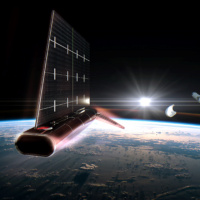
Redwire has secured a $20 million DARPA contract under the Otter program to develop air‑breathing electric propulsion for satellites that can operate between 90 km and 250 km altitude. The funding will support a scaled‑down SabreSat mission slated for launch in late 2027, which will fly less than a day in very low Earth orbit to test critical technology and reduce risk for future demonstrations. DARPA’s focus on low‑altitude spaceflight comes amid rising tensions in orbit, as the DoD seeks to gain a tactical edge by enabling more maneuverable, energy‑efficient spacecraft. This contract follows a $44 million Phase 2 award and positions Redwire as a key player in advancing VLEO capabilities for national security and commercial missions.
Orbital Matter, EnduroSat Announce an In-Space Manufacturing Mission in 2028
Original Publication Date: 2026-11-04 14:00
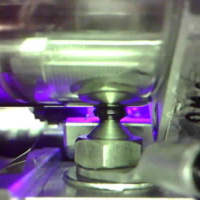
Orbital Matter and EnduroSat have teamed up for a 2028 mission that will 3‑D print a 5‑kW solar array in orbit, using the startup’s Replicator 2 technology to build rigid booms that can deploy a 5‑meter array. The partnership follows Replicator 2’s July SpaceX launch, where the printer first struggled with layer gaps but later produced a fully bonded 32.5‑cm structure and partially deployed a solar blanket. By printing the array’s support structure in space, the two companies aim to lower launch costs and enable the massive power output needed for orbital data‑center and AI compute platforms. Orbital Matter plans to scale up to 100‑kW arrays and eventually print larger lunar and Martian infrastructure while raising capital to grow its small team and production capacity.
Starfish Loses Contact with Otter, Cutting SSPICY Short
Original Publication Date: 2026-11-04 13:18
Starfish Space lost contact with its Otter 24C spacecraft, ending a $15 million NASA‑funded in‑space inspection mission just a month after launch. The loss came after a fault in the Astro Digital bus turned off the satellite’s radio, preventing any recovery attempts. This marks Starfish’s second on‑orbit failure, following a tumble of its first satellite in 2023. Despite the setback, the company plans to use its newer Otter Pup 2 vehicle to complete some SSPICY objectives and is fixing the bus hardware for future missions.
2 astronauts will finish upgrading ISS solar arrays during spacewalk today: Watch it live
Original Publication Date: 2026-11-05 08:08
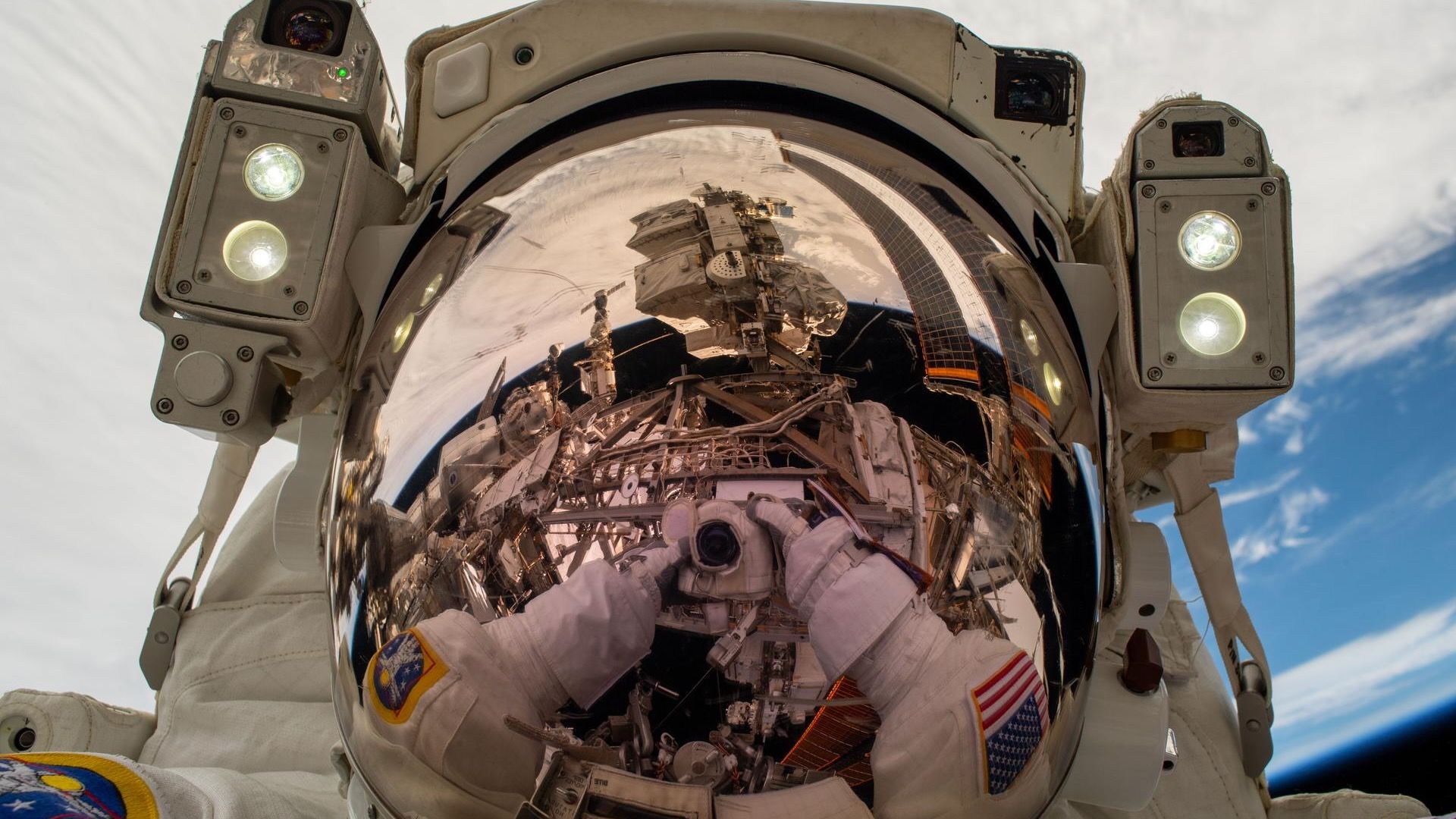
Two astronauts will finish upgrading the International Space Station’s power system today during a roughly seven‑hour spacewalk. NASA’s Anil Menon and Canadian Space Agency’s Joshua Kutryk will install the eighth and final Roll‑Out Solar Array (iROSA) at the start of the EVA at 8:30 a.m. ET. The new array will raise the ISS’s power‑generating capacity from 160 kilowatts to about 215 kilowatts, a boost of roughly 30 percent.
Trump declares 'American space superiority for all eternity' in election night proclamation
Original Publication Date: 2026-11-04 22:00
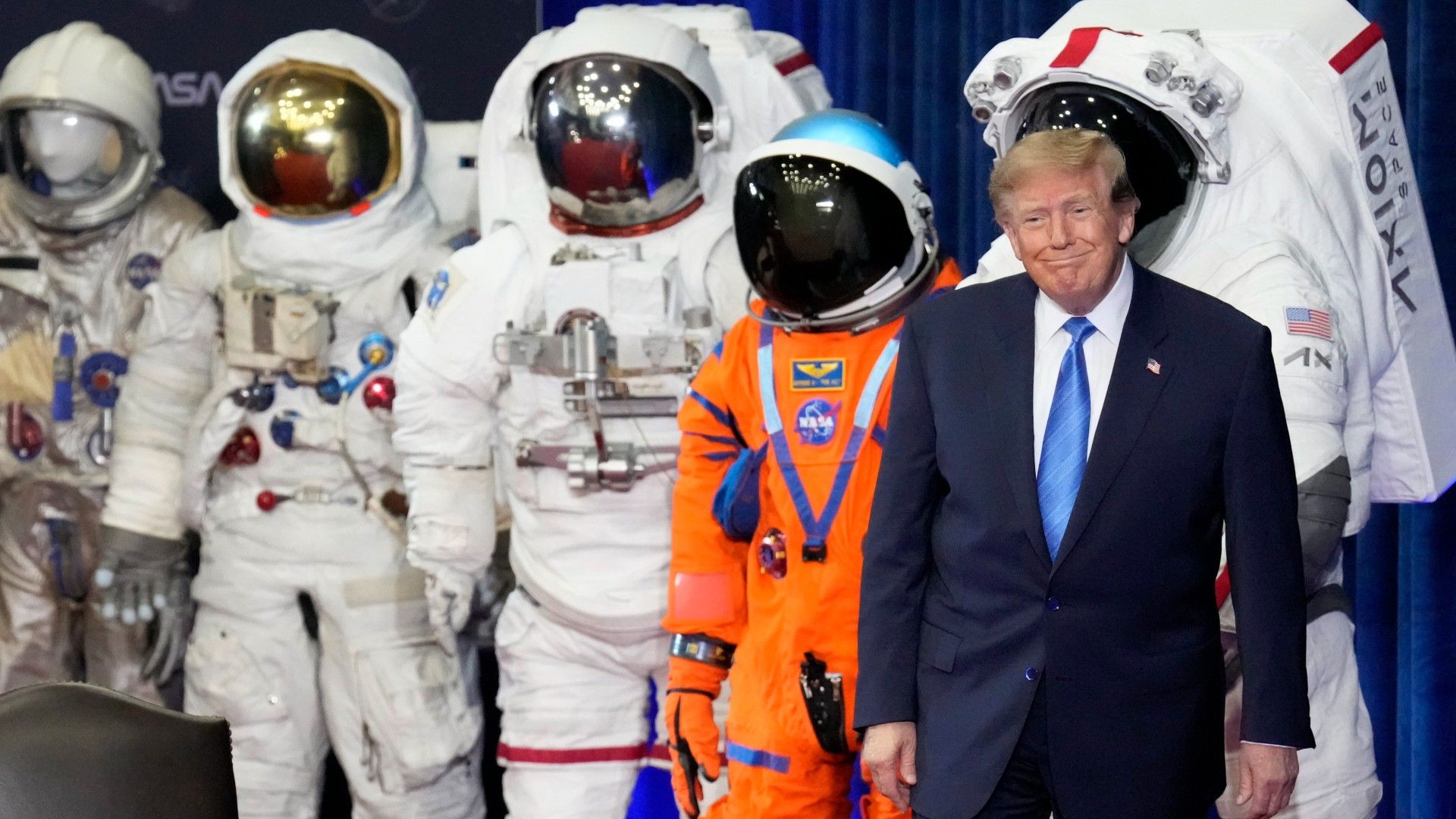
President Donald Trump issued a sweeping “American Declaration of Freedom in Space” on election night, proclaiming that space is a province for all humanity while asserting the United States’ right to lead its exploration, development, and settlement under U.S. Law. The proclamation echoes the administration’s existing Artemis agenda—returning astronauts to the moon by 2028 and eventually sending crews to Mars—but introduces no new funding or policy directives. Trump highlighted America’s frontier spirit, citing Apollo 11, recent Artemis II achievements, and the growing commercial space sector as proof of U.S. Leadership. While the declaration carries bold language, it does not establish new NASA programs, allocate additional resources, or issue instructions to federal agencies.
NASA's Swift space telescope crashes back to Earth after failed rescue attempt
Original Publication Date: 2026-11-04 19:06
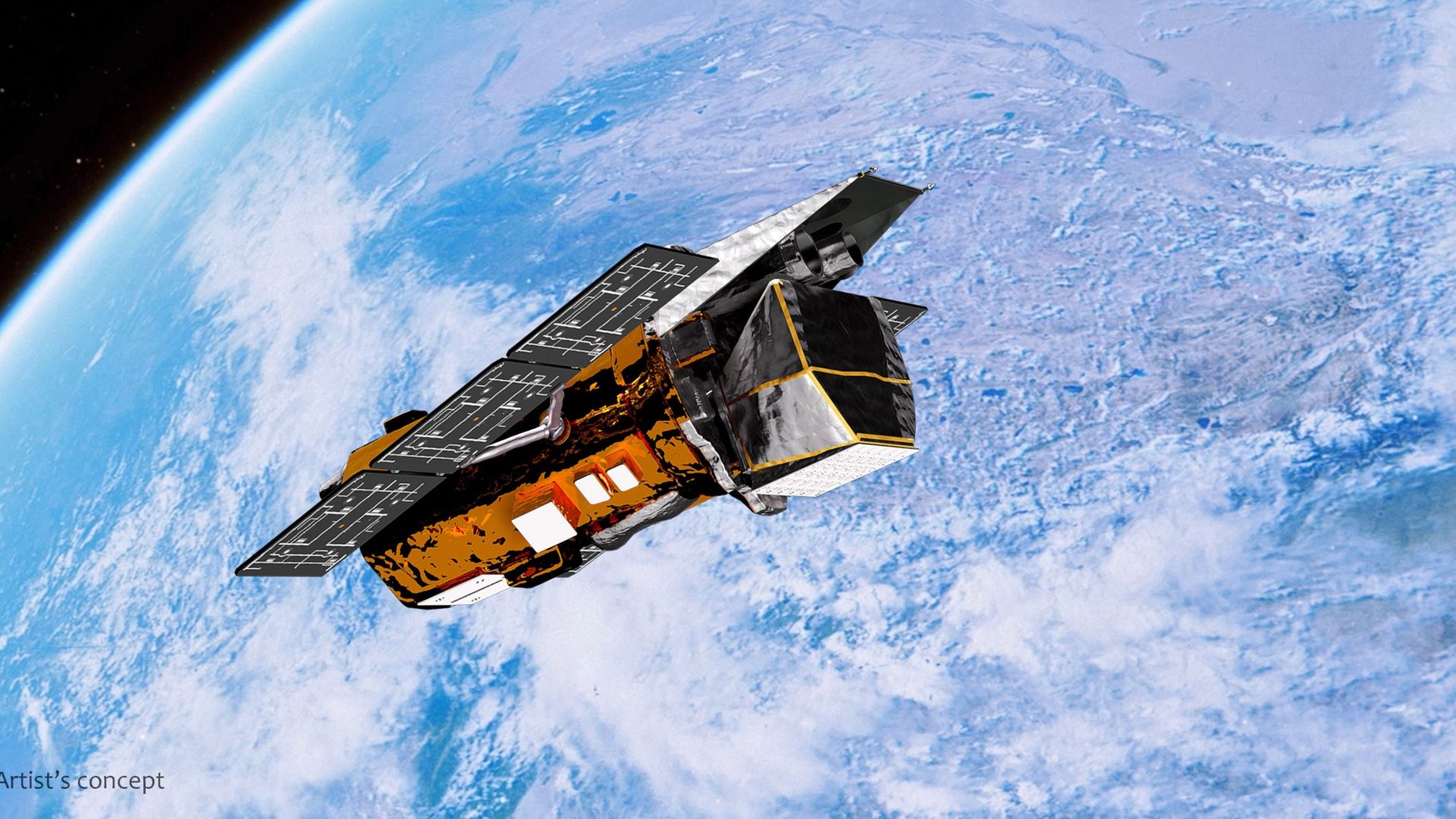
NASA’s 22‑year‑old Swift space telescope, which studied gamma‑ray bursts and other cosmic phenomena, fell back to Earth after a failed rescue attempt by Katalyst Space’s LINK spacecraft. The 3,200‑pound observatory reentered over northern Sumatra at 7:39 a.m. EST, and most of it is expected to burn up in the atmosphere with a very low chance of surviving debris hitting the ground. Swift’s mission, which far outlasted its original two‑year design, helped scientists record more than 2,000 gamma‑ray bursts and 1,400 supernovae. The crash marks the end of a remarkable decade‑plus legacy in astrophysics.
Uranium cubes reveal why the German nuclear project failed
Original Publication Date: 2026-11-04 21:56

During World War II German physicists, led by Werner Heisenberg, attempted to build the B8 nuclear reactor but lacked sufficient uranium and heavy water, a fact confirmed by a 2024 PNAS Nexus paper. Heisenberg had claimed the Germans were close to criticality, but the new research shows the material deficit made a bomb impossible. In 2013, University of Maryland physicist Timothy Koeth recognized a mysterious heavy‑metal cube as one of only 14 known German uranium cubes, sparking a hunt across the United States. The team has traced several of these relics to institutions such as the Smithsonian and Harvard, revealing how the cubes crossed the Atlantic and survived the war.