 Spotify
 Apple Podcasts
 Podcast Addict
 Overcast
 Podcast RSS
Virgin Galactic returns Unity to flight to prepare for next-generation spaceplane
Original Publication Date: 2026-05-28 06:22
Virgin Galactic has brought its VSS Unity spaceplane back into service for pilot training ahead of its new SpaceShip. Unity performed a glide flight on May 27 from Spaceport America, landing safely after being released by the Eve aircraft, marking its first flight since June 2024. The company is using Unity’s proven glide characteristics to prepare crews for third‑quarter SpaceShip test flights and a full commercial launch later this year. This approach aims to shorten the new spacecraft’s flight‑test program and boost confidence before commercial operations begin.
FAA requires mishap investigation into latest Starship launch
Also covered by: Spaceflight Now, Space.com
Original Publication Date: 2026-05-28 04:06
On May 22, 2026, SpaceX’s Starship V3 launch from South Texas ended in a mishap when the Super Heavy booster lost multiple Raptor 3 engines during its boost‑back burn and crashed into the Gulf of Mexico at high speed. The FAA has classified the incident as a mishap and is conducting a full investigation, with every step overseen and the final report required for FAA approval before Flight 13 can resume. While the upper stage completed most test objectives, survived reentry, and deployed satellites, the hard splashdown triggered debris protocols and flight disruptions for nearby aircraft. Return to flight will depend on the investigation’s findings and the absence of public safety risks.
House Armed Services draft bill eliminates SDA, Space RCO as separate entities
Original Publication Date: 2026-05-27 22:30
The House Armed Services Committee has drafted a fiscal 2027 defense bill that would dissolve the Space Development Agency and Space Rapid Capabilities Office as separate entities, folding their programs into the new Portfolio Acquisition Executive structure of the Space Force. The committee will debate the proposal on June 4 before sending it to the full House and, eventually, the Senate for final negotiations. While the move reflects a push to streamline acquisition and institutionalize rapid‑acquisition practices, officials say the exact placement of the RCO remains unclear and the transition could be disruptive.
Mars to Titan: the next rallying call?
Original Publication Date: 2026-05-27 17:11
NASA and space planners are already debating what comes after Mars, with Titan emerging as the top candidate. Titan’s thick nitrogen atmosphere, near‑Earth surface pressure, and abundant ice and hydrocarbons make it more hospitable than Mars, though its extreme cold and great distance pose significant technical hurdles. A series of robotic reconnaissance missions—building on Huygens and the upcoming Dragonfly—will need to precede any human crew, while lessons from lunar and Martian exploration will provide the necessary experience.
European space industry warns EU Space Act could slow competitiveness
Original Publication Date: 2026-05-27 16:34
European industry representatives and legal experts warned that the EU Space Act is too slow, too rigid and overly bureaucratic, potentially stifling innovation. They voiced these concerns at a panel during SmallSat Europe, highlighting how the legislation could impede the sector’s competitiveness. The panelists called for a faster, more flexible regulatory framework to keep European space firms ahead in the global market. Their remarks suggest urgent reforms are needed to avoid hampering the industry’s growth.
Revolv Space Signs Deal to Provide Solar Assemblies for Infinite Orbits Geostationary Servicers
Original Publication Date: 2026-05-27 15:40

Revolv Space, a European specialist in high‑performance space mechanisms and power generation, has just signed a contract with Toulouse‑based satellite integrator Infinite Orbits. The deal will see Revolv supply advanced components for Infinite Orbits’ in‑orbit servicing projects. This partnership underscores the growing collaboration between European aerospace firms to support next‑generation satellite missions. The contract marks a significant step forward for both companies in the competitive space services market.
Archangel Lightworks Completes Successful Trials for Miniature Deployable Optical Ground Station
Original Publication Date: 2026-05-27 14:20
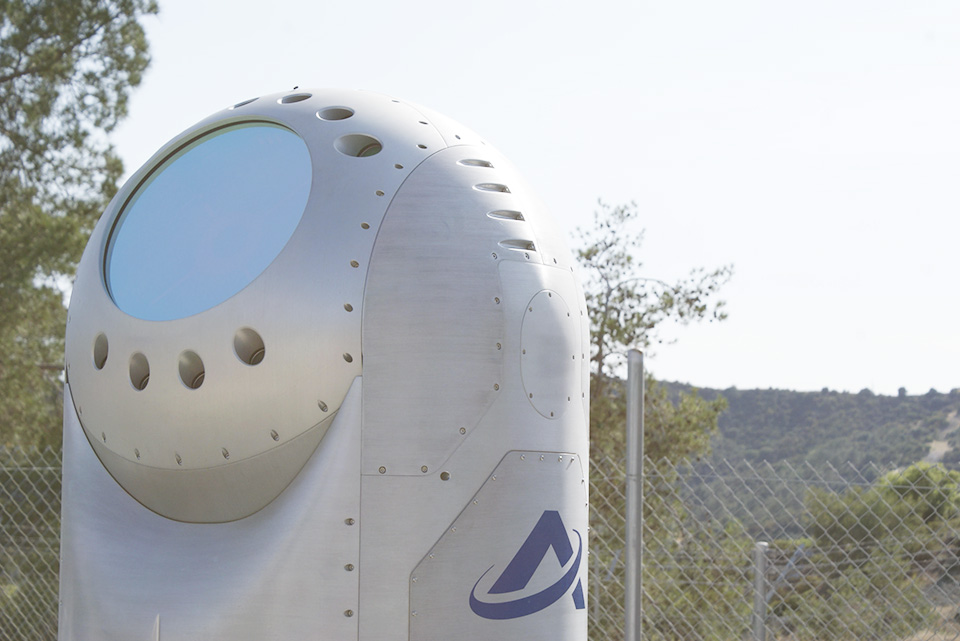
Oxford‑based Archangel Lightworks has proven the capabilities of its TERRA‑M system, the world’s smallest deployable optical ground station. In a recent demonstration, the 30‑centimeter telescope successfully linked with a low‑Earth‑orbit satellite, transmitting data at rates exceeding 10 Gbps. The system’s lightweight, modular design enables rapid deployment on ships, aircraft, and remote sites, promising a new era of high‑speed space communications.
NASA Develops Sensor to Improve Firefighter Safety
Original Publication Date: 2026-05-27 21:45
NASA’s FireSense project has teamed with the Alabama Forestry Commission to install low‑cost thermal sensors on fire bulldozers, alerting operators when radiant heat reaches dangerous levels. The sensors, built with off‑the‑shelf thermocouples and a blinking LED, were tested during a stakeholder event in Andalusia, Alabama, and have since proven effective on active wildfires and prescribed burns. By providing real‑time heat warnings, the technology enhances firefighter safety and supplies researchers with valuable ground‑level data on fire behavior. This collaboration marks a significant step toward outfitting the entire dozer fleet with heat‑alert systems.
Released: NASA Goddard Issues Draft Request for Proposal for the Landsat 10 Spacecraft
Original Publication Date: 2026-05-27 20:40
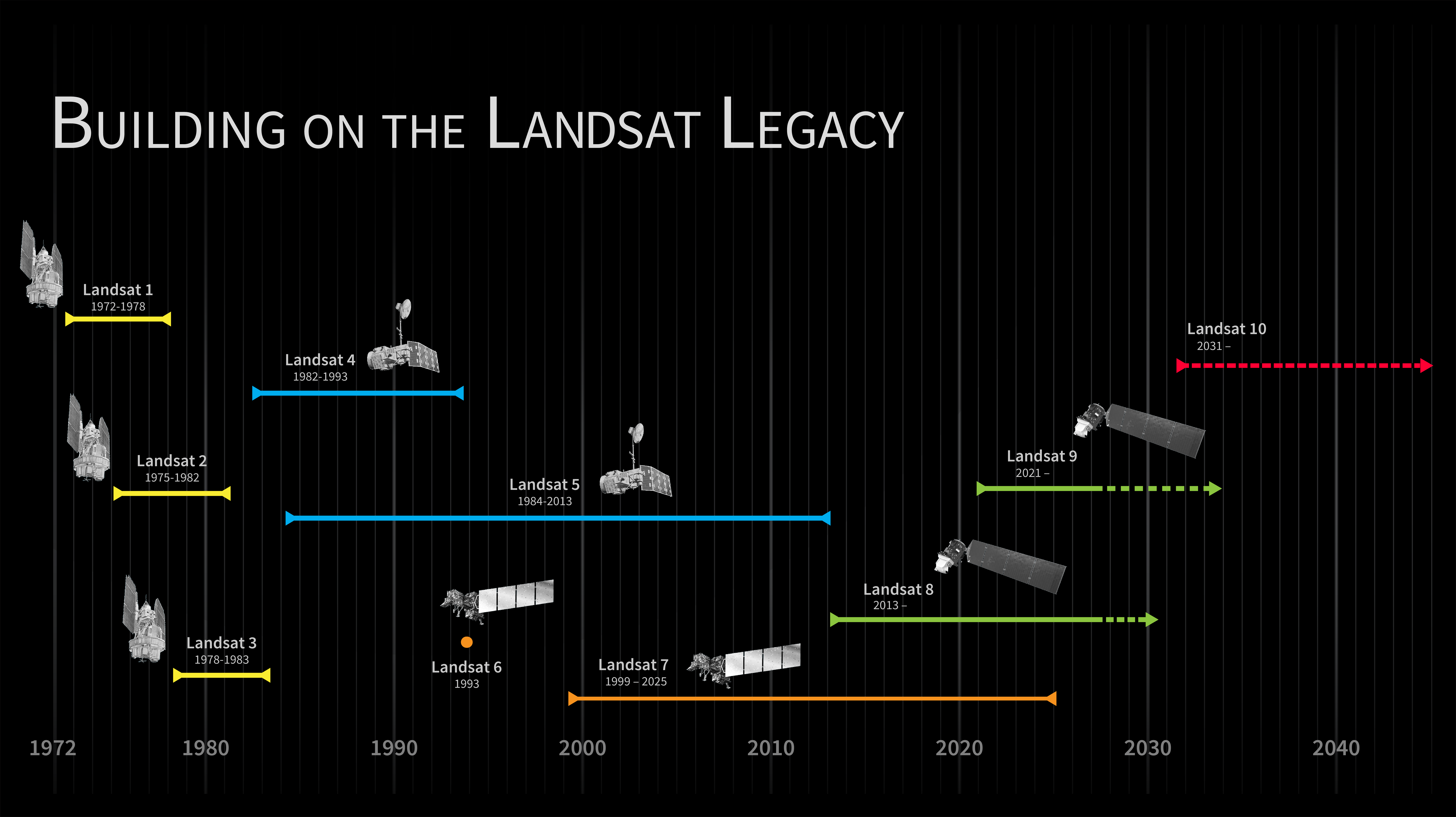
NASA and the USGS are inviting proposals for the design and construction of Landsat 10, with a draft solicitation posted on SAM.
Girl Scouts Event Brings Space Science to the Next Generation
Original Publication Date: 2026-05-27 18:27

In early May, NASA, the Heliophysics Education Activation Team, and the PUNCH mission hosted a weekend at Camp Conowingo that brought 165 Girl Scouts together for hands‑on science activities, earning them a Space Science badge and the Ancient and Modern Sun‑Watching patch. The event featured seven themed stations—from career exploration and polarized‑glasses experiments to a scaled Solar System walk and a bow‑and‑arrow challenge—plus nighttime stargazing that spotted Jupiter. Older Scouts led many stations, gaining leadership experience while mentoring younger peers, and the program drew such enthusiasm that NASA staff later visited additional troops to extend the outreach. This collaboration highlights how NASA’s heliophysics work can inspire a new generation of space enthusiasts.
Rovers and Drones laying the foundations for NASA Moon Base
Original Publication Date: 2026-05-27 20:02

NASA has unveiled its first three Moon Base missions, repackaging existing Commercial Lunar Payload Services flights and adding new uncrewed landers: Blue Origin’s Endurance, Astrobotic’s Griffin, and Intuitive Machines’ Trinity, all slated to launch between late 2026 and early 2027. These missions will test critical technologies—such as Blue Origin’s BE‑7 engine, Astrobotic’s FLIP rover, and Intuitive Machines’ science payloads—at key sites near the lunar south pole and in permanently shadowed craters. In parallel, NASA has awarded $219‑$220 million contracts to Astrolab and Lunar Outpost for crewed Lunar Terrain Vehicles, which will be delivered by Blue Origin’s Blue Moon lander and serve as scouting platforms ahead of the 2028 Artemis IV crewed landing. The agency also plans to deploy MoonFall drones in 2028 to provide high‑resolution mapping and perimeter marking for future Moon Base sites.
Exclusive: Stellar Alpina Raises $4.5M to Build Rotating Detonation Engines
Original Publication Date: 2026-05-28 07:30

Switzerland’s Stellar Alpina has secured CHF3.5 million in pre‑seed funding to develop rotating detonation rocket engines, a technology that could deliver higher efficiency and thrust than conventional chemical propulsion. The company, founded by four engineers from the Academic Spaceflight Initiative, already completed a hot‑fire test in just 82 days and plans to fire a new engine configuration every two weeks for the next year. With the new capital, Stellar Alpina will expand its team, build a larger test stand, and aim to deliver a spaceflight‑ready RDRE by 2028. The startup’s goal is to bring this cutting‑edge propulsion to market and prove that Europe can lead the race in detonation engine technology.
Aitech Upgrades its Space Supercomputer
Also covered by: SatNews
Original Publication Date: 2026-05-27 13:00

Aitech Systems has upgraded its S‑A2300 AI supercomputer with NVIDIA’s IGX Thor platform, dramatically increasing AI processing power for edge, industrial, and in‑space applications.
Russian cosmonauts install sun-watching telescope on ISS during 6-hour spacewalk
Original Publication Date: 2026-05-27 20:56
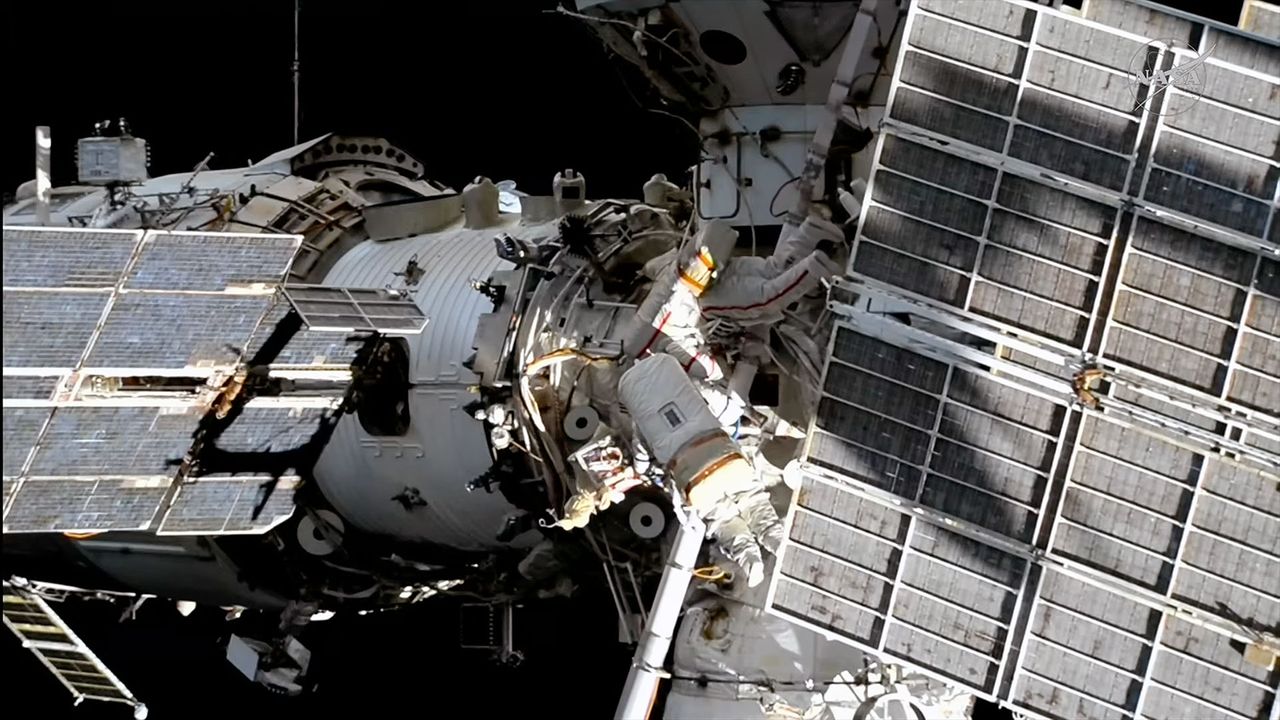
On May 27, 2026, Russian cosmonauts Sergey Kud‑Sverchkov and Sergei Mikaev spent more than six hours outside the International Space Station installing the Solntse‑Ter
China shakes up its space programs to land astronauts on the moon by 2030: 'We will spare no effort'
Original Publication Date: 2026-05-27 18:00
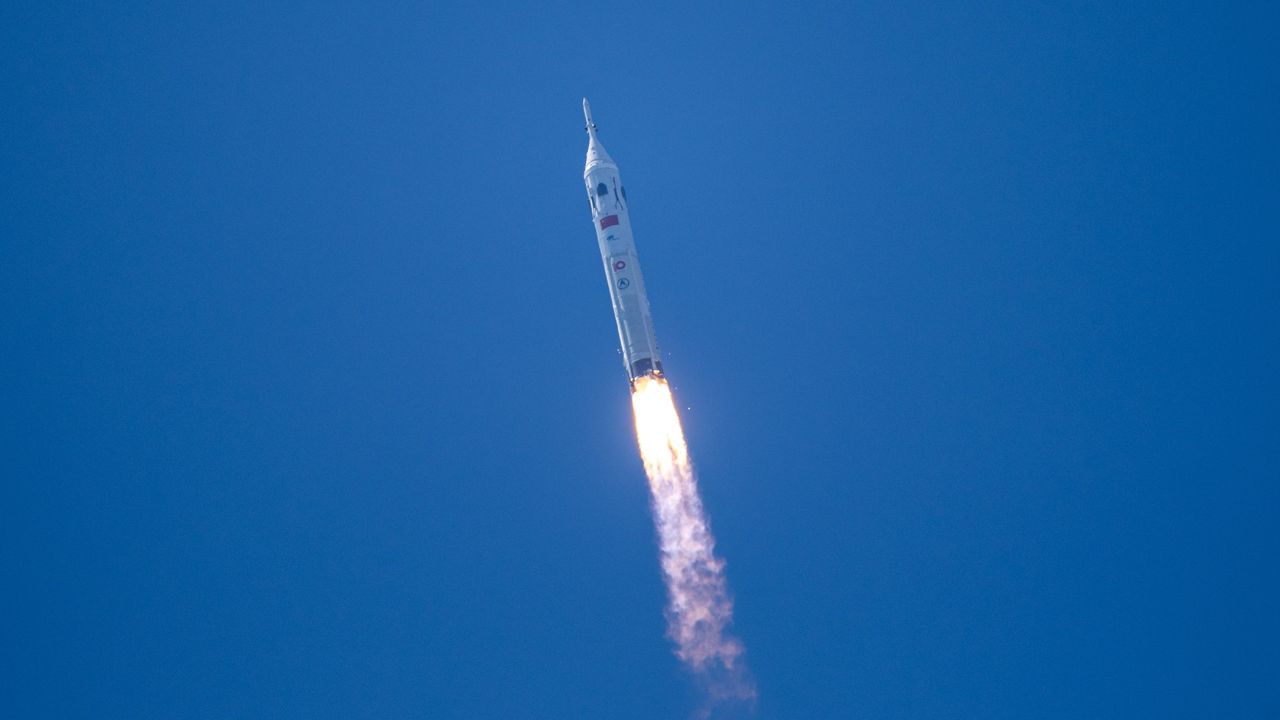
China has unveiled a new Lunar Exploration Program that merges its Chang'e robotic probes with the human spaceflight effort, setting a target for the first Chinese crewed moon landing by 2030. The Long March‑10 rocket and the new Mengzhou crewed spacecraft are already undergoing test flights, while the Chang'e‑7 mission—launching later this year—will study the lunar south pole and its resources. China’s Tiangong space station has been used to train astronauts, verify key technologies, and run experiments that support lunar landing preparations. With these integrated efforts, China pledges to spare no effort in achieving its 2030 lunar landing goal.
What is Star City, the secret Cold War cosmonaut training town in Apple TV's new 'For All Mankind' spinoff?
Original Publication Date: 2026-05-27 16:00

Apple TV’s new 10‑episode spinoff “Star City” will drop on May 29, reimagining the space race as a Soviet‑first moon landing, and it’s rooted in the real‑life closed city that sits 40 km northeast of Moscow. Known as Zvezdny Gorodok and later renamed the Yuri Gagarin Cosmonaut Training Center, the town was built in 1960 to house cosmonauts, engineers, and KGB watchers, complete with simulators, schools, and even a church. The series, starring Rhys Ifans and Anna Maxwell Martin, will explore this secret hub’s history and its ongoing role as a bustling international cosmonaut hub today. The show promises a behind‑the‑scenes look at a place where history and fiction collide, all set against the backdrop of a forested, self‑sufficient Soviet‑era community.
Laser beams blast through the cosmos | Space photo of the day for May 27, 2026
Original Publication Date: 2026-05-27 14:00
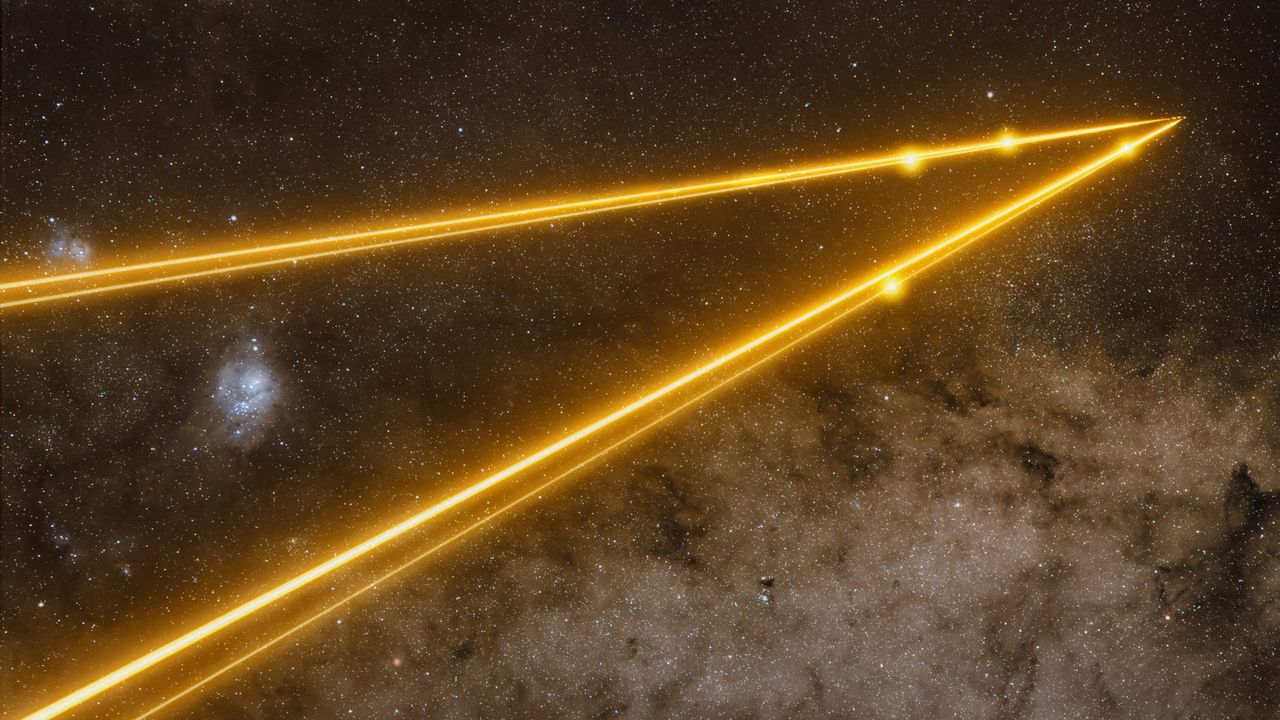
The European Space Observatory’s Very Large Telescope in Chile fired four powerful laser beams toward the center of the Milky Way, creating “artificial stars” high in the atmosphere to correct for atmospheric distortion. Those beams appear to converge on the galaxy’s core, but the glowing dots along the path are actually clouds the lasers are passing through. An image captured by ESO astronomer Anthony Berdeu shows the lasers piercing the sky, a striking visual of modern adaptive‑optics technology in action. This demonstration highlights how precise laser guidance allows telescopes to see the cosmos more clearly.
"Little red dot" in early Universe is a naked supermassive black hole
Original Publication Date: 2026-05-27 18:37

The James Webb Space Telescope has revealed a surprising population of “little red dots,” tiny early supermassive black holes that were already shining in the first few hundred million years after the Big Bang. Gravitational lensing by the massive galaxy cluster Abell 2744 has magnified one of these objects, Abell 2744‑QSO1, so that it appears three times in the sky. Spectroscopic analysis confirms that we are seeing the black hole as it existed just 700 million years after the Big Bang, with almost no surrounding galaxy. This discovery underscores the unexpected complexity of the early universe and the power of JWST to peer back to its first luminous epochs.
US Space Force confirms SpaceX will build sensor-to-shooter targeting network
Original Publication Date: 2026-05-27 18:19
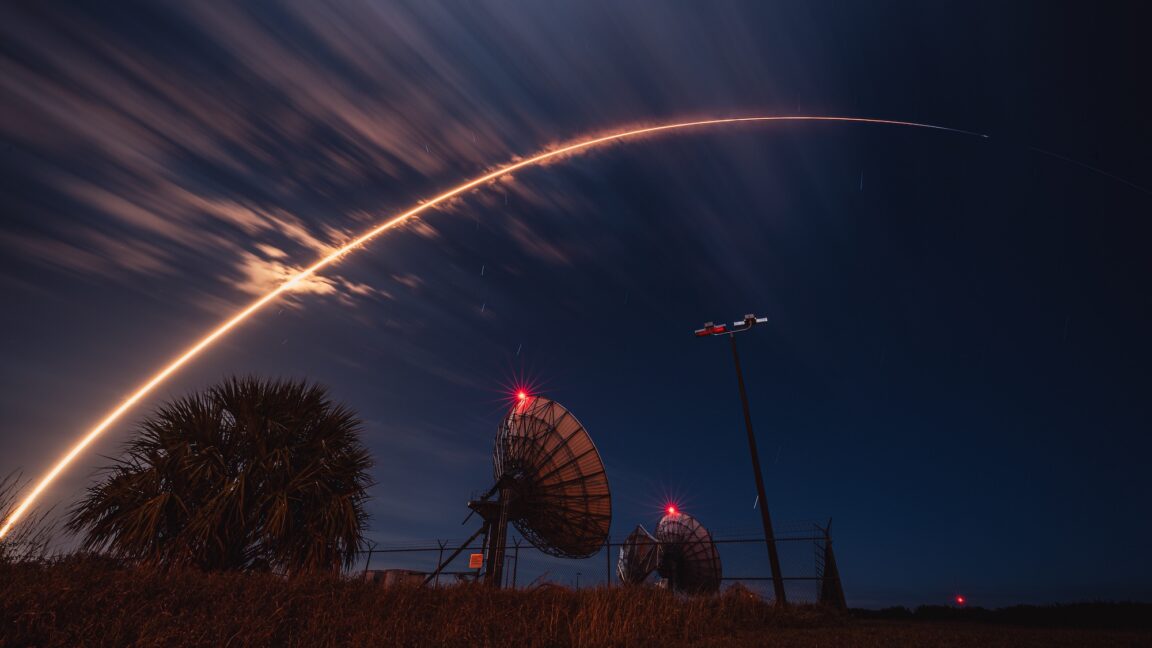
SpaceX has secured a $2.29 billion contract to build the backbone of a new U.S. Military space‑based communications network, the Space Data Network (SDN). The deal, announced by Space Systems Command, will use technology from SpaceX’s Starlink constellation and its Starshield satellites to deliver a resilient, high‑speed LEO network. The contract comes after earlier Pentagon initiatives stalled, and it is expected to accelerate the deployment of the SDN. SpaceX’s selection underscores the growing role of commercial firms in national defense communications.