 Spotify
 Apple Podcasts
 Podcast Addict
 Overcast
 Podcast RSS
LatConnect 60 announces accelerated growth investment round to build AUKUS-aligned Highest Resolution SWIR Satellite constellation
Original Publication Date: 2026-05-21 06:00
LatConnect 60, an Australian Earth observation and AI firm, is raising funds to fast‑track its plans to launch a high‑resolution short‑wave infrared satellite constellation aligned with AUKUS. The Perth‑based company announced the investment round on May 21, 2026, and is seeking capital to expand its satellite development program. The move aims to strengthen the region’s space capabilities and support intelligence, surveillance, and reconnaissance missions.
Space Force eyes 2027 demonstrations of in-space refueling and satellite servicing
Original Publication Date: 2026-05-20 23:47
Space Force will launch several spacecraft to geostationary orbit in 2027 under the USSF‑23 mission, testing satellite refueling and augmented maneuver capabilities. The mission will deploy Astroscale’s Provisioner to transfer hydrazine to Tetra‑5 satellites, a propellant depot from Orbit Fab, and Starfish Space’s Otter vehicle to dock with and move unprepared satellites. These demonstrations aim to prove the viability of in‑space servicing, mobility, and logistics for military and potentially commercial use, with future contracts planned for operational missions.
SpaceX files for IPO
Also covered by: Payload Space
Original Publication Date: 2026-05-20 22:16
SpaceX has filed its S‑1 with the SEC, setting up a Nasdaq IPO slated for mid‑June that could raise up to $80 billion at a $2 trillion valuation. The filing shows 2025 revenue of $18.7 billion, a $2.59 billion operating loss, and $6.6 billion in adjusted EBITDA, with Starlink contributing $11.4 billion—a 50 % jump. The company is investing more than $3 billion in Starship R&D and plans to launch AI‑compute satellites and orbital data‑center spacecraft by 2028 to tap a $28.5 trillion market, while investors await details on share count and pricing.
Pentagon Enforces Commercial Satellite Blackout Over Middle East War Zone
Original Publication Date: 2026-05-20 22:37
The United States government, along with major domestic satellite operators, has halted public access to high‑resolution aerial imagery over Iran and the wider Middle East conflict zone. This blackout restricts journalists, researchers and analysts from viewing detailed satellite photographs that could be used for military or intelligence purposes. The decision is framed as a national‑security measure to prevent adversaries from exploiting the imagery. Consequently, transparency and independent monitoring of the region’s conflict dynamics are now more limited.
Poland Just Made Sovereign SAR the European Default
Original Publication Date: 2026-05-20 19:41
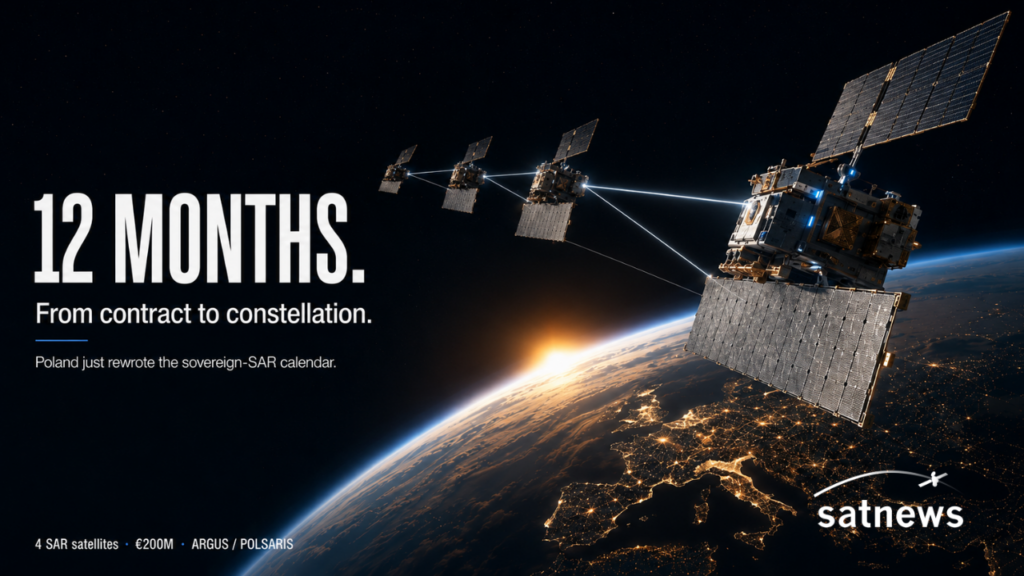
ICEYE handed over operational control of a four‑satellite synthetic aperture radar constellation to Poland's Armed Forces in less than a year, completing a €200 million project. This makes Poland one of the few European countries to command its own SAR intelligence directly. The achievement sets a new benchmark as the SmallSat Europe Defence Stage convenes in Amsterdam next week.
SmallSat Europe Speaker Focus: John Rood, Momentus
Original Publication Date: 2026-05-20 19:00

John Rood, former Under Secretary of Defense for Policy, now heads Momentus, the NASDAQ‑listed in‑space transportation firm that has successfully launched eight customer satellites into orbit. With a strong background in defense policy and satellite operations, Rood brings proven expertise from his time at SmallSat Europe. Under his leadership, Momentus continues to expand its role in the growing commercial space transportation market. The company remains focused on delivering reliable, on‑demand launch and transport services for the satellite industry.
Varda Space Industries W-6 Capsule Touches Down in South Australia
Original Publication Date: 2026-05-20 16:01
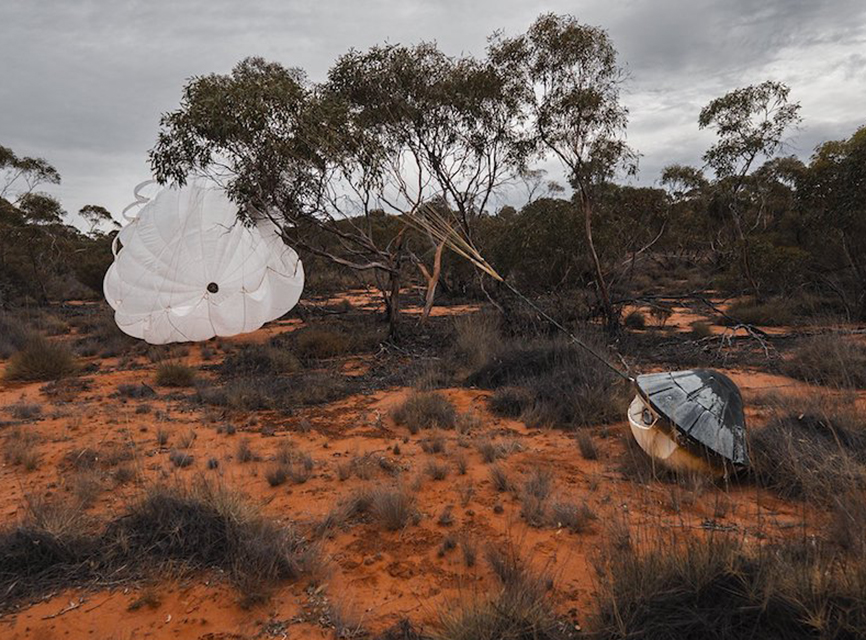
On May 20, 2026, California‑based in‑space manufacturing firm Varda Space Industries successfully brought its W‑6 capsule back to Earth. The robotic re‑entry vehicle descended under a parachute, landing safely at the remote Koonibba site in South Australia. The capsule’s return marks a significant milestone for Varda’s on‑orbit manufacturing program, demonstrating the feasibility of autonomous re‑entry and recovery. This achievement brings the company one step closer to delivering space‑produced materials to customers worldwide.
ESA and Spain Establish Formal Framework for Sovereign Satellite Connectivity
Original Publication Date: 2026-05-20 15:56
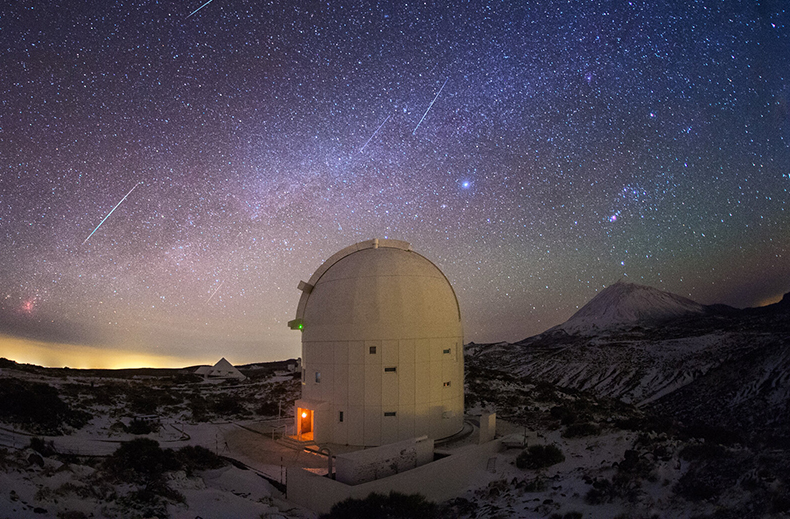
On May 20, 2026, the European Space Agency and Spain’s Agencia Espacial Española inked a Memorandum of Intent to strengthen technical collaboration across a range of space initiatives. The agreement will facilitate joint research, shared use of facilities, and co‑development of satellite technologies, positioning both agencies to accelerate future missions. By pooling expertise, the partnership aims to enhance European capabilities in Earth observation, deep‑space exploration, and space science.
Lunar Robots: NASA Spotlights Moon Base at 2026 FIRST Robotics Competition
Original Publication Date: 2026-05-21 09:00
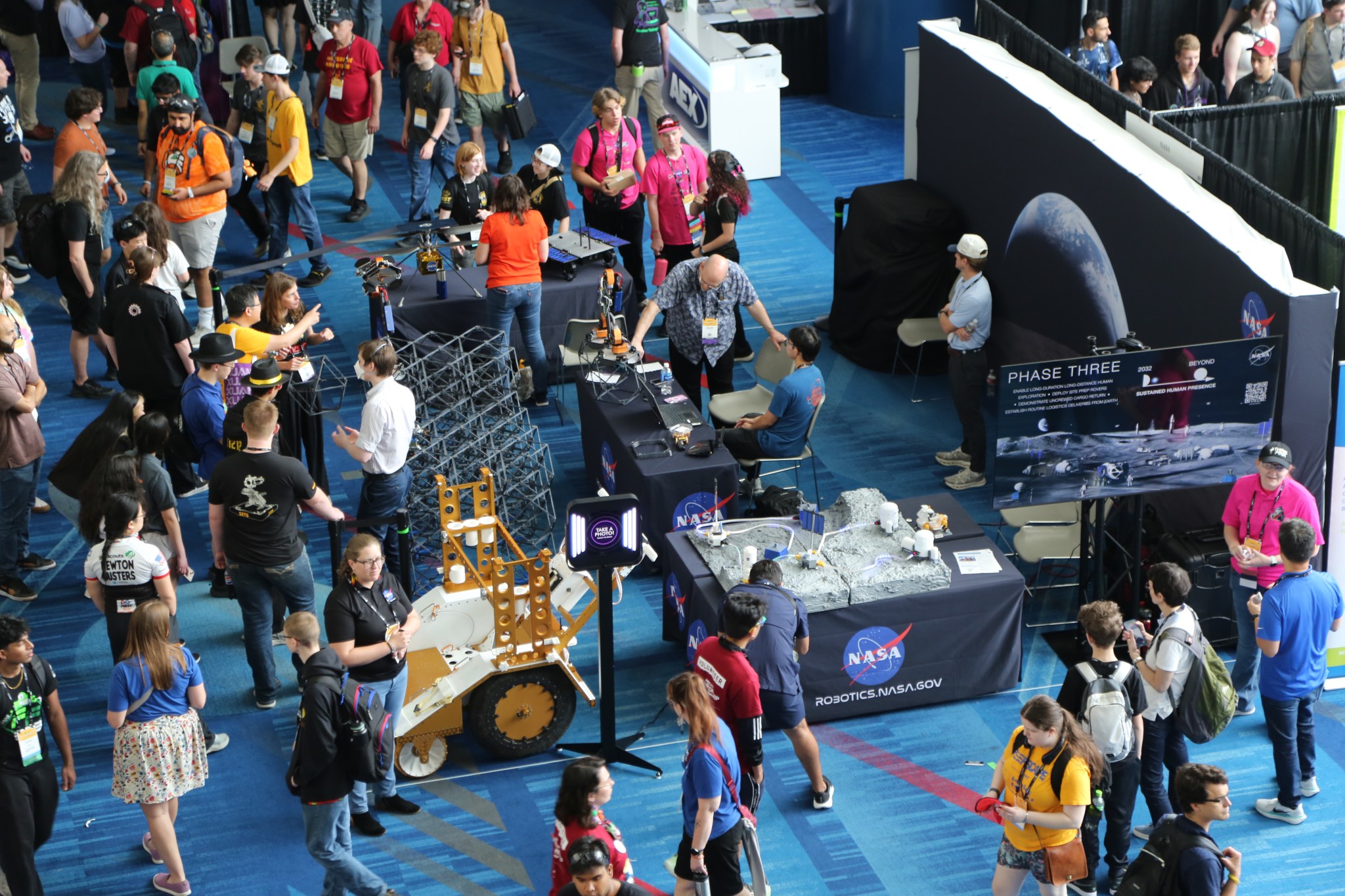
NASA showcased its lunar ambitions at the 2026 FIRST Robotics World Championship in Houston, engaging more than 51,000 students, parents, and mentors with interactive exhibits. The centerpiece was a model of the planned permanent Moon Base, part of a strategy to launch up to 30 robotic landings in 2027 to scout the surface before crewed Artemis missions. Highlights included advanced robotics such as autonomous modular assembly systems, multi‑robot lunar exploration, and SkyFall Mars helicopters, all aimed at future deep‑space missions. By mentoring 160 teams and providing a mobile machine shop that fixed 600 parts, NASA turned the championship into a launchpad for the next generation of space engineers.
New Eruption in the Bismarck Sea
Original Publication Date: 2026-05-21 04:01
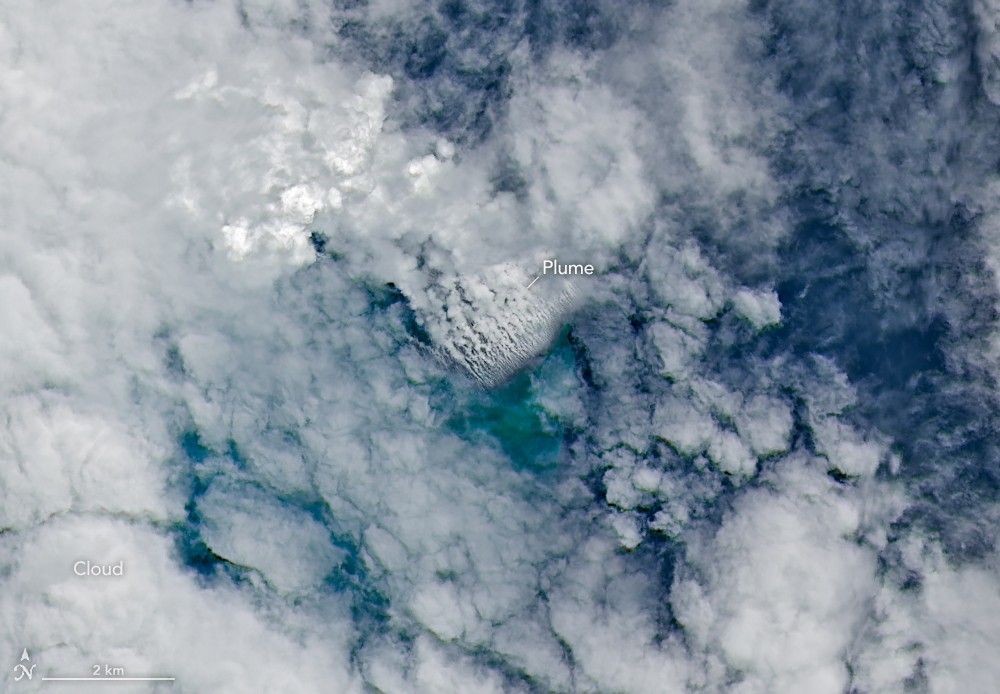
On May 8, 2026, satellites detected an unexpected submarine eruption in the Central Bismarck Sea, an area of complex geology that has been poorly mapped. The event produced white steam plumes, ash, and discolored water that were captured by NASA’s Aqua, Terra, PACE, and ESA’s Sentinel‑2, revealing a surprisingly shallow vent. Thermal anomalies covering about seven square kilometers were seen by VIIRS, indicating intense near‑surface activity and floating pumice rafts drifting with currents.
NASA TechLeap Prize: Robotically Manipulated Payload Challenge
Original Publication Date: 2026-05-20 19:02
NASA’s fifth TechLeap Prize, the Robotically Manipulated Payload Challenge, invites teams to design a payload that a robotic arm can move in low Earth orbit. Up to three winners may receive up to $500,000 each and a chance to fly their payload aboard an orbital spacecraft with the Fly Foundational Robots platform. The competition spans three 12‑month phases from ideation to build, with the payload slated to launch in early 2028 after the FFR mission launches late 2027. Applications open May 20, 2026, with registration closing July 29 and final submissions due August 12; more details are available at nasatechleap.org.
Starship Flight 12: Welcome to the Show Block 3 and Pad 2
Original Publication Date: 2026-05-20 23:52

SpaceX is set to launch its first Block 3 Starship on May 21 from the newly redesigned Pad 2 at Starbase, Texas, after more than seven years of testing since 2019. The flight will feature Ship 39 and Booster 19, both clean‑sheet designs that incorporate new heat‑shielding, fewer grid fins, and a revamped reaction‑control system to improve reliability and payload capacity.
Dems Warn Golden Dome Will Accelerate the Nuclear Arms Race
Original Publication Date: 2026-05-20 12:20

Democratic lawmakers slammed the proposed Golden Dome missile defense system as a costly “boondoggle” that could trigger a new nuclear arms race. Senator Ed Markey cited a nonprofit report that found the system’s 80% interception goal unrealistic, leaving 132 U.S. Targets exposed and requiring at least 24,000 interceptors. The report warned that a major attack would cripple the grid, destroy food distribution, and cause massive casualties, urging Congress to focus on diplomacy and arms control instead. Rep. Jim McGovern called on lawmakers to heed scientists and the public, rejecting funding for Golden Dome in favor of preventing another arms race.
NASA-Funded Research May Create Chinese Security Risk, Report Says
Original Publication Date: 2026-05-20 12:01
According to a new House Select Committee report, NASA may have funded or supported hundreds of scientific collaborations with Chinese researchers since 2015, potentially breaching the Wolf Amendment that bars U.S. Government money from working with China. The report warns that some partnerships involve defense‑linked entities on U.S. National‑security watch lists and calls for a task force of DOJ and NASA inspectors to investigate violations. It urges NASA to suspend or debar universities that repeatedly violate the law and recommends tighter monitoring of research contracts. NASA has responded by creating a research‑security office and updating its award requirements, but the committee says the agency still faces a risk of non‑compliance.
Scientists find a hidden route to the moon that saves fuel
Original Publication Date: 2026-05-20 20:00
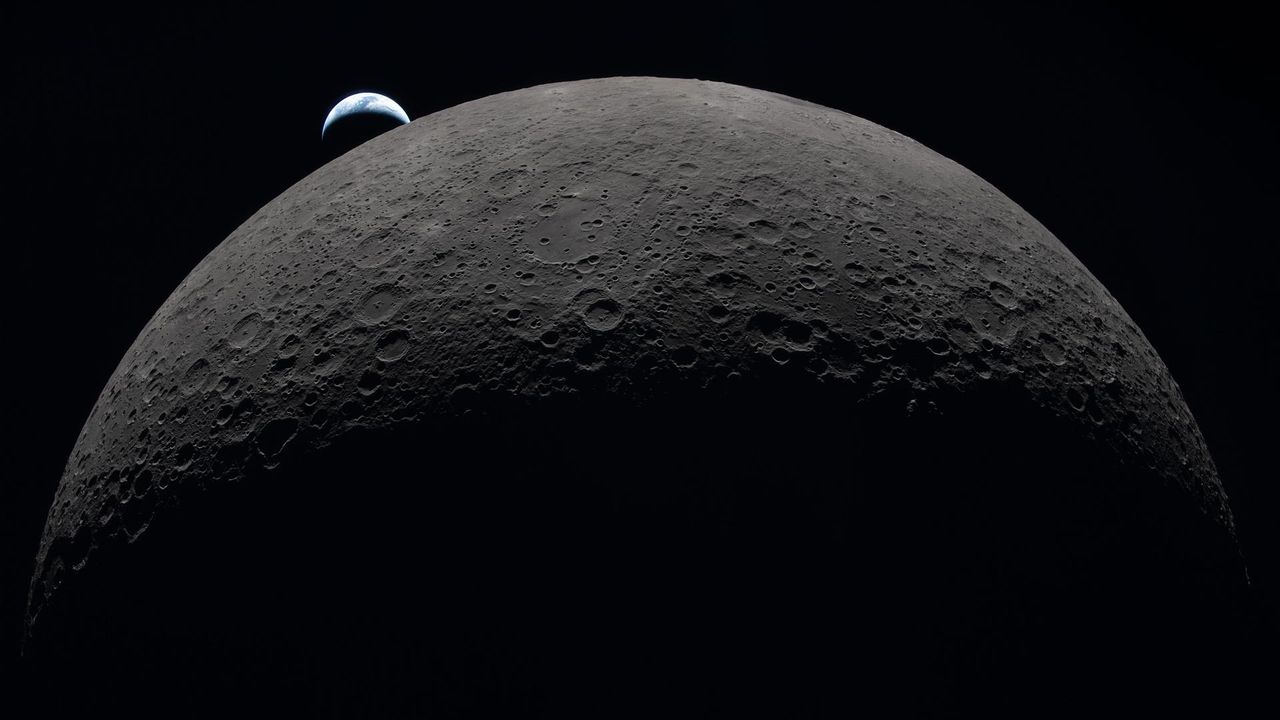
An international team of researchers has discovered a hidden, fuel‑saving trajectory between Earth and the Moon. Using advanced computer modeling based on functional connections, they simulated 30 million paths and found a route that cuts 58.8 m/s of propellant compared to the current cheapest option. The new path also keeps spacecraft in continuous contact with Earth, avoiding the communication blackouts that plagued missions like Artemis 2. While this breakthrough already reduces launch costs, the team hopes future studies incorporating additional gravitational influences could uncover even more efficient routes.
SpaceX stacks Starship V3 rocket, completes major fueling test ahead of debut launch
Original Publication Date: 2026-05-20 19:20
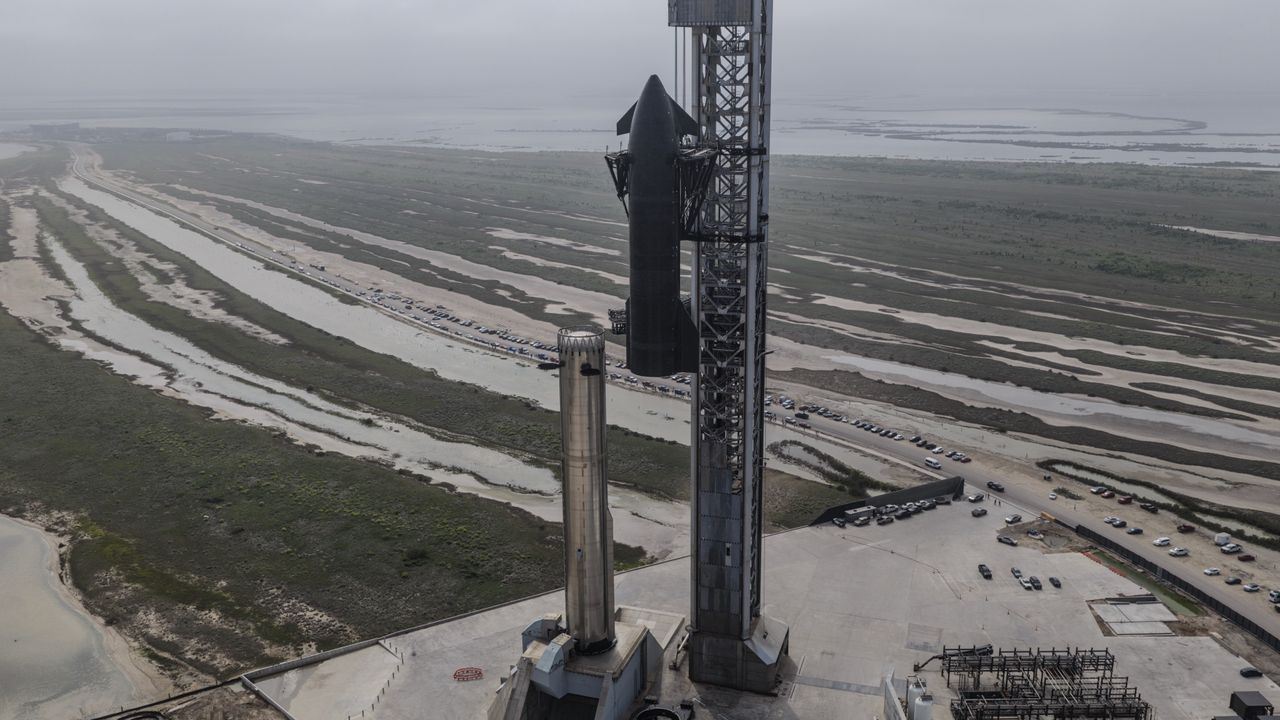
SpaceX has stacked its new Starship V3 on the pad at Starbase, Texas, and completed a full wet‑dress rehearsal that fueled both the Super Heavy booster and the Ship upper stage. The vehicle is slated to lift off on its 12th test flight no earlier than 6:30 p.m. EDT on May 21, a suborbital mission that will splash down in the Gulf of Mexico and the Indian Ocean. This launch marks a major upgrade, adding docking ports for in‑space refueling that will be critical for future Artemis lunar lander missions. Viewers can watch the flight live on SpaceX’s website or on Space.com beginning at 5:45 p.m. EDT.
US military test-launches nuclear-capable ICBM from California (photos)
Original Publication Date: 2026-05-20 19:00
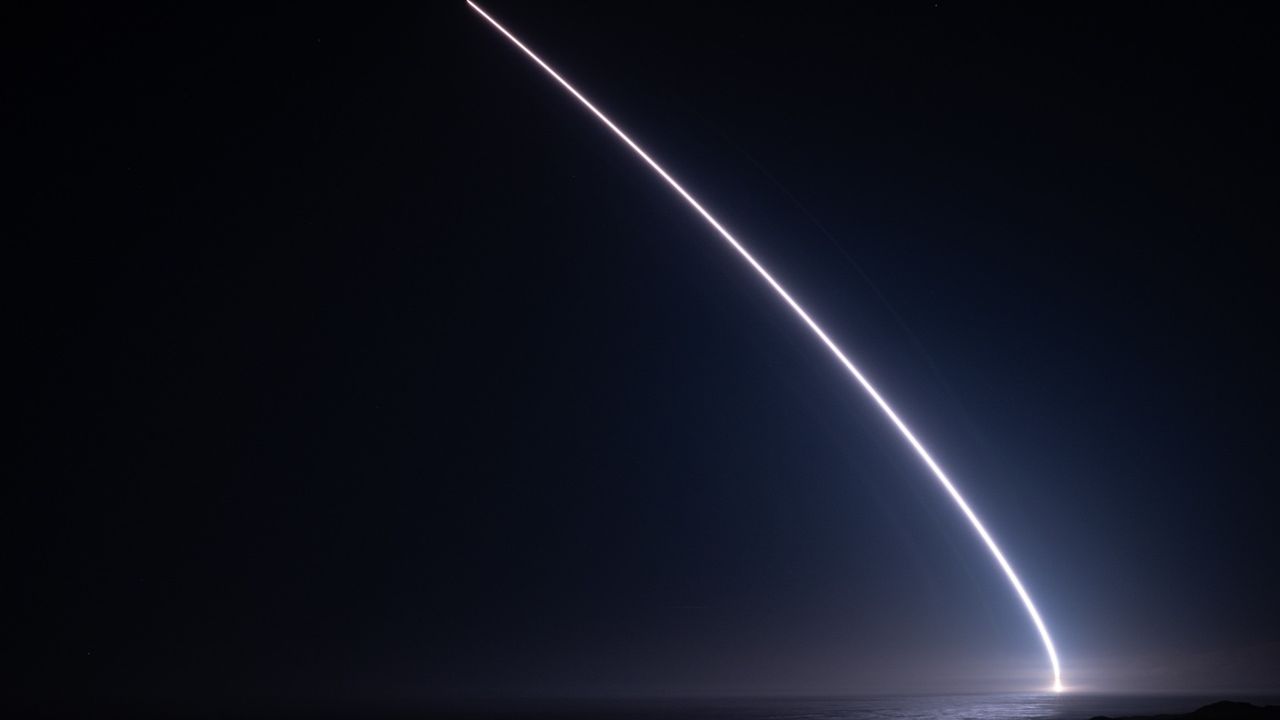
Earlier today, the U.S. Military test‑launched an unarmed Minuteman III intercontinental ballistic missile from Vandenberg Space Force Base in California, a routine readiness check that followed a SpaceX Starlink launch. The Pentagon reiterated that the flight was planned years in advance and not a response to any current events. The test, which likely targeted the Ronald Reagan Ballistic Missile Defense Test Site in the Marshall Islands, serves to verify the health of the nation’s ICBM force and the personnel who maintain it. This launch underscores the continued importance of maintaining a reliable deterrent as the U.S. Moves toward phasing out the Minuteman III in favor of the new Sentinel missile.
Where did Neptune's mysterious moon Nereid come from? It may be the only survivor of the planet's violent history
Original Publication Date: 2026-05-20 18:00
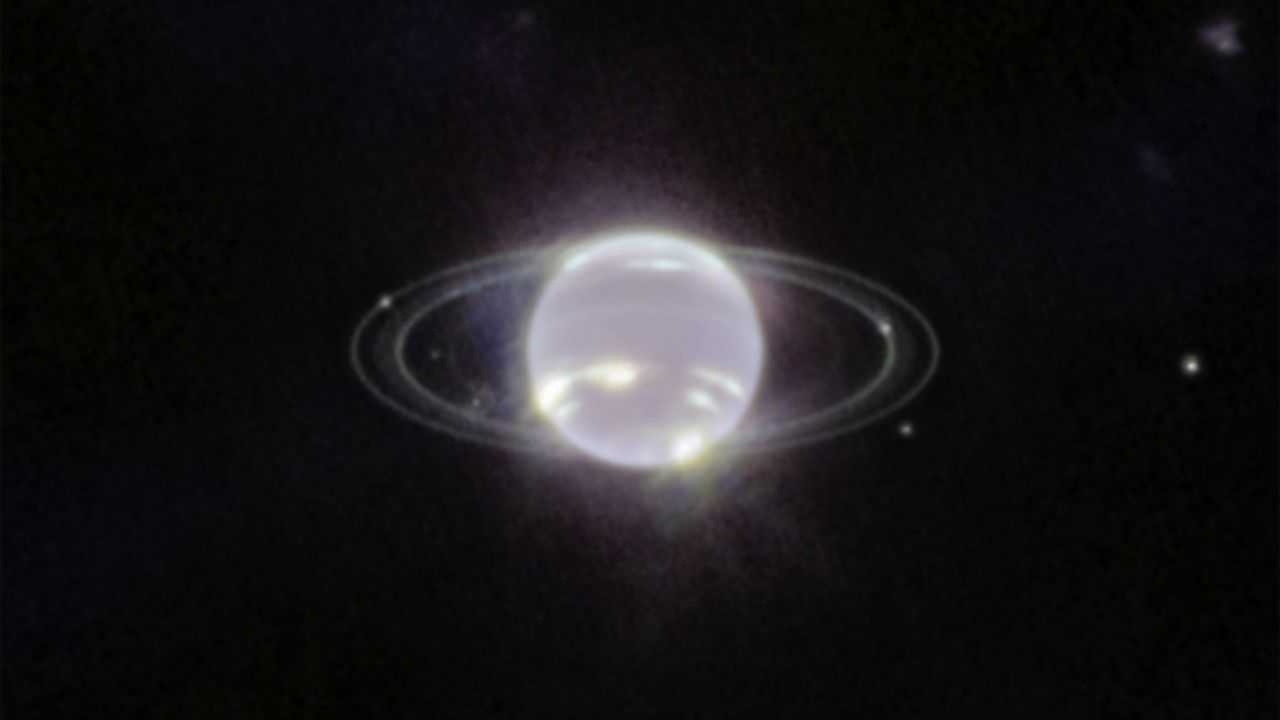
Scientists using the James Webb Space Telescope and computer simulations have found that Neptune’s moon Nereid is probably an original satellite that survived the violent capture of Triton, rather than a Kuiper Belt object that was pulled in. The moon’s high water‑ice content, bright reflectivity and lack of volatile organics set it apart from typical Kuiper Belt bodies, supporting its native origin. Models show that when Triton was captured, its gravitational tug pushed Nereid into its current highly eccentric orbit.
NASA's Psyche spacecraft returns unfamiliar views of a familiar world
Original Publication Date: 2026-05-20 21:26
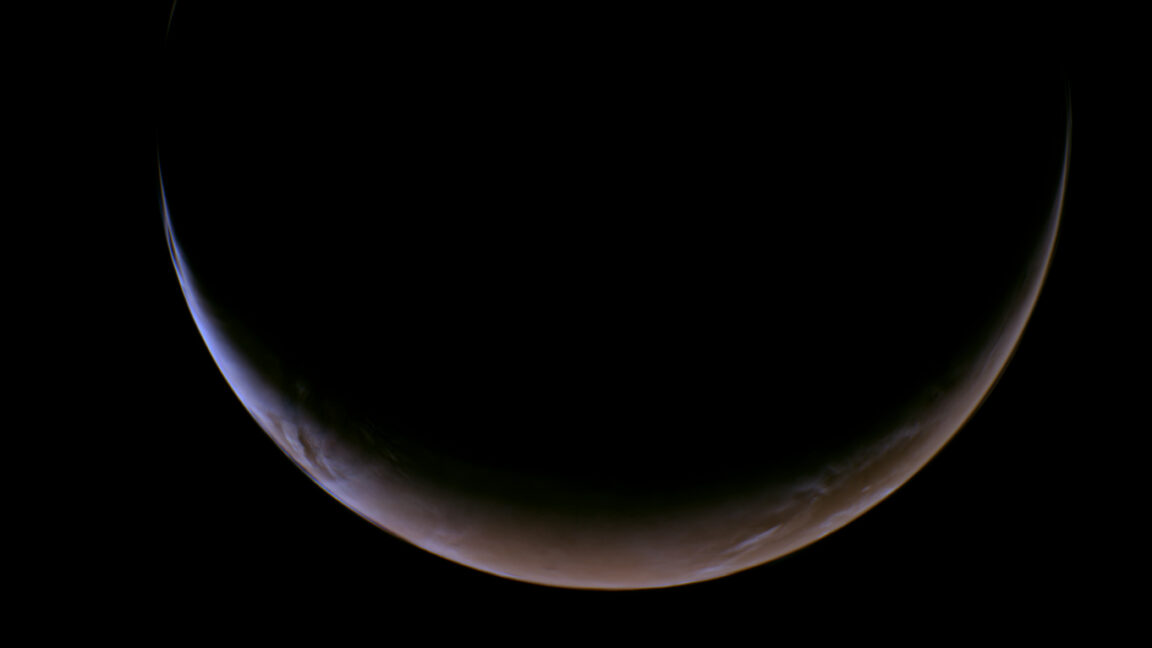
NASA’s Psyche probe, launched in October 2023 from Kennedy Space Center, has used a close flyby of Mars last week to boost its speed on a 2.2‑billion‑mile journey to the metal asteroid Psyche in the asteroid belt. The spacecraft, propelled by plasma engines after a Falcon Heavy launch, passed 2,864 miles above Mars, employing the planet’s gravity as a slingshot to reshape its solar orbit. This maneuver, the most significant velocity increase since launch, sets Psyche on a trajectory that will intercept its target in 2029. The mission’s success demonstrates the effectiveness of deep‑space gravity assists for future planetary exploration.