 Spotify
 Apple Podcasts
 Podcast Addict
 Overcast
 Podcast RSS
Space Force weighs launch alternatives as Vulcan faces potential months-long grounding
Original Publication Date: 2026-03-25 22:55
U.S. Space Force officials are scrambling to reshuffle national‑security launch plans after a booster anomaly on United Launch Alliance’s Vulcan rocket at the Feb. 12 USSF‑87 mission forced the vehicle to pause. The anomaly, which occurred shortly after liftoff, may delay future Vulcan launches by at least six months, prompting lawmakers to urge the Pentagon to find alternatives. In the meantime, the Space Force has already shifted a GPS satellite launch from ULA to SpaceX and is exploring rideshare options and reassignment of other payloads to keep critical missions on schedule. The investigation into the Vulcan issue is ongoing, with the Service working closely with ULA, Boeing, and Lockheed Martin to restore confidence and maintain delivery of key capabilities.
Office of Space Commerce releases mission authorization proposal
Also covered by: Payload Space
Original Publication Date: 2026-03-25 19:50
The Office of Space Commerce has released a “light‑touch” mission‑authorization proposal that creates a one‑stop licensing path for novel space activities such as satellite servicing and lunar manufacturing. Companies can apply for a voluntary Space Commerce Certification, after which Commerce will coordinate a streamlined inter‑agency review involving the FAA, FCC and other agencies, with a 120‑day decision period and a 30‑day objection window. If no objections are raised, the certification is presumed approved, offering a predictable, low‑barrier route that could attract billions in U.S. Space investment. The proposal remains open for industry feedback, with no set deadline for final approval.
Terran Orbital Introduces New Star Tracker Product Line at SATSHOW 2026
Original Publication Date: 2026-03-25 18:16
At SATSHOW 2026 in Irvine, California, Terran Orbital Corp.—a Lockheed Martin subsidiary—unveiled a new line of star trackers designed to enhance satellite navigation and imaging. The launch expands the company’s product portfolio in space technology, offering higher precision and reliability. Industry analysts say the new trackers will boost mission success for both commercial and governmental customers. Terran Orbital’s announcement highlights its growing role in the rapidly evolving space industry.
Telesat eyes defense role with laser comms test ahead of LEO debut
Original Publication Date: 2026-03-25 15:20
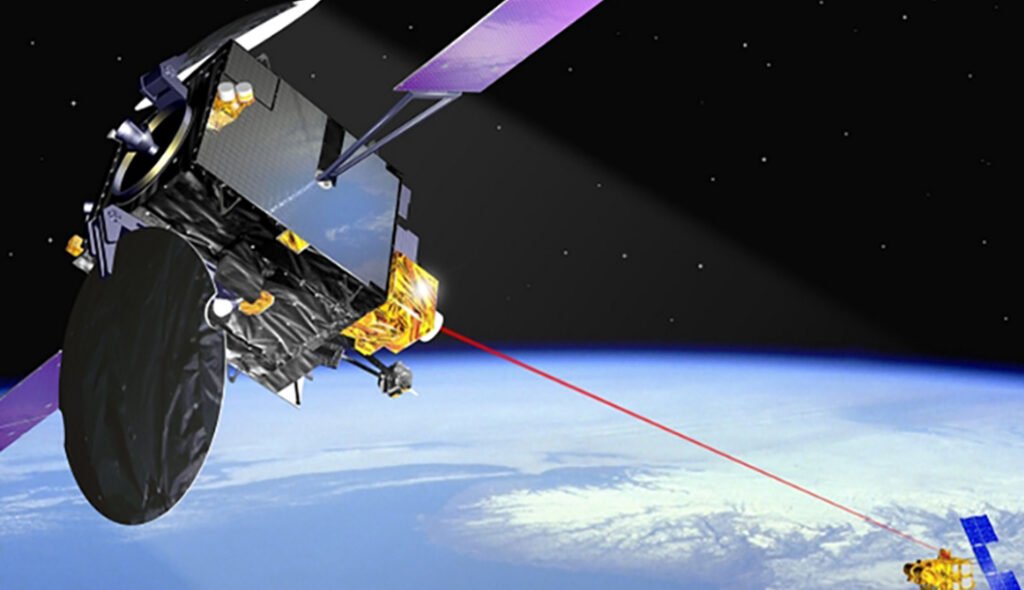
Telesat is gearing up to launch its first Lightspeed low‑Earth‑orbit satellites and is tailoring the constellation for U.S. Defense customers with a planned laser‑communications demonstration and Ka‑band upgrades.
Sift raises $42 million in Series B round
Original Publication Date: 2026-03-25 15:14
Sift, a Southern California startup that turns raw hardware sensor data into actionable insights for engineers, has secured $42 million in a Series B funding round. The capital will be used to grow its engineering team and strengthen the infrastructure that powers AI‑controlled devices. With applications ranging from modern rockets to satellites and defense systems, Sift’s tools aim to streamline how complex hardware is monitored and managed. This investment positions the company to accelerate development of the next generation of AI‑driven technology.
NexSat Space Systems Debuts with ACE ‘Invisible’ Aero-Conformal Antenna
Original Publication Date: 2026-03-25 22:03
On March 23, 2026, NexSat Space Systems Corporation launched its operations and debuted its flagship product, ACE (Aero Con
Rocket Lab Emerging as Potential Bus Provider for 2,800-Satellite Equatys Constellation
Original Publication Date: 2026-03-25 19:59

Following the Mobile World Congress 2026, industry experts are buzzing about a potential partnership between Rocket Lab and the newly announced Equatys joint venture. Equatys, a Direct‑to‑Device (D2D) venture, aims to streamline satellite deployment directly to end users. Analysts suggest that a collaboration could combine Rocket Lab’s launch expertise with Equatys’ D2D platform to accelerate the delivery of small satellite constellations. The partnership, if confirmed, could reshape the competitive landscape of the satellite launch market.
SES Taps K2 Space for Next-Gen ‘meoSphere’ MEO Network
Original Publication Date: 2026-03-25 19:36

At the Satellite 2026 conference in Washington, D.C., on March 24, 2026, SES unveiled its meoSphere project, a next‑generation Medium Earth Orbit satellite network. The initiative aims to expand broadband coverage and cut latency for global communications. SES plans to launch the first meoSphere satellites within the next few years, positioning the company at the forefront of MEO technology. This move underscores the growing shift toward high‑throughput satellite constellations for worldwide connectivity.
Dual-Use by Design: Telesat Lightspeed and the End of Civilian Telecom in LEO
Original Publication Date: 2026-03-25 19:12

Telesat’s recent move to dedicate 500 MHz of military Ka‑band spectrum to its Lightspeed constellation has cleared an immediate funding hurdle. By locking that bandwidth into the first 156 satellites, the company sidestepped a near‑term financing crisis. However, the hardwired allocation also creates a targeting dilemma that no commercial agreement can resolve. The decision underscores the trade‑offs between rapid deployment and operational flexibility in satellite communications.
SpaceX Accelerates Record-Breaking IPO Following Trillion-Dollar xAI Merger
Original Publication Date: 2026-03-25 15:48

SpaceX is preparing to file its initial public offering prospectus with U.S. Regulators as early as this week or next, according to industry reports. The move signals the company’s intent to go public after years of private funding and rapid growth in spaceflight and satellite services. Analysts say the filing could attract significant investor interest, potentially valuing the company at tens of billions of dollars. The prospectus will outline SpaceX’s financials, business strategy, and future plans, and will be closely watched by the market and regulatory bodies.
A Hot Start to Spring in the Southwest
Original Publication Date: 2026-03-26 04:00
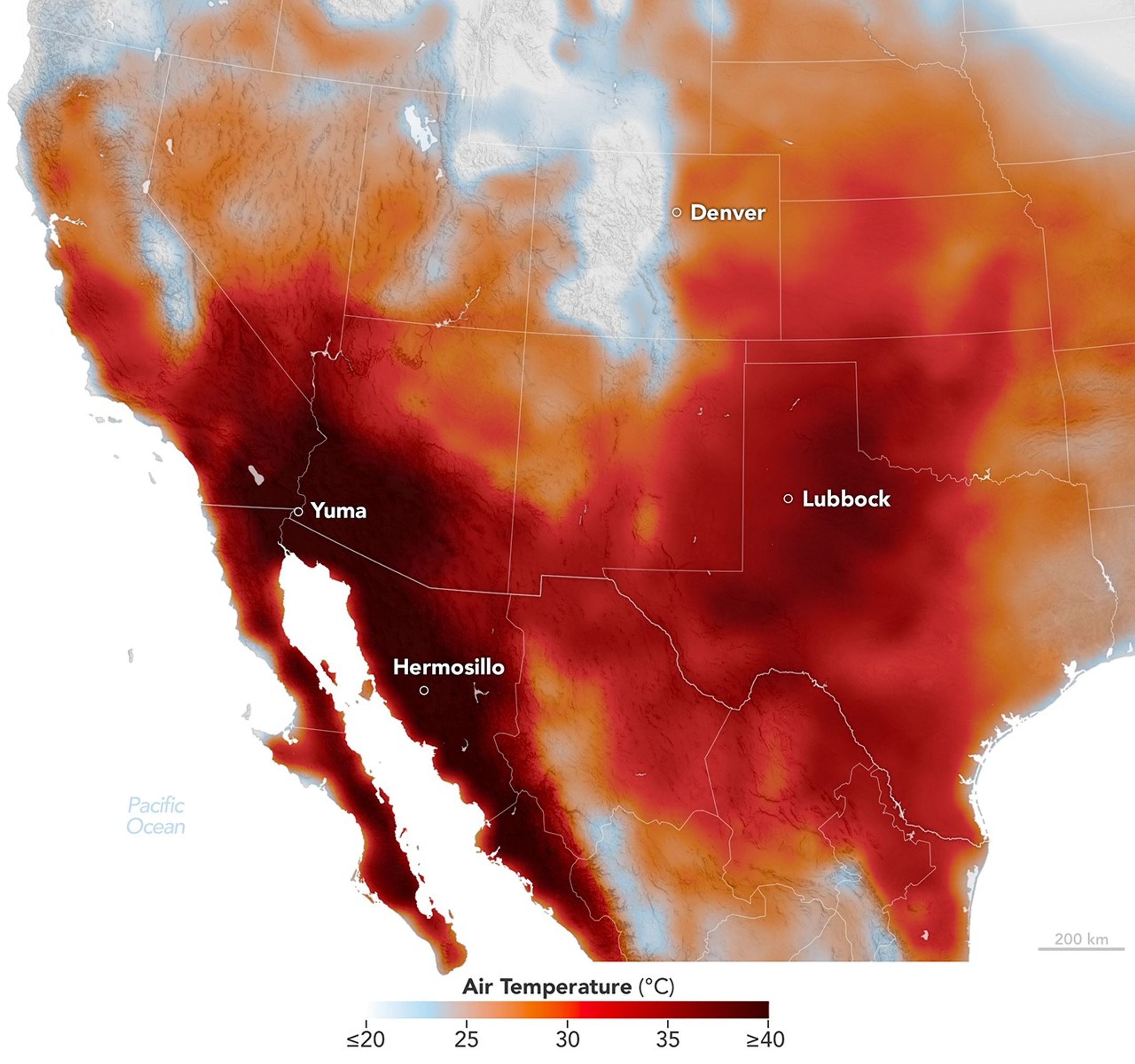
On March 20, the first official day of spring, the southwestern United States and Mexico were scorched by a heatwave that felt more like summer, with temperatures soaring to 112 °F in parts of Arizona and California. Yuma, Arizona, set a record high of 109 °F—28 °F above the 1991‑2020 average—while Hermosillo, Mexico, reached a new March record of 108 °F.
La NASA anuncia la cobertura de la misión lunar Artemis II
Original Publication Date: 2026-03-25 23:48

The Artemis II crew—NASA’s Reid Wiseman, Victor Glover, and Christina Koch, joined by Canadian astronaut Jeremy Hansen—just left their quarters at the Neil Armstrong Operations and Checkout Building to board the crew transport vehicles before heading to Launch Pad 39B. This integrated ground‑systems test, held on September 20 at Kennedy Space Center, aimed to verify the crew schedule for the upcoming launch.
NASA Ames Experts Available for Artemis II Flight Test Interviews
Original Publication Date: 2026-03-25 23:16

NASA’s Ames Research Center is inviting media to interview local experts on Friday, March 27, as the agency gears up for Artemis II, the first crewed lunar fly‑by in more than five decades. The four‑astronaut mission, slated to launch April 1, will test systems that will eventually bring crews to the Moon’s surface and pave the way for Mars. Ames scientists and engineers are contributing through advanced testing facilities, system validation, and mission assurance, and will be part of the post‑flight analysis. Media can request virtual interviews by emailing arc-dl-newsroom@mail.nasa.gov before March 26 at 5 p.
NASA Sets Coverage for First Artemis Crewed Mission Around Moon
Also covered by: NASA, Space.com
Original Publication Date: 2026-03-25 22:58
NASA’s Artemis II, the agency’s first crewed lunar mission, will launch from Kennedy Space Center on or after April 1, 2026, carrying astronauts Reid Wiseman, Victor Glover, Christina Koch and Canadian Jeremy Hansen. The 10‑day trip will orbit the Moon and test Orion’s life‑support systems, paving the way for future crewed Artemis flights. Live coverage—including tanking, launch, and post‑launch briefings—will stream on YouTube and NASA+ from 6:24 p.m. EDT on the launch day, with daily status updates from Houston beginning April 2. The public can watch, listen, or register for virtual attendance through NASA’s online portals and the NASA virtual guest program.
NASA-ISRO Satellite Captures Pacific Northwest Through Clouds
Original Publication Date: 2026-03-25 16:00
NASA and India’s ISRO satellite NISAR is now imaging the Pacific Northwest through clouds, delivering high‑resolution radar pictures that reveal changes in forests, wetlands, and urban infrastructure. By comparing images taken every 12 days, scientists can detect subtle shifts in vegetation, water boundaries, and even movements linked to volcanoes, glaciers, and fault lines. The 12‑meter antenna lets the L‑band radar penetrate cloud cover, offering data that supports resource management, hazard monitoring, and environmental decision‑making in the region. This joint mission, launched in July 2025, marks the first satellite to carry two SAR instruments at different wavelengths and promises to transform how we track Earth’s changing surface.
NASA Research Proposes Technology to Seek Earth-Like Exoplanets
Original Publication Date: 2026-03-26 00:00
NASA is pushing the frontiers of exoplanet discovery with its Hybrid Observatory for Earth‑like Exoplanets, a concept that pairs an orbiting starshade with a massive ground‑based telescope to cut starlight and reveal distant worlds. The goal is to capture the faint reflected light from exoplanets, which can hint at Earth‑like features such as water and oxygen. Current telescopes struggle with the overwhelming glare of nearby stars, making direct imaging of these planets extremely difficult. By suppressing starlight, the HOEE concept could finally bring Earth‑like exoplanets into clear view.
NASA outlines Moon Base plans, pivots on Gateway
Original Publication Date: 2026-03-25 23:16

NASA has shifted its focus from the planned Lunar Gateway orbiting station to a new Moon Base program, redirecting resources, personnel, and funding toward a sustained crewed outpost on the lunar surface. The agency will build a semi‑permanent base at the south pole over three phases spanning a decade, with a total investment of at least $30 billion. Phase 1, already underway, will deliver up to 21 uncrewed landings and one crewed mission, test lunar drones and radioisotope heaters, and deploy two communication constellations; Phase 2 will establish infrastructure, launch semi‑annual crewed missions, and add JAXA’s mobile rover; Phase 3 will focus on long‑duration exploration, in‑situ resource utilization, and return of lunar samples. This pivot marks a significant departure from the Artemis architecture and signals NASA’s commitment to a long‑term presence on the Moon.
Isar Aerospace scrubs second launch of Spectrum rocket
Original Publication Date: 2026-03-25 17:41

Isar Aerospace’s Spectrum small‑satellite launcher aborted its second flight on March 25, 2025, after reaching T‑3 seconds on the countdown at Norway’s Andøya Spaceport. The launch, originally slated for 20:00 UTC, was delayed to 20:21 UTC due to a range violation involving a boat, and the abort came just before engine ignition. No new launch date has been announced and the cause of the abort remains undisclosed, though the vehicle had passed integrated static‑fire tests and carried five cubesats and an experiment payload for the first time. The company’s previous flight, “Going Full Spectrum,” failed after 30 seconds when a vent valve opened during the pitch‑over maneuver, and the aborted second attempt highlights the challenges of qualifying the vehicle under operational conditions.
PAVE Space Raises $40M for In-Space Propulsion Tech
Original Publication Date: 2026-03-25 13:00
Swiss startup PAVE Space has secured $40 million in seed funding from Visionaries Club, Creandum and a host of other investors to develop storable bipropellant propulsion systems that promise to cut launch costs and enable rapid in‑orbit maneuvers. Founded in 2024 by former Gruyére Space Program co‑founders Julie Böhning and Jérémy Marciacq, PAVE is building two product families: the 45 kN LYOBA kick‑stage engine for quick transfers to higher orbits and the 200‑kg IBEX mobility platform that could serve both commercial and defense customers.
Airbase Emerges From Stealth With $5M to Automate Spectrum Allocation
Original Publication Date: 2026-03-25 11:00

Airbase, a newly revealed startup, has secured $5 million in funding led by Andreessen Horowitz to streamline the allocation of the limited RF spectrum that powers everything from GPS to satellite communications. The company’s goal is to replace the FCC’s decades‑old manual database system with automated tools that deconflict spectrum use among the growing number of space missions.
Lightning on Jupiter could be up to 1 million times stronger than on Earth
Original Publication Date: 2026-03-26 10:00

NASA’s Juno spacecraft has shown that lightning on Jupiter can be up to a million times more powerful than on Earth, according to a new study that analyzed radio emissions from the planet’s storms. By measuring microwaves from “stealth superstorms” in Jupiter’s north equatorial belt, scientists found pulses ranging from Earth‑like bolts to over a hundred times stronger, with an average of three flashes per second.
100 new alien worlds: Scientists find hidden haul in data from NASA exoplanet-hunting spacecraft
Original Publication Date: 2026-03-25 22:00
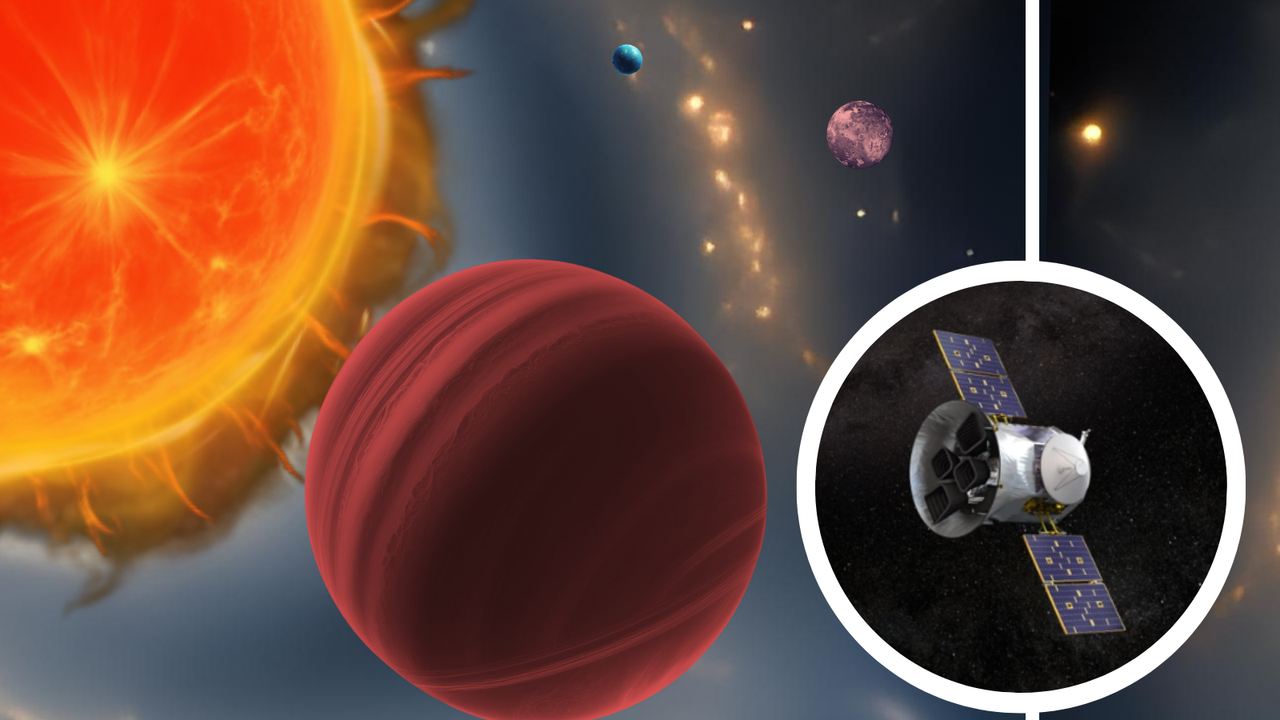
Scientists at the University of Warwick used an AI pipeline called RAVEN to sift through data from NASA's TESS spacecraft, validating 118 new exoplanets and flagging over 2,000 promising candidates, nearly 1,000 of which have never been seen before.
Canada cancels its 1st moon rover: 'It's hopefully not a lost cause'
Original Publication Date: 2026-03-25 18:00
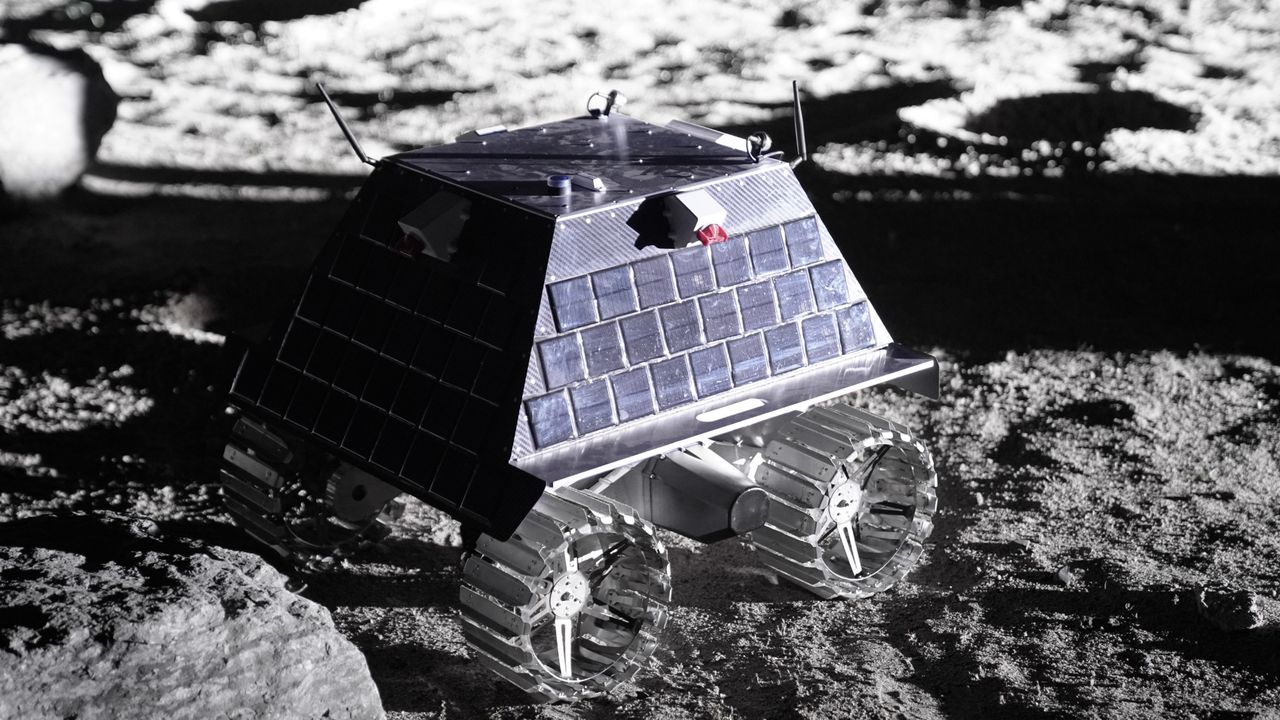
Canada has cancelled its first lunar rover mission to the Moon’s south pole, redirecting funds to other national priorities. The 77‑pound rover, planned for a 2029 launch on Firefly Aerospace’s CLPS lander, was meant to search for water ice and study lunar geology. The cancellation is part of a $6.7 million CAD cut to the Canadian Space Agency’s 2026‑27 budget, as the government seeks to restrain operational spending and invest in projects like a new launch pad in Nova Scotia.
Rocket shines under the northern lights | Space photo of the day for March 25, 2026
Original Publication Date: 2026-03-25 15:00

Isar Aerospace is set to launch its Spectrum rocket from Norway’s Andøya Spaceport on March 25, aiming to become the first vehicle to reach orbit from European soil. The second flight, dubbed “Onward and Upward,” will carry five cubesats and a scientific experiment into space. A striking photo captured the rocket beneath a ribbon of aurora borealis, highlighting the ideal viewing conditions at the northern latitude. If the launch succeeds, it will mark a historic milestone for European launch capabilities.
Here is NASA's plan for nuking Gateway and sending it to Mars
Original Publication Date: 2026-03-25 20:21
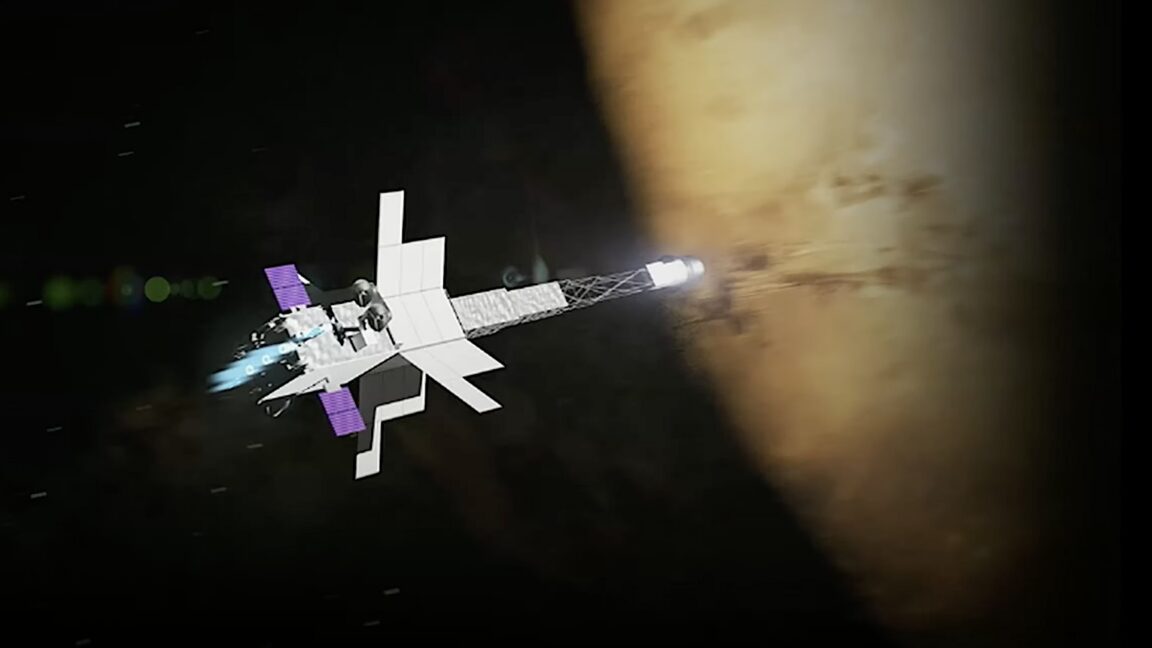
NASA has announced it will pause work on its lunar Gateway space station and redirect efforts toward building a surface base on the Moon, a move that dovetails with the Trump administration’s space policy. The agency has already spent nearly $4.5 billion developing the Gateway, with components being built and tested in factories around the world. The Power and Propulsion Element, the station’s centerpiece, is close to launch readiness, but NASA plans to repurpose its core module for a nuclear‑electric propulsion demonstration in deep space. This shift marks a significant pivot in NASA’s exploration roadmap.