 Spotify
 Apple Podcasts
 Podcast Addict
 Overcast
 Podcast RSS
Rocket Lab wins $190 million Pentagon deal for hypersonic test flights
Original Publication Date: 2026-03-18 21:56
Rocket Lab has won a $190 million Pentagon contract to conduct 20 hypersonic test flights over the next four years using its HASTE suborbital vehicle. The award, part of the Multi‑Service Advanced Capability Hypersonic Test Bed 2.0, seeks to boost testing capacity by bringing commercial launchers into the defense’s hypersonic development pipeline. HASTE will carry payloads at speeds above Mach 5, exposing them to the extreme thermal and aerodynamic stresses of hypersonic flight before release for analysis. This deal brings Rocket Lab’s launch backlog beyond 70 missions, marking a significant expansion of commercial involvement in U.S. Hypersonic research.
Space Command classified wargame to include 25 commercial players
Original Publication Date: 2026-03-18 21:14
U.S. Space Command and 25 commercial space firms will take part in a classified wargame in Colorado Springs next week. The exercise, slated for March 23 at The Aerospace Corporation, is the first in a series of quarterly drills that aim to integrate industry into high‑level space defense planning. Commanders say the classified nature allows the sharing of sensitive intelligence that has previously been withheld from commercial partners, a move reflecting the growing overlap of military and commercial space assets. The focus of this round will be the threat of a high‑altitude nuclear explosion in orbit, a scenario that could indiscriminately cripple satellites worldwide.
TransAstra aims to move 100-ton asteroid to stable orbit for processing
Original Publication Date: 2026-03-18 19:00
TransAstra is conducting a feasibility study—backed by investors and customers—to see if a 100‑metric‑ton asteroid can be moved into a stable near‑Earth orbit. The company plans to bring the rock into the Earth‑Moon system and convert it into a robotic research outpost. The outpost would serve as a hub for materials processing and manufacturing in space. This ambitious project could pave the way for new industrial capabilities beyond our planet.
Solar array deal sheds more light on South Korea’s defense constellation
Original Publication Date: 2026-03-18 14:57
South Korea is sharpening its national security satellite constellation plans after signing a solar‑array supply deal on March 18, paving the way for a demonstrator satellite by the second half of 2027. The agreement clarifies the scope of the country’s defense constellation and underscores its commitment to domestic production and strategic autonomy.
Space Force Formalizes Cislunar Strategy Amid Acquisition Restructuring
Original Publication Date: 2026-03-18 20:53

The U.S. Space Force announced on March 17, 2026 that it is moving beyond theoretical discussions and is now actively developing operational plans for cislunar space.
Market Analysis: The ISR Latency War and Who Wins When “Minutes” Decide Mission
Original Publication Date: 2026-03-18 19:15
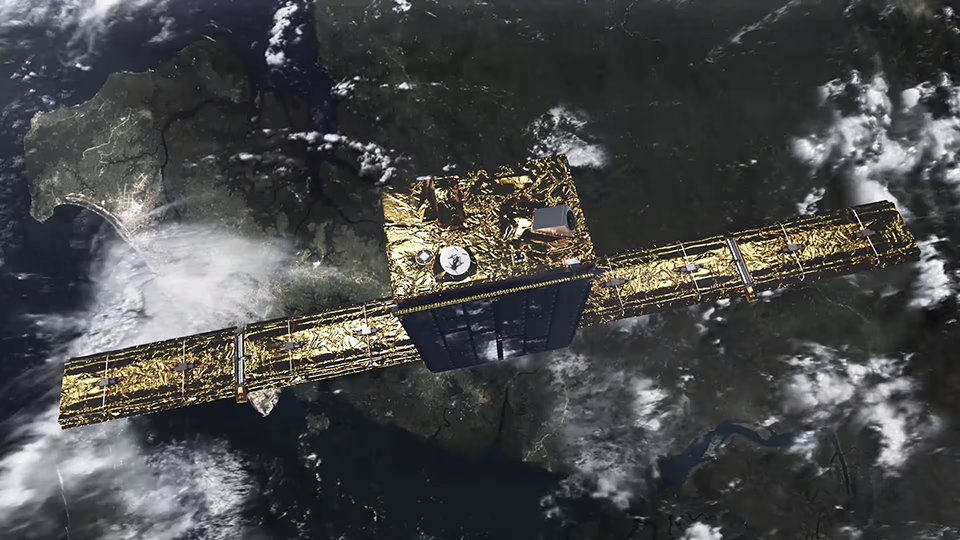
Industry data and earnings reports released on March 18, 2026 reveal a seismic shift in the Intelligence, Surveillance, and Reconnaissance sector, moving away from the traditional reliance on large orbital platforms toward a constellation of smaller, commercial satellites. Companies are now integrating artificial‑intelligence‑driven analytics and cloud‑based processing to deliver near‑real‑time situational awareness, boosting both speed and cost efficiency.
Telesat Optimizes Lightspeed Constellation with Dedicated Military Ka-Band Spectrum
Original Publication Date: 2026-03-18 16:32
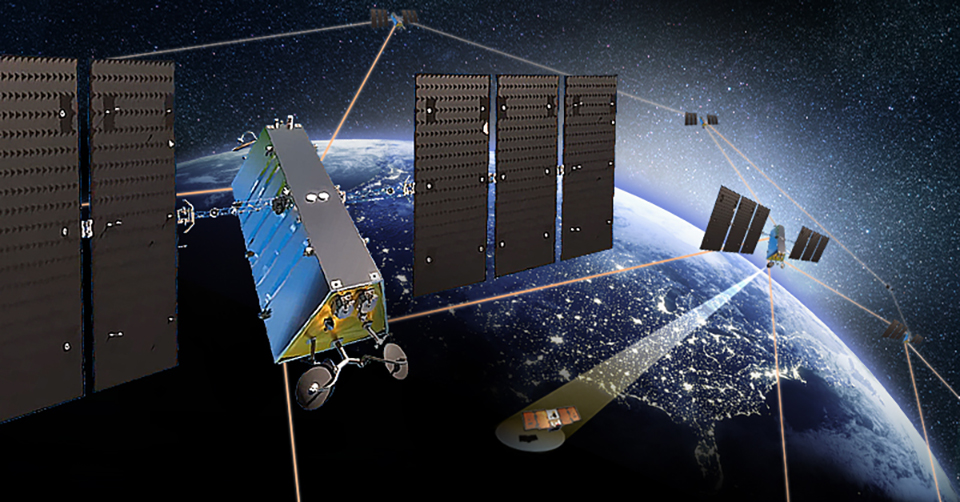
Telesat announced on March 17, 2026 that it will expand its Lightspeed Low‑Earth‑Orbit constellation by adding 500 MHz of military Ka‑band (Mil‑Ka) capacity. The new spectrum will provide high‑throughput, secure communications for defense users and will be integrated into the existing constellation. The company expects the upgraded service to become operational in 2027, positioning it as a key player in defense communications.
ALL.SPACE Achieves Industry-First Multi-Orbit Certification for SES O3b mPOWER
Original Publication Date: 2026-03-18 15:12

ALL.SPACE announced on March 18, 2026 that it has earned the industry’s first certification for a next‑generation tactical terminal, enabling simultaneous multi‑orbit connectivity on the SES O3b mPOWER satellite network.
Flexell Space and Kongsberg NanoAvionics Partner on Solar Arrays for Korean National Security Program
Original Publication Date: 2026-03-18 14:32
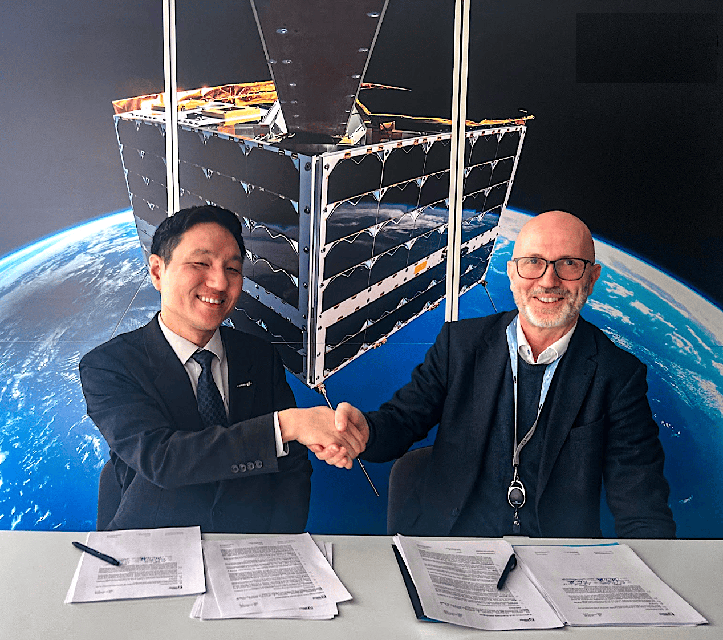
On March 18 2026, South Korean firm Flexell Space and Lithuania’s Kongsberg NanoAvionics signed a multi‑million euro deal to supply kilowatt‑class power systems for space missions. The partnership will combine Flexell’s high‑efficiency power electronics with NanoAvionics’ advanced power distribution units, boosting satellite energy capabilities. The contract is expected to support a series of upcoming satellite launches over the next few years. This collaboration marks a significant step in strengthening the global space power supply chain.
Australia’s “Red Centre” Turns Green
Original Publication Date: 2026-03-19 04:00
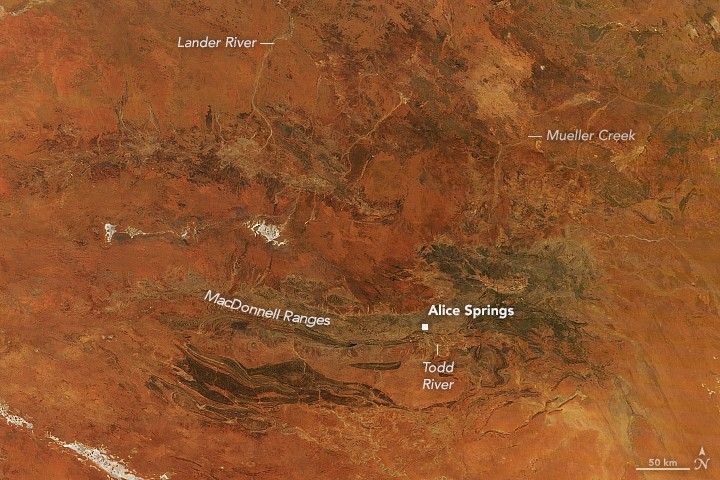
Heavy rains in February and March 2026 turned Central Australia’s iconic “Red Centre” from rusty red to lush green, as NASA’s MODIS sensor on the Terra satellite captured the dramatic shift. The Northern Territory received 239 mm of rain, making February the third‑wettest on record since 1900, and the water sparked new vegetation and flowing riverbeds. The deluge also caused flash flooding in Alice Springs, uprooting trees and stranding residents, prompting a natural disaster declaration. Officials now warn of further severe storms from Tropical Cyclone Narelle that could impact northern Queensland and inland areas by March 20.
Curiosity Blog, Sols 4832–4837: Driving the (Contact) Line!
Original Publication Date: 2026-03-18 19:16

NASA’s Curiosity rover is winding down its boxwork campaign, driving south across the uppermost portion of the boxwork unit to study its contact with the underlying layered sulfate unit on Mars.
Lava Flows Down Mayon
Original Publication Date: 2026-03-18 15:19
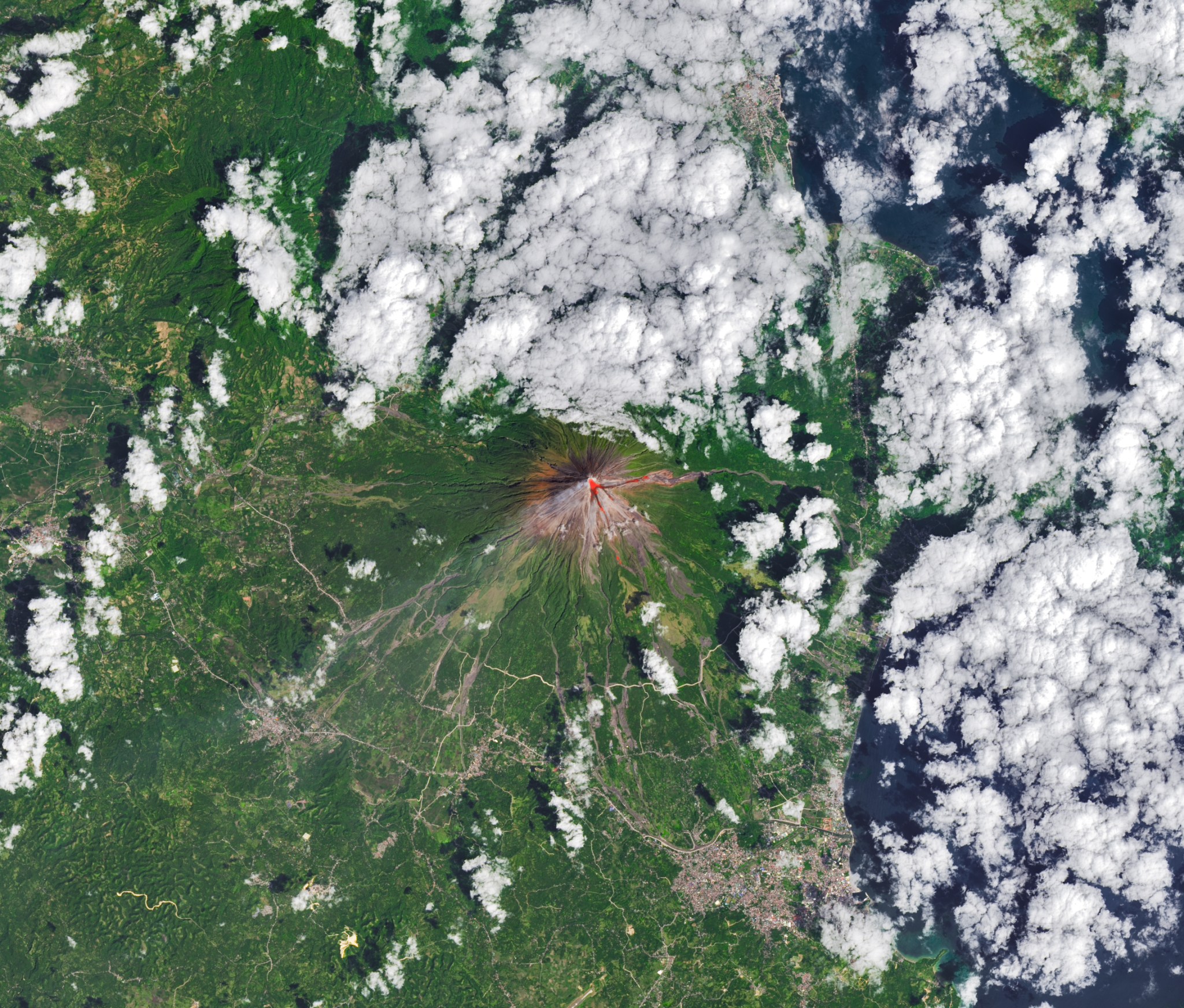
At any moment, roughly 20 volcanoes erupt worldwide, including Mayon, the Philippines’ most active. On Feb. 26, 2026, the U.S. Geological Survey’s Landsat 8 captured a clear image of Mayon, overlaying natural color with infrared to reveal the lava’s heat signature. That day, PHIVOLCS reported volcanic earthquakes, rockfalls, and pyroclastic flows, while NASA satellites tracked sulfur dioxide plumes drifting southwest on Feb. 4 and March 6.
From Service to Space Systems: A Pathways Journey to NASA
Original Publication Date: 2026-03-18 15:06
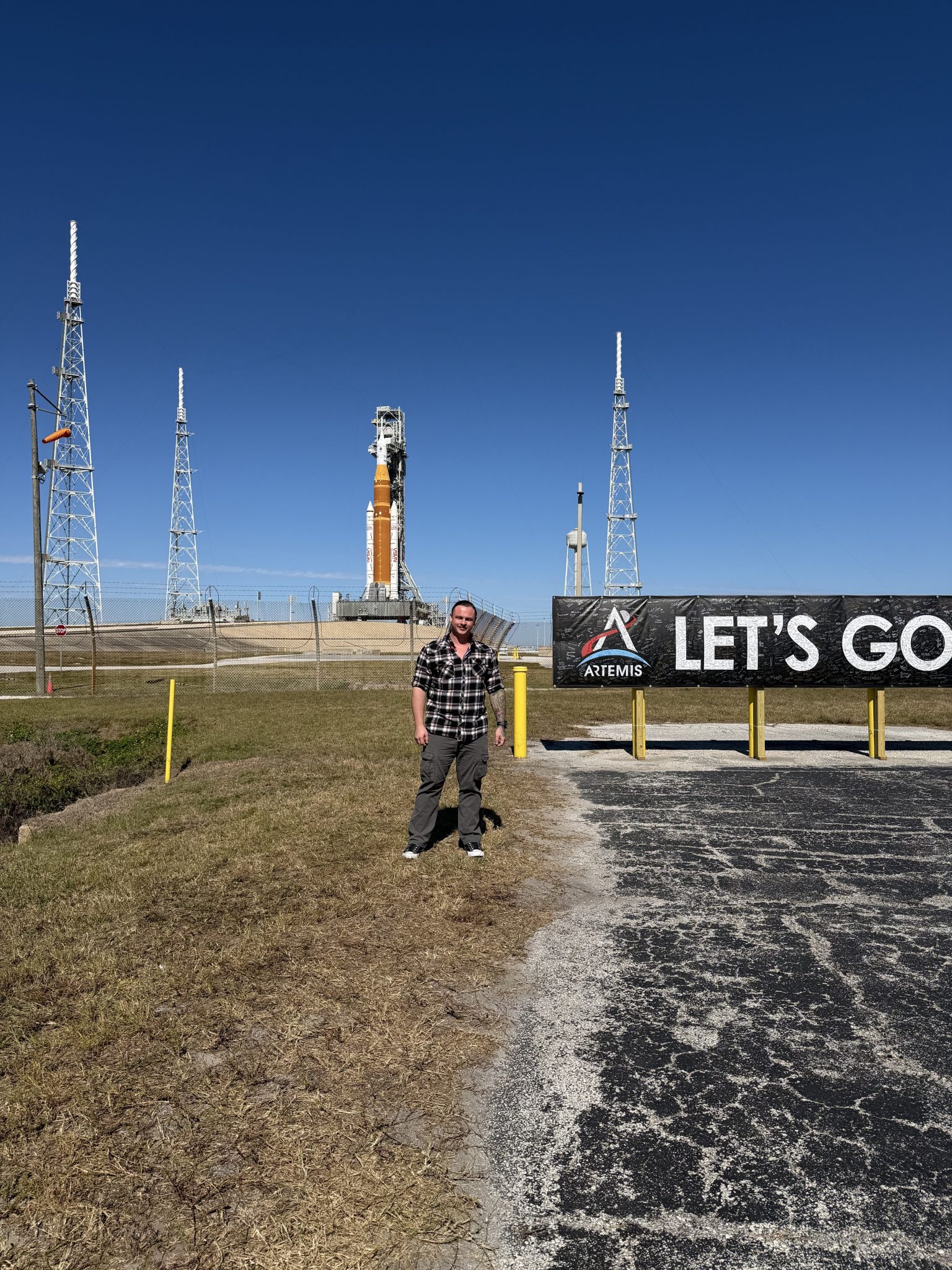
Corey Elmore, a former Navy hospital corpsman, now serves as a NASA Pathways engineering intern at Kennedy Space Center, where he helps refine technical tools and processes for complex missions. He focuses on integrating artificial intelligence, machine learning, and automation to streamline engineering workflows and accelerate decision‑making for projects like the Space Launch System and Artemis infrastructure. Elmore’s military background in training and logistics informs his systems‑thinking approach, allowing him to translate operational experience into space‑engineering solutions. Through the Pathways program, veterans like Elmore gain hands‑on experience and mentorship, bridging their service skills to the next frontier of human exploration.
Widely Attended Gatherings (WAGs) Determinations
Original Publication Date: 2026-03-18 14:08
2026 Maryland Space Business Roundtable (MSBR) 3.26.26 SIA_27th Annual Leadership Dinner 3.23.26 2026 Artemis Suppliers Conference 3.23-25.26 Ansys Government Initiatives Event_AGI 3.19.26 Homeland Security Week 3.17-18.26 Amazon Smithsonian and Space for Humanity Event 3.16.26 HLSR_NASA Night at the Rodeo 3.7.26 2026 National Space Club Florida Committee Monthly Luncheon Space Policy Institute Event.
Booster 19 concludes initial test campaign on Pad 2
Also covered by: Space.com
Original Publication Date: 2026-03-18 19:09

SpaceX’s Booster 19 completed a full test campaign on the newly upgraded Pad 2 at Starbase, Texas, marking the first time the Block 3 Super‑Heavy booster and its Raptor 3 engines operated on the new pad. The sequence included rapid cryogenic loading, dual booster quick‑disconnects, a spin‑prime test, and a simulated static‑fire that validated the pad’s detonation‑suppression and deluge systems. This test also represented the first static‑fire of the Starship V3 on Pad 2, confirming the new configuration’s readiness for future launches.
HyImpulse Signs Launch Agreement with SaxaVord
Original Publication Date: 2026-03-19 08:00

Germany’s HyImpulse Technologies has inked a launch‑service deal to debut its SR75 suborbital vehicle from SaxaVord Spaceport in the Shetland Islands, targeting a Q3 launch. SaxaVord, equipped with three pads, a mission‑control center and a UK Civil Aviation Authority licence for 30 launches a year, is part of Britain’s £2.8 billion push to bring European space launch closer to home.
Apex Signs First Japanese Bus Contract With NEC
Also covered by: SpaceNews
Original Publication Date: 2026-03-19 07:00
Apex, a U.S. Satellite maker, has secured its first Japanese contract, agreeing to supply NEC Corporation with an Aries spacecraft bus for a 2027 technology‑demonstration mission that will test next‑generation optical communications at 1,000‑km low‑Earth orbit.
Modified Vulcan Expected to Launch This Summer
Original Publication Date: 2026-03-18 21:38
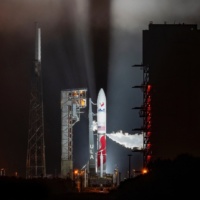
ULA plans to launch its first modified Vulcan rocket this summer, upgrading the nozzle and solid rocket boosters to improve performance. Interim CEO John Elbon said the changes were already underway before a February anomaly, and a static‑fire test is scheduled for the end of April. Production of the new nozzles is already underway, while ULA is assessing how its Centaur V upper stage will need to be altered for NASA’s Artemis IV lunar missions. These upgrades support ULA’s broader strategy to meet the revised Artemis timeline.
Advanced Navigation Raises $110M Series C
Original Publication Date: 2026-03-18 12:46

Australia‑based Advanced Navigation secured $110 million in a Series C round led by Airtree, with participation from Quadrant Private Equity, the National Reconstruction Fund, and other major backers, to accelerate development of GPS‑independent inertial navigation systems. CEO Chris Shaw said the company is building intelligent, autonomous systems that can sense, adapt, and navigate without external signals, addressing a systemic vulnerability in modern navigation. The capital will also fund PNT Centers of Excellence in the U.S. And Europe, strengthening supply chains and on‑ground support for defense, maritime, and space customers. In 2024 the firm launched its Boreas X90 on Space Machines’ Optimus satellite and is partnering with Intuitive Machines to deploy a LUNA module on a 2027 Moon‑landing attempt.
NanoAvionics Lands Korean National Security Deal
Original Publication Date: 2026-03-18 12:43

NanoAvionics has secured a multi‑million‑euro contract with South Korea’s Flexell Space to design and deliver deployable solar arrays for the country’s national security satellite program, with delivery slated for late 2027. Flexell will conduct final validation before integrating the arrays into Hanwha’s low‑Earth‑orbit satellites, while both companies explore using the cells on NanoAvionics’ cubesat and microsat platforms to reduce costs. This deal marks another milestone in NanoAvionics’ rapid expansion into the Korean market, following a recent partnership to build Venus‑studying satellites for the Institute for Basic Science.
Watch NASA roll out Artemis 2 moon rocket tonight ahead of April 1 launch
Original Publication Date: 2026-03-19 10:00
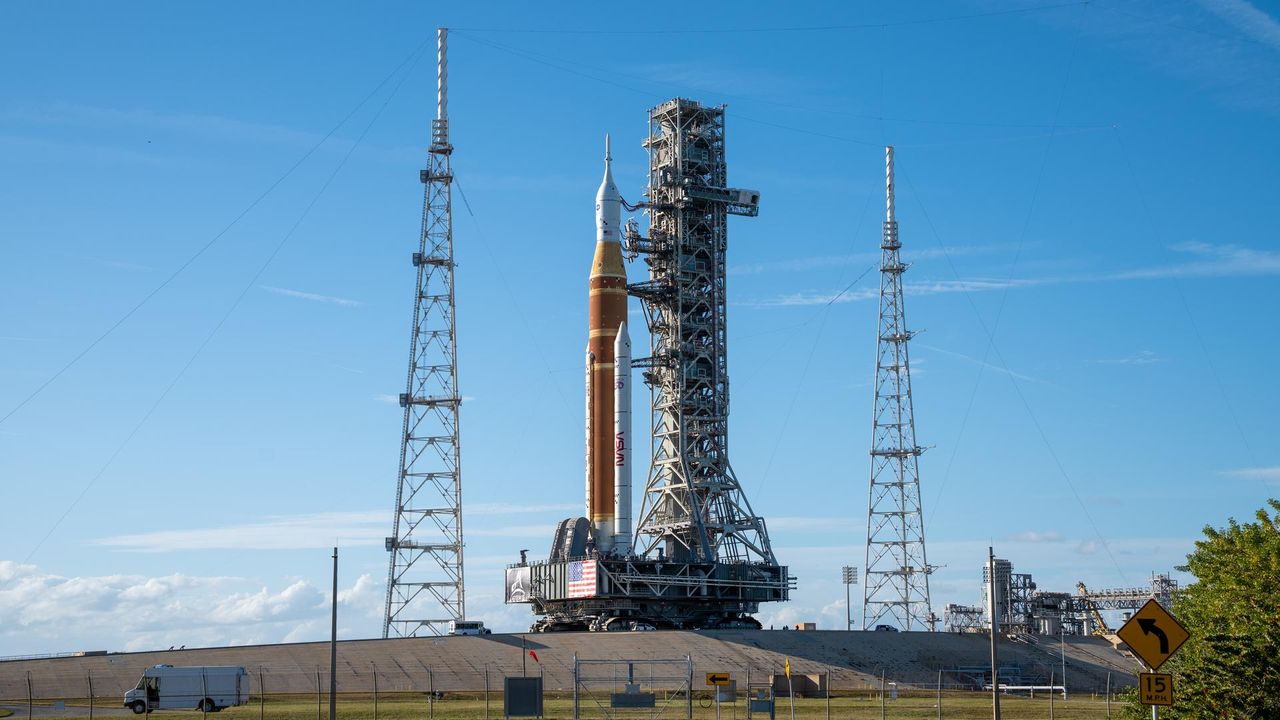
NASA is rolling its Artemis 2 Space Launch System and Orion crew capsule out of the Vehicle Assembly Building tonight, March 19, 2026, to Launch Pad 39B at Kennedy Space Center.
'At the edge of what we thought possible': Astronomers find extremely rare star from ancient universe
Original Publication Date: 2026-03-18 21:00
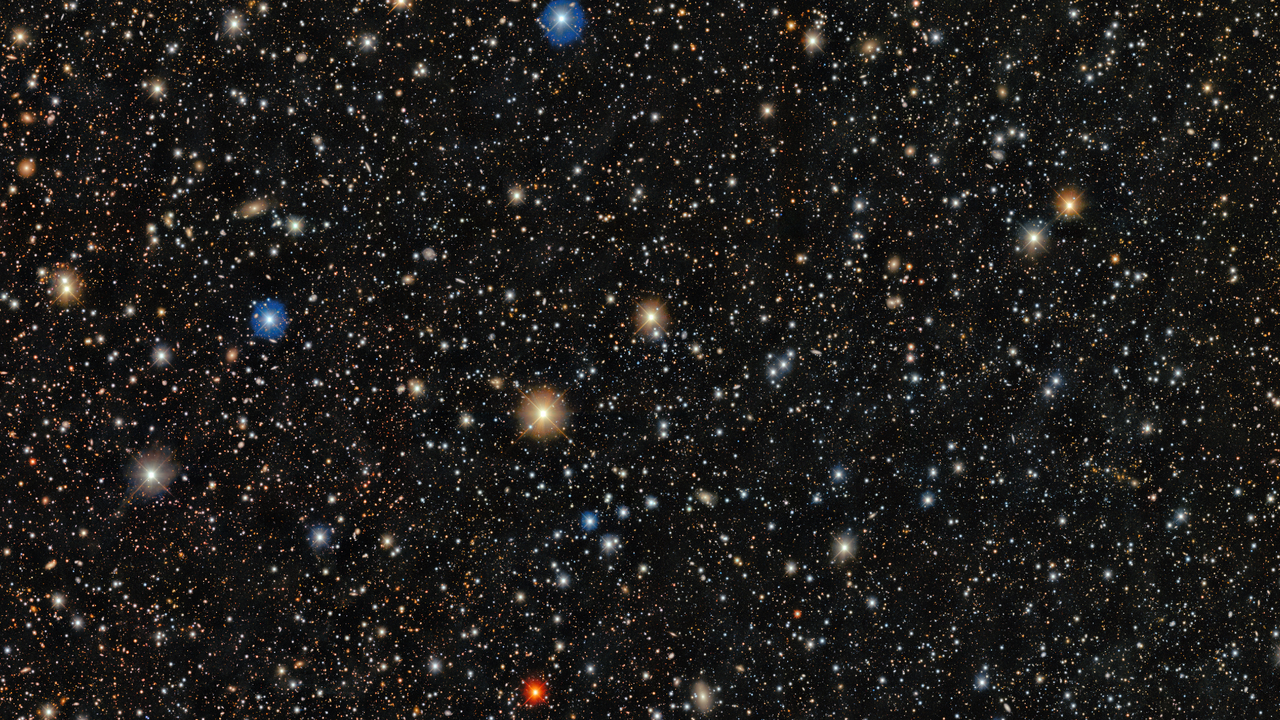
Astronomers have uncovered a rare second‑generation star, PicII‑503, in the faint dwarf galaxy Pictor II about 150,000 light‑years from Earth. The star contains a mere 1/40,000th of the iron found in the Sun, making it the most iron‑poor star ever identified outside our galaxy. It also boasts an extraordinary carbon enrichment—its carbon‑to‑iron ratio is 1,500 times higher than the Sun’s. This stellar fossil offers an unprecedented glimpse into the first stars’ element production and the early chemical evolution of the universe.
Astronauts complete prep for new ISS solar array on 1st NASA spacewalk in 10 months
Original Publication Date: 2026-03-18 20:31
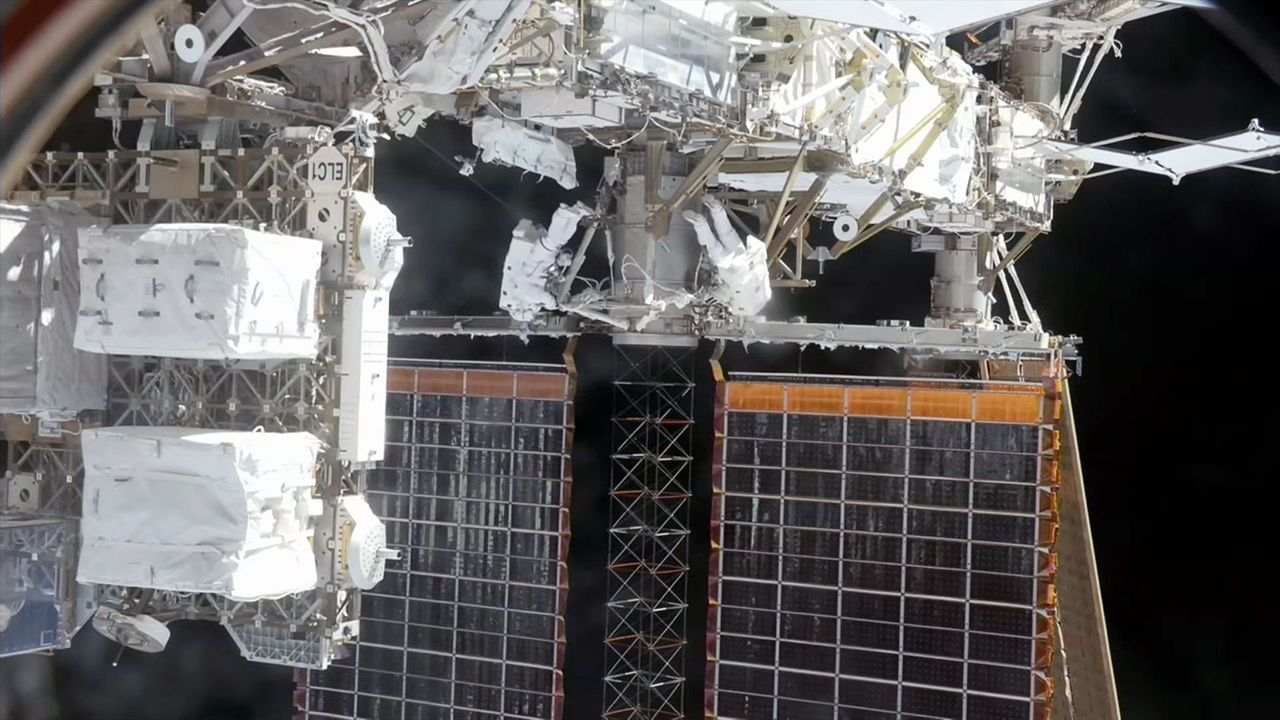
NASA astronauts Jessica Meir and Chris Williams completed a 7‑hour spacewalk on March 18, 2026, installing a mounting structure for a new roll‑out solar array on the International Space Station. The new iROSA will be the seventh of eight rollout arrays, boosting the station’s electricity supply by roughly 20‑30% once deployed. The EVA, the first U.S. Spacewalk in almost a year, also involved setting up a solar array rotating joint and preparing the station for future robotic servicing. This upgrade will support expanded commercial activities and the transition to commercially operated space stations.
Chinese astronaut conducts record-tying 6th spacewalk outside Tiangong space station (video)
Original Publication Date: 2026-03-18 18:00
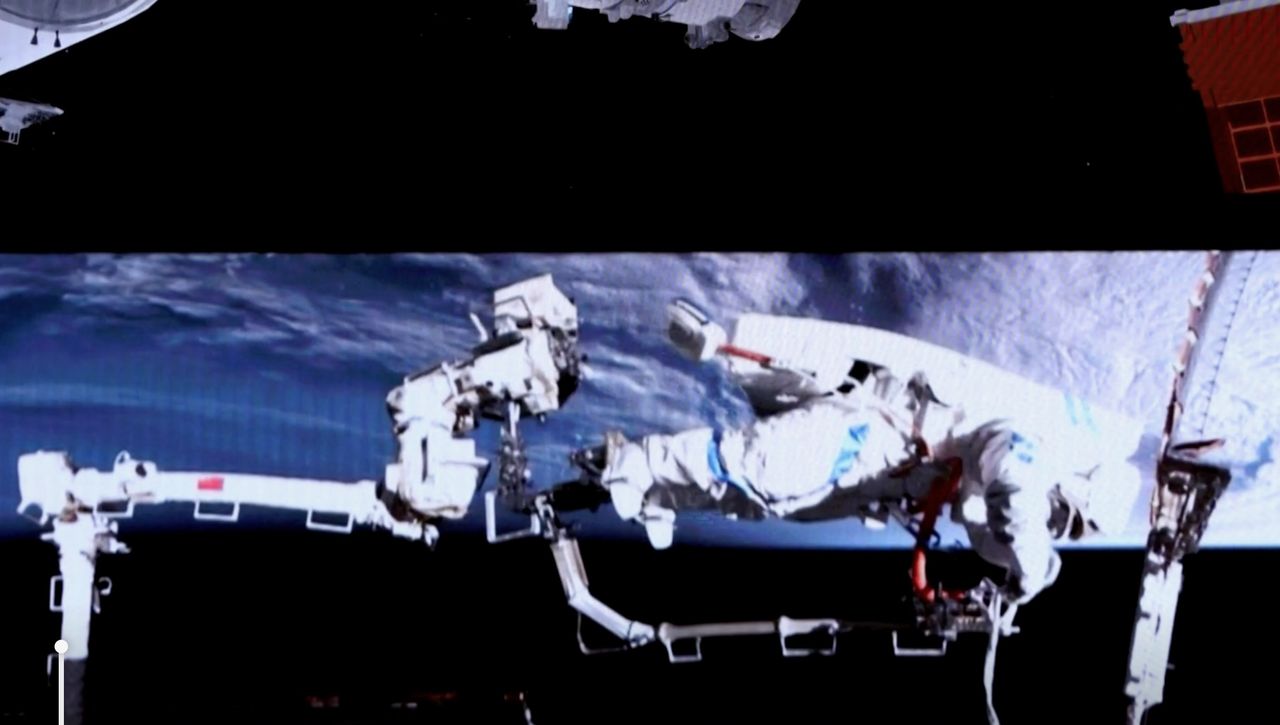
Chinese astronaut Zhang Lu completed his sixth spacewalk on March 16, tying the record for most EVAs by a Chinese astronaut. Together with fellow commander Wu Fei, Zhang spent roughly seven hours outside Tiangong installing debris shielding and inspecting station equipment. The EVA followed a December mission that repaired a crack in the Shenzhou 20 viewport, bolstering China’s plan to keep Tiangong permanently occupied for at least a decade. Zhang’s achievement places him alongside Chen Dong, while the overall record remains held by Russian cosmonaut Anatoly Solovyev.