 Spotify
 Apple Podcasts
 Podcast Addict
 Overcast
 Podcast RSS
Third Kairos launch fails
Original Publication Date: 2026-03-05 03:26
Japan’s Kairos rocket suffered a third consecutive failure, blowing up roughly 70 seconds after liftoff from Spaceport Kii on March 4. The solid‑fuel vehicle, designed to loft up to 150 kg into sun‑synchronous orbit, was terminated by its flight‑termination system after a tumbling fragment appeared in the plume, but Space One has yet to disclose the exact fault. Earlier attempts had been halted by first‑stage motor underperformance and a thrust‑vector control failure that caused the rocket to lose attitude control. The repeated setbacks raise doubts about Kairos’ future, even as the company secured a Japan Ministry of Defense contract for a dedicated launch of a small optical imaging satellite.
Senate committee advances NASA authorization bill that changes Artemis and extends ISS
Original Publication Date: 2026-03-05 00:20
The Senate Commerce Committee has advanced a revised NASA authorization bill, moving it forward in the legislative process. The bill incorporates several changes to the Artemis lunar program that NASA has been advocating for, aiming to streamline the mission’s timeline and budget. It also extends the operational life of the International Space Station, ensuring continued use of the orbiting laboratory. This development underscores Congress’s ongoing support for both lunar exploration and the ISS.
Telus invests in AST SpaceMobile to expand D2D coverage in Canada
Original Publication Date: 2026-03-04 23:18
Canadian telco Telus has agreed to invest in AST SpaceMobile’s ground infrastructure, aiming to bring direct‑to‑smartphone satellite service to Canada’s most remote areas by late 2026. The deal follows a similar partnership with Bell and expands AST’s growing roster of global partners, including AT&T, Verizon, Vodafone and Saudi Arabia’s stc Group. The company plans to launch 45 BlueBird Block 2 satellites by year‑end 2026, with early service expected after 25 satellites become operational. Despite promising revenue growth—$54 million in the first quarter of 2024 and a projected $140 million for 2026—AST faces regulatory hurdles over spectrum access that could impact its rollout plans.
Space Force presses case for more personnel and training
Original Publication Date: 2026-03-04 23:06
Gen. Shawn Bratton, vice chief of space operations, urged lawmakers on March 4 that the Space Force must grow to keep pace with the Pentagon’s expanding reliance on space capabilities. He said the service, which currently has about 10,000 Guardians and 5,000 civilians, needs to double in size and boost training infrastructure to prepare for space‑enabled attacks. Bratton highlighted new exercises—Space Flag, Resolute Space, and Flashpoint—that simulate contested space environments and integrate space assets into joint war‑planning. The Space Force’s priority is to protect the joint force from space‑enabled threats while expanding its workforce and capabilities.
Mutable Tactics raises $2.1 million for AI drone coordination in satellite-denied environments
Original Publication Date: 2026-03-04 16:31
British startup Mutable Tactics has raised $2.1 million in pre‑seed funding to develop AI that lets groups of military drones operate autonomously, even when satellite navigation and communications are disrupted. The company’s goal is to give armed forces greater control in contested environments where GPS and radio links can be jammed or destroyed. Investors see the technology as a critical advantage for modern battlefield operations. The new capital will help advance the prototype and move the system toward commercial deployment.
SpaceX launches 600th Starlink satellite of 2026 during predawn Falcon 9 rocket flight from Cape Canaveral
Also covered by: Space.com
Original Publication Date: 2026-03-03 21:18
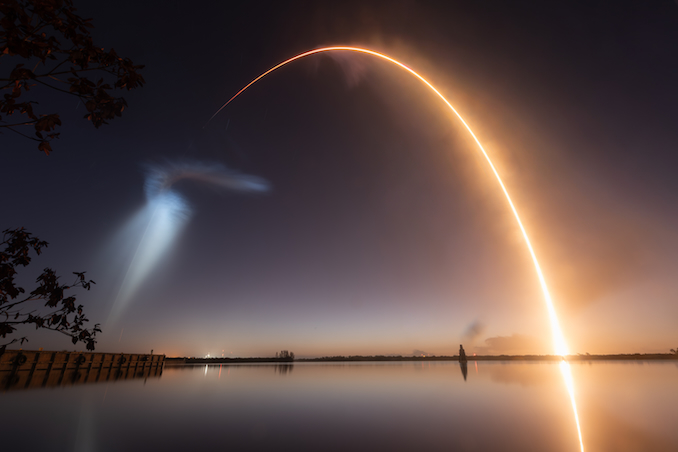
On March 4, 2026, SpaceX launched a Falcon 9 from Cape Canaveral’s Space Launch Complex 40 at 5:52 a.m. EST, deploying 29 new Starlink satellites—including the 600th launched that year—into low‑Earth orbit. The booster followed a north‑easterly trajectory and, after 8.5 minutes, landed on the drone ship “A Shortfall of Gravitas” in the Atlantic, marking SpaceX’s 581st successful landing and the 145th for that vessel. The mission expands global broadband coverage and underscores SpaceX’s continued use of reusable rockets.
SatNews Launches New Website: 52,000 Stories, Zero Left Behind
Original Publication Date: 2026-03-05 00:32

SatNews has launched a fully redesigned website, satnews.com, that now offers a searchable archive of 52,000 stories alongside today’s headlines.
The Iran Precedent: Operation Epic Fury and the Law of Armed Conflict in Space
Original Publication Date: 2026-03-04 22:40
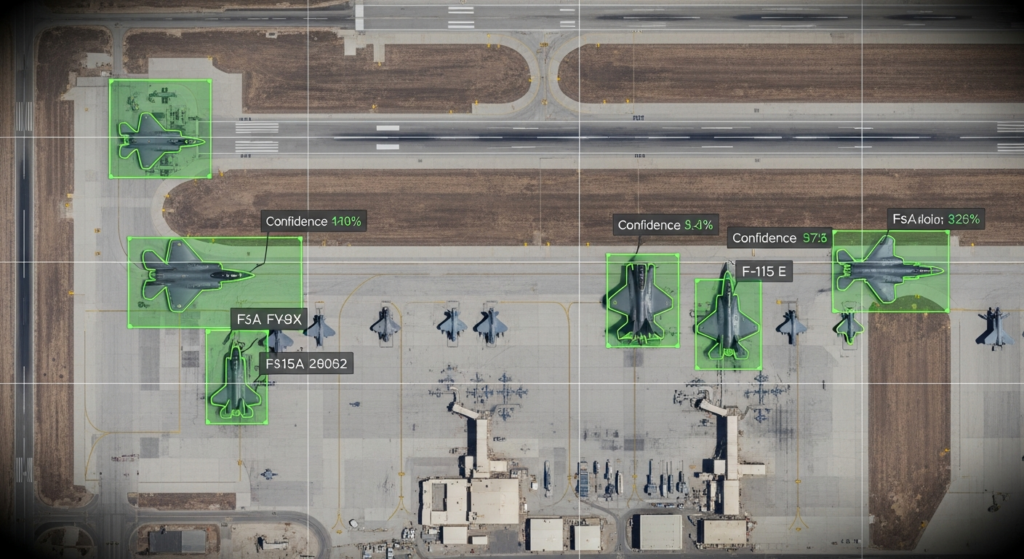
Operation Epic Fury is pushing the boundaries of the Law of Armed Conflict into the final frontier, using U.S. Satellite‑derived imagery from MizarVision’s proxy ISR system. The program’s high‑resolution data blur the lines between combatants, civilian objects, and direct participation in hostilities, raising unprecedented legal questions. Analysts warn that the blurred distinctions could force a reevaluation of how space assets are classified under international law. As the test continues, the international community watches closely for the first legal precedent in space warfare.
MDA Space Delivers Record $1.6 Billion Revenue in 2025; Unveils $40 Billion Opportunity Pipeline
Original Publication Date: 2026-03-04 22:06

MDA Space Ltd. Announced record financial results for fiscal year 2025, reporting a 51 % year‑over‑year revenue increase to $1.63 billion. The company’s earnings before interest, taxes, depreciation and amortization surged, reflecting strong demand for its satellite‑based services. MDA highlighted continued growth in its commercial and defense satellite segments, positioning it as a leader in space technology. These results underscore the company’s expanding market share and robust profitability trajectory.
Blue Origin Accelerates New Glenn 9×4 Production and TeraWave Constellation Development
Original Publication Date: 2026-03-04 16:56

Blue Origin is accelerating the development of its “9×4” super‑heavy lift configuration for the New Glenn rocket, according to recent hiring and program updates released on March 4. The company has brought on a wave of engineers and specialists to boost engine integration and propulsion testing for the nine‑engine first stage and four‑engine second stage. These strategic personnel moves signal a focused push toward achieving the vehicle’s full payload capability, positioning Blue Origin to compete in the heavy‑lift market. The company’s rapid progress underscores its commitment to bringing a next‑generation launch system to launch windows in the near future.
A Little Town with a Long Name
Original Publication Date: 2026-03-05 05:01

On the southeastern coast of Anglesey, Wales, lies Llanfairpwllgwyngyllgogerychwyrndrobwllllantysiliogogoch, a 3,000‑person town whose 58‑letter name translates to “St. Mary’s Church in the hollow of white hazel near a rapid whirlpool and the Church of St
High-Speed Flight Project Overview
Original Publication Date: 2026-03-05 01:05

NASA’s High‑Speed Flight project is pushing airbreathing flight from Mach 1 to beyond Mach 5, aiming to silence the sonic boom that has long limited supersonic travel. By collecting acoustic data from the X‑59 quiet supersonic demonstrator and validating predictive tools, the program is laying the groundwork for future commercial hypersonic vehicles, including reusable space access and rapid point‑to‑point journeys.
About Advanced Air Vehicles Program (AAVP)
Original Publication Date: 2026-03-04 19:00

NASA’s Advanced Air Vehicles Program is developing cutting‑edge technologies from hover to hypersonic flight to keep the United States at the forefront of aviation. The program is targeting subsonic transport upgrades for the late 2020s while also pursuing high‑risk, high‑payoff concepts such as commercial supersonic and hypersonic flight. By partnering with industry, academia, and other agencies, AAVP accelerates the transition of these innovations into the commercial market. These efforts promise faster, quieter, and more fuel‑efficient aircraft that will shape the future of air travel.
Blowing Stellar Bubbles
Original Publication Date: 2026-03-04 16:34
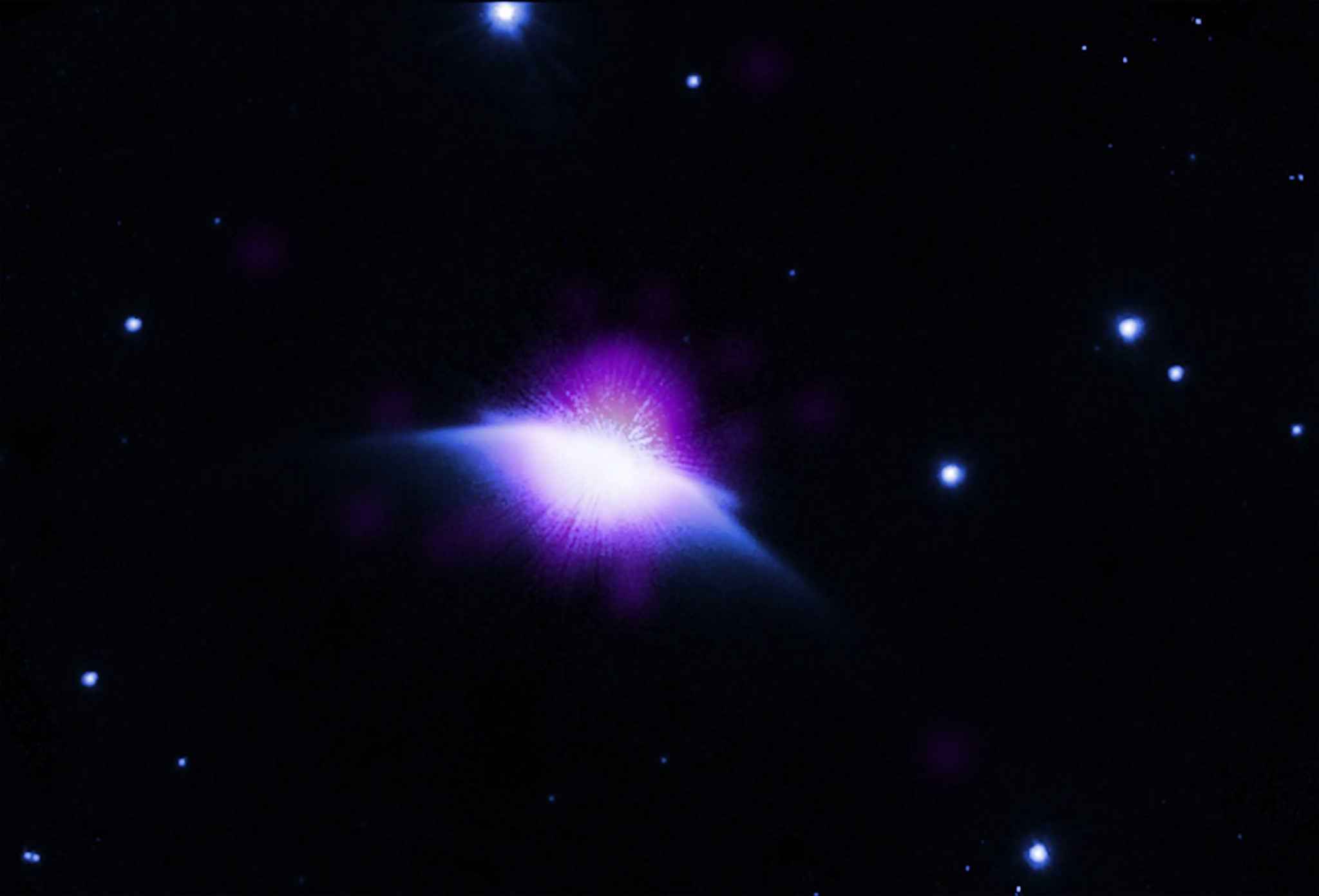
NASA’s Chandra X‑ray Observatory has, for the first time, captured a young Sun‑like star blowing an astrosphere—a bubble of hot gas shaped by stellar winds. The image, released on Feb. 23, 2026, shows the bubble enveloping the star and expanding into cooler galactic gas and dust, much like the heliosphere that surrounds our own Sun. This marks the first observation of such a structure around a star similar to the Sun, providing new insight into stellar wind interactions with the interstellar medium. The discovery was made using X‑ray and infrared data from NASA, ESA, and Johns Hopkins University.
I Am Artemis: Paul Boehm
Original Publication Date: 2026-03-04 16:31
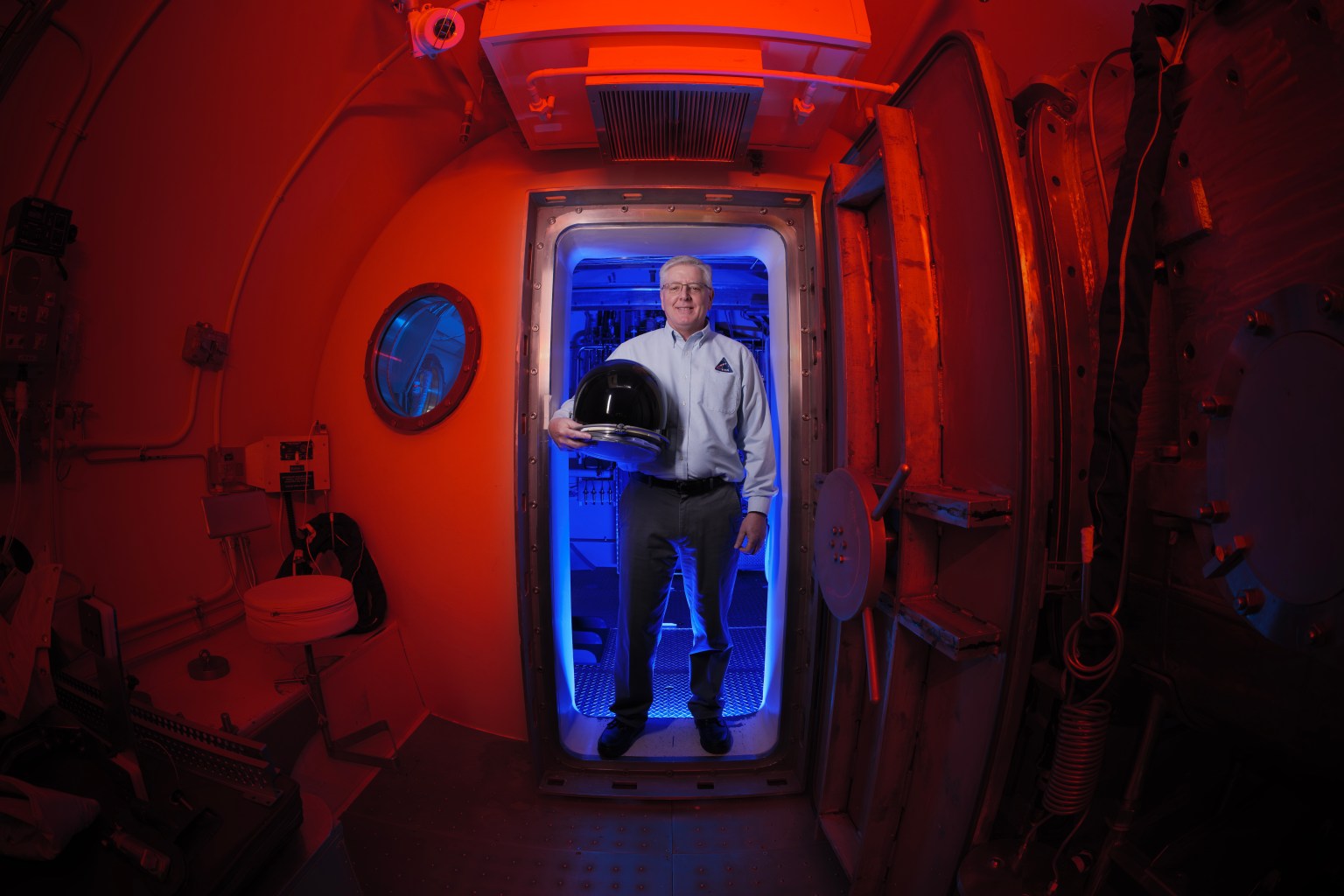
Paul Boehm, the Orion crew support and thermal systems manager at NASA’s Johnson Space Center, is leading the development of the environmental control and life‑support system that will keep Artemis II astronauts alive and safe while they orbit the Moon. His team has been testing the regenerative ECLSS and the Orion Crew Survival System suits in the Life Support Integration Facility to ensure they can operate reliably without resupply on a long deep‑space trip. Boehm, who has worked with crew‑related systems for 37 years, says the goal is to simplify the hardware while accounting for every astronaut’s unique metabolic needs. With Orion’s systems ready for launch, the mission marks a significant step forward in humanity’s return to the Moon.
US-French Satellite Takes Stock of World’s River Water
Original Publication Date: 2026-03-04 16:00
NASA and France’s SWOT satellite has, for the first time, tracked the width and height of 127,000 river segments worldwide over a year, revealing that river volumes fluctuated by about 83 trillion gallons—roughly 28 % less than earlier model estimates. The Amazon’s record drought skewed the data, but the satellite also captured unprecedented details of river channel shapes, from steep to gentle slopes, helping scientists map under‑water topography that was previously inaccessible. While the Nile showed surprisingly little change, the Amazon varied by more than 45 trillion gallons, illustrating the tool’s power to untangle complex water‑flow questions. This breakthrough marks only the beginning of using SWOT to better understand global water systems.
China to test capsule further, attempt booster recoveries on land and sea
Original Publication Date: 2026-03-04 20:44

China has begun further sea tests of its new Mengzhou crew capsule after a successful in‑flight abort and splashdown last month, marking a key step toward human‑rated lunar missions. The capsule—designed to replace Shenzhou and carry astronauts to low‑Earth orbit and beyond—will soon undergo orbital flight and docking with Tiangong. Meanwhile, the country is also refining propulsive landings for its first‑stage Chang Zheng‑10 boosters, including a sea‑splashdown recovery and a planned “cable‑catch” system aboard the Linghangzhe platform.
PLD Space Closes €180M Series C, Eyes Flight Test This Year
Also covered by: Spaceflight Now, SatNews
Original Publication Date: 2026-03-05 05:13
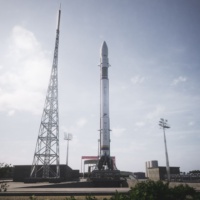
Spanish launch company PLD Space has closed a €180 million Series C round, bringing its total funding to more than €350 million. The round, led by Mitsubishi Heavy Industries and backed by the Spanish government and Nazca Capital, will help the firm finish its Guiana Space Centre pad, launch two Miura 5 demo flights and accelerate toward a goal of 30 plus annual launches by the end of the decade. With the new capital PLD plans to expand production, develop its larger Miura Next vehicle for a 2028 flight test, and use Mitsubishi’s name‑brand and market access to tap Japanese and Asian launch markets, positioning itself as a global commercial player in the evolving launch industry.
ICEYE Launches New Deforestation Monitoring Tool
Original Publication Date: 2026-03-04 13:18
ICEYE has launched a new satellite‑based deforestation monitoring tool that uses synthetic aperture radar to see through the Amazon’s constant cloud cover, delivering near‑real‑time alerts on illegal logging. Unlike optical satellites, the system can spot forest loss as it happens, allowing authorities to intervene before large areas are destroyed. The tool already covers the Amazon Basin and will soon expand to the Congo and Southeast Asian rainforests. Conservation experts say the cloud‑penetrating data will give governments a powerful edge in protecting threatened ecosystems.
Heritage Foundation Rates Space Force ‘Marginal’
Original Publication Date: 2026-03-04 13:17

The Heritage Foundation’s latest military strength index rates the U.S. Space Force as “marginal,” noting it lacks the resources and readiness to operate in a contested space environment. While its current capabilities work well in an uncontested setting, the service falls short in communications, weather prediction, and ground infrastructure, and is unprepared to take over missions traditionally handled by the Air Force. The report warns that the Space Force is “years away” from being able to support a conflict that relies on space-based assets. It calls for a revived National Space Council, a new national security space strategy, and possible organizational changes to elevate the Space Force to a standalone service.
The Rubin Observatory will change the game for astronomy — if satellite companies don't get in the way
Original Publication Date: 2026-03-05 11:00

The Vera C. Rubin Observatory, equipped with the world’s largest digital camera, is already capturing images that reveal millions of galaxies and unprecedented details of the night sky. Astronomers expect the telescope to produce more optical data in its first decade than has ever been collected, potentially reshaping our understanding of the universe. Yet the rapid expansion of satellite constellations—currently about 14,000, most from SpaceX—threatens to obscure these images with bright streaks, contaminating the data Rubin aims to gather. Scientists warn that if the satellite boom continues unchecked, the observatory’s rich discoveries could be severely compromised.
'War of the Worlds' in reverse? Mars dirt could help fight off a microbial invasion from Earth
Original Publication Date: 2026-03-04 21:00
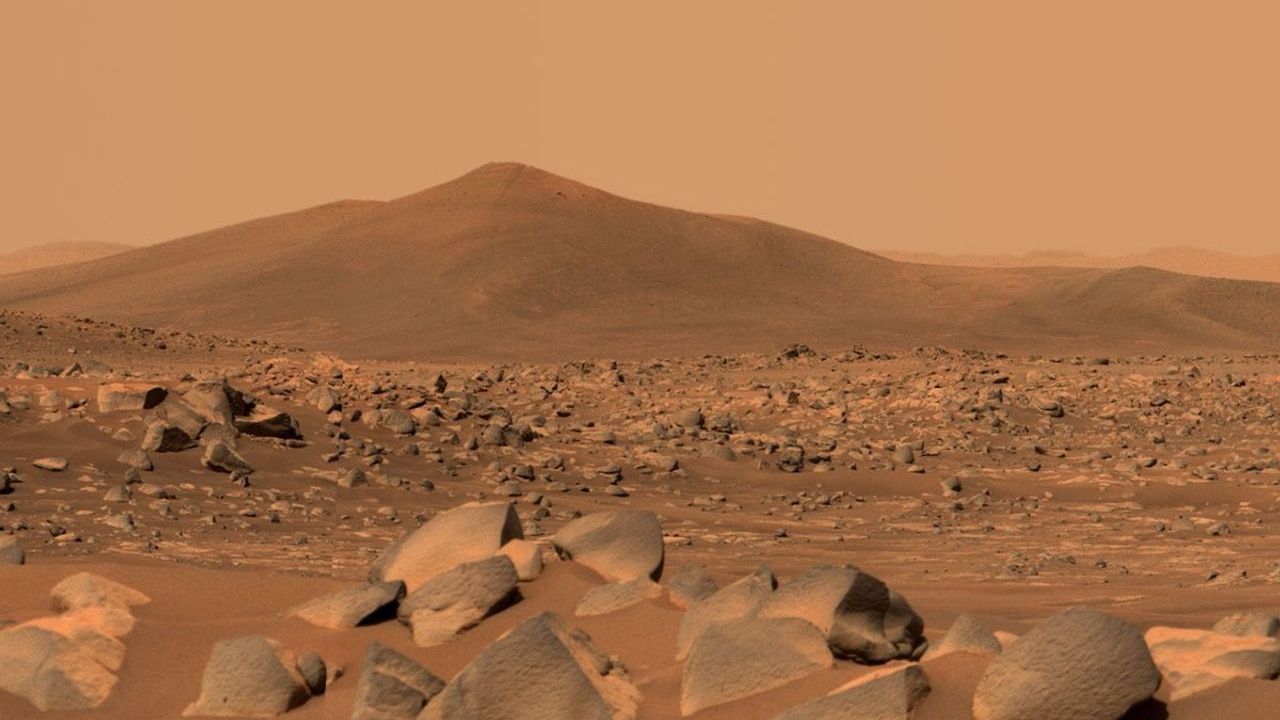
Scientists at Penn State tested how tardigrades, microscopic “water bears,” fare in simulated Martian soil. They found that one simulant, MGS‑1, caused the animals to enter dormancy within two days, while a second simulant, OUCM‑1, was far less harmful. After washing the toxic component out of MGS‑1, the tardigrades thrived, indicating the dirt’s toxicity can be removed. The results suggest Mars may naturally repel Earth microbes but its regolith could be cleaned to support future plant growth and human missions.
Auroras on Jupiter's giant moon Ganymede look like Earth's northern lights, NASA spacecraft reveals
Original Publication Date: 2026-03-04 19:00

NASA’s Juno spacecraft captured the most detailed ultraviolet images of auroras on Jupiter’s moon Ganymede during a brief flyby on July 7, 2021. The new analysis shows that Ganymede’s auroras split into bright, bead‑like patches—structures similar to those seen on Earth and Jupiter—indicating sub‑storm activity within its magnetic field. These features, resolved only a few kilometers across, reveal how Ganymede’s magnetosphere interacts with Jupiter’s vast magnetic environment. The findings, published in Astronomy & Astrophysics, highlight Ganymede as the only moon with its own magnetic field capable of producing such auroral displays.
Antarctica has lost 5,000 square miles of 'grounded ice' in the last 30 years, satellite images reveal
Original Publication Date: 2026-03-04 17:00

Scientists have mapped a dramatic loss of about 5,000 square miles of grounded ice in Antarctica over the past three decades, a loss roughly twice the size of Delaware.
Space Command chief throws cold water on the question of UAPs in space
Original Publication Date: 2026-03-04 22:32
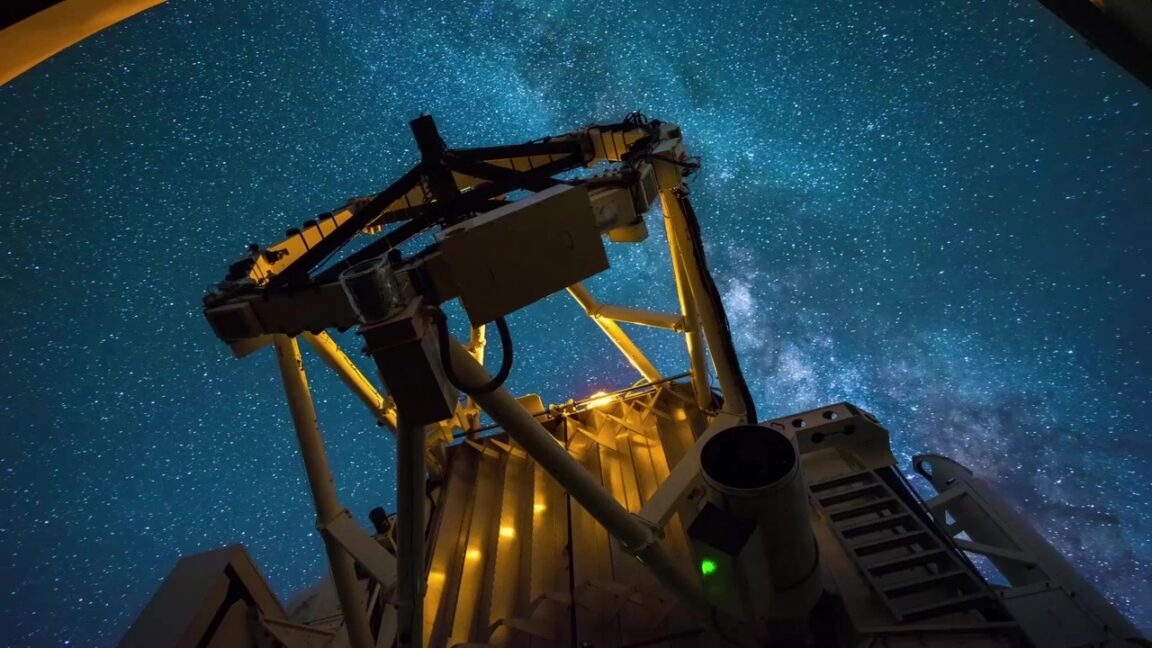
President Trump announced last month that he would direct the Pentagon and other federal agencies to begin disclosing government files on alien life and unidentified anomalous phenomena. This follows years of hearings and the 2020 release of videos that show unexplained aerial activity. NASA and the Office of the Director of National Intelligence have found no evidence linking UAPs to extraterrestrials, but the limited data hampers firm conclusions. Enthusiasts remain eager for more transparency.