 Spotify
 Apple Podcasts
 Podcast Addict
 Overcast
 Podcast RSS
Relativity Space to privately develop Mars orbiter mission
Original Publication Date: 2026-06-17 20:45
Relativity Space announced plans to launch a Mars orbiter in 2028 as part of its new Interplanetary Sciences Program, aiming to deliver more science per dollar. The orbiter will carry NASA Ames’ Aeolus atmospheric suite, a subsurface radar, and high‑bandwidth laser and radio links, plus server‑class compute for AI and autonomous operations. The mission will launch on the company’s reusable Terran R rocket, with funding coming partly from a philanthropic partner, and will serve as a proof‑of‑concept for future solar‑system missions. NASA will operate the instruments for a Martian year, turning data into science products to accelerate research for future human missions.
Dawn Aerospace raises $25 million
Original Publication Date: 2026-06-17 11:29
Dawn Aerospace has closed a $25 million Series B round led by Balerion Space Ventures, valuing the company at $196 million. The capital will fund global expansion of its satellite propulsion, in‑space refueling system Loop, and Aurora suborbital spaceplane, with new teams opening in the U.S. And Europe. Dawn, already cash‑flow positive with revenue leapt from $3 million to $15 million, plans an in‑space refueling demonstration in 2028 and commercial services by 2029. The investment highlights the firm’s focus on capital‑efficient, reusable space transport that could support hypersonics and national‑security missions.
Arianespace launches its heaviest payload to date with Amazon Leo flight
Also covered by: SpaceNews
Original Publication Date: 2026-06-17 11:12
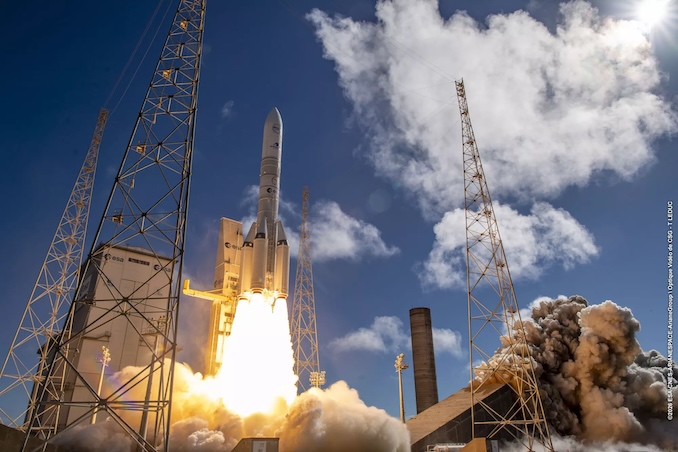
On June 17, an Ariane 6 rocket equipped with upgraded 14‑ton P160C solid boosters lifted off from Kourou, carrying 36 Amazon Leo broadband satellites—the heaviest payload ever launched by an Ariane vehicle and setting a new record for a single launch. The boosters’ 10‑15 % increase in thrust added more than two metric tons of payload capacity, allowing the launch of four satellites more than on previous Ariane 6 flights. Amazon, which has shifted to Arianespace after delays with New Glenn and Vulcan, will use the remaining 16 of its 18‑mission contract to keep pace with its daily satellite production. Arianespace and Amazon celebrated the milestone, with CEO David Cavaillolès calling the partnership a big step for both companies.
Direct-to-Device Momentum: AST SpaceMobile Successfully Launches Giant Next-Gen BlueBird Satellites Atop SpaceX Falcon 9
Original Publication Date: 2026-06-17 15:50
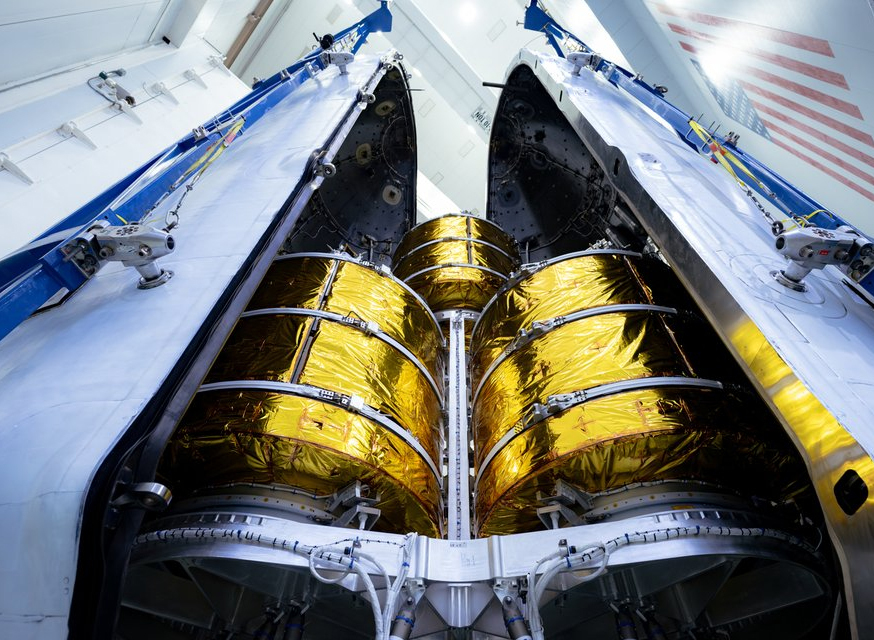
AST SpaceMobile has successfully launched its BlueBird 8, 9, and 10 satellites into orbit from Cape Canaver
Space Weather Forecasting: Momentus Secures Commercial Payload Contract for Vigoride-9 OSV
Original Publication Date: 2026-06-17 14:39

Momentus Inc., a commercial space transportation provider, has just secured a new contract with the University of Colorado Boulder to deliver in‑orbit services for its satellite fleet. The deal expands Momentus’s growing portfolio of on‑orbit satellite servicing, refueling, and relocation capabilities. The partnership will help the university test and deploy new space technologies while giving Momentus a foothold in the academic sector. This agreement underscores the growing demand for commercial in‑orbit services across both industry and research communities.
Sovereign Microgravity: Elethron and ATMOS Space Cargo Finalize Low-Earth Orbit Payload Engineering Campaign
Original Publication Date: 2026-06-17 14:25
Elethron, a UK‑based microgravity developer, and ATMOS Space Cargo, a German return‑capsule innovator
U.S. viewership of the 2026 World Cup via satellite television is strong and easily accessible
Original Publication Date: 2026-06-17 14:13

Satellite and cable subscribers can watch the tournament through DirecTV, DISH Network, or traditional cable, with coverage that varies across the United States. The article outlines how each provider delivers the games, noting differences in channel placement, streaming options, and regional availability. Viewers in major markets enjoy full coverage, while those in rural or underserved areas may face limited access or require additional equipment.
Space-Quantum Convergence: INNOSPACE and Norma Partner for In-Orbit Quantum Computing Demonstrations
Original Publication Date: 2026-06-17 13:55

South Korean satellite launch provider Innospace has inked a memorandum of understanding to advance orbital logistics and cutting‑edge data architectures. The partnership aims to streamline satellite deployment and improve real‑time data handling in space. By combining launch expertise with sophisticated data solutions, Innospace seeks to create a more efficient and responsive space infrastructure. This move positions the company at the forefront of the next wave of commercial space operations.
NASA Announces Public-Private Partnership to Advance Mars Science
Original Publication Date: 2026-06-17 22:29
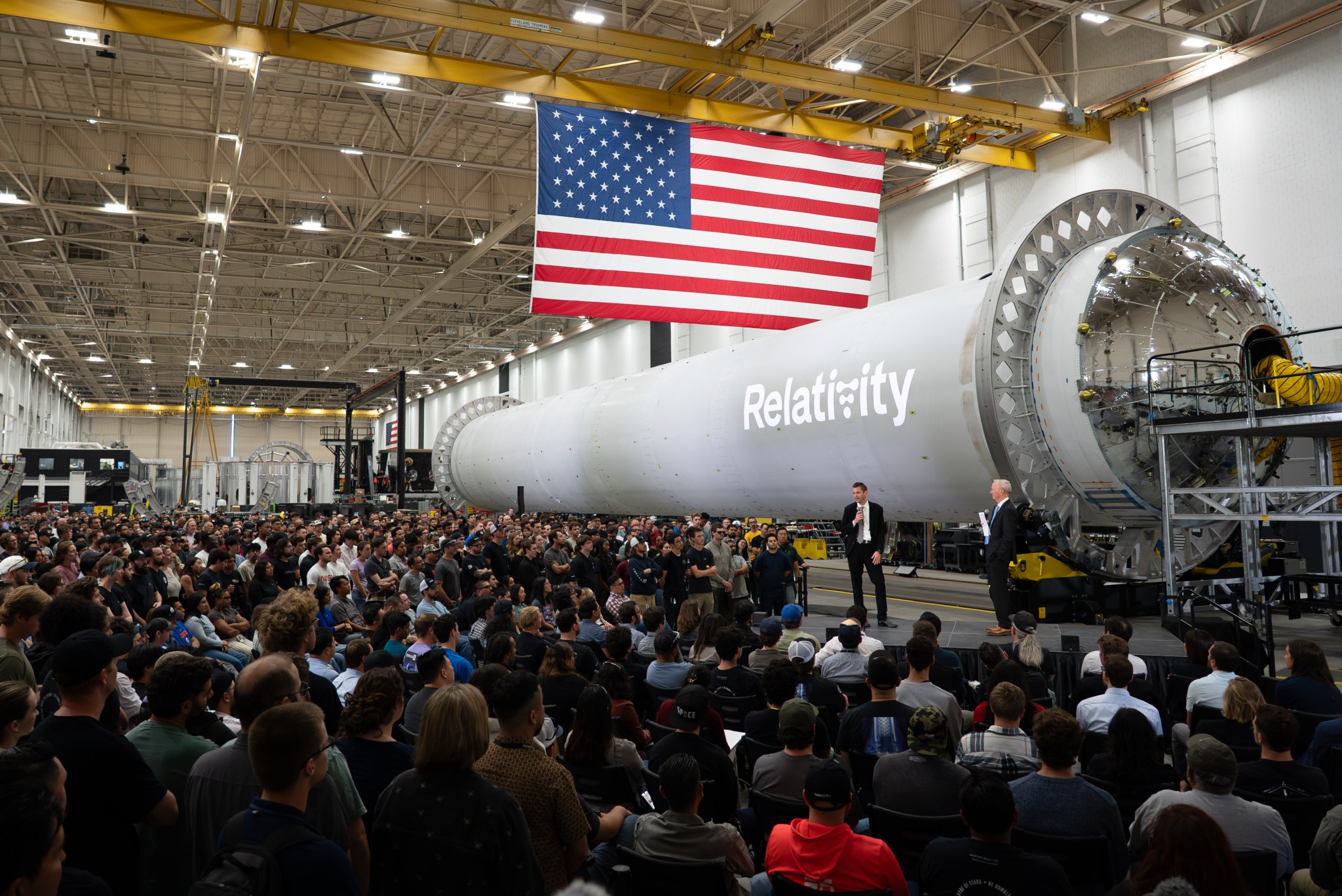
NASA Administrator Jared Isaacman unveiled a new public‑private partnership with Relativity Space that will launch the Aeolus atmospheric‑science instrument suite to Mars in 2028.
Hubble Sees Swarm of Galaxies
Original Publication Date: 2026-06-17 14:56
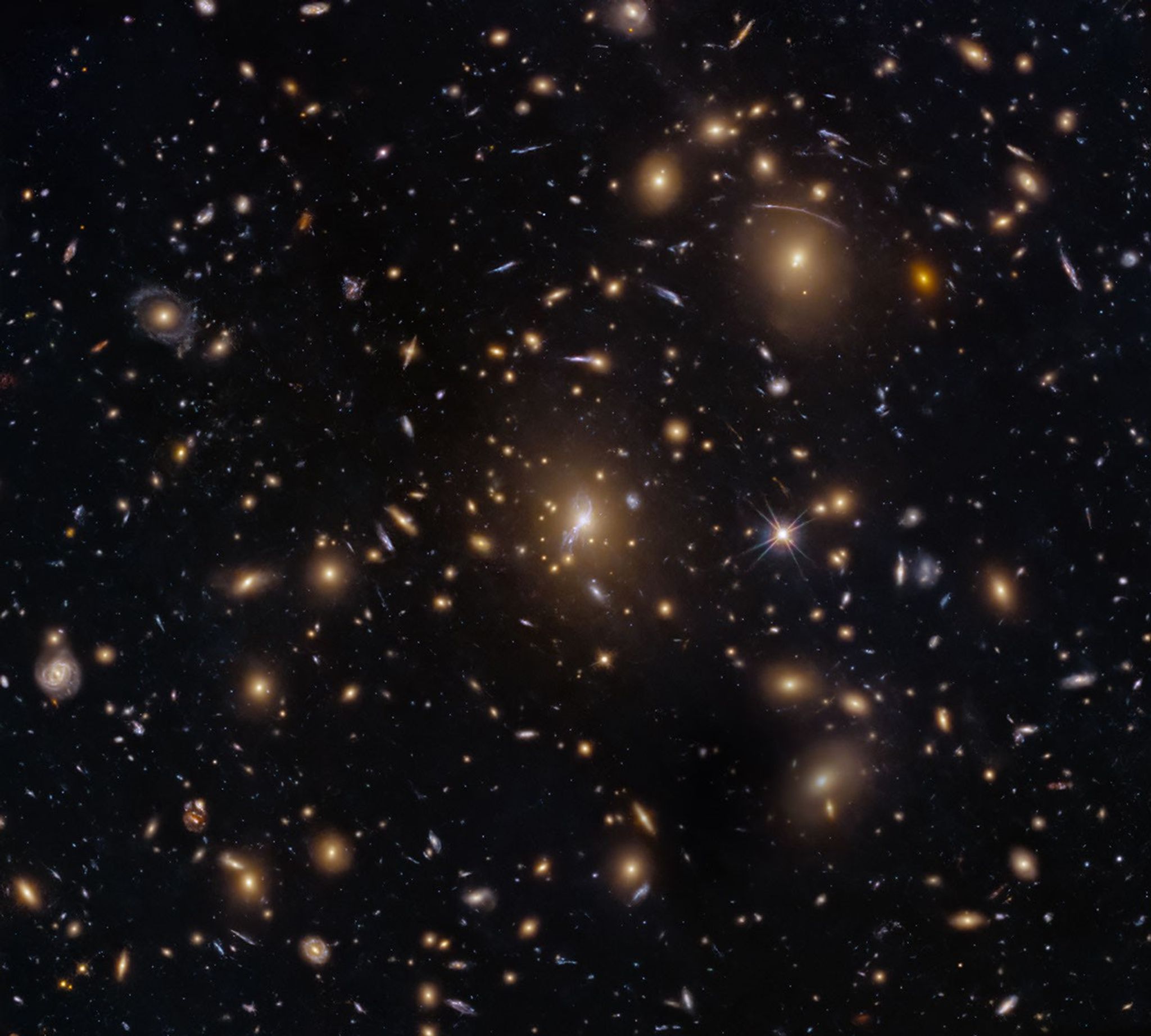
NASA’s Hubble Space Telescope released a stunning image of the galaxy cluster MACS0329‑0211 on June 12, 2026, revealing a swarm of galaxies that resembles a hive of bees. The cluster, rich in massive elliptical, spiral, and lenticular galaxies, acts as a natural gravitational lens, magnifying and distorting distant galaxies into arcs and figure‑eight shapes visible in the image. These gravitationally lensed arcs provide a window into the earliest stages of the universe, while Hubble’s dual cameras captured data across visible and infrared wavelengths to study the cluster’s structure. The image, a collaboration between NASA, ESA, and STScI, showcases the power of Hubble to illuminate cosmic evolution.
Terran R second stage heads to Stennis as Relativity advances toward 2026 debut
Original Publication Date: 2026-06-17 22:12

Relativity Space’s heavy‑lift rocket, Terran R, is advancing toward a possible 2026 debut as its second stage completes final integration and heads to NASA’s Stennis Space Center for rigorous testing. The A2 test stand—once used for Saturn V and Space Shuttle engines—will validate the Aeon V vacuum engine, while the vehicle’s fluid systems, brackets, and harnesses have been installed and checked. Meanwhile, the first‑stage qualification article has finished structural work, including reinforced skins and a tested downcomer, and will soon undergo load testing at Long Beach to simulate flight‑critical pressures.
Launch Preview: 10 launches scheduled from sites across the world
Original Publication Date: 2026-06-17 14:30

This week’s launch calendar is packed with ten missions, five of which are handled by SpaceX’s Falcon 9, including two Starlink deployments, a National Reconnaissance Office payload, an AST SpaceMobile satellite, and a Starfall reentry test. Internationally, Ariane 6 will loft 36 Amazon Leo satellites from French Guiana, Rocket Lab will launch a synthetic aperture radar satellite for Synspective, and China will fire three rockets—CZ‑3B/E, CZ‑12, and Kuaizhou 11—carrying classified and unknown payloads.
Instinct Space Unveils Plans for Low-Cost Lunar Landers
Original Publication Date: 2026-06-17 12:59
Instinct Space has pivoted from building a lunar GPS constellation to developing low‑cost lunar landers that can ride rideshare flights to low Earth orbit. The startup plans its first mission in late 2028, sending a dishwasher‑sized lander that will carry 20 kg of payload to the Moon for roughly $550,000 per kilogram. The vehicle, weighing about 650 kg when fueled, uses a hydrogen peroxide/kerosene engine to deliver 6 km/s of delta‑v for both transit and landing, and can survive a full lunar day. With early demand already surfacing—including a partnership with Luxembourg’s Polimak Space—Instinct aims to tap a growing international market for affordable lunar access.
Katalyst Raises $12M to Extend Satellite Servicing to GEO
Original Publication Date: 2026-06-17 12:22
Katalyst Space has raised $12 million to build its first GEO‑capable robotic servicing craft, NEXUS, which is slated to launch on an Ariane 6 in 2027. The round, led by Geodesic Capital with Fortitude Ventures and others, follows a $30 million NASA contract that will see Katalyst’s LINK robot rendezvous with the Swift Observatory this month. NEXUS will perform a series of in‑space servicing missions—including installing a SDA module on the Space Force’s Rooster satellite, deploying inspection tools for the U.S. Government, and extending life for a commercial GEO satellite—showcasing capabilities beyond routine life extension.
One of these twin stars has likely been snacking on exoplanets
Original Publication Date: 2026-06-17 21:00
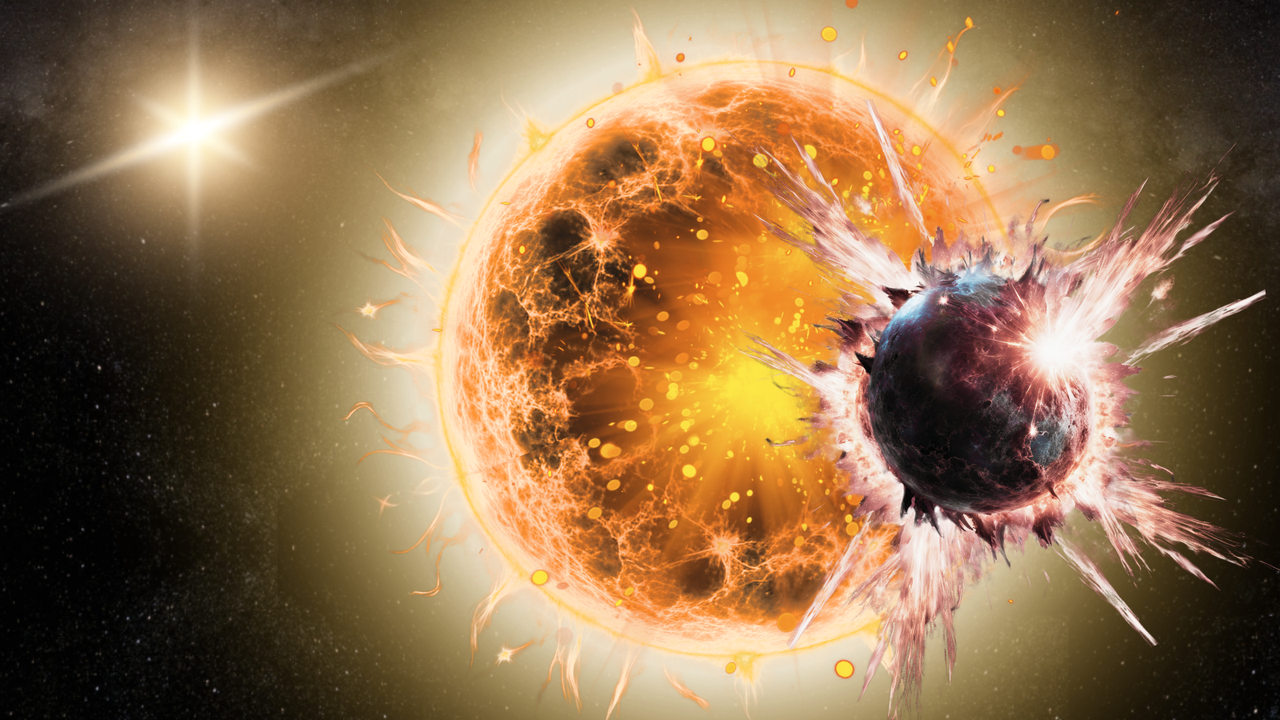
Astronomers have discovered that one of the twin stars in the HD 81809 system appears to have devoured a massive exoplanet. The secondary star, HD 81809B, shows an unusually high concentration of heavy elements and lithium, indicating it may have swallowed a planet roughly 50 to 75 times the mass of Earth. This marks the first binary system where such a chemical disparity has been detected, suggesting either distinct birth clouds or a dramatic planetary engulfment event. Researchers hope to uncover more clues by studying the system’s dusty debris disk, though current instruments limit detailed analysis.
James Webb Space Telescope discovers extreme exoplanet being roasted by its home star
Original Publication Date: 2026-06-17 19:00
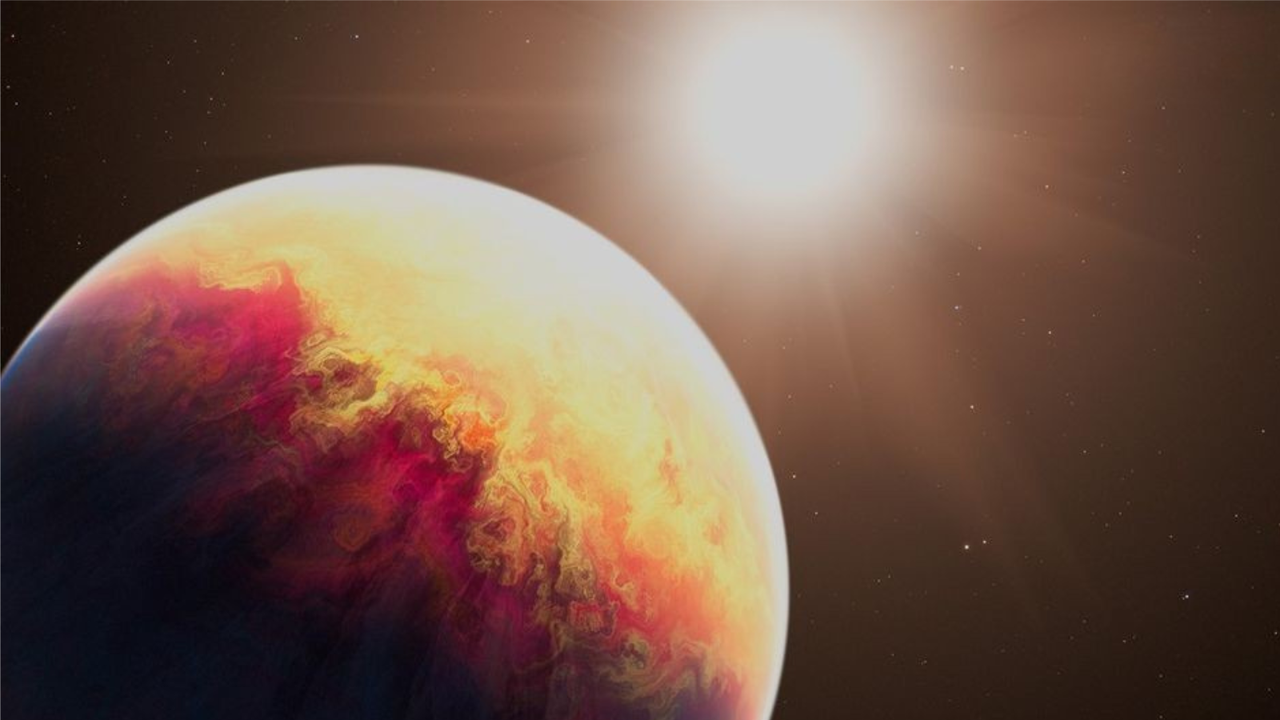
Astronomers using the James Webb Space Telescope have revealed that the exoplanet HD 80606 b, a “Hot Jupiter” 217 light‑years from Earth, is being scorched to about 1,100 °F during its close approach to its host star. The planet’s highly eccentric 111‑day orbit swings it so near the star that its temperature spikes, dramatically altering its atmospheric chemistry. JWST’s detailed spectroscopy has shown the heating to be even more extreme than earlier Spitzer data suggested, providing a rare glimpse of a gas giant’s volatile weather. These findings were presented at the American Astronomical Society meeting on June 16, underscoring the telescope’s power to probe the harshest worlds beyond our solar system.
A volcanic eruption seen from space | Space photo of the day for June 17, 2026
Original Publication Date: 2026-06-17 14:00
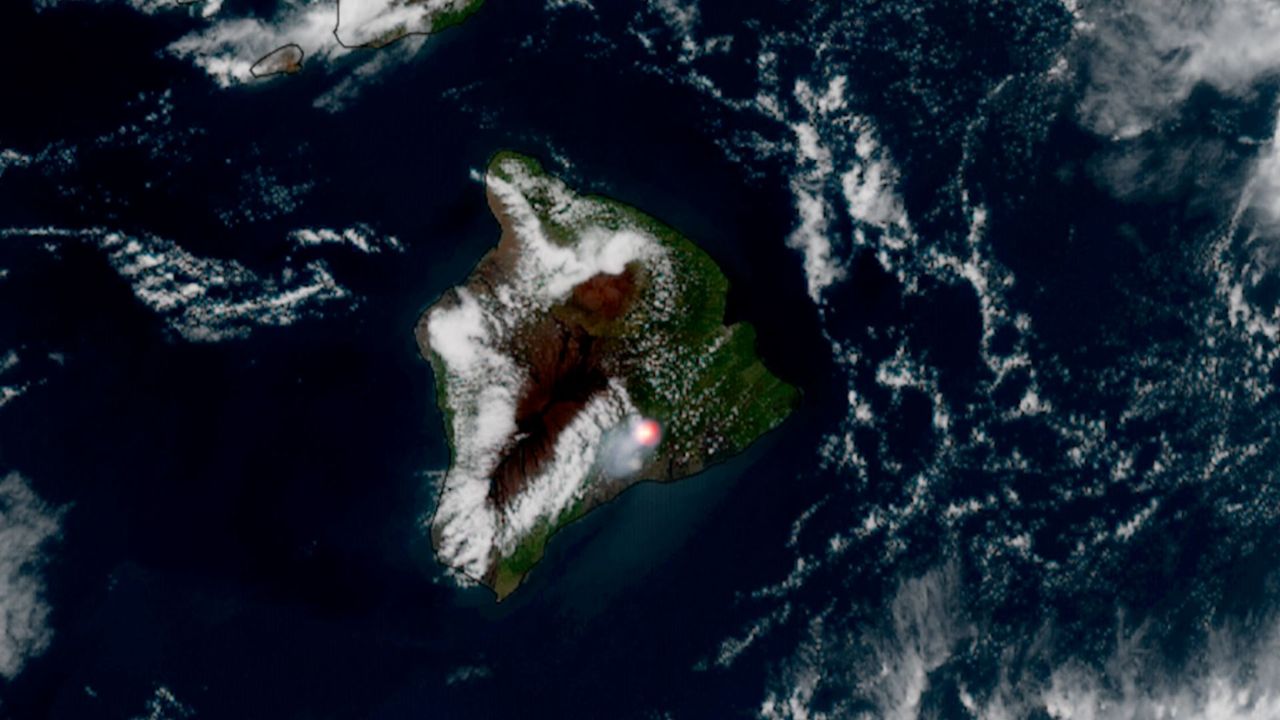
Kīlauea volcano in Hawaii erupted for the 49th time on June 14, 2026, blasting lava fountains up to 700 feet into the air as captured by the GOES‑18 weather satellite. The satellite’s high‑temperature imagery highlighted a bright red plume from the Halema'uma'u caldera, while the eruption lasted about seven and a half hours and triggered three earthquakes. Scientists are now predicting the next eruptive episode, the 50th, to occur between June 24 and 29, most likely on June 25 or 26. This event underscores the value of weather satellites in monitoring volcanic activity and aiding disaster response.
Was life delivered to Earth by asteroids with a helping hand from Jupiter?
Original Publication Date: 2026-06-17 12:00
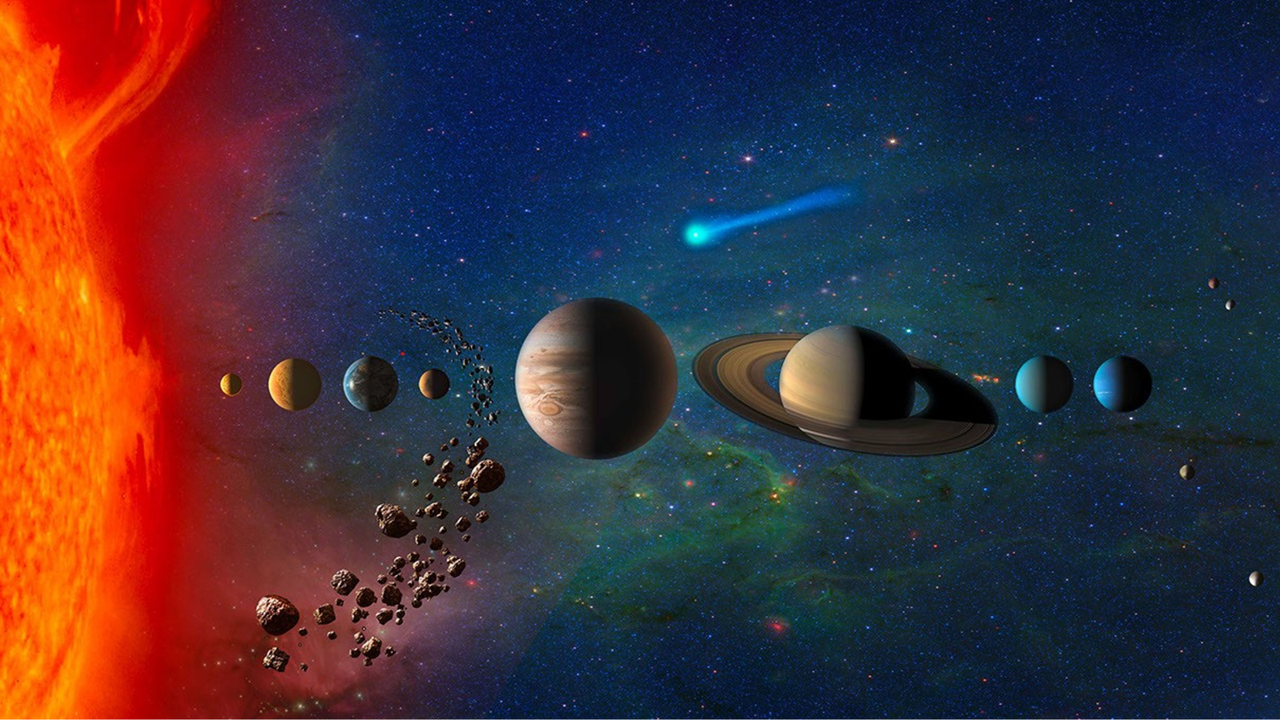
Scientists have found that Jupiter’s early gravity helped deliver the life‑essential elements phosphorus and nitrogen to Earth, primarily via asteroids formed in the inner solar system. Laboratory experiments and computer models show that these rocky planetesimals carried the right ratios of the two elements, matching Earth’s own composition. Jupiter’s massive presence blocked the outward flow of material from the young Sun, trapping the nutrient‑rich dust and rocks inside the inner system where they could be captured by a growing Earth. The study, published in Science Advances, highlights the gas giant’s pivotal role in shaping the elemental makeup of habitable worlds.
'Best. Mars. Mission. Ever.' Scientists hail MAVEN's legacy as NASA retires Red Planet orbiter
Original Publication Date: 2026-06-17 10:00
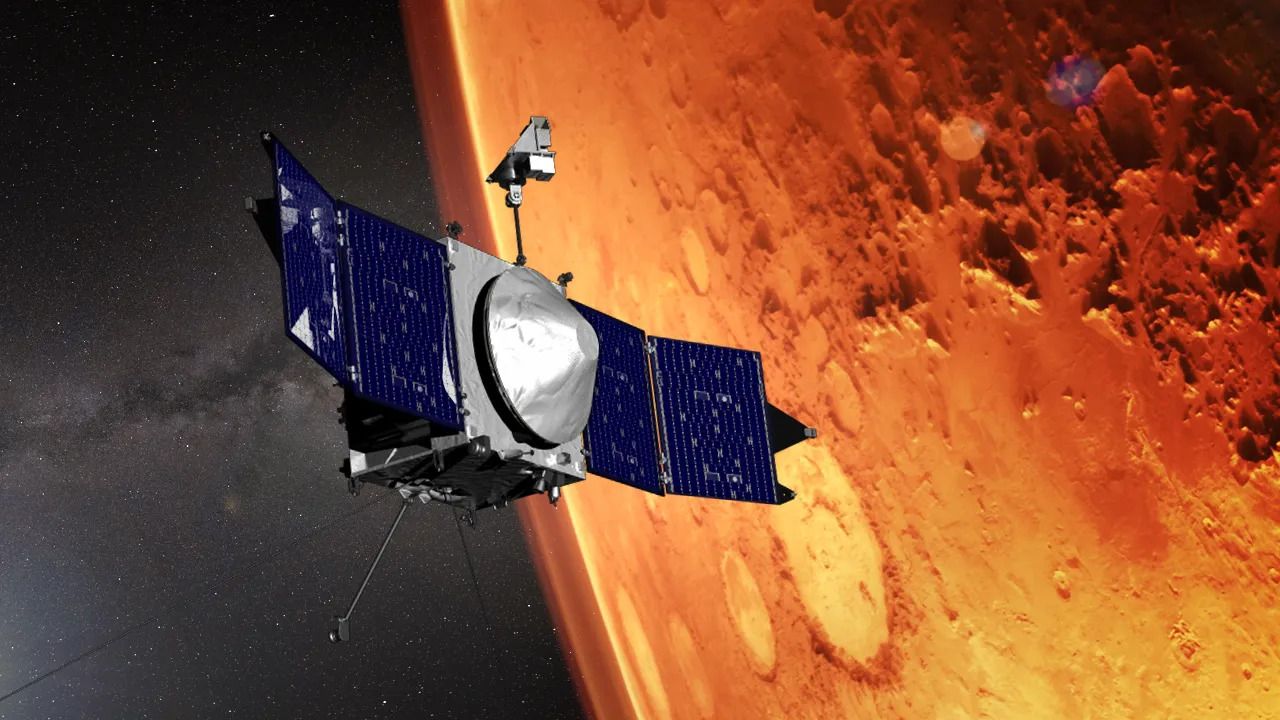
NASA has officially begun decommissioning the MAVEN orbiter, ending an 11‑year mission that transformed our understanding of Mars after losing contact in December 2025. Investigations revealed the probe entered a 2.7‑rpm spin in safe mode after passing behind the planet, draining its batteries and causing the communications blackout, with the cause still unknown. Despite the loss, MAVEN produced over 800 scientific papers, mapped atmospheric escape driven by solar storms, discovered planet‑wide auroras, and served as a vital relay for 18% of all Martian surface data.