 Spotify
 Apple Podcasts
 Podcast Addict
 Overcast
 Podcast RSS
Delian Asparouhov and Philip Johnston on making the case for orbital data centers
Original Publication Date: 2026-06-04 15:03
Space Minds presents a segment from SpaceNews’ recent event on orbital data centers, where host Jeff Foust interviews Founders Fund partner Delian Asparouhov. Asparouhov explains why he is increasingly optimistic about the viability of data centers in orbit. The discussion also includes insights from Philip Johnston, who helps build the case for the economic and technical advantages of orbital storage solutions. Together, they outline how these space‑based facilities could reshape data management for the future.
NASA working to streamline development of nuclear electric propulsion demo mission
Original Publication Date: 2026-06-04 10:55
NASA is tightening its management of the Space Reactor 1 (SR‑1) Freedom mission, aiming to launch a nuclear‑powered spacecraft to Mars by the end of 2028. The plan relies on repurposing the Gateway’s Power and Propulsion Element and DOE research‑reactor designs to speed development and cut costs. SR‑1 Freedom will carry the SkyFall lander, which will deploy three Ingenuity‑style helicopters upon arrival at Mars.
China builds institutional framework for space computing push
Original Publication Date: 2026-06-04 09:51
China is launching a new industrial policy framework to build space‑based computing infrastructure, with the Space Computing Working Committee chaired by Wang Jianyu already drawing more than 100 applicants across chips, hardware, and launch services. This follows a second committee focused on standards and terrestrial‑space integration, illustrating China’s dual‑body approach to the value chain. While the plan calls for gigawatt‑scale computing and up to 1,000 satellites, practical hurdles such as radiation‑hardening and thermal management remain significant obstacles to on‑orbit deployment. The initiative underscores China’s ambition to rival the world’s most powerful terrestrial supercomputers from orbit.
SES Partners with Viva to Launch Multi-Orbit In-Flight Connectivity
Original Publication Date: 2026-06-04 13:45
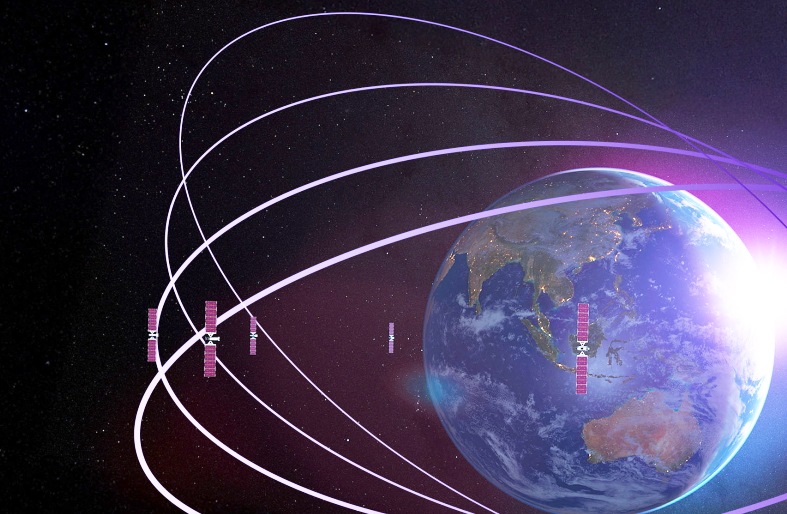
SES, a global leader in space solutions, has teamed with Viva, Mexico’s ultra‑low‑cost airline, to deliver fast and reliable multi‑orbit satellite inflight connectivity across the carrier’s Airbus fleet. The partnership will provide passengers with high‑speed internet and seamless communications during flights. By leveraging SES’s advanced satellite network, Viva aims to enhance the travel experience and stay competitive in the growing market for in‑flight connectivity. This collaboration marks a significant step forward for both companies in bringing cutting‑edge technology to the skies.
The Exploration Company advances Nyx parachute recovery
Also covered by: Payload Space
Original Publication Date: 2026-06-04 11:09

The Exploration Company completed a helicopter‑lifted drop test of its Nyx cargo capsule on May 19 in California’s Mojave Desert, dropping the purpose‑built test vehicle from 9,100 feet to evaluate drogue and main parachute deployment and vehicle dynamics. The test confirmed nominal timing and expected behavior, with the capsule safely recovered and precise deployment data captured while keeping logistics simple. This milestone brings Nyx closer to its goal of a low‑cost, launcher‑agnostic reusable cargo vehicle capable of ferrying up to 4,000 kg to the International Space Station—and potentially returning materials from the Moon—by its first orbital demo in 2028.
NASA's dead Mars orbiter MAVEN will crash into the Red Planet in the next 100 years. It's not the only probe in the Mars morgue
Original Publication Date: 2026-06-04 15:00
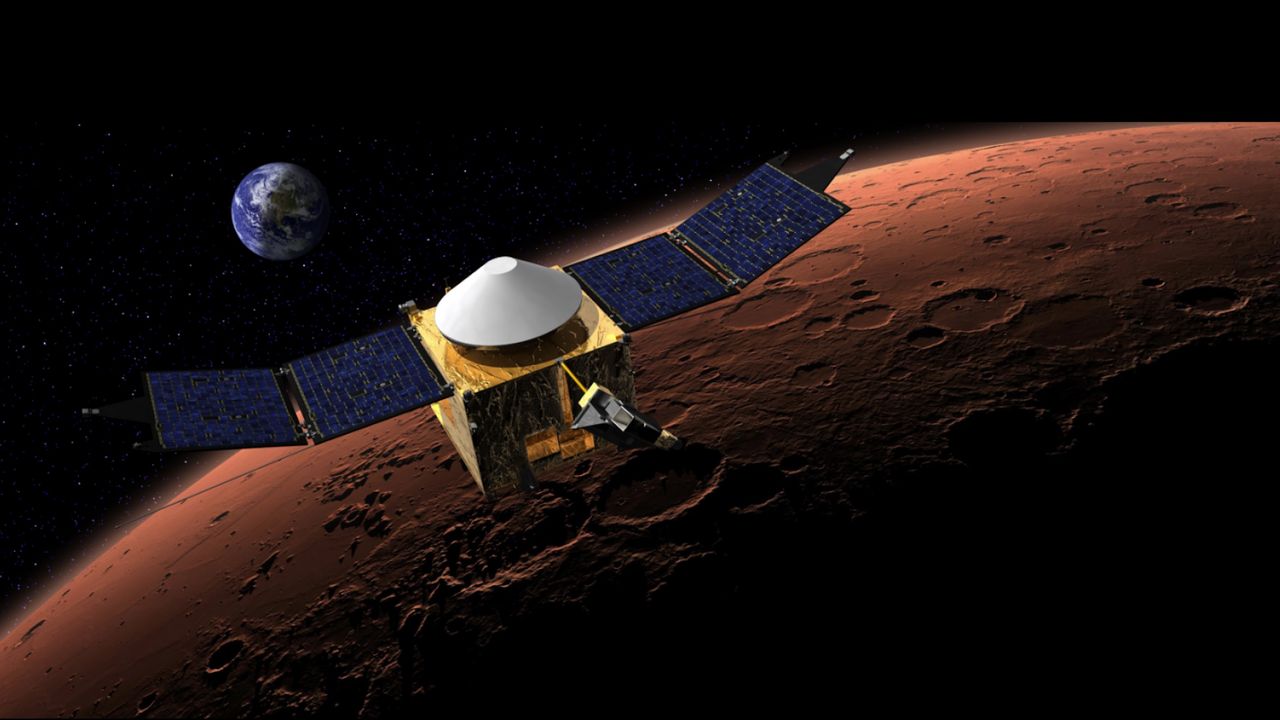
NASA has officially declared its MAVEN orbiter dead after months of radio silence, ending a 12‑year mission that mapped Mars’ atmosphere. The spacecraft will likely remain in orbit for another 50 to 100 years before the thin Martian air pulls it down and burns it up. MAVEN’s data has been crucial in revealing how Mars lost most of its atmosphere to the solar wind, transforming a once wet world into the desert we see today. As the orbital graveyard grows, MAVEN’s legacy reminds us how much we still learn from the silent probes that linger in space.
A rainbow patchwork quilt shows agriculture from space | Space photo of the day for June 4, 2026
Original Publication Date: 2026-06-04 14:00
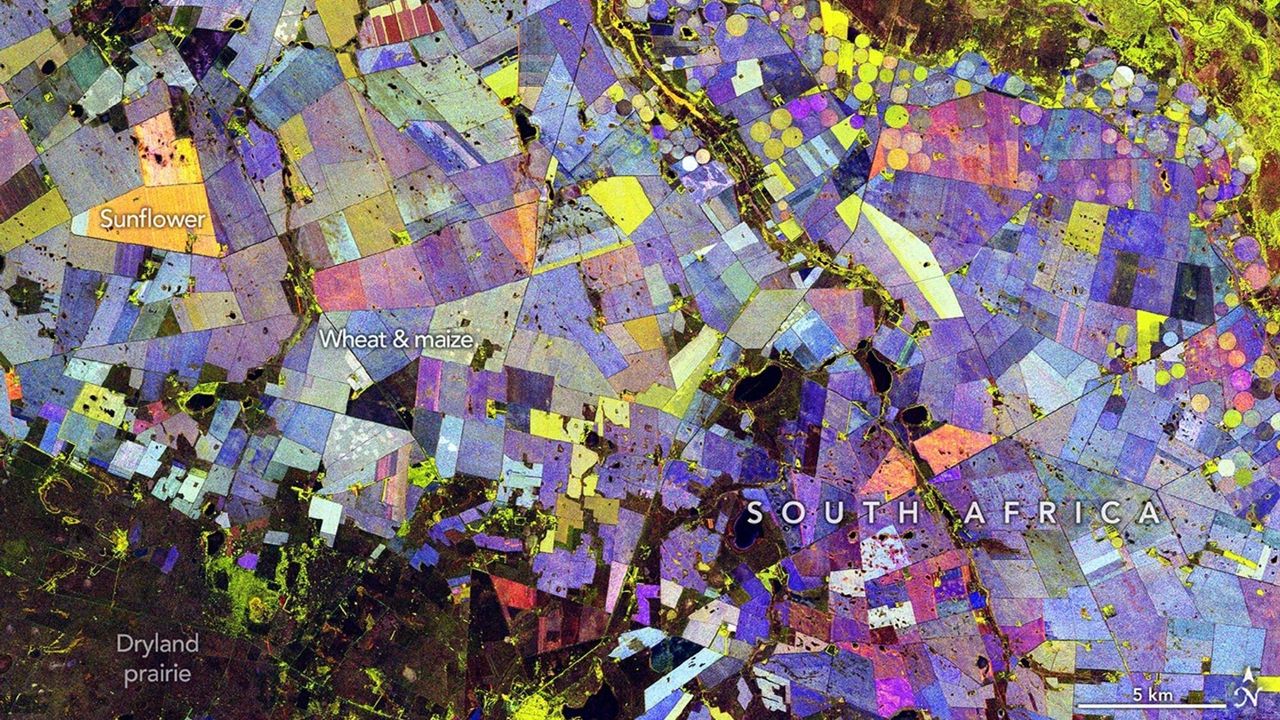
NASA‑ISRO’s NISAR satellite has produced a colorful composite image of South Africa’s vegetation, revealing a patchwork of crops and forests across the Maize Triangle. The image uses color codes—green for vegetation, red for bare ground, and blue shades for seasonal change—to map crop types such as maize and sunflower. Scientists say the data helps track agricultural health and natural disasters, offering both beauty and insight into Earth’s ecosystems. This new visual underscores how space technology continues to illuminate our planet’s changing landscapes.
Interstellar comet 3I/ATLAS is not an alien spacecraft: SETI hunt for 'technosignatures' comes up empty
Original Publication Date: 2026-06-04 12:07

Radio astronomers using the Allen Telescope Array scanned the interstellar comet 3I/ATLAS for technosignatures, but found no evidence of extraterrestrial transmissions.
Meteorite found in Sahara desert may be 1st evidence of lost solar system world
Original Publication Date: 2026-06-04 10:00

A rare one‑pound meteorite found in the Sahara, named NWA 12774, carries the first solid evidence of a lost world that may have rivaled the Moon in size and formed just a few million years after the Sun ignited. Scientists discovered unusually rich aluminum‑laden clinopyroxene crystals inside the rock that required pressures of at least 17.5 kilobars—far beyond what a small asteroid could generate—indicating the parent body was a massive protoplanet. This ancient “angrite” preserves a chemical signature unlike Earth or Mars, pointing to a distinct evolutionary path in early planetary formation. The study suggests that such lost worlds may have been common, yet largely overlooked, as fragments like NWA 12774 were scattered across the young solar system.