 Spotify
 Apple Podcasts
 Podcast Addict
 Overcast
 Podcast RSS
Sophia Space and Caltech claim patent for space data centers
Original Publication Date: 2026-07-30 04:00
Sophia Space has been awarded a patent, jointly filed with Caltech, for a modular, passively‑cooled space‑based data center that can be assembled into large solar‑powered computing hubs. The design, rooted in Caltech’s Space‑Based Solar Power Project, tackles the challenge of energy supply and heat dissipation in orbit. With $22 million already raised, the company plans to launch its Thermal Integrated LEO Edge (TILE) compute module aboard an Apex Nova bus in 2027 while seeking additional financing for future development. This breakthrough could pave the way for scalable, off‑Earth data centers that harness space‑borne solar energy.
Proposed rule would exempt commercial launch licensing from environmental regulations
Original Publication Date: 2026-07-29 23:12
The U.S. Department of Transportation has proposed a rule that would exempt commercial space launch licensing from many federal environmental regulations. Industry supporters say the change will streamline approvals and boost the launch market, while environmental groups warn it could sideline critical ecological safeguards. The proposal, first reported by SpaceNews, would shift the regulatory burden away from launch operators and toward other agencies. The final rule will be open for public comment before the DOT can adopt it.
L3Harris delays missile business IPO to 2027 despite surging defense demand
Original Publication Date: 2026-07-29 22:57
L3Harris Technologies has postponed the initial public offering of its Missile Solutions unit to mid‑2027, arguing that current market conditions undervalue a rapidly expanding business that is central to the Pentagon’s missile production rebuild. The company will still spin off the unit as a public company while retaining majority ownership, and the $1 billion Pentagon investment will convert to common equity when the IPO finally occurs.
SpaceX wins $1.6 billion in launch orders for military satellite networks
Original Publication Date: 2026-07-29 20:43
The U.S. Space Force has awarded SpaceX $1.6 billion for 18 Falcon 9 launches to deploy military satellite constellations, the biggest publicly announced batch under the National Security Space Launch Phase 3 program.
Space Force awards All Points $250 million to expand satellite processing at Vandenberg
Original Publication Date: 2026-07-29 19:45
The U.S. Space Force has awarded All Points Logistics a $250 million contract to expand satellite processing facilities at Vandenberg Air Force Base. This marks the third company selected under a Commercial Solutions Opening to provide inspection, testing, fueling, and integration services for satellites. The new facilities will boost the Space Force’s ability to prepare satellites for launch vehicles more efficiently. All Points Logistics will play a key role in advancing the nation’s space capabilities.
SpaceX launches classified payload for National Reconnaissance Office
Original Publication Date: 2026-07-29 23:15
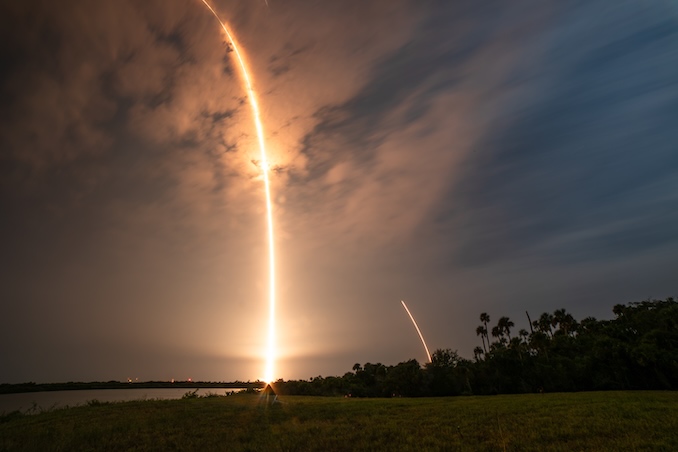
SpaceX successfully launched and landed its Falcon 9 booster B1096 from Cape Canaveral on July 30, 2026, carrying a classified National Reconnaissance Office payload into orbit. The rocket lifted off at 3:10 a.m. EDT, and the booster returned to Landing Zone 2 just 8.5 minutes later, marking SpaceX’s 642nd booster landing and the 18th at that site. Weather forecasts predicted a 70 percent chance of favorable conditions, though lingering storms posed a potential risk to the overnight launch window. This NROL‑95 mission, the third under the National Security Space Launch Phase 2 contract, showcases SpaceX’s continued role in U.S. Strategic space operations.
Global Konet and Hanseo University Partner to Develop Integrated 100 km BVLOS Satellite Communication Infrastructure for Drones
Original Publication Date: 2026-07-29 23:20

South Korean satellite‑communications specialist Global Konet Co., Ltd. And the K‑Aviation Division of Hanseo University signed a Memorandum of Understanding on July 29, 2026. The agreement is designed to strengthen cooperation in satellite‑communications technology, research, and training.
Launch Manifests Are Becoming Spectrum Policy
Original Publication Date: 2026-07-29 18:58
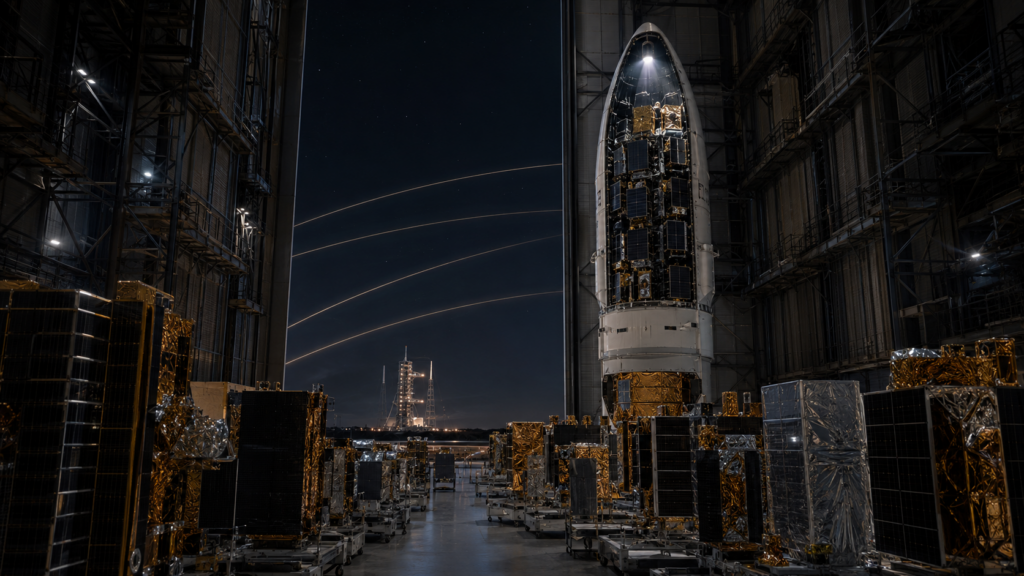
The FCC has granted Amazon a conditional waiver for its Leo constellation’s 1,616‑satellite milestone, linking spectrum rights to launch capacity. This move means Amazon must prove it can launch enough satellites to secure the spectrum it needs. The decision sets a new precedent that all next‑generation non‑geostationary orbit operators will have to follow. The waiver underscores the regulator’s tightening control over spectrum allocation for large satellite fleets.
NASA Converts Test Expert Ray Williams to Civil Servant in Strategic Workforce Shift
Original Publication Date: 2026-07-29 15:26
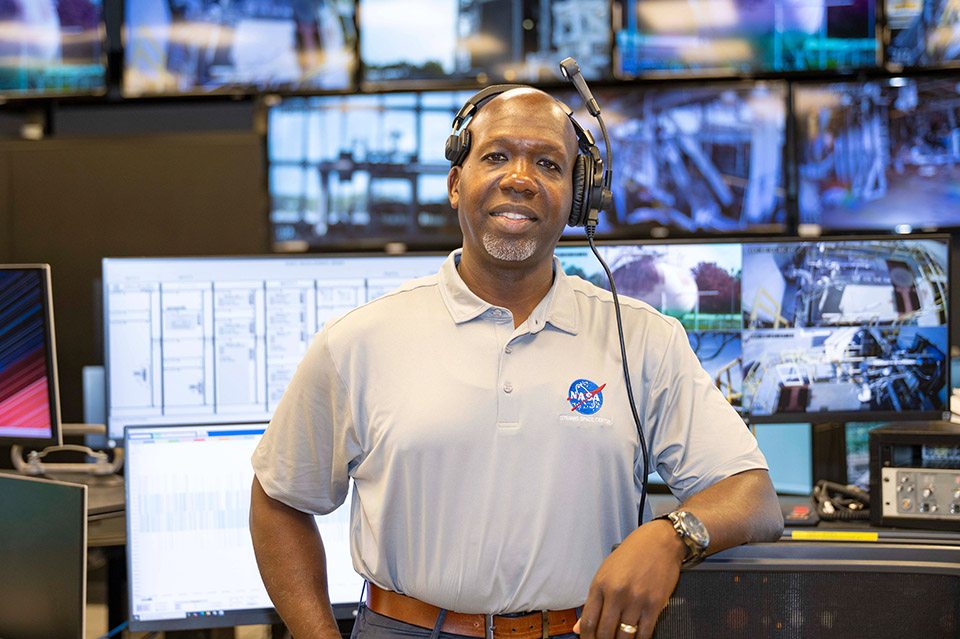
NASA has promoted propulsion test specialist Ray Williams from contractor to full civil servant status at its Stennis Space Center in Mississippi. The move, announced on July 29, 2026, underscores the agency’s commitment to retaining top technical talent on the federal payroll. Williams, who has overseen critical engine trials for the agency’s next‑generation rockets, will continue to lead testing programs that ensure launch vehicle reliability. This transition strengthens NASA’s in‑house expertise as it prepares for the next phase of deep‑space exploration.
Juniper Research Projects VLEO Satellite Investment to Reach $10 Billion by 2031
Original Publication Date: 2026-07-29 14:29
Juniper Research released a study on July 28, 2026, forecasting a rapid expansion of the satellite
NASA Awards 2026 Innovative Technology Concepts
Original Publication Date: 2026-07-29 21:04
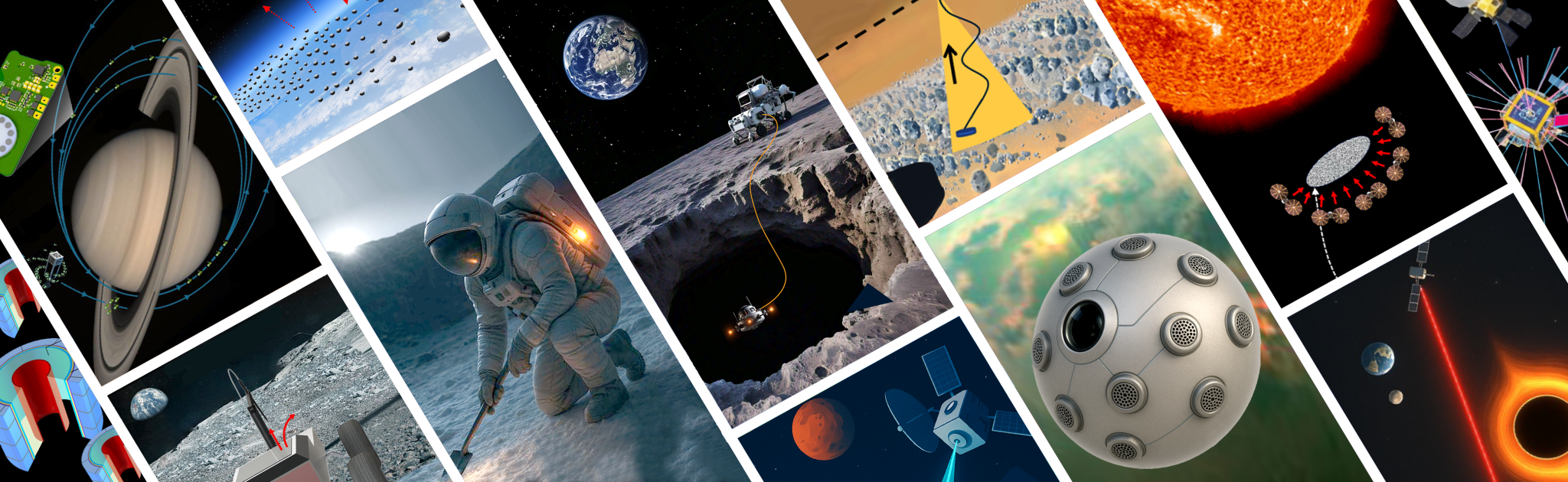
NASA’s NIAC program has awarded 18 new Phase I grants totaling $3.2 million, each up to $175,000 for a nine‑month study of early‑stage, transformative aerospace concepts. The projects range from lunar hover‑robot systems and heat‑management for night‑time suits to Venus‑hardening instruments, a swarm of 10,000 tiny satellites mapping Saturn’s rings, and even quantum lidar for planetary science. Other ideas target interstellar propulsion, exoplanet imaging, and Earth‑orbit debris monitoring, all aimed at leap‑frog advances rather than incremental tweaks. These seed‑funded concepts could become the next generation of tools that propel NASA’s ambitious lunar, Martian, and beyond‑solar‑system agenda.
NASA Sets Coverage for August Northern Hemisphere Total Solar Eclipse
Original Publication Date: 2026-07-29 16:49
A total solar eclipse swept across Dallas, Texas, on April 8, 2024, and a narrow strip from Mexico to Newfoundland saw full darkness while the rest of North America enjoyed a partial eclipse. On August 12, 2024 NASA will broadcast a second total eclipse visible from Greenland, Iceland, northern Russia, the Atlantic, Spain and a corner of Portugal, with the rest of the Northern Hemisphere seeing a partial event. The agency will stream the event live, conduct experiments in the path of totality, and deploy student‑led scientific balloons in Iceland and Spain to study atmospheric effects. Tune in online at NASA’s live stream, join the social‑media Q&A, and experience one of the most spectacular celestial events of the decade.
ESA taps Aalyria to build deep-space network hub
Original Publication Date: 2026-07-29 12:50

ESA has chosen Dutch startup Aalyria to build a network‑operations center that will let spacecraft, lunar missions and ground stations share data across the solar system using delay‑tolerant networking. The center will use Aalyria’s Spacetime orchestration to predict when antennas can link, improving data flow over sparse, intermittent connections. It will be installed at Cornwall’s Goonhilly Earth Station, the world’s first privately owned deep‑space antenna, and will integrate with NASA, ESA and JAXA’s LunaNet framework for future lunar missions. This move positions commercial operators to resell standardized DTN services, paving the way for a more interconnected off‑world internet.
'It's going to do things that currently are impossible': The Roman Space Telescope, NASA's next great observatory, is ready to launch Aug. 30
Original Publication Date: 2026-07-29 22:41
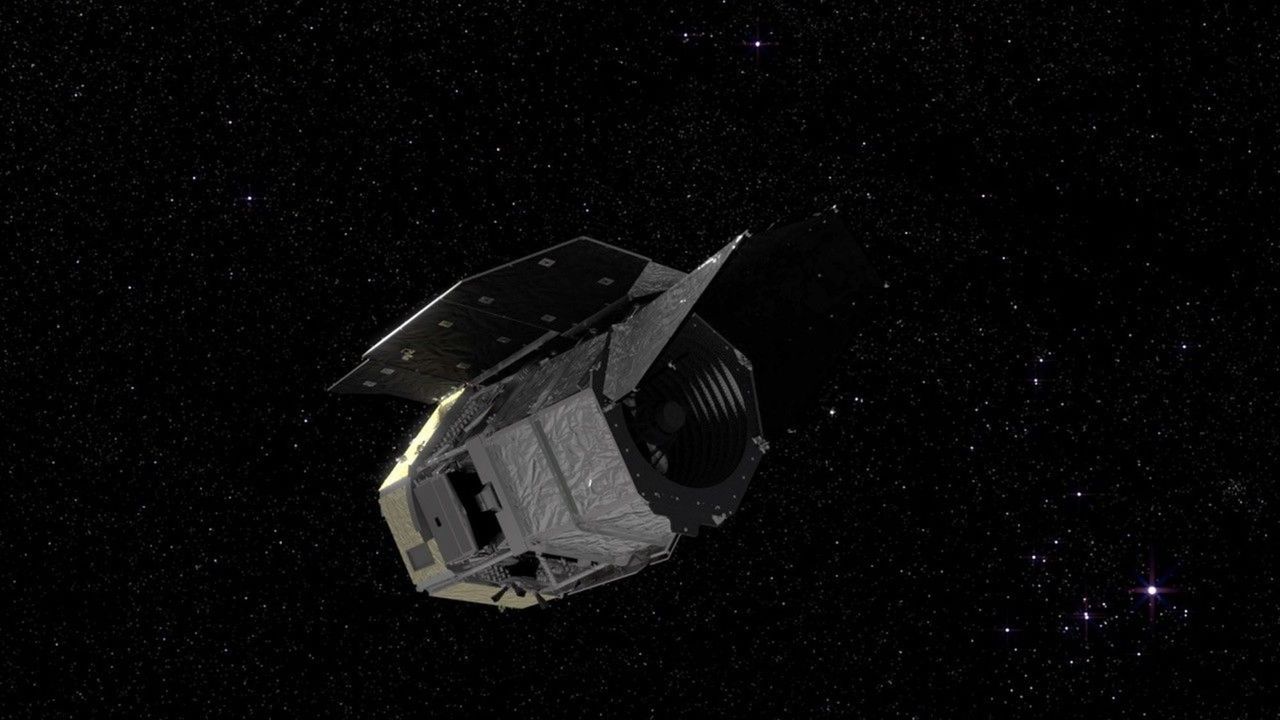
NASA’s Nancy Grace Roman Space Telescope, a $4 billion observatory, will launch on Aug. 30 aboard a SpaceX Falcon Heavy rocket—nine months ahead of schedule. It will travel to the Lagrange Point 2, where its wide‑field instrument will survey the sky and generate roughly 500 terabytes of data per year, far outpacing Hubble’s total output over its lifetime. Although it lacks James Webb’s ultra‑sensitive infrared capability, Roman will cover 50 times the sky area, enabling rapid mapping of the Milky Way and nearby universe.
NASA launched this spacecraft to save a satellite. Now, it needs saving too
Original Publication Date: 2026-07-29 18:00
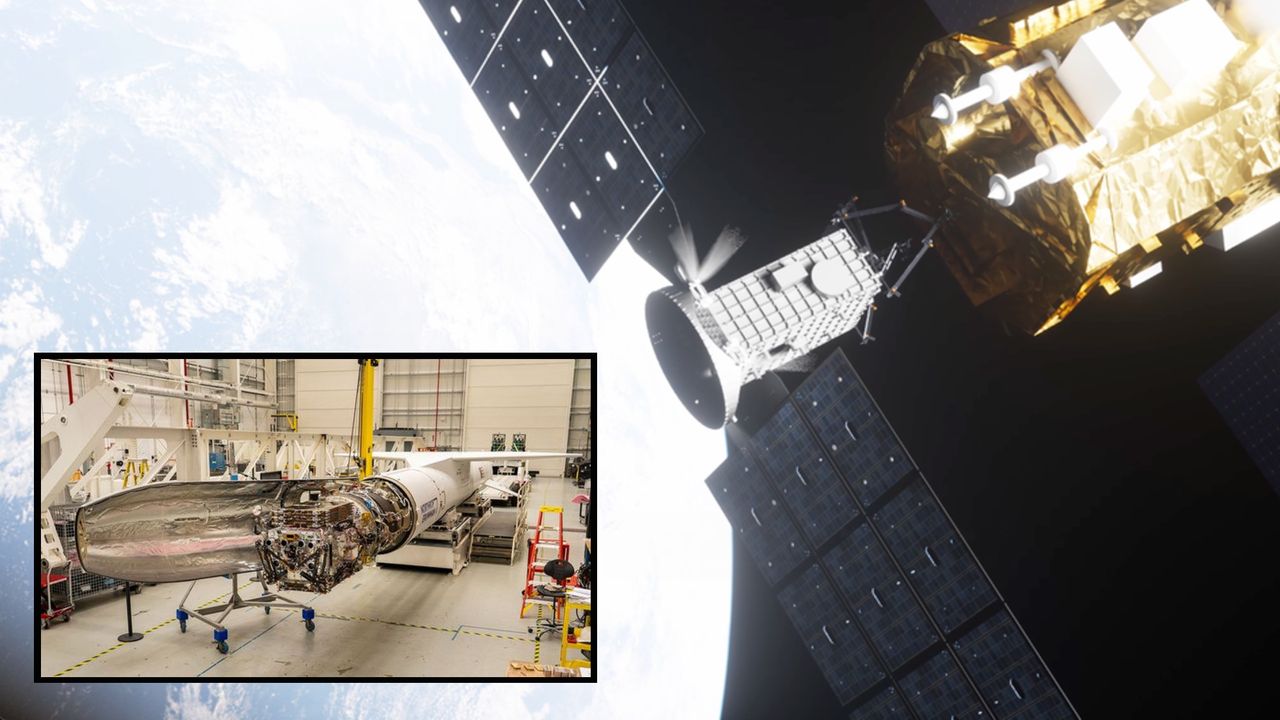
NASA’s $30 million Swift Boost mission launched the LINK servicing spacecraft on July 3 to rescue the aging Swift gamma‑ray burst telescope. The LINK craft, built by Katalyst Space, is now struggling with attitude control after two of its three reaction wheels failed, causing it to spin and lose intermittent communications. Despite the malfunction, the rest of the spacecraft remains healthy, and engineers are working to use its electric propulsion to regain control and decide whether the rescue can still proceed. Swift, launched in 2004 for $250 million, has been losing altitude for years and would benefit from a boost that LINK could provide if the mission succeeds.
SpaceX launching secret US spy satellite early on July 30: Watch it live
Original Publication Date: 2026-07-29 17:00
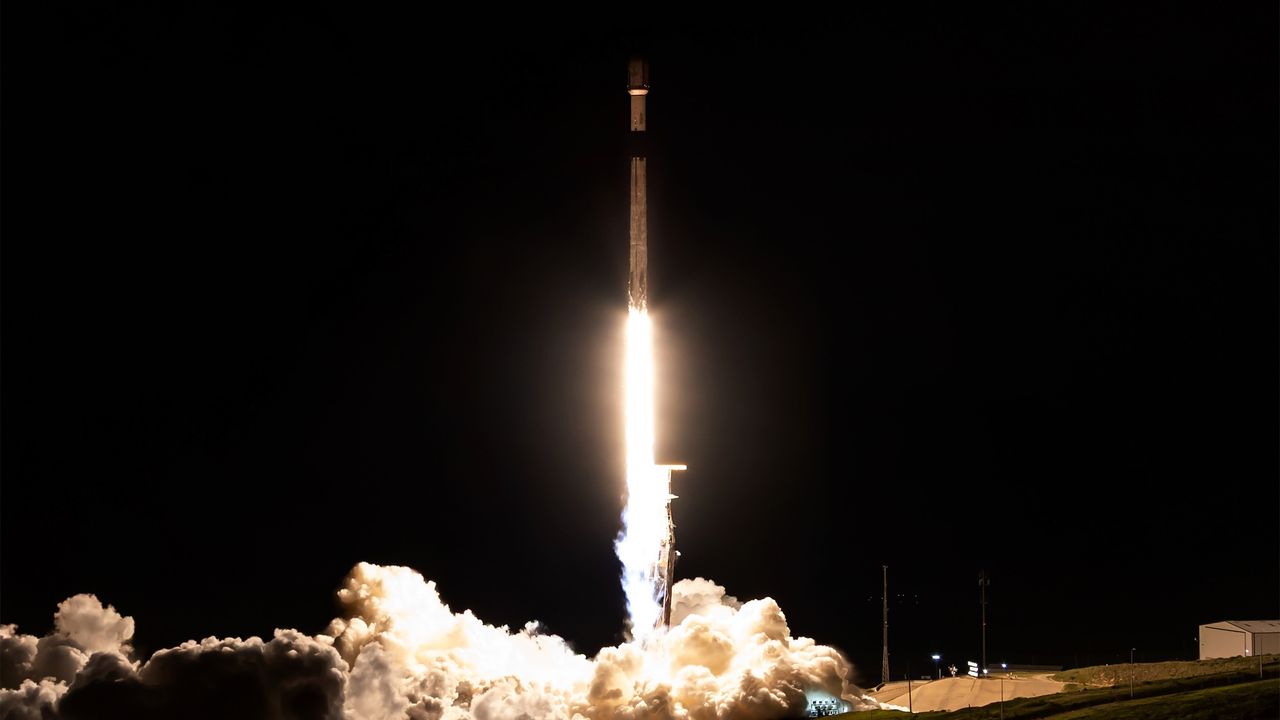
SpaceX is set to launch a secret National Reconnaissance Office mission, NROL‑95, from Cape Canaveral early Thursday, July 30, with a Falcon 9 lifting off at 3:09 a.
The Holy Stone HS900 Pro drone is sadly middling and being outcompeted by many other models
Original Publication Date: 2026-07-29 14:00

No article was provided. Therefore I cannot offer a summary. We apologize for the inconvenience.
SpaceX Starship still floating 5 days after flight | Space photo of the day for July 29, 2026
Original Publication Date: 2026-07-29 14:00
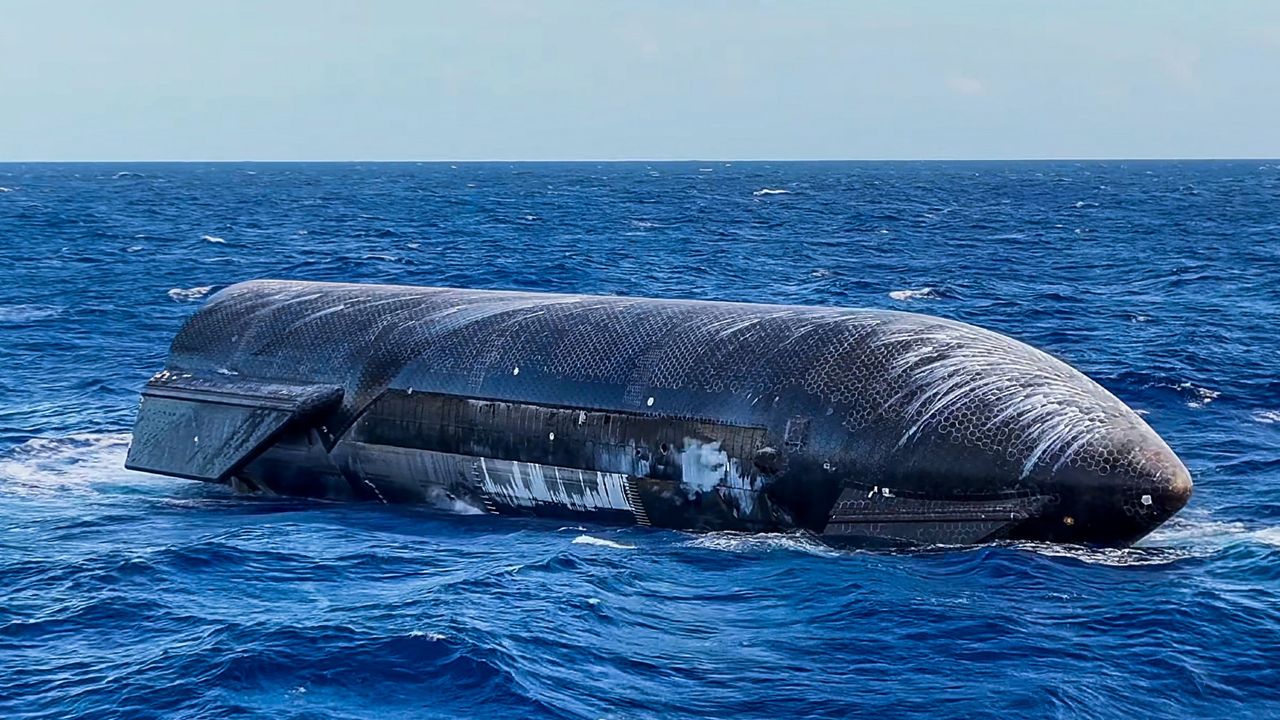
SpaceX’s Starship Version 3 completed its first flight test on July 24, launching 24 new Starlink satellites before making a remarkably soft splashdown in the Indian Ocean. The 171‑foot upper stage, still partially out of the water, has been photographed floating near Western Australia five days later, a testament to the rocket’s seaworthiness. Engineers praised the gentle landing as a key step toward rapid reusability, though challenges remain in making the heatshield durable enough for repeated missions. The event marks another milestone in SpaceX’s push to return the massive megarocket to launch pad in record‑quick time.