 Spotify
 Apple Podcasts
 Podcast Addict
 Overcast
 Podcast RSS
FCC approves sweeping space reforms while clearing more C-band for 5G
Original Publication Date: 2026-07-22 18:31
The FCC voted on July 22 to clear more C‑band spectrum for a 5G auction next year, moving satellite operators out of that band. At the same time, the commission approved a sweeping licensing overhaul designed to accelerate the commercial space economy. The reforms aim to streamline approvals and boost investment in space services. This decision reflects the agency’s effort to balance growing 5G demands with the expanding commercial space sector.
Vast establishes division for national security projects
Original Publication Date: 2026-07-22 14:03
Vast, a commercial space station developer, has launched a new national security division led by former Air Force officer and Slingshot Aerospace co‑founder Melanie Stricklan. The division will focus on delivering space‑based capabilities for the U.S. Defense and intelligence communities, building on Vast’s high‑power satellite bus technology. CEO Max Haot said the move comes at a pivotal time as the company expands in‑house tech with direct applications for national security.
Relativity Space to expand Terran R production in Florida
Original Publication Date: 2026-07-22 11:58
Relativity Space has struck a deal with Space Florida to build new manufacturing and test facilities for its Terran R rocket on Florida’s Space Coast, with the state’s Space Development Authority pledging up to $134 million in financing through its Spaceport Improvement Program. The agreement also commits Relativity to expand launch infrastructure at Kennedy Space Center and Cape Canaveral Space Force Station, creating thousands of high‑paying jobs by the end of 2034. While the exact location of the new Florida factory remains undisclosed, the move is aimed at scaling the medium‑lift, reusable‑first‑stage rocket for commercial, scientific and national security missions, including potential Space Force contracts. This partnership underscores Florida’s growing role as a hub for aerospace commerce amid increasing launch activity and infrastructure demands.
SpaceX launches novel geosynchronous robotic servicing satellite on decade-long mission
Original Publication Date: 2026-07-21 11:46
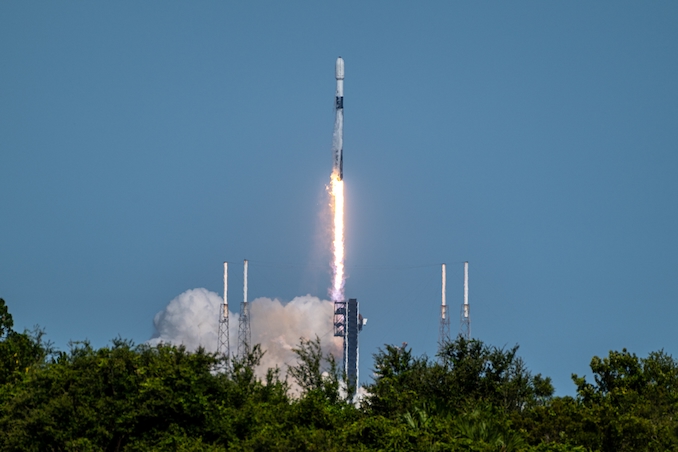
On July 21, 2026, a SpaceX Falcon 9 launched from Cape Canaveral carrying Northrop Grumman’s Mission Robotic Vehicle (MRV) and three Mission Extension Pods (MEPs). The MRV, equipped with the U.
Viasat Deploys Reflector and Boom Assembly on ViaSat-3 F3 Ahead of In-Orbit Testing
Original Publication Date: 2026-07-22 20:53
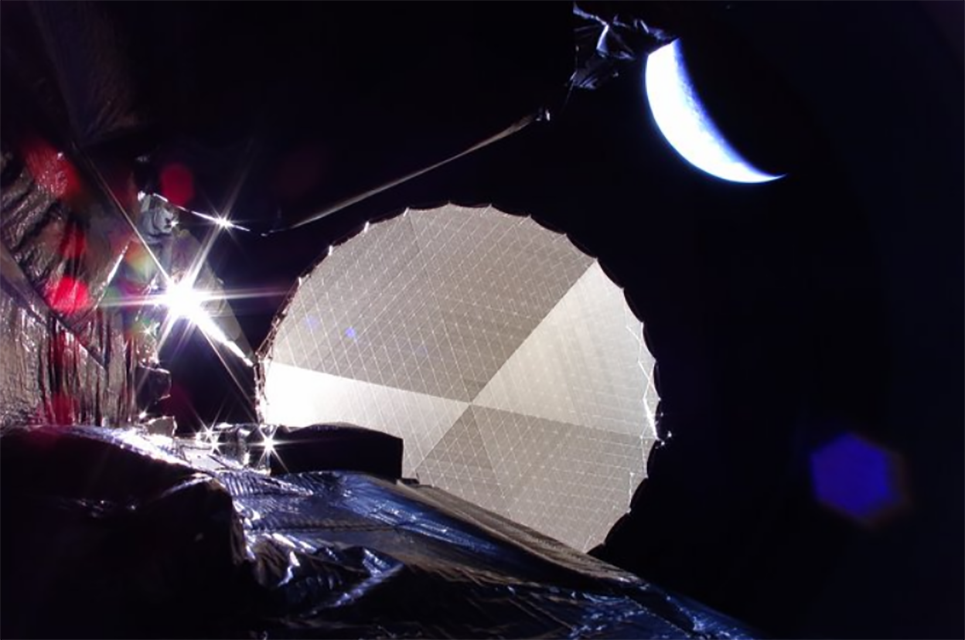
Viasat announced on July 22 that the main boom and ultra‑large reflector of its ViaSat‑3 Flight 3 satellite deployed successfully. Visual confirmation from the spacecraft showed the antenna structure fully extended, a key step toward the satellite’s broadband service launch. The successful deployment marks a significant milestone in Viasat’s effort to expand global high‑speed connectivity. The company will now move toward the next phase of testing and integration.
SpaceLogistics MRV-1 Robotic Servicer and Mission Extension Pods Reach Orbit Ahead of GEO Servicing Operations
Original Publication Date: 2026-07-22 18:12
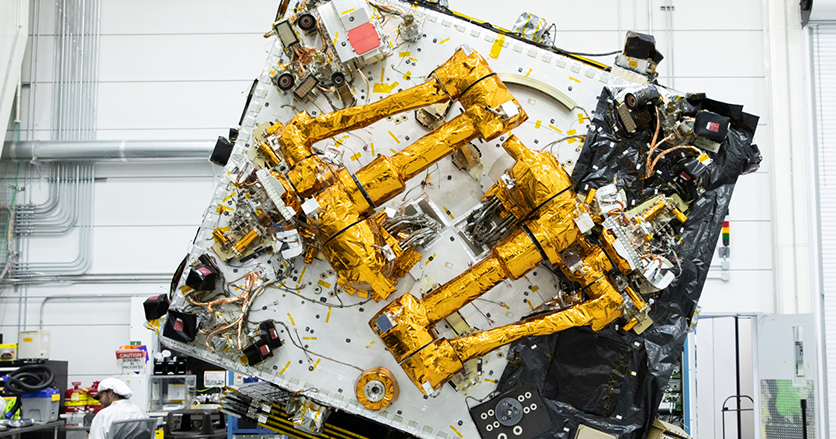
On Tuesday, July 21, 2026, SpaceLogistics, a Northrop Grumman subsidiary, launched its Mission Robotic Vehicle (MRV‑1), marking a significant milestone for the In‑Space Servicing, Assembly, and Manufacturing (ISAM) program. The launch demonstrates the company’s progress toward autonomous spacecraft repair and on‑orbit manufacturing capabilities. MRV‑1’s deployment is expected to pave the way for future missions that require in‑space assembly and maintenance. This achievement underscores SpaceLogistics’ growing role in the next generation of space infrastructure.
L3Harris Delivers Four RS-25 Core Stage Engines to NASA for Crewed Artemis III Lunar Mission
Original Publication Date: 2026-07-22 15:25

On Wednesday, July 22, 2026, defense contractor L3Harris Technologies completed and shipped four modified RS‑25 main engines to NASA’s Michoud Assembly Facility in New Orleans. These liquid‑fuel engines are a key component of the agency’s next‑generation launch vehicle program. The delivery marks a milestone in the collaboration between L3Harris and NASA to advance spaceflight capabilities. The engines will now undergo final integration and testing before their role in future missions.
NASA Joins Federal Genesis Mission Initiative to Process 150 Petabytes of Space Data via AI Architectures
Original Publication Date: 2026-07-22 15:12

NASA announced on July 22, 2026, that it will formally join the Genesis Mission, a project designed to break the computational bottleneck that has slowed the analysis of decades of spaceflight data and complex mission telemetry. By deploying advanced algorithms and high‑performance computing, Genesis will sift through vast archives of spacecraft information, unlocking new insights into past missions and informing future exploration.
Silicon Sensing Debuts CRG21 Digital MEMS Gyroscope for Extreme Shock and High-Vibration Environments
Original Publication Date: 2026-07-22 14:00
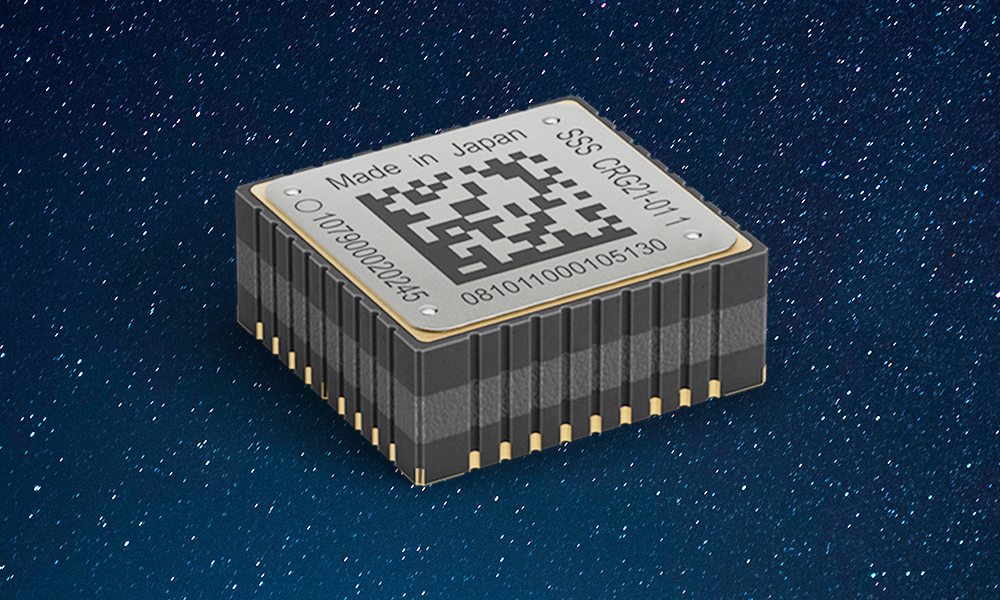
Silicon Sensing Systems Ltd unveiled its next‑generation CRG21 MEMS gyroscope, engineered to meet the stringent size, weight, power and cost constraints of modern aerospace and defense platforms. The compact sensor delivers high‑accuracy angular rate measurements while consuming minimal power, making it ideal for drones, missiles and satellite guidance systems. With improved temperature stability and reduced drift, the CRG21 promises reliable performance in harsh operational environments. The launch marks a significant step forward in low‑cost, high‑performance inertial sensing technology for the defense sector.
Robotic Servicing Mission Launches with NASA Support
Original Publication Date: 2026-07-22 18:04
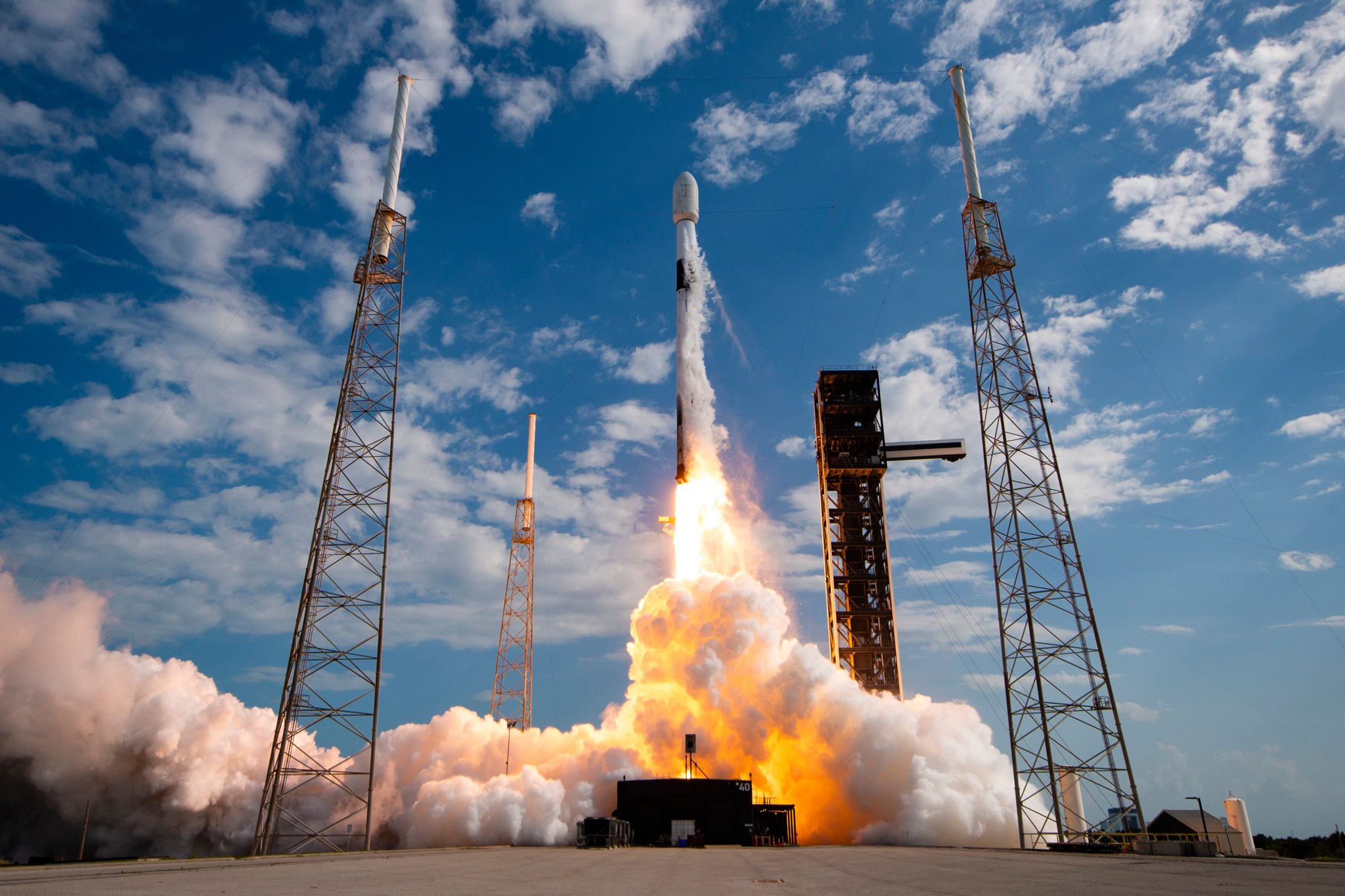
NASA’s Mission Robotic Vehicle, launched July 21 aboard a SpaceX Falcon 9, is now en route to geosynchronous orbit to deploy the Robotic Servicing of Geosynchronous Satellites payload. The DARPA‑funded RSGS system, built by the U.S. Naval Research Laboratory, will use twin dexterous robotic arms to inspect, upgrade, and install propulsion modules on aging satellites, extending their operational life.
NASA Sets Coverage for Astronaut Chris Williams, Crewmates Return
Original Publication Date: 2026-07-22 17:17
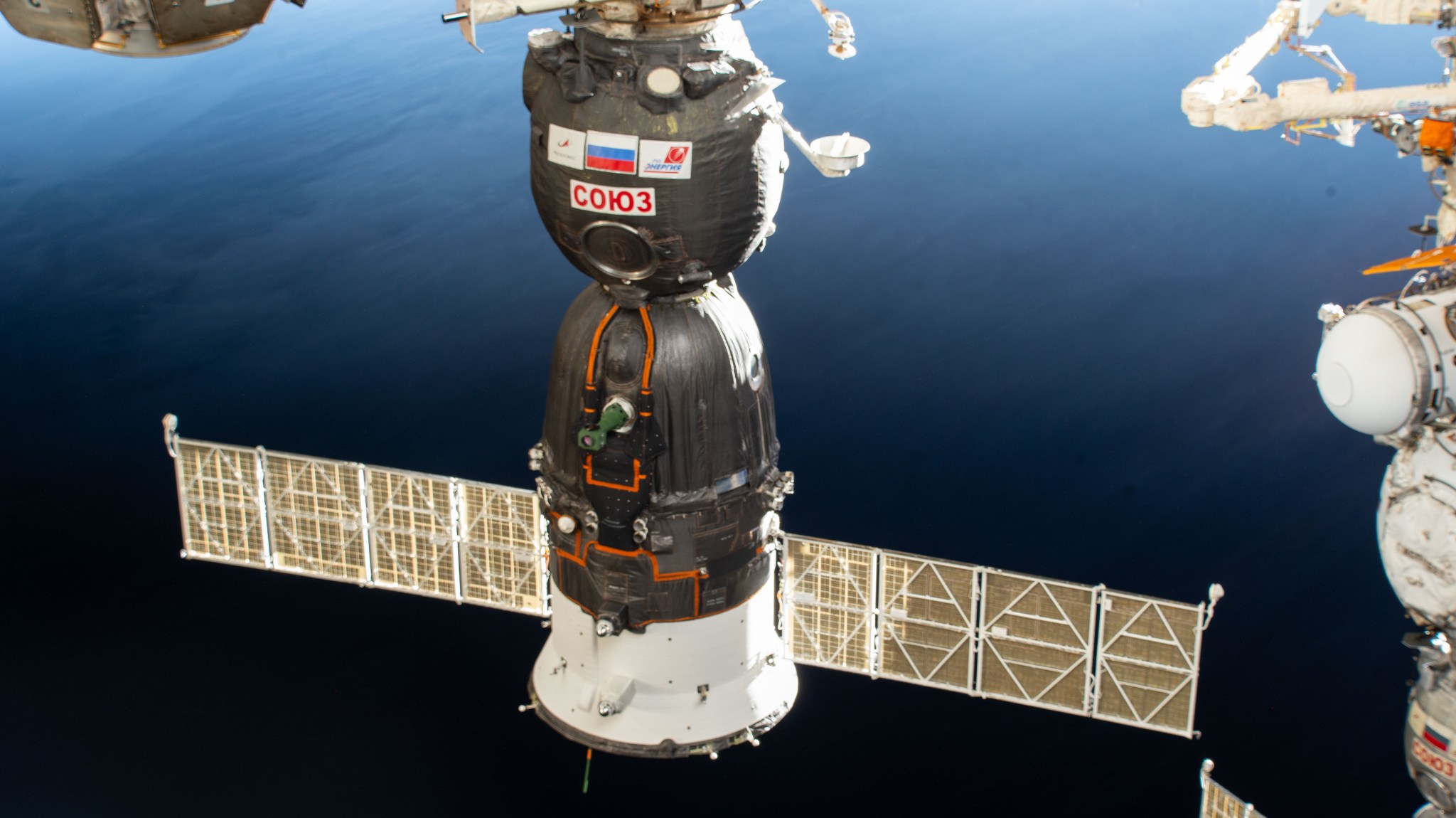
The Soyuz MS‑28 crew—NASA astronaut Chris Williams and Roscosmos cosmonauts Sergey Kud‑Sverchkov and Sergei Mikaev—will undock from the ISS’s Rassvet module at 3:02 a.m. EDT on Sunday, July 26, after a 241‑day mission.
Soyuz MS-29 crew arrives at ISS, U.S. EVA completes Canadarm2 repairs
Original Publication Date: 2026-07-22 22:59

The International Space Station welcomed a new crew on July 14 when Soyuz MS‑29 docked, adding cosmonauts Pyotr Dubrov, Anna Kikina and NASA astronaut Anil Menon. Earlier in the month, astronauts Jessica Meir and Chris Williams completed a 7‑hour, 20‑minute spacewalk that repaired the Canadarm2’s faulty wrist joint, marking the 280th EVA in ISS history. Meanwhile, NASA is accelerating the development of commercial space stations, issuing a draft Request for Proposals that could see Axiom, Starlab, Blue Origin and Vast launch their own platforms by 2027.
Path to Starship Flight 13 requires additional Booster 20 test
Original Publication Date: 2026-07-22 14:57

SpaceX is now aiming for a July 23 launch of Starship on Flight 13 after a last‑minute abort on July 16 when four engines failed to ignite and the vehicle exceeded its engine‑out tolerance. To boost confidence, the company has swapped out two Raptor engines on Booster 20 and is conducting a Spin‑Prime test at Pad 2 while the booster and ship are rolled back to the production site. Road and beach closures have been announced to accommodate the pre‑launch testing and tank‑farm topping up. If everything goes as planned, the next attempt could see Starship lift off from Pad 2 on Thursday, July 23.
The UK Scraps the Department in Charge of UKSA
Original Publication Date: 2026-07-22 12:52

UK’s new Prime Minister Andy Burnham has dissolved the Department for Science, Innovation and Technology, which housed the UK Space Agency, and replaced it with three new departments. The reorganisation signals a shift toward prioritising AI and defence, with Kanishka Narayan named the country’s first Minister for AI and former Defence Secretary John Healey returning as Chancellor of the Exchequer to oversee defence spending. While the move aims to streamline science and business initiatives, industry leaders warn it could stall momentum and fragment the UK’s tech leadership. The impact on the UK Space Agency remains uncertain as the government seeks a more commercially focused approach.
The UK and Space Florida Launch Joint Fund
Original Publication Date: 2026-07-22 12:51

Officials from Florida and the UK announced a £300,000 ($401,000) joint fund at the Farnborough Air Show to spark cross‑Atlantic space collaborations.
Breaking Down the $686B Space Economy
Original Publication Date: 2026-07-22 12:50
The 2025 global space economy hit a record $686 billion, up 12 percent from 2024, with a five‑year compound annual growth rate approaching 10 percent as space becomes critical infrastructure. Government spending reached $141 billion, led by the United States at 57 percent, while allies such as Canada, the UK, France, and South Korea more than doubled or grew their budgets by over 40 percent. Commercial activity accounted for $544 billion—79 percent of the total—driven largely by PNT services at 41 percent, with satellite manufacturing up 67 percent and launch services up 49 percent.
China's record-breaking Gravity-1 rocket launches 9 satellites from a ship at sea (video)
Original Publication Date: 2026-07-22 21:00
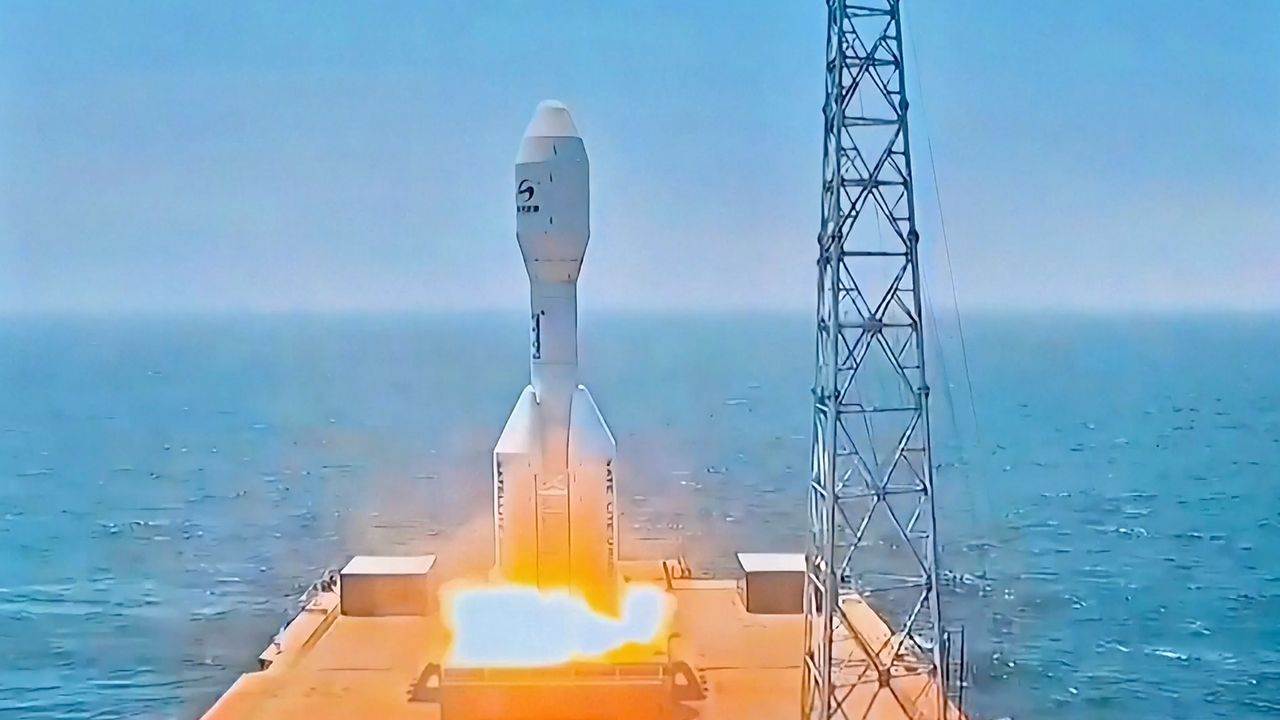
China’s Orienspace has just completed the third flight of its Gravity‑1 solid‑fuel rocket, launching nine satellites from a ship off Shanghai and placing them into their intended orbits. The 100‑foot tall launcher, the world’s most powerful solid‑fuel rocket, achieved a flawless mission at 10:54 p.m. EDT on July 21. With a payload capacity of 14,300 pounds, Gravity‑1 has already flown twice in 2024 and 2025, and the company plans to launch a batch of Chinese internet satellites in the coming months. Orienspace is also developing larger Gravity‑2 and Gravity‑3 rockets, which may use liquid‑fuel cores and could launch from ocean platforms as well.
After nearly 30 years, NASA realized this near-Earth asteroid is actually a comet. The discovery may help us defend the planet some day
Original Publication Date: 2026-07-22 19:00
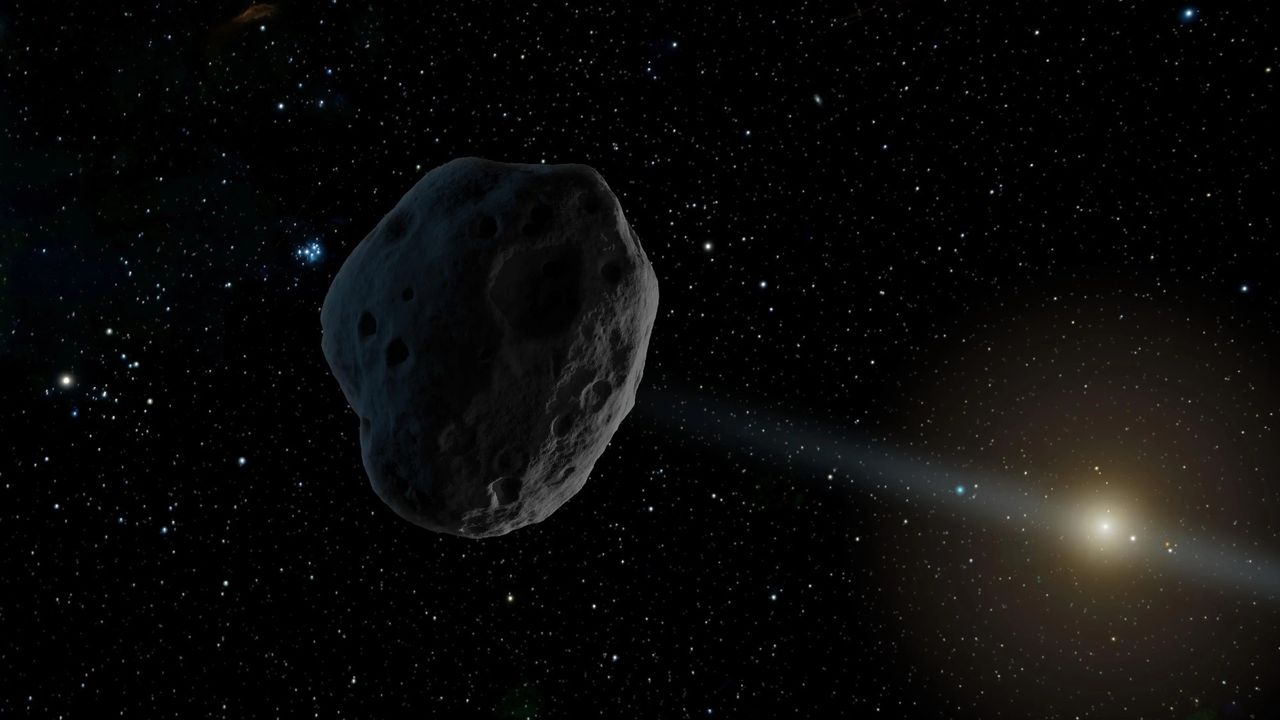
NASA has revealed that the near‑Earth object 1998 SH2, long thought to be a harmless asteroid, is actually a faint, active comet. Using radar, precise astrometry, and telescope observations, scientists detected tiny nongravitational forces from gas jets that shifted its orbit and finally confirmed a cometary tail. The discovery shows that comets can subtly change course, making it easier to predict potential Earth‑impact risks and underscoring the need to continually track near‑Earth objects. Researchers warn that many more hidden comets may lurk in our solar system, offering new clues for planetary defense.
NASA's Roman Space Telescope could reveal black holes ripping up stars. It's set to launch Aug. 30
Original Publication Date: 2026-07-22 18:01

NASA’s Nancy Grace Roman Space Telescope, set to launch on August 30, 2026, will scour the sky for tidal disruption events—dramatic moments when stars are shredded by supermassive black holes.
If space war erupts, 'none of us will be able to avoid the war zone,' warns outgoing Space Force chief in final public speech
Original Publication Date: 2026-07-22 17:00
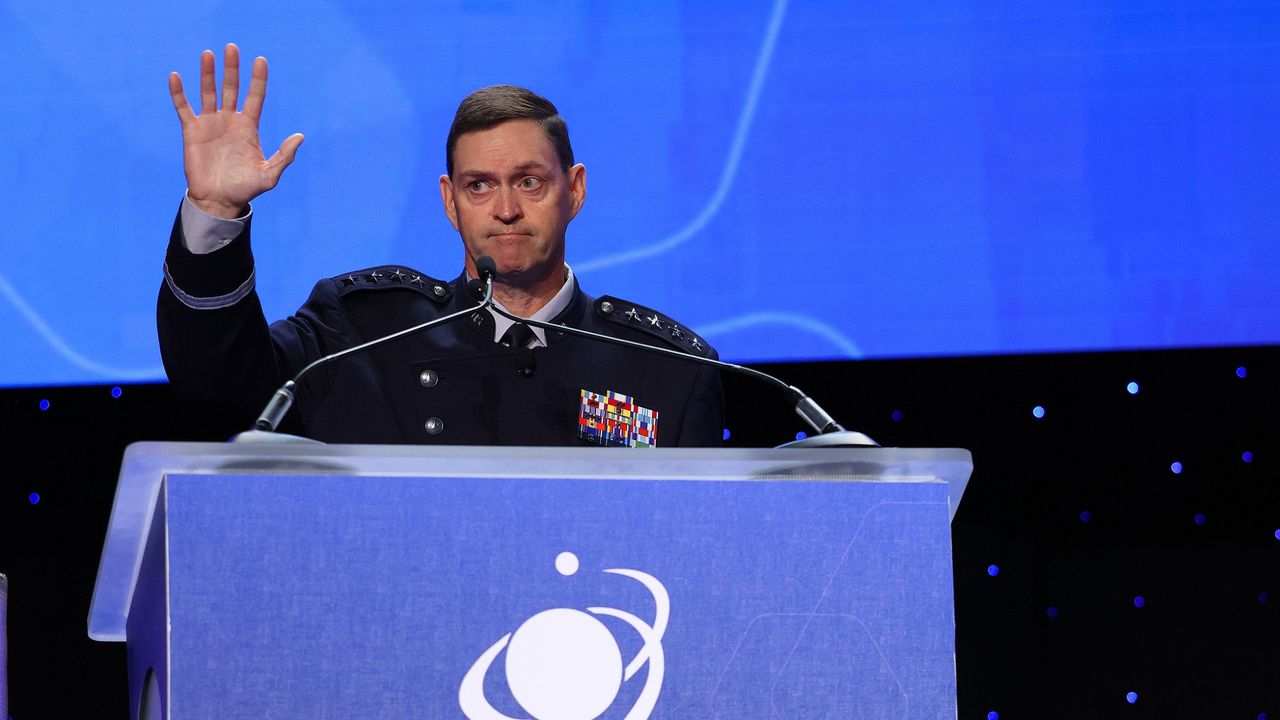
Gen. Chance Saltzman, the outgoing chief of the U.S. Space Force, warned at a July 15 conference that if war reaches space, no nation will be able to sidestep the conflict because orbital mechanics will drag all space assets into the battlefield. He cited crowded orbits and past incidents—such as Russia’s 2022 missile strike that left a hazardous debris field for the ISS—to illustrate how a single satellite’s destruction could cripple the entire orbital environment. Saltzman urged international cooperation, calling the peaceful use of space “the ultimate team sport” and stressing that shared responsibility is essential to deter future conflicts. He will retire in August 2026, and President Trump has nominated Lt. Gen. Douglas Schiess to succeed him.