 Spotify
 Apple Podcasts
 Podcast Addict
 Overcast
 Podcast RSS
Is this the year for a NASA authorization bill?
Original Publication Date: 2026-07-08 18:06
Congress is once again stuck in the annual cycle of spending bills, with House and Senate appropriators delaying key legislation, including a NASA authorization bill, due to timing clashes and policy disputes. The House has passed a commerce, justice and science bill that sidestepped some NASA budget cuts, but the Senate has postponed its markup twice, pushing the bill past the mid‑July deadline. Both chambers are now trying to reconcile their versions of the NASA authorization amid new program changes announced by NASA’s Ignition event, while the future of the International Space Station remains on the table.
Fi expands Starlink direct-to-device capability into dog-tracking
Original Publication Date: 2026-07-08 13:00
Pet tech firm Fi unveiled its new dog tracker on July 8, harnessing T‑Mobile’s Starlink‑enabled T‑Satellite service to keep pets connected nationwide, even beyond the carrier’s traditional network. This move extends Starlink’s direct‑to‑device capabilities into the pet‑tracking market, offering owners uninterrupted real‑time location updates. The announcement highlights how satellite technology is reshaping consumer devices and expanding connectivity options across the United States.
European Space Imaging Integrates Cloud Infrastructure Upgrades to Mitigate Critical Intelligence Delivery Gaps
Original Publication Date: 2026-07-08 23:22
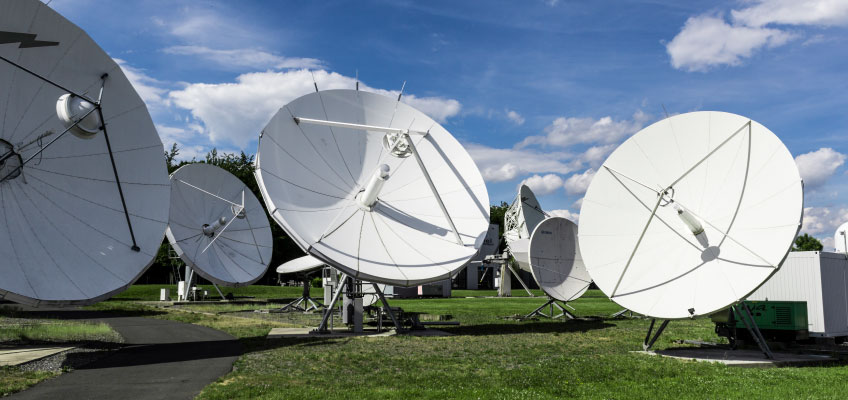
On July 8, 2026, European Space Imaging announced a significant upgrade to its satellite ground segment and cloud network architecture in Munich, Germany. The new system is designed to streamline data handling and cut the standard turnaround time for delivering high‑resolution imagery to clients.
U.S. Space Force Integrates Impulse Space into National Security Space Launch Program as First Upper-Stage Prime
Original Publication Date: 2026-07-08 19:35
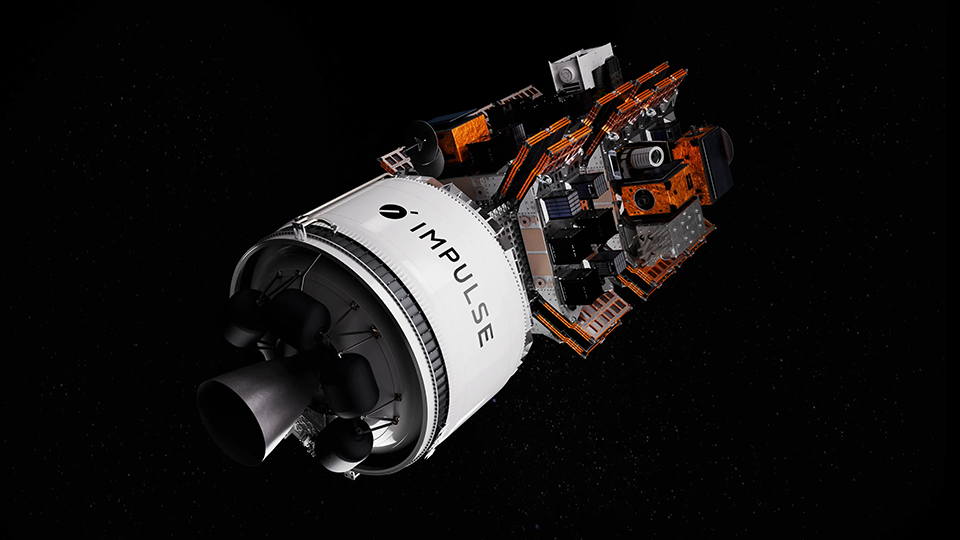
Impulse Space of Redondo Beach, California, announced on July 8, 2026 that it has secured a firm‑fixed‑price, indefinite‑delivery, indefinite‑quantity contract from the U.S. Space Force’s Space Systems Command. The agreement will fund the development and deployment of the company’s in‑space transport platform, aimed at supporting the Space Force’s growing constellation and logistics needs. Impulse Space will deliver the system on a schedule set by the Space Force, with payments tied to performance milestones. This deal marks a significant milestone in the Space Force’s effort to expand its in‑orbit mobility capabilities.
SpaceX Files FCC Application for 100,000 Third-Generation Starlink Satellites
Original Publication Date: 2026-07-08 15:34
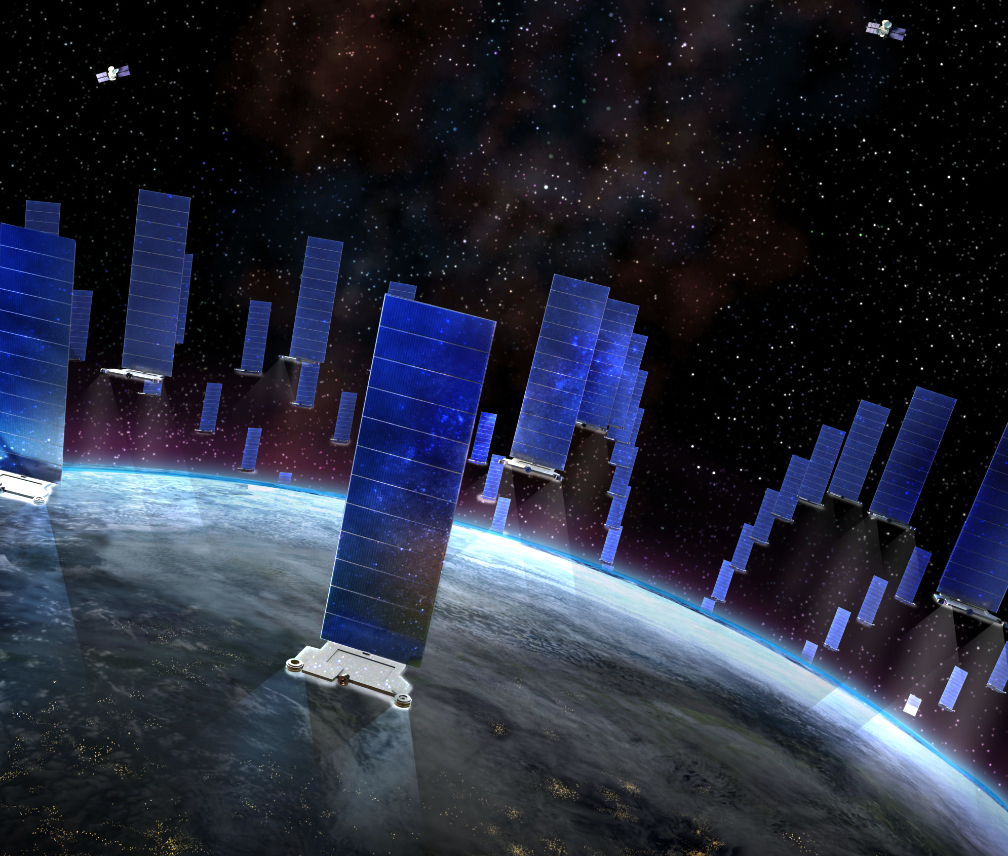
SpaceX filed a comprehensive application with the FCC on July 6, 2026, seeking permission to launch up to 100,000 third‑generation satellites as part of its expanding Starlink constellation. The company’s Gen‑3 satellites promise higher throughput, lower latency, and improved power efficiency compared to earlier models, aiming to boost global broadband coverage. The FCC will review the proposal amid growing concerns about space debris and spectrum allocation, while competitors watch closely for potential market shifts. If approved, the launch could begin as early as 2027, marking a significant leap forward for commercial space‑based internet services.
Global Memory Migration to AI Data Centers Extends Telecom Supply Chain Crisis
Original Publication Date: 2026-07-08 14:16
Telecom advisory firm CCG Consulting has released a market assessment confirming the global shift of semiconductor fabrication toward artificial intelligence architectures. The study highlights a widespread structural migration in the industry, with manufacturers increasingly prioritizing AI‑optimized designs. This transition is expected to reshape the demand for dynamic random‑access memory (DRAM) and other core components. The assessment underscores the growing importance of AI in driving future semiconductor innovation.
Ground Control and CLS Selected for France Maritime Vessel Monitoring Initiative
Original Publication Date: 2026-07-08 14:01

Ground Control’s RockFLEET tracking technology has been chosen to power France’s new coastal fishing fleet monitoring system, slated to launch next month. The partnership will deploy satellite and hybrid IoT connectivity to provide real‑time vessel tracking and data analytics for compliance and sustainability. France aims to enhance safety, reduce illegal fishing, and improve resource management along its coastlines. The rollout will begin in September, marking a significant step in maritime technology adoption.
Super Typhoon Bavi
Original Publication Date: 2026-07-09 04:01

Super Typhoon Bavi, a Category 5 storm, slammed the U.S. Northern Mariana Islands and Guam on the night of July 5, 2026, with 290‑km‑h winds, torrential rain and a dangerous storm surge that toppled power lines and flooded roads. Satellite images from NOAA‑20’s VIIRS show the eye illuminated by moonlight as it passed over Rota, while the storm’s path was tracked over warm 30‑°C waters, fueling its rapid intensification.
Students Connect NASA Science With Indigenous Knowledge to Study Coastal Erosion
Original Publication Date: 2026-07-08 21:04

NASA’s Science Activation program partnered with the Pleasant Point Passamaquoddy Reservation to bring 5th‑grade students together with Indigenous elders and scientists to study rapid coastal erosion. Over five weeks, the students examined satellite images, historic photographs, and 300‑year‑old tribal maps while building erosion trays and measuring tide lines on the ground. They presented their findings at the Gulf of Maine Research Institute in June 2026, demonstrating that science can be learned from both textbooks and ancestral stories. The project aims to expand field sites, strengthen cultural ties, and develop resilience strategies such as marsh restoration in collaboration with tribal leadership.
Hubble Captures Star-Studded Cluster
Original Publication Date: 2026-07-08 14:13
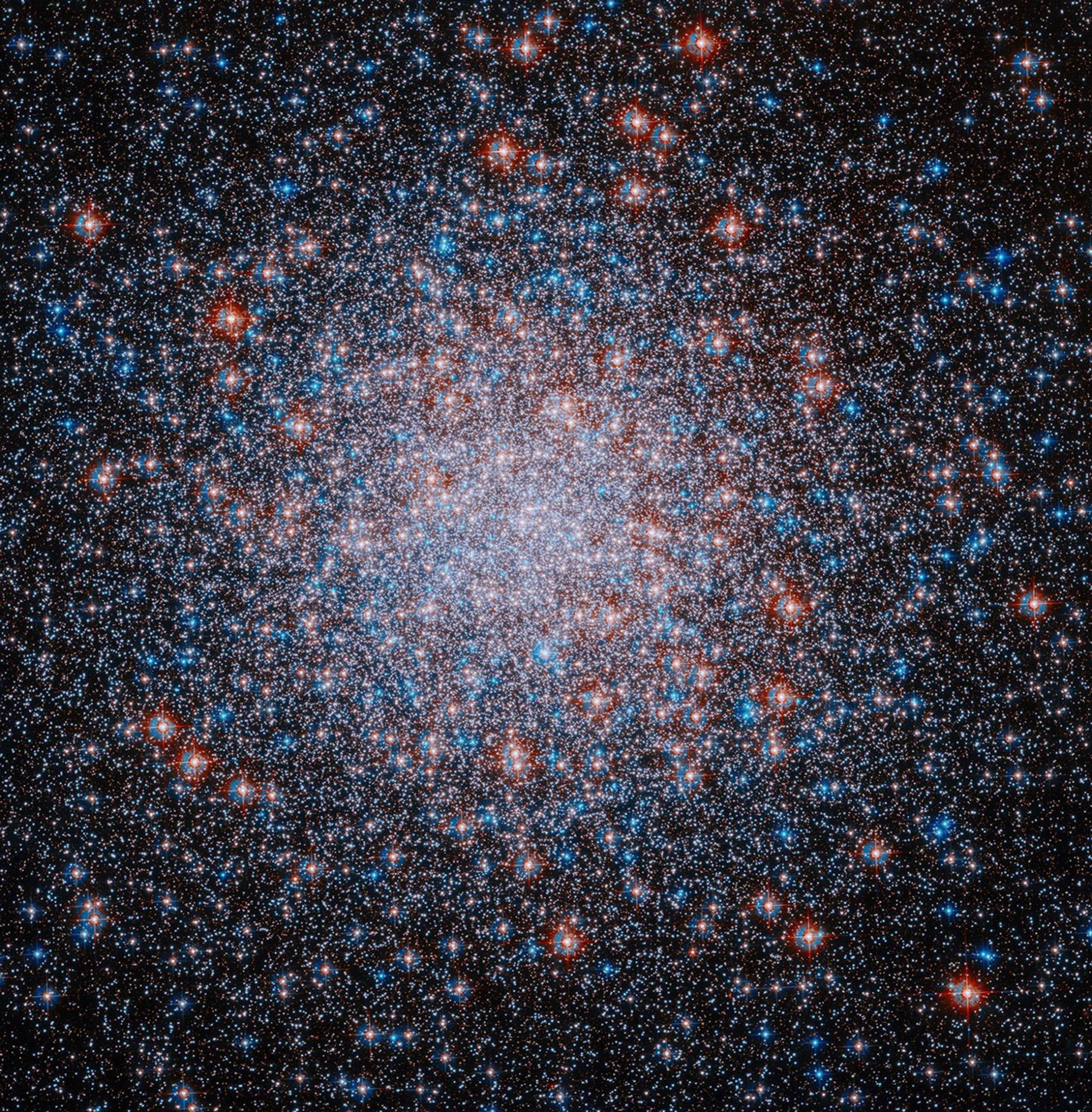
NASA’s Hubble Space Telescope has captured a stunning view of Messier 3, one of the Milky Way’s most massive globular clusters, a densely packed sphere of ancient stars. Scientists believe M3 may have formed from a merger of smaller globular clusters in the early universe, giving it a unique structure. These clusters are made of stars that all formed around the same time from a single cloud of gas, making them some of the oldest visible objects in our galaxy. With roughly 150 globular clusters orbiting the Milky Way, M3 stands out as a key laboratory for studying the galaxy’s early history.
Rocket Lab sees Electron gains, Neutron delays in first half of 2026
Original Publication Date: 2026-07-08 21:49

Rocket Lab’s Electron rocket has set a record pace in 2026, signing 36 launch contracts in the first quarter alone and pushing the combined Electron and Neutron backlog past 70 missions. The company’s revenue topped $200 million for the first time in a single quarter, up 63.5 percent year‑over‑year, as new multi‑launch and satellite platform deals fill its pipeline. While the larger Neutron vehicle remains delayed to a fourth‑quarter 2026 debut after a tank failure, Rocket Lab secured its largest contract ever—five Neutron and three Electron launches—for a confidential customer, and NASA has selected three Electron missions for science payloads in 2027. These achievements cement Rocket Lab as the world’s second‑most active launch provider, trailing only SpaceX.
Progress at the Cape: New Launch Pads rise for Stoke, Relativity
Original Publication Date: 2026-07-08 11:45

Stoke Space is breathing new life into Cape Canaveral’s historic LC‑14, a former Mercury launch site, with a nearly finished pad for its reusable Nova rocket that promises rapid turnaround and low‑cost orbital payloads.
Venus Aerospace Raises $91M Series B to Scale RDRE Production
Original Publication Date: 2026-07-08 12:00

Venus Aerospace has raised $91 million in a Series B round led by Mercury Fund to scale its rotating detonation rocket engine (RDRE) after a successful test flight that ignited DoD and commercial interest. The funding, which also saw participation from Lockheed Martin Ventures, MESH, and others, will grow the team, expand production capacity, and support further demonstration flights. The RDRE offers up to 15 % more efficiency than conventional engines and uses liquid propellants that can be stored for a decade, making it attractive for both military and space missions. Venus plans to secure major defense and commercial contracts and eventually produce thousands of engines per year.
SpaceX Falcon 9 rocket launches for record-breaking 36th time
Original Publication Date: 2026-07-08 23:00
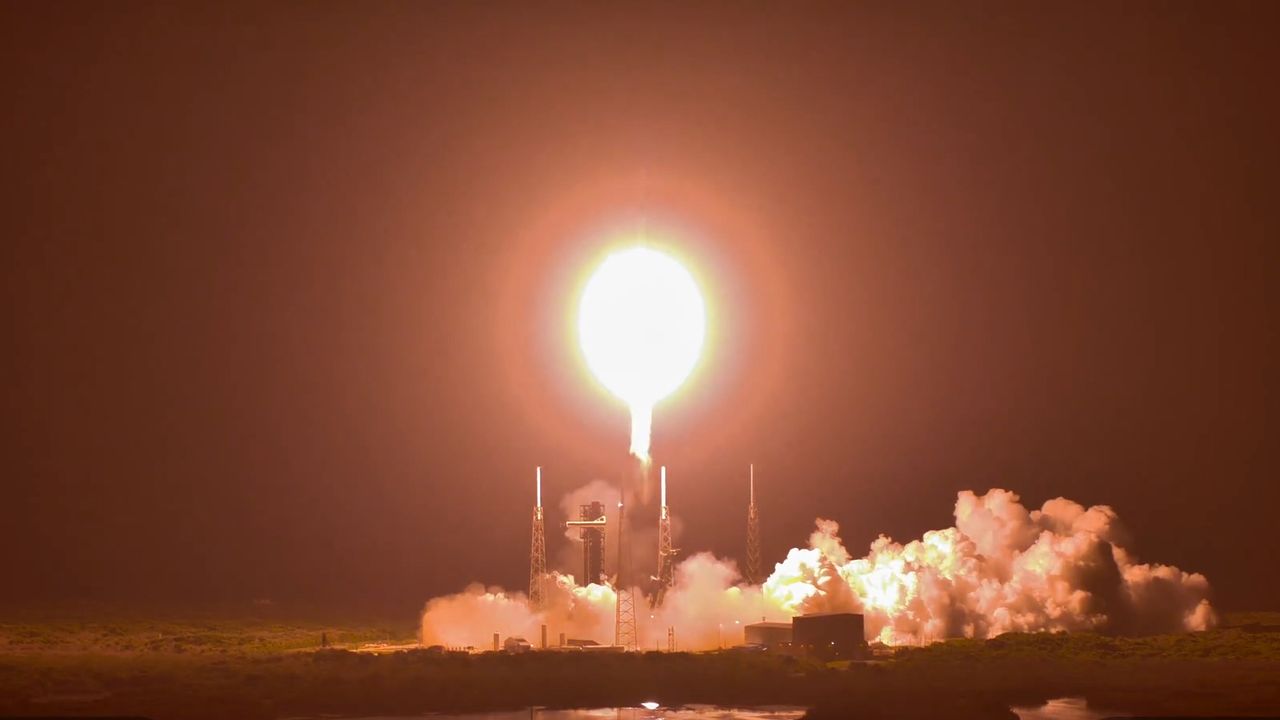
SpaceX’s Falcon 9 booster 1067 lifted off from Cape Canaveral at 5:25 a.m. EDT on Thursday, July 9, carrying 29 Starlink satellites to low‑Earth orbit. This flight marks the booster’s 36th use, extending its record for most flights by a single SpaceX rocket, a record that only NASA’s shuttle Discovery has surpassed. The first‑stage booster returned 8.5 minutes later, landing on the drone ship “A Shortfall of Gravitas” in the Atlantic, while the upper stage deployed the satellites 63.5 minutes after launch. With the Starlink constellation now exceeding 10,700 active satellites, this mission underscores the rapid expansion of the world’s largest satellite network.
Japanese company books 1,100 pounds of cargo space on SpaceX Starship mission to the moon
Also covered by: Payload Space
Original Publication Date: 2026-07-08 22:00
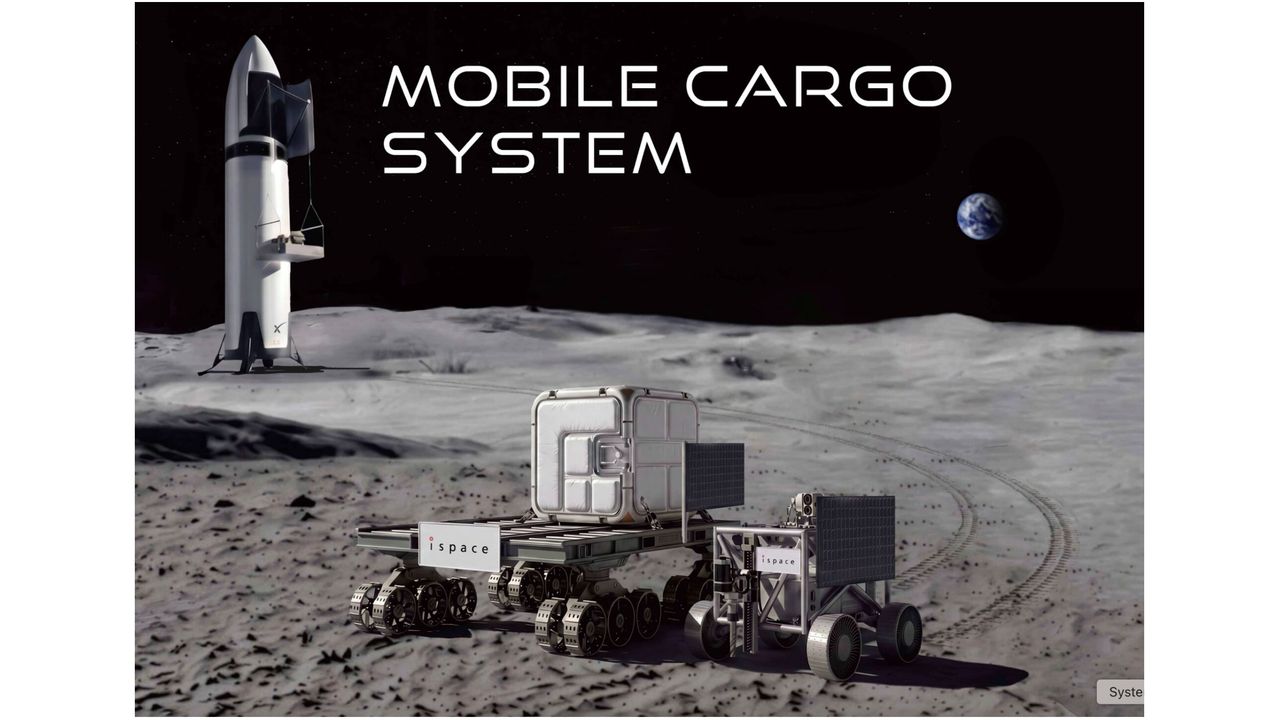
Japanese company ispace has secured 500 kg (1,100 lb) of cargo capacity on SpaceX’s Starship for a lunar rideshare that could launch as early as 2030, in a deal worth about $50 million. The payload will carry ispace’s Mobile Cargo System, a pallet‑like rover capable of hauling up to 1,100 lb across lunar terrain.
Dance of death between binary stars leads to an unusual supernova
Original Publication Date: 2026-07-08 21:00

New research shows that binary stars can die together, producing unusually bright “interacting” supernovae. When one star swells into a red giant, it spills material onto its companion, creating a cocoon of gas that later gets slammed by the exploding star’s shockwaves. Crucially, the mass transfer must occur only a few thousand years before the blast; if it happens too early the cocoon disperses. The study, conducted by the ASIAA team and published in The Astrophysical Journal Letters, explains the long‑mysterious dust shrouds surrounding these cosmic fireworks.
NASA begins funding hardware for 'Skyfall' Mars helicopter mission
Original Publication Date: 2026-07-08 20:00
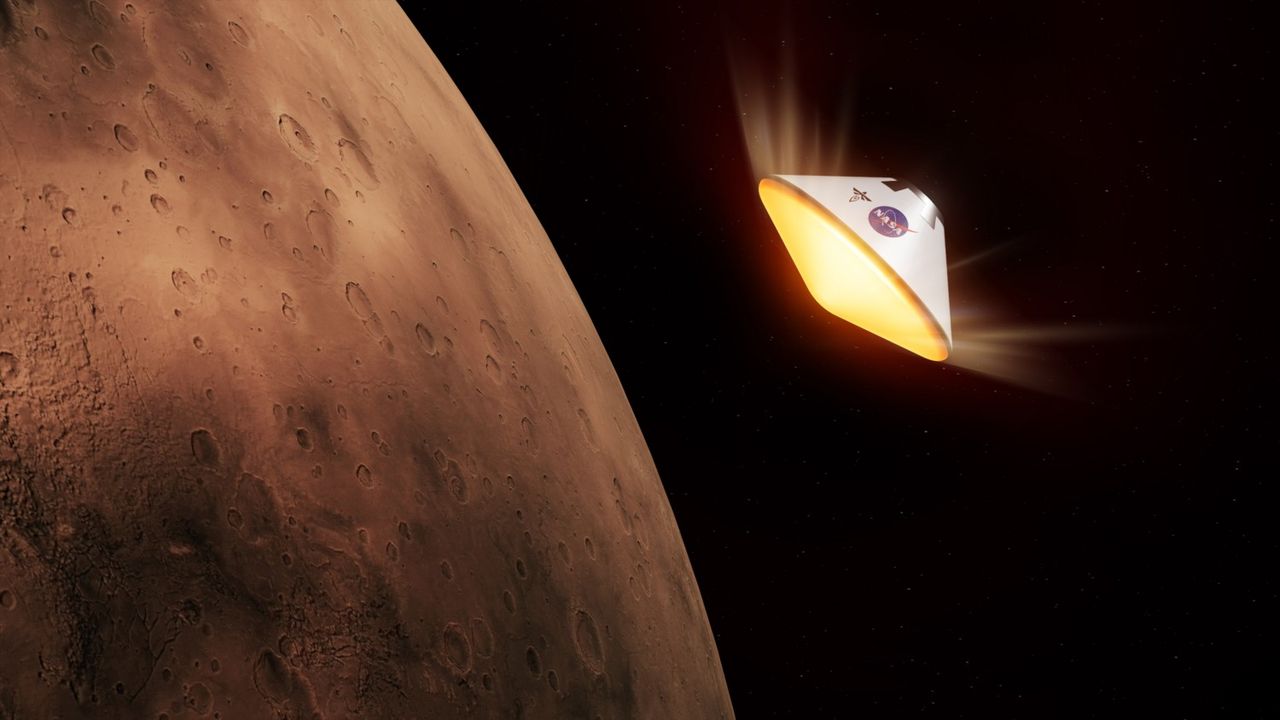
NASA has awarded Firefly Aerospace a $13 million subcontract to build the protective aeroshell for its first nuclear‑powered Mars probe, Skyfall, slated to launch in 2028. The aeroshell will shield the descent stage as the spacecraft plummets through Mars’ atmosphere and release a trio of Ingenuity‑style helicopters mid‑descent for immediate flight and resource mapping. The mission, managed by JPL, aims to demonstrate the helicopters’ onboard prospecting instruments and scout for water ice to inform future crewed landing sites. With work moving from Firefly’s Texas Gloworks facility to its Rocket Ranch for manufacturing and testing, Skyfall represents a new era of commercial partnership in interplanetary exploration.
Trump gifts Artemis astronauts an American flag from the US Capitol to plant on the moon
Original Publication Date: 2026-07-08 19:00
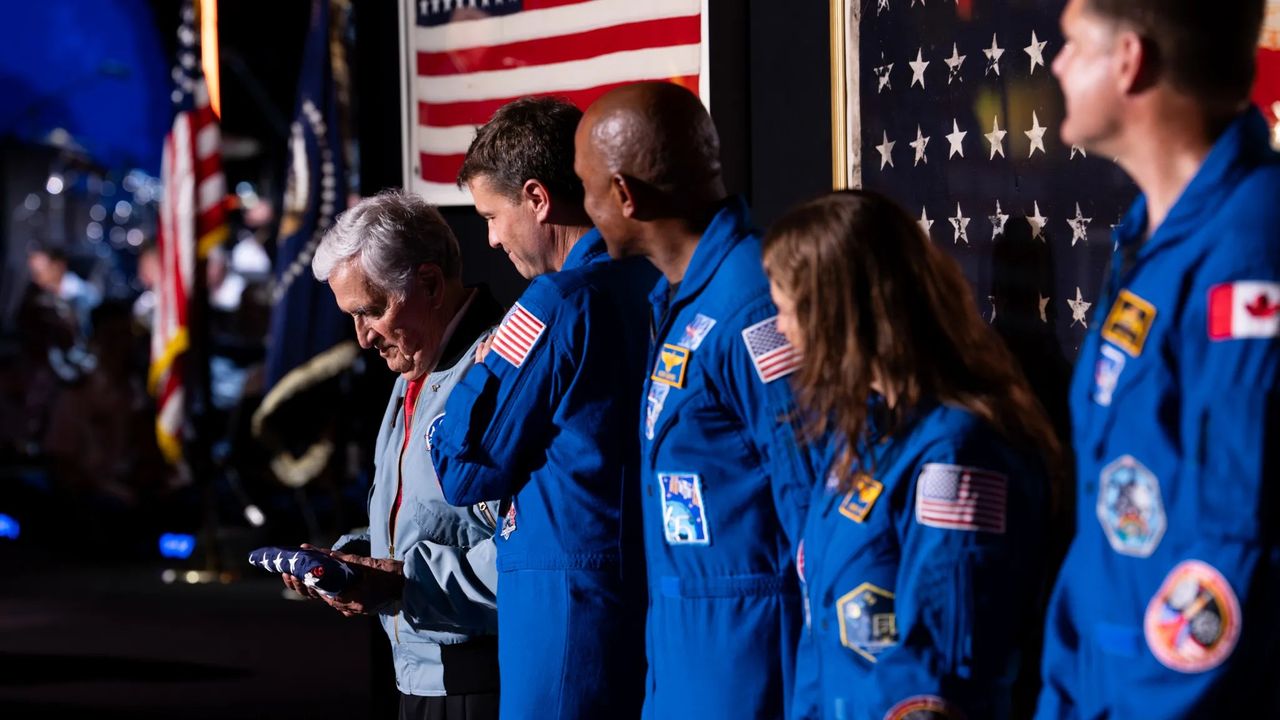
President Donald Trump presented a new American flag to the crew of NASA’s Artemis II during an Independence Day ceremony on the National Mall, symbolizing a fresh chapter in lunar exploration. The flag, handed to Apollo 17 veteran Jack Schmitt, will be carried by the astronauts to the moon as part of the upcoming Artemis IV mission slated for 2028. Artemis II, which orbited the far side of the moon in April, set a record for the farthest crewed flight from Earth, accelerating plans for Artemis III and IV. The ceremony highlighted the continuity between past and future lunar pioneers, underscoring America’s 250th‑birthday celebrations.
Miami-based City Labs achieves a first for commercial nuclear power in space
Original Publication Date: 2026-07-08 17:26
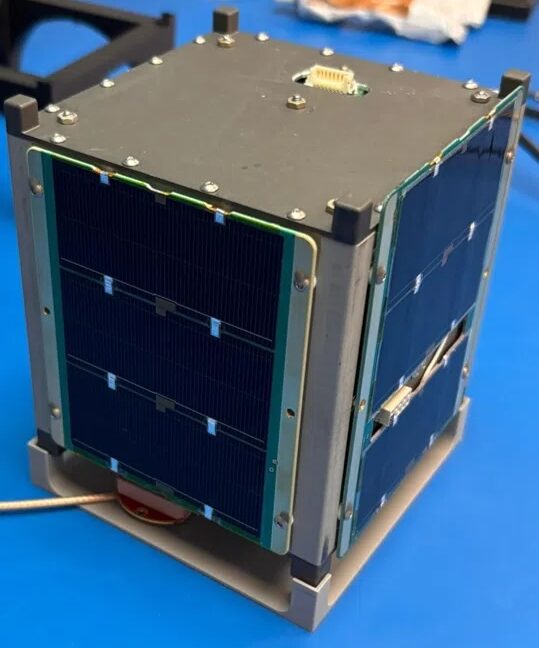
Florida startup City Labs has taken a step toward space‑based nuclear power with the launch of its small betavoltaic satellite, BOHR, on a SpaceX Falcon 9 rideshare mission. BOHR, standing for Betavoltaic Orbital High‑Reliability, will orbit Earth at 350–400 miles, paving the way for future nuclear reactors that could power lunar bases and deep‑space rockets. Though still a modest device, the mission marks a milestone in the development of micro‑nuclear technology for space applications. The launch demonstrates how incremental progress can bring ambitious space‑energy concepts closer to reality.