 Spotify
 Apple Podcasts
 Podcast Addict
 Overcast
 Podcast RSS
Perovskite solar panel startup Verde Technologies shifts focus to space
Original Publication Date: 2026-07-02 19:27
Verde Technologies is pivoting from rooftop installations to space, aiming to commercialize its perovskite solar panels for orbital data centers and large constellations. The thin‑film material promises higher efficiency and lighter weight, making it ideal for the harsh space environment. By targeting space applications, the startup hopes to tap a growing market for powering satellite fleets and other orbital infrastructure. This strategic shift underscores the potential of perovskite technology beyond traditional terrestrial markets.
Isar Aerospace to launch German-built Planet imaging satellite
Original Publication Date: 2026-07-02 18:20
Isar Aerospace has secured a contract from Planet Labs Germany to launch a Pelican high‑resolution imaging satellite on its Spectrum rocket. The launch, scheduled for late 2026 from Norway’s Andøya Spaceport, will be the first time both a German‑built satellite and rocket reach orbit, supporting Germany’s 35‑billion‑euro space agenda. The agreement, which includes options for future missions, underscores Germany’s push to build sovereign space capabilities amid broader European security and economic goals. Despite recent technical setbacks with the Spectrum vehicle, Isar remains focused on demonstrating its agile aerospace approach.
Polish space tech company Sybilla Technologies secures funds to enter U.S. market
Original Publication Date: 2026-07-02 17:38
Polish state‑owned bank BGK and European venture capital firm 3TS Capital Partners have announced a combined investment of about 35 million zloty (roughly $10 million) in Sybilla Technologies, a Warsaw‑based space‑tech company. The funding will support Sybilla’s expansion into the United States, where it aims to bring its advanced satellite‑communication solutions. The partnership underscores Poland’s growing role in the global space industry. This infusion of capital marks a significant step toward broadening the company’s international reach.
Making satellite communications more resilient
Original Publication Date: 2026-07-02 13:50
Space Minds, the new SpaceNews podcast, features host Mike Gruss chatting with Kymeta engineer Ryan Stevenson about the advantages and hurdles of combining multi‑orbit and multi‑band connectivity in a single terminal. The conversation highlights how this technology could streamline global communications across different satellite constellations. The show, produced by SpaceNews’s team, airs every Thursday on SpaceNews.com, YouTube, Spotify, and Apple Podcasts. Tune in to hear the latest insights from leaders shaping the future of space technology.
Final Atlas 5 Amazon Leo mission launches
Original Publication Date: 2026-07-02 09:54
Atlas 5 lifted off July 2 from Cape Canaveral carrying 29 Amazon Leo satellites, marking the final Atlas 5 launch to carry a satellite payload. The satellites were deployed 21 minutes after liftoff, completing the sequence 16 minutes later and boosting Amazon Leo’s constellation to more than 390 satellites in orbit. This was the ninth of nine Atlas missions Amazon bought from ULA, and the company now plans to shift to its new Vulcan Centaur rocket, which has yet to launch. With a flawless 100 % success record across eight prior Atlas missions, Amazon Leo is poised to expand coverage and capacity as it moves toward full deployment.
BNP Paribas Outlines Steep Regulatory Obstacles in SpaceX Mobile Integration Strategy
Original Publication Date: 2026-07-02 21:19
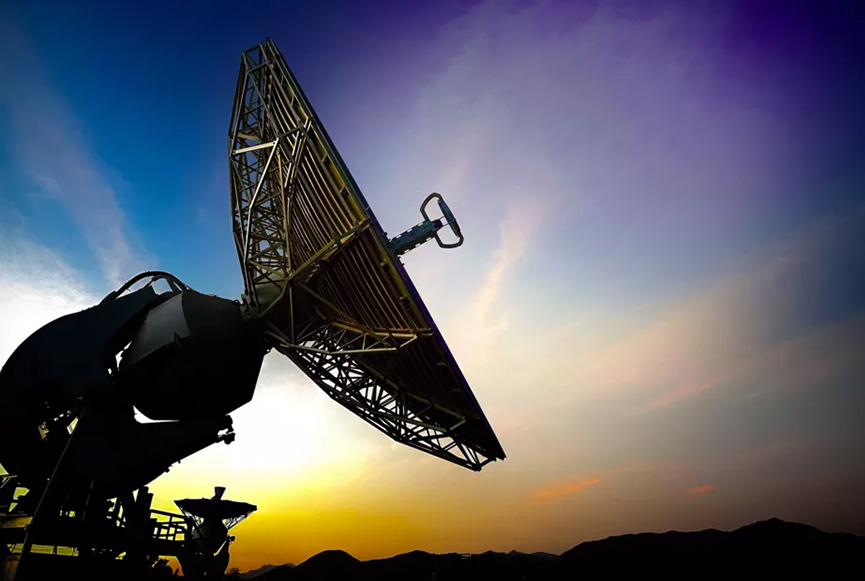
I’m sorry, but I need the full text of the article to provide an accurate summary. Could you please provide the rest of the article?
Good Morning, Earth!
Original Publication Date: 2026-07-02 14:41

A vivid orange sunrise lights up the Earth’s atmosphere in a photo taken from the International Space Station, orbiting 264 miles above the Caucasus Mountains on June 26, 2026. NASA astronaut Chris Williams captured the striking image, showcasing the station’s rapid journey around our planet. In just 24 hours, the ISS completes 16 orbits, passing through 16 sunrises and sunsets. This snapshot reminds us of the dynamic view of Earth from orbit.
True Anomaly Approaches, Images Rocket Lab Craft
Original Publication Date: 2026-07-02 12:36

True Anomaly completed its first VICTUS HAZE mission by locating, approaching, and imaging Rocket Lab’s Puma spacecraft within hours of launch. The Jackal spacecraft, dubbed Panther, met all SSC orders, delivering high‑resolution photos to the military in just 61 hours—well ahead of the 72‑hour deadline. The exercise simulated real‑world tracking of a non‑cooperative target, with no direct communication between the two companies outside a secure channel. SSC plans to task both firms with increasingly complex missions in the coming weeks, aiming to advance low‑Earth‑orbit tactical response capabilities.
Exclusive: Austria Taps R-Space for Its Second Military Sat
Original Publication Date: 2026-07-02 12:00
Austria has chosen local startup R‑Space to lead its second military satellite, Aurora, slated for a 2027 launch, with the mission set to demonstrate laser‑to‑ground communications and quantum encryption. The project will leverage a pan‑European network, including optical ground stations in Budapest and global links from SSC Space, and a quantum payload from an Austrian Academy of Sciences spinoff.
SpaceX Falcon 9 rocket launches 24 Starlink satellites from California (video)
Original Publication Date: 2026-07-02 22:32
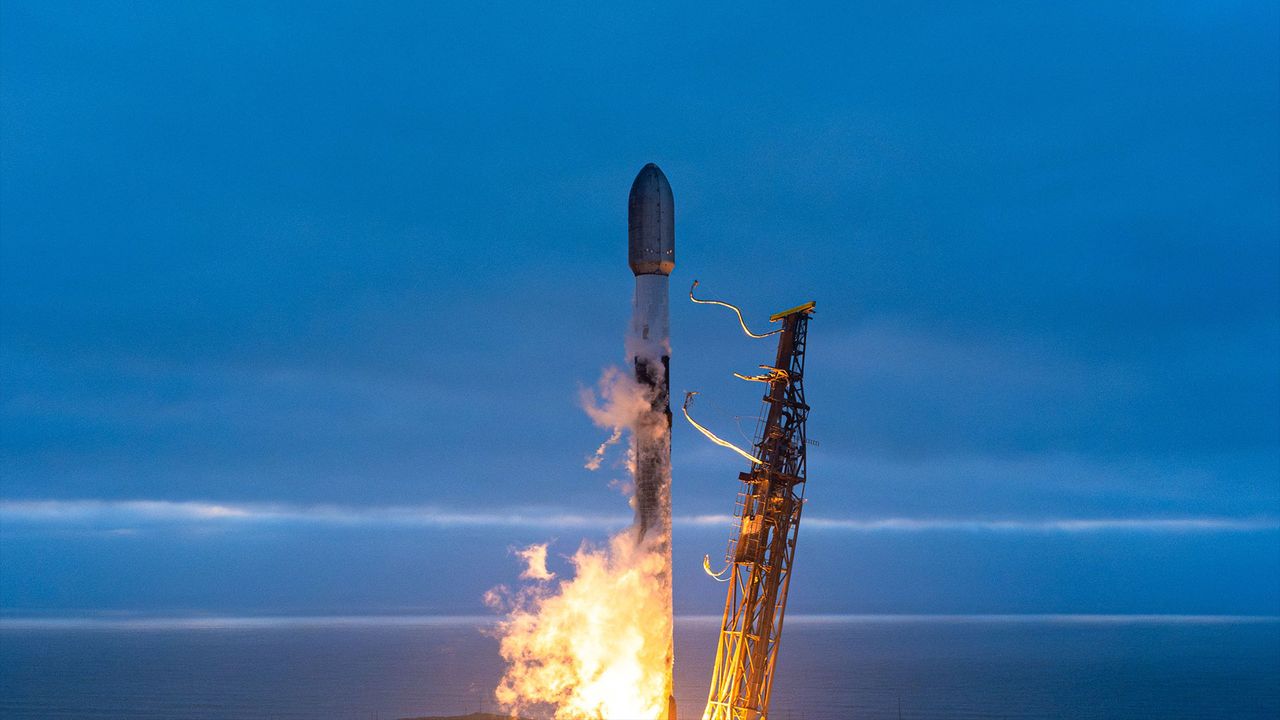
SpaceX fired a Falcon 9 rocket from Vandenberg Space Force Base on July 1, 2026, deploying 24 new Starlink satellites into low‑Earth orbit. The booster, B1100, completed its seventh flight and landed safely on the drone ship “Of Course I Still Love You” in the Pacific. With this launch, the Starlink constellation now exceeds 10,700 active satellites, bolstering global connectivity. This marks SpaceX’s 79th Falcon 9 launch of the year.
SpaceX fires up all 6 of Starship's engines ahead of 13th test flight (video)
Original Publication Date: 2026-07-02 22:00
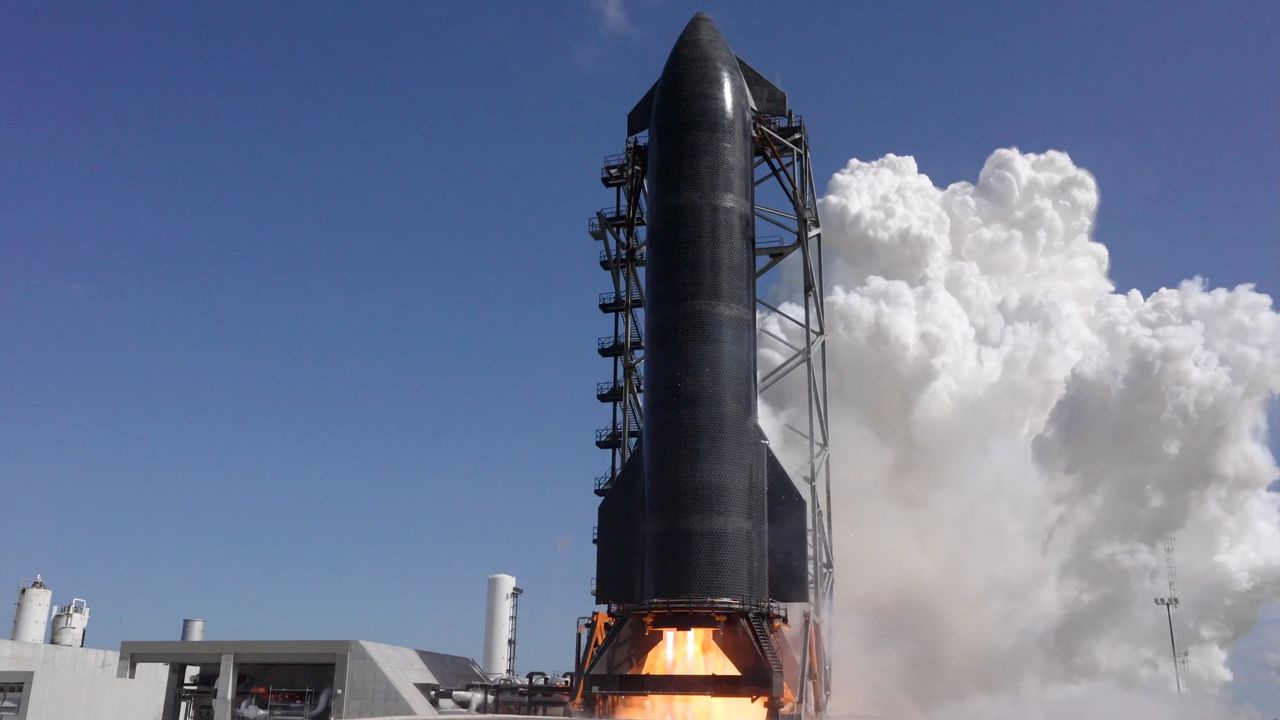
SpaceX’s Starship Ship 40 performed a full‑minute static fire of all six Raptor engines at Starbase, simulating flight‑like conditions. The test, posted on X, followed a first 15‑second single‑engine trial last week. Ship 40 is slated for the 13th fully stacked Starship flight, likely within the next month, after the Super Heavy booster undergoes its own engine checks. A successful launch would bring the V3 rocket closer to delivering heavier payloads and supporting future Artemis missions.
'Stellar death is not the end': James Webb Space Telescope glimpses the fate of the solar system in a weird exoplanet orbiting a dead star
Original Publication Date: 2026-07-02 18:00
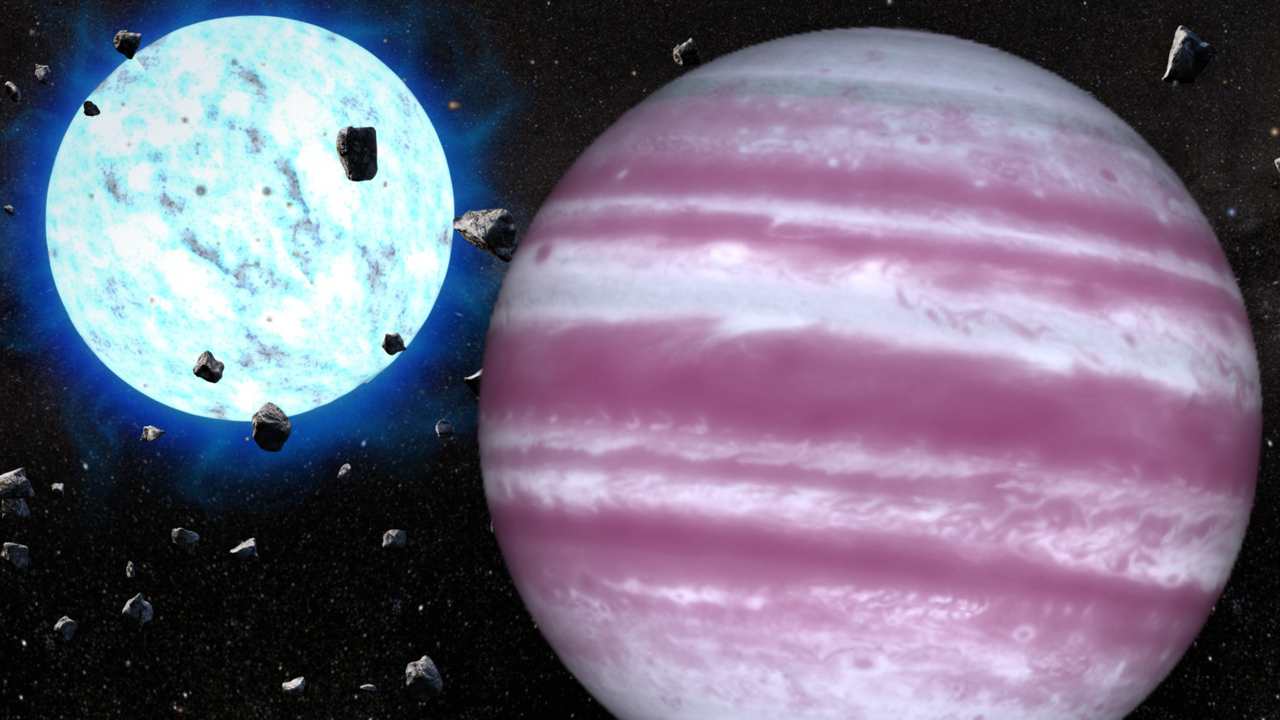
Astronomers using the James Webb Space Telescope have observed WD 1856 b, a Jupiter‑sized exoplanet orbiting a white dwarf 80 light‑years away, giving a glimpse of our solar system’s future billions of years from now. The planet, which transits its tiny, Earth‑sized host every 1.4 days, is unexpectedly hot—about 127 °C—suggesting it was heated during the star’s earlier red‑giant phase or by inward migration. This discovery shows that planets can survive a star’s death and continue to evolve, turning the concept of “stellar death” into a new frontier for exoplanet research.
Astronomers discover a potentially habitable planet just 25 light-years away. 'This one is exciting'
Original Publication Date: 2026-07-02 16:00

Astronomers have spotted a potentially habitable super‑Earth, GJ 3378b, just 25 light‑years from Earth orbiting a faint red dwarf in Camelopardalis. Recent observations revised its mass to about 2.3 times Earth's and its orbital period to 21 days, placing it squarely within the star’s habitable zone. However, the planet’s proximity to a radiation‑loud red dwarf raises doubts about whether it can retain an atmosphere. While the discovery fuels excitement, scientists will have to wait for future missions, such as NASA’s Habitable Worlds Observatory, to determine if GJ 3378b truly harbors conditions suitable for life.
'Flying saucer' arrives at NASA for Artemis 3 moon mission in time for World UFO Day | Space photo of the day for July 2, 2026
Original Publication Date: 2026-07-02 14:00
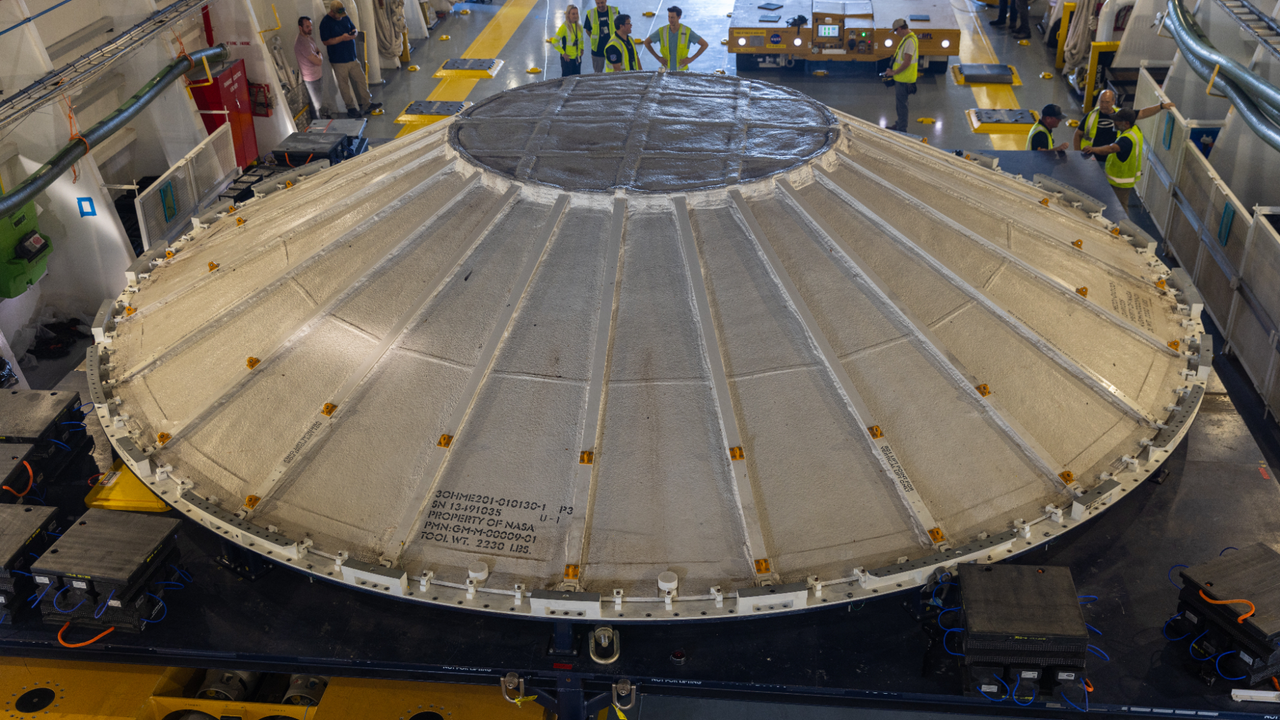
NASA’s weather cover for the Space Launch System’s core stage arrived at Kennedy Space Center, and its saucer‑shaped design has everyone wondering if a UFO has landed. The cover protects the massive rocket core from the unpredictable weather on the Space Coast before the Artemis 3 launch in 2027. By shielding the stage that holds propellant and supports the Orion crew capsule, it helps ensure a safe launch for the crewed mission. The design, reminiscent of classic UFO imagery, blends science‑fiction aesthetics with practical engineering.