 Spotify
 Apple Podcasts
 Podcast Addict
 Overcast
 Podcast RSS
Bowersox to retire from NASA
Original Publication Date: 2026-02-26 09:55
NASA associate administrator Ken Bowersox announced his retirement less than a week after an independent report slammed the agency’s handling of the Boeing Starliner test flight, and his deputy Joel Montalbano will take over. Bowersox, a former astronaut who flew four shuttle missions and a long‑duration ISS stint, said his departure was imminent but offered no timeline. The report, released after the Starliner’s uncrewed return and crew stranded on the ISS, called for tighter oversight of commercial crew programs and a corrective action plan. NASA now plans to tighten processes and expects Boeing to conduct an uncrewed Starliner test flight later this year.
Space Force halts Vulcan missions pending investigation into solid rocket Issue
Original Publication Date: 2026-02-26 07:14
The U.S. Space Force has halted all national‑security missions on United Launch Alliance’s Vulcan rocket until an investigation into a Feb. 12 launch anomaly is complete. The issue, an irregular plume from a solid‑rocket booster, echoes a 2024 incident that revealed a manufacturing defect now corrected by ULA. With the pause, ULA’s planned 18‑22 launches this year are delayed and the Space Force must rely solely on SpaceX for national‑security payloads. The investigation’s timeline remains unknown, leaving Vulcan’s future national‑security schedule uncertain.
Seraphim closes second early-stage space fund above $100 million target
Original Publication Date: 2026-02-26 00:01
Seraphim Space announced on Feb. 25 that it has closed its second private early‑stage venture fund, surpassing its $100 million target. The new fund will invest in emerging space technology startups. The announcement followed the company’s earlier success in raising capital for its first fund. Seraphim Space continues to position itself as a key player in the space startup ecosystem.
Golden Dome to require unprecedented coordination between U.S. combatant commands
Original Publication Date: 2026-02-25 21:19
Three U.S. Combatant commanders say they have been deeply involved in shaping the Pentagon’s Golden Dome missile‑defense initiative, a layered system that will fuse ground, air, and space sensors and interceptors. Space Command, Northern Command and Strategic Command have worked closely with program manager Gen. Michael Guetlein, sending liaison officers to the Pentagon and embedding staff to guarantee interoperability and rapid development. The goal is to protect the homeland from ballistic, hypersonic and cruise missile threats, with a significant space component that could involve hundreds of satellites for sensing and coordination. Commanders predict the initial capabilities may arrive sooner than the 2040 timeline once feared, as the program moves forward.
Valve malfunction blamed for failure of Indian satellite to raise its orbit
Original Publication Date: 2026-02-25 17:45
India’s space agency, ISRO, revealed that a faulty pyrotechnic valve kept the NVS‑02 navigation satellite stranded in a geostationary transfer orbit, preventing it from reaching its intended orbit. The valve failure, caused by a disconnect in the signal path, stopped oxidizer from reaching the satellite’s orbit‑raising engine, leaving the craft unable to complete its mission. ISRO has since upgraded the pyro system’s redundancy, a change already proven on the CMS‑03 satellite launched in November. This incident follows two recent PSLV launch failures, prompting a national expert committee to investigate organizational factors behind the setbacks.
SLS rocket hauled back to VAB for repairs
Original Publication Date: 2026-02-25 19:01
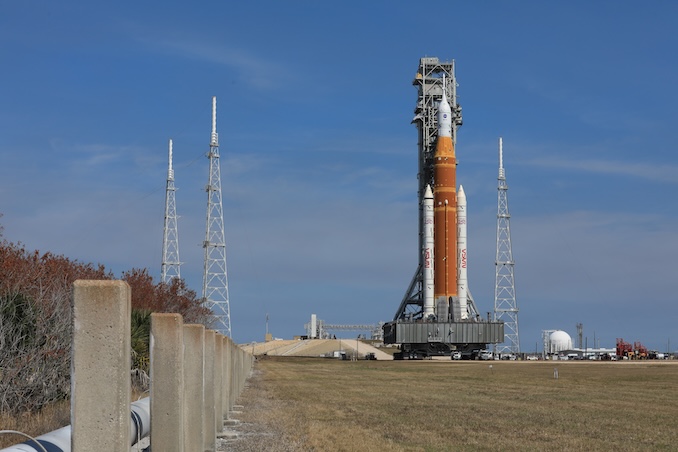
NASA’s crawler‑transporter 2 has rolled the Artemis 2 SLS rocket back to the Vehicle Assembly Building to fix a helium pressurization issue that delayed the launch. Engineers will access the Interim Cryogenic Propulsion Stage to repair the valve, replace batteries, and ensure the rocket is ready for a crewed lunar fly‑by. The problem, first spotted after a wet‑dress countdown, pushes the launch window to no earlier than April 1, as trajectory windows are limited. The team hopes the fixes will clear the way for four astronauts to orbit the Moon and return to Earth.
SpaceX launches 500th Starlink satellite in 2026 during Wednesday Falcon 9 flight
Original Publication Date: 2026-02-25 12:21
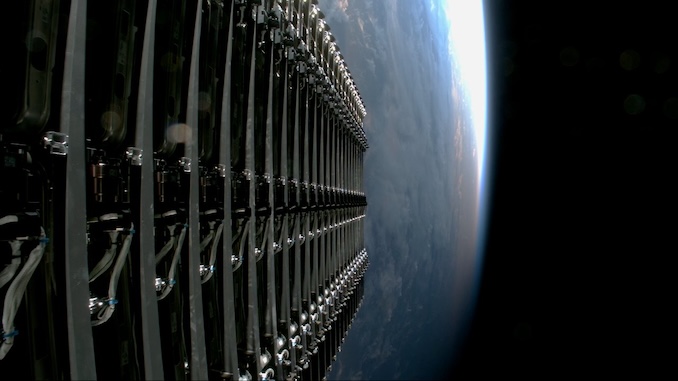
SpaceX launched its 500th Starlink satellite of 2026 on Feb. 25 from Vandenberg, adding 25 V2 Mini satellites to the constellation. The Falcon 9 rocket, booster 1093, completed its 11th flight and deployed the payload within an hour of liftoff.
Sovereign Checkpoints and Debt Cliffs
Original Publication Date: 2026-02-25 23:00
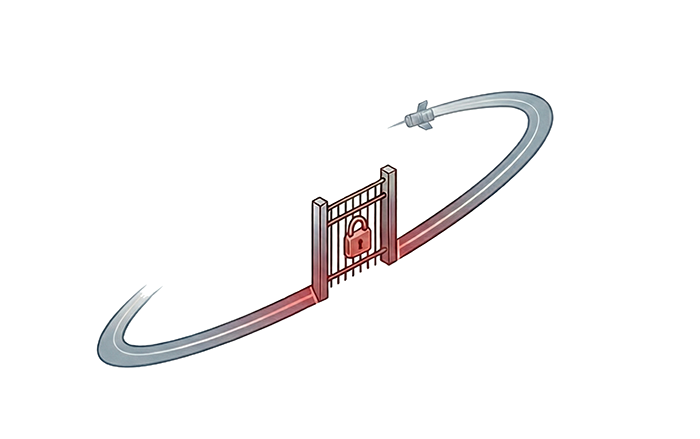
National borders and new sovereign mandates are reshaping the satellite industry, fracturing the once‑borderless low‑Earth‑orbit market into distinct spheres as China and Europe build independent orbital infrastructure. At the same time, EchoStar’s $40 billion spectrum windfall—spurred by the sale of AWS‑4 and H‑block licenses to SpaceX and AT&T—has allowed it to abandon terrestrial towers and pivot to Direct‑to‑Device connectivity, a move mirrored by the FCC’s approval of SpaceX‑T‑Mobile’s indoor coverage license. However, the shift to orbit has exposed a launch bottleneck, with Amazon’s Leo program stalling due to a shortage of heavy‑lift rockets and even booking SpaceX launches to meet deadlines. These developments underscore that while capital flows and technology are driving change, sovereign spectrum protectionism remains the final hurdle for global mesh networks.
Where the Money is in Space
Original Publication Date: 2026-02-25 17:17

In early 2026, satellite revenue is split between high‑margin government contracts from the Space Development Agency and high‑volume subscriber revenue from LEO constellations such as Starlink. The SDA’s firm‑fixed‑price tranches, totaling about $3.5 billion for 72 satellites, provide predictable, industrial‑scale income for manufacturers like Lockheed Martin, Rocket Lab, and Northrop Grumman. Meanwhile, Starlink’s 9.2 million customers and $10 billion in 2025 revenue are projected to reach $15.9–$24 billion in 2026, with new verticals in maritime, aviation, and emergency services expanding its market.
Beyond the Stovepipe: Why SDR Technology Marks the End of Single-Mission Ground Infrastructure
Original Publication Date: 2026-02-25 17:06

Satellite operators are moving from rigid, one‑to‑one hardware chains to software‑defined radio (SDR) systems, mirroring the telecom shift of the past two decades, says Hans Martin Steiner of Terma. By running modem functions as software on general‑purpose servers, ground stations can provision capacity on demand, turning capital expenses into operational ones and enabling rapid post‑launch reconfiguration. SDR also offers automated interference mitigation, multi‑tenant “ground station as a service” models, and a “security‑by‑design” approach with zero‑trust principles to protect spacecraft links. Looking ahead, AI‑driven cognitive radio networks will autonomously optimize spectrum in real time, outperforming human operators in crowded orbital environments.
SpaceX Unveils 150Mbps Performance Target for Upgraded Direct-to-Cell Starlink
Original Publication Date: 2026-02-25 16:24

SpaceX unveiled its Direct‑to‑Cell roadmap at the ITU Space Connect conference, aiming for 150 Mbps speeds that would rival terrestrial 5G. The plan hinges on a $17 billion purchase of EchoStar’s AWS‑4 and H‑Block mid‑band spectrum and a new 15,000‑satellite VLEO constellation that will act as “cell towers in space.” Initial testing is slated for late 2027, with full service expected by 2028 once the satellite density is achieved.
AIRMO and EnduroSat Partner to Launch High-Precision Methane Monitoring Mission
Original Publication Date: 2026-02-25 15:36
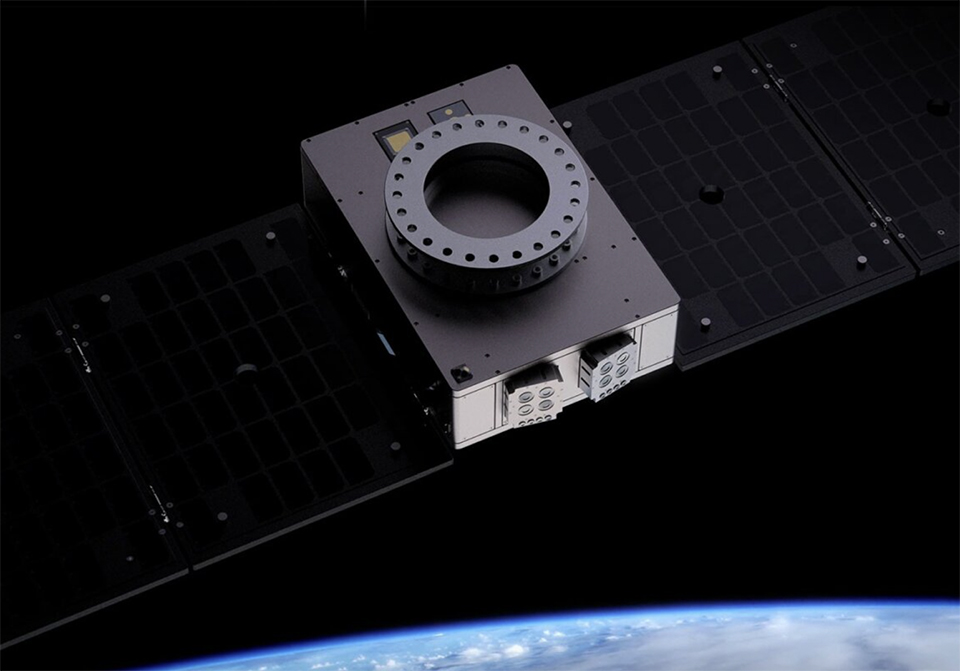
Berlin‑based AIRMO and Bulgarian satellite maker EnduroSat have teamed up to launch a dedicated methane‑monitoring satellite in early 2027. Using EnduroSat’s FRAME‑15 modular platform and AIRMO’s dual‑sensing suite—SWIR spectrometer and LiDAR—the satellite will deliver independent, facility‑level emissions data for the oil, gas, mining and agricultural sectors, addressing a critical reporting gap under the EU Methane Regulation. The 2027 mission will serve as a pathfinder for a constellation of more than 12 satellites that AIRMO plans to deploy by 2028, providing high‑temporal‑resolution global monitoring of super‑emitters.
Dry-Season Floods Drench Northern Colombia
Original Publication Date: 2026-02-26 05:01

NASA’s Earth Observatory images reveal that heavy February rains turned northern Colombia’s Córdoba department into a flooded landscape, submerging farmland, pastureland, and communities. An unusual cold front brought 4‑7 cm of rain per day, with satellite data recording 1.7 cm per hour near Lorica.
NASA’s Aerospace Safety Advisory Panel Releases 2025 Annual Report
Original Publication Date: 2026-02-25 22:27
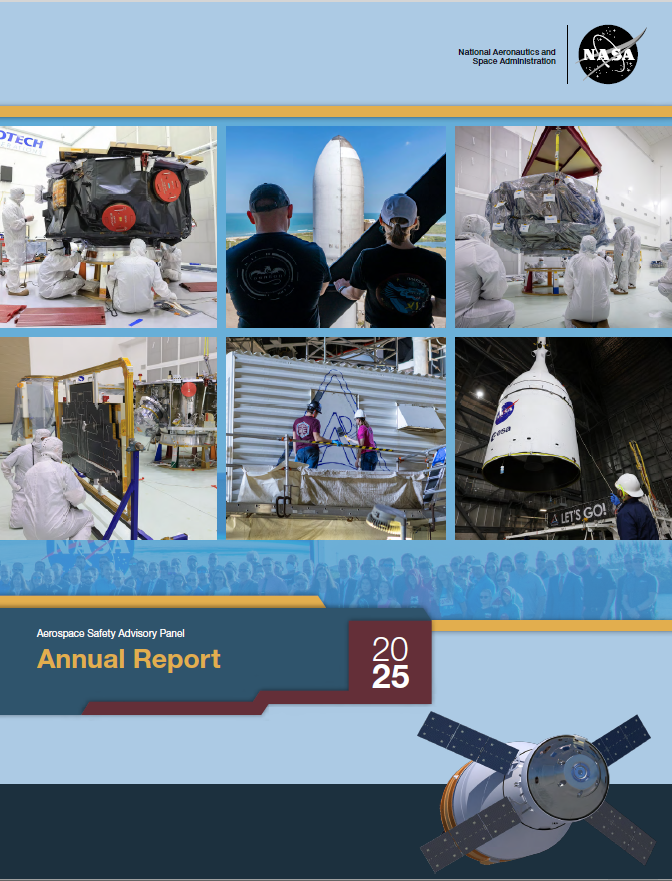
NASA’s Aerospace Safety Advisory Panel released its 2025 report, praising safety gains but warning that workforce, acquisition, budgets, technical authority and rising complexity of human spaceflight pose major challenges. The panel highlights progress on Artemis II, ISS operations, astronaut health research and the X‑59 Low‑Boom demonstrator, while flagging high risk for Artemis III, lessons from Boeing’s Starliner and ISS deorbit planning. Recommendations include realigning acquisition governance, reexamining Artemis III objectives, timely mishap reporting and boosting core competencies through staff conversion and launch cadence. NASA Administrator Jared Isaacman emphasized transparency and accountability as key to keeping crews safe and advancing the Artemis lunar campaign and commercial low‑Earth‑orbit presence.
Making an Entrance
Original Publication Date: 2026-02-25 19:44
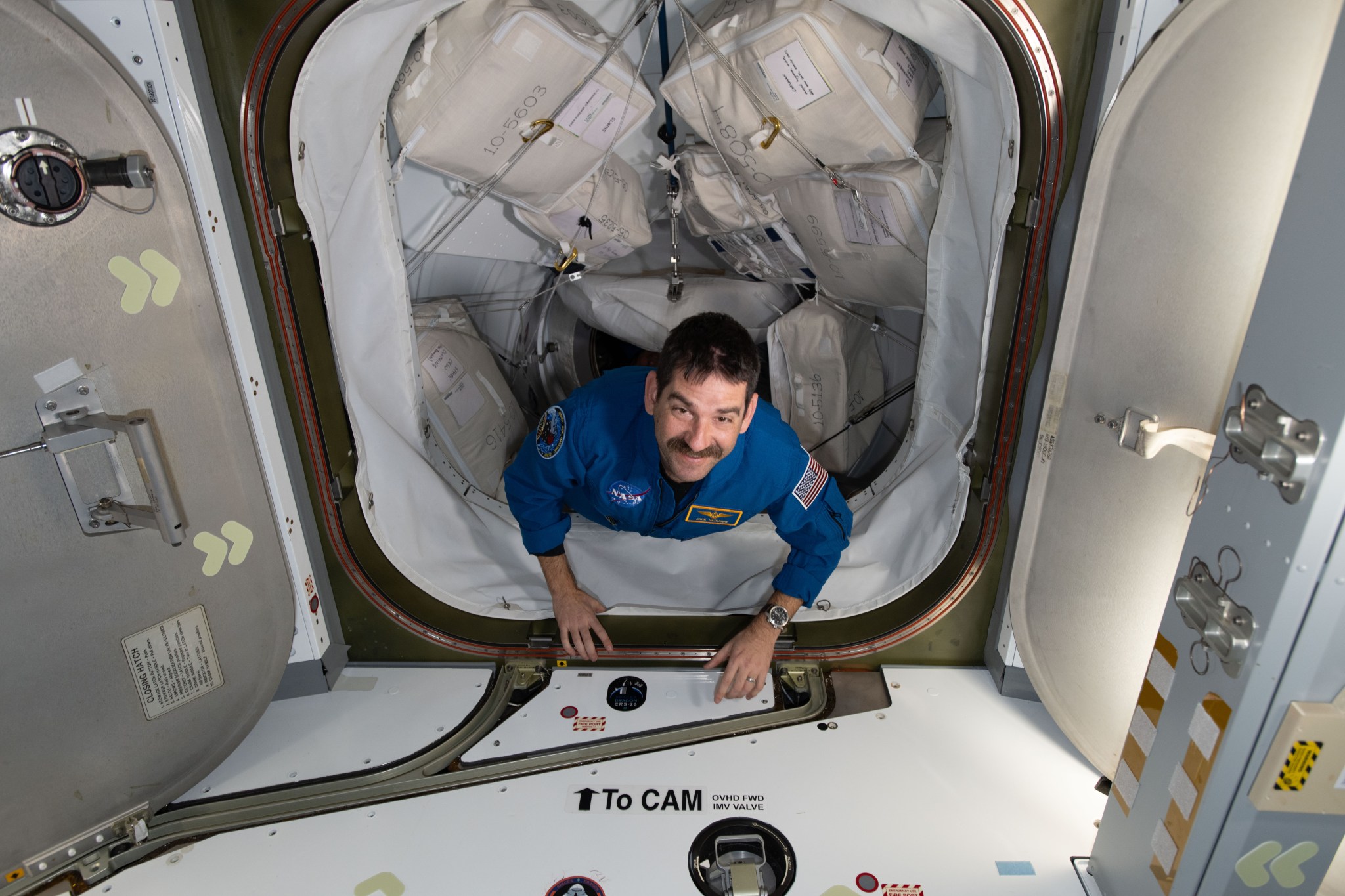
NASA astronaut Jack Hathaway arrived at the International Space Station on February 14, 2026, after docking aboard a SpaceX Dragon spacecraft as part of Crew‑12 for Expedition 74.
Listen to This Month’s ‘Planetary Parade’ With NASA’s Chandra
Original Publication Date: 2026-02-25 17:26

In late February, six planets will line up in the Northern Hemisphere sky, a rare “planetary parade” that NASA’s Chandra X‑ray Observatory is celebrating with new sonifications. The sonifications translate Chandra’s X‑ray data into sound, letting listeners experience Jupiter, Saturn, and Uranus in ways that visual observation cannot. Each planet’s unique features—Jupiter’s auroras, Saturn’s rings, and Uranus’s icy glow—are represented by distinct musical tones and textures. NASA’s initiative showcases how space data can be shared through innovative audio experiences.
NASA Study to Analyze Fermented Food Samples from Space
Original Publication Date: 2026-02-25 15:58
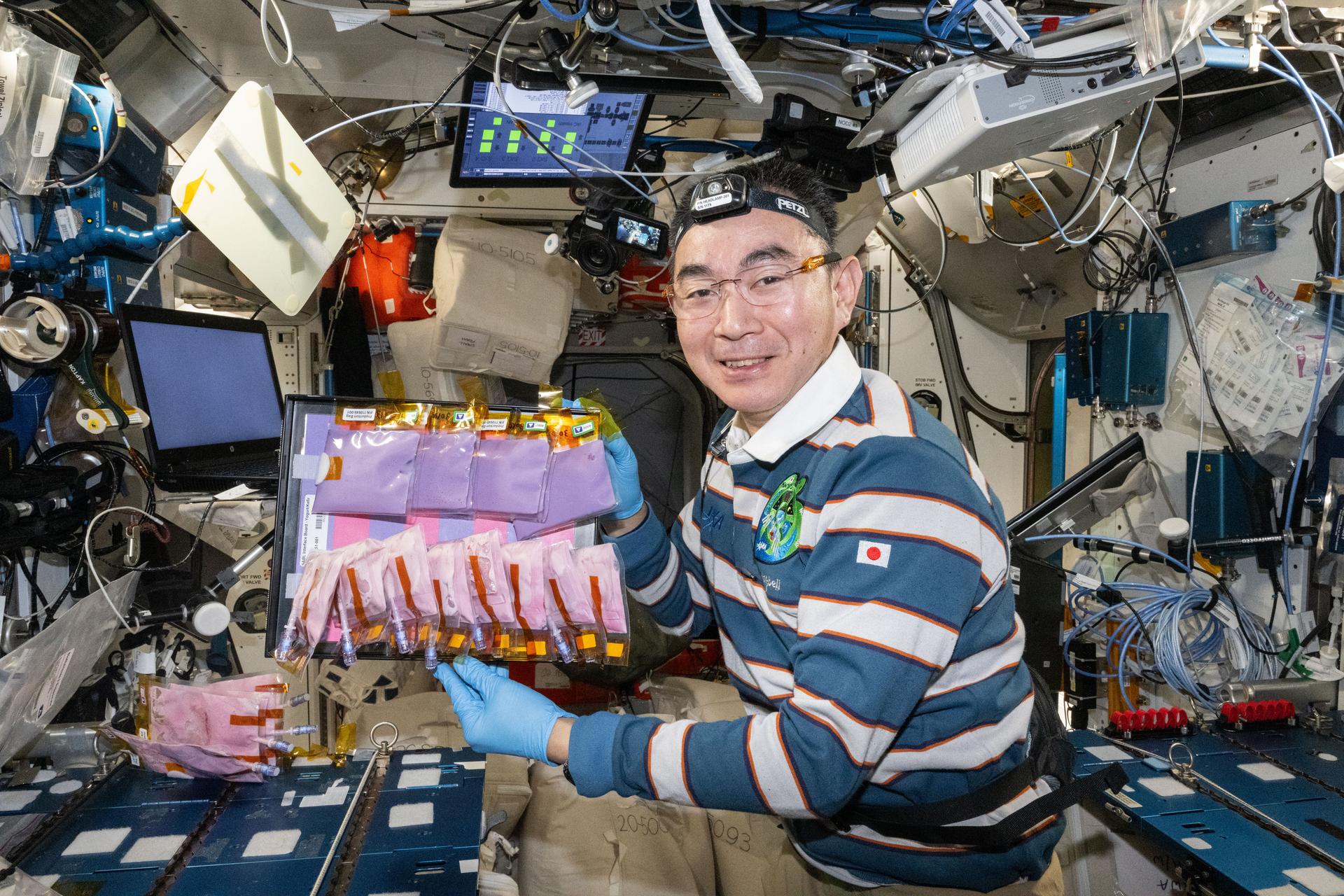
NASA’s BioNutrients‑3 experiment on the International Space Station has astronauts grow probiotic cultures to produce essential nutrients on demand for future deep‑space missions. Kimiya Yui of JAXA recently loaded production bags of yogurt‑type cultures aboard the ISS, while NASA’s team remotely monitored the process from Ames Research Center. The samples, along with other valuable data, will return to Earth on a SpaceX Dragon spacecraft leaving the station on Thursday, Feb. 26, with live coverage available on NASA+. Once back, scientists will analyze the results to help develop nutrient‑production methods for NASA’s Artemis program.
NASA rolling back SLS, delaying Artemis II to April
Original Publication Date: 2026-02-25 09:45

NASA has begun rolling back the Space Launch System rocket and Orion spacecraft to the Vehicle Assembly Building after an unexpected helium flow interruption in the interim cryogenic propulsion stage was detected overnight. The rollback, which started at about 9:45 a.m. Local time, effectively knocks the planned March 6 launch out of the window and shifts the Artemis II timeline toward a possible April liftoff.
Intuitive Machines, Seraphim Announce Fundraising Wins
Original Publication Date: 2026-02-25 23:01
Intuitive Machines secured a $175 million strategic equity investment from unnamed global institutional investors to expand its Near Space Network Services and build a “solar system internet” independent of Earth, aiming to provide connectivity from Earth to the Moon and beyond to Mars. The company also recently acquired Lantaris Space Systems, bolstering its communications and data‑processing capabilities.
Exclusive: Charter Space Launches an Insurance Brokerage
Original Publication Date: 2026-02-25 13:48

Charter Space has launched the Charter Interplanetary Risk Corporation, a nationally‑licensed brokerage that offers space companies quick, comprehensive coverage. Leveraging five years of mission‑management data, CIRC promises one‑click quotes and policy placements in as little as two weeks, covering everything from pre‑launch manufacturing to on‑orbit liability. With an estimated 97 % of operational satellites currently uninsured, the brokerage aims to streamline underwriting, lower premiums, and support the projected tens of thousands of new satellites expected before 2030. By handling the bulk of paperwork and underwriting work, Charter hopes to accelerate deals and empower more firms to pursue ambitious missions with confidence.
OQ Technology Lands €25M in EIB Venture Debt Financing
Original Publication Date: 2026-02-25 13:46
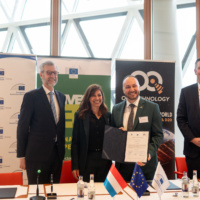
The European Investment Bank has awarded Luxembourg‑based OQ Technology €25 million in venture debt to develop and launch over 20 satellites in the next two years, bolstering Europe’s direct‑to‑device (D2D) ambitions. The funding follows a €2.5 million grant and up to €15 million in equity from the European Innovation Council, and comes after OQ’s 130 % revenue jump and successful emergency broadcast demo. With the new capital, OQ plans to double its staff to more than 100, expand to a 30‑satellite constellation, and eventually operate 100 D2D payloads, partnering with telcos such as O2 Telefónica, KPN, and Monogoto. This backing signals growing European confidence in a sovereign D2D network that will offer text and voice connectivity across the continent by 2027.
Why are there so many 'space snowmen' in our solar system? New study offers clues
Original Publication Date: 2026-02-26 11:00
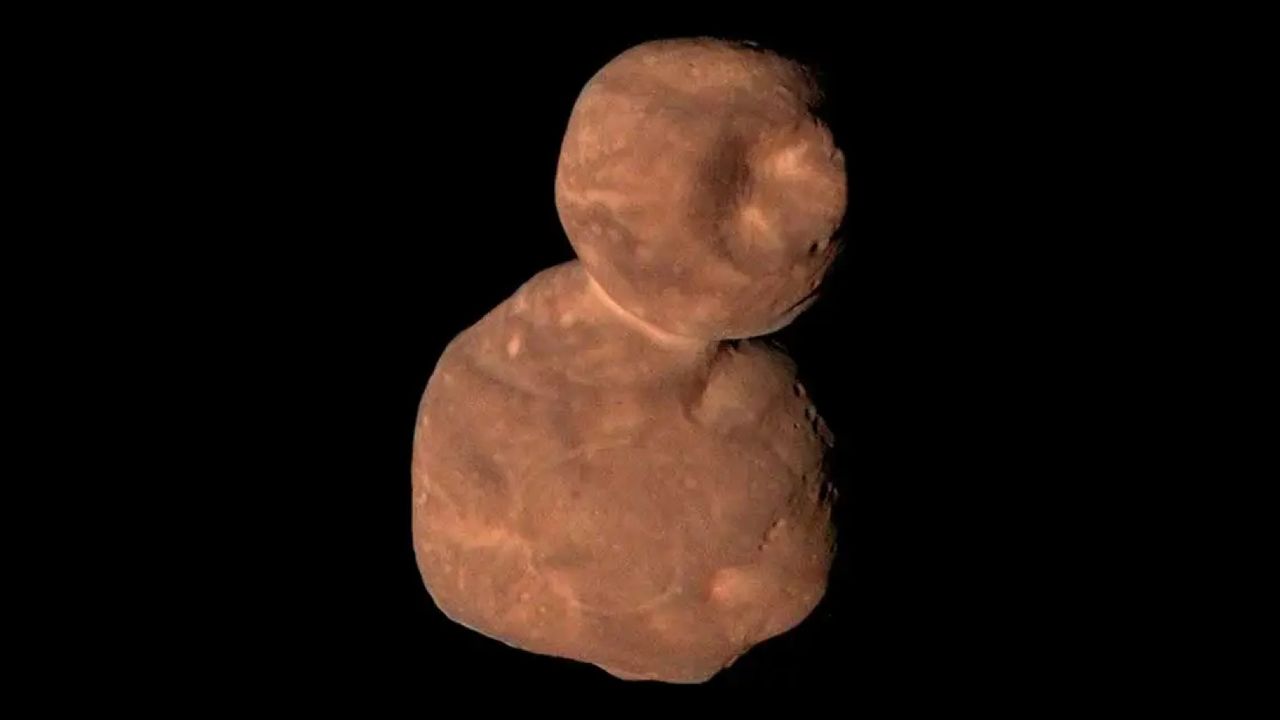
New research shows that icy “snowmen” beyond Neptune form when spinning clouds of pebbles split into binary planetesimals that later spiral together and fuse. The model demonstrates that the relative speed of the clouds and how tightly the particles stick together determine whether the final body is spherical, cigar‑shaped, or snowman‑like. In simulations only 4 % of planetesimals became contact binaries—below the 10–25 % astronomers had expected—indicating that more detailed particle modeling may be needed. These findings also suggest that such binaries can survive for billions of years and that more complex, multi‑body systems may be common in the Kuiper Belt.
Watch SpaceX Dragon cargo capsule head for home today after historic ISS-boosting mission
Original Publication Date: 2026-02-26 05:05
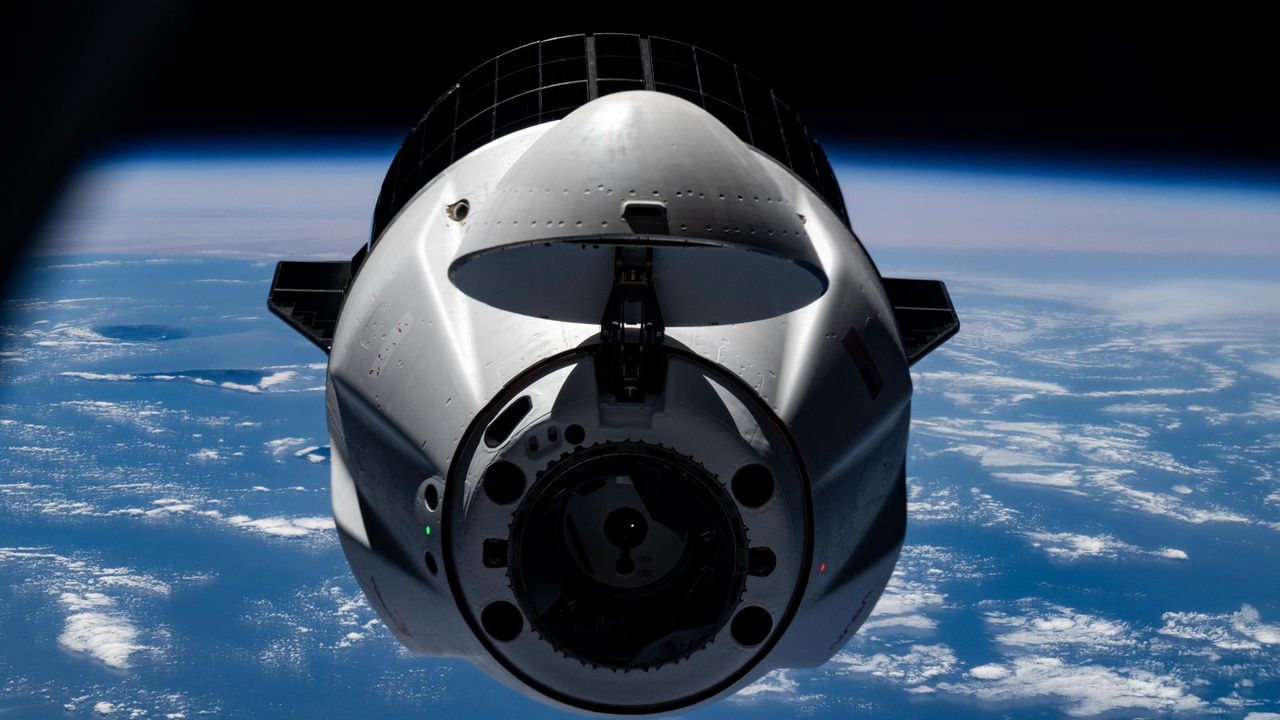
SpaceX’s CRS‑33 Dragon cargo capsule will undock from the International Space Station at 12:05 p.m. ET today after a six‑month stay that included six reboost maneuvers to keep the station’s orbit stable. The reusable spacecraft, which delivered roughly 5,000 pounds of supplies and scientific experiments, will return to Earth under parachutes, splashing down in the Pacific off California on February 27. Its reboost capability—previously performed only by Russia’s Progress freighter—demonstrates a new option for maintaining ISS altitude if other partners depart. The capsule’s departure marks the end of a mission that helped prove reusable cargo ships can also lift the station itself.
NASA's Artemis 2 moon rocket returns to hangar for repairs. When could it fly?
Original Publication Date: 2026-02-26 02:00
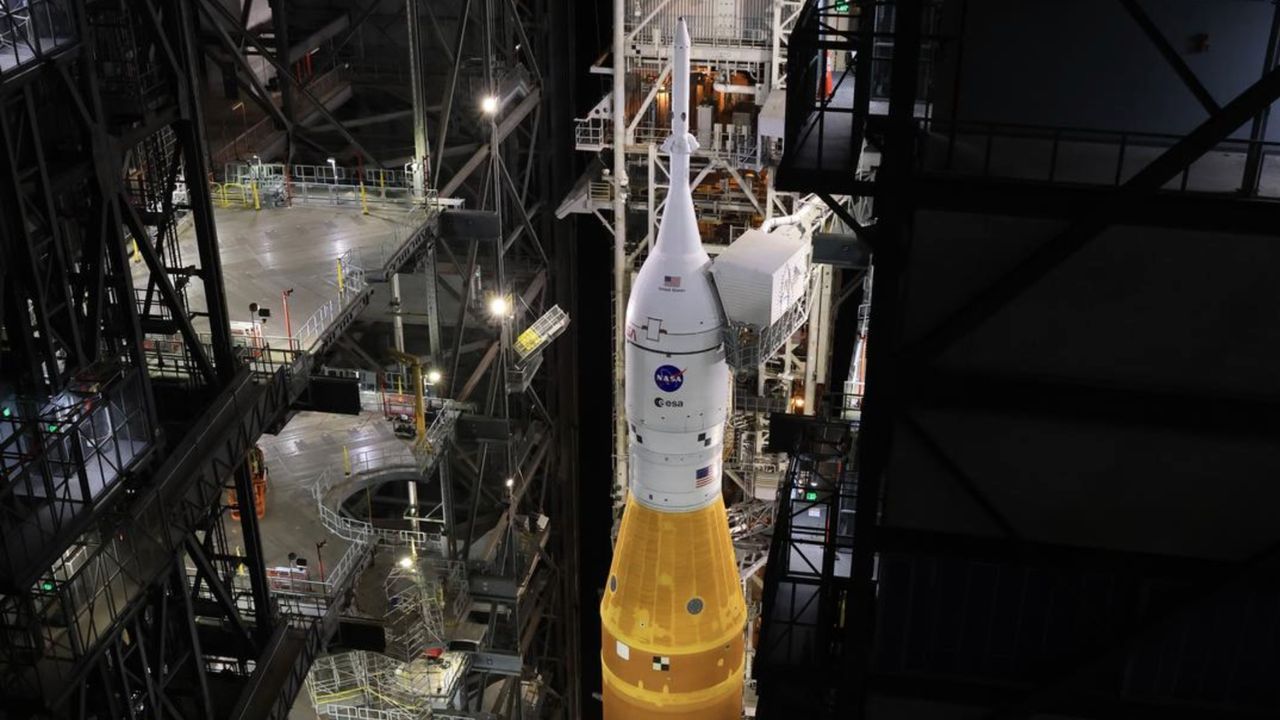
NASA’s Artemis 2 Space Launch System has rolled back from Launch Complex‑39B to the Vehicle Assembly Building after a helium‑flow malfunction in its upper stage halted the planned March 6 launch. The 322‑foot rocket completed a 10.5‑hour, four‑mile trek on a crawler‑transport vehicle, allowing engineers to access the ICPS tanks that are only reachable inside the VAB.
Antigravity A1 drone review
Original Publication Date: 2026-02-25 21:01
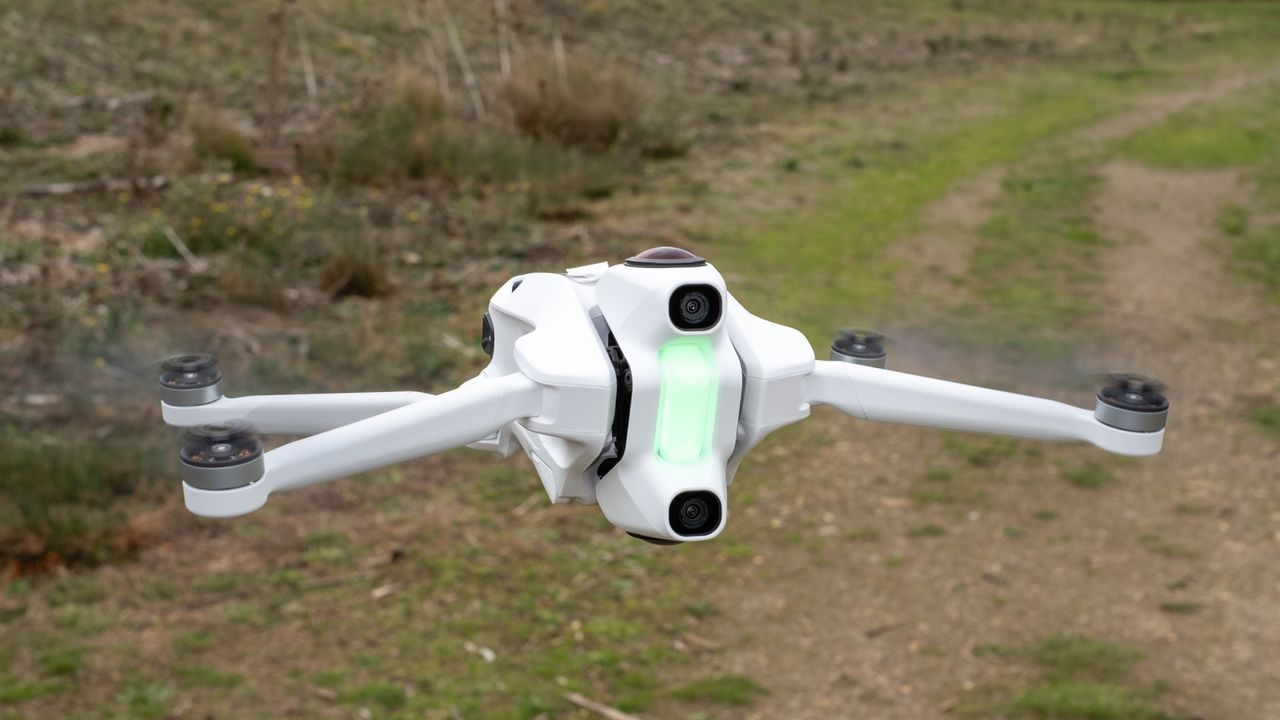
The Antigravity A1 prototype has completed its first flight, marking a significant milestone in aerospace innovation. Engineers reported stable lift and controlled descent, validating the new antigravity technology. The flight was conducted under controlled conditions at the company’s test facility, with no incidents reported. The success paves the way for further testing and potential commercial applications.
Black holes! Supernovas! Merging galaxies! Oh my! Largest radio survey of the cosmos ever reveals 13.7 million powerful cosmic objects and events
Original Publication Date: 2026-02-25 21:00
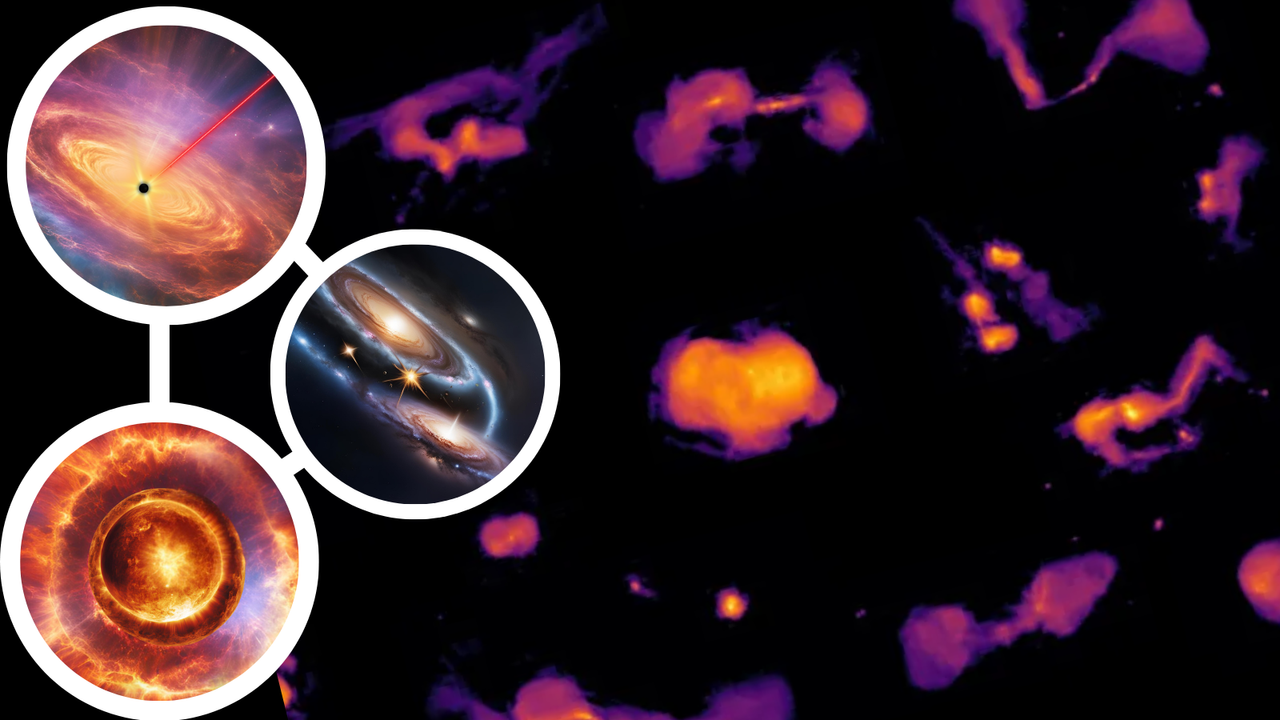
Astronomers using the world’s largest low‑frequency radio telescope, LOFAR, have completed the LoTSS‑DR3 survey, uncovering 13.7 million radio‑bright objects across the sky. The catalogue includes powerful jets from supermassive black holes, colliding galaxies, and supernova explosions, offering an unprecedented view of high‑energy processes invisible to optical telescopes. By mapping these radio emissions, scientists can study how black‑hole jets influence the growth and evolution of their host galaxies. This breakthrough survey promises to reshape our understanding of active galactic nuclei and the cosmic environments that host them.