 Spotify
 Apple Podcasts
 Podcast Addict
 Overcast
 Podcast RSS
LatConnect 60 and Phi Earth Partner to Connect Space and Soil
Original Publication Date: 2026-08-27 01:54
LatConnect 60 and Phi Earth have teamed up to link satellite observations with on‑ground soil data, creating a more comprehensive view of Earth’s ecosystems. The partnership will harness the vast amounts of environmental data generated by nature‑based projects, combining orbital imagery with field measurements. By bridging space and soil, the collaboration aims to improve climate monitoring, land‑use planning and conservation efforts. This initiative highlights the growing importance of integrated data sources in environmental science.
The threat environment and processing at the edge
Original Publication Date: 2026-08-26 14:29
SpaceNews host Mike Gruss sits down with FrontGrade CTO Lorne Graves to explore the evolving role of onboard processing in today’s satellite fleets. The conversation highlights how spacecraft are being equipped with more powerful, edge‑computing hardware to keep pace with the explosive growth of megaconstellations. Graves explains that this shift not only improves data throughput but also enhances real‑time decision‑making, boosting resilience against a more hostile threat environment. Together, they paint a picture of a future where satellites process and act on data locally, reducing latency and increasing mission autonomy.
SpaceX launches 27 Starlink satellites on Falcon 9 rocket from Vandenberg
Original Publication Date: 2026-08-25 22:28
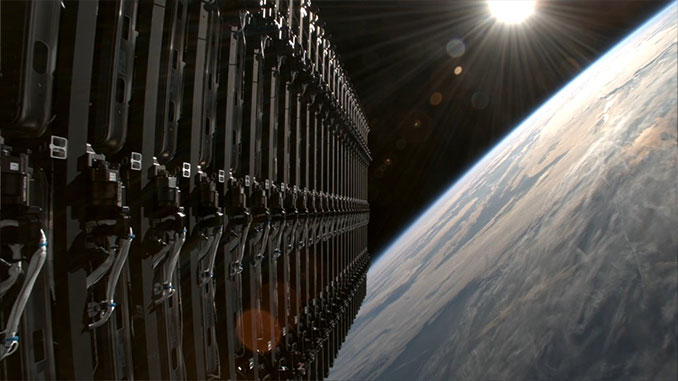
SpaceX launched its 15‑22 Starlink mission from Vandenberg, adding 27 new broadband satellites to its low‑Earth‑orbit network. The Falcon 9 booster B1082, on its 24th flight, landed on the droneship Of Course I Still Love You, marking the 655th Falcon booster landing overall. This launch follows a day after the 10‑49 mission from Cape Canaveral and is the last planned Falcon 9 Starlink launch from Florida as the company pivots to Starship. SpaceX’s Vice President praised the Falcon 9’s reliability and the constellation’s growing impact on global connectivity.
Palladyne AI and NORDA Dynamics Partner to Integrate Autonomous Swarming and Terminal Guidance Software
Original Publication Date: 2026-08-26 22:08

On August 26, 2026, U.S. Defense‑tech firm Palladyne AI Corp. And Ukrainian‑Estonian drone autonomy developer NORDA Dynamics announced a partnership to merge their AI software platforms, aiming to enhance military drone performance. The collaboration will combine Palladyne’s perception algorithms with NORDA’s autonomous flight control systems, creating a more robust and adaptable unmanned aircraft ecosystem. Experts say the joint effort could accelerate the deployment of next‑generation drones in conflict zones and improve battlefield situational awareness. This strategic alliance marks a significant step toward greater U.S. And Eastern European cooperation in defense technology.
Silicon Valley Space Week Speaker Focus: Dr. Slava Turyshev, NASA Jet Propulsion Laboratory
Original Publication Date: 2026-08-26 19:34

A NASA Jet Propulsion Laboratory astrophysicist released new calculations on orbital computing power, showing that one megawatt of onboard processing requires 5,640 square meters of solar panels and 2,500 square meters of radiator area, with launch and build costs ranging from $250 to $1,000 per kilogram.
Aurora Avionics Secures Contract to Supply Control and Power Electronics for Alpha Impulsion Autophage Engine
Original Publication Date: 2026-08-26 16:07

Edinburgh‑based flight‑control firm Aurora Avionics has signed a hardware supply deal with European launch developer Alpha Impulsion, effective August 26, 2026. Under the agreement, Aurora will design and manufacture key components for Alpha’s next‑generation launch vehicles. The partnership aims to bolster Alpha’s production capabilities and accelerate its deployment schedule. The deal marks a significant step for both companies in the competitive space‑launch market.
GomSpace Delivers 30% First-Half Revenue Growth and Reaffirms 2026 Financial Guidance
Original Publication Date: 2026-08-26 15:50
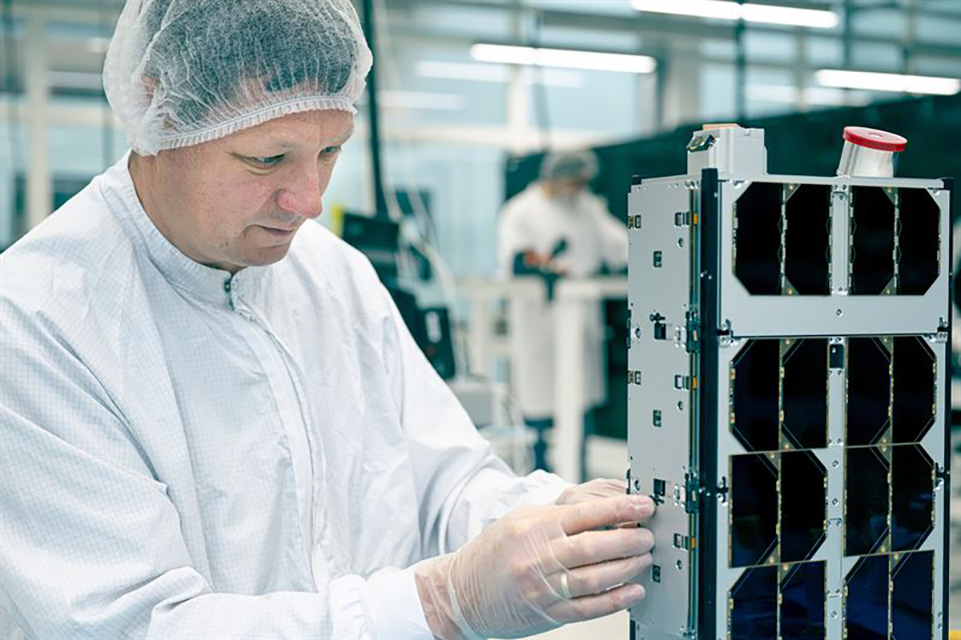
Danish satellite maker GomSpace Group AB released its Q2 and H1 2026 interim report on August 26, reporting a 30 % jump in revenue and a 15 % rise in net profit, driven by a surge in commercial satellite launches. The company also highlighted a 20 % increase in its launch contracts and expanded its partnership network across Europe and the United States.
Building Foresight for Earth Science, featuring Lindsey Jacobson
Original Publication Date: 2026-08-26 19:14

NASA’s Earth‑science satellites track everything from aerosols to sea levels, but mission delays or on‑orbit events can create data gaps that jeopardize scientific research. To keep the science community supplied, the NESSIE team—led by Pathways intern Lindsey Jacobson—builds tools that forecast potential gaps and outline mitigation options before they arise, much like pre‑purchasing storm shutters for hurricane season.
Roman Space Telescope Travels to SpaceX Hangar
Original Publication Date: 2026-08-26 18:40
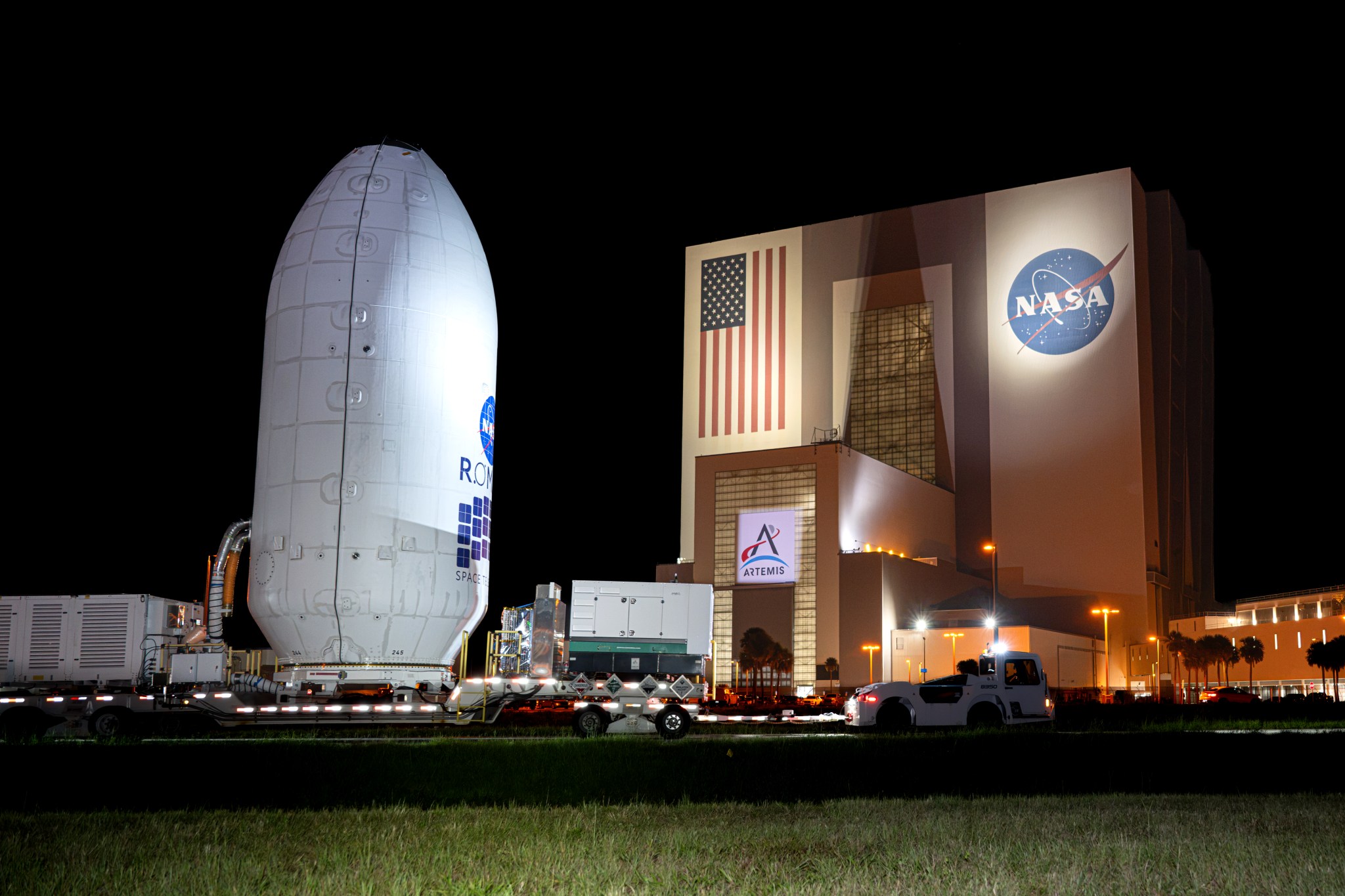
NASA’s Nancy Grace Roman Space Telescope has just moved from the Payload Hazardous Servicing Facility to SpaceX’s hangar at Launch Complex 39A, preparing for its upcoming launch on a Falcon Heavy rocket.
NASA Sets Spacewalk for Station Maintenance, Live Coverage Planned
Original Publication Date: 2026-08-26 14:16
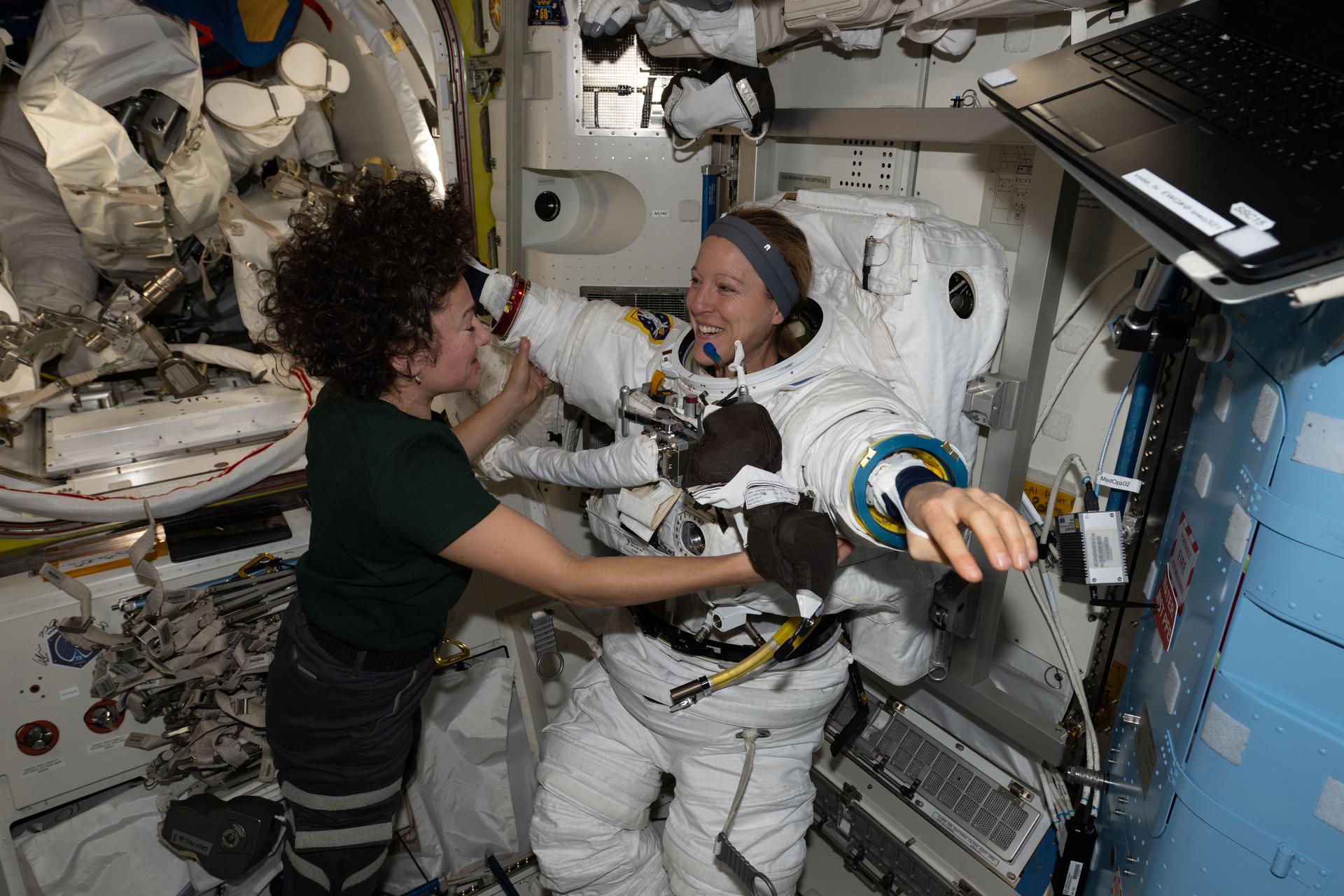
On Tuesday, September 1, NASA astronaut Jessica Meir and ESA astronaut Sophie Adenot will step outside the International Space Station for a six‑and‑a‑half‑hour spacewalk.
Soyuz MS-28 departs the ISS, three spacewalks install upgrades to solar arrays and antennae
Original Publication Date: 2026-08-26 20:44

After the Soyuz MS‑28 crew departed the ISS on July 26, Expedition 75 kicked off its mission, executing three spacewalks over three weeks that installed new solar‑array power channels and replaced a faulty Space‑to‑Ground antenna. Astronauts Anil Menon, Jessica Meir, Sophie Adenot, and others also conducted science experiments—from VR eye‑health tests to electro‑muscle‑stimulation suits and real‑time vein scans—to monitor crew health and performance. Their work enhances the station’s power, communications, and life‑support systems, laying the groundwork for future upgrades and a safe deorbit in the 2030s.
SpaceX Announces New Starbase, Louisiana Spaceport
Original Publication Date: 2026-08-26 15:38

SpaceX announced a new launch complex in Louisiana, dubbed Starbase, Louisiana, to host high‑cadence Starship operations. The company will invest $100 billion to build five launch complexes with two pads each, a propellant farm, and self‑sustaining infrastructure, creating up to 10,000 jobs by 2029. The site sits on 130,000 acres cleared after a lawsuit against ExxonMobil, and SpaceX plans to partner on coastal restoration and wildlife protection. This marks the first major commercial Starship site outside Florida and could shift U.S. Launch operations toward the Gulf Coast.
Exclusive: City Labs Plans Second Nuclear Demo
Original Publication Date: 2026-08-26 12:00
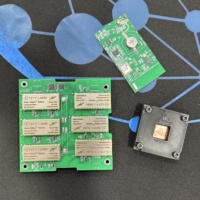
City Labs’ first nuclear‑powered payload demo, BOHR, successfully flew on SpaceX’s Transporter‑17 in July, proving its Tritium‑powered betavoltaic battery can supply independent energy to satellites. The company is now targeting a second, higher‑power flight next year that will test a Tritium‑powered radioisotope heating unit, aiming to keep lunar payloads operational through the two‑week lunar night.
From spy satellite to space telescope: The unlikely origins of NASA's Roman Space Telescope
Original Publication Date: 2026-08-26 21:00
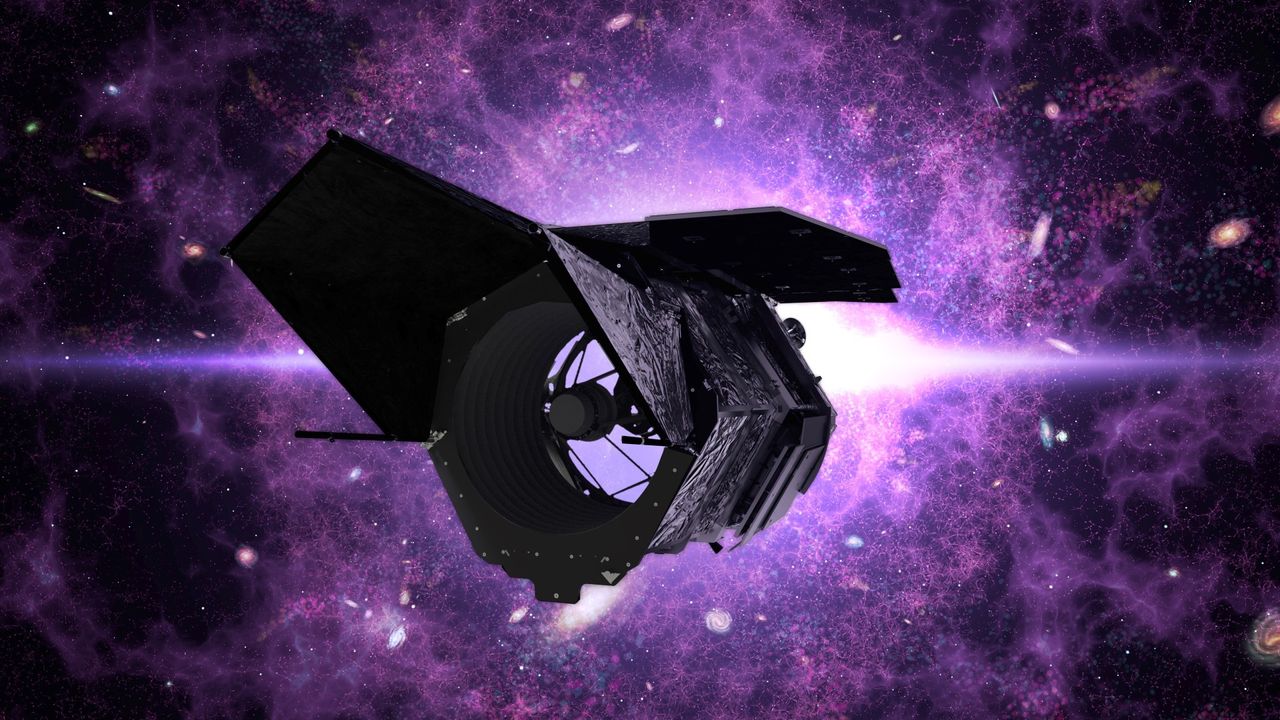
NASA’s Nancy Grace Roman Space Telescope, set to launch this Sunday aboard a SpaceX Falcon Heavy, will probe dark energy and distant worlds. Its optical system comes from a 1999 National Reconnaissance Office spy‑satellite program that was canceled in 2005, with two unused telescopes donated to NASA in 2012. Although the team had to replace electronics and navigate classified restrictions, the repurposed hardware helped keep the mission on schedule and within budget. The launch marks a unique fusion of defense technology and astronomical ambition, promising new insights into the universe.
Astronomers discover hot watery exoplanet destined to be swallowed by its star
Original Publication Date: 2026-08-26 18:00

Astronomers have identified a hot, water‑rich exoplanet, HD 176071 b, that orbits its star in just 14 hours, about 1.5 million miles away—less than two percent of Earth’s distance from the Sun. The planet, roughly 2½ times Earth’s size but eight‑half its mass, is estimated to be about 50 % water and resides in the so‑called Neptunian Desert, yet it retains a dynamic atmosphere. Extreme tidal forces are pulling the planet inward, accelerating its orbital decay and setting it on a collision course with its star. The discovery, made by tracking subtle variations in reflected starlight rather than traditional transits, demonstrates new techniques for studying worlds that never cross their star from our viewpoint.
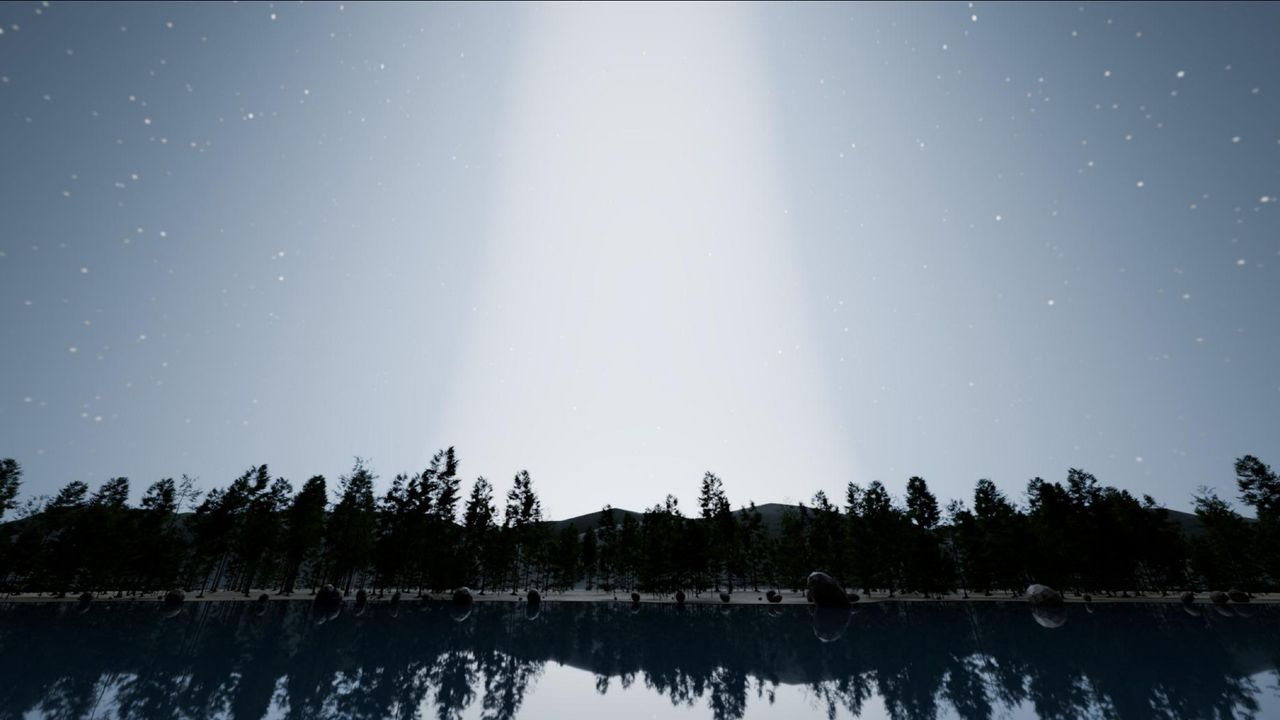
Massive space mirrors could be 40 times brighter than the full moon, astronomers warn. 'It will be worse than big cities like London'
Original Publication Date: 2026-08-26 16:00
From Prague to London, Tereza has turned her passion for science into a dynamic journalism career, blending reporting, script‑writing, and live presenting for Czech Public Service Television before moving to the UK. After a sabbatical for further study, she earned a Master’s in Science from the International Space University and holds degrees in Journalism and Cultural Anthropology from Charles University. She has reported for Engineering & Technology, freelanced for Live Science, Space.com, Professional Engineering, Via Satellite and Space News, and even stepped in as maternity cover science editor at the European Space Agency. Tereza’s blend of technical expertise and creative flair makes her a standout voice in contemporary science media.
Chance gaze at old Hubble Telescope image leads to discovery that could reveal dark matter's secrets
Original Publication Date: 2026-08-26 15:00
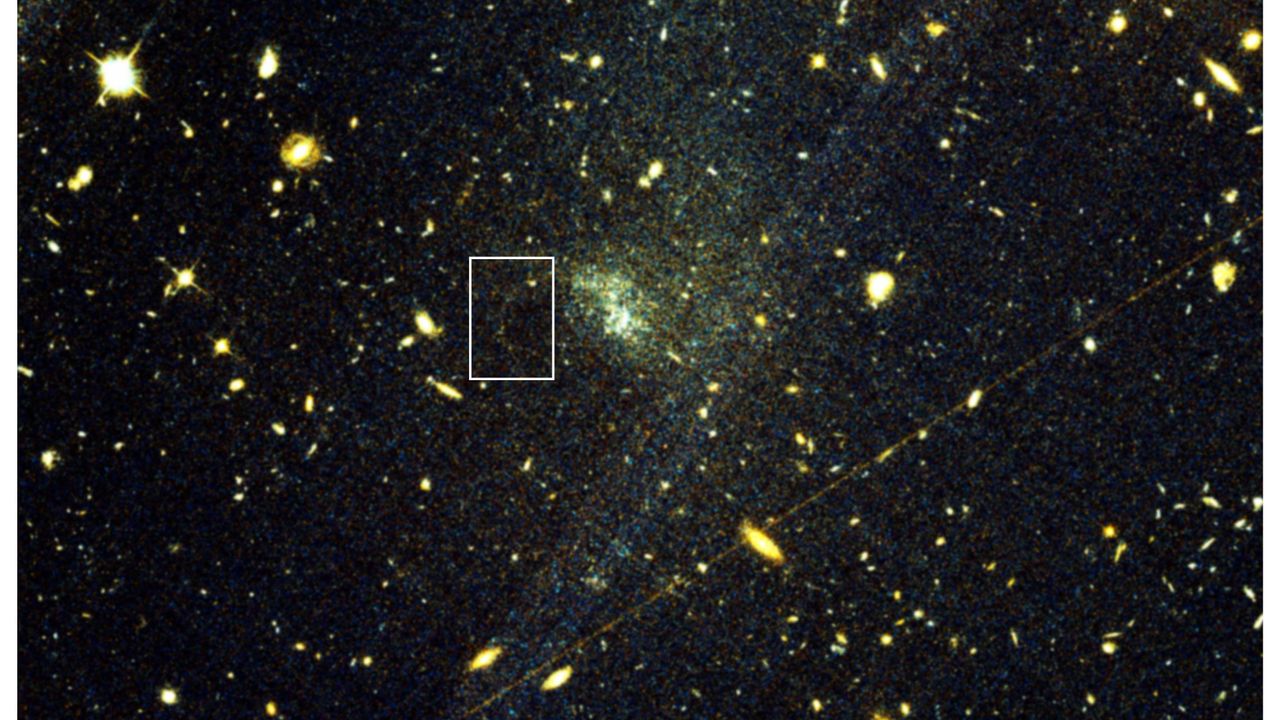
Astronomers have discovered the first-ever globular‑cluster stellar stream outside our Milky Way, captured in a Hubble Space Telescope image of the ultra‑diffuse dwarf galaxy UGC 9050‑Dw1. The faint ribbon of stars, dubbed “Oyashio,” was identified by former astronomer David Hendel and confirmed by a Danish‑Copenhagen team, offering a pristine laboratory to study dark matter’s subtle gravitational effects. This rare find—possible because the dwarf galaxy’s sparse stellar backdrop provides the needed contrast—could open a new window on the nature of dark matter, which makes up over 80% of the universe’s matter. Upcoming facilities such as the Vera Rubin Observatory and the Nancy Grace Roman Space Telescope may soon uncover many more such streams, sharpening our understanding of dark matter on the smallest scales.