 Spotify
 Apple Podcasts
 Podcast Addict
 Overcast
 Podcast RSS
Hypersonic missile startup Castelion raises $1 billion
Original Publication Date: 2026-08-19 23:12
Defense‑tech startup Castelion has secured over $1 billion in new financing, valuing the company at $13 billion, to ramp up production of its Blackbeard hypersonic missile and expand its weapons portfolio. The Series C round included $800 million in equity led by JPMorgan Chase, Andreessen Horowitz, Carlyle, and others, plus a $250 million revolving credit line. With the funding, Castelion will expand its New Mexico manufacturing complex, accelerate development of longer‑range strike and air‑defense systems, and meet the Pentagon’s push for faster, larger‑scale missile production.
Eartheye Space forges strategic partnership with IN2
Original Publication Date: 2026-08-19 23:07
Eartheye Space has entered into a memorandum of understanding with strategic communications firm IN2, granting the firm access to its multi‑sensor satellite tasking and analytics capabilities. Signed on August 19, the partnership will allow IN2 to leverage high‑resolution Earth observation data for its consulting and communications services.
Katalyst Space and NASA abandon plans for Swift reboost
Original Publication Date: 2026-08-19 19:23
Katalyst Space and NASA have abandoned plans to use the Link spacecraft to boost the aging Swift gamma‑ray observatory, citing persistent attitude‑control problems that prevented a safe grapple. Link, launched on July 3, suffered a multi‑axis spin after losing two of its three reaction wheels, and despite attempts to slow the spin and update its software, the mission was deemed too risky. The decision means Swift, which has been orbiting at 343‑347 km and was already shut down for science operations, will likely re‑enter the atmosphere later this year. The setback ends a high‑risk, high‑reward effort that could have extended Swift’s life and advanced satellite‑servicing capabilities.
LandSpace becomes first commercial Chinese company to land an orbital-class booster
Original Publication Date: 2026-08-19 20:35
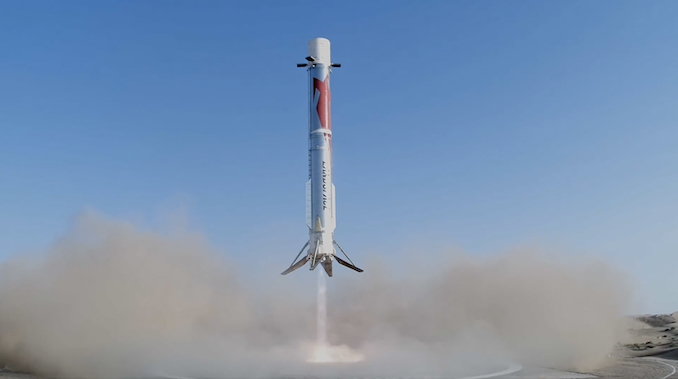
LandSpace has successfully landed the first stage of its ZhuQue‑3 rocket on August 19, 2026, marking China’s first orbital‑class booster recovery on land. The 76.6‑meter vehicle performed a complex re‑entry sequence, touching down in Minqin County after an eight‑minute flight, though a post‑landing fire broke out in the aft section. This achievement places LandSpace among the few launch providers that can propulsively land and recover a reusable booster, following earlier trials that ended in a crash. The company says the flight validates key recovery optimizations and paves the way for future large‑scale constellation deployments.
Elve Achieves TRL-8 Space Qualification for 100 W mmWave Space TWTA Platform
Original Publication Date: 2026-08-19 19:18
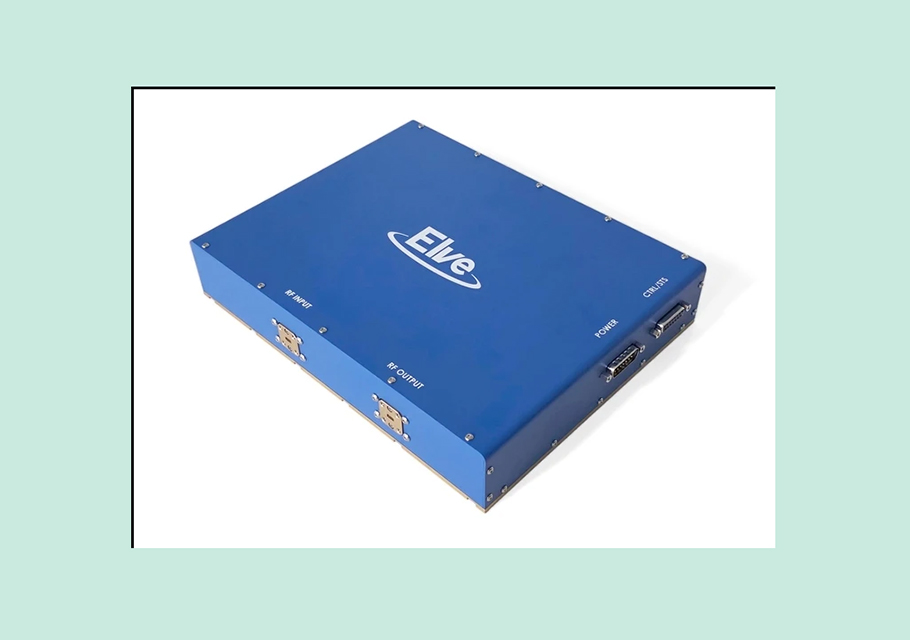
Elve, a Davis, California‑based high‑power amplifier maker, announced on August 19, 2026 that its 100‑watt millimeter‑wave Space Traveling Wave Tube Amplifier platform has reached Technology Readiness Level 8, indicating it is ready for flight testing and integration. The TRL‑8 milestone demonstrates the device’s proven performance in realistic space conditions and positions Elve as a key supplier for next‑generation satellite and deep‑space missions. With this achievement, the company is poised to accelerate the deployment of high‑bandwidth communication systems and radar payloads across the aerospace industry.
Silicon Valley Space Week Speaker Focus: Phil Carrai, Kratos
Original Publication Date: 2026-08-19 18:57

Twelve firms are vying to secure the Golden Dome interceptor layer, but Congress has yet to approve the 2027 funding request amid a looming 2028 deadline.
Moog Expands METEORITE Satellite Bus Capacity with High Delta-V Configuration for Agile Orbital Missions
Also covered by: SpaceNews
Original Publication Date: 2026-08-19 15:54
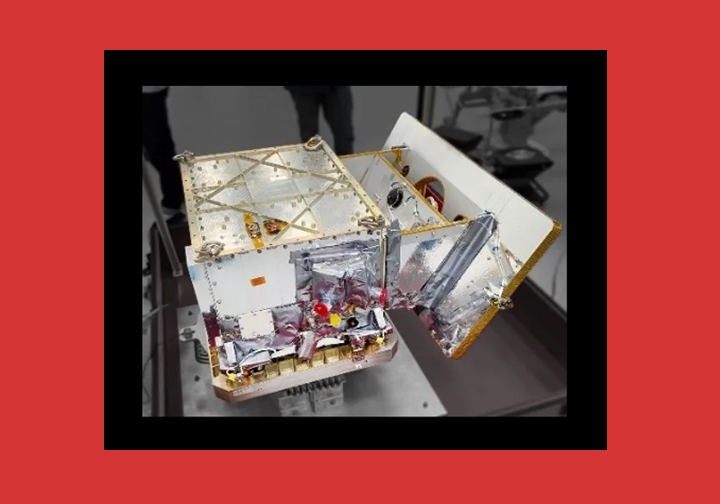
Moog Inc., a global leader in precision motion and fluid‑control systems, has expanded its proven METEORITE satellite bus with a new High‑Delta‑V configuration that boosts thrust and expands propellant capacity. The upgrade delivers greater maneuverability, longer mission endurance, and reduced launch costs while preserving the reliability that has earned METEORITE a strong track record in spaceflight. With this development, Moog strengthens its position as a leading provider of advanced propulsion solutions for the growing commercial and scientific satellite market.
NASA TechLeap Prize: Orbital Clarity Challenge
Original Publication Date: 2026-08-19 19:57

NASA’s Orbital Clarity Challenge, the sixth in its TechLeap Prize series, invites teams to design low‑cost, scalable instruments for measuring thermospheric density, pressure, and drag in low Earth orbit. The competition unfolds in three phases, advancing up to four winning concepts to a flight‑ready solution within 12 months, with each team eligible for a $500,000 prize and a complimentary test flight.
NASA Updates Next Steps for Commercial Swift Boost Mission
Original Publication Date: 2026-08-19 18:08
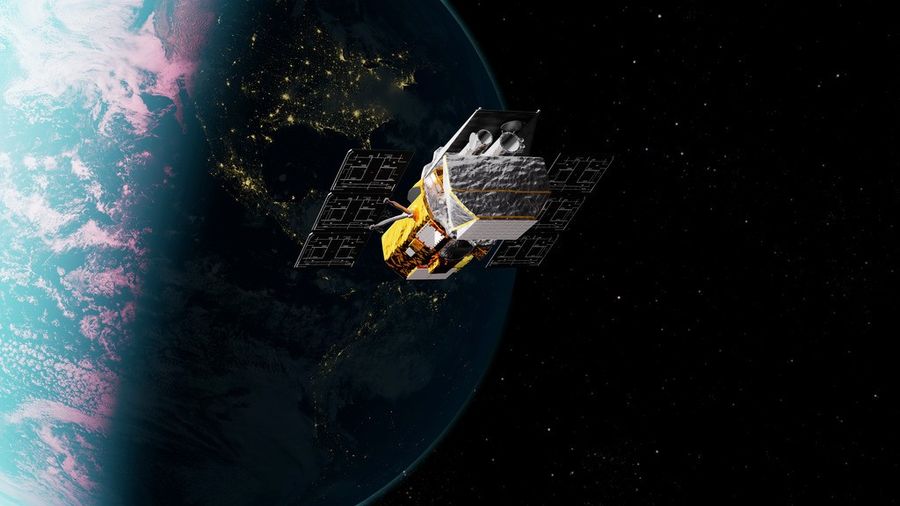
NASA’s 21‑year‑old Neil Gehrels Swift Observatory, launched in 2004 to study gamma‑ray bursts, is now set to re‑enter Earth’s atmosphere later this year as its orbit decays from increased solar activity. The commercial LINK spacecraft, launched in July 2026 to boost Swift to a higher orbit, suffered attitude‑control problems and will no longer perform the boost, but will still attempt a rendezvous to demonstrate key servicing capabilities.
Ancient Milky Way Merger
Original Publication Date: 2026-08-19 16:18
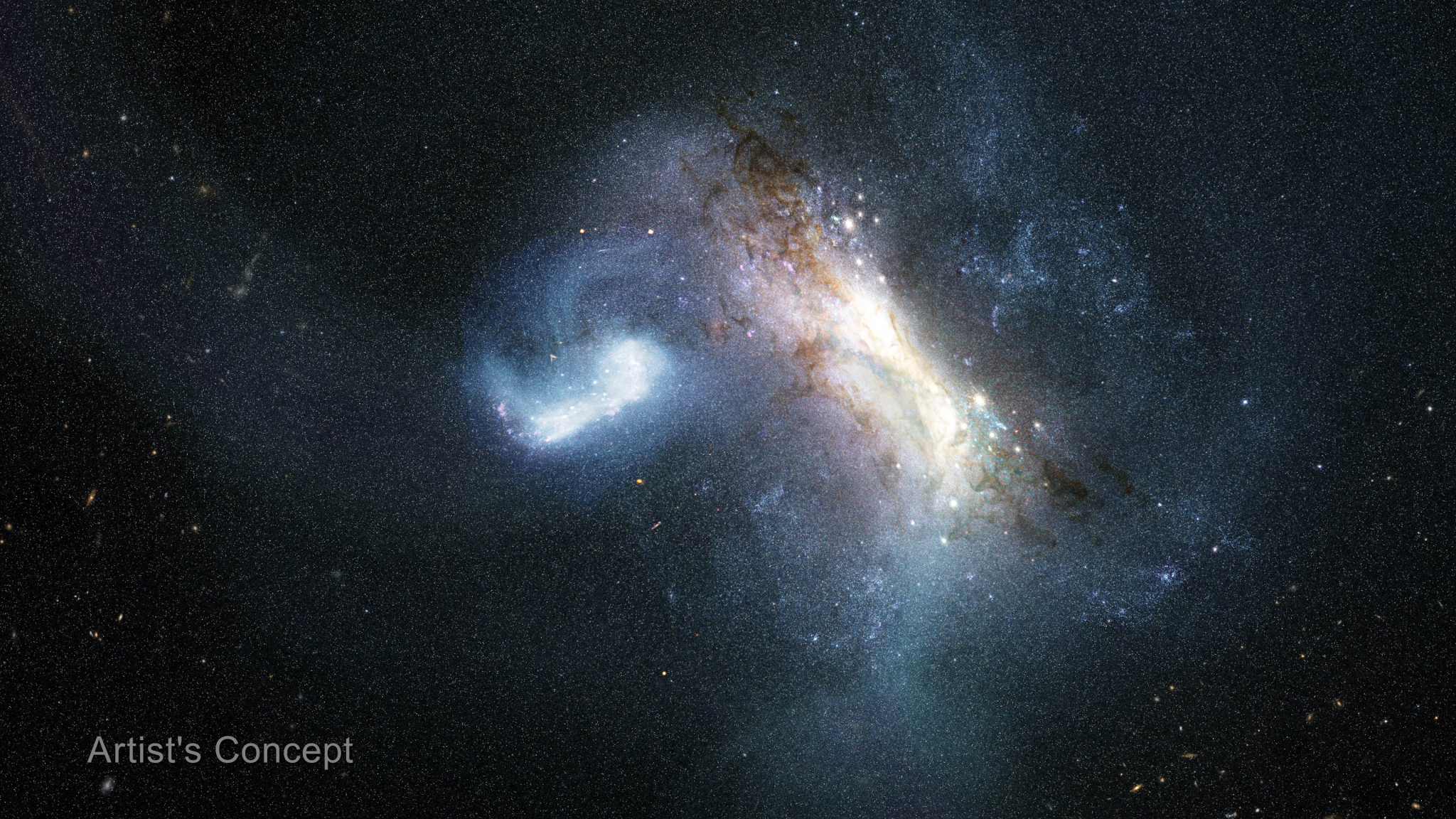
About 12 billion years ago, the dwarf galaxy LKH collided with the young Milky Way, an event that NASA’s Hubble Space Telescope now provides definitive evidence for through globular cluster analysis. The data, published in Nature Astronomy, pushes back our knowledge of the Milky Way’s history by 1.8 billion years. An artist’s concept released on August 17, 2026, visually dramatizes the ancient galactic merger. This discovery offers a clearer picture of how our galaxy assembled in its earliest stages.
Stoke Space conducts second stage fit checks, completes first stage engines ahead of Nova debut
Original Publication Date: 2026-08-19 20:52

Stoke Space’s Nova, a medium‑lift reusable rocket, has hit key milestones this week, completing vehicle mating and second‑stage fit checks that confirm its 13.1‑meter, LH2/LOX‑powered Andromeda 2 engine stack is ready for flight. Three first‑stage Zenith engines, each delivering 3,110 kN of methane/LOX thrust, have been built and shipped to Moses Lake for hot‑fire validation, while the reusable first stage is set to land either at the launch site or on a droneship. Nova will launch from the newly finished Launch Complex 14 at Cape Canaveral, and a partnership with NASA’s Space Technology Mission Directorate will sharpen its reentry and heat‑shield technology. With a $1 billion funding round at a $9 billion valuation, Stoke aims to debut Nova in 2026, bringing a fully reusable, in‑space refuelable vehicle to the commercial launch market.
White House Publishes S&T Strategy for National Security
Original Publication Date: 2026-08-19 12:40

The White House today unveiled its National Security Science & Technology Strategy, a blueprint that underscores space as a cornerstone of U.S. Military advantage. The plan builds on four pillars—techno‑strategic competition, resilience, rapid innovation, and protection of security science—and affirms the United States’ clear technological superiority in space, calling for robust detection and counter‑measures across low‑Earth and cislunar orbits.
Zeno Power Books its First Nuclear Mission to the Moon
Also covered by: SatNews
Original Publication Date: 2026-08-19 12:00
Firefly Aerospace and Zeno Power have partnered to equip Firefly’s Blue Ghost lunar lander with a 5‑W radioisotope heating unit (RHU) for the 2028 mission. The RHU, dubbed the “Survive‑the‑Night Package,” will radiate heat from decaying Americium‑241 to keep payloads operational during the Moon’s 14‑day night when temperatures fall below –133 °C.
Watch Rocket Lab launch a private Japanese Earth-observing satellite to orbit today
Original Publication Date: 2026-08-20 04:05
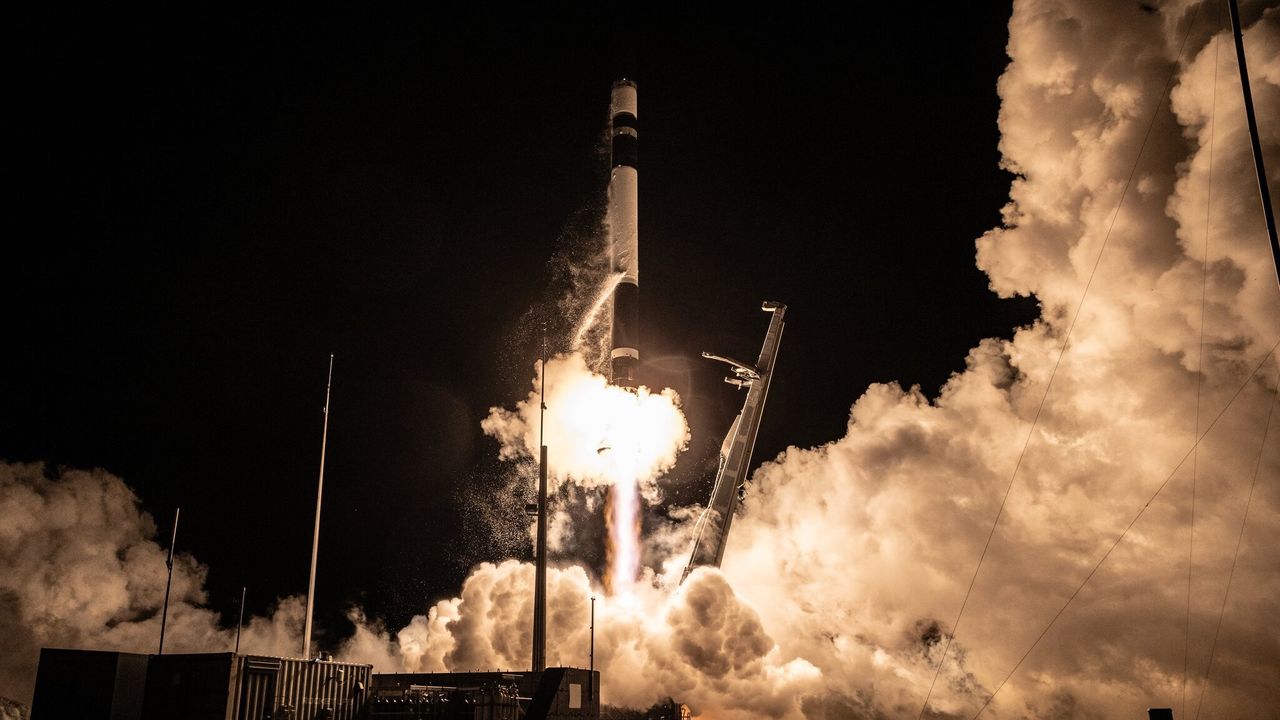
Rocket Lab launched its Electron rocket at 9 a.m. ET from New Zealand, sending the Japanese radar satellite SUSANOO‑II into low‑Earth orbit as part of iQPS’s 36‑satellite constellation.
Scientists just found the fastest known star in the Milky Way. It zooms around our black hole at 15,500 miles per second
Original Publication Date: 2026-08-19 21:58
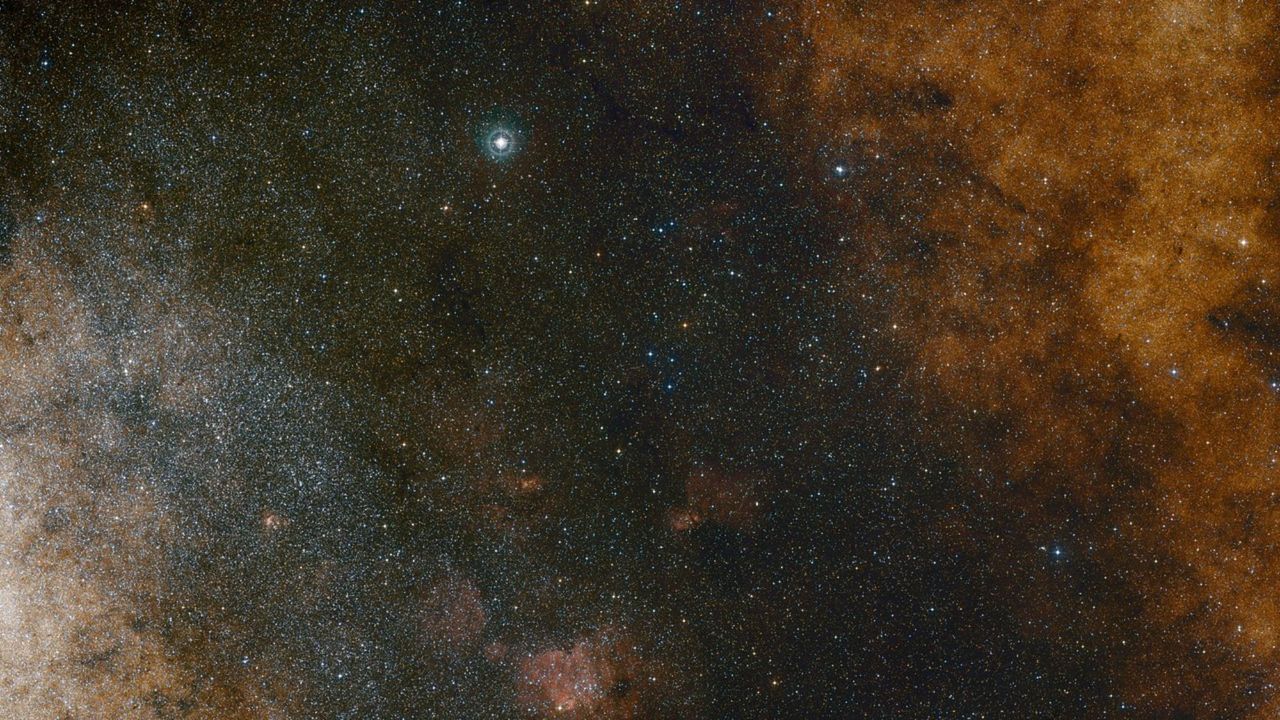
Astronomers have identified S301, the fastest known star in the Milky Way, whizzing around our galaxy’s central black hole at about 15,500 miles per second—over 8 percent of light speed. The star completes a tight 8.7‑year orbit, passing within just 12 astronomical units of Sagittarius A, an unprecedented proximity. This close approach lets scientists test Einstein’s theory of frame dragging and could reveal the black hole’s spin within the next decade. The discovery, made with ESO’s GRAVITY instrument and published in Nature* on August 19, marks a new frontier for probing the heart of our galaxy.
Private mission to save NASA's Swift space telescope fails
Original Publication Date: 2026-08-19 20:15
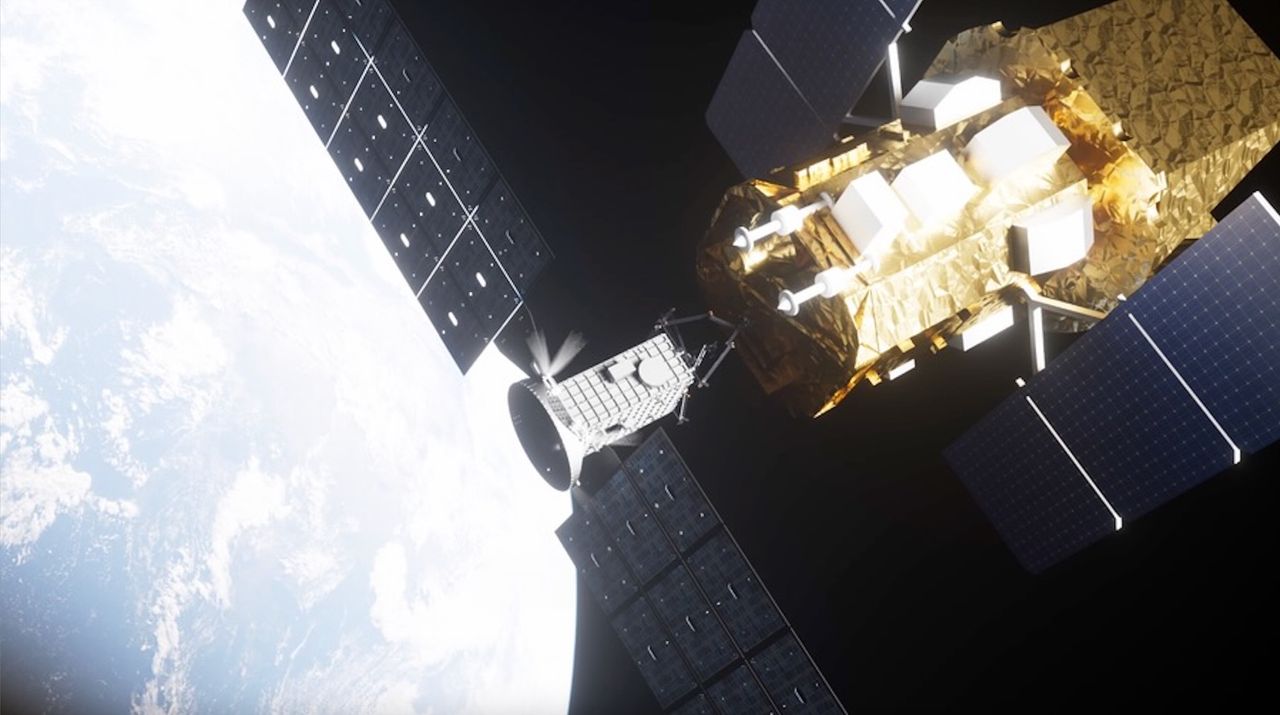
NASA has called off its private rescue attempt to save the Swift telescope after Katalyst’s LINK spacecraft began spinning uncontrollably. The $30 million mission, launched July 3 on a Pegasus XL, failed to rendezvous and boost Swift into a safer orbit, and the agency now expects the observatory to re‑enter Earth’s atmosphere before the year’s end. Although the rescue has failed, NASA and Katalyst will still use LINK to practice proximity operations and gather data for future satellite‑servicing missions. The Swift Observatory, crucial for detecting gamma‑ray bursts and other fleeting cosmic events, will be lost, but the effort demonstrated new capabilities for rapid‑response space operations.
Scientists create 'laundry gun' for astronauts to clean their clothes by shooting out plasma
Original Publication Date: 2026-08-19 20:05
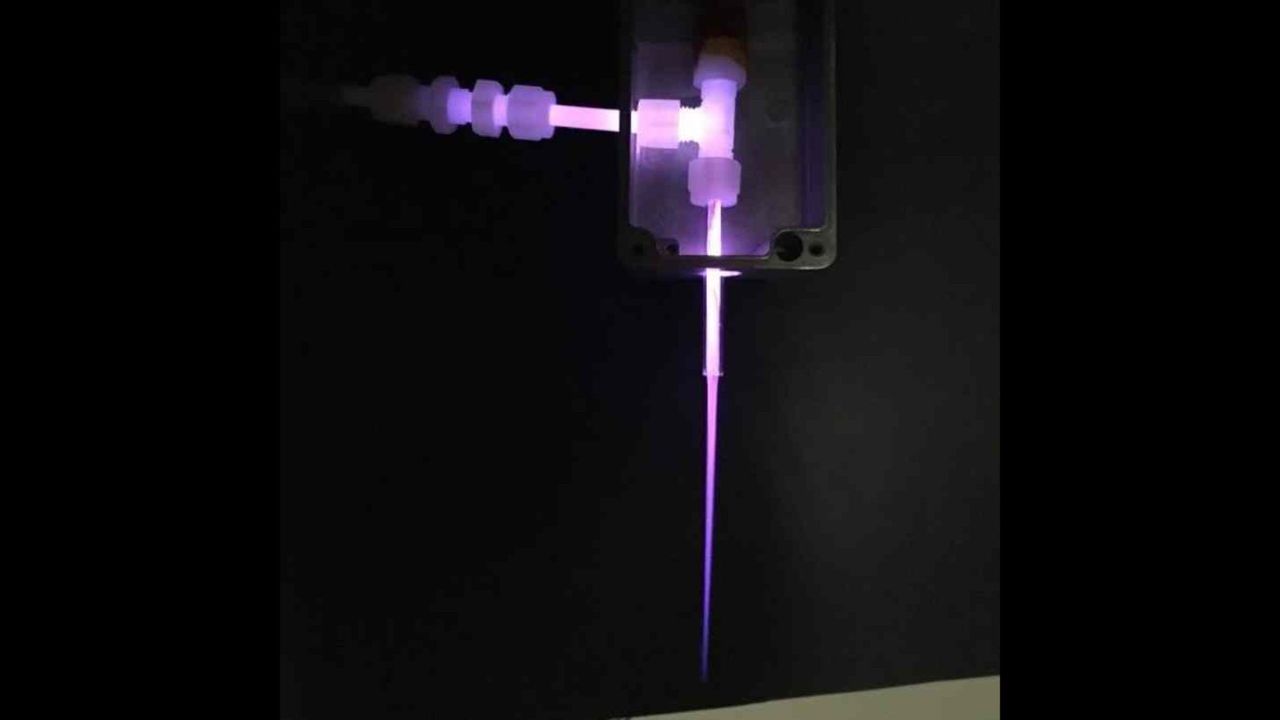
Scientists at the University of Alabama in Huntsville have built a pen‑sized “laundry gun” that shoots cold plasma at fabric to kill bacteria and reduce microbial load, making it a lightweight alternative to traditional washing for long‑duration space missions.
Dark matter could magnify the jets of a ravenously feeding supermassive black hole
Original Publication Date: 2026-08-19 18:00
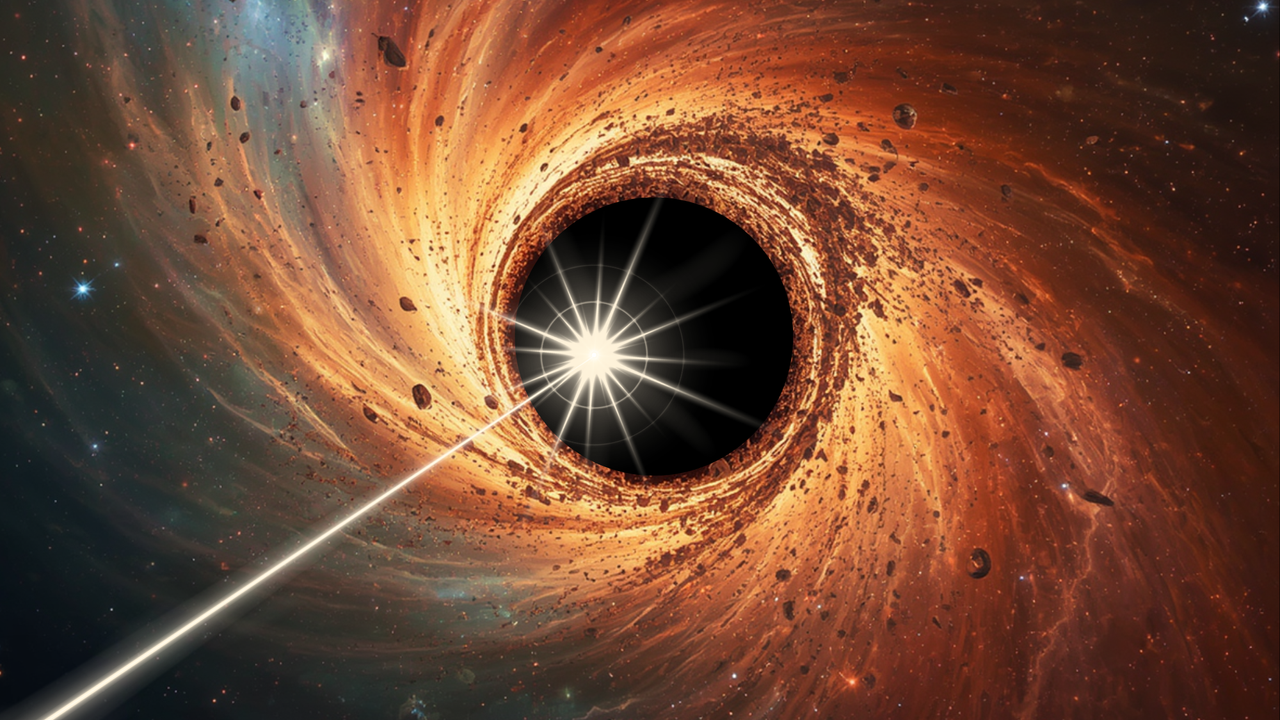
Astronomers have discovered that a plasma jet from the distant blazar PKS 2233‑148 is being gravitationally lensed by an invisible clump of dark matter. The lensing magnifies the jet and reveals a sudden course correction that had not been seen before. This observation may finally confirm that blazars are the cosmic accelerators responsible for the high‑energy neutrinos that rain through Earth every second. The discovery opens a new window into how dark matter shapes the universe and helps trace the origin of ghost particles.
Scientists find closest star to the Milky Way's central black hole
Original Publication Date: 2026-08-19 15:56
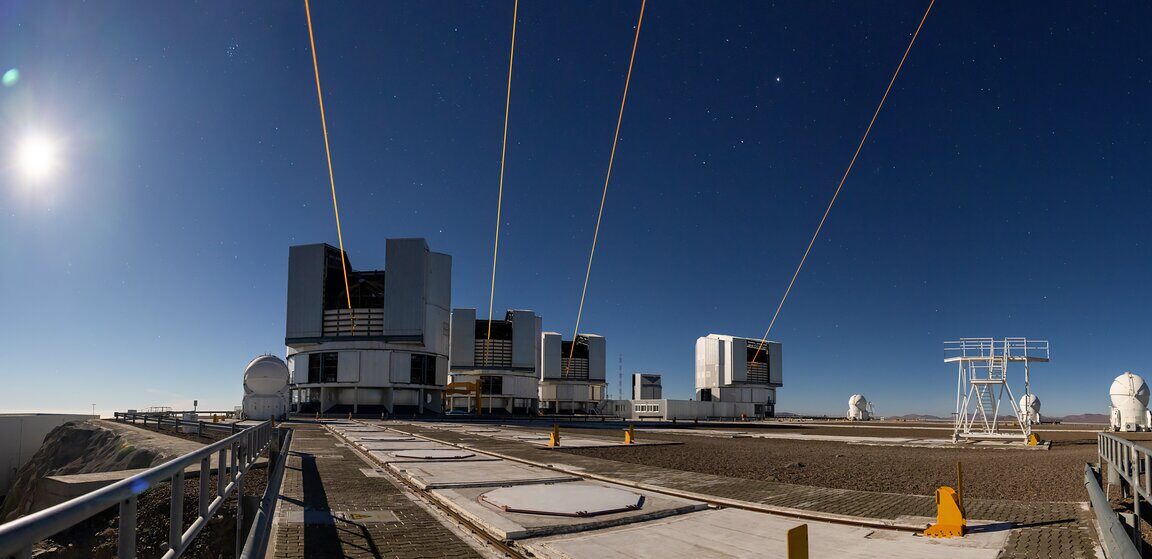
Sgr A, the supermassive black hole at the heart of the Milky Way, has been known since the 1970s and was finally imaged only a few years ago. Astronomers have measured its mass—about 10^37 kg—by watching stars orbit it, using their brightness and spectra to reconstruct the orbits. A new study in Nature reports a star on an extremely eccentric trajectory that swings closer to the black hole than any previously seen, offering the first opportunity to gauge Sgr A’s spin. This breakthrough could unlock deeper insights into the physics of the galaxy’s central engine.