 Spotify
 Apple Podcasts
 Podcast Addict
 Overcast
 Podcast RSS
Virgin Galactic delays resumption of commercial flights to 2027
Original Publication Date: 2026-08-13 01:46
Virgin Galactic has pushed its first commercial suborbital flights to February 2027, citing a cascade of minor assembly issues that have stretched the schedule. The company will begin ground testing this month and plans flight tests in October from Spaceport America, adding extra shifts to stay on track.
Space Force orders two more Impulse Space vehicles for maneuvering demonstrations
Also covered by: SatNews
Original Publication Date: 2026-08-12 23:30
On August 12, 2026 the U.S. Space Force awarded Impulse Space a $28 million Small Business Innovation Research Phase III contract extension, raising the total partnership value to about $62.8 million. The new funding will deliver Victus Salo 2 and Victus Salo 3, two maneuverable Mira‑class spacecraft that will carry government payloads in low‑Earth orbit.
Pentagon missile buildup changing the factory floor
Original Publication Date: 2026-08-12 23:00
At the Pentagon’s push to replenish missile inventories, a new wave of startups like Machina, Hadrian, and Freeform are shaking up aerospace manufacturing with software, robotics, and AI‑driven production. Machina showcased a 16‑foot hypersonic vehicle fuselage and secured a Lockheed‑Martin qualification contract for the JASSM cruise missile, proving its RoboCraftsman platform can meet stringent defense tolerances while slashing tooling costs. By reprogramming existing equipment instead of building new lines, these firms promise faster, more flexible production that could transform how missiles are built. The company just raised $124 million to scale its 200,000‑square‑foot U.S. Factory, aiming to meet the growing demand from NASA, Toyota, and the Air Force.
Golden Dome creates digital hub to expand commercial participation
Original Publication Date: 2026-08-12 14:00
The Pentagon has launched the “Golden Dome for America Ecosystem Hub,” a digital portal that opens the highly classified missile defense program to contractors, startups, investors, and universities. The portal offers an unclassified entry point where companies can submit concepts and access shared data environments, including AI and analytics sandboxes, while a security team safeguards intellectual property. General Michael Guetlein says the initiative aims to integrate commercial technology into a layered defense architecture that counters ballistic, cruise, and hypersonic threats, and already involves over 500 companies and 12 prototype teams. By encouraging competition and requiring early private investment, the program seeks to build a scalable, resilient missile defense system that can be produced at sustainable costs.
SpaceX Finalizes Regulatory Procedures to Close $60 Billion Acquisition of AI Platform Cursor
Original Publication Date: 2026-08-12 20:50

SpaceX has moved a key satellite communications deal closer to completion after signing a definitive agreement and releasing financial details in early August. The space transport provider is now on track to close the transaction by the end of the year, pending regulatory approvals. The deal, valued at billions, will expand SpaceX’s commercial launch and broadband footprint across the globe. Analysts say the agreement could accelerate the rollout of Starlink services in new markets.
Silicon Valley Space Week Speaker Focus: Ian Canning, Eutelsat Network Solutions
Original Publication Date: 2026-08-12 19:42

Eutelsat has pledged €3.39 billion to develop and operate the low‑Earth‑orbit segment of Europe’s IRIS² satellite network. The investment will support the launch and operation of dozens of small satellites aimed at delivering global broadband services. Ian Canning, who manages the subsidiary that markets Eutelsat’s current constellation to the U.S. Government, will open the Satellite Innovation track on the second day of Silicon Valley Space Week. His keynote highlights the growing partnership between European space firms and U.S. Commercial and defense customers.
Redwire Partners with Kanematsu to Expand Space Infrastructure and Microgravity Technology Portfolio in Japan
Original Publication Date: 2026-08-12 15:54
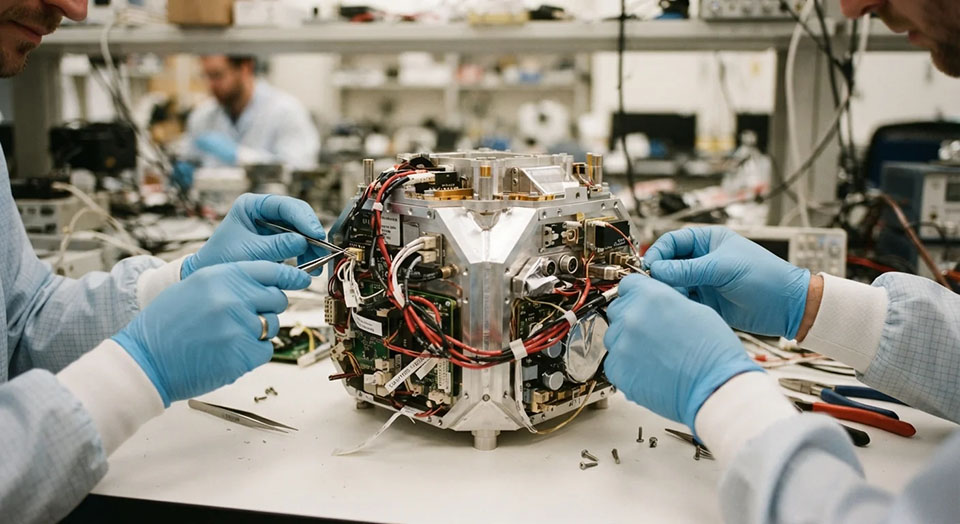
Space infrastructure provider Redwire Corporation announced a strategic teaming agreement with Japanese trading and commercial development firm Kanematsu Corporation on August 12, 2026. The partnership combines Redwire’s satellite and space systems expertise with Kanematsu’s commercial development capabilities. Kanematsu will serve as a key partner in delivering new space infrastructure solutions to global markets. The collaboration is expected to accelerate the deployment of next‑generation satellite constellations and support emerging space commerce.
Northrop Grumman and Aeronix Launch Strategic Joint Investment for Next-Generation Space Cryptography
Original Publication Date: 2026-08-12 15:40

On August 12, 2026, Northrop Grumman and Aeronix announced a multimillion‑dollar joint investment to develop next‑generation space‑based cryptographic systems. The partnership aims to secure military communications against emerging cyber threats and enhance satellite resilience. Both companies will pool expertise in secure communications and advanced encryption to deliver robust, future‑proof solutions. The deal underscores the growing importance of space‑borne security infrastructure for national defense.
NASA Data Helps Commercial Space Plan Living Off Our Moon
Original Publication Date: 2026-08-12 20:40
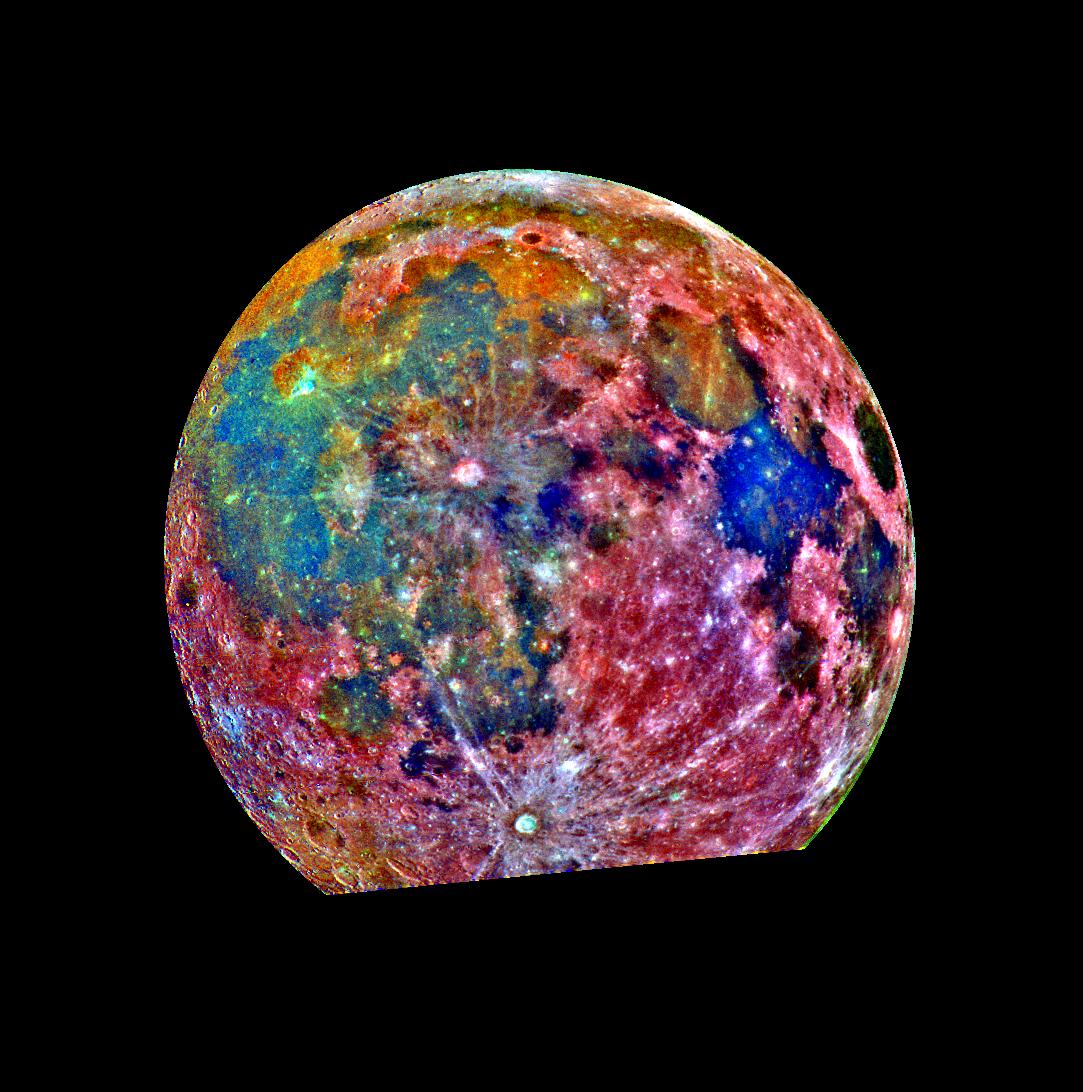
NASA’s vast archive of lunar imagery is now powering commercial mission planning through companies like Lunar Station Corp., which fuses data from satellites, rovers, and historic missions to build 3‑D terrain maps and pinpoint water‑ice deposits. Using tools such as the Ames Stereo Pipeline and the MoonHacker platform, the firm identifies safe landing sites, optimal rover paths, and communication relay strategies for the Moon’s polar regions and far side. Its Radiation Simulator creates digital twins of rovers and satellites to assess shielding needs against space‑borne radiation. These innovations, part of NASA’s Technology Transfer program, illustrate how space data is transforming future lunar exploration and mining operations.
2026 Total Solar Eclipse in Spain
Original Publication Date: 2026-08-12 20:08
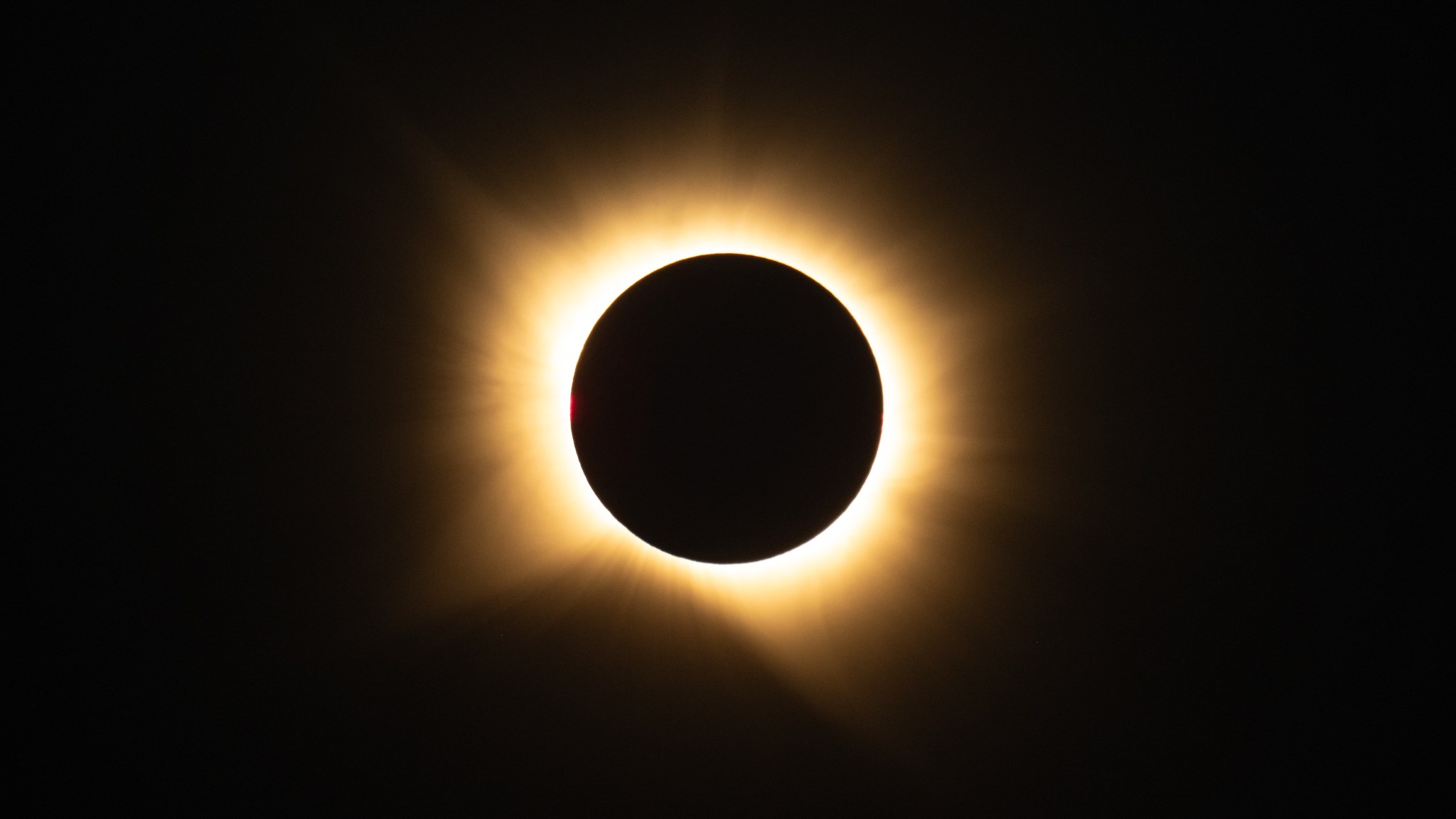
On August 12, 2026, a total solar eclipse will be visible from San Millán de los Caballeros in Spain as the Moon passes directly between Earth and the Sun. The path of totality will sweep across Greenland, Iceland, northern Russia, the Atlantic Ocean, Spain, and a small corner of Portugal, while a partial eclipse will be seen in parts of the U.S., Canada, much of Europe, and northwest Africa. NASA has recorded the event and will share the footage on its YouTube channel. Viewers worldwide can relive the dramatic darkness of the eclipse through NASA’s archives.
NASA Upgrades Vertical Motion Simulator for Modern Mission Needs
Original Publication Date: 2026-08-12 17:55

NASA’s Vertical Motion Simulator at Ames Research Center has been upgraded with digital controls and a 4‑K dome, giving pilots near‑20/20 visuals and a wider field of view. The new system can automatically line up and color‑match images, cutting the time needed to switch between lunar lander and air‑taxi simulations in half. Lightweight inserts replace the heavy cab, reducing labor and enabling more aggressive mission tasks. These improvements will help test next‑generation aircraft and spacecraft before they ever leave the ground, bringing us closer to safer skies and successful Moon and Mars landings.
NASA Astronaut Mike Fincke Leaves NASA, Career Includes 4 Spaceflights
Also covered by: Spaceflight Now
Original Publication Date: 2026-08-12 16:03
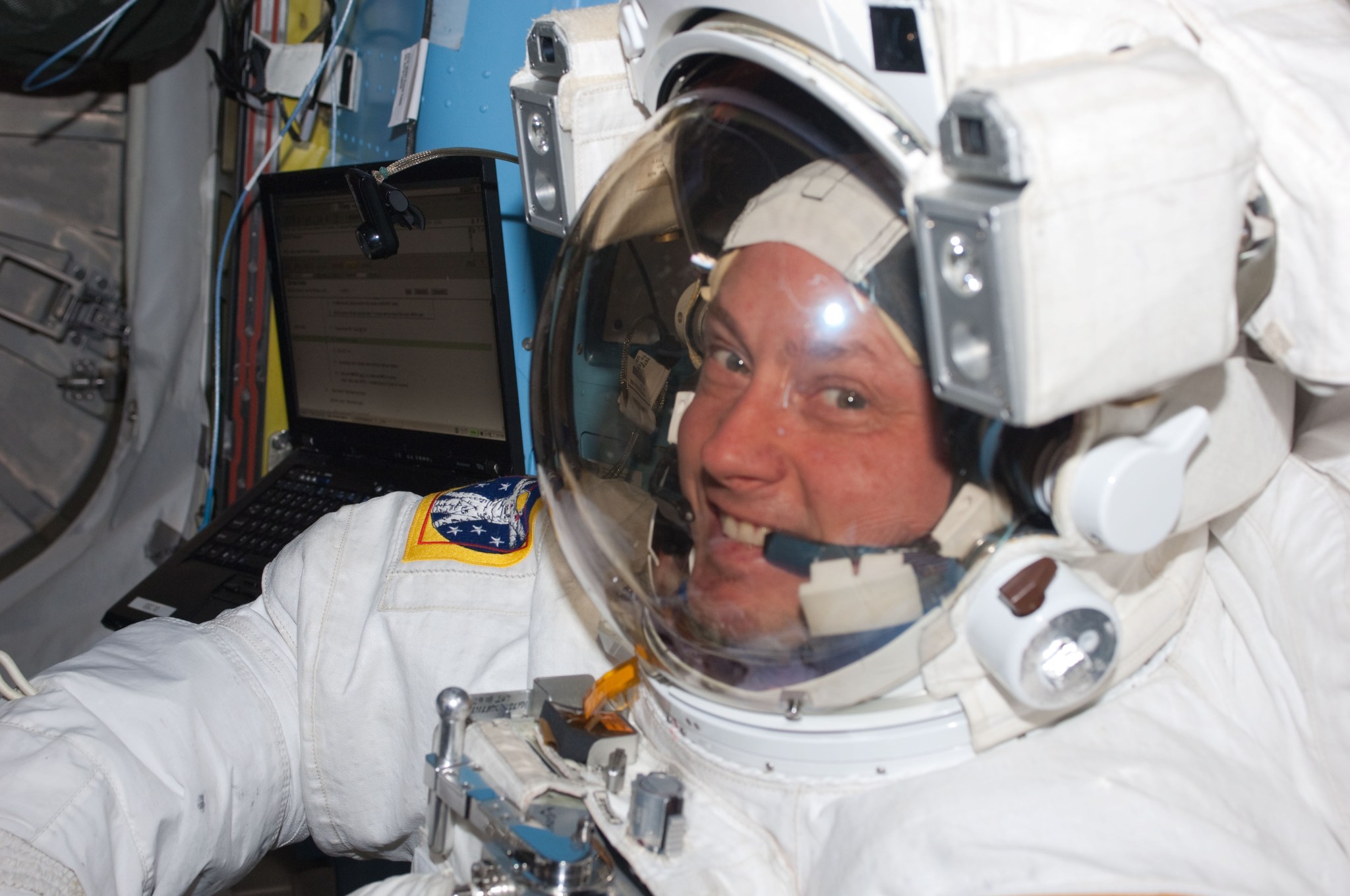
NASA astronaut Mike Fincke is retiring after a 30‑year career that spanned 549 days in space, nine spacewalks, and command of Expedition 74. He flew four missions—Soyuz, the final Space Shuttle Endeavour flight, and two SpaceX Crew‑11 sorties—helping install the Alpha Magnetic Spectrometer and support the ISS’s transition to six‑person crews. Beyond his time in orbit, Fincke shaped the Commercial Crew Program, tested new spacecraft, and mentored the next generation of explorers. His legacy will continue to inspire NASA’s push toward Artemis and beyond.
Amid failure, Wenchang celebrates milestone as China launches AI satellites and prepares for lunar south pole mission
Original Publication Date: 2026-08-12 19:33

China’s Wenchang Space Launch Site celebrated its 50th launch on July 29, yet a CZ‑7A rocket failed on August 10, marking the third launch failure at the site. Meanwhile, preparations are underway for the seventh Chang’e lunar mission to the south pole, and commercial ventures such as Galactic Energy’s Zhishenxing‑1 and LandSpace’s ZhuQue‑3 are gearing up for their next launches. The country has already flown 53 missions this year, many deploying AI‑powered satellites and in‑space computing platforms, underscoring China’s rapid expansion into advanced orbital technology. Despite setbacks, the Hainan launch complex continues to grow, with new commercial pads nearing completion and plans for multiple monthly launches.
Astranis Unveils Perceptor, an SDA Product for GEO
Original Publication Date: 2026-08-13 09:30
Astranis unveiled Perceptor, a new satellite‑based detection and response platform designed to secure geostationary orbit after discovering gaps in existing SDA technology. Built on its proven MicroGEO platform, Perceptor adds advanced sensors, propulsion for multiple maneuvers, and constellation‑capable networking to monitor adversary craft and protect allied satellites.
Firefly Announces Record Q2 Results
Original Publication Date: 2026-08-12 12:16
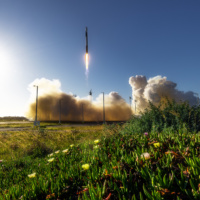
Firefly Aerospace reported its first $100 million‑plus quarter, posting $117.7 million in revenue—a 45.5 % jump from the prior period. The company forecasts 2026 revenue between $420 million and $450 million, with 95 % of second‑half bookings already secured and a record $1.5 billion backlog.
New private 'Perceptor' probes will keep an eye on satellites high above Earth
Original Publication Date: 2026-08-13 09:30
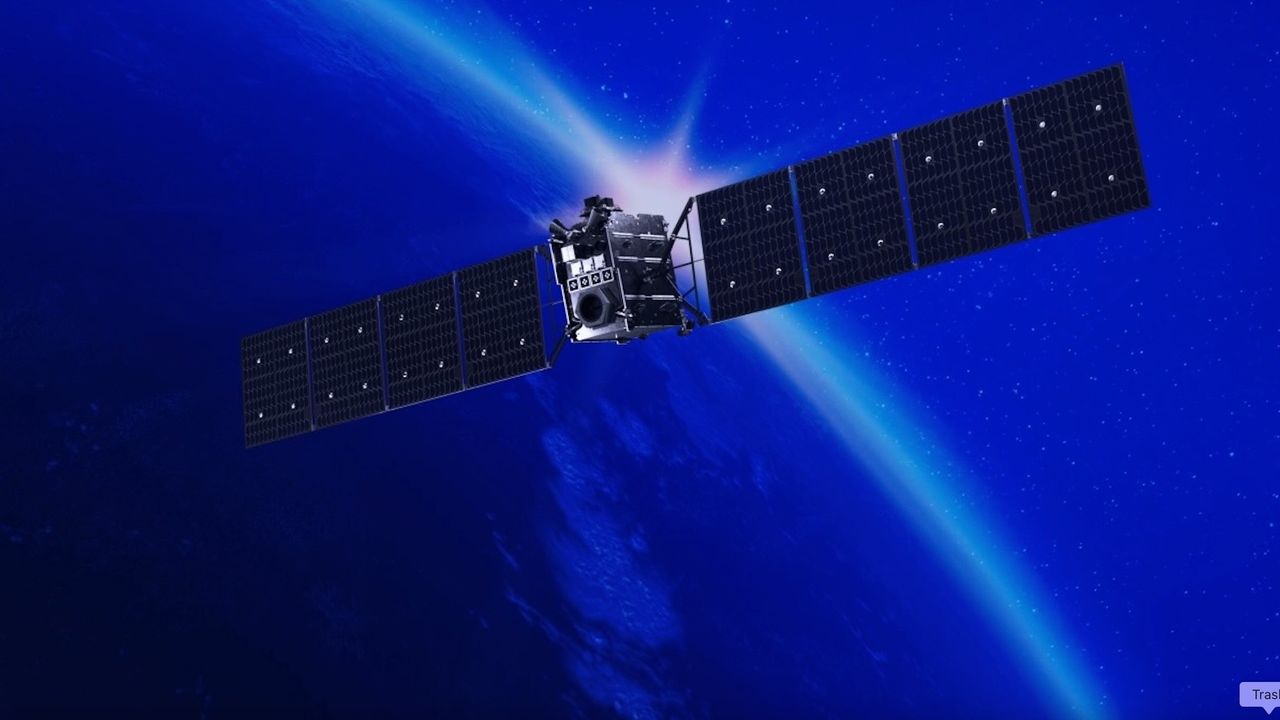
Astranis, a San Francisco‑based satellite operator, has announced its new Perceptor line of small geostationary orbit (GEO) satellites designed to monitor and track other spacecraft in the 22,236‑mile orbit. Using its MicroGEO platform, each Perceptor will carry multiple sensors, electric propulsion for high maneuverability, and will conduct multi‑angle flybys to assess satellite capabilities and troubleshoot anomalies. The move comes amid growing concerns over blind spots in GEO, highlighted by recent close encounters involving Russian and Chinese spy satellites that raised security alarms for the U.S. Space Force. By providing continuous surveillance of the crowded GEO environment, Perceptor aims to fill a critical gap in space situational awareness and protect key infrastructure.
Radiation-shielding vest aced Artemis I lunar test, could protect astronauts on moon and Mars missions
Original Publication Date: 2026-08-12 18:00
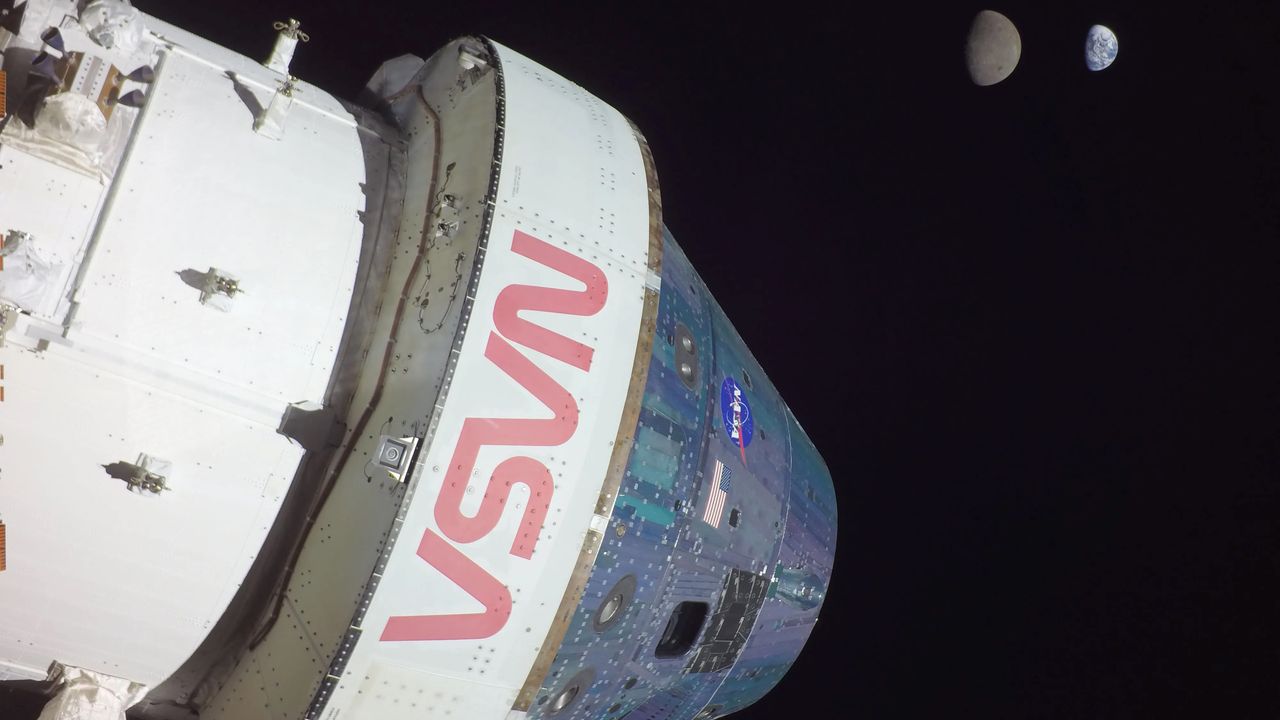
NASA’s Artemis I mission tested a new radiation‑shielding vest called AstroRad, designed to protect astronauts from dangerous solar particle events. The vest, made from a lightweight, hydrogen‑rich plastic, weighs just 57 pounds and offers a 30 % greater dose reduction than uniform shielding would. Researchers used advanced “phantom” dummies that mimic human tissue to demonstrate the vest’s effectiveness, highlighting its particular benefit for female astronauts who face higher radiation risks. AstroRad could become a key safeguard for future lunar and Mars missions, helping to keep crews safe from unpredictable solar storms.
Farthest 'black hole star' ever found could help solve the James Webb Space Telescope's little red dot mystery
Original Publication Date: 2026-08-12 15:05
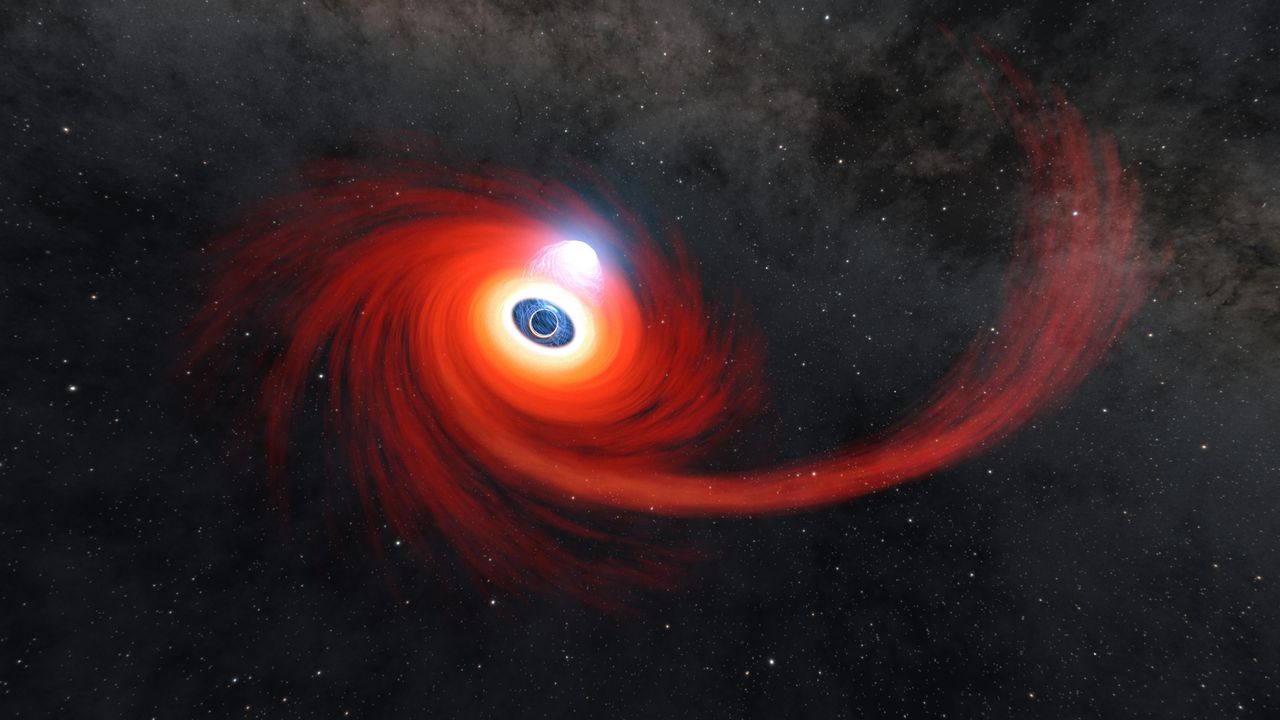
Astronomers using the James Webb Space Telescope have identified the farthest “black hole star” yet, a naked black hole surrounded by a glowing gas cloud, dating back to less than 660 million years after the Big Bang. The discovery, named MoM‑BH‑*‑1, provides a missing link that explains the mysterious “little red dots” seen in JWST images of the early universe, which are now believed to be growing supermassive black holes enshrouded in cool, red‑star‑like gas clouds.
Green comet caught soaring over Namibia | Space photo of the day for Aug. 12, 2026
Original Publication Date: 2026-08-12 14:00
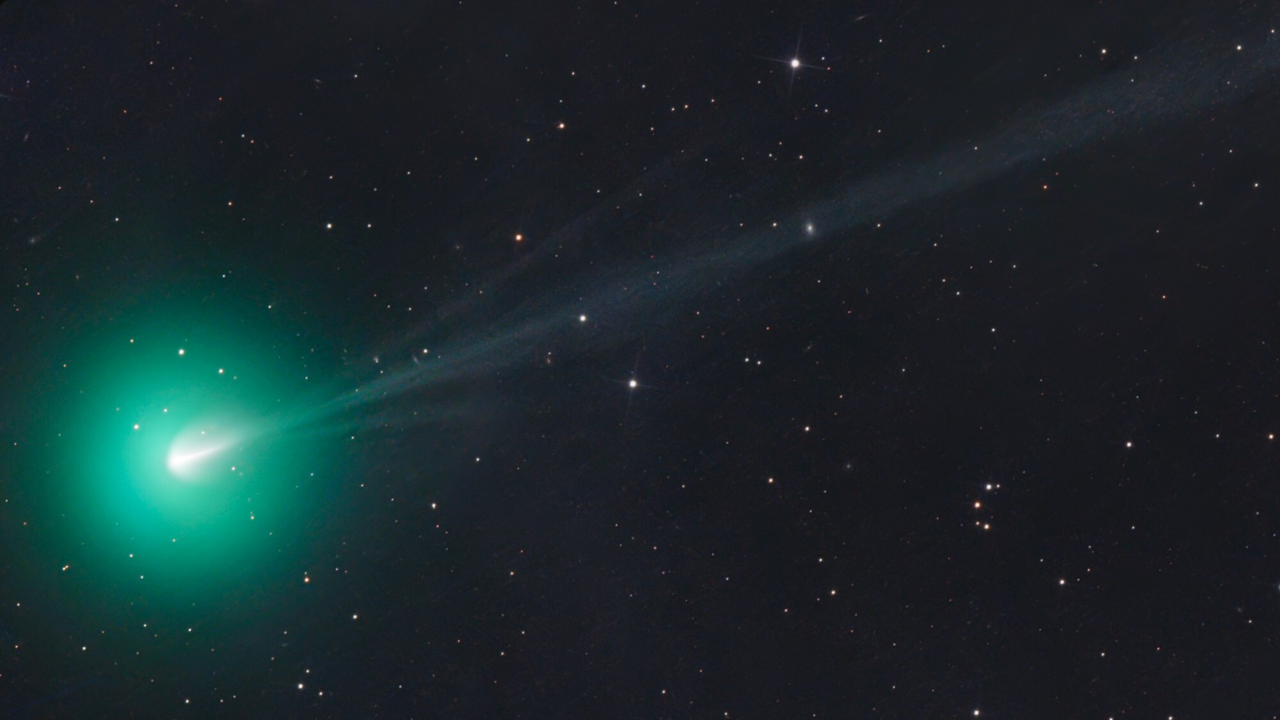
Astrophotographers in Namibia captured the bright green comet 220P/McNaught streaking overhead on August 8, 2026, after it brightened about 600 times its normal brightness following a dramatic outburst at perihelion in June. The comet, discovered by Australian astronomer Robert H.
On this day in space! Aug. 12, 2005: Mars Reconnaissance Orbiter launched
Original Publication Date: 2026-08-12 14:00
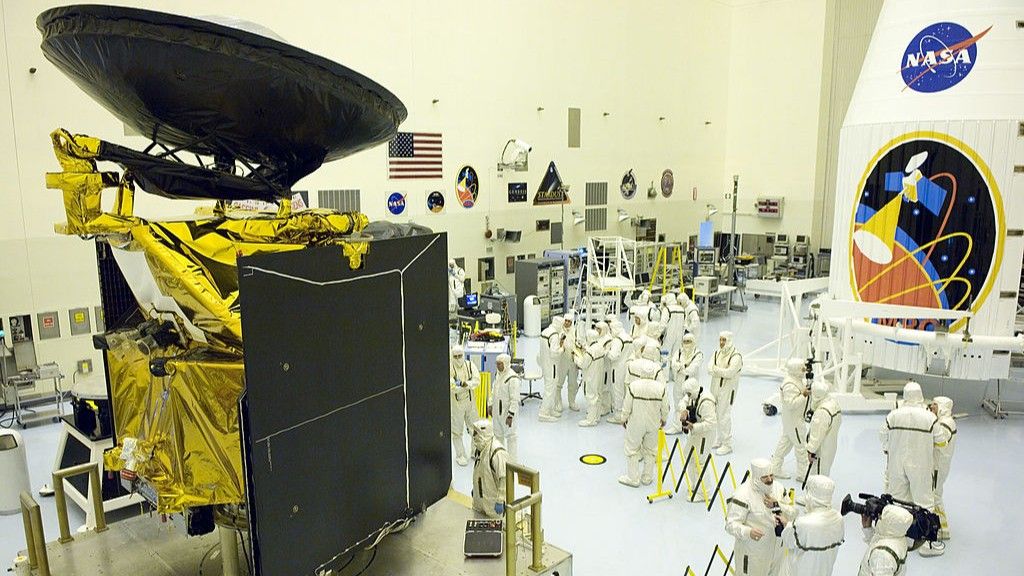
On August 12, 2005, NASA launched the Mars Reconnaissance Orbiter on an Atlas V‑401 from Cape Canaveral, a mission that has now surpassed two decades in orbit around the Red Planet. Equipped with the HiRISE camera, MRO has taken over 100,000 high‑resolution images, helping scientists scout landing sites and track geological activity like dunes, craters, and dust storms. The orbiter also serves as a vital communications relay for other Mars missions, relaying data back to Earth and supporting rovers on the surface. Today, MRO continues to transmit roughly 80,000 megabits of data each day, remaining one of NASA’s most critical assets in Martian exploration.