 Spotify
 Apple Podcasts
 Podcast Addict
 Overcast
 Podcast RSS
NASA and Roscosmos continue seat barter agreement
Original Publication Date: 2026-08-06 02:23
NASA and Roscosmos have renewed a seat‑barter agreement that lets NASA astronauts fly on Soyuz while Russian cosmonauts ride Crew Dragon to the ISS, ensuring crews can stay aboard if either vehicle is grounded. The deal, confirmed after the first face‑to‑face meeting between NASA Administrator Jared Isaacman and Roscosmos Director General Dmitry Bakanov, does not yet cover Boeing’s Starliner, which is still awaiting long‑duration certification.
New Glenn explosion linked to rocket engine valve
Original Publication Date: 2026-08-05 22:30
Blue Origin traced the May 28 explosion of its New Glenn rocket to a liquid‑oxygen valve in a BE‑4 engine. That same valve could also affect United Launch Alliance’s Vulcan Centaur, which uses the BE‑4 in its first stage. The company is quickly retrofitting the valve, with updated hardware ready by month‑end, and has completed a fault‑tree analysis. Blue Origin plans to rebuild Launch Complex 36 and aims to return New Glenn to flight by the end of the year, while ULA has yet to announce a schedule for Vulcan.
Capella, Iceye and Umbra win NRO radar-data contracts
Original Publication Date: 2026-08-05 17:05
The National Reconnaissance Office has just awarded new contracts to Capella Space, Iceye U.S., and Umbra, expanding the U.S. Government’s use of commercial synthetic aperture radar (SAR). These deals, part of the NRO’s Commercial Radar Capabilities program, create a direct path for ordering SAR collections, archiving imagery, and developing new capabilities to meet national security and humanitarian needs. By blending commercial SAR with existing government sensors, the NRO aims to boost intelligence, surveillance, and reconnaissance flexibility and ensure timely, all‑weather, day‑and‑night coverage. This partnership marks a significant step toward integrating cutting‑edge commercial remote sensing into the U.S. Intelligence community.
Satellite manufacturing thrives in California despite cost and regulatory pressures
Original Publication Date: 2026-08-05 12:00
Muon Space celebrated the opening of its new San Jose manufacturing plant in June, with state, local, Space Force and Pentagon officials in attendance. The ribbon‑cutting underscored the startup’s growing role in the U.S. Satellite supply chain. Despite rising costs and regulatory challenges, California continues to attract satellite manufacturers. The event highlighted the state’s resilience and strategic importance to national space infrastructure.
SpaceX Reports Strong Q2 Results and Details Direct Mobile Telco Strategy
Original Publication Date: 2026-08-05 19:33

On August 5, 2026, SpaceX President and COO Gwynne Shotwell unveiled the company’s Q2 performance and outlined its strategic direction. The company reported stronger‑than‑expected revenue and a continued rise in launch cadence, reinforcing its position as a leading launch provider.
Moog Unveils High Delta-V Configuration for METEORITE Satellite Bus
Original Publication Date: 2026-08-05 19:10
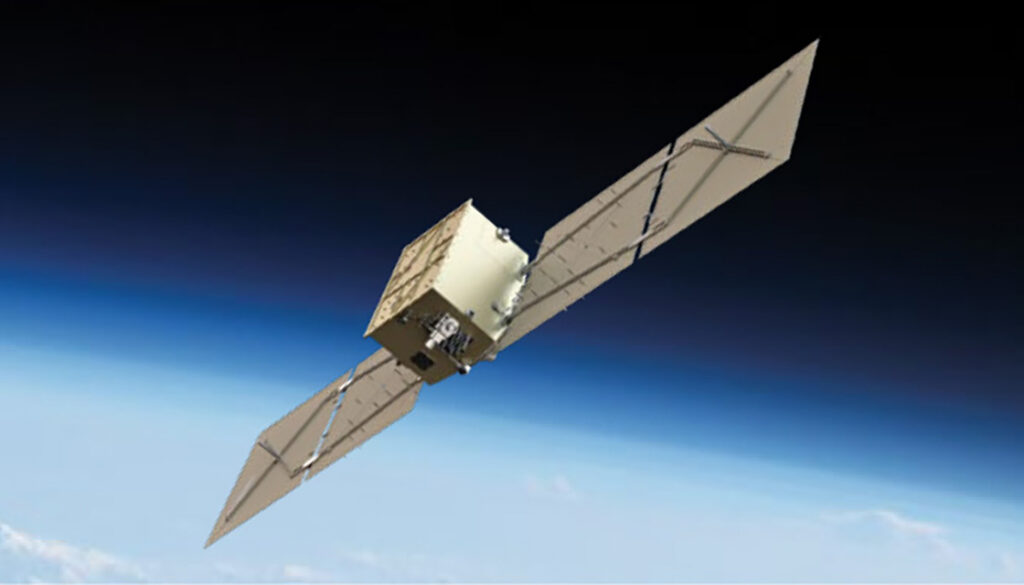
Moog Inc., a precision control systems manufacturer, unveiled a new High Delta‑V configuration for its METEORITE ESPA‑class satellite bus platform on August 5, 2026. The update delivers significantly higher thrust, boosting the bus’s capability to launch heavier payloads and achieve more ambitious mission profiles. Engineers say the enhanced propulsion system will reduce launch costs and increase flexibility for satellite operators. This development positions Moog at the forefront of next‑generation space launch technology.
Silicon Valley Space Week Speaker Focus: Scott Patrick, NTIA
Original Publication Date: 2026-08-05 19:08
The NTIA’s Office of Spectrum Management is racing to secure 500 MHz of spectrum by 2027, a key step for expanding satellite services. Scott Patrick, who helps direct that effort, will join the Satellite Innovation track at Silicon Valley Space Week. His presence underscores the growing focus on spectrum allocation for emerging satellite technologies. The event will highlight how the 2027 deadline could shape the future of space‑based communications.
Expansion in Direct-to-Device Capabilities Drives Satellite Reach to iPads, Tablets, and Large-Format Displays
Original Publication Date: 2026-08-05 15:56

Market data released on August 5, 2026 shows the satellite Direct‑to‑Device sector is expanding rapidly, moving beyond the initial focus on smartphone connectivity. Modern Non‑Terrestrial Networks and large phased‑array antennas are driving this growth, offering higher bandwidth and lower latency for a range of applications. Analysts predict that the sector will attract substantial investment as operators deploy more constellations and edge‑computing capabilities.
EnSilica Joins 5G-aNTeNna Consortium to Advance Ka-Band 5G-NTN User Terminals
Original Publication Date: 2026-08-05 15:12
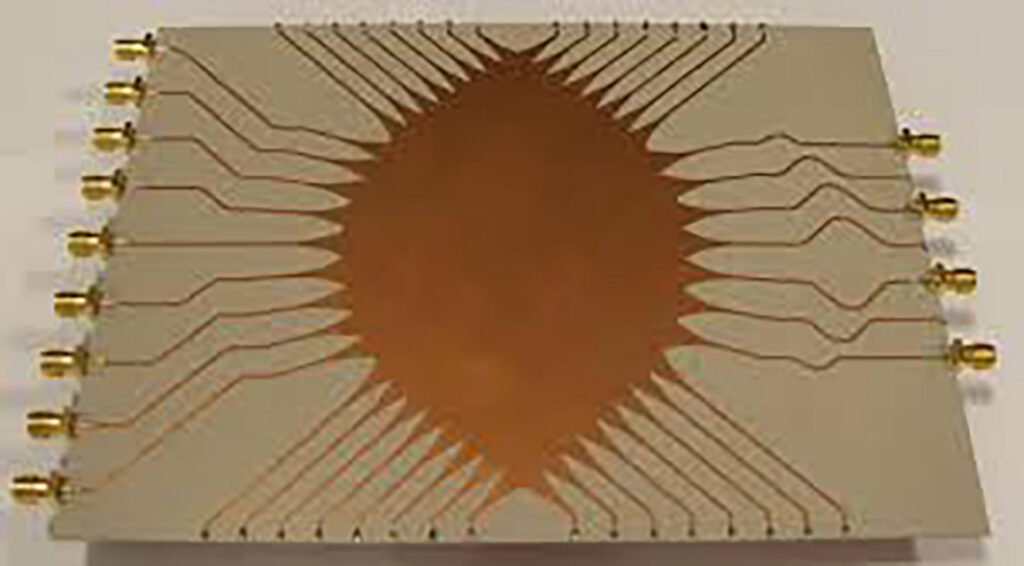
EnSilica, a developer of custom ASICs, joined the 5G‑aNTeNna consortium on August 5, 2026. The European initiative aims to engineer compact, secure, and scalable 5G network solutions. By collaborating with leading tech firms, EnSilica will help advance next‑generation connectivity. The partnership signals a push toward more efficient 5G infrastructure across the continent.
Artemis III Orion Crew and Service Models Joined
Original Publication Date: 2026-08-05 17:27
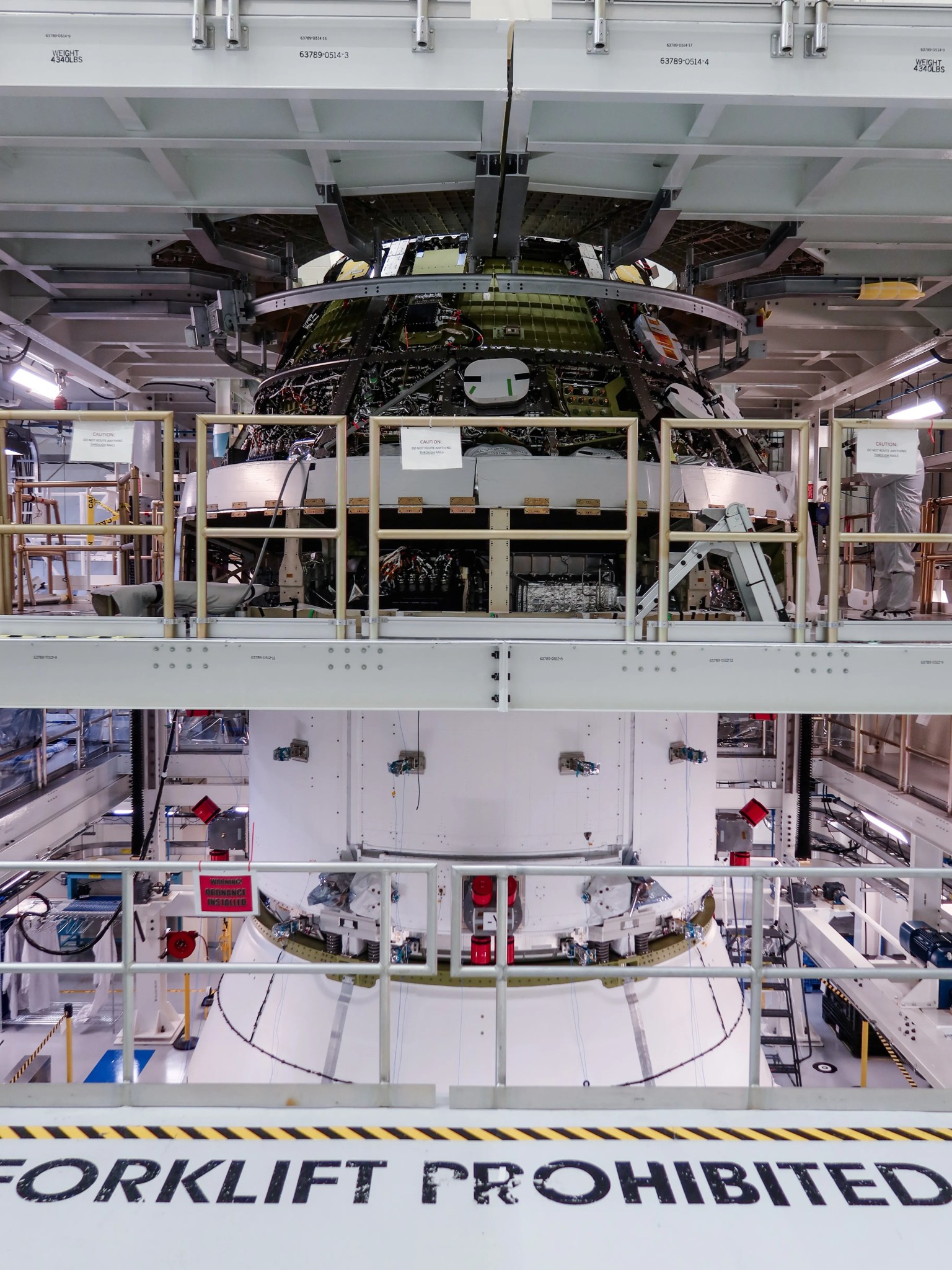
On July 30, 2026, NASA technicians assembled the Orion crew and service modules at the Kennedy Space Center. The crew module will carry astronauts Randy Bresnik, Andre Douglas, Frank Rubio, and ESA’s Luca Parmitano. The service module will power and propel Orion as it tests rendezvous and docking with commercial human‑landing system prototypes from Blue Origin and SpaceX. This milestone marks a significant step toward future commercial lunar missions.
SpaceX Reports Q2 Earnings
Original Publication Date: 2026-08-05 12:45
SpaceX topped Wall Street expectations with $7.8 billion in revenue—a 92% jump year‑over‑year—yet posted a $541 million net loss. Starlink, the company’s connectivity arm, generated 55% of the top line, doubled its subscriber base to 12 million, but revenue per user slipped as it entered lower‑priced markets. The space and AI segments saw record growth but also heavy spending, with $15.8 billion invested in AI data‑center hardware and a $1.3 billion loss in the AI unit. Despite the strong earnings, the stock fell about 7% after hours as investors brace for the first wave of insider shares unlocking this week, potentially adding supply to the market.
A SpaceX rocket just crashed into the moon. Now, the race is on to get a look at the impact site
Original Publication Date: 2026-08-05 17:43
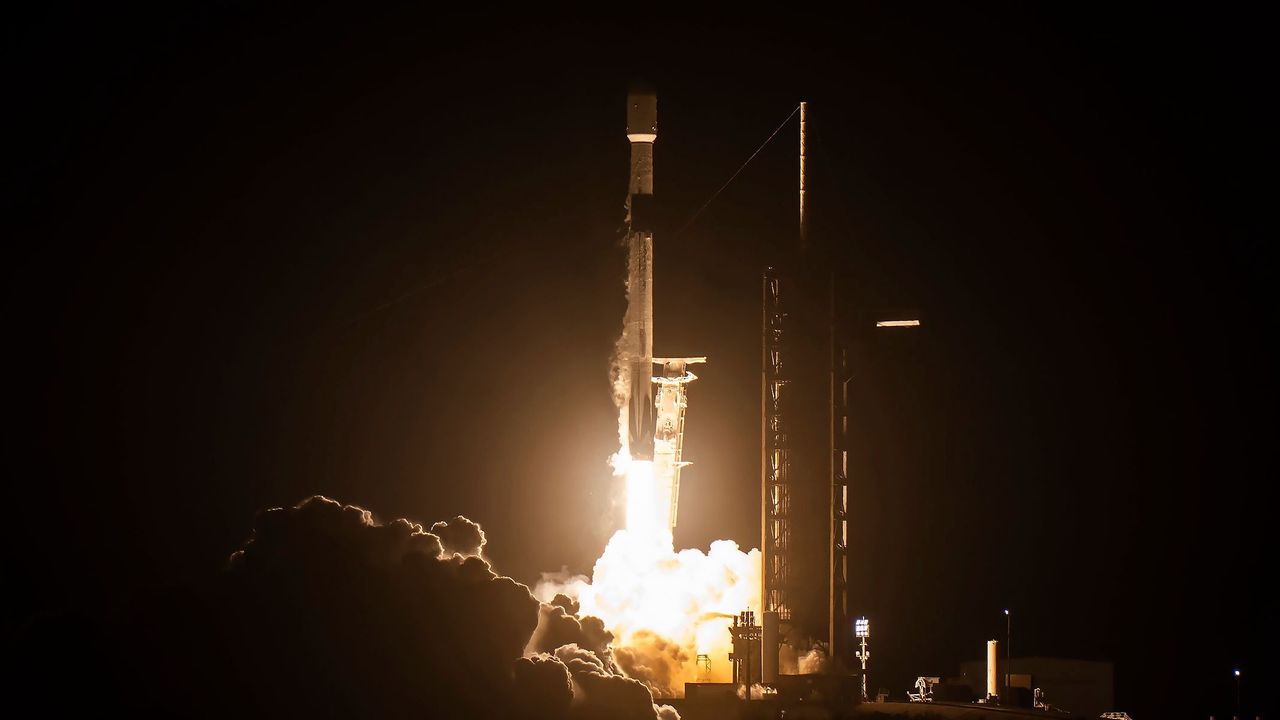
A SpaceX Falcon 9 upper stage slammed into the moon this morning at about 5,400 mph, creating a crater up to 89 feet wide. NASA’s Lunar Reconnaissance Orbiter and Korea’s ShadowCam are racing to capture before‑and‑after images of the impact, while ground‑based telescopes at Marshall Space Flight Center hope to glimpse the faint plume. Scientists have already detected a sodium‑lithium gas plume lasting 5 to 10 minutes, offering a rare chance to study artificial impacts on the lunar surface. This unexpected crash provides researchers with a unique laboratory to better understand debris hazards for future lunar exploration.
Astronomers witness the strange final moments of a massive star's supernova death (video)
Original Publication Date: 2026-08-05 16:00
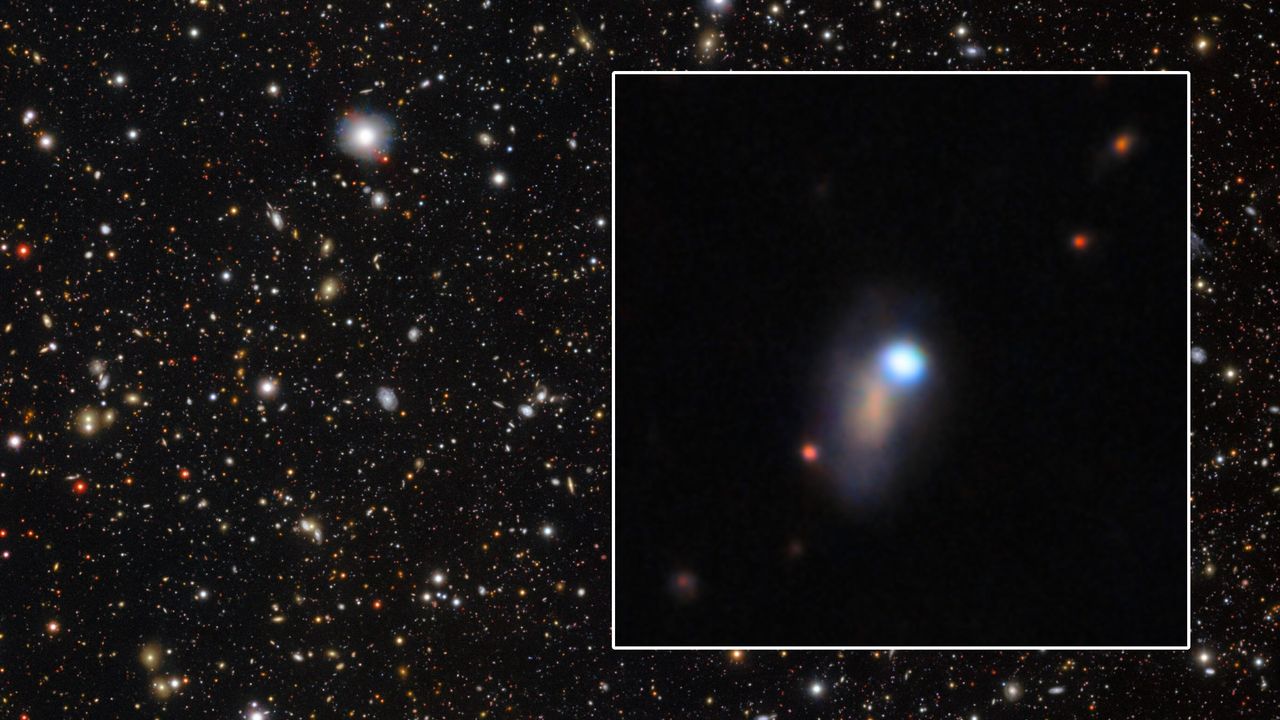
Scientists captured the death of a massive star, SN 2026gzf, from its first faint X‑ray flash—an elusive “shock breakout” that marks the blast wave hitting the star’s surface. The supernova, a broad‑lined Type Ic event 500 million light‑years away, produced neither the expected gamma‑ray burst nor relativistic jets. Multi‑wavelength follow‑up revealed the star’s Wolf‑Rayet progenitor, about 20 times the Sun’s mass, and mapped several shells of material it shed before collapse. The find shows that powerful Type Ic explosions can occur through a wider range of pathways than previously thought, challenging the idea that all such events generate gamma‑ray bursts.
Curiosity rover spots mysterious honeycombs on Mars | Space photo of the day for Aug. 5, 2026
Original Publication Date: 2026-08-05 14:10
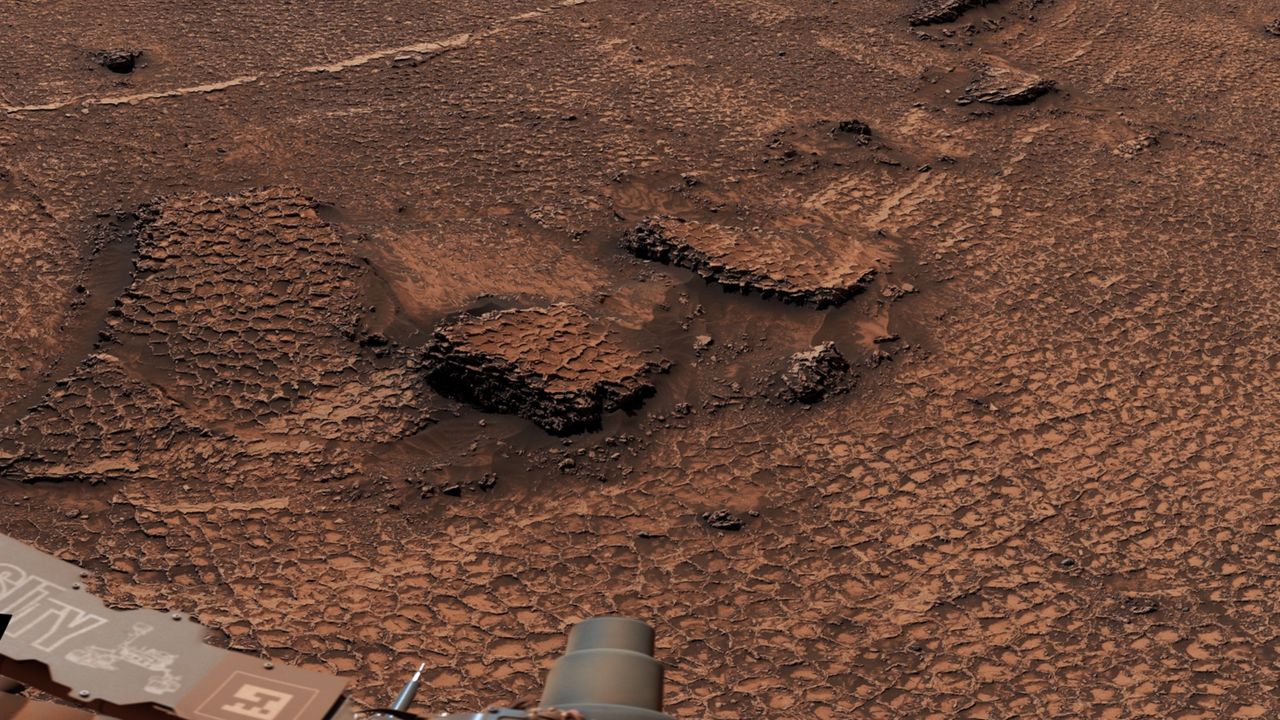
NASA's Curiosity rover has discovered a vast field of honeycomb‑like polygonal fractures in the Valle Grande valley on Mars, each about 1.5 to 3 inches across. The pattern stretches as far as the rover’s instruments can see, surrounding the 20‑foot Miraflores butte. Project scientist Ashwin Vasavada says the shapes could hint at past water activity driven by temperature shifts, but the exact formation process remains unclear. Curiosity’s detailed measurements of shape and chemistry are helping scientists probe this intriguing Martian mystery.
On this day in space! Aug. 5, 2011: NASA's Juno spacecraft launches to Jupiter
Original Publication Date: 2026-08-05 14:00
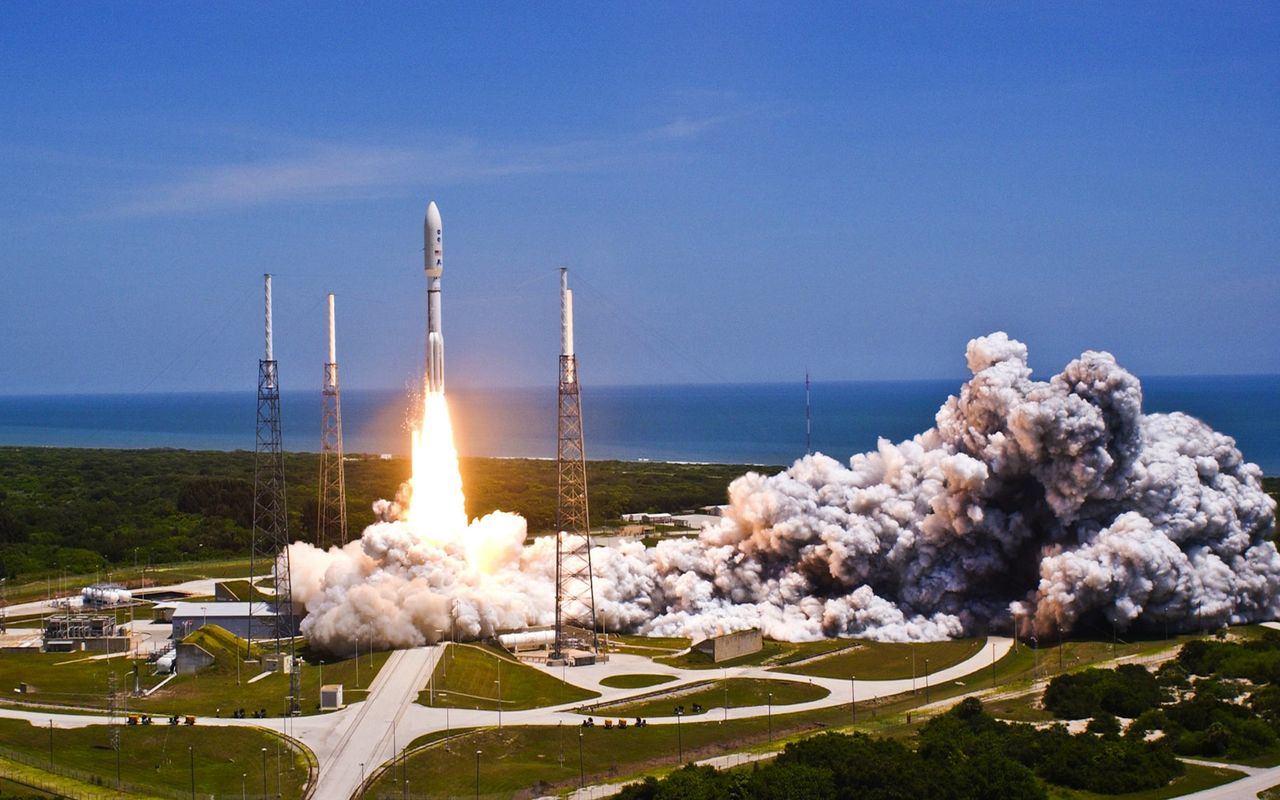
On August 5, 2011, NASA launched the Juno spacecraft from Cape Canaveral aboard an Atlas V rocket, beginning a five‑year, 1.74‑billion‑mile voyage to Jupiter. Equipped with three 30‑foot solar panels and a high‑resolution camera, Juno became the first dedicated Jupiter orbiter since Galileo and the first solar‑powered probe to the gas giant. Since entering orbit in 2016, it has captured the most detailed images of Jupiter’s atmosphere and measured the planet’s composition, magnetic field, and weather patterns, informing future missions to its moons.
Mars dust is toxic. How will future astronauts deal with it?
Original Publication Date: 2026-08-05 13:00
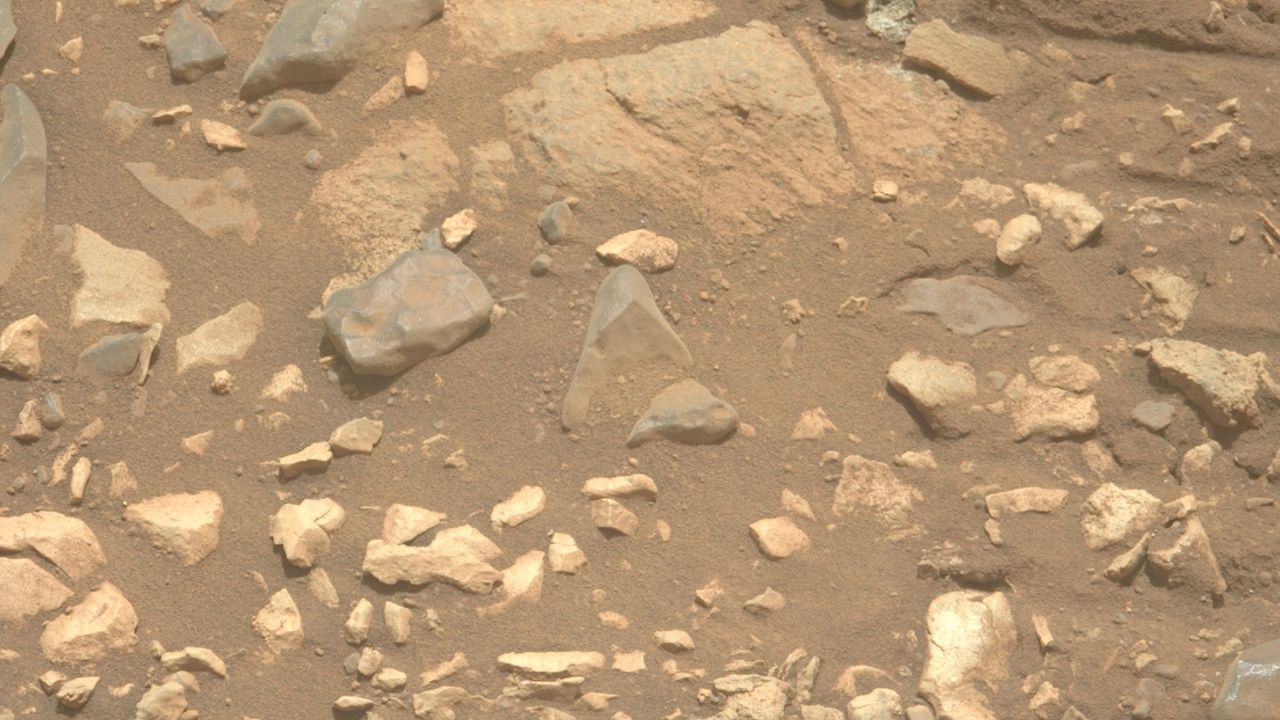
NASA’s Martian Dust Limit Working Group has issued a new dust standard that balances caution with feasibility, noting that Mars dust contains perchlorates, silica, and heavy metals that can irritate lungs and damage equipment. The report stresses that prevention—keeping dust out of habitats, rapid removal, and continuous monitoring—must precede medical countermeasures, and that exposure limits should be revisited as new data arrive.
D-Wave shows off its new entry in quantum computing race
Original Publication Date: 2026-08-05 16:37
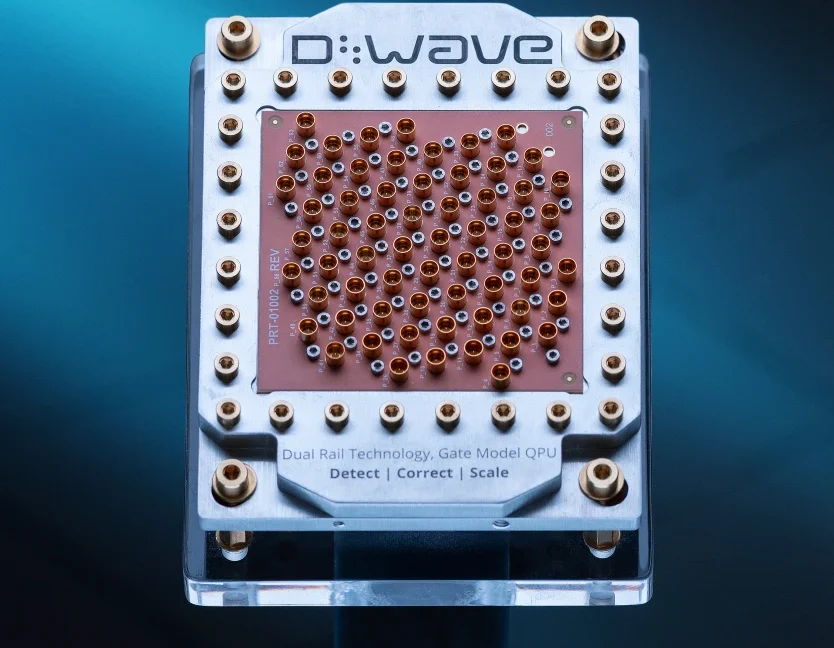
D‑Wave, a pioneer in quantum computing founded in the 1990s, originally focused on quantum annealers that solve optimization problems rather than general‑purpose computation. In recent years the company has shifted toward gate‑based hardware, adopting fluxonium qubits and acquiring Yale‑spinout Quantum Circuits, which develops dual‑rail qubits used by Amazon. Dual‑rail qubits make most errors easy to detect, greatly simplifying error correction.