 Spotify
 Apple Podcasts
 Podcast Addict
 Overcast
 Podcast RSS
Univity funds VLEO 5G demonstrators with $32 million Series A
Original Publication Date: 2026-04-23 06:00
French startup Univity has secured about $32 million in Series A funding to launch two 5G demonstrators into very low Earth orbit next year. The company plans to deploy a constellation of at least 1,600 VLEO satellites, aiming to extend 5G coverage for telecom operators from space. This move positions Univity at the forefront of space‑based 5G infrastructure, potentially reshaping global connectivity.
Atmos Space Cargo raises $30 million for reentry missions
Original Publication Date: 2026-04-23 02:08
Atmos Space Cargo has secured €25.7 million in a Series A round led by Balnord and Expansion Ventures, with support from the European Innovation Council’s Accelerator program. The German‑French company will use the funds to launch three Phoenix 2 reentry vehicles, each carrying up to 100 kg and scheduled to return in 2026‑27 with an inflatable heat shield.
Trump picks industry executive Roger Mason to lead National Reconnaissance Office
Original Publication Date: 2026-04-22 20:05
President Trump has nominated Roger Mason, a defense‑industry veteran, to replace Christopher Scolese as head of the National Reconnaissance Office. The NRO, which builds spy satellites that feed imagery and signals intelligence to military and policymakers, operates on a budget of tens of billions and works closely with the Space Force and commercial partners. Mason, currently chief growth officer at V2X, brings experience from Parsons and Peraton and is expected to continue the agency’s push toward commercial launch and low‑Earth‑orbit constellations, including a growing partnership with SpaceX. If confirmed, he would lead the agency into an era of rapid satellite deployment and cost‑effective space‑based surveillance.
FCC clears AST SpaceMobile constellation as launch setback clouds ramp-up
Original Publication Date: 2026-04-22 19:41
AST SpaceMobile has received FCC approval to launch a 248‑satellite constellation that will deliver direct‑to‑smartphone broadband across the United States. The clearance comes just days after a launch failure that threatened to delay the company’s rollout schedule. The approval paves the way for the company to resume its deployment plans and expand coverage nationwide. The move marks a significant step toward bringing satellite‑based internet to everyday mobile devices.
SpaceX launches 24 Starlink satellites on Falcon 9 rocket from Vandenberg SFB
Original Publication Date: 2026-04-23 00:07

SpaceX has launched its 40th Starlink mission of the year, adding 24 new broadband satellites to its growing constellation. The Falcon 9 rocket took off from Vandenberg Space Force Base’s SLC‑4E at 8:23 p.m. PDT, heading south‑southwest into orbit. After just over eight minutes, booster B1100 successfully landed on the drone ship “Of Course I Still Love You,” marking the vessel’s 192nd and SpaceX’s 602nd booster landing to date. The launch continues SpaceX’s rapid expansion of its more than 10,200‑satellite network, boosting global internet coverage.
IEC Telecom Unveils Voucher-Based Connectivity Solution at Singapore Maritime Week 2026
Original Publication Date: 2026-04-22 23:45

IEC Telecom unveiled its new IEC Voucher System at Singapore Maritime Week 2026, aiming to meet the rising demand for managed high‑speed internet across the maritime sector. The system offers vessels flexible, on‑demand connectivity solutions tailored to shipping operations. Launched in partnership with French maritime authorities, the initiative promises faster, more reliable onboard networks for international crews. IEC Telecom’s move signals a growing focus on digital infrastructure at sea.
GomSpace and STETMAN Establish UASAT Joint Venture for Ukrainian Sovereign Communications
Original Publication Date: 2026-04-22 23:39

On April 22, 2026, at the EU‑Ukraine Business Summit in Brussels, Danish small‑satellite specialist GomSpace and Ukrainian tech firm STETMAN signed a strategic partnership to launch UASAT, a joint venture focused on developing next‑generation small satellites.
Market Dynamics and Non-Terrestrial Network (NTN) Chipsets
Original Publication Date: 2026-04-22 15:32

The global market for LEO satellite 5G non‑terrestrial network chipsets is exploding, spurred by the recent finalization of 3GPP standards that now support satellite‑to‑device connectivity. Companies are pivoting from traditional ground‑based solutions to direct‑to‑device architectures, dramatically lowering latency and boosting coverage in remote regions. Analysts project the market to grow at a double‑digit CAGR, with key players such as Qualcomm, Samsung, and emerging startups racing to secure the first‑mover advantage. This surge underscores the pivotal role of satellite 5G in bridging the digital divide worldwide.
Teledyne to Showcase Integrated Sensing Ecosystem and New Low-Light Module at SPIE 2026
Original Publication Date: 2026-04-22 14:02

Teledyne Technologies is set to unveil a unified ecosystem of sensing solutions designed for high‑performance imaging in austere environments at the SPIE Defense + Security 2026 conference. The company aims to address the growing demand for reliable, advanced imaging capabilities in challenging operational settings.
Smoke Shrouds Northern Thailand
Original Publication Date: 2026-04-23 04:01

NASA’s MODIS sensor on the Terra satellite captured a smoky image of Chiang Mai on April 22, 2026, showing haze that obscures the city’s famed mountain views. The haze is largely driven by biomass burning—about 70 % of fine particulate matter—alongside vehicle emissions, industry, and charcoal use, trapped by the region’s valleys and temperature inversions. Ground sensors recorded “unhealthy” to “very unhealthy” PM₂.₅ levels, raising health concerns and dampening tourism, with arrivals in Pai down 90 %. Meteorologists warned of a high risk for severe transboundary haze, as dry, warm conditions and south‑westerly winds could worsen the situation.
NASA Targets Early September for Roman Space Telescope Launch
Original Publication Date: 2026-04-22 17:46
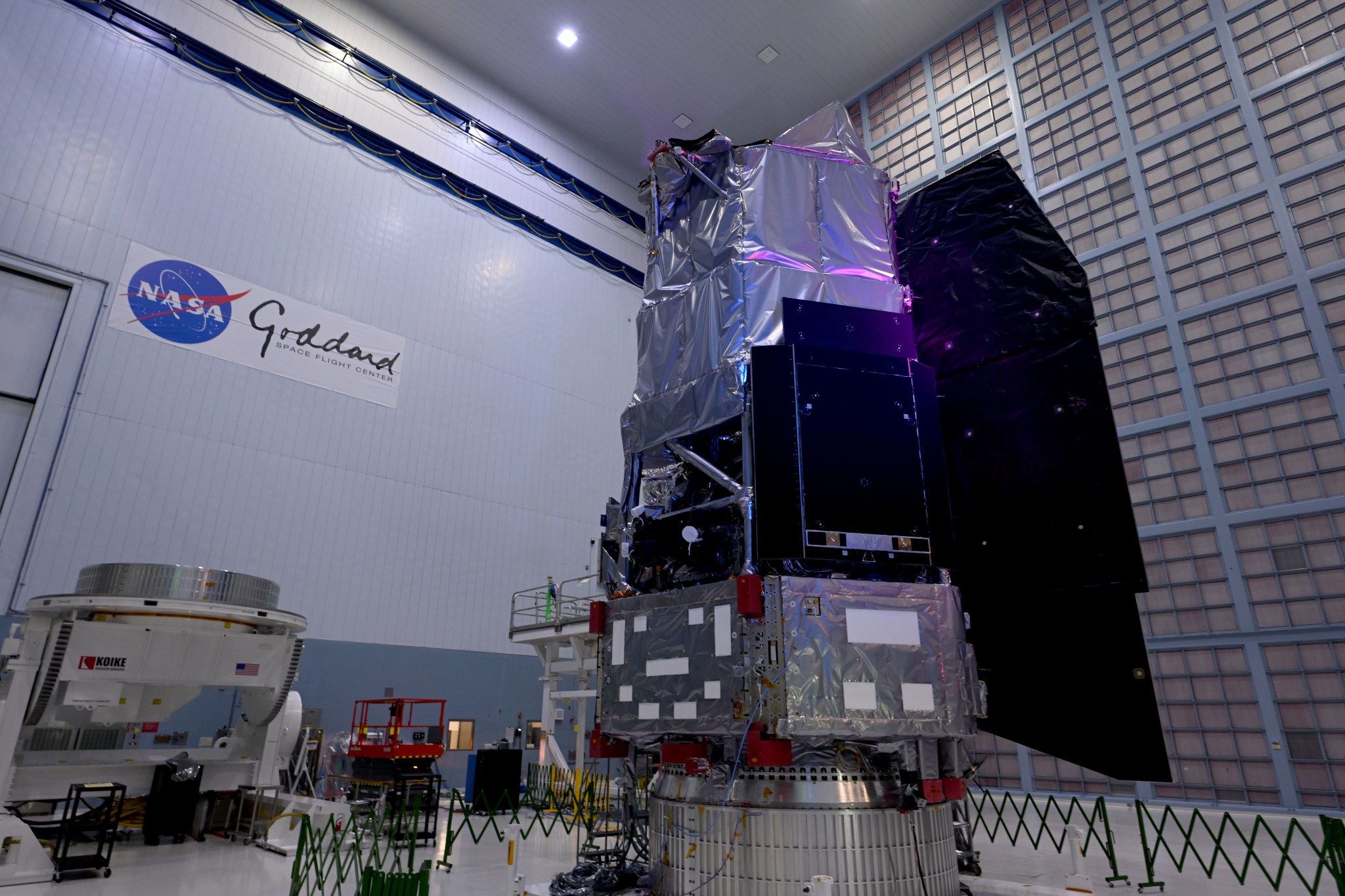
NASA’s Nancy Grace Roman Space Telescope is now in the largest clean room at Goddard, ready to be shipped to Kennedy Space Center for a launch slated for early September 2026. The observatory will pair a wide field of view with sharp infrared vision to map dark energy, dark matter, exoplanets, and countless galaxies, generating a 20,000‑terabyte data archive over its five‑year mission. NASA Administrator Jared Isaacman hailed the accelerated development as a triumph of public investment, institutional expertise, and private enterprise. The telescope will launch aboard a SpaceX Falcon Heavy from Launch Complex 39A, with final launch details to be announced as preparations advance.
NASA Astronaut Anil Menon to Discuss Upcoming Launch, Mission
Original Publication Date: 2026-04-22 16:29
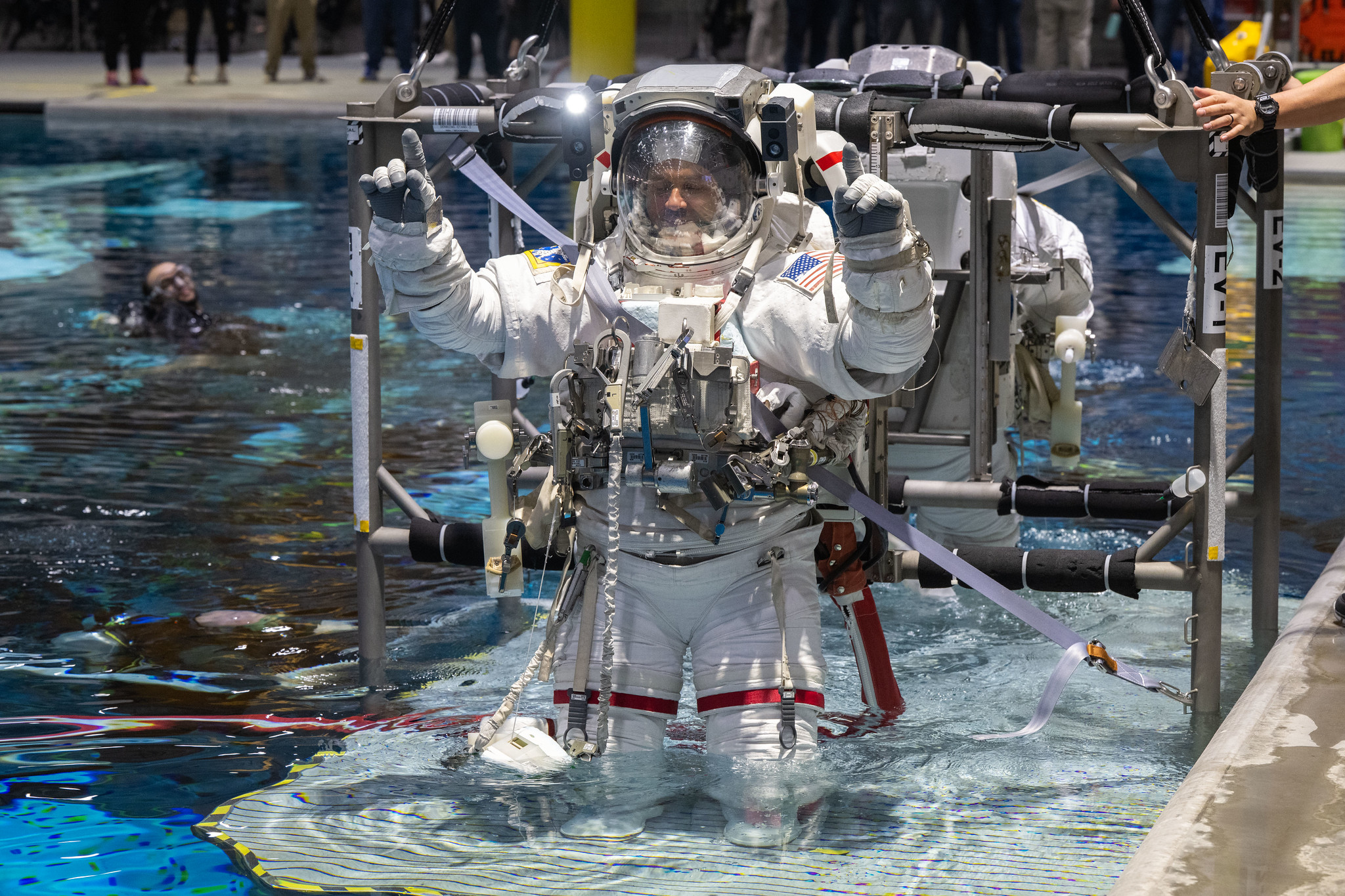
NASA astronaut Anil Menon is training for his first spaceflight aboard the ISS, with a news conference scheduled for April 29 to preview his upcoming Soyuz MS‑29 mission set to launch July 14. The conference, hosted at Johnson Space Center, will be streamed live on NASA’s YouTube channel and media can request interviews or attend in person by contacting the JSC newsroom. Menon, a Minneapolis‑born emergency‑medicine physician, mechanical engineer, and Air Force lieutenant colonel, will fly with Russian cosmonauts Pyotr Dubrov and Anna Kikina for an eight‑month stay as part of Expeditions 74/75.
Tracking Sats From the Sea
Original Publication Date: 2026-04-22 12:15

Navy officials are exploring a new twist on satellite domain awareness: equipping ships with space‑tracking technology that could make them harder to hit and provide fresh angles on satellite activity. Rear Admiral Karrey Sanders said that mobile sea‑borne sensors would give the Navy a better view of space and help protect its assets, while Gurpartap Sandhoo warned that policy changes would be needed to shift the Space Force’s role offshore. The plan would largely upgrade existing vessels, but it also raises questions about how to synchronize the fast pace of space battles with the slower tempo of sea warfare. If successful, seaborne satellite monitoring could become a critical component of the Navy’s future fight strategy.
'That's just not a winning strategy': Congress objects (again) to Trump's planned NASA budget cuts
Original Publication Date: 2026-04-23 10:00
Congress has once again rejected President Trump’s proposal to slash NASA’s FY 2026 budget by 23%, arguing the cuts would cripple the agency’s ability to meet its mandated missions. During a House Science, Space and Technology hearing, chair Rep. Brian Babin warned that trimming funding would jeopardize U.S. Leadership in space amid rising Chinese competition. Committee ranking member Rep. Zoe Lofgren echoed the sentiment, calling the cuts “not a winning strategy” that would undermine Earth science, aeronautics, and the Artemis 2 crew.
Rocket Lab launches Japanese 'origami' satellite, 7 other spacecraft to orbit (photos)
Also covered by: SpaceNews
Original Publication Date: 2026-04-22 17:00
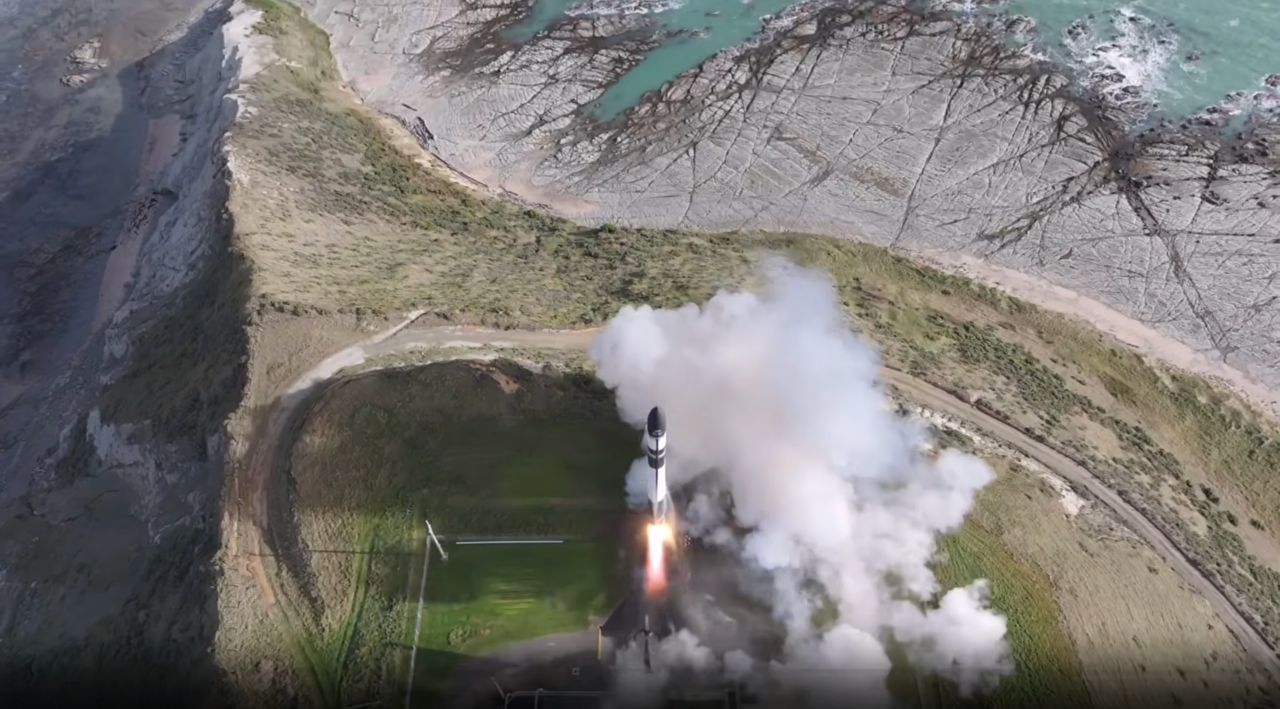
On April 22, 2026 Rocket Lab launched its Electron rocket from New Zealand’s Launch Complex 1, deploying eight satellites for Japan’s “Kakushin Rising” mission into a 540‑km sun‑synchronous orbit. The payloads included JAXA cubesats, an educational smallsat, an ocean‑monitoring satellite, and a demonstration of ultra‑small multispectral cameras. One of the satellites carried an origami‑folded antenna that expands 25 times its stowed size. This launch showcased Rocket Lab’s first deployment of such a diverse mix of science and technology demonstration payloads.
NASA still confident that Artemis astronauts will land on the moon in 2028 despite spacesuit delays
Original Publication Date: 2026-04-22 16:00
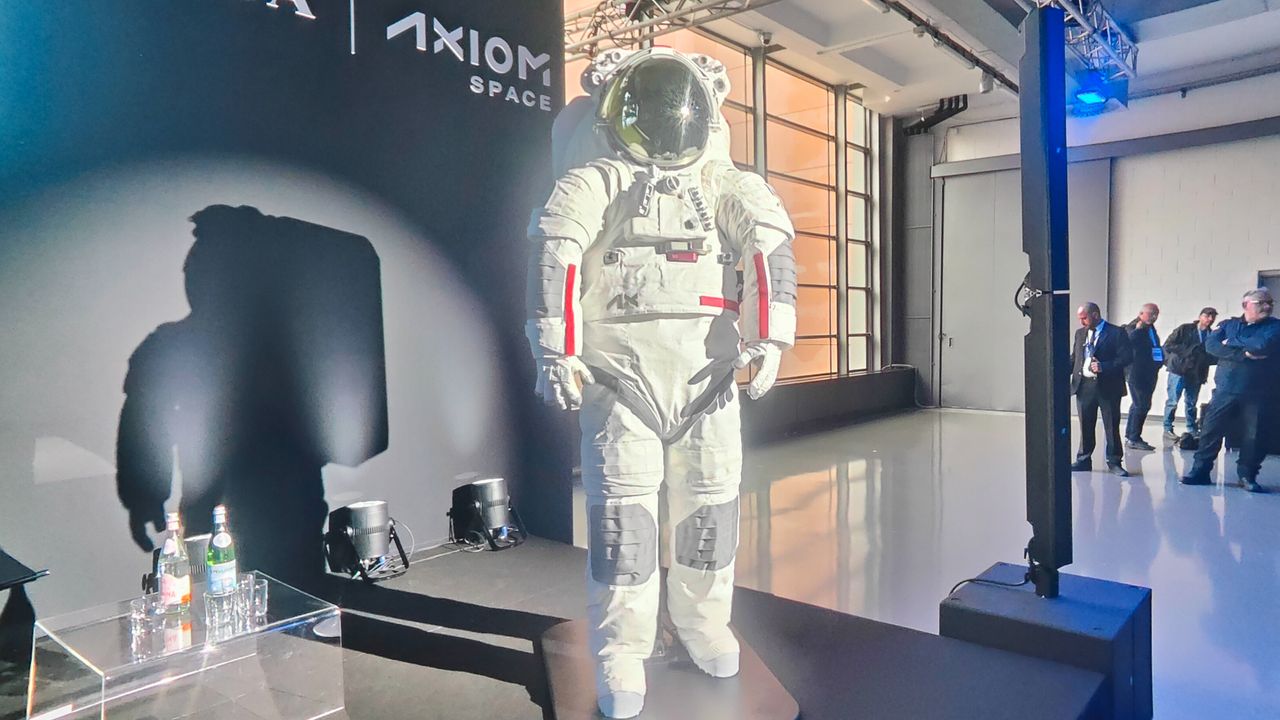
NASA says it still expects to land astronauts on the moon in 2028 with the Artemis program, even though an OIG report warns that suit delays could push the goal to
Happy Earth Day! Celebrate with these amazing photos of our planet from space, from Apollo 8 to Artemis 2
Original Publication Date: 2026-04-22 15:27
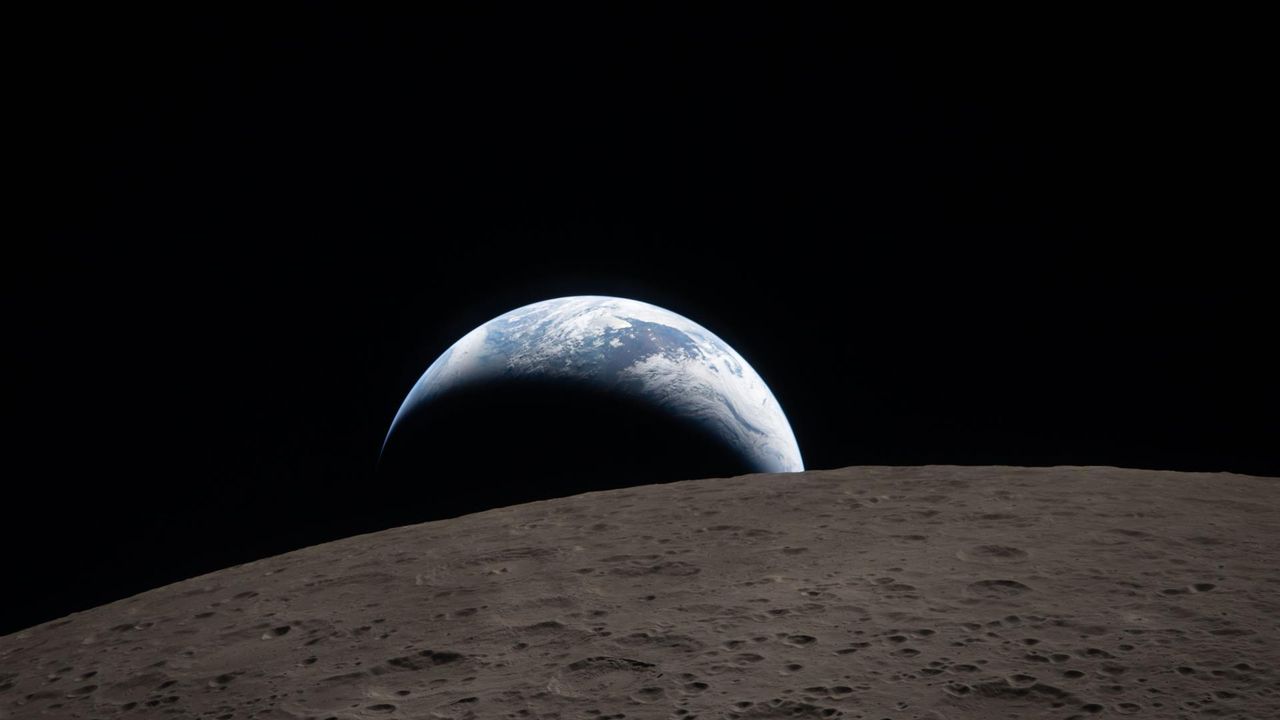
This Earth Day, Space.com highlights how our planet has been viewed from the cosmos, starting with Apollo 8’s iconic “Earthrise” in 1968, which helped spark the environmental movement. Decades later, Voyager 1 captured the famous “pale blue dot” in 1991, showing Earth as a tiny blue speck from 3.7 billion miles away. NASA’s Artemis 2 crew returned to the Moon for the first time since Apollo, filming a dramatic “Earthset” as Earth slipped behind the lunar horizon, a moment described by commander Reid Wiseman as “watching a sunset at the beach from the most foreign seat in the cosmos.” These images remind us that our fragile blue planet is a lone rock floating in space, protected only by a thin atmosphere.
Meet the US Navy divers who welcomed the Artemis 2 astronauts home from the moon
Original Publication Date: 2026-04-22 15:00

Four U.S. Navy divers were the first to greet NASA's Artemis 2 astronauts when their Orion capsule, named Integrity, splashed down in the Pacific after a 10‑day lunar fly‑by. Operating from the USS John P. Murtha, the dive medical team—Lt. Cmdr. Jesse Wang, CWO Laddy Aldridge, CWO Vlad Link and HC1 Steve Kapala—opened the capsule, performed initial health checks and guided the crew onto a recovery platform. This marked the first time a dedicated dive medical team entered an Orion spacecraft to assist astronauts, building on a legacy of Navy support that dates back to Apollo.