 Spotify
 Apple Podcasts
 Podcast Addict
 Overcast
 Podcast RSS
Vantor to expand imaging satellite fleet, adding smallsats to increase revisit rates
Original Publication Date: 2026-04-09 10:00
Vantor, the Earth‑observation operator formerly known as Maxar, is launching its first major fleet expansion in nearly a decade, adding two new 20‑centimeter “Vantage” satellites and up to 24 smaller 40‑centimeter “Pulse” satellites. The Pulse constellation, slated for launch in 2027, will be able to image the same spot every 15 minutes, while the Vantage satellites, expected in 2029, will provide high‑resolution imagery from sun‑synchronous orbit. This hybrid approach aims to eliminate the traditional trade‑off between image quality and revisit speed, meeting growing demand from governments for real‑time, sovereign intelligence. The move marks Vantor’s first significant expansion since its 2017 WorldView Legion program.
Apex to develop larger satellites for missile defense, space-based computing
Original Publication Date: 2026-04-09 09:00
Apex, the Los Angeles satellite maker, announced plans to build larger, more powerful spacecraft after launching its biggest platform last year, signaling rising demand for energy‑intensive missions such as orbital computing and missile defense. The company is developing two new variants of its Comet bus—Comet Mini and Comet XL—designed to carry up to 3,000 kilograms and generate up to 100 kilowatts of power, a dramatic jump over its current 5‑kilowatt model. The Mini, slated for 2028, can launch in stacks of 16 on a Falcon 9, while the XL targets super‑heavy launchers such as Starship.
Improved thresholds and SSA accuracy can reduce most satellite collision risk
Original Publication Date: 2026-04-08 20:15
A new study shows that enhancing space situational awareness data accuracy and tightening conjunction thresholds can eliminate the majority of satellite collision risks in low Earth orbit. By refining detection precision and setting stricter criteria for potential close approaches, operators can more reliably predict and avoid dangerous encounters. The research suggests that these measures could effectively retire most collision threats, improving overall space safety. Space agencies and satellite operators are urged to adopt these improved protocols to safeguard the growing constellation of space assets.
Space Sovereignty Is No Longer Optional
Original Publication Date: 2026-04-08 17:50
Space has quietly become the invisible backbone of everything from banking to defense, yet its infrastructure is under unprecedented strain. The growing swarm of satellites, rising space debris, and contested orbital slots threaten the reliability of GPS, secure communications, and global finance. Experts warn that without clear sovereignty rules and coordinated traffic management, the next decade could see costly outages and geopolitical friction. The SpaceNews report urges nations to act now to safeguard this critical, but fragile, space infrastructure.
April 30: Opportunities for On-Orbit Computing
Original Publication Date: 2026-04-08 14:31
SpaceNews is hosting an in‑person conference on April 30 in Washington, D.C., to explore the rapidly emerging field of orbital data centers and the race to build off‑planet computing infrastructure. The event will bring together industry leaders and government officials to examine how solar and nuclear power could overcome key hurdles, and to debate how AI will shape what data stays on Earth versus in space. Attendees will hear from CEOs of Overview Energy, Star Catcher, and other companies, and a networking reception will follow the talks. A post‑event report and select podcast episodes will be released in May.
Automation and Agility: How SSC Space Go is Designed for the New Age of Ground
Original Publication Date: 2026-04-08 21:02
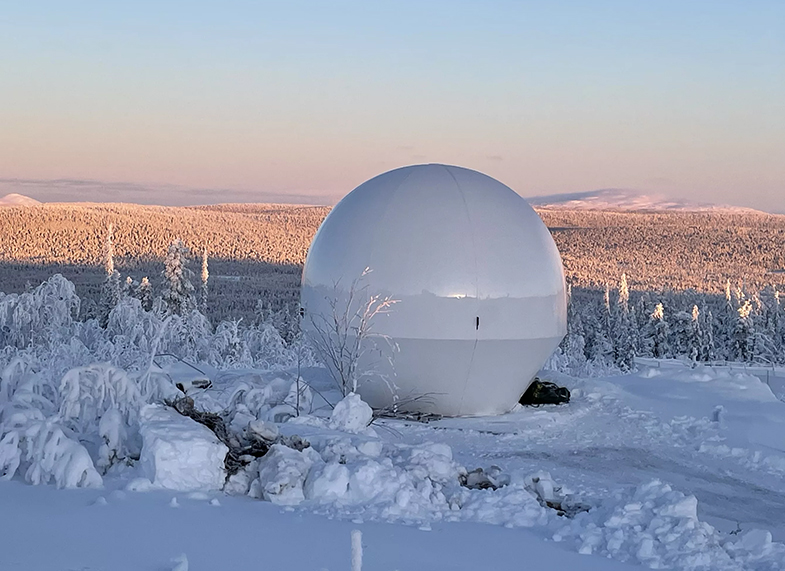
Commercial small‑satellite operators have long been stalled by a ground‑bottleneck: bulky, hardware‑heavy stations that demand manual reconfiguration and weeks of onboarding. On April 7, a leading provider announced a software‑defined ground‑station solution that eliminates these manual steps and cuts deployment time to days. The new platform promises plug‑and‑play connectivity, real‑time configuration, and scalable bandwidth for a growing constellation fleet. This innovation is set to accelerate the pace of commercial satellite launches and reduce operational costs across the industry.
Procurement Lag vs. Conflict Speed: Can Defense Buying Cycles Keep Up with Space Innovation?
Original Publication Date: 2026-04-08 19:37
Analyst Omkar Nikam warned on April 7 that the next frontier of military advantage will depend more on how quickly a nation can acquire advanced technology than on what it builds in‑house. He argued that rapid procurement of AI‑driven systems, autonomous drones, and cyber‑defense tools will give countries a decisive edge over rivals. Nikam cautioned that bureaucratic delays and supply‑chain bottlenecks could erode this advantage, urging governments to streamline acquisition processes and partner more closely with commercial innovators.
Kraken Robotics Integrates KATFISH Sonar on SEFINE RD-22 USV Following Multi-Naval Demonstrations
Original Publication Date: 2026-04-08 19:24
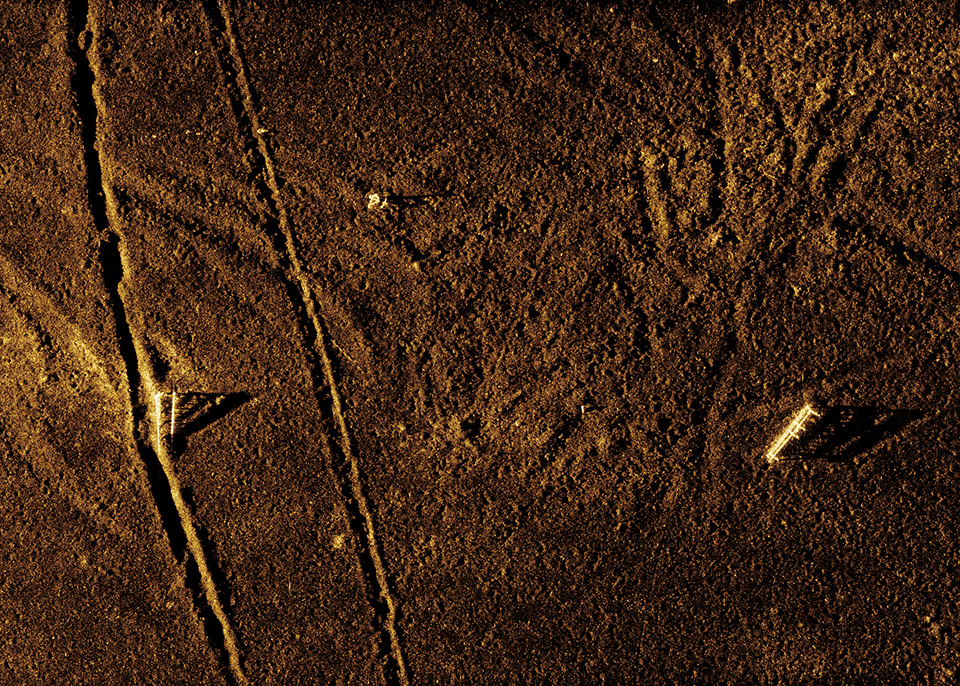
Kraken Robotics Inc. Announced on Tuesday, April 7, 2026, that it has successfully integrated and field‑tested its KATFISH towed synthetic aperture sonar (SAS) system with an autonomous launch and recovery system (LARS). The demonstration showcased the platform’s ability to deploy and recover the sonar array without human intervention, delivering high‑resolution underwater imaging.
Industry Sentiment Shifts as Quilty Space Reveals Top 5 Takeaways from Satellite 2026
Original Publication Date: 2026-04-08 16:09
Analysts at Quilty Space have released their definitive list of the top 10 satellites for 2026. The list was compiled following the conclusion of the Washington Satellite 2026 show in late March. The list is based on information that was gathered during the show in Washington, D.C.
Intellian Unveils Future Military and Aerospace Antenna Technologies at Satellite 2026
Original Publication Date: 2026-04-08 14:42

Intellian Technologies, Inc. Announced a significant expansion of its satellite‑communication portfolio, showcasing a range of new antennas and ground‑gateway solutions that illustrate the company’s rapid technological diversification. The unveiling highlighted innovative features designed to enhance connectivity for a broader spectrum of users, from commercial enterprises to government agencies. By broadening its product lineup, Intellian is positioning itself to capture emerging markets in both terrestrial and space‑based communications. This move underscores the company’s commitment to advancing global connectivity through cutting‑edge technology.
Snow in the Shadow of the Andes
Original Publication Date: 2026-04-09 04:01
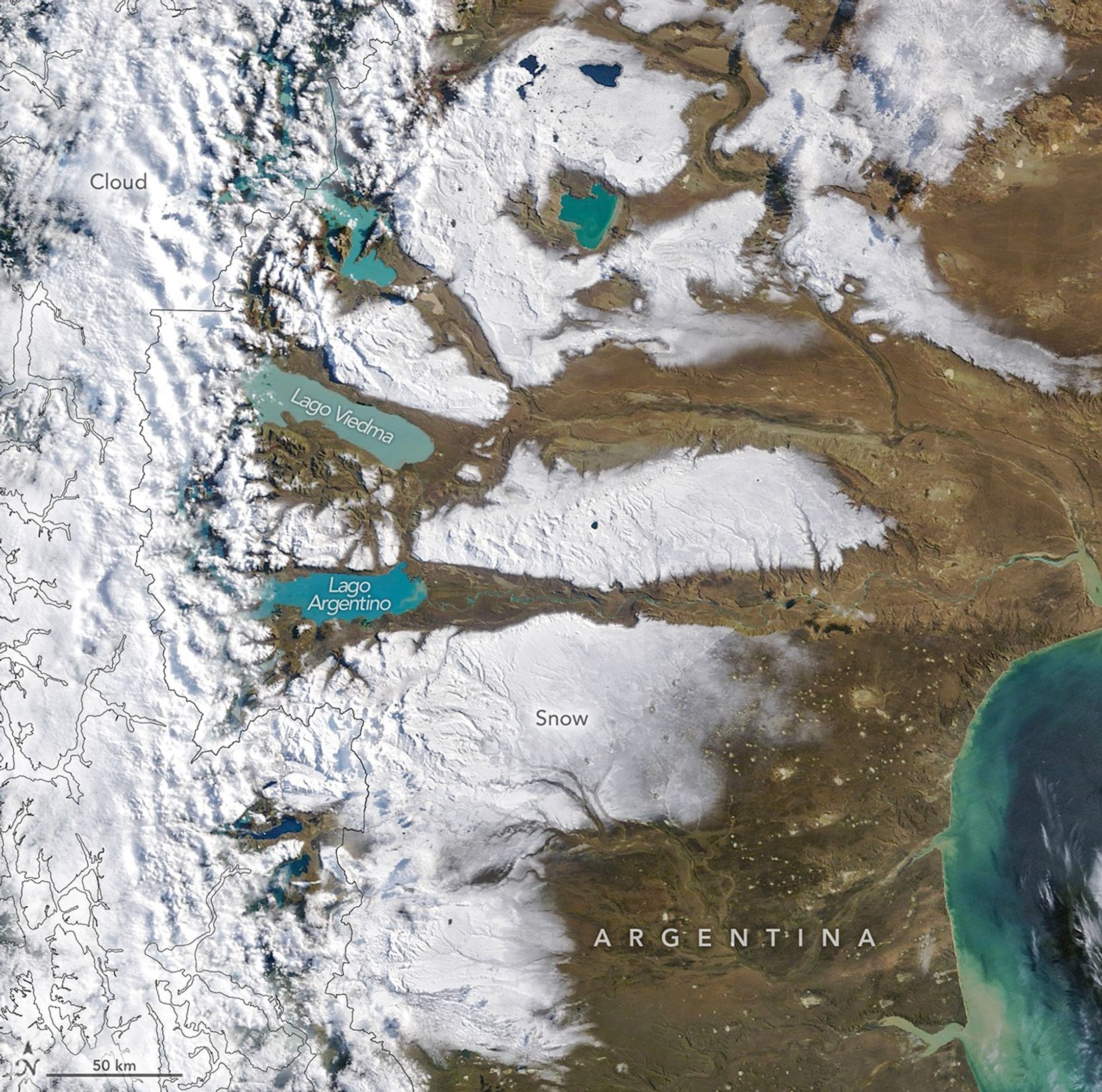
NASA’s Terra satellite captured a rare patch of snow blanketing the Patagonian Desert on April 3, 2026, after an unusually wet early‑fall storm. MODIS imagery shows the white blanket spread across the eastern Andes, while Landsat 9 pinpoints a sharp snow line along the outlet of Lago Argentino. Atmospheric scientists say above‑average precipitation from late March and powerful westerly winds pushed snow eastward into Argentina’s arid plains.
Twin NASA Control Rooms Support Artemis Safety, Success
Original Publication Date: 2026-04-08 18:13
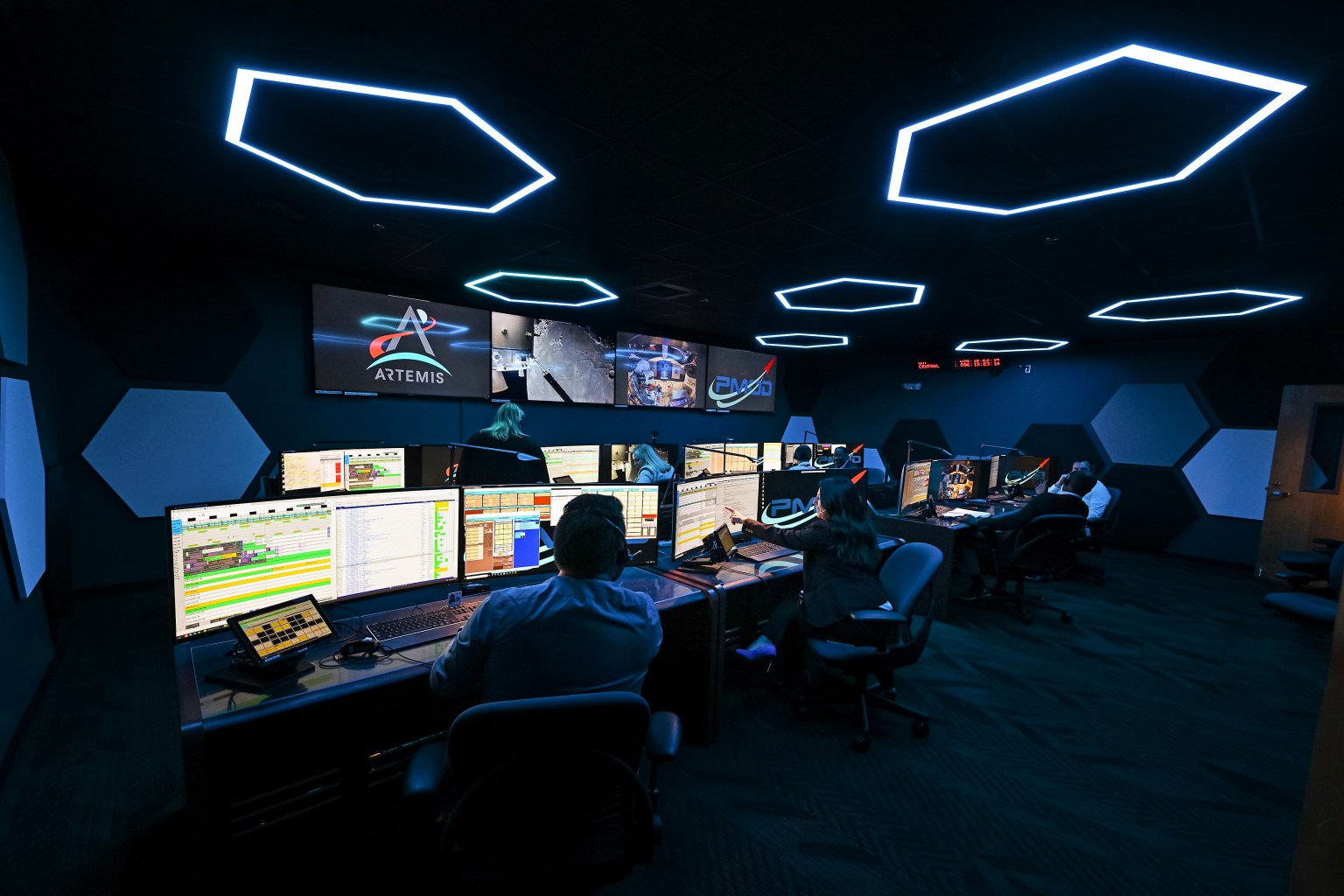
NASA’s twin control rooms at Marshall Space Flight Center in Huntsville—LUCA and LESA—are currently live‑supporting Artemis II as the crew heads back to Earth on April 10. LUCA focuses on lunar science operations, while LESA monitors the human landing system’s engineering needs for the first crewed Moon landing. Together they provide real‑time command, telemetry, and global communication to keep astronauts safe and the mission on track. These adaptable rooms also support other NASA programs, from the Commercial Crew to the Space Launch System and the International Space Station.
Solar Eclipse of the Heart
Original Publication Date: 2026-04-08 17:12
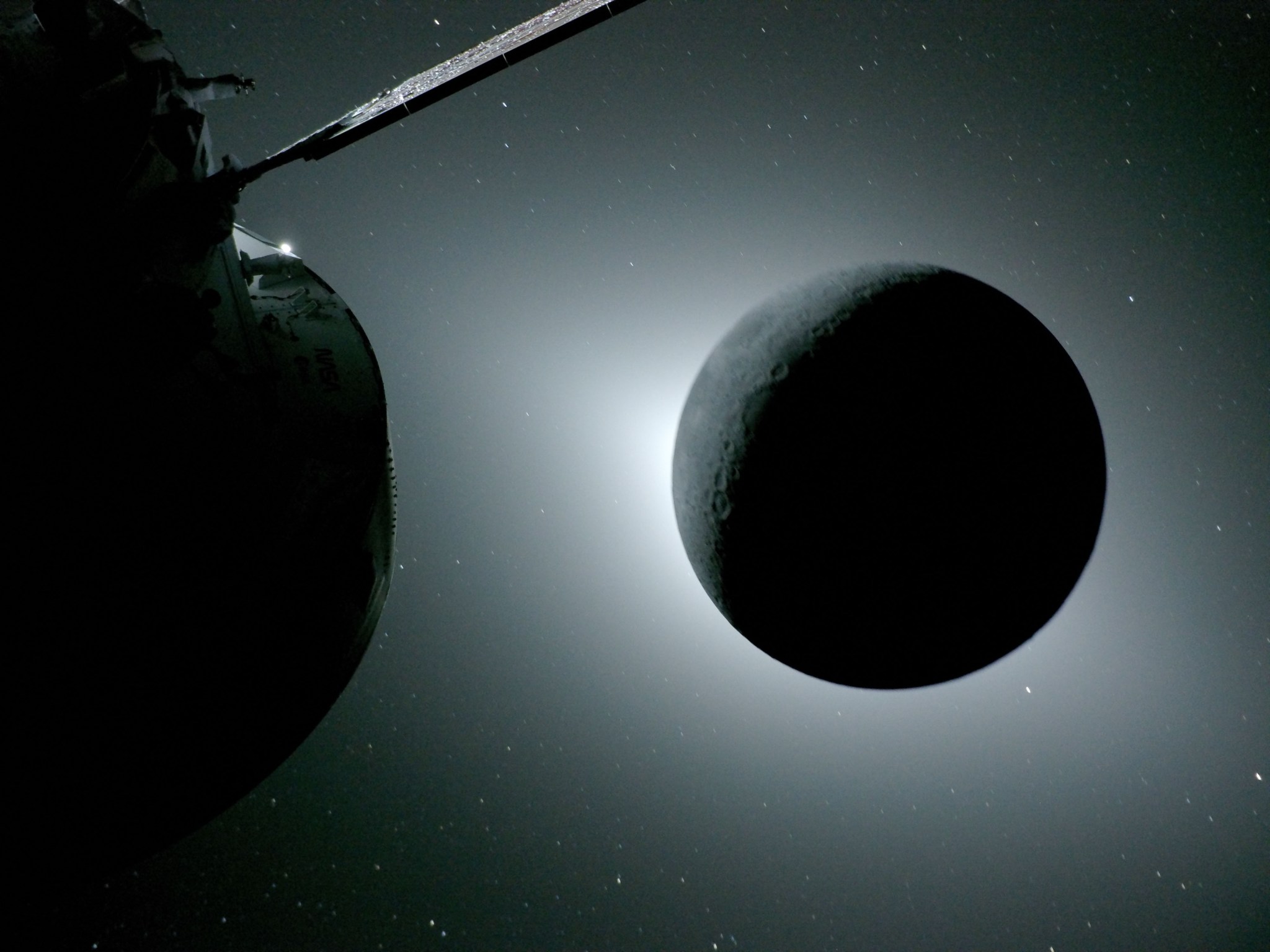
NASA’s Orion spacecraft captured the Moon backlit by the Sun during the April 6, 2026 solar eclipse, using cameras on its solar‑array wings. While orbiting the Moon, Artemis II astronauts observed a solar eclipse that was visible only from their unique position in space. The images taken during the lunar flyby showcase a rare view of the eclipse from orbit. More photos from the Artemis II mission are available through NASA.
SpaceX continues refinements at Starbase Pad 2 ahead of Booster 19 return
Original Publication Date: 2026-04-08 12:25

SpaceX is fine‑tuning Pad 2 at Starbase for the return of Booster 19, with deluge tests and load‑testing of the Ship Quick Disconnect arm that will connect to Starship for propellant loading. The tower has received steel reinforcements and a new roof to shield it from Super Heavy’s 33 Raptor engines, while electric actuators replace hydraulic ones on the chopsticks for faster, more reliable catches. New proximity‑sensor systems on the booster quick disconnects replace the manual alignment pins used on Pad 1, streamlining the booster’s placement and reducing turnaround time. These upgrades, along with ongoing static‑fire preparations, aim to boost launch cadence and support SpaceX’s goal of fully reusable, high‑frequency Starship operations.
Vantor Unveils New Sat Classes: Vantage and Pulse
Original Publication Date: 2026-04-09 10:00
Vantor has announced two new satellite classes, Vantage and Pulse, that promise to deliver higher resolution imagery and faster revisit rates. Vantage will provide 20‑cm imagery—better than anything currently available on the commercial market—with two satellites expected to launch in 2029, while Pulse, a small‑sat constellation, will capture 40‑cm images every 15 minutes and begin operations next year. The company’s goal is to give Earth‑observation customers both super‑high resolution and rapid revisit times, a combination that is especially valuable for nations building sovereign EO capabilities. CEO Dan Smoot said that fused data from these new satellites will enable faster, more informed decisions.
The State of ISAM 2026
Original Publication Date: 2026-04-08 12:45

Space companies are rapidly turning in‑space servicing, assembly, and manufacturing—collectively ISAM—into a new frontier, with early wins in satellite inspection and refueling already proving the concept. While servicing missions are gaining traction and the first GEO refueling launch is slated for this year, assembly remains a distant goal, limited to a handful of prototype structures that must someday grow beyond rocket fairings. Manufacturing is the closest to market, with firms demonstrating everything from pharmaceuticals to semiconductor precursors and expecting a tipping point in early 2026. As governments push the envelope for defense and lunar base ambitions, the commercial demand for on‑orbit upgrades, data centers, and recycled materials is set to accelerate.
Czech Radiation Chips on Artemis II Bring ISS Experience
Original Publication Date: 2026-04-08 12:30
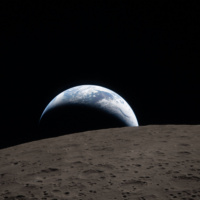
Artemis II astronauts became the first crew in over five decades to leave low‑Earth orbit, confronting the harsh radiation of cislunar space. Czech firm ADVACAM has deployed six HERA chips aboard Orion to monitor cosmic rays, test the spacecraft’s shielding, and provide real‑time flare alerts. The technology, born from CERN’s Large Hadron Collider detectors and flown on the ISS since 2012, has already proven its worth on earlier Orion missions. Data from this flight will help future crews stay safer and guide designers in hardening spacecraft, satellites, and even terrestrial power grids against space‑borne radiation.
All eyes on Orion’s heat shield: Artemis 2 astronauts will hit Earth’s atmosphere at nearly 24,000 mph on April 10
Original Publication Date: 2026-04-09 10:00
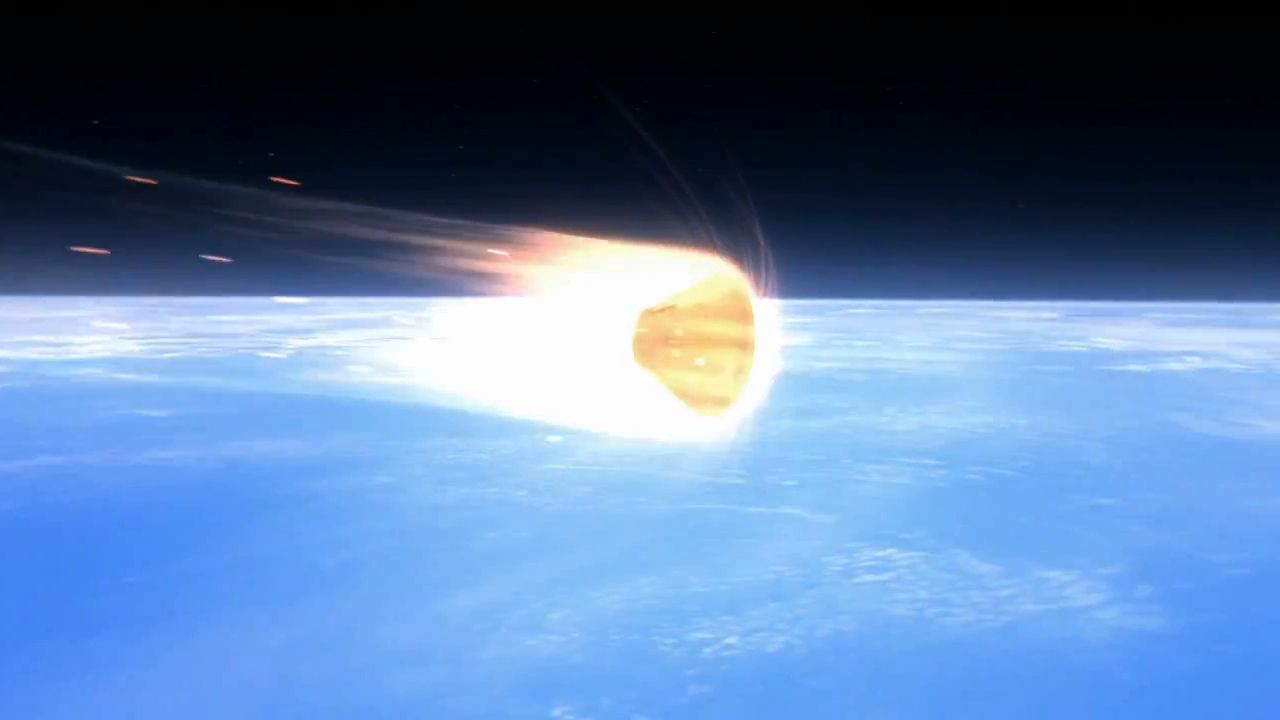
NASA’s Artemis 2 crew has just returned from the Moon, and the Orion capsule will reenter Earth’s atmosphere at a blistering 23,840 mph on April 10. To avoid the heat‑shield damage that plagued the uncrewed Artemis 1, Orion will enter at a steeper angle, shortening the high‑temperature burn‑up period. After a dramatic eight‑minute fireball and brief loss of communications, a series of parachutes will deploy to slow the capsule to a safe splashdown in the Pacific Ocean off San Diego. The crew will safely land on Friday evening, marking a successful return from the most distant human‑crewed flight yet.
Large Hadron Collider gives scientists their best look yet at conditions right after the Big Bang
Original Publication Date: 2026-04-08 19:00
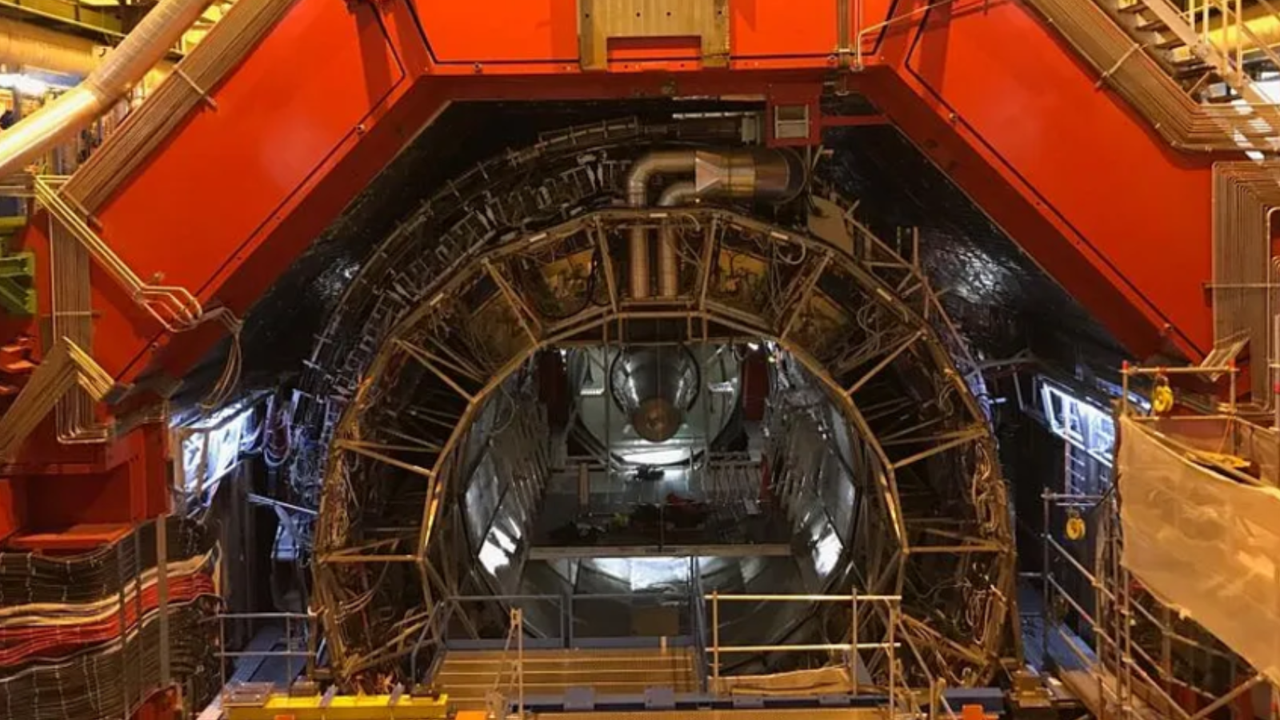
Scientists at CERN’s Large Hadron Collider have captured the clearest glimpse yet of the quark‑gluon plasma that filled the universe moments after the Big Bang. Using the ALICE detector, researchers observed a distinctive anisotropic flow pattern in proton‑proton and proton‑lead collisions that produce an unusually high number of particles. This marks the first time the pattern has been seen across a wide range of momenta and particle species in such small systems, suggesting that the primordial soup can form even in tiny collision environments. The findings strengthen our understanding of how the early universe’s matter evolved from quarks to the particles we see today.
'Audible screams of delight' from NASA scientists over micrometeorite impacts on the moon witnessed by Artemis 2 astronauts
Original Publication Date: 2026-04-08 16:00
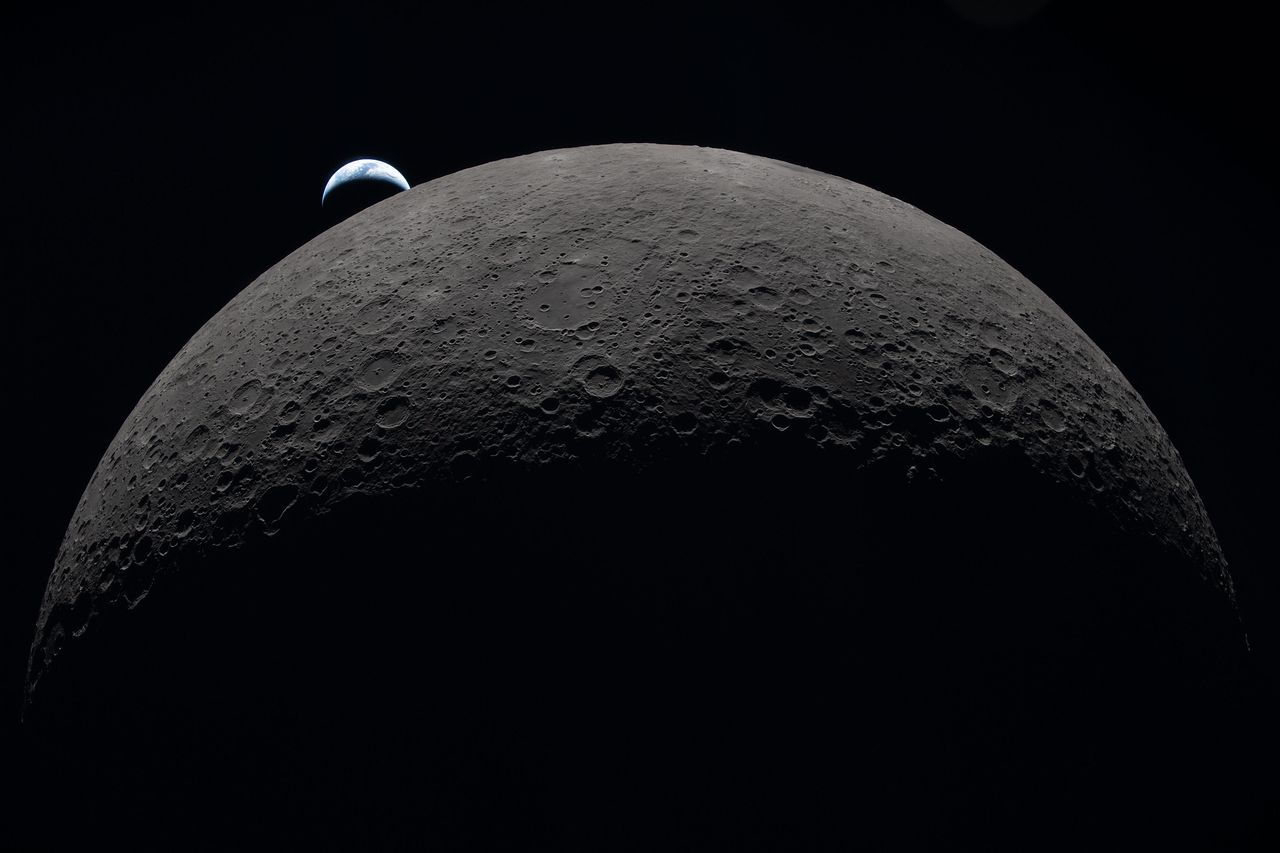
NASA’s Artemis 2 astronauts completed a historic flyby of the far side of the moon on April 6, capturing stunning images and making a suite of scientific observations. During the encounter, the crew witnessed at least five micrometeorite impacts, a surprise that sent NASA scientists into audible screams of delight. The unexpected flashes, seen as the sun set behind the moon, provide valuable data on the lunar environment and confirm the mission’s science goals. This marks the first human journey to lunar space since Apollo 17 in 1972, underscoring the success of integrating science into crewed exploration.
Artemis 2 moon astronauts capture space history — on their iPhones
Original Publication Date: 2026-04-08 13:00
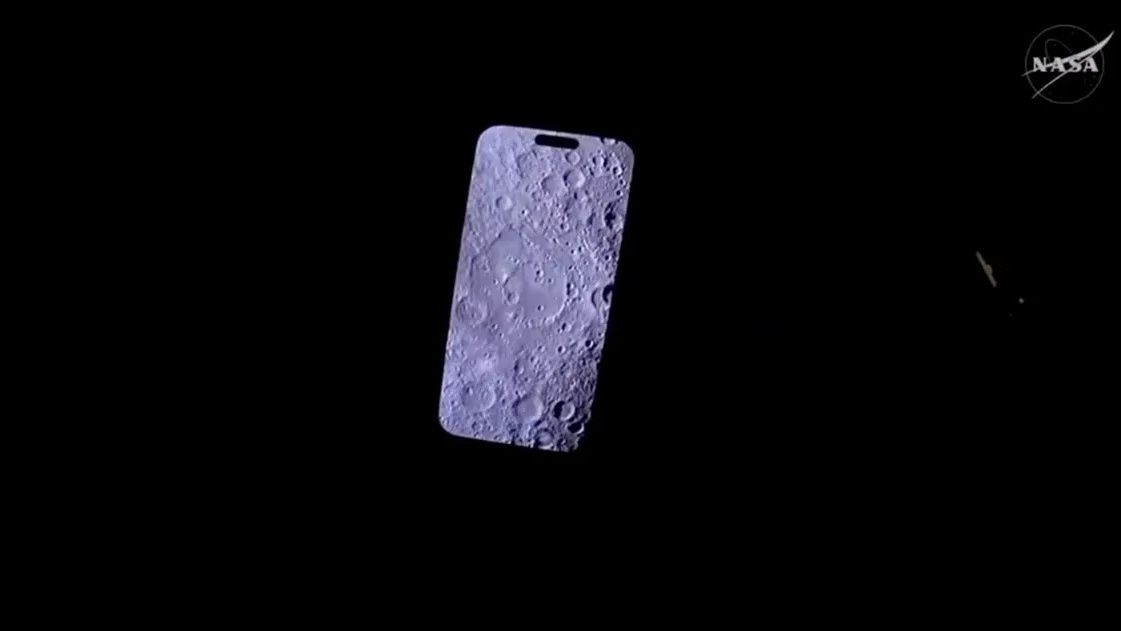
NASA’s Artemis 2 crew, after a historic flyby of the far side of the moon, have been snapping images from space with iPhone 17s, a move approved by Administrator Jared Isaacman to give astronauts a personal way to capture moments. Commander Reid Wiseman and his teammates—pilot Victor Glover, mission specialists Christina Koch and Canadian Jeremy Hansen—have taken everything from Earthrise‑style shots to selfies, even using the phones as mirrors while floating in zero‑gravity.
Galaxy starves its supermassive black hole, loses 95% of its brightness
Original Publication Date: 2026-04-08 12:00
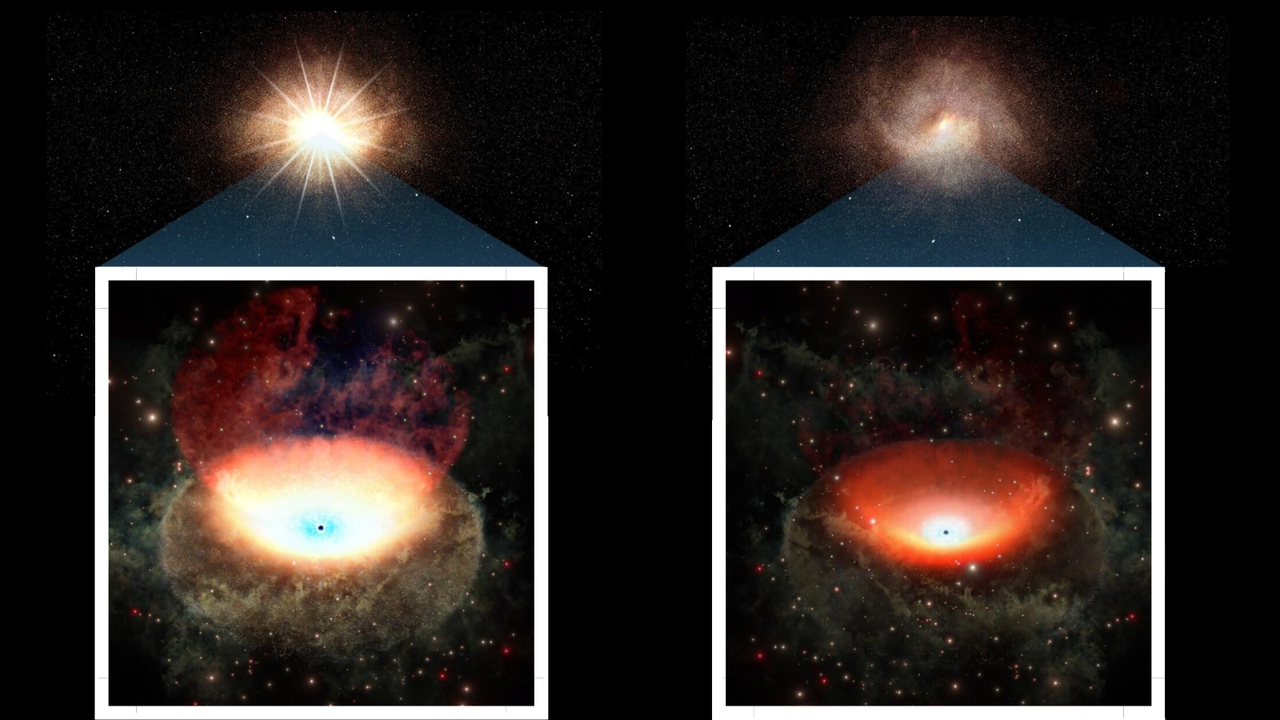
Astronomers have discovered that a distant galaxy’s supermassive black hole has starved, causing its active nucleus to dim by 95 % in just 20 years. By comparing decades of data from the Sloan Digital Sky Survey and Subaru’s Hyper Suprime‑Cam, the team traced the dramatic drop in brightness, far exceeding the typical 30 % variability of such systems. This rapid shutdown challenges current models that predict black‑hole feeding cycles unfold over thousands of years, suggesting a need for new theories about how these cosmic giants turn on and off. The finding opens the door to discovering more such events across the universe.
The Moon is already on Google Maps—did Artemis II really tell us anything new?
Original Publication Date: 2026-04-09 03:44
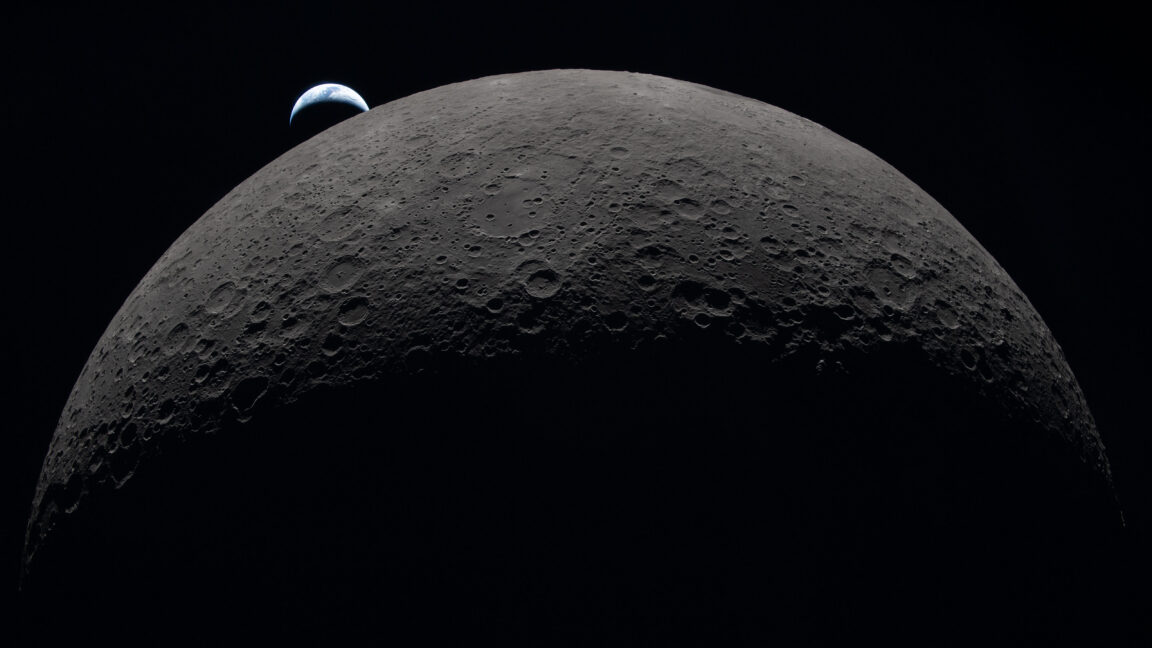
NASA’s Artemis II opened its data pipeline a few hours after Orion looped behind the Moon, establishing a laser‑communications link that streamed a cache of high‑resolution images to Earth. The first batch of photos, released to the public Tuesday, were taken by the four astronauts with handheld Nikon cameras and iPhones, capturing wide‑angle and telephoto shots inside the spacecraft named Integrity. After reaching their farthest point from Earth, the crew—Reid Wiseman, Victor Glover, Christina Koch, and Jeremy Hansen—are now accelerating back toward Earth.