 Spotify
 Apple Podcasts
 Podcast Addict
 Overcast
 Podcast RSS
Artemis 2 launches on first human mission to the moon in more than 50 years
Original Publication Date: 2026-04-01 22:50
The Space Launch System lifted off from Kennedy Space Center on April 1, carrying the Artemis 2 crew of four astronauts on a free‑return lunar flyby. After a smooth ascent, the SLS upper stage and Orion spacecraft separated, and the crew faced brief telemetry and communications hiccups that were quickly resolved. Orion will spend a day in a highly elliptical orbit, conduct system checks, and then fire its main engine for a translunar injection that will send the crew around the Moon before splashing down off California’s coast on April 10. This mission marks the first human trip beyond Earth orbit in more than five decades and tests critical systems for future lunar landings.
SpaceX quietly files for big bang IPO
Original Publication Date: 2026-04-01 20:04
SpaceX has quietly filed confidentially for an initial public offering that could set a new record for the sector. Industry insiders say the move is seen as a watershed moment for the space industry, potentially opening the door to fresh investment and innovation. The company’s leadership hopes the public listing will attract significant attention from both investors and regulators. This filing marks a pivotal step toward bringing SpaceX’s ambitious vision into the public market.
Teledyne forms dedicated space unit to capture rising demand
Original Publication Date: 2026-04-01 17:29
Teledyne Technologies is launching a dedicated space unit, Teledyne Space, to bring together its imaging, electronics and component businesses as demand for satellite‑based sensing rises.
Artemis 2’s (nearly) 10-day flight around the moon
Original Publication Date: 2026-04-01 16:25
NASA’s Artemis 2 will launch from Kennedy Space Center, sending the Orion capsule on a nine‑day, two‑hour journey that will take astronauts around the Moon for the first time in over 50 years. After launch, Orion will perform a series of burns and a 75‑minute proximity‑operations test with the ICPS to practice docking maneuvers and verify life‑support systems. The crew will spend nearly four days observing the lunar surface before heading home on a free‑return trajectory that also deploys four international cubesats. The mission’s reentry will be carefully monitored to address heat‑shield erosion seen on Artemis 1, ensuring a safe splashdown off the coast of San Diego.
Saltzman: Space ‘baked into’ modern combat operations
Original Publication Date: 2026-04-01 15:49
The U.S. Space Force is quietly but crucially underpinning recent U.S. Military operations tied to Iran, supplying the data, timing and connectivity that drive joint force actions.
IEC Telecom Wins CSR Initiative of the Year at the Oil & Gas Middle East Awards 2026
Original Publication Date: 2026-04-01 19:36

IEC Telecom UAE has been honored as the winner of the CSR Initiative of the Year award at the Oil & Gas Middle East Awards 2026, hosted at the Ritz‑Carlton JBR. The accolade recognizes the company's impactful corporate social responsibility projects within the Gulf region. The ceremony celebrated industry leaders who are driving sustainable practices in the oil and gas sector. IEC's achievement highlights its commitment to community development and environmental stewardship.
SpaceX Confidential: Is there a secret IPO in the works?
Original Publication Date: 2026-04-01 19:21
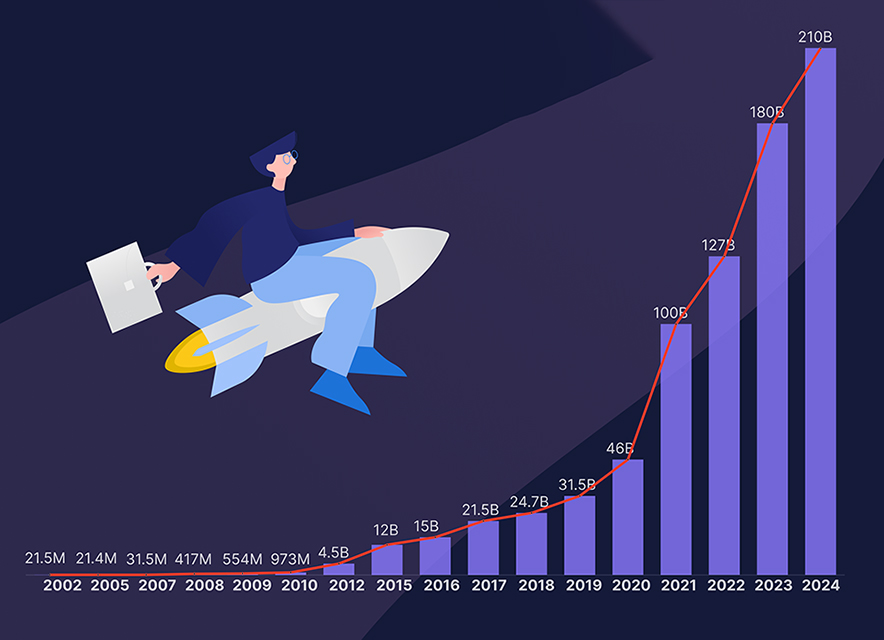
On April 1, 2026, SpaceX filed a confidential draft registration for an initial public offering, confirmed by Bloomberg, The Wall Street Journal and Reuters. The filing signals the company’s intent to raise capital and become publicly traded. Analysts say the move could reshape the aerospace market and draw new investors. The exact terms and timing of the IPO remain undisclosed.
Can SMEs Compete in Starlink-Dominated Space?
Original Publication Date: 2026-04-01 15:33

The satellite communications sector is shifting as mega‑constellations such as SpaceX’s Starlink and Amazon’s Project Kuiper turn raw bandwidth into a commodity, eroding the traditional high‑cost, high‑latency satellite model. This change is reshaping the market for small and medium‑sized enterprises, who now face both new opportunities for cheaper connectivity and the challenge of integrating these services into existing operations. While the lower prices and broader coverage promise greater flexibility, SMEs must navigate issues of data sovereignty, latency, and the need for hybrid network architectures to fully exploit the new infrastructure. Ultimately, the industry’s evolution demands that businesses adapt quickly to remain competitive in a rapidly expanding satellite ecosystem.
FCC Seeks Comment on Expanding Spectrum Access for “Weird Space Stuff”
Original Publication Date: 2026-04-01 15:21
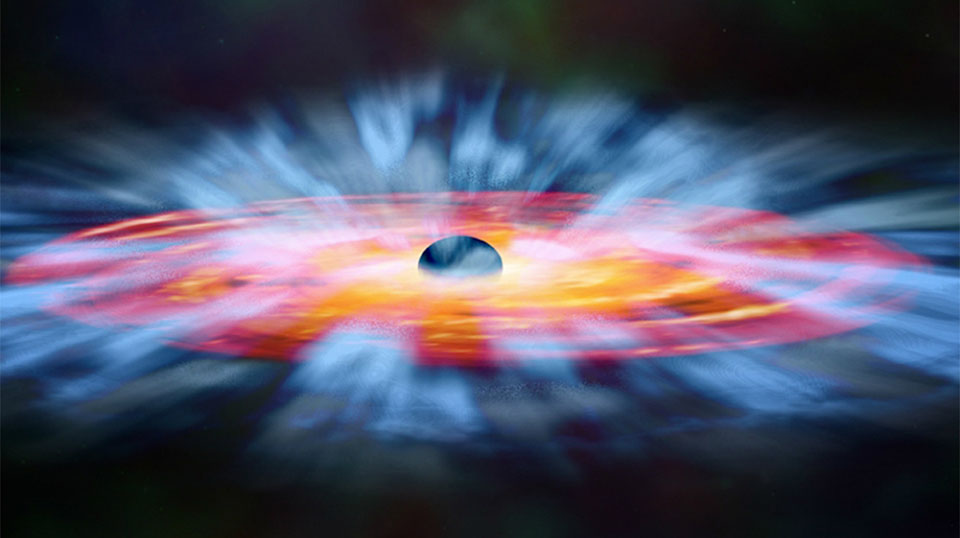
On March 31, 2026, the Federal Communications Commission released a Notice of Proposed Rulemaking to broaden spectrum access for emergent space operations. The proposal aims to allocate additional radio frequencies to support the growing needs of satellite and space-based services. By expanding these allocations, the FCC seeks to encourage innovation and competition in the rapidly expanding space industry. The rulemaking will open a public comment period to gather input from industry stakeholders and experts.
Declassified National Reconnaissance Office Documents Reveal Early Tensions with Space Shuttle Program
Original Publication Date: 2026-04-01 14:54
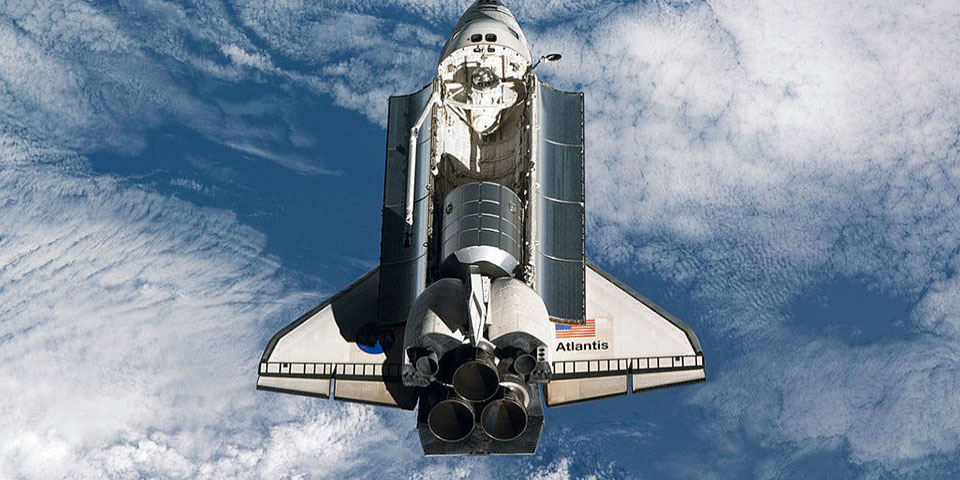
Dwayne Day’s latest historical analysis in The Space Review uncovers the clandestine partnership between the National Reconnaissance Office and the nascent U.S. Space program during the Cold War. The piece details how the NRO quietly funded and guided the development of early spy satellites, leveraging NASA’s technological advances while keeping operations hidden from the public.
Réunion Island Lava Reaches the Sea
Original Publication Date: 2026-04-02 04:01

Piton de la Fournaise on Réunion Island erupted on Feb. 13, 2026, spewing lava fountains 10–50 m high and sending flows east toward the ocean.
Liftoff! NASA Launches Astronauts on Historic Artemis Moon Mission
Original Publication Date: 2026-04-01 23:44
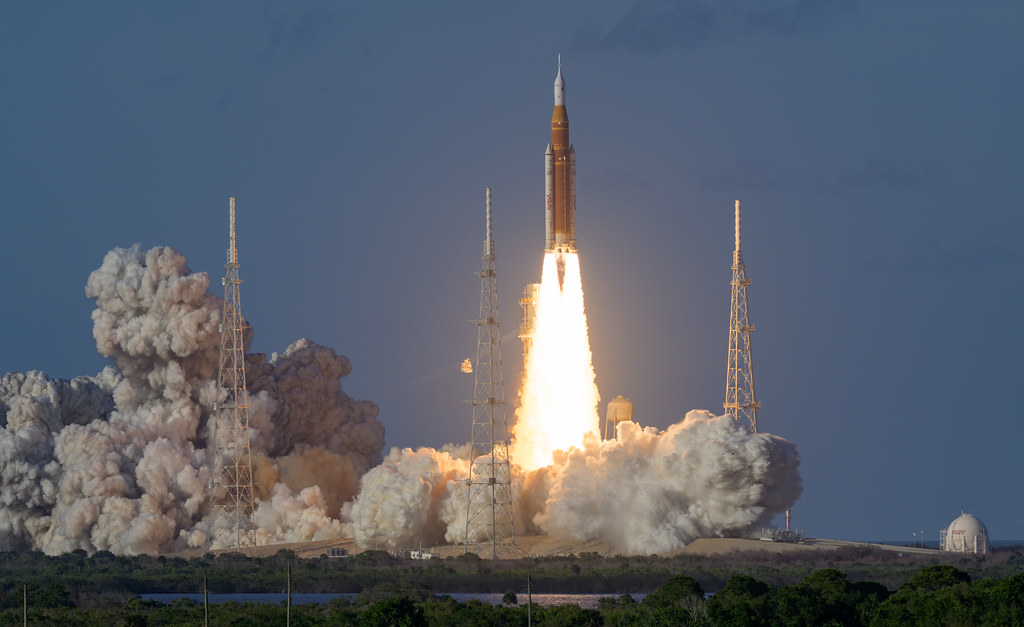
NASA’s Space Launch System lifted off from Kennedy Space Center on April 1, 2026, carrying four astronauts aboard the Orion spacecraft for Artemis II, the first crewed lunar flyby in more than 50 years. The mission will test life‑support systems, conduct a 10‑day high‑Earth orbit stint, and then perform a translunar injection to loop around the Moon, capturing new images of its far side. During the flyby, astronauts will document lunar terrain and run health studies that will shape future Moon and Mars missions. Artemis II marks a pivotal step toward establishing a sustained lunar presence and advancing humanity’s reach into deep space.
Artemis II Is On The Way To The Moon
Also covered by: NASASpaceFlight
Original Publication Date: 2026-04-01 22:50

NASA’s Artemis II launch on Wednesday sent four astronauts—Reid Wiseman, Christina Koch, Victor Glover, and Canada’s Jeremy Hansen—toward the Moon aboard the Space Launch System and Orion capsule. Over a ten‑day flight, the crew will perform a lunar flyby, test Orion’s docking, medical, and radiation‑protection systems, and break the Apollo 13 record for farthest distance from Earth. The mission also marks the first time a woman and a person of color will head to the Moon, while Hansen becomes the first non‑American to do so. Artemis II is just the beginning; NASA plans to launch more crewed lunar missions and establish a lunar south‑pole base by 2029.
Exclusive: In-Orbit Manufacturing Startup Dispatch Emerges from Stealth
Original Publication Date: 2026-04-01 12:53
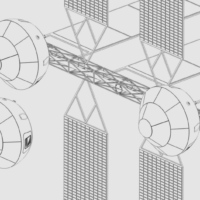
Dispatch, a YC‑backed startup, has emerged from stealth with $500,000 to build an uncrewed space station that will host manufacturing infrastructure in low‑Earth orbit. The company plans to use its own single‑use reentry vehicles to ferry up to 30 kg of payloads in 2027, scaling to larger 300 kg return craft and a 100 kW station by late 2029. By eliminating the need for crew‑rated life‑support systems, Dispatch aims to slash costs and make large‑scale in‑orbit manufacturing accessible to industries from semiconductors to pharmaceuticals.
Antaris Raises $28M Series A
Original Publication Date: 2026-04-01 12:06
Antaris has secured $28 million in a Series A round led by WestWave Capital, with Lockheed Martin Ventures and other investors joining in, to advance its AI‑powered satellite mission‑planning platform. The company’s flagship tool, TrueTwin, creates digital twins of satellites, letting operators simulate updates and reduce costly mistakes from early design through end‑of‑life. CEO Tom Barton said the funding validates Antaris’s vision for software‑defined space missions and will accelerate development and global partnerships, including a new 16‑satellite constellation for Saudi Arabia. With this boost, Antaris aims to push AI‑native mission design and autonomous operations into contested and commercial space.
NASA just launched Artemis 2. What happens today could make or break the moon mission
Original Publication Date: 2026-04-02 08:17
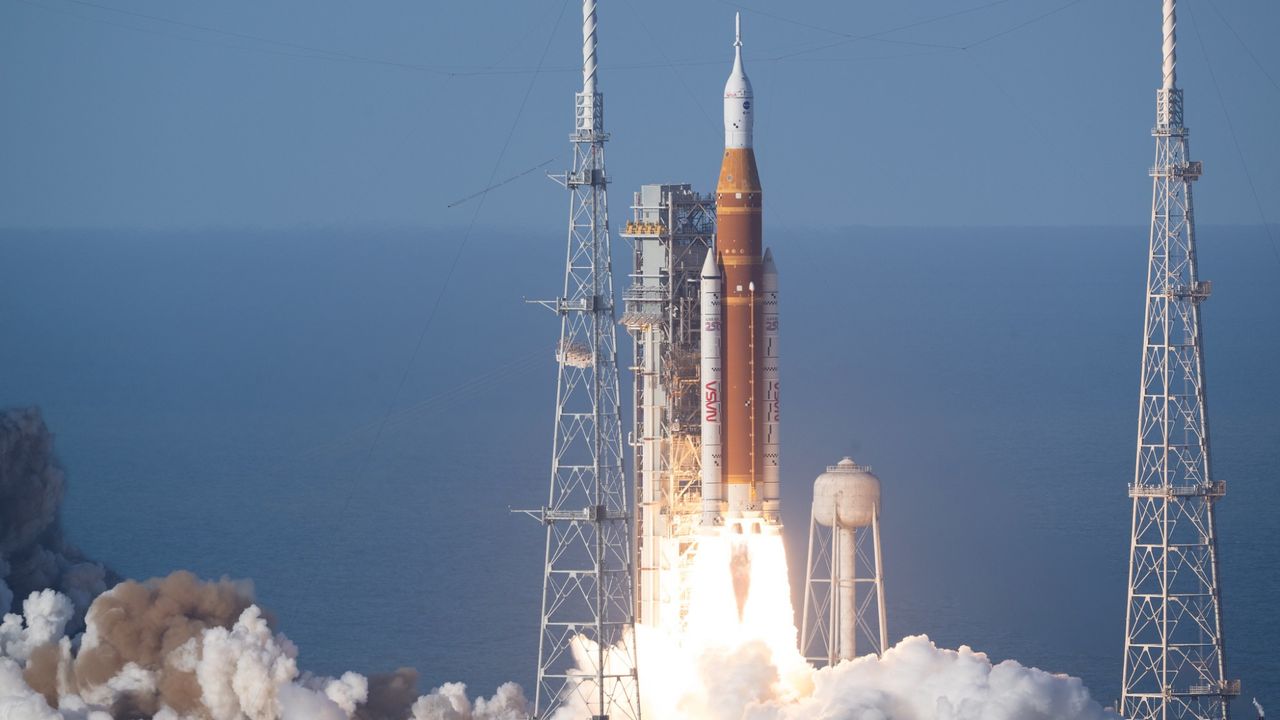
NASA’s Artemis 2 launched from Florida on April 1, 2026, carrying four astronauts in an Orion capsule into Earth orbit. The mission’s second day will feature a critical translunar injection (TLI) burn at 8:12 p.m. EDT, propelling the spacecraft toward the moon on a safe figure‑eight trajectory. Mission Control has been rigorously testing life‑support, communications, and propulsion systems to ensure the vehicle is ready for this decisive maneuver. If the TLI burn succeeds, the crew will become the first people to leave low Earth orbit since 1972, orbit the moon on Day 6, and splash down safely on Day 10.
There was a bit of toilet trouble on NASA's Artemis 2 mission to the moon
Original Publication Date: 2026-04-02 04:17
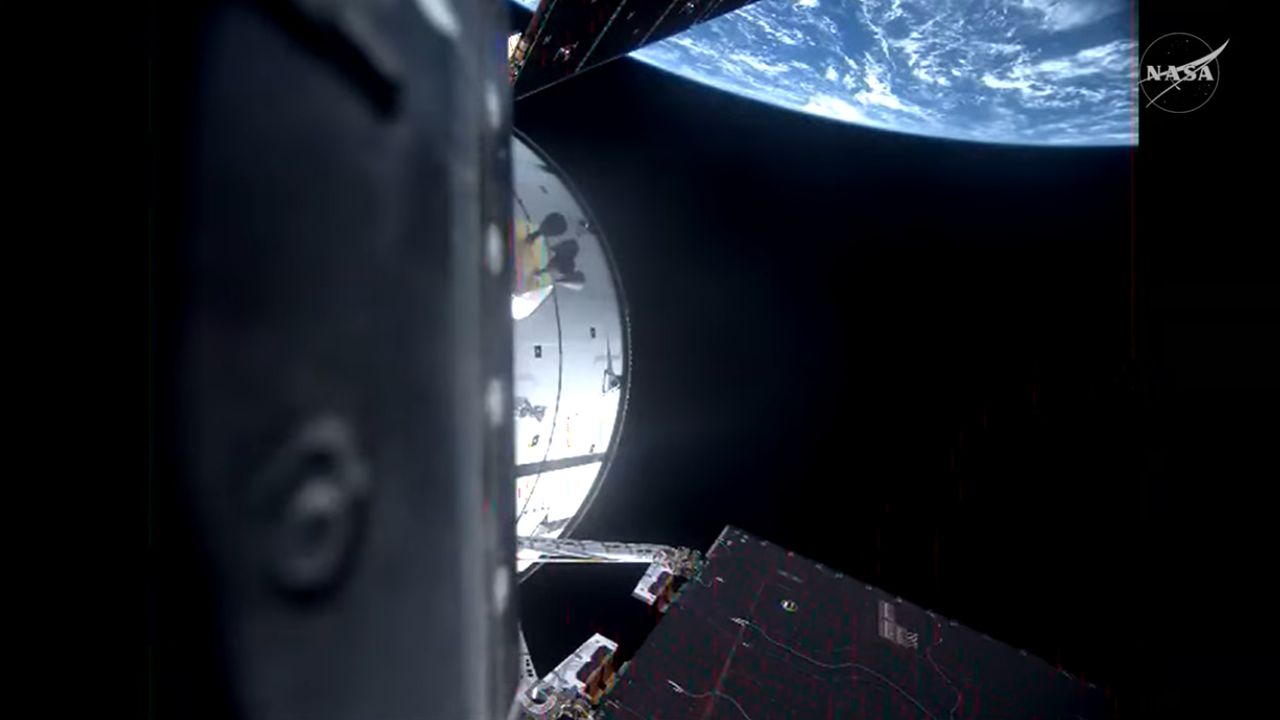
NASA’s Artemis 2 crew encountered a hiccup early in their lunar flyby when the Orion spacecraft’s toilet system jammed, blocking urine collection. Mission control guided the astronauts through a repair, and the backup waste system was used while the primary system was restored. After a brief contingency bag dump, the toilet was declared operational and the crew returned to routine. This incident underscores the challenges of life‑support systems in space, a far cry from the plastic‑bag solutions of the Apollo era.
Why is the Artemis 2 rocket launch different from all other rocket launches?
Original Publication Date: 2026-04-02 00:35
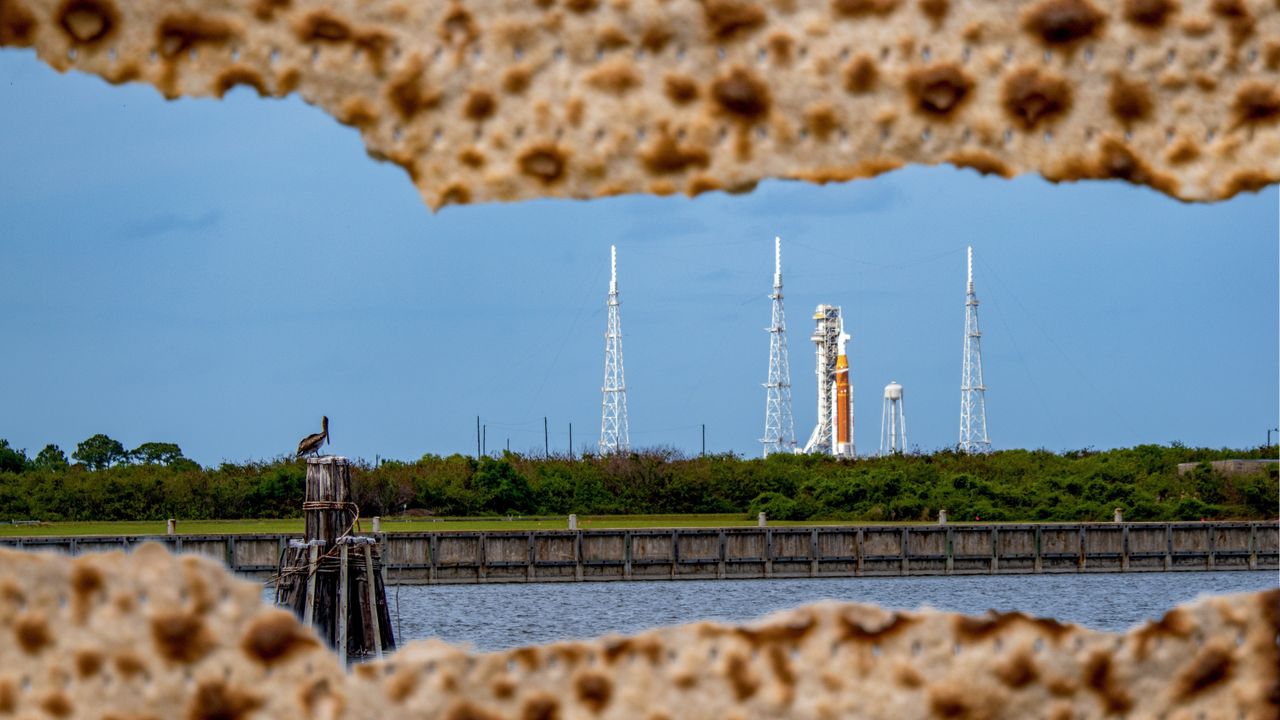
NASA lifted off its Artemis 2 rocket on April 1, 2026, sending four astronauts on a 10‑day circumnavigation of the Moon—the first crewed lunar flight since Apollo in 1972. The Space Launch System, the only vehicle capable of carrying humans beyond low Earth orbit, carried the Orion capsule to test deep‑space life‑support systems and rehearse future lunar landings. The launch coincided with Passover, prompting reporters to hold a mini Seder that echoed the holiday’s themes of freedom and readiness.
NASA launches 4 astronauts to the moon on historic Artemis 2 voyage, a lunar leap for the 21st century
Original Publication Date: 2026-04-01 23:02
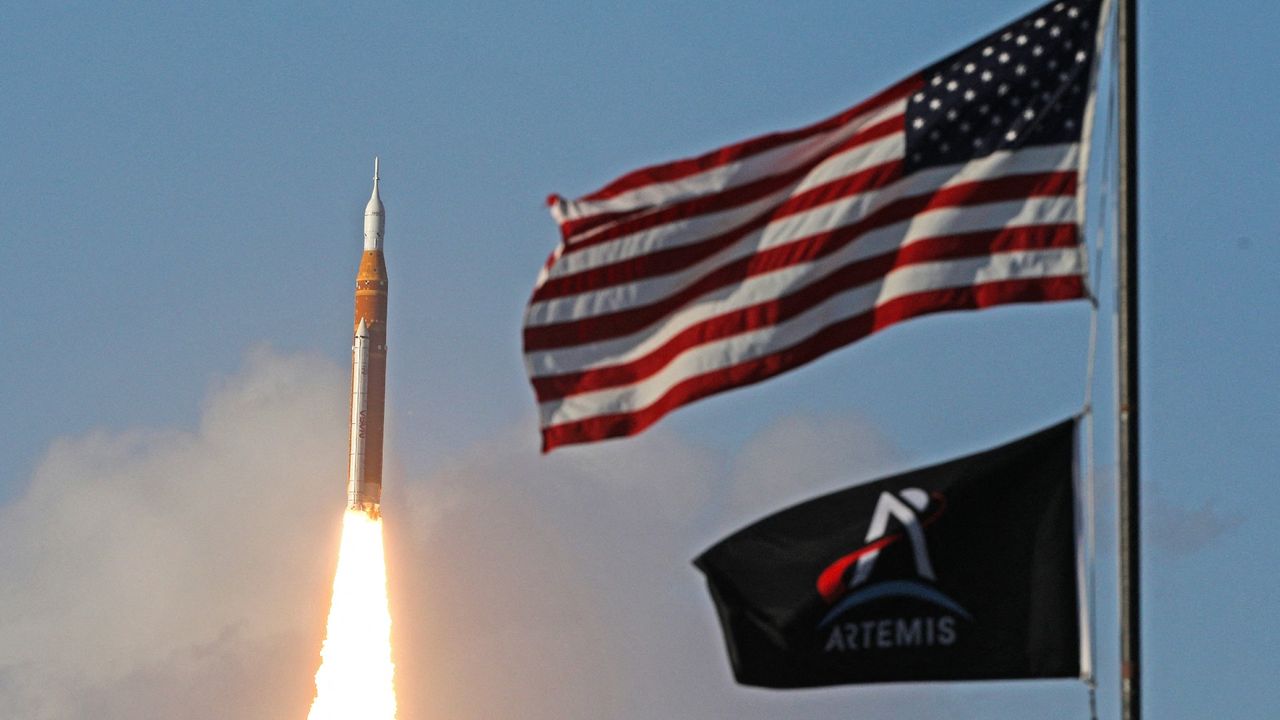
NASA’s Space Launch System blasted off from Kennedy Space Center on April 1, sending four astronauts on Artemis 2 for a 10‑day lunar flyby—the first crewed moon voyage in more than 50 years. The Orion spacecraft will circle the moon, carrying the first woman, first Black astronaut, and first non‑American to travel beyond low Earth orbit. During the mission the crew will reach a record 406,841 km from Earth, surpassing Apollo 13’s farthest‑point mark by about 6,400 km. This historic launch marks a watershed moment for NASA’s renewed push to extend humanity’s reach beyond Earth’s orbit.
What do scientists hope to learn from NASA's historic Artemis 2 moon flyby?
Original Publication Date: 2026-04-01 17:00
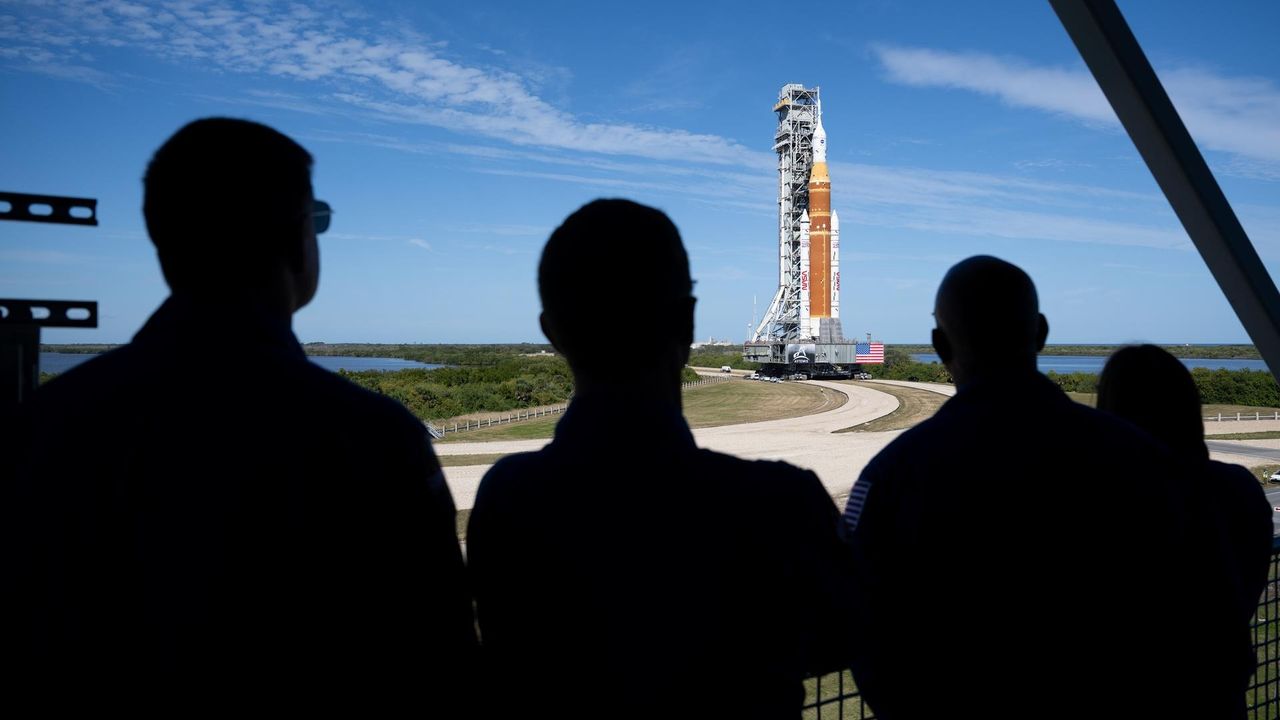
Canadian Space Agency astronaut Jeremy Hansen, a mission specialist for Artemis II, joined NASA crew members Reid Wiseman, commander, Victor Glover, pilot, and Christina Koch for a tour of the launchpad. The four astronauts watched the Space Launch System rocket and Orion spacecraft as they were secured to the mobile launcher. Their visit in January gave them a close look at the hardware that will carry them to the Moon.
Launch day has arrived for NASA's Artemis II mission—here's what to expect
Original Publication Date: 2026-04-01 13:04
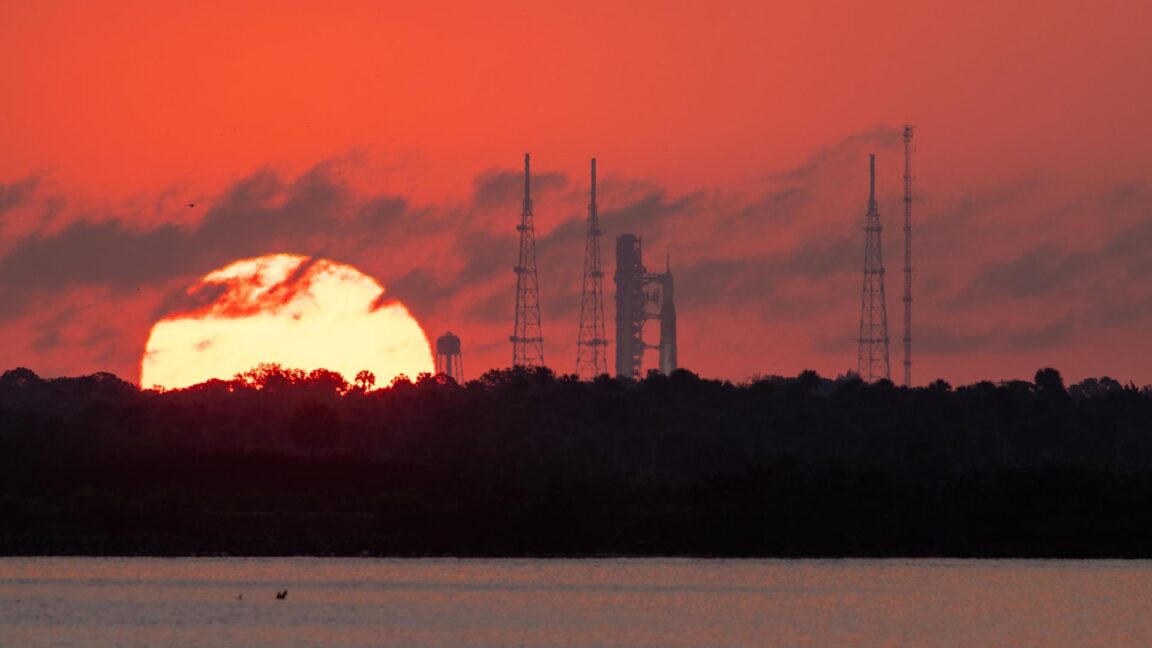
NASA’s Artemis II mission is set to launch from Kennedy Space Center, with four astronauts led by pilot Victor Glover preparing for an all‑day countdown and a tightly scheduled nine‑day trip to the Moon. The crew will travel more than a quarter‑million miles from Earth, surpassing every human distance record. After orbiting the Moon, the Orion capsule will splash down at a record‑breaking speed of 25,000 mph. This mission marks the first crewed lunar fly‑by since the Apollo era.