 Spotify
 Apple Podcasts
 Podcast Addict
 Overcast
 Podcast RSS
Russian Progress cargo ship arrives at International Space Station
Original Publication Date: 2026-09-19 21:11
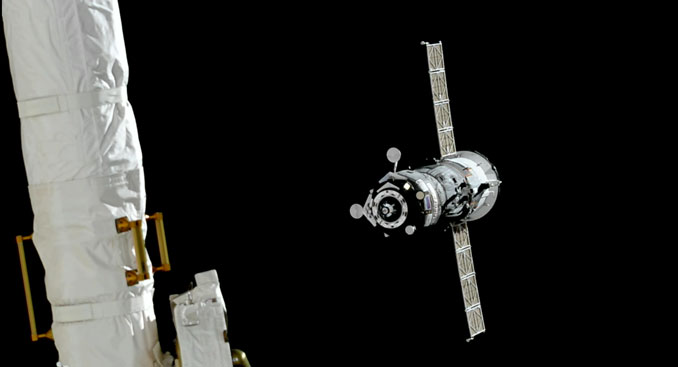
Progress M‑35 docked at the Poisk module of the International Space Station, delivering 2.8 tons of food, fuel and equipment. The unmanned freighter launched from Baikonur on Sept. 16 after a week‑long delay caused by a Soyuz‑2‑1b third‑stage fault. Its three‑day, 49‑orbit rendezvous was longer than usual but proceeded smoothly, with Russian cosmonauts ready to take manual control if needed. The Progress is expected to remain docked for about five months, supporting Expedition 75.
SpaceX launches 27 Starlink V2 Mini satellites on Falcon 9 rocket from Vandenberg
Original Publication Date: 2026-09-19 20:06
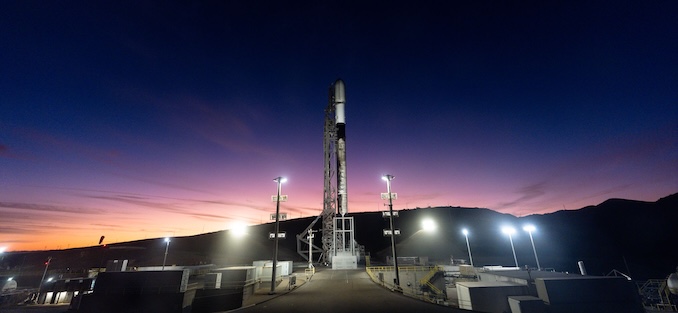
SpaceX launched a Falcon 9 from Vandenberg Space Force Base on Saturday, adding 27 new Starlink V2 Mini Optimized satellites to its constellation. The rocket, B1093, completed its 17th flight and landed its booster on the droneship Of Course I Still Love You 8½ minutes after liftoff, marking the 225th landing on that vessel and the 662nd Falcon 9 booster landing overall. This launch was the 81st Starlink mission of the year, following a successful drone‑ship landing earlier in the day. The satellites are expected to deploy roughly an hour after liftoff, expanding SpaceX’s global broadband network.
SpaceX Submits FCC Re-Entry Debris and Collision Risk Analysis for Starmind Orbital Data Center Constellation
Original Publication Date: 2026-09-19 23:45
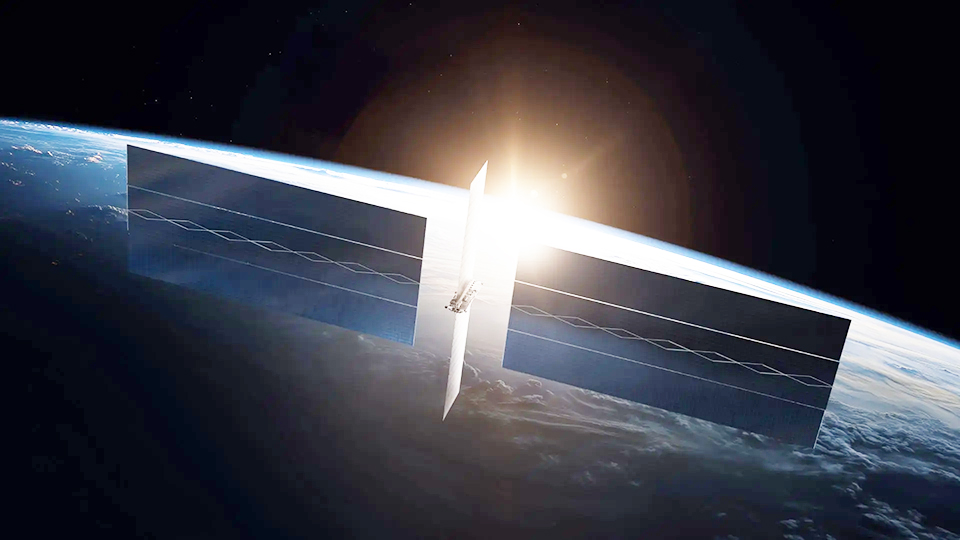
On September 18, 2026, SpaceX filed a 12‑page technical response with the Federal Communications Commission detailing atmospheric re‑entry thermodynamics and orbital collision probabilities for its proposed “Starmind” space‑based data network. The submission addresses key safety concerns and outlines how the constellation will meet FCC regulatory requirements. SpaceX seeks to secure a license that will enable the launch of its next‑generation satellite constellation. The FCC will review the documentation before moving forward with the approval process.
Rings around a tiny body have changed over the past decade
Original Publication Date: 2026-09-19 10:00
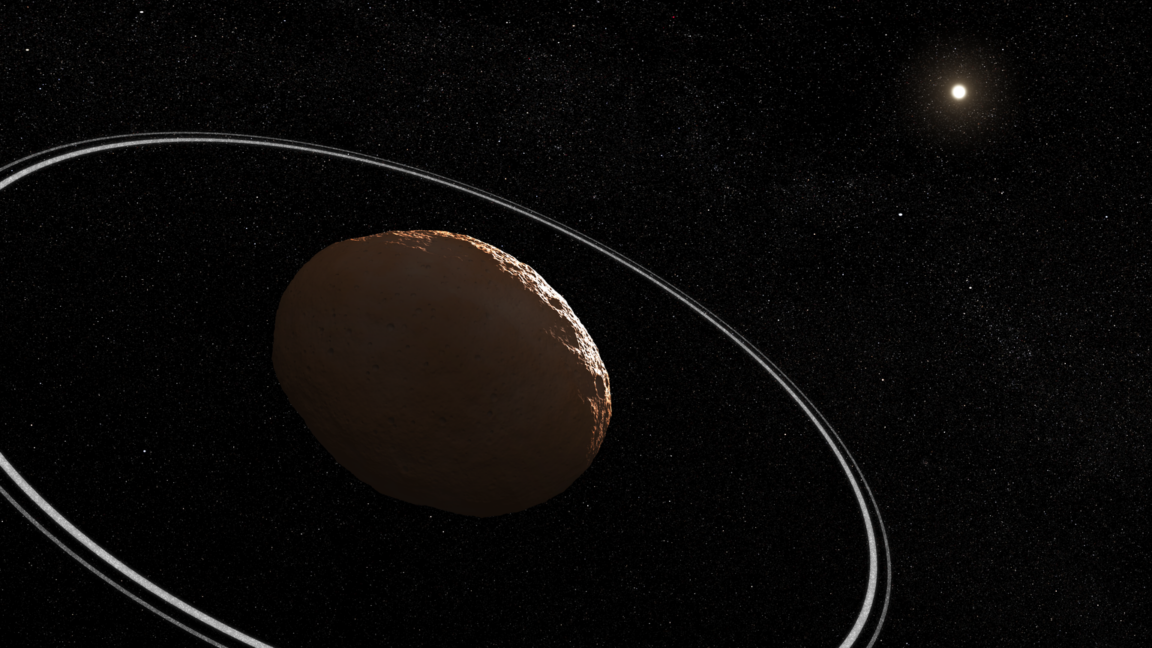
In 2013, astronomers first discovered that the small Centaur Chariklo, only 250 kilometers across, possesses two narrow rings—an unexpected find that challenged the notion that rings belong only to giant planets. Now, using the James Webb Space Telescope, researchers observed Chariklo during another stellar occultation and found one ring has become denser while the other has nearly vanished, hinting at dynamic changes in its ring system. The technique involves predicting when Chariklo will pass in front of a background star, causing a brief dip in starlight that reveals the object's size, shape, and surrounding material. These observations deepen our understanding of how such rings form, evolve, and may dissipate over time.