 Spotify
 Apple Podcasts
 Podcast Addict
 Overcast
 Podcast RSS
Kymeta Secures $20 Million Department of Defense Order for Resilient Flat-Panel SATCOM Terminals
Original Publication Date: 2026-09-06 00:00
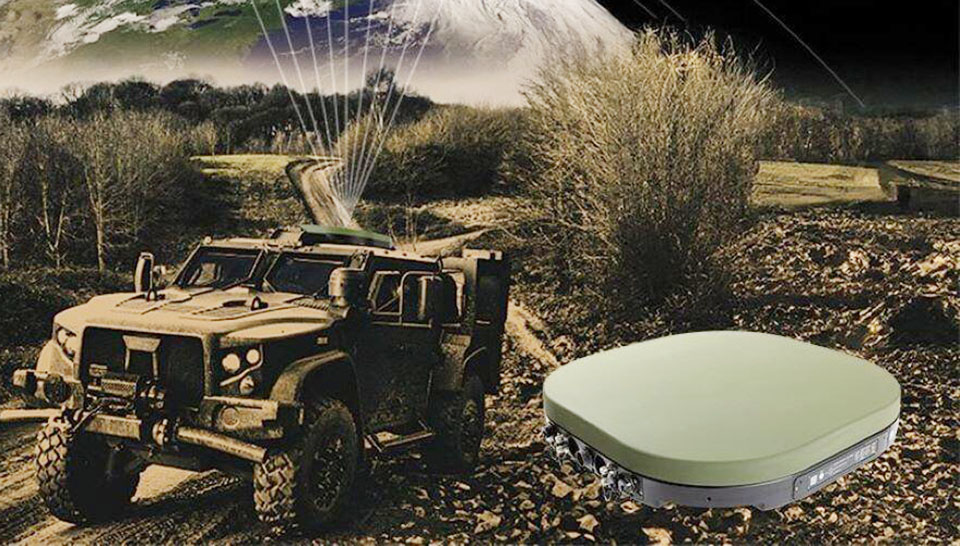
Kymeta Corporation announced on September 4, 2026 that it has won a $20 million contract from the U.S. Department of Defense. The award will see the company deliver advanced satellite‑communications equipment to support military operations. This deal underscores Kymeta’s growing role in national defense technology and its expanding footprint in the aerospace sector. The contract is expected to enhance the U.S. Armed forces’ real‑time connectivity and situational awareness capabilities.
Isar Aerospace launches Spectrum rocket after months of delays
Original Publication Date: 2026-09-05 09:41

Isar Aerospace’s Spectrum small‑satellite rocket finally reached orbit on its second attempt after a year of setbacks, launching on September 5 from Norway’s Andoya Spaceport. The flight, nicknamed “Onward and Upward,” carried five university cubesats and an experiment into a Sun‑synchronous orbit, proving the vehicle’s upgraded software and higher safety margins.
Private German rocket makes history, reaches orbit from European soil
Original Publication Date: 2026-09-05 14:00
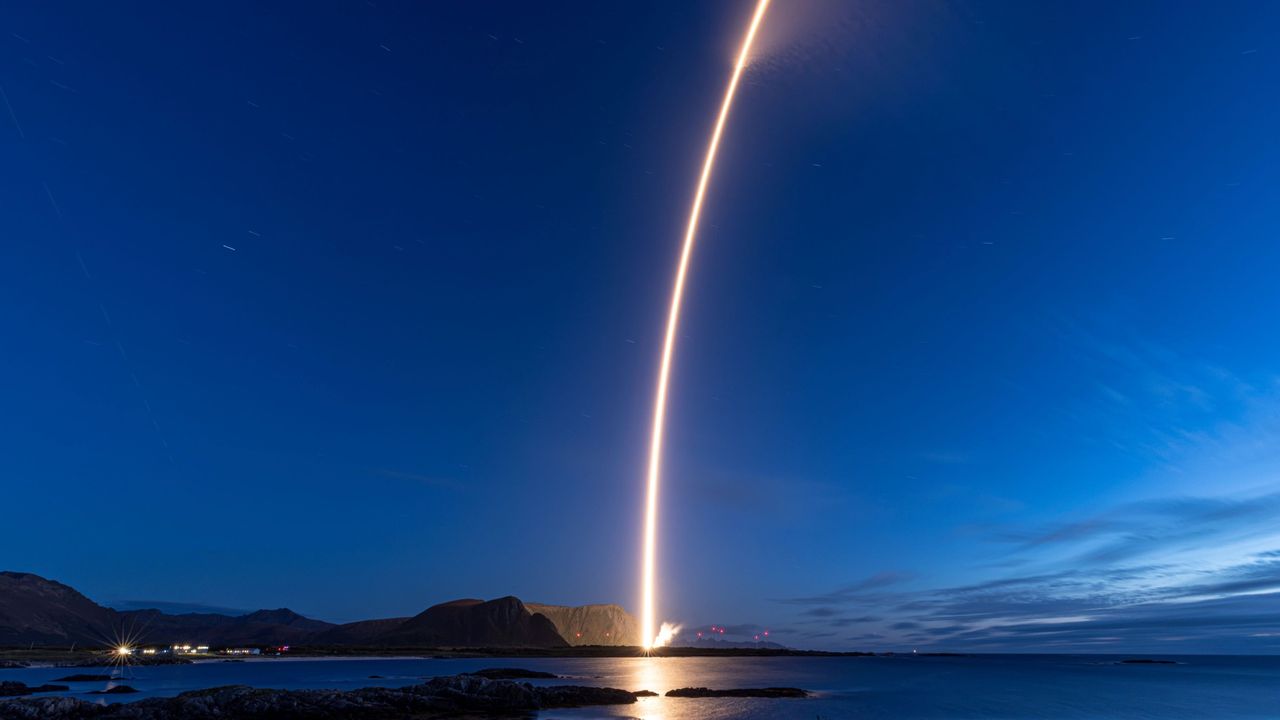
German company Isar Aerospace’s Spectrum rocket successfully reached orbit from Norway’s Andøya Space Center on September 5, marking the first time a rocket has flown from Western European soil. The two‑stage, 95‑foot vehicle carried five cubesats and a scientific experiment, deploying them after a circularization burn into a 112‑by‑311‑mile elliptical orbit. After a series of setbacks—including a failed first flight and multiple delays—Isar said the launch validates its engineering and positions Spectrum as a future workhorse for small to medium‑size satellites. This historic flight opens a new chapter for European space launch capability.
On this day in space! Sept. 5, 1977: NASA launches Voyager 1 on epic journey across the solar system
Original Publication Date: 2026-09-05 13:00
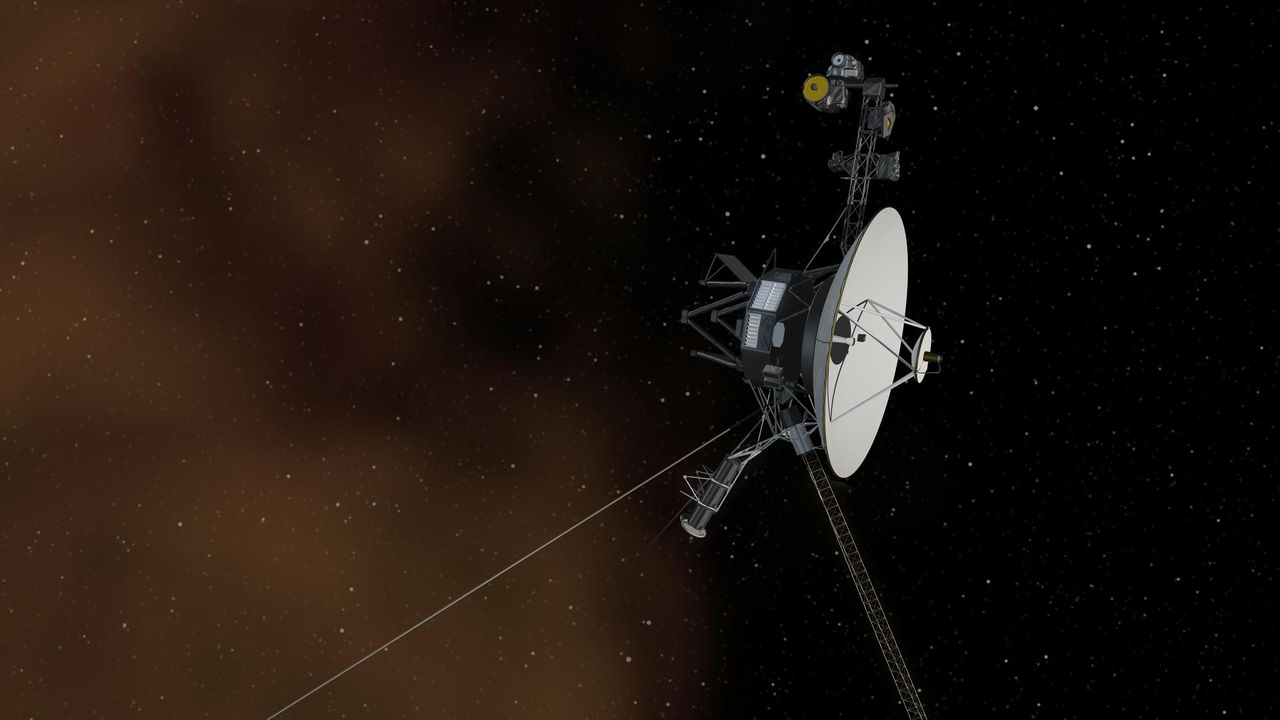
On September 5, 1977 NASA launched Voyager 1 from Cape Canaveral on a fast‑track mission to Jupiter and Saturn, then redirected it toward interstellar space. After flybys of Jupiter in 1979 and Saturn in 1980, the spacecraft left the solar system and became the first probe to enter interstellar space in 2012. Today, 49 years later, Voyager 1 is more than 170 astronomical units from Earth, still transmitting data as its power dwindles. Its golden record, carrying Earth’s sounds and images, awaits the day it may encounter another star system.
This NASA-funded 'Slingshot' spacecraft idea could map minerals on planets and moons across our solar system
Original Publication Date: 2026-09-05 10:00
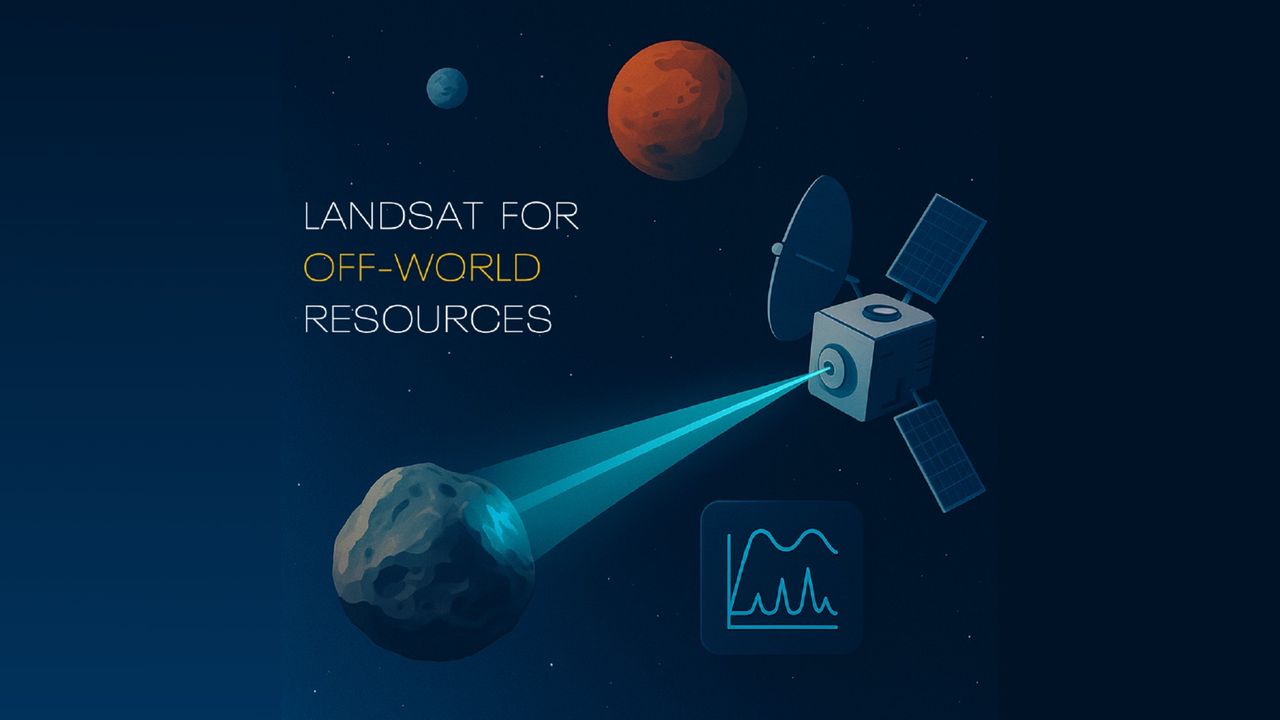
NASA’s new “Slingshot” concept seeks to map minerals on the Moon, a near‑Earth asteroid, and Mars’ moon Phobos by flying a small spacecraft equipped with Raman spectroscopy. The Phase‑1 NIAC grant of up to $175,000 will test whether faint Raman signals can be detected from 30‑50 km away, far beyond previous demonstrations. If successful, the project could prove the feasibility of a multi‑world survey mission, giving U.S. Lunar ambitions a mineral‑mapping edge ahead of competitors. The study marks an early step toward a Discovery‑class mission that could transform how we scout resources across the solar system.