 Spotify
 Apple Podcasts
 Podcast Addict
 Overcast
 Podcast RSS
Rocket Lab Electron launch marks new record for small-lift rocket
Original Publication Date: 2026-11-28 10:11

Rocket Lab’s Electron rocket lifted off from Mahia, New Zealand, for its 19th orbital flight of 2026, setting a new company record. The “Night Owls Never Sleep” mission deployed Synspective’s StriX synthetic‑aperture radar satellite into a 569‑km, 38°‑inclination low‑Earth orbit after a 54‑minute burn.
FCC Moves to Mirror Foreign Satellite Rules Ahead of December Vote
Original Publication Date: 2026-11-28 20:55

The FCC has issued a Notice of Proposed Rulemaking that would impose reciprocal regulatory restrictions on foreign‑licensed satellite operators seeking to enter or operate in the U.S. Market, mirroring the limits that U.S. Satellite firms face overseas. The proposal seeks to end regulatory asymmetry, citing the EU Digital Networks Act, changes to 2 GHz mobile satellite services, and U.K. Space procurement practices that could disadvantage U.
Cerberus Capital Management to Acquire Airbus U.S. Space & Defense Satellite Manufacturing Unit
Original Publication Date: 2026-11-28 20:47
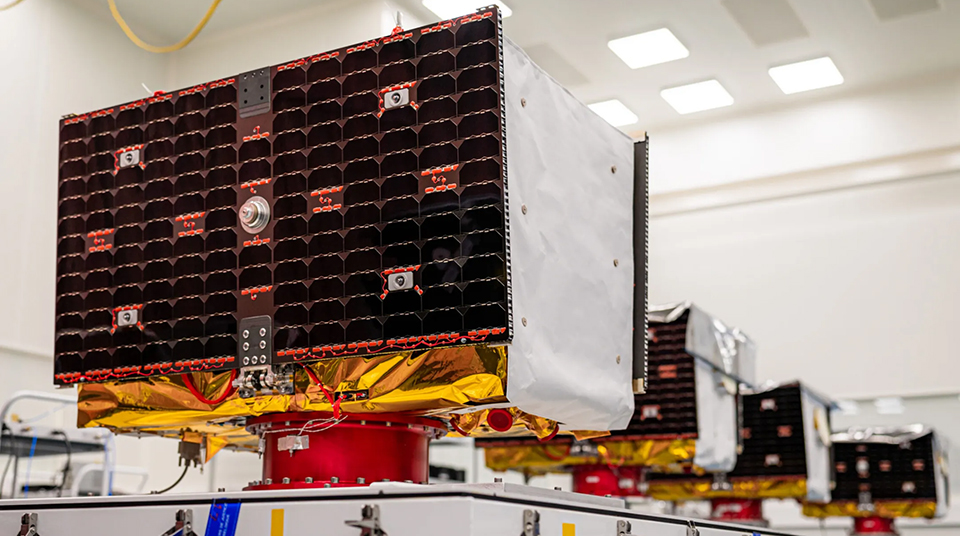
Cerberus Capital Management has agreed to buy Airbus U.S. Space & Defense’s satellite manufacturing arm, including a 200,000‑square‑foot plant near NASA’s Kennedy Space Center, though the price remains undisclosed. The deal will give Cerberus control of satellite engineering, design, manufacturing and testing, and it plans to invest heavily in the engineering team, product portfolio and domestic supply chain. Airbus will keep its European space operations and remaining U.S. Defense portfolio, effectively ending its U.S. Satellite production business. The transaction is still subject to standard closing conditions, with both parties working to secure commercial and institutional contracts once ownership transfers.
Falcon 9 set to launch Cygnus XL to ISS on CRS NG-25 mission
Original Publication Date: 2026-11-28 21:44

SpaceX’s Falcon 9 will lift off from Cape Canaveral at 10:47 a.m. EST on Nov. 29 to deliver Northrop Grumman’s Cygnus XL, named SS James “Jim” Lovell, to the International Space Station. The 4,990‑kg cargo carries crew supplies, 35 science experiments and a pioneering JOINS welding demo that will test laser and friction‑stir welding in orbit. The spacecraft will rendezvous with the ISS on Dec. 1, be captured by Canadarm‑2, and remain berthed for five to six months before a controlled reentry. This mission marks the 25th Cygnus flight and the 24th to reach the orbiting laboratory.
A serious drone shortage is brewing. These are the six Black Friday drone deals you'll want to grab now
Original Publication Date: 2026-11-28 15:52

A drone shortage is looming as the U.S. Import ban cuts off new foreign‑made models, prompting DJI to halt sales on its own site. Black Friday still offers steep discounts on top models, from the $1,979 Mavic 4 Pro to the $139 Neo and the $849 Avata 2 Fly‑More combo.
On this day in space! Nov. 28, 1967: Astronomers Jocelyn Bell and Antony Hewish disover the 1st pulsar with Little Green Men 1 signal
Original Publication Date: 2026-11-28 14:33
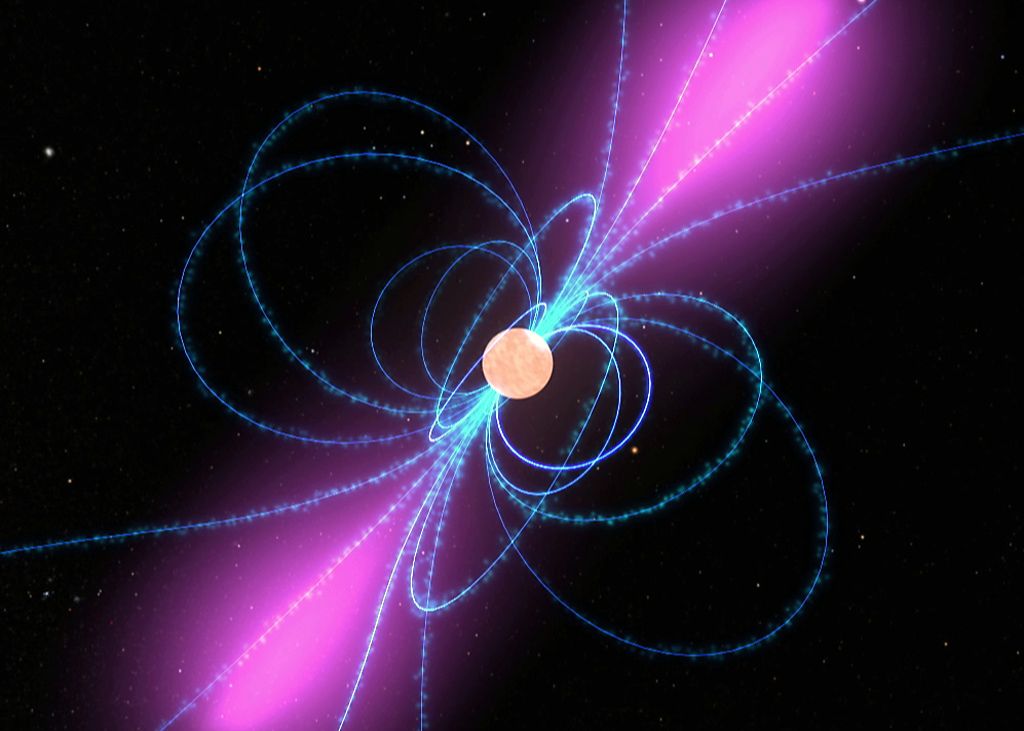
On November 28, 1967, astronomers Jocelyn Bell Burnell and Antony Hewish discovered the first pulsar, a rapidly spinning neutron star that emits regular radio pulses. Initially dubbed “Little Green Men 1,” the signal’s steady 1.33‑second rhythm convinced scientists it was a natural, not extraterrestrial, phenomenon. The find confirmed the existence of neutron stars and opened a new era of precision astronomy, providing cosmic clocks that test Einstein’s relativity and aid spacecraft navigation.
12 grains of dust found high in Earth's atmosphere reveal secrets of water at the edge of the solar system
Original Publication Date: 2026-11-28 11:00
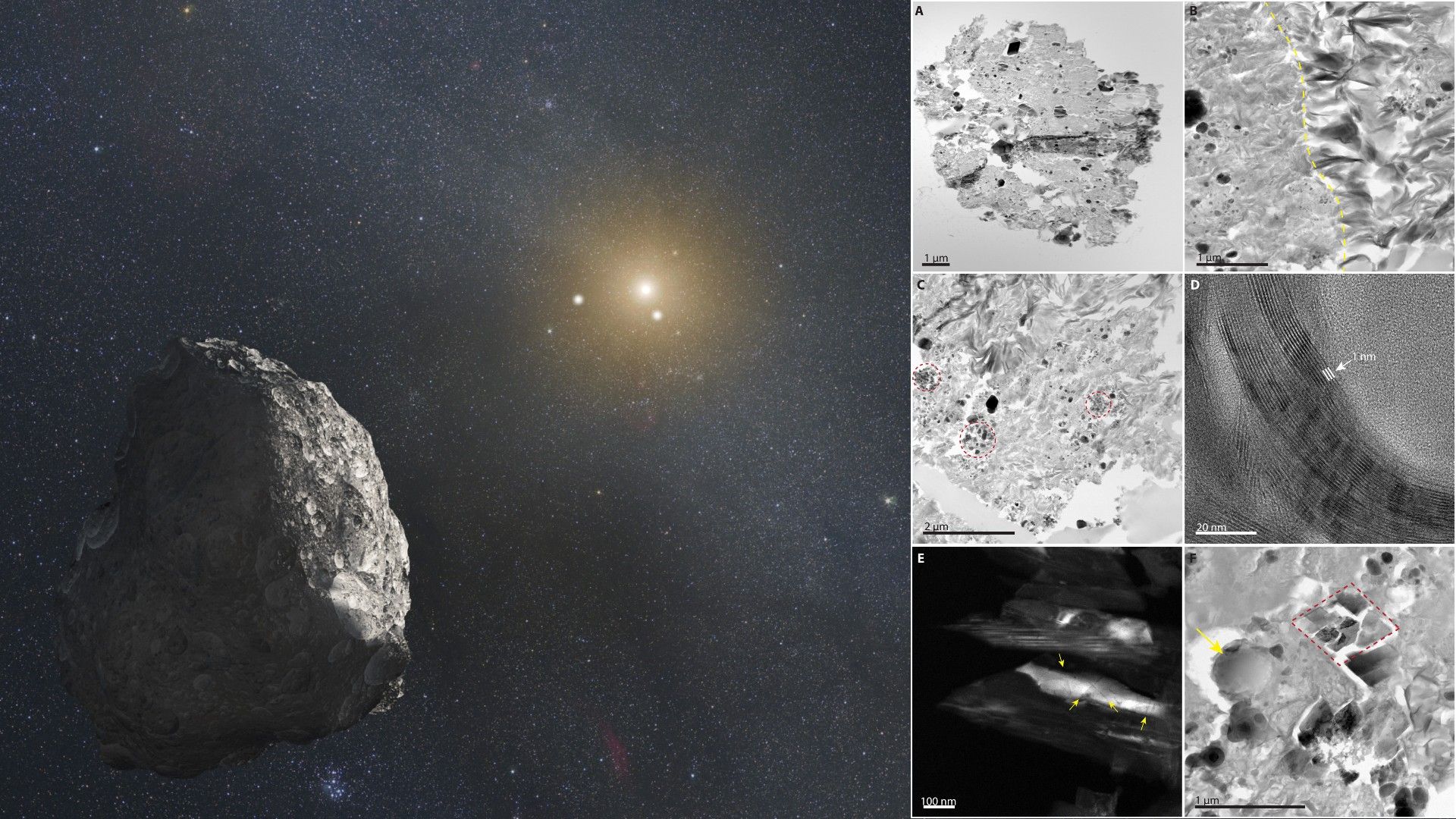
NASA’s ER‑2 high‑altitude aircraft captured 12 microscopic dust grains that drifted in from the Kuiper Belt, and scientists have now confirmed they contain minerals altered by water enriched in heavy oxygen isotopes. Using advanced electron microscopy and ion microprobe analysis, researchers identified hydrated clay minerals that formed when this heavy‑oxygen water interacted with silicate rock at the edge of the solar system. The finding supports the idea of a reservoir of heavy‑oxygen water in the outer reaches of our system, offering new clues about how planets accreted material 4.5 billion years ago. This breakthrough underscores how tiny particles can illuminate the early conditions that shaped the entire solar system.
Dropping missiles from orbit? 2 European companies sign agreement to study the idea
Also covered by: Space.com
Original Publication Date: 2026-11-27 19:00
Julian Dossett is a Santa Fe‑based freelance writer who specializes in the rocket industry and space exploration while also crafting travel pieces for New Mexico Magazine. His travel work earned IRMA Awards in 2022 and 2024. Dossett cut his teeth as a staff writer at CNET before earning a 2011 B.A. In philosophy from Texas State University. A passionate collector, he owns an extensive archive of 1960s sci‑fi pulp magazines.