 Spotify
 Apple Podcasts
 Podcast Addict
 Overcast
 Podcast RSS
MDA Space continues work on Gateway robotic arm
Original Publication Date: 2026-05-09 23:35
MDA Space is pressing ahead with Canadarm3, Canada’s robotic arm for the lunar Gateway, even after NASA announced it was effectively canceling the Gateway in favor of a lunar base.
Viasat wins $307 million Marine Corps satellite communications contract
Original Publication Date: 2026-05-09 15:34
The Space Systems Command’s commercial space office has awarded Viasat a $307 million, five‑year contract to deliver satellite communications for the U.S. Marine Corps under the MECS2 program. Viasat retained the work after winning a recompete, following its acquisition of Inmarsat, which previously held the contract. The deal covers multi‑orbit, multi‑band services—including geostationary, medium Earth, and low Earth orbit satellites—providing global bandwidth and managed services for the Corps. This move underscores the Department of Defense’s push to integrate diverse satellite architectures for worldwide communications.
Muon Space Scales Workforce Following Transition to Constellation-Scale Manufacturing
Original Publication Date: 2026-05-09 12:53
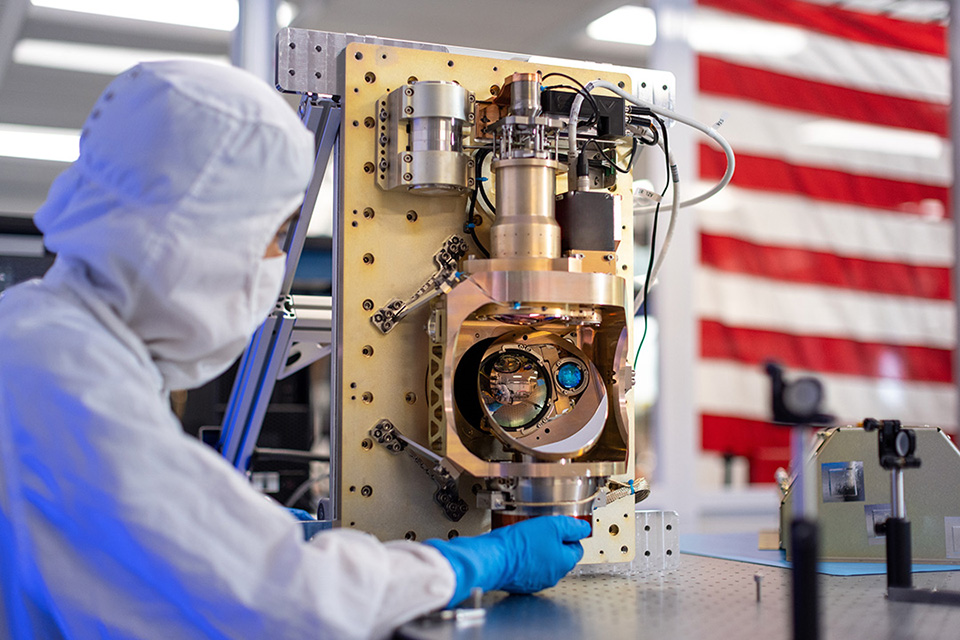
Muon Space, a Silicon Valley aerospace startup, has ramped up hiring after securing high‑value defense contracts and a $146 million Series B round. The company is expanding its engineering and operations teams to accelerate development of its quantum‑enabled propulsion system. With new contracts from the U.S. Department of Defense and partners like DARPA, Muon Space aims to bring its breakthrough technology to market faster. The move underscores the growing interest in advanced propulsion solutions for space exploration.
US Air Force Taps L3Harris to Bolster ABMS Digital Infrastructure
Original Publication Date: 2026-05-09 12:44
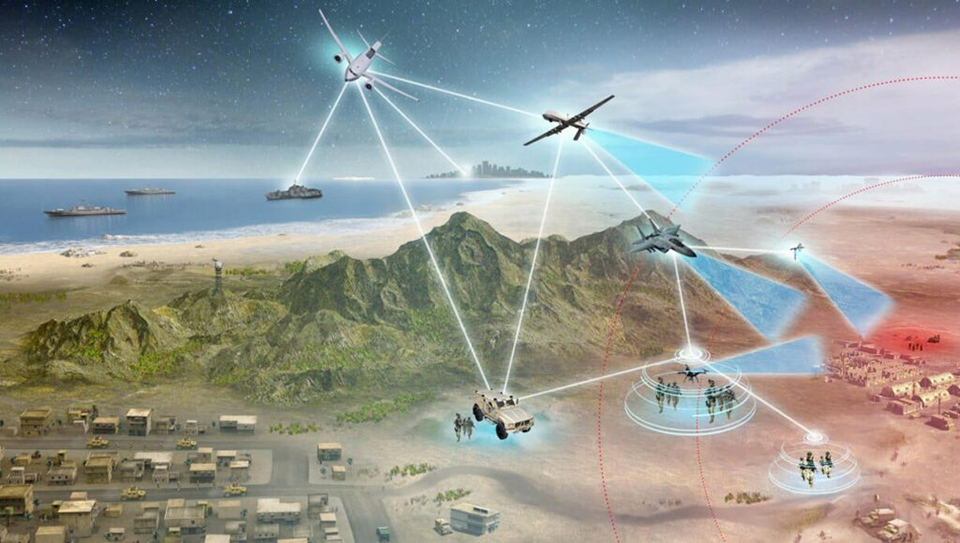
On May 7, 2026, the U.S. Air Force awarded L3Harris Technologies a contract to build key components of the secure digital infrastructure that will serve as the backbone for its Advanced Battle Management System. The partnership focuses on creating resilient, encrypted communication networks that enable real‑time decision making across the joint force.
NASA's twin Voyager spacecraft are very low on power after nearly 50 years. How long can they keep going?
Original Publication Date: 2026-05-09 13:00
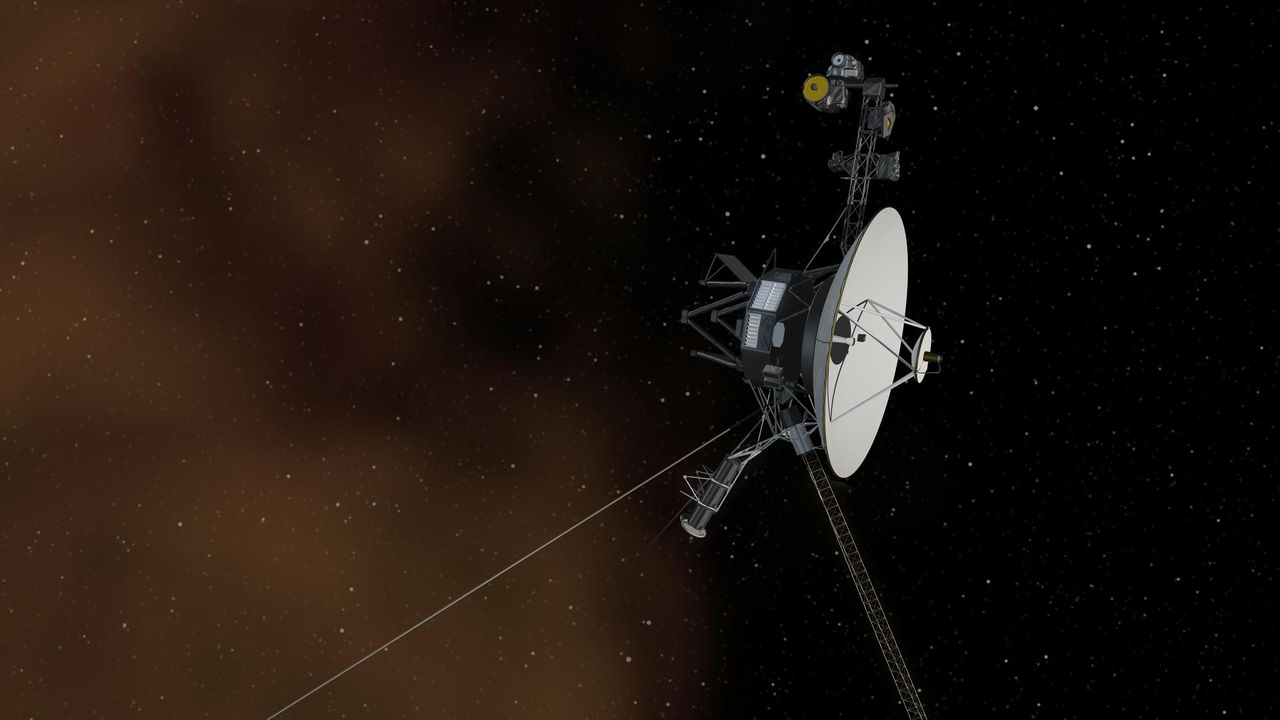
NASA’s twin Voyager probes, launched in 1977, are now in their fifth decade of interstellar exploration but are running low on power, with each spacecraft only able to draw a fraction of the 470 watts they once produced. To stretch their operational lives, JPL plans a risky “Big Bang” maneuver that will swap out three power‑intensive devices used to keep fuel lines from freezing for three new ones that use almost 10 watts less, potentially delaying the shutdown of science instruments by at least a year. Voyager 1 currently has only its magnetometer and plasma wave subsystem active, while Voyager 2 runs three instruments, but both are losing about four watts per year as their plutonium power sources decay.