 Spotify
 Apple Podcasts
 Podcast Addict
 Overcast
 Podcast RSS
Some European Launcher Challenge funding remains in limbo
Original Publication Date: 2026-03-22 00:53
Nearly €140 million earmarked for ESA’s European Launcher Challenge has stalled, with large sums still unallocated or tied up in a now‑bankrupt firm. The UK, Norway and other member states have left €112 million, mostly from the UK, without a clear spending plan, while the UK‑based Orbex, which filed for administration, had €34.9 million committed. ESA officials are urging the countries to reallocate or reclaim the money, but no deadline has been set, and the agency is proceeding with funding for the remaining four companies. Meanwhile, ESA has issued tailored tenders to Isar Aerospace, MaiaSpace, PLD Space and Rocket Factory Augsburg, which must respond by the end of March.
Artemis 2 returns to the pad for April launch attempt
Original Publication Date: 2026-03-21 15:14
NASA’s Artemis 2 launch vehicle and spacecraft have returned to the launch pad, positioning themselves for a possible launch as early as April 1. The move follows a series of pre‑flight checks and preparations to ensure the mission’s readiness. SpaceNews reports that the launch attempt will depend on weather and final system verification. If conditions are favorable, Artemis 2 could lift off on the first day of April.
China satellite investment soars as SpaceX sparks race for space
Original Publication Date: 2026-03-22 00:02
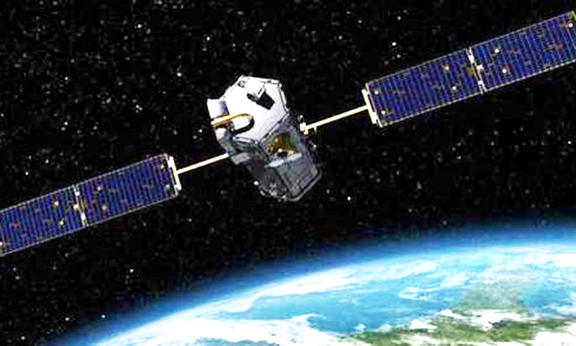
China’s commercial space sector has evolved from a handful of experimental startups into a sprawling, state-backed industrial engine. The surge has been fueled by strategic competition with SpaceX’s Starlink, prompting massive investment and rapid development of domestic satellite constellations.
Pentagon Report: Space Force ATLAS Program Falls Short of Decommissioning Targets
Original Publication Date: 2026-03-21 19:59
The Pentagon’s Director of Operational Test & Evaluation released a report on March 16, 2026 that finds the U.S. Space Force’s next‑generation command‑and‑control system is still not ready for deployment. Technical challenges and missed milestones mean the program will not meet its 2026 schedule, and additional funding and testing are required to address the gaps. Space Force officials will need to accelerate development and risk mitigation before the system can enter operational service.
Telesat’s Lightspeed should outperform, helped by Trump and Carney
Original Publication Date: 2026-03-21 18:13

Ottawa-based satellite operator Telesat is facing a tough quarter, with revenues down 27% year‑on‑year. CEO Dan Goldberg remains optimistic, betting the company’s future on its upcoming Lightspeed satellite constellation. The Lightspeed program aims to deliver high‑throughput services across the globe, but investors remain wary amid the current revenue slump. Telesat’s performance will be closely watched as it pushes forward with this ambitious project.
Progress MS-33 set to resume Russian flights to ISS from repaired pad
Original Publication Date: 2026-03-21 23:18

Russian Progress MS‑33 cargo ship will launch from the repaired Site 31/6 at Baikonur on March 22 at 11:59 UTC, bringing over 2,500 kg of supplies to the ISS.
Blue Origin ramps up New Glenn manufacturing, unveils Orbital Data Center ambitions
Original Publication Date: 2026-03-21 13:19

Blue Origin has opened its Space Coast factory to a full‑scale production line for the New Glenn heavy‑lift rocket, with at least seven second stages in various stages of assembly and a new booster already in the works. CEO Dave Limp highlighted a recent static fire of the fifth second stage and the upcoming NG‑3 launch, which will mark the first reuse of a New Glenn first stage from Flight 2, carrying AST SpaceMobile’s next‑generation satellite. The company is also filing with the FCC for a 51,600‑satellite megaconstellation of orbital data centers, aiming to provide high‑speed optical communications from space. This aggressive ramp‑up positions Blue Origin to meet its future launch cadence and expand its broader space‑technology portfolio.
'This is really intolerable': Astronomers protest giant orbiting mirror project and SpaceX's million AI satellites
Original Publication Date: 2026-03-22 10:00
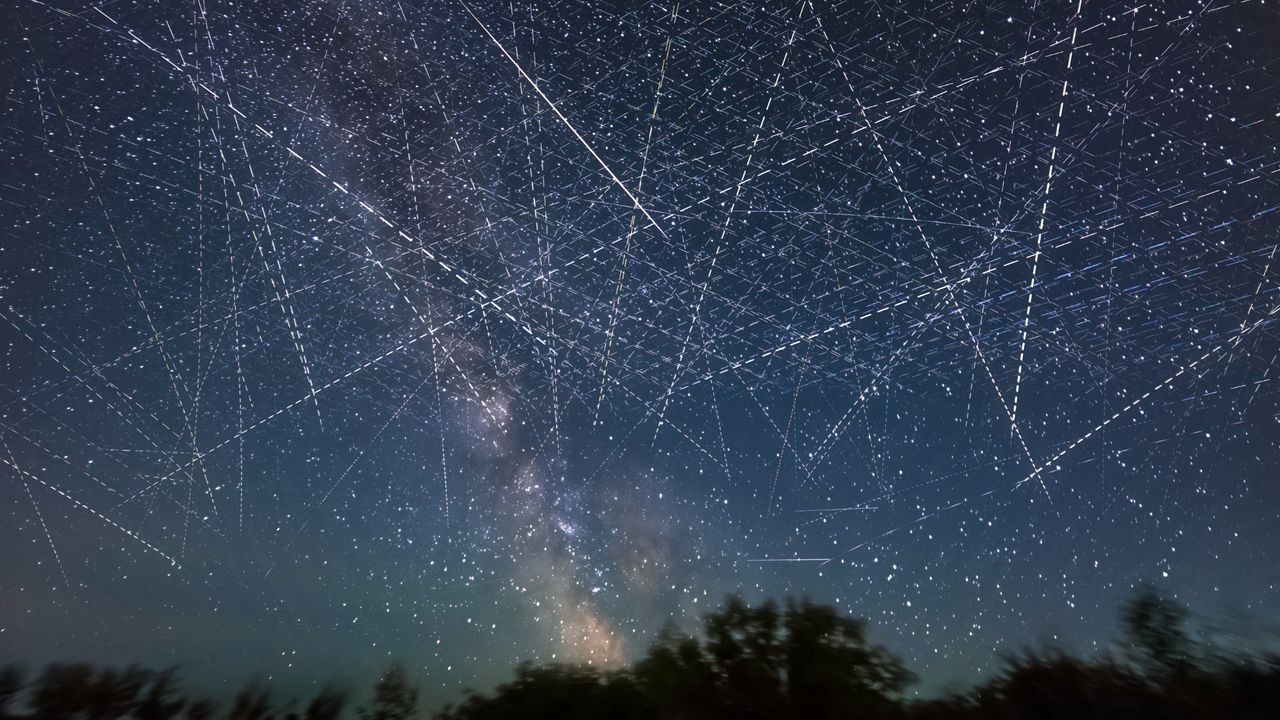
A June 2024 photo shows the sky crowded with satellites, with streaks across the sky. The horizontal lines, likely from SpaceX Starlink constellations, run west to east, while vertical streaks are from Earth‑observation satellites. Even low‑Earth‑orbit satellites are illuminated all night at 51° north latitude. A meteor streak appears in the center, adding a natural element to the scene.
Watch Russia launch Progress 94 cargo ship to the ISS on March 22
Original Publication Date: 2026-03-21 21:00
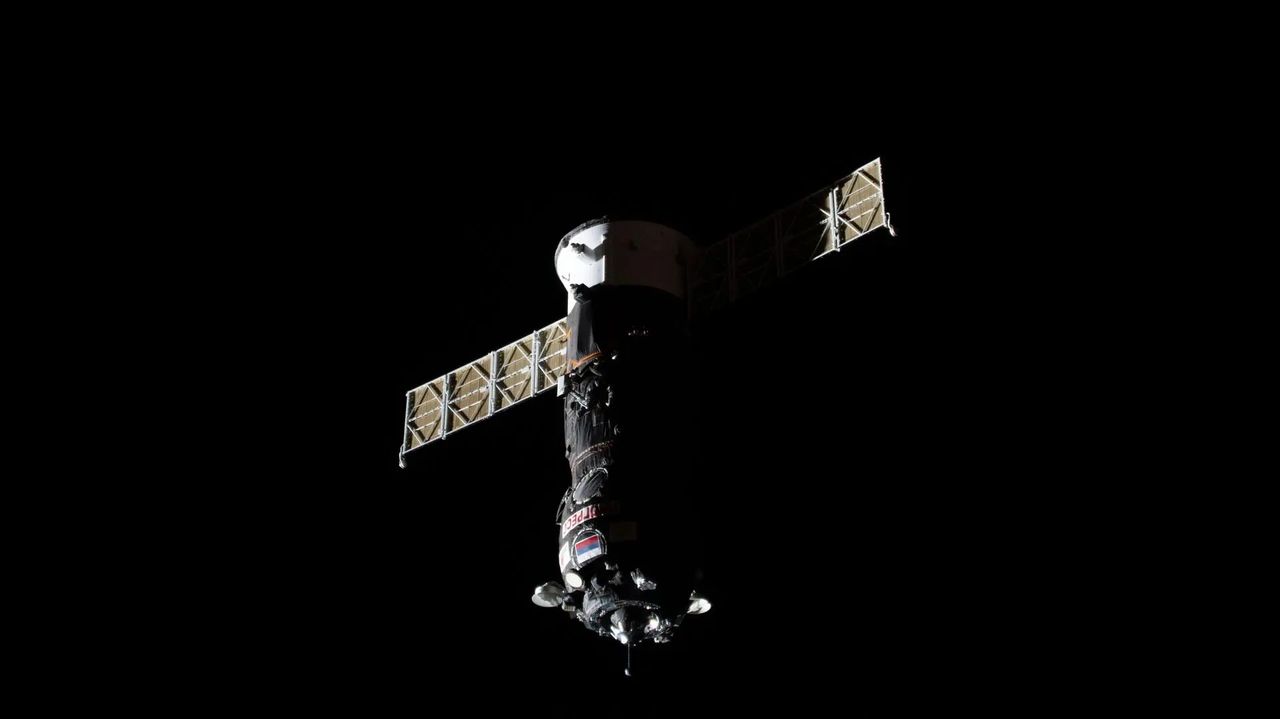
Russia will lift off a Progress 94 cargo freighter toward the International Space Station on Sunday, March 22 at 7:59 a.m. ET from the Baikonur Cosmodrome, carrying roughly three tons of food, fuel and supplies for the ISS crew. The Soyuz‑powered vehicle is scheduled to chase the orbiting lab for two days before docking with the Poisk module on March 24 at about 9:34 a.m. ET. Once docked, Progress 94 will remain attached for roughly six months, then be loaded with trash and burned up in Earth’s atmosphere. Viewers can follow the launch live on Space.com or directly from the Russian space agency.
Artemis Accords nations grapple with how to handle emergencies and 'harmful interference' on the moon
Original Publication Date: 2026-03-21 13:00
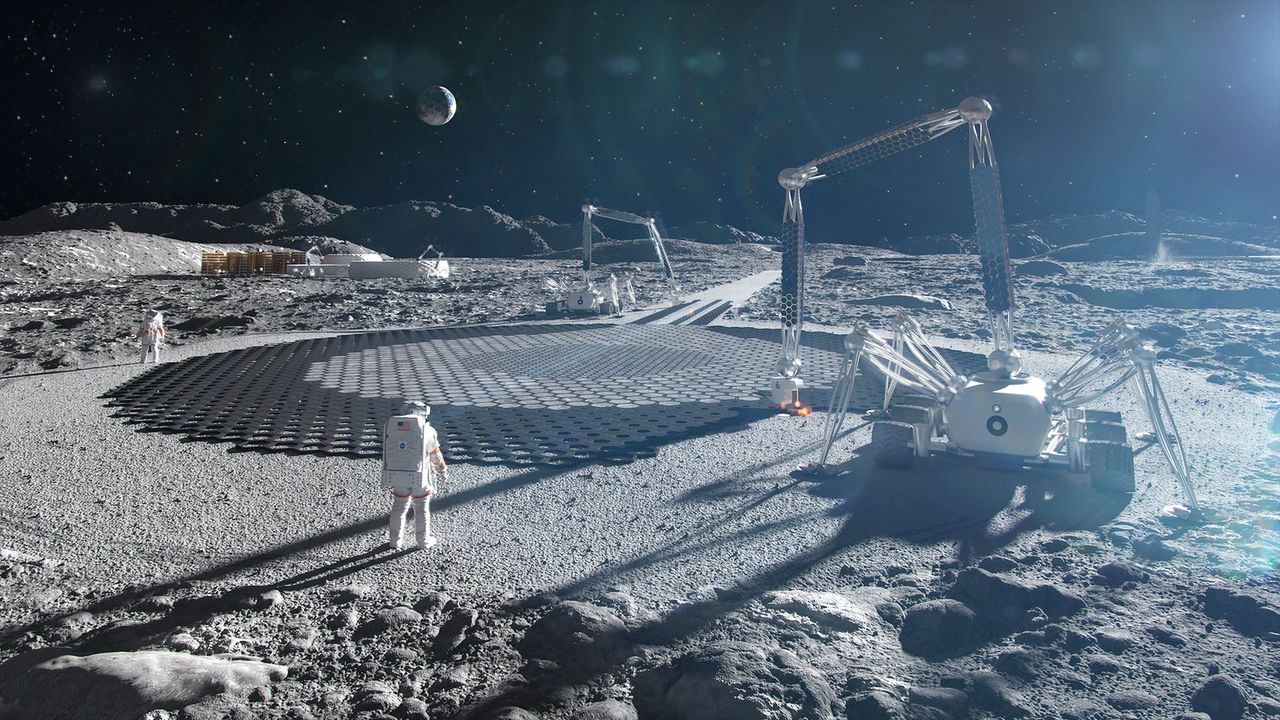
The Artemis Accords, signed by more than 60 nations, still lack clear rules for handling emergencies and defining safety zones on the Moon. As NASA gears up for Artemis 2, the first crewed mission near the Moon in over five decades, signatories from the UAE, Australia and the U.S. Are debating how to respond to lunar emergencies and establish interference‑free buffer zones. Defining a safety zone remains tricky, with officials noting it could vary in size and that “harmful interference” is not yet clearly defined.
The loneliest places in the universe might actually be some of the best places for life
Original Publication Date: 2026-03-21 12:00
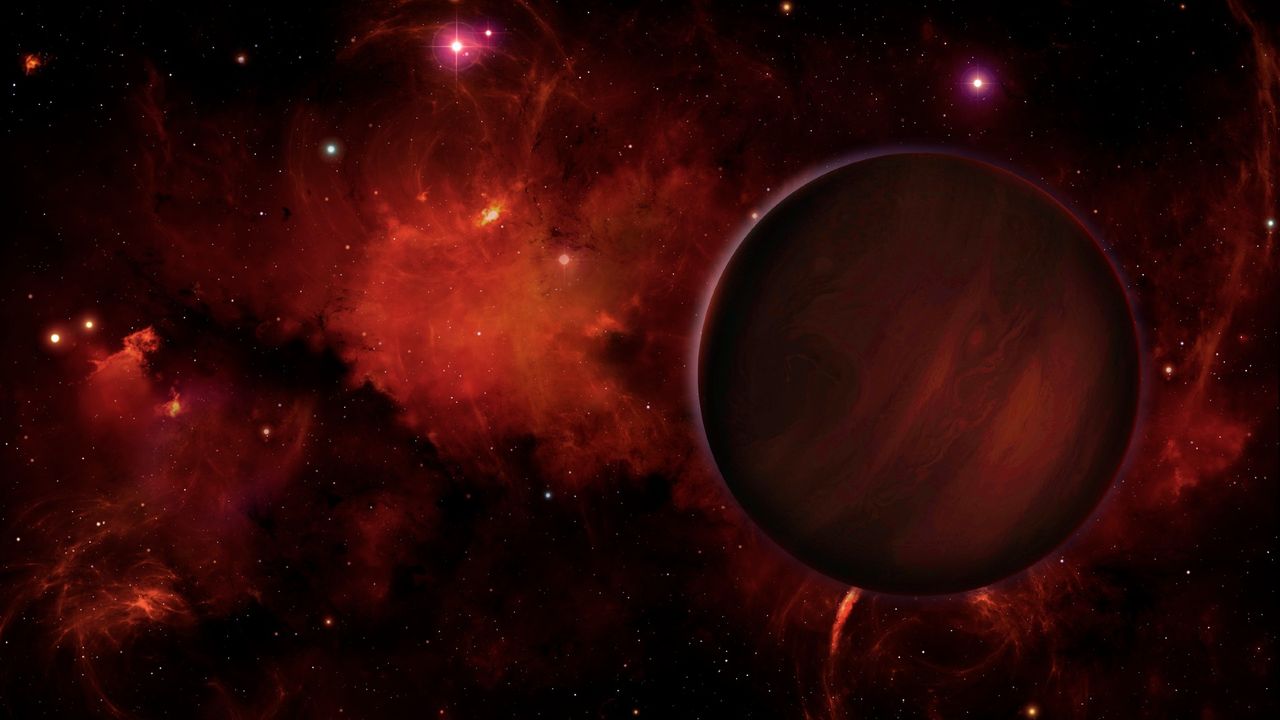
Scientists now think the universe’s loneliest worlds—free‑floating, star‑less planets—might actually be some of the best places to find life. These rogue planets could host moons whose tidal flexing heats them from the inside, while thick, hydrogen‑rich atmospheres trap that heat through collision‑induced absorption.
We keep finding the raw material of DNA in asteroids—what's it telling us?
Original Publication Date: 2026-03-21 11:00
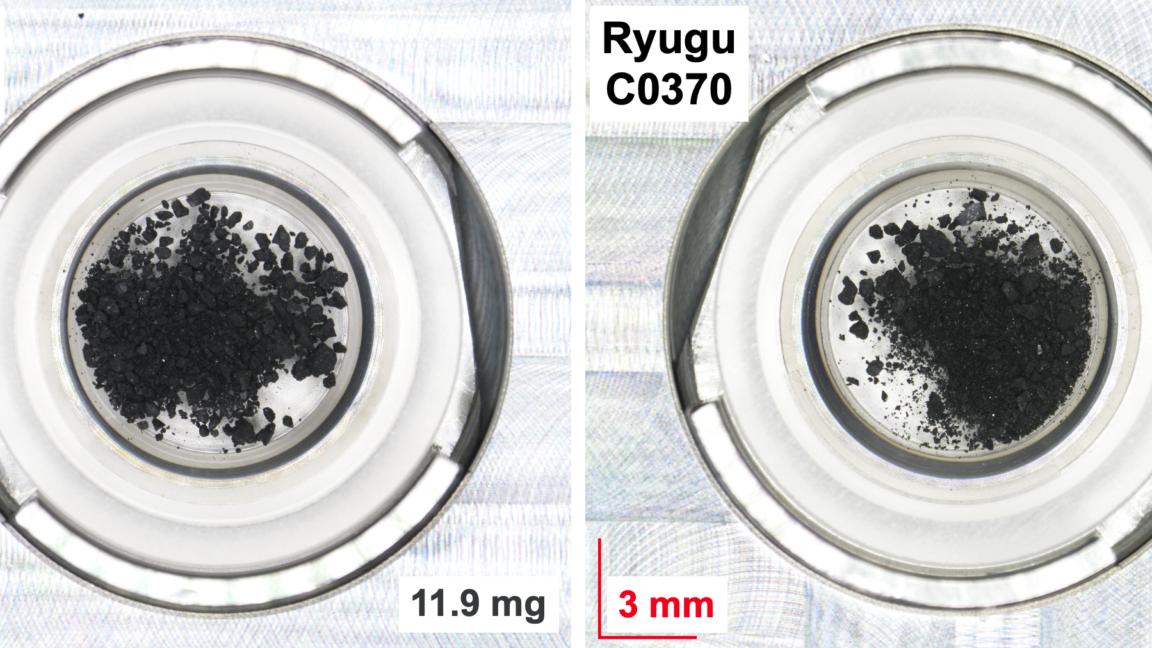
Scientists have confirmed the presence of all four DNA bases on asteroid Ryugu, echoing earlier 2011 studies and resolving a mystery that previous samples had missed. The new research shows these nucleic‑acid components exist on the asteroid and offers clues about how they arrived there, shedding light on the delivery of life’s building blocks to Earth. By tracing the origin of these bases, the study helps scientists better understand the early solar system chemistry that eventually seeded life on our planet. This breakthrough underscores the importance of asteroids as repositories of prebiotic material.