 Spotify
 Apple Podcasts
 Podcast Addict
 Overcast
 Podcast RSS
NASA Administrator teases further Artemis program updates in one-on-one interview
Original Publication Date: 2026-03-14 11:23
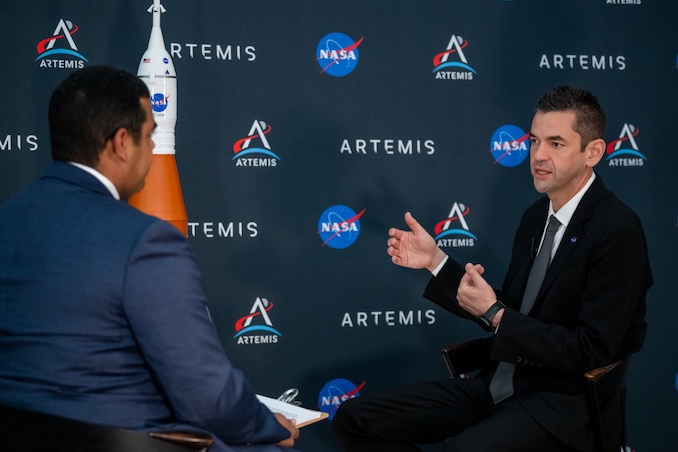
NASA has set a target to launch Artemis 2 no earlier than April 1 after a two‑day flight readiness review at Kennedy Space Center. The review brought together mission managers, center leaders, and the four astronauts—Reid Wiseman, Victor Glover, Christina Koch and Canadian Jeremy Hansen—to assess risks for the 10‑day lunar fly‑by in the Orion “Integrity” spacecraft. Administrator Jared Isaacman also highlighted recent architectural changes, the planned Artemis 3 launch in mid‑2027, findings from the Office of Inspector General, and workforce goals for the agency. These steps underscore NASA’s commitment to advancing its lunar exploration program.
Air Force Triples AEHF Terminal Contract Ceiling to Nearly $3 Billion
Original Publication Date: 2026-03-13 21:46
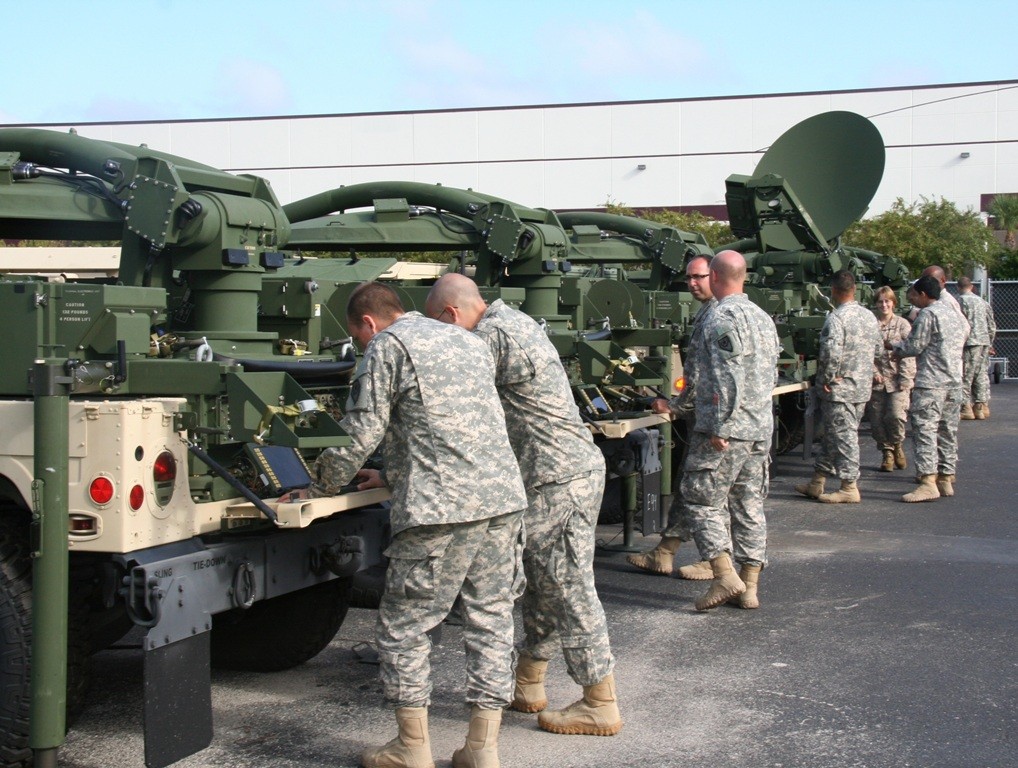
RTX Corporation has raised its AEHF terminal contract ceiling to $2.97 billion, an increase of $2.01 billion over the 2021 limit of $960 million. The move more than triples the original cap, underscoring the company’s growing role in advanced satellite communications. The new ceiling reflects heightened demand for secure, high‑throughput capabilities in defense and commercial markets. RTX’s revised contract positions it to deliver enhanced services and support to U.S. And allied forces.
A state of matter last seen just after the Big Bang may exist inside neutron stars — and scientists think they can prove it
Original Publication Date: 2026-03-15 10:00
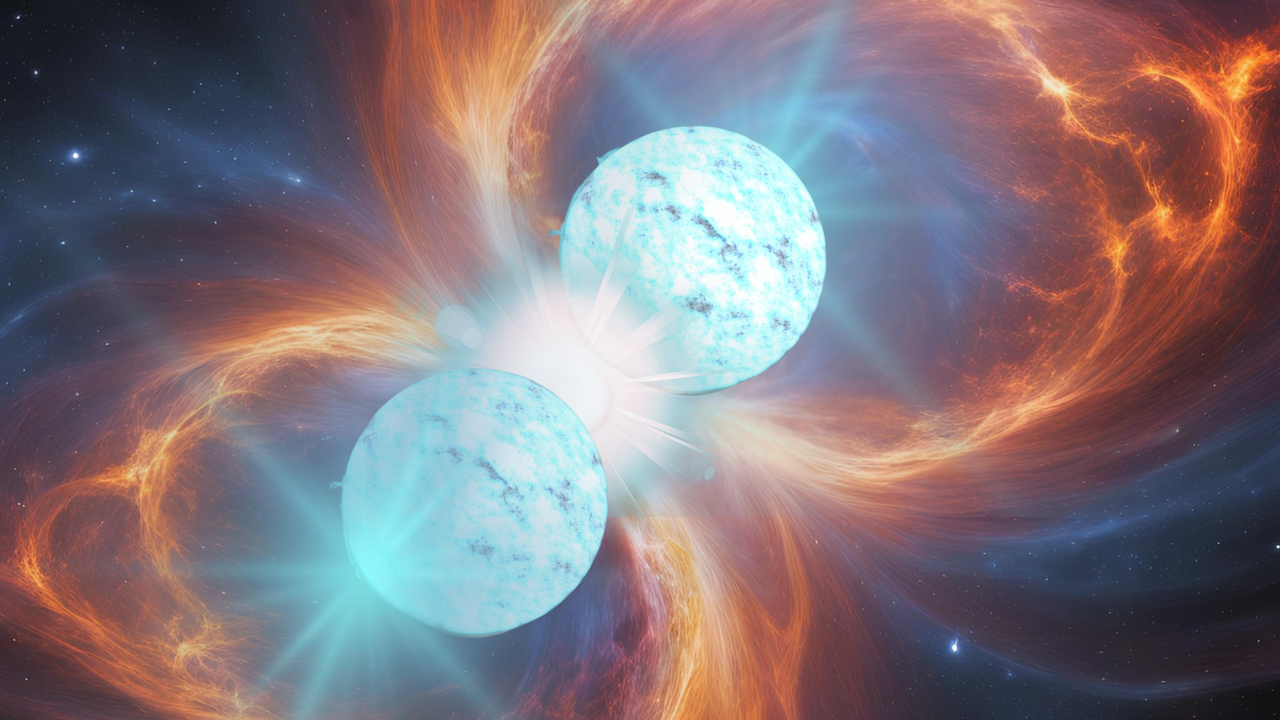
Scientists suggest that neutron stars may contain a quark‑gluon plasma, a state of matter that existed just after the Big Bang. By analyzing the tidal distortions in gravitational waves from binary neutron‑star mergers, researchers can probe the stars’ inner composition. A team led by Nicolás Yunes and Abhishek Hegade has developed a method to decode these wave frequencies and infer whether quarks are present in the cores. If confirmed, the findings would open a new window on extreme physics and the universe’s earliest moments.
Two days, two coasts, two more SpaceX Starlink batches launched
Original Publication Date: 2026-03-14 17:11
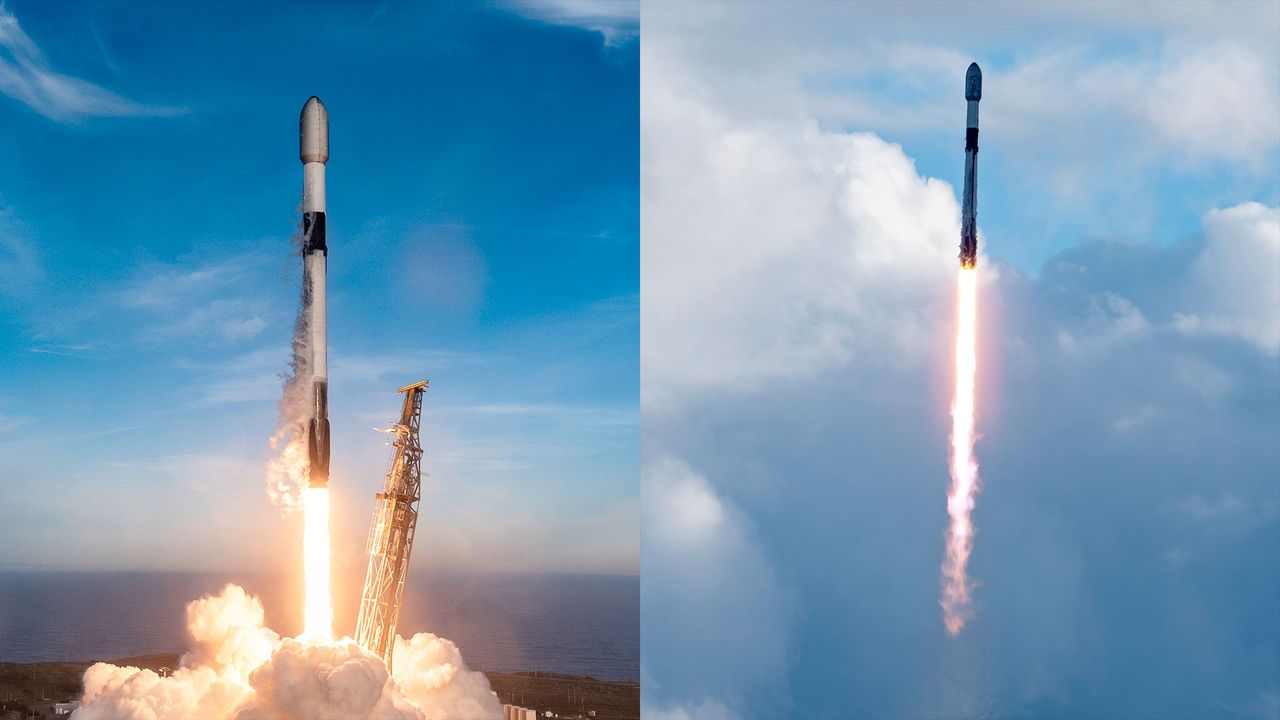
SpaceX completed a back‑to‑back, coast‑to‑coast launch campaign on March 13 and 14, sending two Falcon 9 rockets into low‑Earth orbit from Vandenberg, California, and Cape Canaveral, Florida. The California launch deployed 25 Starlink satellites, while the Florida launch added 29 more, bringing the total active constellation to 9,985 satellites. Both first‑stage boosters landed safely on ocean‑based droneships, marking SpaceX’s 625th mission and 585th successful landing. This double‑day effort highlights the company’s growing capacity to rapidly expand its global broadband network.
Why are some stars always visible while others come and go with the seasons?
Original Publication Date: 2026-03-14 13:00

Stars that stay visible, like the Big Dipper, are circumpolar and never dip below the horizon in the Northern Hemisphere, while seasonal stars such as Orion rise and set as Earth orbits the Sun. The difference comes from the fact that a sidereal day—23 hours 56 minutes—allows stars to appear in the same spot relative to distant stars, so they rise about four minutes earlier each night. Over a month that shift brings Orion from near the horizon at sunset to almost overhead by February or March. Thus, the daily rotation and yearly orbit of Earth make some constellations a constant fixture while others appear only at certain times of year.