 Spotify
 Apple Podcasts
 Podcast Addict
 Overcast
 Podcast RSS
CAS Space to launch Kinetica-2 in late March carrying prototype cargo spacecraft
Original Publication Date: 2026-03-01 08:58
Chinese launch firm CAS Space is set to fire its first reusable Kinetica‑2 rocket from Jiuquan Satellite Launch Center in late March, carrying a prototype Qingzhou‑1 cargo spacecraft designed to resupply the Tiangong space station. The 53‑meter‑long Kinetica‑2, powered by three YF‑102 engines, can lift up to 12,000 kg to low‑Earth orbit or 7,800 kg to a 500‑km sun‑synchronous orbit, with plans for reusability. CAS Space, a spin‑off from the Chinese Academy of Sciences, has already tested its smaller Kinetica‑1 and aims to launch Kinetica‑2 and Kinetica‑1 multiple times throughout 2026, including internet megaconstellation missions. This debut underscores China’s expanding launch cadence and its push toward more frequent, cost‑effective access to space.
Intuitive Machines raises $175 million in stock sale
Original Publication Date: 2026-03-01 00:10
Intuitive Machines closed a $175 million stock sale on February 25, raising capital to expand its deep‑space communications network. The funds will be used to build a lunar satellite constellation of at least five spacecraft, leveraging the satellite‑manufacturing assets of Lanteris Space Systems, which Intuitive acquired for $800 million last November. The company also plans to pursue higher‑margin programs such as NASA’s Mars Telecommunications Orbiter and other orbital data‑center projects, though it missed eligibility for the $700 million Mars Orbiter budget. Despite the funding boost, the shares fell 16 % on the day of the announcement, partially recovering to close at $16.48 on February 27.
NASA on ‘aggressive’ schedule to complete SLS repairs for April launch
Original Publication Date: 2026-02-28 17:40
NASA has roughly three weeks to repair the Space Launch System’s upper stage in order to keep the Artemis 2 launch window open for early April. The vehicle was rolled back to the Vehicle Assembly Building after a helium flow interruption, likely caused by a seal or check valve, and will undergo inspections, seal replacements and battery retests. Engineers expect at least a week and a half of pad work before the rocket can be rolled back out, a tight but aggressive schedule. If the repairs cannot be finished in time, the next launch opportunity will open on April 30.
SpaceX to launches 25 Starlink Satellites from the West Coast
Original Publication Date: 2026-03-01 02:49
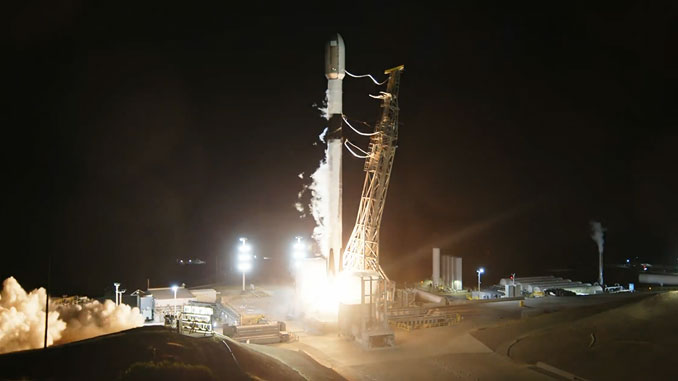
SpaceX launched its Falcon 9 rocket from Vandenberg Space Force Base on March 1, 2026, carrying 25 Starlink V2 Mini satellites for the Starlink 17‑23 mission. The booster, B1082, made its 20th flight since 2024 and successfully landed on the drone ship “Of Course I Still Love You” just over eight minutes after liftoff. The launch took off at 2:10 a.m. PST, heading southerly, and deployed the satellites roughly an hour into flight. This mission adds another batch of high‑speed internet satellites to SpaceX’s growing constellation.
Rocket Lab Reaches $816 Million Defense Backlog Milestone Following Hypersonic Test Success
Original Publication Date: 2026-02-28 23:31
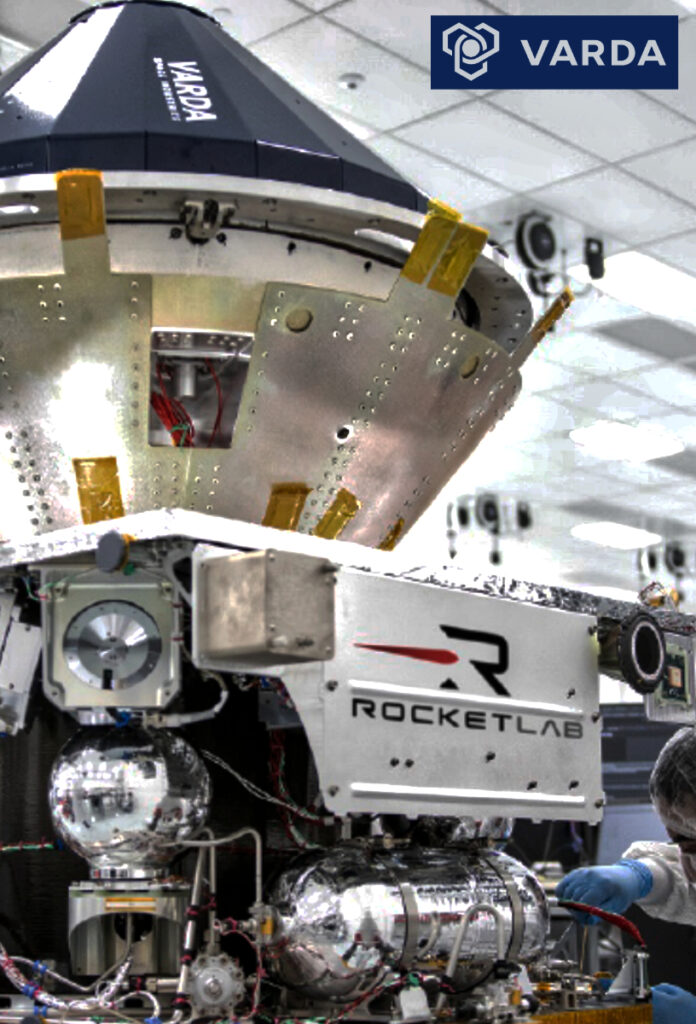
Rocket Lab USA has cemented itself as a top-tier defense prime, boasting a flawless 100 % success rate on hypersonic test launches. The company secured an $816 million portfolio of active satellite constellation contracts, including a $515 million lead award from the Space Development Agency to build 18 Tranche 2 Transport Layer satellites.
Defense Sector Analysts Highlight Three Satellite Stocks Positioned for FY2027 Budget Growth
Original Publication Date: 2026-02-28 22:41

Citi Research has flagged L3Harris, Iridium Communications and Lockheed Martin as top winners from a projected jump in U.S. Defense spending, as the administration pushes the 2026 budget from $901 billion to $1.5 trillion for FY 2027, with a focus on the Golden Dome space‑based defense architecture. L3Harris recently merged its space capabilities into a new Space & Mission Systems unit, holds an $843 million Space Development Agency contract, and is expanding satellite integration facilities in Florida. Iridium posted $871.7 million in 2025 revenue, $495.3 million in EBITDA, and is launching the Iridium 9604 IoT module while maintaining a 2.7 % dividend yield. Lockheed Martin, the prime Golden Dome contractor, secured a $1.1 billion SDA award and a $3.5 billion ground segment contract, positioning all three firms to benefit from the shift toward low‑Earth‑orbit deterrence by denial.
Germany Commits €35 Billion to LEO Resilience and Non-Kinetic Deterrence
Original Publication Date: 2026-02-28 22:06
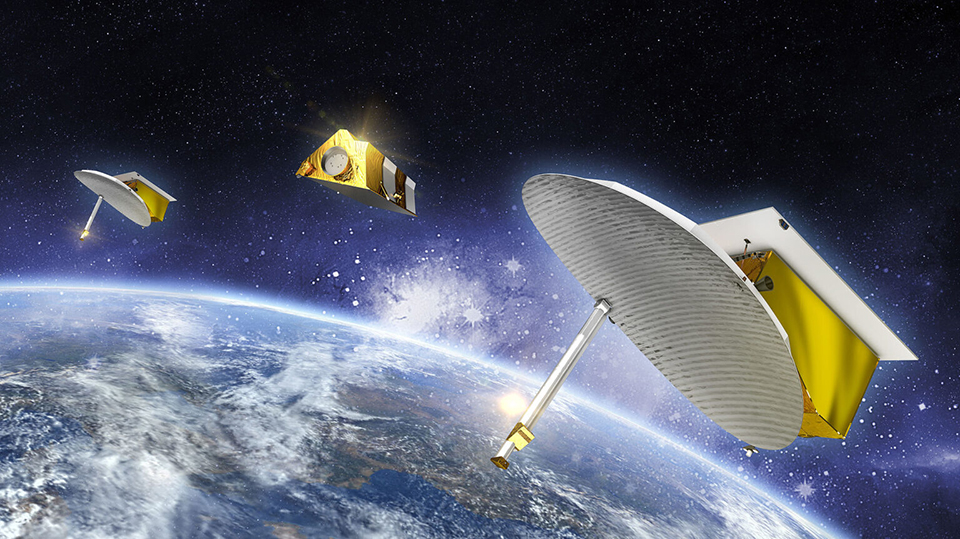
Germany announced a €35 billion ($41 billion) investment to build sovereign military space capabilities through 2030, aiming to reduce reliance on the U.S. Space Force and strengthen early warning, reconnaissance, and secure communications. The program will deploy a secure constellation of over 100 low‑Earth‑orbit satellites, modeled after the U.S. Space Development Agency’s architecture, and develop laser systems to disrupt enemy sensors. This shift toward strategic autonomy comes amid a contested orbital environment with Russian and Chinese counter‑space activities. Contracts for the new ISR constellations are slated for award in April 2026, with funding already earmarked for a Bundeswehr Space Operations Centre.
Southern Pacific Aero-Defense Alliance Launches to Support SoCal Aerospace Ecosystem
Original Publication Date: 2026-02-28 18:54
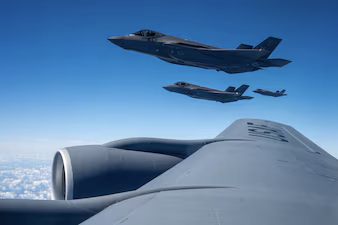
On February 27, 2026, Southern California’s aerospace and defense industry announced the creation of the Southern Pacific Aero‑Defense Alliance, a nonprofit set to unite contractors, suppliers, academia, and government to strengthen workforce development and supply‑chain resilience. The alliance, led by Pennie Burnham, aims to keep the region competitive in advanced manufacturing and national security. Its inaugural launch will take place March 11 at the College of the Canyons Performing Arts Center, featuring a keynote from Lockheed Martin Skunk Works’ OJ Sanchez and Congressman George Whitesides. The event will bring senior defense executives and policymakers together to chart the future of the region’s A&D workforce and supply chain.
SES ready for demo flight of MEO-Sphere satellite
Original Publication Date: 2026-02-28 16:10
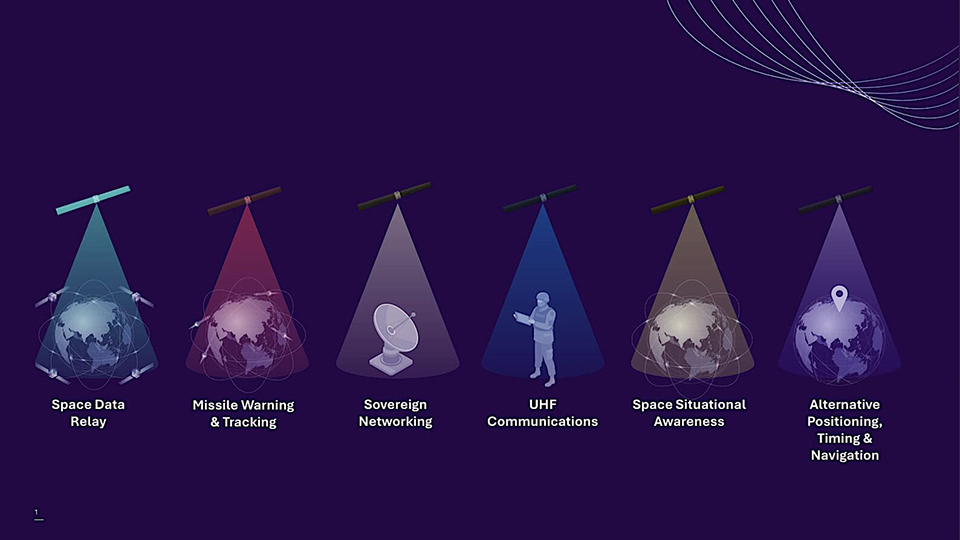
SES is overhauling how it buys satellites, teaming up with California‑based K2 Space to build lower‑cost “Mega Class” buses that can launch in just three months for about $15 million each. Three demo missions—deployed on SpaceX’s Transporter 16 this spring, with follow‑ups slated for 2027 and 2028—will test these satellites’ multi‑payload capabilities before a full‑spec model is produced. The move targets SES’s medium‑Earth orbit (MEO) fleet, offering the flexibility of LEO while complementing its existing GEO network and partnerships with operators like Starlink. CEO Adel Al‑Salah said the new agile, software‑defined approach will let SES deliver faster, more responsive satellite services to a competitive market.
Firefly Alpha FLTA007 “Stairway to Seven” set for launch from California coast
Original Publication Date: 2026-02-28 14:27

Firefly Aerospace is set to launch its Alpha rocket, FLTA007 “Stairway to Seven,” from Vandenberg Space Force Base on Sunday, March 1, after a nearly ten‑month pause following last year’s failed FLTA006 mission. The test flight, scheduled for 4:50 PM PST, will carry no payload but will evaluate new first‑stage thermal protection, reduced angle of attack, and early Block II avionics, with a planned southwest trajectory to a retrograde low‑Earth orbit.
Is it legal to own, buy, or sell Apollo mission moon rocks and lunar samples?
Original Publication Date: 2026-02-28 14:00
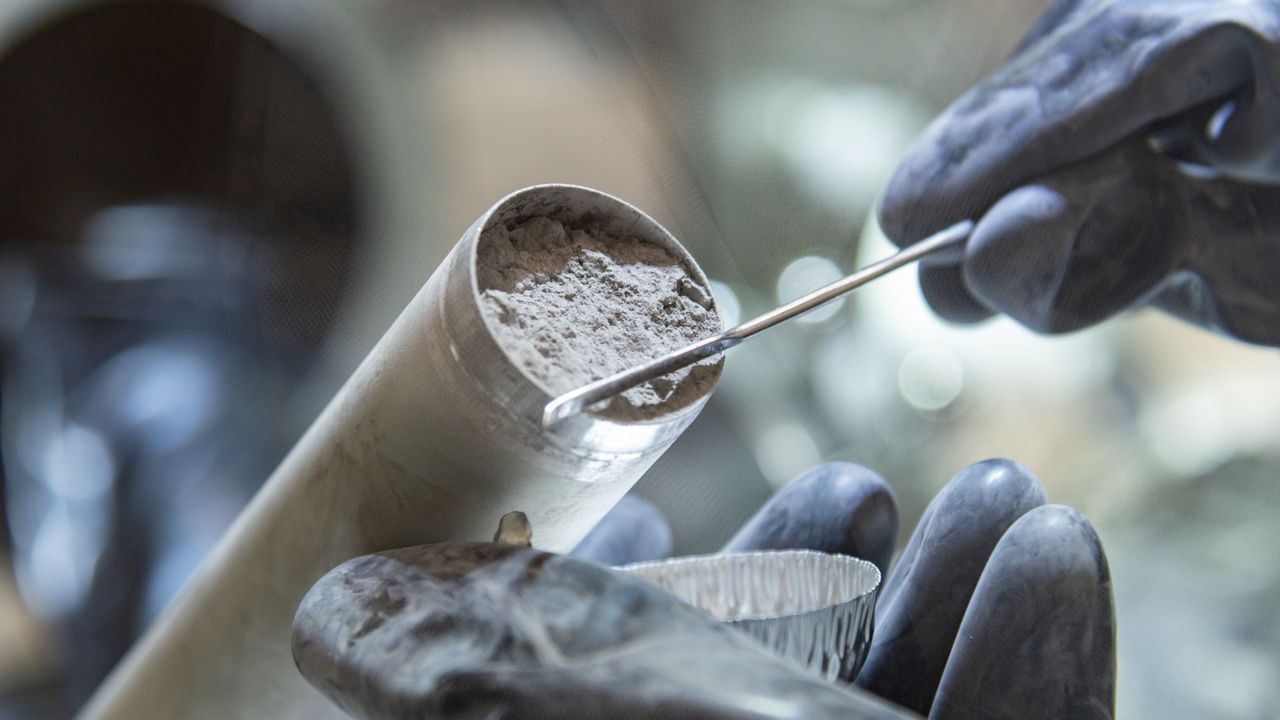
NASA has strict rules that make buying, selling, or trading Apollo moon rocks illegal, with severe federal penalties for violations. In 2002, three NASA interns stole 17 pounds of lunar material worth nearly $21 million, only to be caught after attempting to sell the rocks on the black market. The agency keeps all 842 pounds of samples in a highly secure Lunar Sample Laboratory at Johnson Space Center, where they are catalogued and protected from contamination. Anyone who tries to deal in these astromaterials faces prison time and hefty fines, so Apollo treasures remain the property of the U.S. Government and cannot be legally transferred to private parties.