 Spotify
 Apple Podcasts
 Podcast Addict
 Overcast
 Podcast RSS
Astrobotic says sale to Voyager will allow it to scale up
Original Publication Date: 2026-06-20 19:51
Astrobotic, the Pittsburgh‑based lunar lander developer, has agreed to be acquired by Voyager Technologies for $162 million in cash and stock, plus $9 million in debt and up to $129 million in earn‑outs. The deal, announced June 2, is aimed at rapidly scaling the company to meet NASA’s newly revealed lunar base plans. Astrobotic, which has built the Peregrine and Griffin‑1 landers without outside investment, will remain in Pittsburgh and become the hub of Voyager’s lunar program.
Atmospheric Alignment: NASA Greenlights DAPHNE Mission to Map the Edge of Space Weather
Original Publication Date: 2026-06-20 23:48
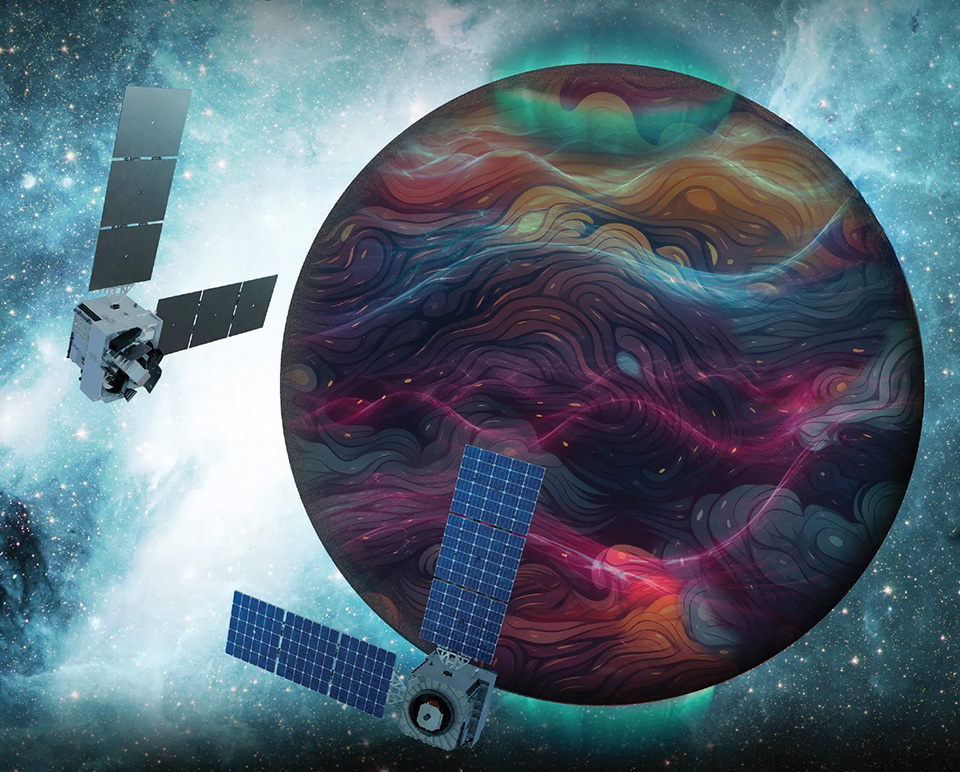
NASA has chosen a new heliophysics mission concept to advance national efforts protecting orbital infrastructure and human spaceflight, and the project will now enter Phase B of development. The mission aims to monitor solar activity and space weather that can impact satellites, astronauts, and critical communication systems. By studying the Sun’s influence on the space environment, the program will provide early warnings of solar storms that could jeopardize missions and ground operations. This selection marks a significant step toward safeguarding the growing fleet of spacecraft and future crewed missions beyond Earth.
Supermassive black holes may be surrounded by dark matter clusters, new 'echo map' technique suggests
Original Publication Date: 2026-06-20 14:00
Astronomers have used reverberation mapping—an echo‑mapping technique—to find hints that supermassive black holes may be surrounded by dense dark‑matter clusters. By measuring the time delay between light pulses from an accretion disk and their echoes in surrounding gas, the team analyzed 14 galaxies and found that in five cases the mass increases with distance in a way that visible matter alone cannot explain. These findings suggest that dark matter could be concentrated around the hearts of galaxies, offering a new way to probe this elusive substance. The study, published in Physical Review D, opens a promising avenue for understanding the environments of supermassive black holes.
Do we need a lunar building code to build moon bases safely?
Original Publication Date: 2026-06-20 10:00
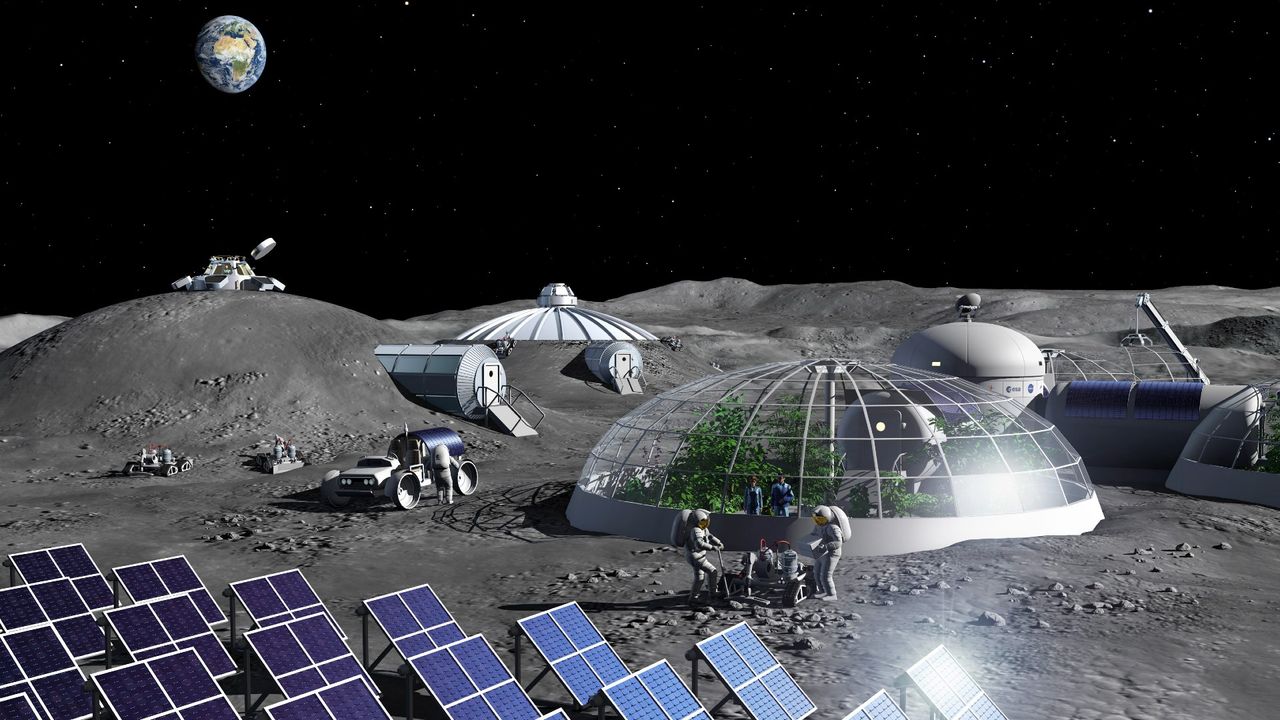
NASA and China are racing to build lunar habitats, but engineers warn that the Moon’s one‑sixth gravity and unknown regolith could make even simple structures collapse if they rely on Earth‑style seismic design. A team from Skidmore, Owings & Merrill argues that a dedicated lunar building code is essential, and the American Society of Civil Engineers has already drafted LIEDAC guidelines to address moonquake risks. These guidelines call for rigorous local subsurface investigations and new seismic performance targets tailored to the Moon’s unique environment. Without such standards, the ambitious Artemis base could face catastrophic failures before it even takes off.
Late, great singer-songwriter Elliott Smith finds immortality as an asteroid
Original Publication Date: 2026-06-20 10:00

An asteroid has been officially named after beloved singer‑songwriter Elliott Smith, thanks to filmmaker Orlando Campopiano’s petition to the International Astronomical Union. The 2014 Pan‑STARRS discovery, now designated 861969, was renamed “Elliottsmith” to honor the artist who died in 2003 at age 34 and whose music often referenced celestial themes. The new name aligns with Smith’s birth date, August 6 1969, adding a poetic touch to the tribute. This celestial homage ensures the singer’s legacy shines among the stars.