 Spotify
 Apple Podcasts
 Podcast Addict
 Overcast
 Podcast RSS
Missile production push runs into solid rocket motor bottleneck
Original Publication Date: 2026-06-14 04:00
A new CSIS report warns that U.S. Solid rocket motor production is falling short of the Pentagon’s missile‑defense expansion plans. Even with a $73 billion 2027 budget request, the U.S. Aims to field roughly 5,000 interceptors a year, but current output is well below the 2,100 interceptors slated for 2027. The bottleneck stems from a narrowed supplier base—now dominated by two legacy firms—and a decline in commercial launch demand that once steadied solid‑motor orders. The report calls for sustained government demand, multi‑year procurement, and broader supplier diversification to keep pace with the defense program.
Revised Artemis lunar lander plans take shape
Original Publication Date: 2026-06-13 17:19
NASA revealed new plans for Blue Origin and SpaceX to speed up Artemis lunar lander work, announcing the crew for the Artemis 3 test flight that will dock an Orion capsule with prototypes of Blue Moon Mark 2 and Starship. SpaceX will use Starship as both lander and translunar injection stage, docking with Orion in Earth orbit to cut propellant needs and boost crew safety by enabling earlier aborts. Blue Origin will drop its transporter vehicle in favor of Mark 1‑derived transfer stages, cutting technology risks and allowing earlier launch of its Mark 2 crewed lander. These changes aim to have both landers ready for Artemis 4, the first crewed lunar landing slated for 2028.
The Next Arena: Why the WRC-27 Summit in Shanghai is the New Space Tech Frontline
Original Publication Date: 2026-06-13 20:30

The race to dominate the low‑Earth orbit economy is heating up, but the fiercest battles are moving beyond Cape Canaveral’s launch pads. Companies are now competing in areas like satellite manufacturing, ground‑station infrastructure, and regulatory negotiations to secure a foothold in the burgeoning LEO market. As more players enter the arena, the focus shifts to securing launch contracts, building resilient supply chains, and navigating international space policy. This new front is reshaping how the industry will thrive in the coming decade.
SpaceX: The targets might be tough
Original Publication Date: 2026-06-13 16:05
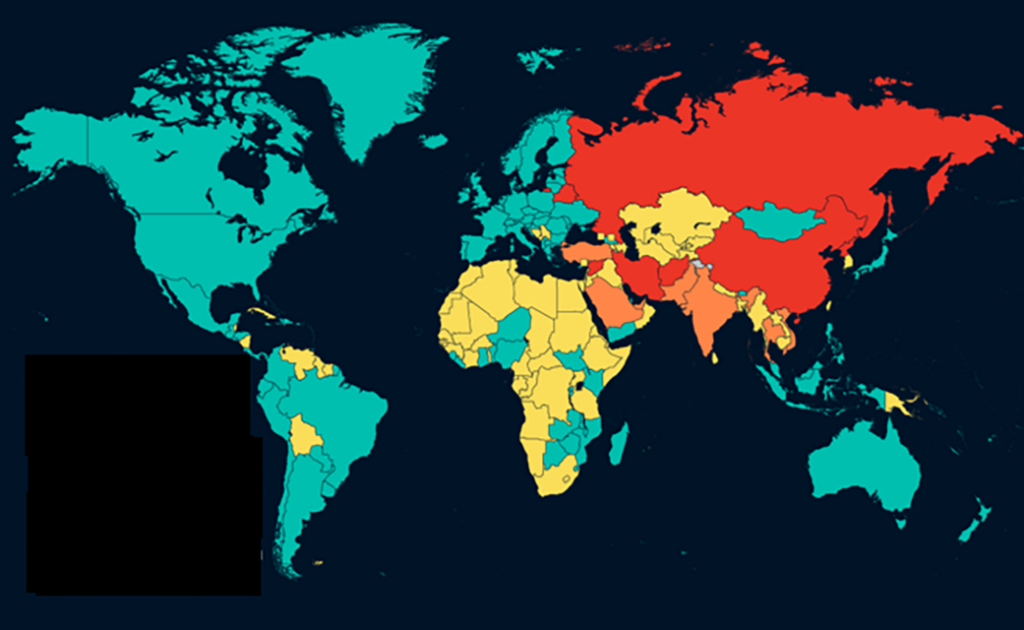
SpaceX’s debut on the Nasdaq has already sent its shares soaring, up 30% on the first trading day. The company’s valuation tops out at $2.3 trillion, making it one of the most valuable public companies in history. Investors and analysts alike are watching closely as the new public offering opens up opportunities for the private space firm’s growth. This historic moment marks a significant milestone for the space industry.
Booster 20 Completes Cryo, As Ship 40 Nears Static Fire
Original Publication Date: 2026-06-14 00:37

Flight 12 has wrapped up, and SpaceX is now shifting its focus to Flight 13 with Booster 20 and Ship 40. Booster 20 has just finished its cryogenic proof‑testing and is moving to engine installation, with a likely Pad 2 rollout by mid‑July. Ship 40, after completing its own cryo tests and engine installs, could roll out for a static‑fire test as early as next week, prompting an extension of the temporary flight restriction.
How Japanese scientists sent a real-life Transformer to the moon
Original Publication Date: 2026-06-13 10:00
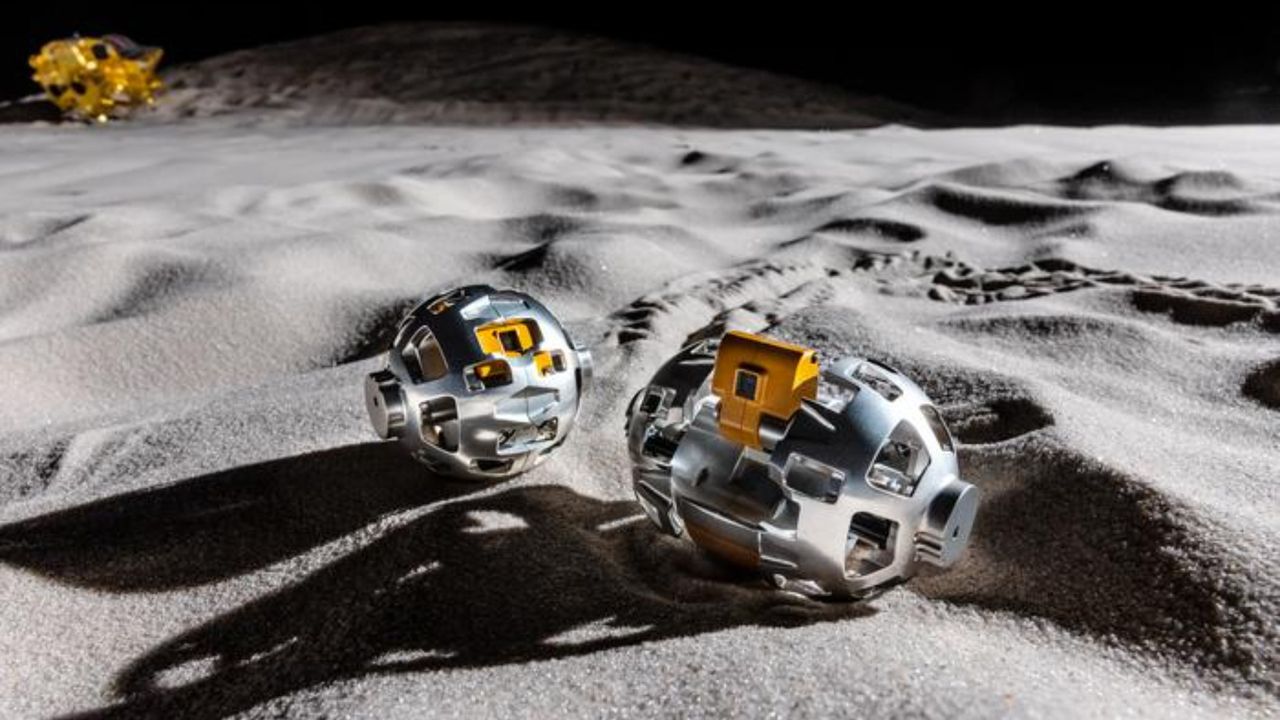
Japanese scientists sent a real‑life Transformer to the moon when the 3‑inch SORA‑Q rover, built by JAXA, Sony, Doshisha University and Takara‑Tomy, was deployed from the SLIM lander in January 2024. The sphere‑shaped robot unfolded into a two‑wheeled rover, flipped up a camera and deployed a stabilizing tail, then autonomously navigated the lunar surface, taking color images of its surroundings. It relayed data back to Earth through a small hopping machine, the LEV‑1, demonstrating wireless communication and autonomous navigation in a miniature package. Though communications ceased after about 100 minutes—short of its expected life—SORA‑Q’s successful mission highlights the promise of tiny, self‑driving robots for future lunar exploration.
Threads of underground fungal networks are long enough to reach beyond the Solar System
Original Publication Date: 2026-06-13 11:18

Scientists have uncovered a hidden underground web of arbuscular mycorrhizal fungi that spans an estimated 110 quadrillion kilometers—almost a billion times the distance from Earth to the Sun. These microscopic threads form vital partnerships with plant roots, exchanging nutrients for carbon and sequestering about a billion tons of CO₂ each year, a process that helps keep the planet cool.