 Spotify
 Apple Podcasts
 Podcast Addict
 Overcast
 Podcast RSS
Parabilis tests propulsion system for maneuverable cubesats
Original Publication Date: 2026-07-11 13:39
The U.S. Space Force is partnering with propulsion startup Parabilis Space Technologies to give small satellites the ability to maneuver in orbit. Parabilis has completed hot‑fire testing of its Dense Orbital Transfer System (DOTS), a 2U hybrid engine that blends solid fuel with a liquid oxidizer to combine the storage benefits of solids with the controllability of liquids. The DOTS module, roughly the size of a household toaster, offers a cold‑start capability that allows rapid response to changing orbital conditions and could help cubesats avoid debris, maintain formations, and operate in low Earth orbit.
Satellite-to-Cell Competition Intensifies as Regulatory Review Looms
Original Publication Date: 2026-07-12 00:10

On Friday, July 10, 2026, AST SpaceMobile Inc. Saw its shares slide toward the sharpest weekly decline in more than a month, spurred by public statements from FCC Chairman [Name] questioning the company’s regulatory compliance. The comments rattled investors, triggering a swift sell‑off that sent the stock down sharply. Despite the dip, AST SpaceMobile remains committed to expanding its satellite broadband network across the United States. The company’s future performance will hinge on navigating the evolving regulatory landscape.
China Achieves Historic First Orbital Booster Recovery via At-Sea Net System
Original Publication Date: 2026-07-12 00:05
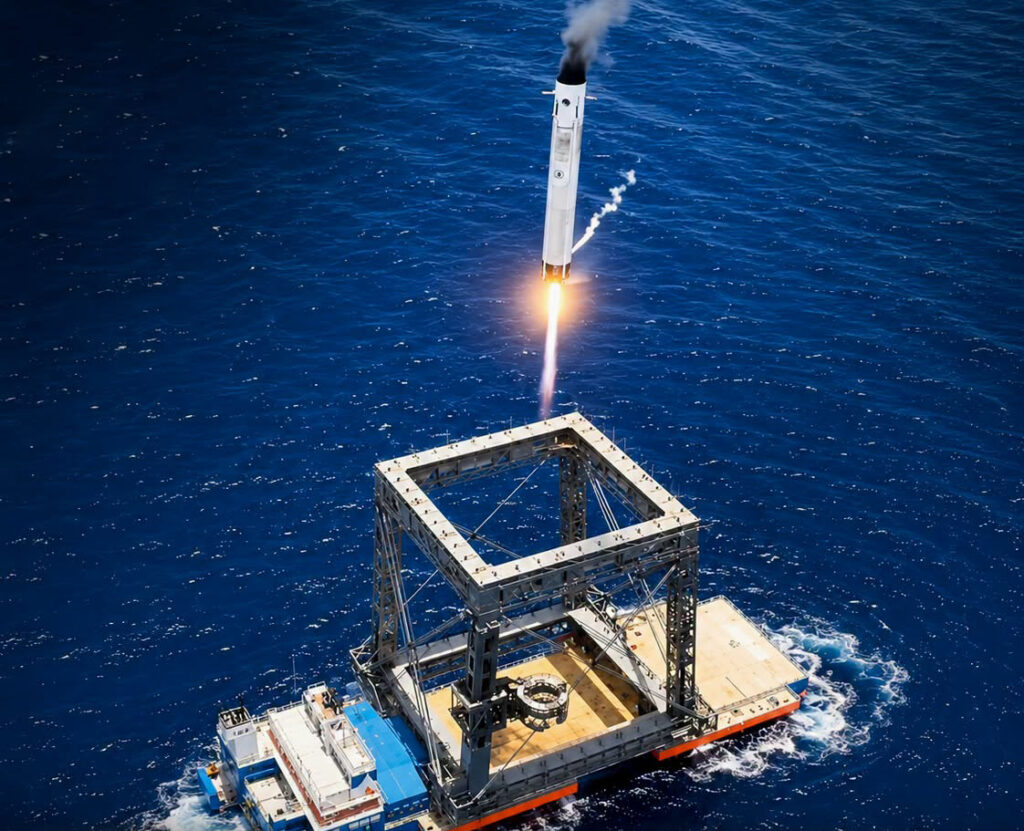
China Aerospace Science and Technology Corporation announced on July 10, 2026 that it had successfully performed the first controlled recovery of an orbital‑class rocket booster. The Long March 8 booster, after completing its maiden flight, returned to Earth using a new parachute‑based recovery system and landed safely. This milestone marks a significant step toward reusable launch vehicles for China, promising lower costs and faster turnaround for future missions.
Pakistan Seeks NASA Partnership for 2035 Lunar Mission Ambitions
Original Publication Date: 2026-07-11 22:55

On Friday, July 10, 2026, Pakistan’s Federal Minister for Planning, Development and Special Initiatives, Ahsan Iqbal, began formal discussions with NASA and several U.S. Private space firms to advance the country’s space ambitions. The talks focus on technology transfer, joint satellite launches, and training opportunities for Pakistani engineers.
Your lost dog can now call home with the world's 1st satellite-connected dog collar
Original Publication Date: 2026-07-11 16:00

Tereza, a London-based science and technology journalist with roots in Prague, has built a diverse media career spanning TV, print, and space science. After seven years at Czech Public Service Television, she paused to earn a Master’s in Science from the International Space University in France, adding a strong academic foundation to her journalism credentials. She has reported for Engineering and Technology magazine, freelanced for Live Science, Space.com, Professional Engineering, Via Satellite, and Space News, and even covered as a maternity stand‑in science editor for the European Space Agency. With her blend of investigative reporting, storytelling, and a passion for gymnastics, Tereza continues to bring complex scientific topics to a broad audience.
White House appoints Harvard astronomer Avi Loeb to lead new UFO study group
Original Publication Date: 2026-07-11 10:00

Harvard astrophysicist Avi Loeb has been named chair of a new White House UAP Science Advisory Council, bringing together scientists from physics, data science, oceanography, psychology, and more to study unidentified anomalous phenomena with rigorous, evidence‑based methods. The council, formed alongside the Pentagon’s All‑Domain Anomaly Resolution Office and other intelligence agencies, aims to improve data collection and analysis rather than revisit old, unverifiable reports. Loeb, who also leads the Galileo Project searching for extraterrestrial technosignatures, emphasizes a physics‑driven, unbiased approach to understanding UAPs. The group’s diverse expertise promises a systematic, transparent investigation into the nature of these mysterious sightings.
A Jupiter-size planet that escaped its star's death
Original Publication Date: 2026-07-11 12:00
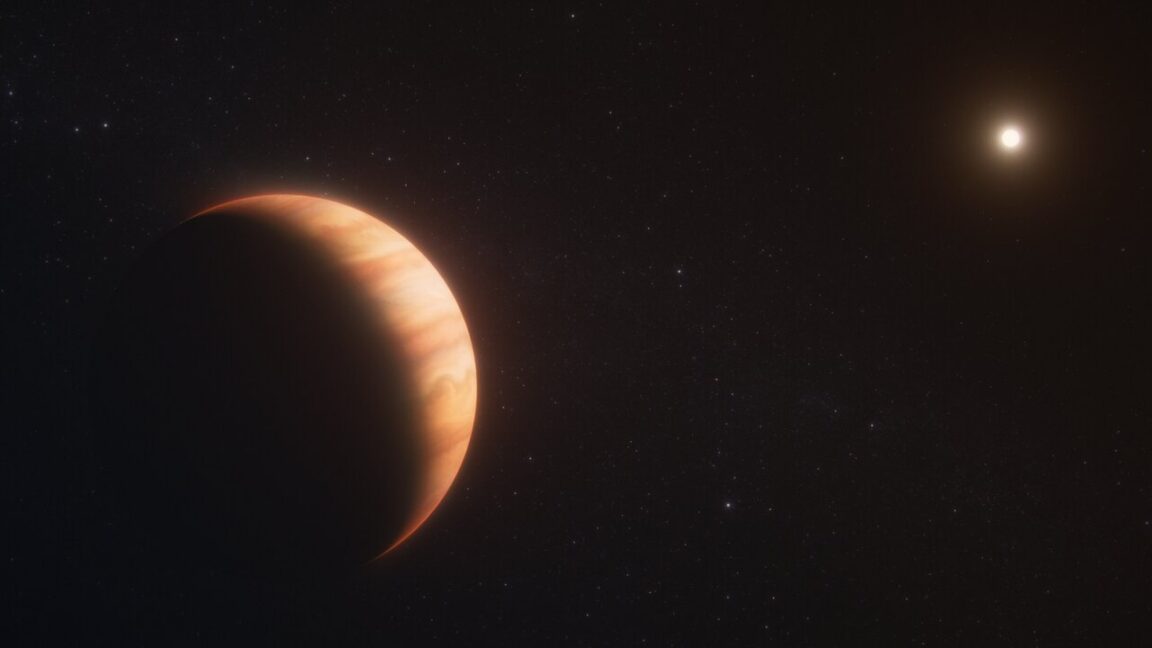
Scientists have used the James Webb Space Telescope to examine WD 1856 b, the only confirmed planet that survived its host star's death and now orbits a white dwarf. The Jupiter‑sized world, discovered accidentally by NASA’s TESS mission while searching for comet‑sized transits around 2,000 white dwarfs, surprised researchers with its unexpected presence. JWST observations reveal even stranger features in this already odd system, deepening questions about planetary survival around dead stars.