 Spotify
 Apple Podcasts
 Podcast Addict
 Overcast
 Podcast RSS
GAO flags satellite costs, launch risks in Space Force portfolio
Original Publication Date: 2026-07-04 10:17
The GAO report finds the Space Force is faster than traditional acquisition, yet still battling cost overruns, slow timelines and workforce shortages. Programs such as the Next‑Gen OPIR GEO and polar constellations are over budget and delayed, while the cancellation of OCX underscores persistent software and integration problems. Digital engineering adoption remains limited, and launch capacity is strained by a shrinking workforce and reliance on only two certified providers. The Pentagon must accelerate reforms to keep pace with national security demands.
BNP Paribas Outlines Steep Regulatory Obstacles in SpaceX Mobile Integration Strategy
Original Publication Date: 2026-07-04 21:19
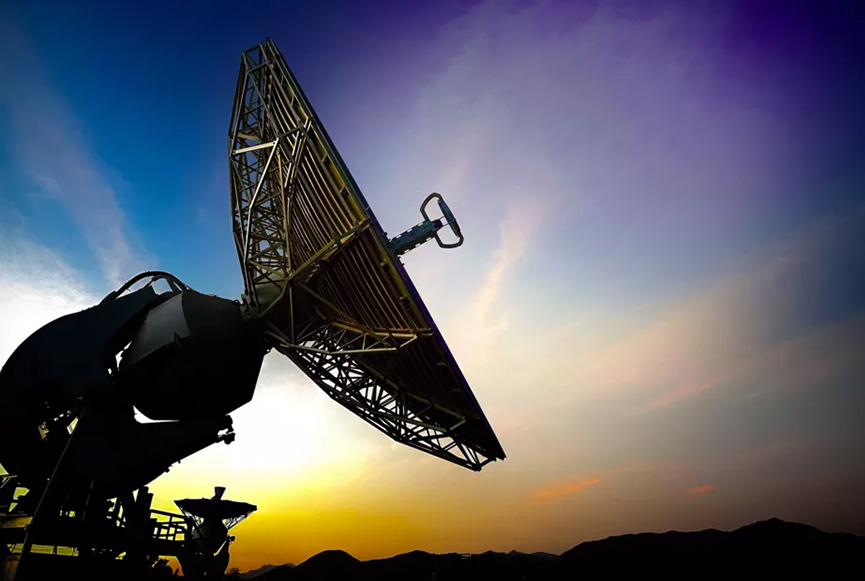
In a research briefing released to institutional clients on Thursday, July 2, 2026, BNP Paribas senior equity analyst Sam McHugh detailed the steep regulatory and commercial challenges facing the U.S. Economy. The steep regulatory and commercial challenge is expected to continue until at least 2026.
GAO Report Cites $11 Billion Cost Overruns and Launch Delivery Bottlenecks in Space Force Portfolio
Original Publication Date: 2026-07-04 19:27
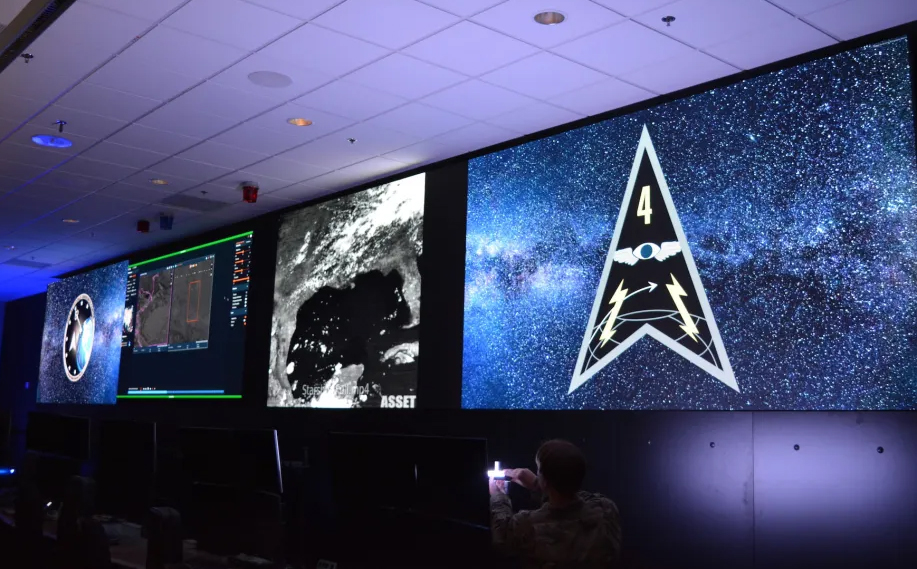
The U.S. Government Accountability Office released its annual defense acquisition assessment on July 2, 2026, warning that structural problems in procurement could threaten the fiscal health of the Department of Defense.
Space Force and True Anomaly Complete First Tactical Intercept of VICTUS HAZE Mission
Original Publication Date: 2026-07-04 19:21
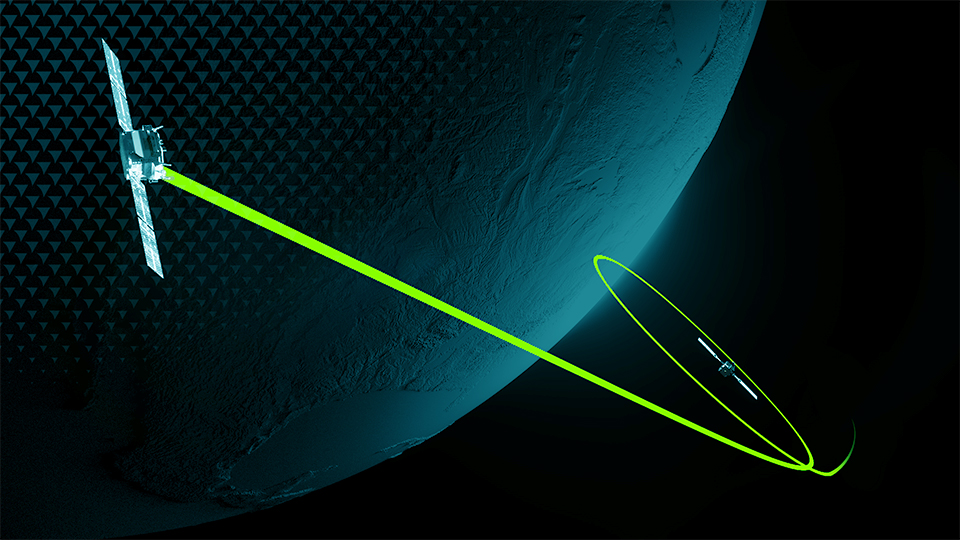
On July 1, 2026, the U.S. Space Force and contractor True Anomaly announced the successful completion of the first tactical operational test of a new space‑defense system at Vandenberg Space Force Base. The test demonstrated the system’s ability to detect and intercept hostile threats in orbit, marking a significant milestone for U.S. Space security. Officials said the program will accelerate the deployment of advanced space‑based deterrence measures. This achievement underscores the growing importance of space as a critical domain in national security.
Data and platform war reshaping TV OS market
Original Publication Date: 2026-07-04 19:01

Television’s value has shifted from hardware margins to who controls the home menu screen, which now dictates content discovery, user data collection, and advertising placement. The home screen has become the battleground for streaming giants and OEMs, each vying for a share of the growing ad revenue. By shaping the interface, companies can steer viewer engagement and monetize data in ways that were previously impossible for traditional broadcasters.
America 250: From 1776 to the moon and beyond (A Space.com series)
Original Publication Date: 2026-07-04 18:18

Tariq, the Editor‑in‑Chief of Space.com, began as an intern in 2001 and rose to lead the site by 2019 after serving as Managing Editor since 2009. A native of Stockton, California, he earned a journalism degree from USC in 1999 and a master’s in science reporting from NYU in 2002, before covering spaceflight for the Los Angeles Times and later Space.com’s flagship launch coverage.
Human flight was still 7 years away in 1776. Now, we're headed back to the moon
Original Publication Date: 2026-07-04 14:00

NASA’s Artemis program is propelling the United States back to the Moon, with Artemis III slated for 2027 and Artemis IV potentially landing astronauts near the south pole by 2028. This effort follows two successful missions—Artemis I’s uncrewed Orion flight and Artemis II’s crewed lunar loop—and aims to establish a permanent base that could serve as a springboard to Mars. Meanwhile, China plans its own lunar base by 2030, intensifying a new space race that could spur rapid advances in lunar exploration. As the U.
A martian rock has lots of carbon on it, and it's not clear why
Original Publication Date: 2026-07-04 11:00
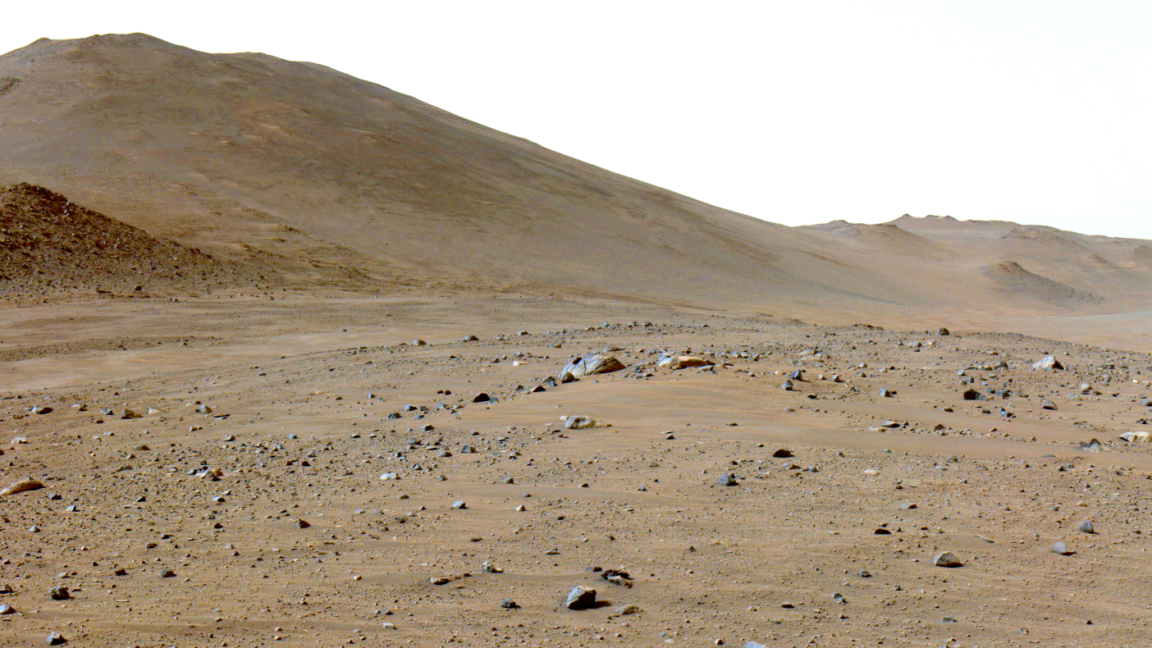
NASA’s Perseverance rover has discovered the shallowest organic carbon yet on Mars, finding complex macromolecular carbon directly on a rock surface in the Bright Angel outcrop near Neretva Vallis. This marks the first time such surface‑level organic matter has been detected, suggesting a potential biological signature similar to that seen on Earth. The finding, made using the SHERLOC UV Raman spectrometer, highlights the rover’s ongoing search for clues to ancient Martian processes. Further analysis will require bringing samples back to Earth for detailed study.