 Spotify
 Apple Podcasts
 Podcast Addict
 Overcast
 Podcast RSS
NASA preparing for Artemis 2 rollback to fix upper stage problem
Original Publication Date: 2026-02-21 16:22
NASA has postponed the Artemis 2 launch, originally slated for March 6, after discovering a helium flow interruption in the Space Launch System’s upper stage. Officials say the vehicle will be rolled back to the Vehicle Assembly Building for repairs, a move that removes the mission from the current launch window. The next available windows are early April and late April, with the agency still working on a revised schedule. Despite the setback, NASA remains confident that the rocket is ready for flight once the issue is resolved.
NASA’s Artemis 2 rocket hit by new problem expected to bump moonshot into early April
Original Publication Date: 2026-02-21 18:26
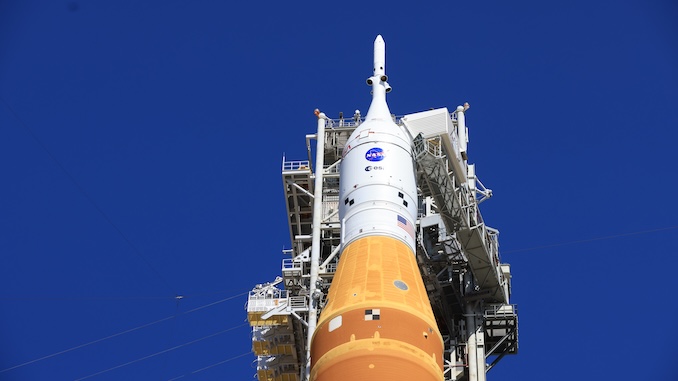
NASA’s Artemis 2 mission, which will send Commander Reid Wiseman, Pilot Victor Glover, Mission Specialists Christina Koch and Canadian astronaut Jeremy Hansen around the Moon and back, has been pushed from its original March launch window to at least early April. Engineers discovered a problem repressurizing the rocket’s upper‑stage helium tanks, forcing the 40‑meter SLS to be rolled back from Launch Complex 39B to the Vehicle Assembly Building for repairs. The crew will use the flight to test Orion’s deep‑space systems and prepare for a 2028 lunar landing.
Falcon 9 launches 25 Starlink satellites after weather delays
Original Publication Date: 2026-02-20 22:46
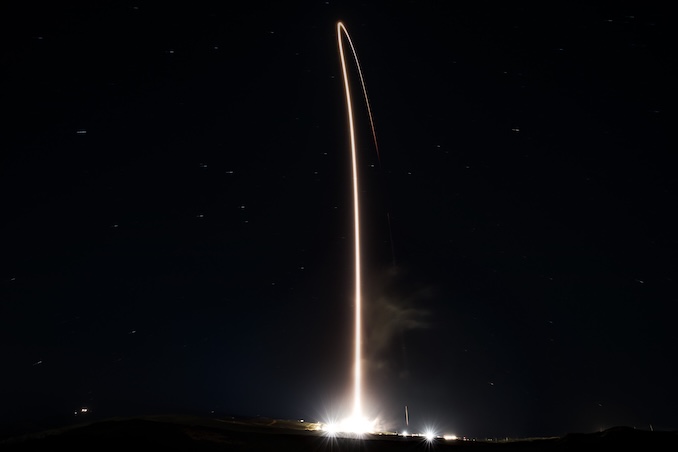
SpaceX launched a Falcon 9 from Vandenberg Space Force Base on February 21, 2026, carrying 25 new Starlink satellites after a three‑day delay caused by severe weather. The flight used the B1063 first‑stage booster for its 31st mission, making it the second‑most flown rocket in SpaceX’s fleet. After a southerly trajectory, the booster landed on the drone ship “Of Course I Still Love You” about eight and a half minutes after liftoff. The satellites were set to deploy from the upper stage roughly an hour later.
NASA prepares for likely rollback of SLS, delaying Artemis II to April
Original Publication Date: 2026-02-21 20:45

NASA is likely rolling back the SLS rocket and Orion spacecraft to the Vehicle Assembly Building after an unexpected helium flow interruption in the ICPS, wiping out the targeted March launch window and pushing the mission toward a possible April liftoff. Teams are already removing pad access platforms and preparing contingency measures, while engineers investigate potential faults in the umbilical interface and check valves that mirror a 2022 issue. The rollback is necessary because only the VAB can provide the access needed to fix the problem, and the vehicle remains in a safe configuration on the pad.
A risky maneuver could send a spacecraft to interstellar comet 3I/ATLAS. Here's the plan
Original Publication Date: 2026-02-22 11:00

Scientists propose a daring mission that would launch a spacecraft in 2035 and use a powerful solar Oberth maneuver—firing its engines at a mere 3.2 solar radii from the Sun—to accelerate it toward the interstellar comet 3I/ATLAS. By exploiting the Sun’s gravity at its closest point, the craft could gain the necessary 5.1 m/s delta‑V to catch up with the comet, potentially achieving a flyby in 2085 at 732 astronomical units, or about 68 billion miles from the Sun. This distance would far exceed the reach of Voyager 1, which is currently 170 AU away, demonstrating the extraordinary speed and energy such a maneuver could deliver. If successful, the mission would mark the first time a spacecraft has used a close solar pass to dramatically boost its velocity toward an interstellar object.
Falcon 9 rocket sets new reuse record on SpaceX's 2nd Starlink launch of the day
Also covered by: Spaceflight Now
Original Publication Date: 2026-02-22 04:03
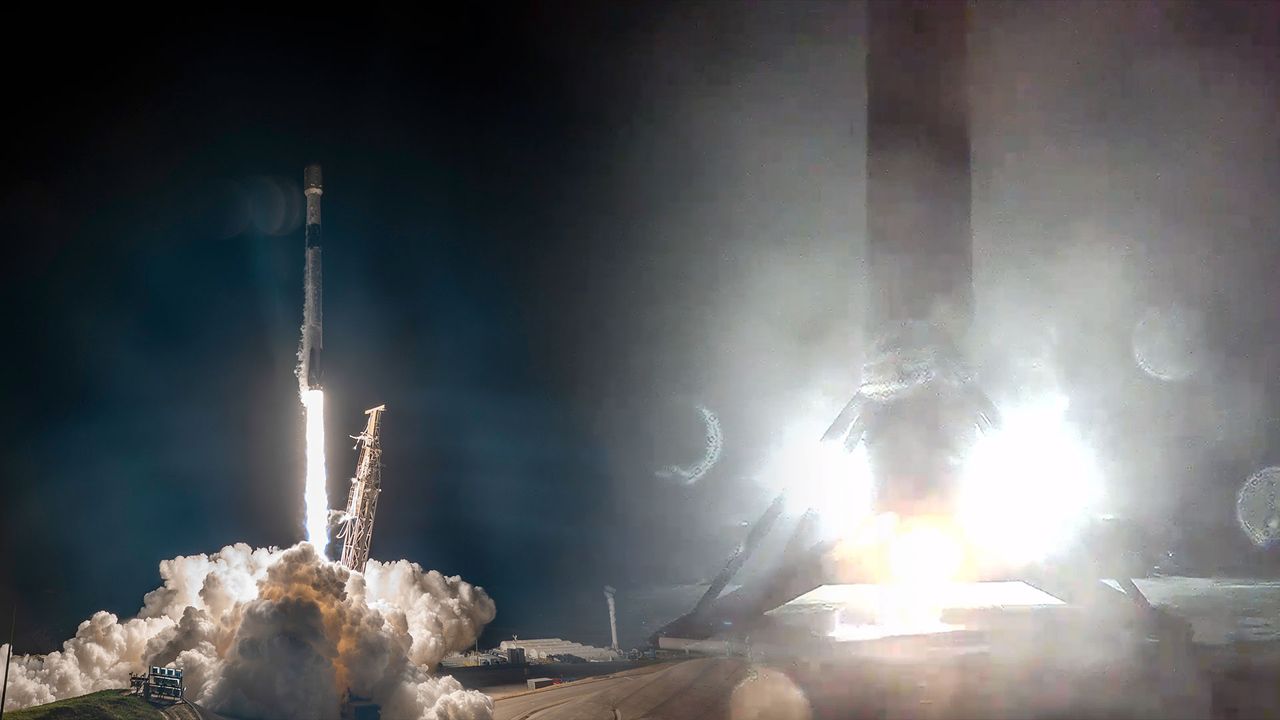
On Saturday, February 21 2026, SpaceX launched two Falcon 9 rockets from Florida and California. The Florida launch used booster B1067 on its record‑setting 33rd flight, deploying 28 Starlink satellites for the Starlink 6‑104 mission and landing the first stage on the droneship “A Shortfall of Gravitas” 8½ minutes after liftoff, marking SpaceX’s 575th successful landing.
NASA's Artemis 2 moon rocket has a new problem. 'This will almost assuredly impact the March launch window.'
Original Publication Date: 2026-02-21 17:11
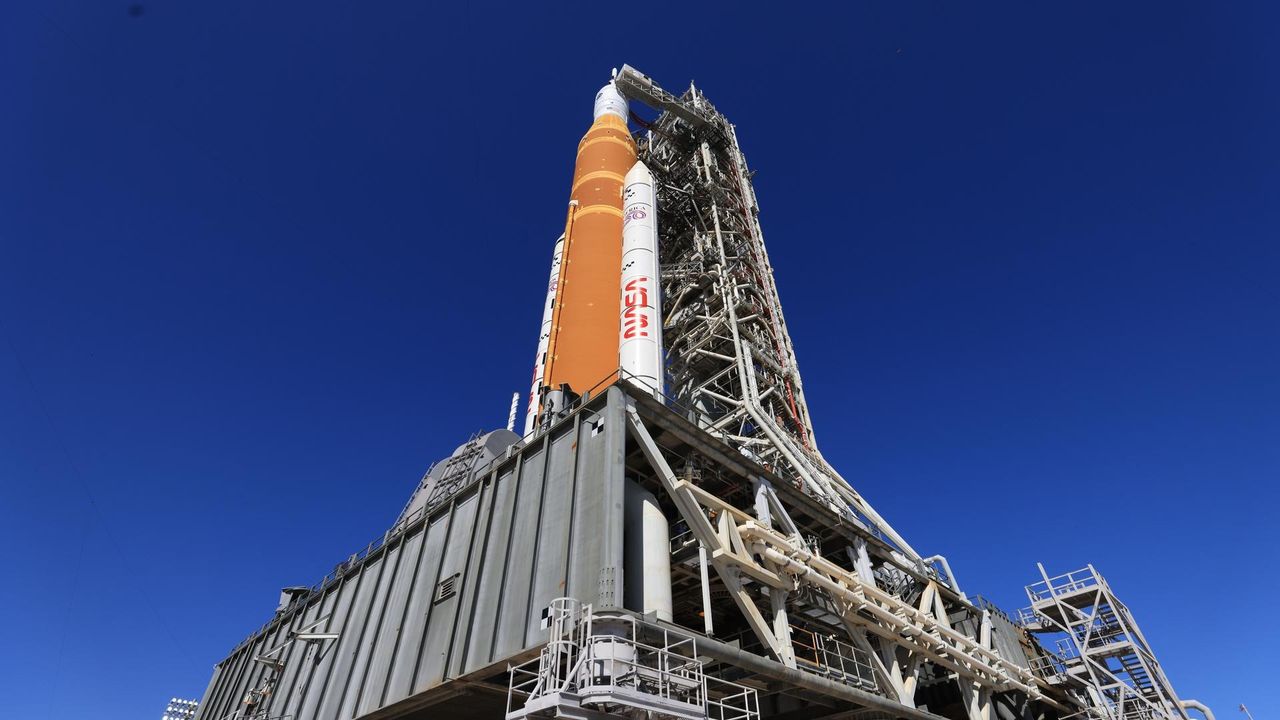
NASA has detected a helium‑flow interruption in the upper stage of its SLS rocket for the Artemis 2 moon mission, prompting a likely rollback to the Vehicle Assembly Building and almost certainly delaying the March launch window. The problem was spotted overnight between February 20 and 21, and teams are troubleshooting while preparing for a potential move that could push the launch to April. Artemis 2, scheduled to carry three NASA astronauts and a Canadian to orbit the Moon, had targeted March 6 after a successful second wet‑dress rehearsal. If the rollback occurs, NASA will have to wait at least three weeks for the next launch window, with options on April 1, 3‑6, or 30.
What's the point of a space station around the moon?
Original Publication Date: 2026-02-21 14:00
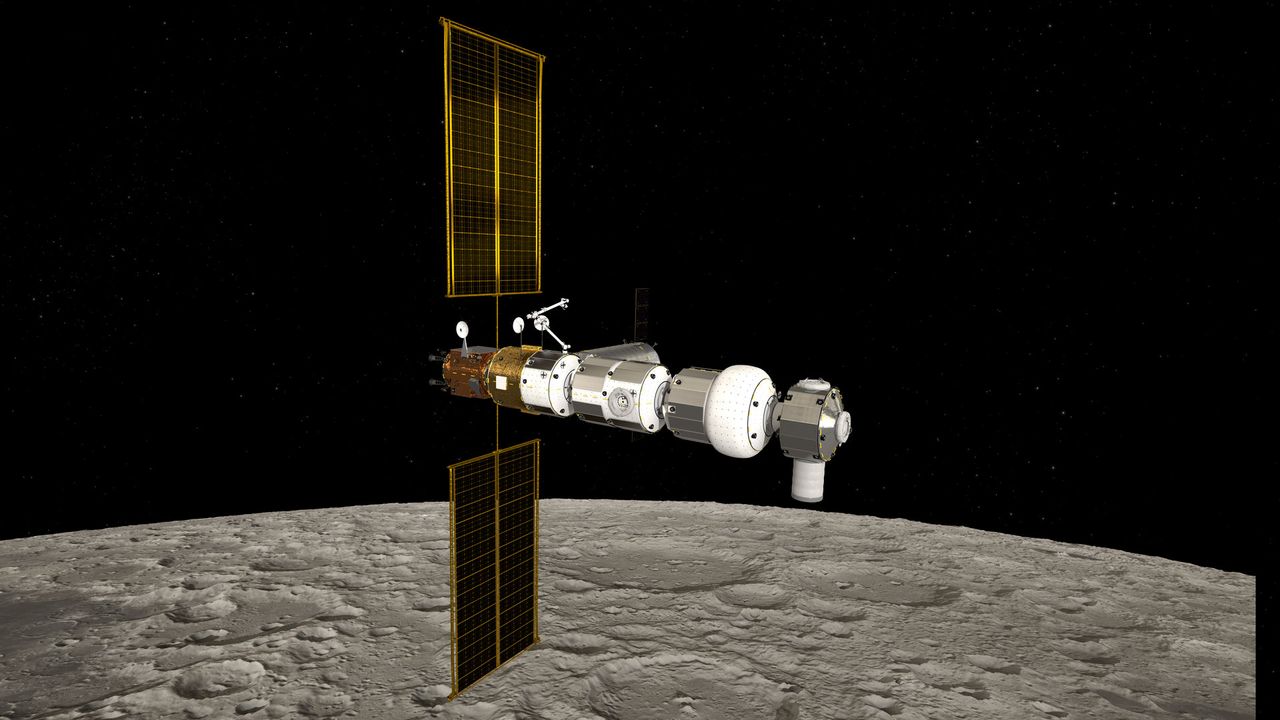
NASA’s Lunar Gateway, a modular space station planned to orbit the Moon, is a centerpiece of the Artemis program aimed at returning humans, establishing a sustainable lunar presence, and paving the way to Mars. The project, built with partners from Canada, Europe, Japan, and the UAE, faces mounting costs, delays, and potential U.S. Funding cuts, sparking debate over its necessity.
NASA says it needs to haul the Artemis II rocket back to the hangar for repairs
Original Publication Date: 2026-02-21 23:54
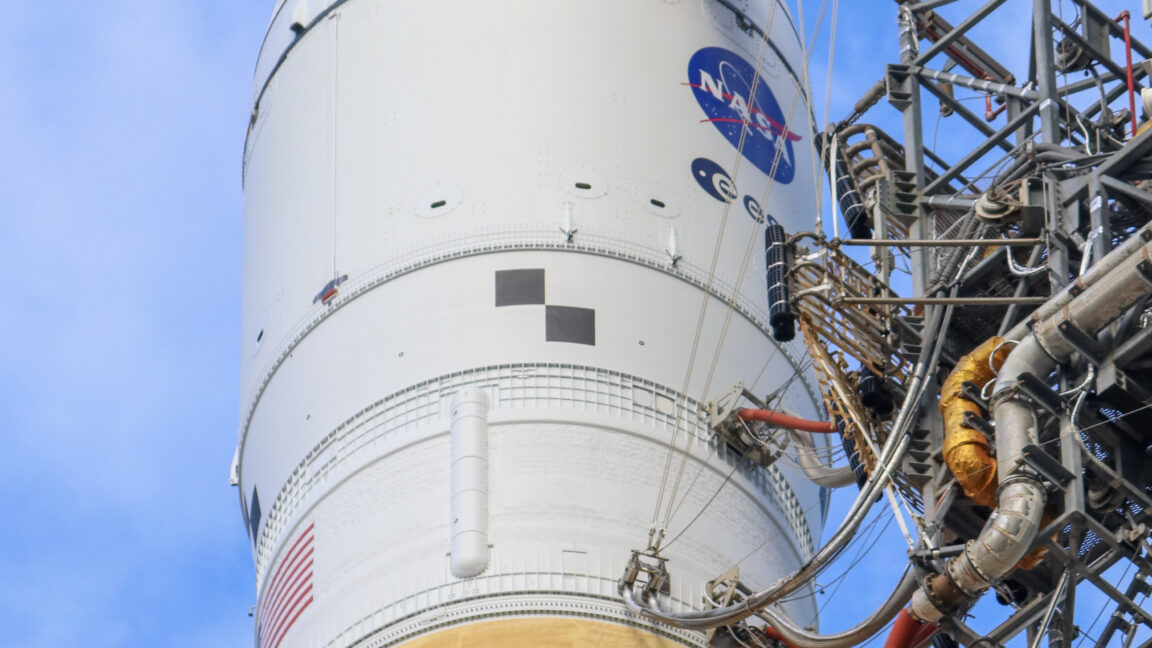
NASA announced a setback for the Artemis II mission after a helium flow interruption was detected in the upper stage of the SLS rocket. The 322‑foot SLS will be removed from Launch Complex 39B and moved to the Vehicle Assembly Building for repairs. Engineers are still investigating the cause, but the fix must occur inside the VAB. The rocket and its mobile launch platform will travel four miles on NASA’s crawler‑transporter.
Major government research lab appears to be squeezing out foreign scientists
Original Publication Date: 2026-02-21 11:31
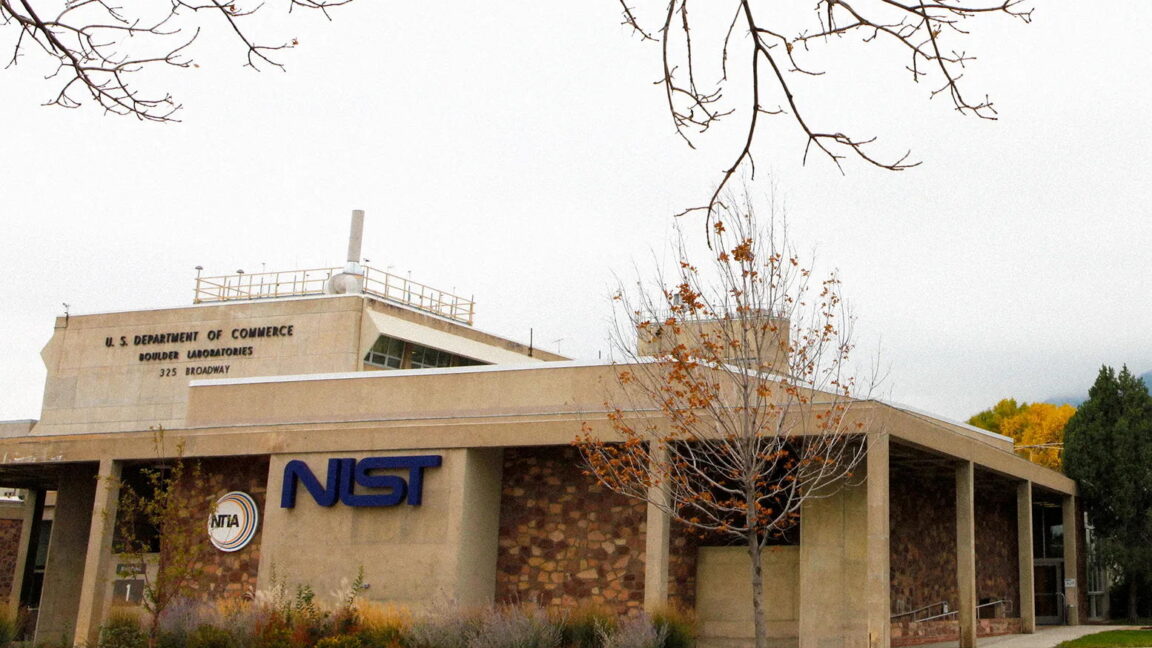
The National Institute of Standards and Technology (NIST) is reportedly tightening its policies, a move that could push foreign scientists away and dent the agency’s reputation. NIST, which sets standards for everything from AI security to semiconductor manufacturing, currently relies on thousands of international researchers for its work. Lawmakers, including Representative Zoe Lofgren, have warned that the new restrictions could cost the United States valuable expertise. If these changes go through, the country may lose a critical source of global scientific talent.