 Spotify
 Apple Podcasts
 Podcast Addict
 Overcast
 Podcast RSS
Space Force awards K2 Space $22.9 million for laser communications demonstration
Original Publication Date: 2026-08-01 20:28
WASHINGTON — The U.S. Space Force has awarded K2 Space a $22.9 million contract to develop and test laser terminals that will enable direct data links between satellites. K2 will build, launch, and operate two Enterprise Space Terminals, each carried as a hosted payload on its own satellite, with the demonstration slated for completion in 2028. The terminals, supplied by firms such as CACI, General Atomics, or Viasat, will use precise laser beams to transmit missile‑warning and tracking data across Earth‑orbit networks. This effort is part of the Space-Based Sensing and Targeting portfolio, advancing the Pentagon’s push for an optically connected space data network.
China launches secretive TJS-27 pair, orbits next-gen Tianlian relay sat
Original Publication Date: 2026-08-01 13:38
China launched a pair of covert TJS‑27 satellites into a newly programmed orbit this Wednesday, boosting its space‑borne communications network. The launch used a Long March 6A rocket, marking a significant step in the country’s satellite deployment strategy. These satellites are part of the next‑generation Tianlian relay system, enhancing on‑orbit communications capabilities for future missions. The move underscores China’s growing ambition to secure advanced space infrastructure.
SpaceX Demonstrates Starfall Capsule as Liquidity Event Accelerates In-Space Manufacturing Ventures
Original Publication Date: 2026-08-02 00:11
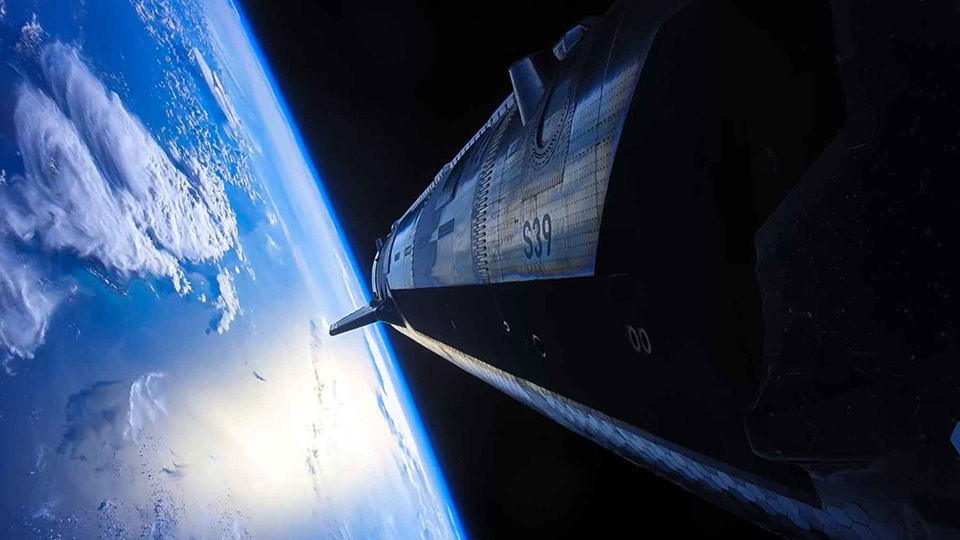
SpaceX launched its first Starfall test flight from Hawthorne, California, aiming to expand microgravity access and enable point‑to‑point cargo delivery. The rocket carried a small payload into low Earth orbit, demonstrating the new vehicle’s propulsion and guidance systems. Engineers reported a nominal flight, with the vehicle successfully reaching its target orbit and returning to the launch site. This milestone marks a significant step toward broader commercial space logistics and microgravity research.
GNSS Systems Retain Strategic Role in Modern Warfare Across Contested Battlefields
Original Publication Date: 2026-08-01 20:48
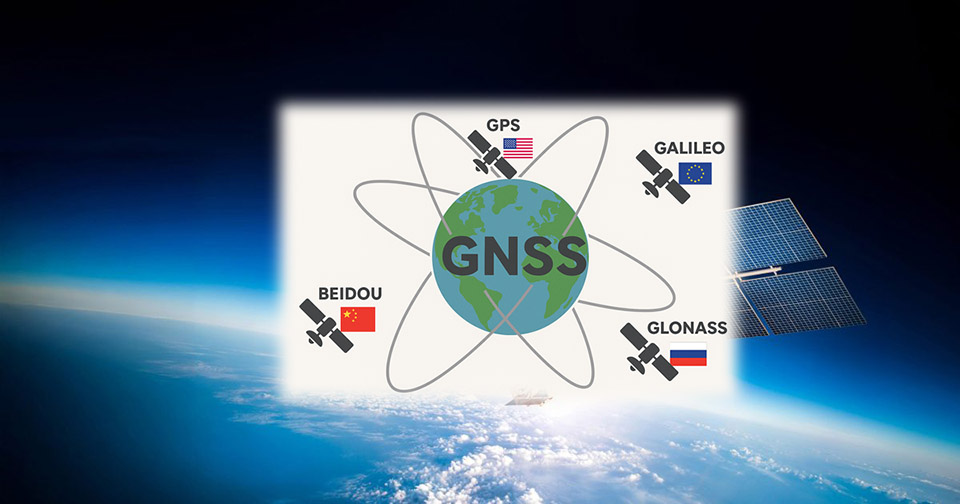
Global Navigation Satellite Systems (GNSS) continue to be a cornerstone of modern military operations, delivering vital positioning, navigation, and timing data across contested theaters. The latest report highlights the increasing threat of jamming and spoofing, underscoring the need for enhanced resilience and redundancy in satellite-based systems. To counter these challenges, forces are deploying multi‑constellation receivers, ground‑based augmentation, and emerging technologies such as quantum clocks and AI‑driven signal analysis. These measures aim to ensure uninterrupted GNSS service even in the most contested operational environments.
Dinosaur-killing asteroid may have caused firestorms 17 times hotter than the thermal limit lethal to humans
Original Publication Date: 2026-08-01 14:00
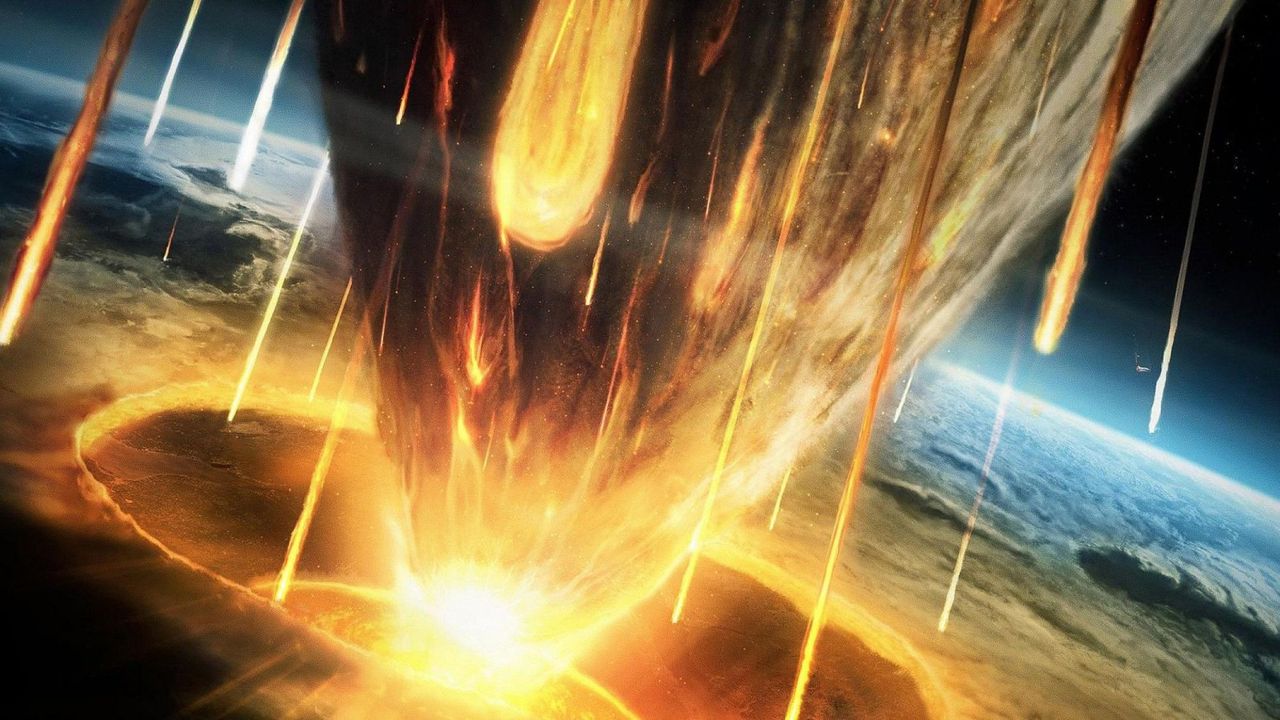
Scientists now think the Chicxulub asteroid that killed the dinosaurs ignited global firestorms, with a blanket of fine dust trapping heat and blasting the surface with a pulse 17 times lethal to humans. The dust, formed from rock vapor that didn’t condense into spherules, acted like an insulating layer, redirecting energy toward Earth’s surface and igniting grass, lichen and pine needles. This intense heat could have killed exposed animals within hours, while those sheltered underground or in water might have survived the first wave. Although wildfire evidence so far appears only in North America, the study suggests the dust‑driven inferno could have been a worldwide catastrophe.
On this day in space! Aug. 1, 1968: NASA ends production of Saturn V moon rocket
Original Publication Date: 2026-08-01 14:00
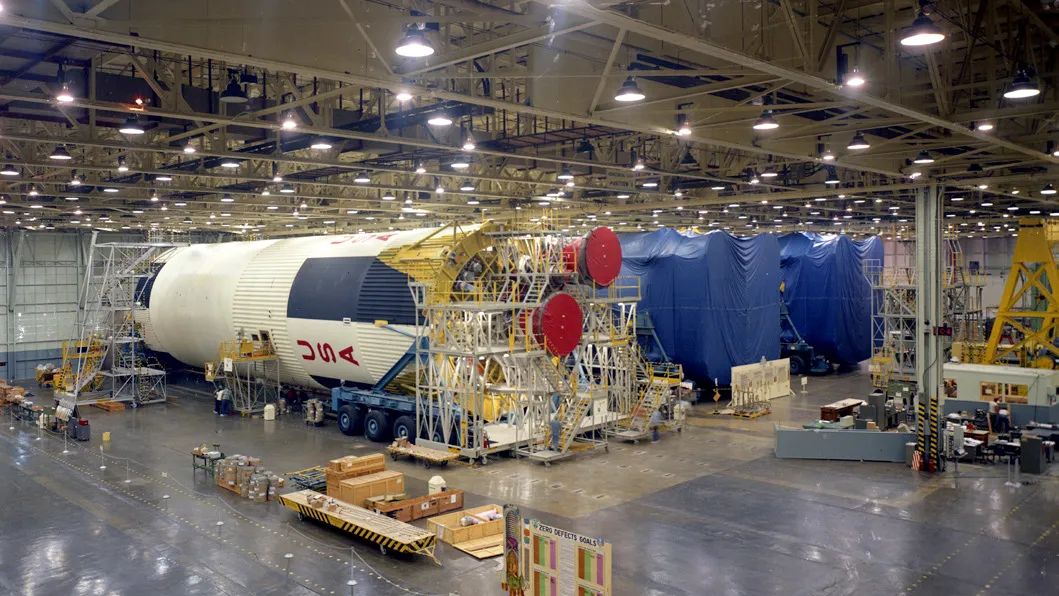
On August 1, 1968, NASA halted production of the Saturn V, the only rocket capable of sending astronauts beyond low‑Earth orbit, a full year before the historic Apollo 11 moon landing. Congress slashed Apollo funding amid a federal deficit and the Vietnam War, forcing NASA to cancel the remaining Saturn V builds. Although the program had already launched 13 rockets, the final one in 1973 was repurposed for Skylab after the Apollo 18 mission was canceled. The decision marked the end of the original Apollo program, leaving a legacy that would only be revisited with the Space Launch System in 2022.
SpaceX launches 24 Starlink satellites to orbit from California (photos)
Original Publication Date: 2026-08-01 10:00
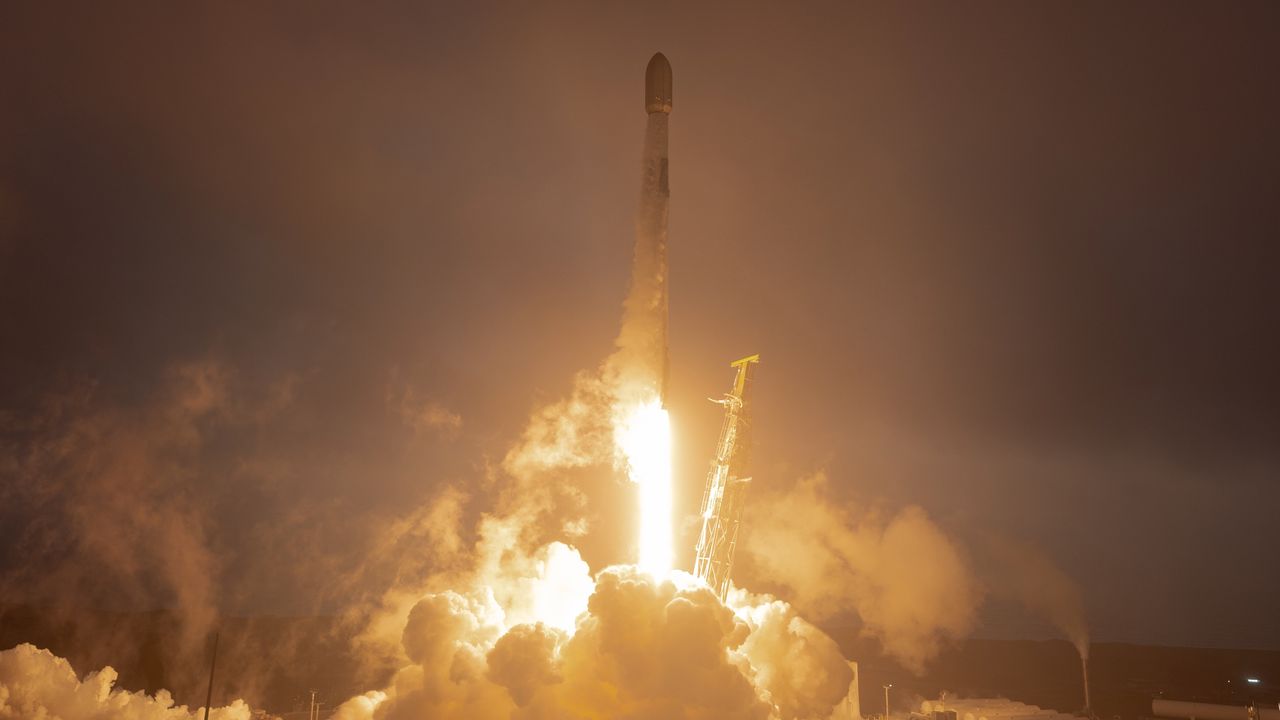
SpaceX launched 24 Starlink satellites from California's Vandenberg Space Force Base on July 31, 2026, using a Falcon 9 rocket that returned its first stage to the Pacific on the droneship “Of Course I Still Love You.” The payload reached low‑Earth orbit 61.5 minutes after liftoff, joining more than 10,800 satellites in the Starlink megaconstellation, the largest satellite network ever assembled. This mission marked the 89th Falcon 9 flight and the 69th Starlink launch of 2026, underscoring SpaceX’s rapid expansion of global broadband coverage.
Here's how engineers plan to save the satellite sent to save NASA's Swift mission
Original Publication Date: 2026-08-01 18:20
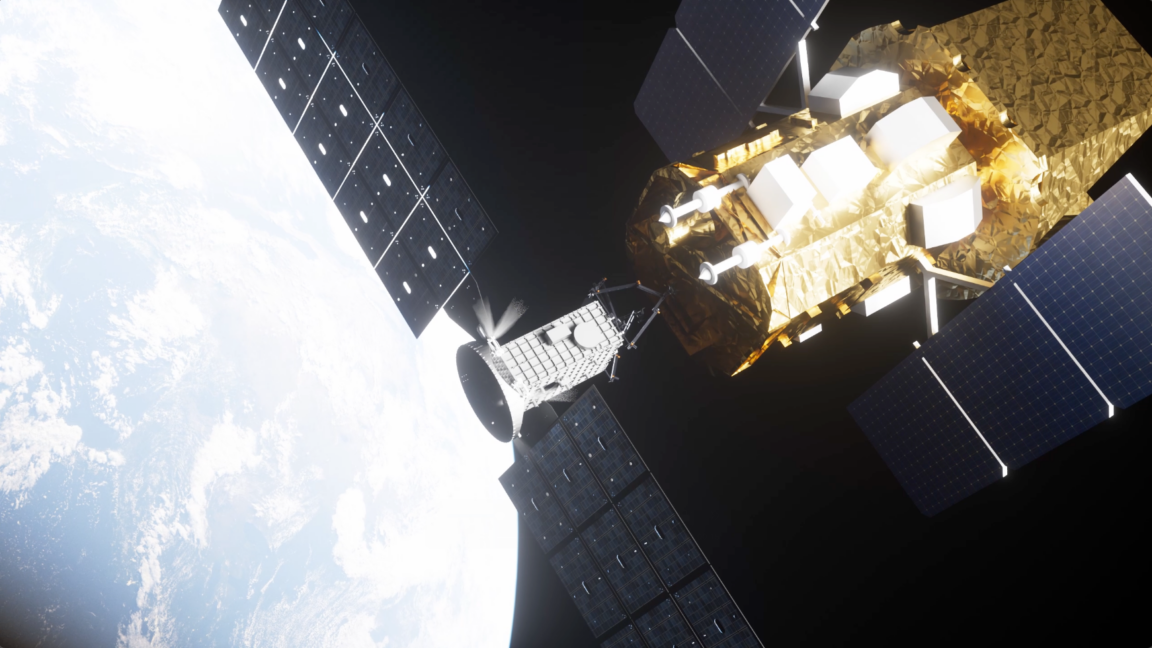
A refrigerator‑sized satellite named Link, launched by Katalyst Space Technologies, was attempting a rescue of NASA’s $500 million Swift gamma‑ray observatory when it began spinning uncontrollably about a week ago, more than 200 miles above Earth. The uncontrolled rotation disabled its communications and halted two of its three reaction wheels, while engineers later traced the problem to faulty cold‑gas thrusters used for fine attitude control. Katalyst won a $30 million contract to capture Swift, boost its orbit, and then let the satellite re‑enter the atmosphere. The incident highlights the challenges of complex satellite servicing missions in deep space.