 Spotify
 Apple Podcasts
 Podcast Addict
 Overcast
 Podcast RSS
The Day of the Trifid Nebula
Original Publication Date: 2026-04-24 14:56

NASA’s Hubble Space Telescope released a stunning new image of the Trifid Nebula, a star‑forming region about 5,000 light‑years away, on April 20, 2026. The visible‑light photo, taken on the 36th anniversary of the Hubble launch, shows colors that evoke an underwater scene with fine‑grained sediments. Massive stars outside the frame have been shaping the nebula for at least 300,000 years, their winds creating a bubble that compresses gas and dust to spark fresh star birth. The image, processed by Joseph DePasquale of STScI, offers a breathtaking glimpse into the dynamic processes that birth stars.
Artemis 2 came home in triumph. Artemis 3 must survive the real test.
Original Publication Date: 2026-04-27 13:00
On April 10, the Orion capsule safely splashed down in the Pacific after completing the first crewed lunar mission in more than five decades, carrying astronauts Reid Wiseman, Christina Koch, Victor Glover, and Canadian Jeremy Hansen. The crew returned with striking images of Earth rising over the lunar far side and the moon’s craters and green‑brown terrain. SpaceNews notes that while Artemis 2 celebrated a triumphant homecoming, the next mission, Artemis 3, will face the real test of lunar exploration.
FAA to begin collecting user fees for commercial launches and reentries
Original Publication Date: 2026-04-27 11:53
FAA is set to begin charging user fees for commercial launches and reentries, starting in 2026 at 25 cents per pound of payload, capped at $30,000 per mission, to help fund the integration of spaceflight into national airspace. The fees will generate millions annually, with a single Starlink launch expected to pay roughly $8,000 to $9,200, and projected to rise to $1.50 per pound by 2033.
China launches PRSC-EO3 for Pakistan, lofts internet test and environment monitoring satellites
Original Publication Date: 2026-04-26 09:56
This weekend China launched its 26th rocket of the year, inching toward a record‑setting 140 missions planned for 2026.
NASA reserves science payload space for Mars telecommunications mission
Original Publication Date: 2026-04-25 23:31
NASA is adding a science payload slot to its Mars Telecommunications Network, potentially hosting one or more CubeSats to boost scientific return from the planet.
Space Force faces surge in demand for heavy-lift launches
Original Publication Date: 2026-04-25 16:07
The U.S. Space Force is boosting its need for heavy‑lift launches, adding 25 high‑energy missions to the original 54 planned under National Security Space Launch Phase 3.
SpaceX flies 25 Starlink satellites to orbit on its 50th Falcon 9 launch of the year
Original Publication Date: 2026-04-26 13:38
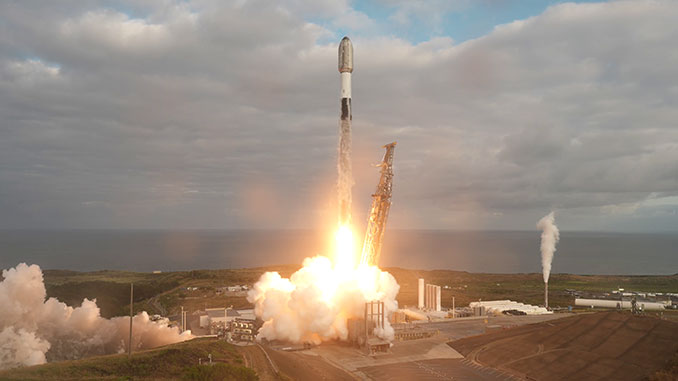
SpaceX launched its 50th Falcon 9 rocket of the year from Vandenberg Space Force Base, sending 25 new Starlink V2 Mini satellites into orbit. The launch, using first‑stage booster B1088, was the booster’s 15th flight and saw it land autonomously on the drone ship “Of Course I Still Love You” 8½ minutes after liftoff. This marked the 193rd landing on that vessel and the 603rd booster landing in SpaceX history. The second stage deployed all 25 satellites successfully a little over an hour into flight.
Vision Meets Profit: Why Modern Space Exploration Requires Both Dreamers and Business
Original Publication Date: 2026-04-26 21:50

In 2026 the space industry has fused visionary exploration with commercial pragmatism, creating a synergistic relationship that blurs traditional boundaries. This new alignment has enabled unprecedented collaboration and innovation between public and private entities. The shift reshapes how missions are planned and funded, allowing for more efficient and integrated approaches to space travel. The result is a more cohesive and forward‑thinking space sector.
How CubeSat Proliferation is Redefining Sovereignty and Diplomatic Leverage at the United Nations
Original Publication Date: 2026-04-26 21:34
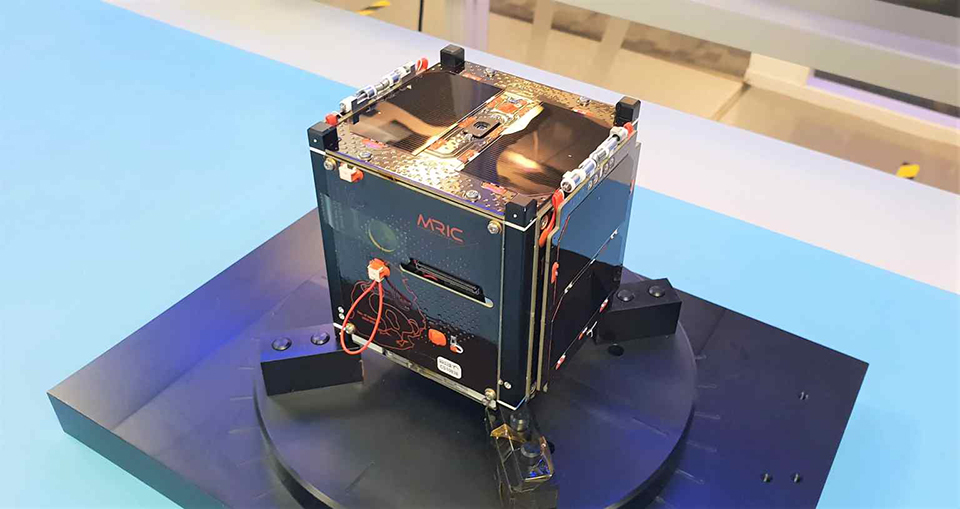
The rapid democratization of orbital access, fueled by the modular CubeSat standard, has shifted power dynamics within the United Nations Committee on the Peaceful Uses of Outer Space. Small satellite operators now compete with traditional spacefaring nations, challenging established norms and prompting calls for new governance frameworks. The committee faces growing pressure to address issues of space debris, frequency allocation, and equitable access. As these changes unfold, the international community must balance innovation with responsible stewardship of outer space.
FCC Modernization of Spectrum Rules Unlocks Sevenfold Gain in Satellite Capacity
Original Publication Date: 2026-04-26 21:06

On Sunday, April 26 2026, policy analysts Kristian Stout and Michael Calabrese highlighted the strategic importance of the FCC’s upcoming vote to revise satellite power limits that have been in place for decades. They explained that raising these limits could boost the capacity and reliability of satellite communications, benefiting everything from emergency services to commercial broadband. The experts warned, however, that the change must balance increased power with interference risks and national security concerns. Ultimately, the FCC’s decision will shape the future of satellite technology and its role in global connectivity.
Bad news, but good news followed
Original Publication Date: 2026-04-26 15:18
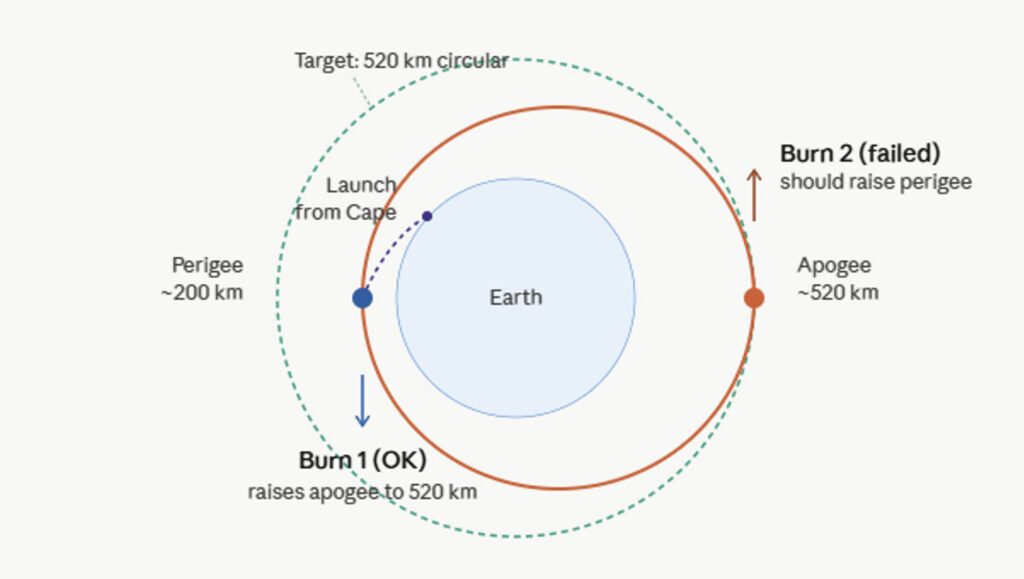
Blue Origin’s Chris Forrester faced a barrage of questions after the April 19 loss of AST Space Mobile’s BlueBird #7 satellite, a setback that underscored the risks of commercial spaceflight. The failure highlighted gaps in launch preparation and raised concerns about the reliability of Blue Origin’s propulsion systems. Forrester explained that the incident prompted a thorough review of launch protocols and a renewed focus on safety margins. The incident serves as a stark reminder that even small missteps can cost significant time and money in the rapidly evolving satellite industry.
Space Force Awards $3.2 Billion in Golden Dome Contracts for Orbital Interceptor Constellation
Original Publication Date: 2026-04-25 22:33

On Friday, April 24, 2026, the U.S. Space Force’s Space Systems Command announced it had awarded 20 new contracts.
I Am Artemis: Peter Rossoni
Original Publication Date: 2026-04-24 16:33
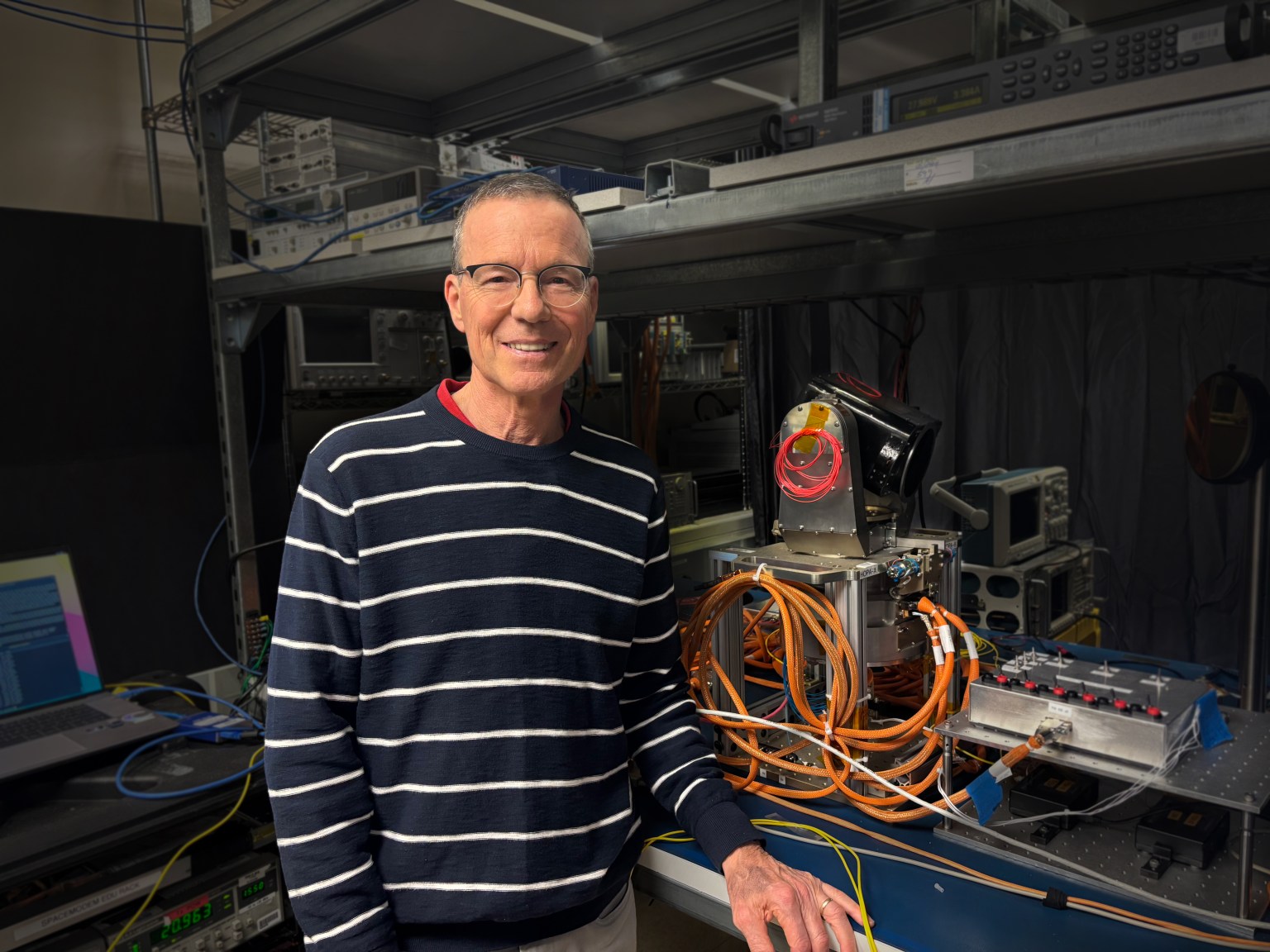
Peter Rossoni, a flight manager at NASA’s Goddard Space Flight Center, oversaw the first use of laser communications on the Artemis II mission, enabling the Orion spacecraft to transmit more than 450 GB of video, photos, and data back to Earth from the lunar vicinity. The infrared system delivered downlink speeds up to 260 Mbps—enough to stream a full‑length 4K movie from the Moon in about a minute—boosting the connection between astronauts and mission control by up to 100 times. During the ten‑day flight, Rossoni’s team ensured the laser link operated in parallel with traditional radio communications, freeing critical radio bandwidth for sensitive data while maintaining a robust, high‑capacity link to Houston. This successful demonstration marks a major step forward for deep‑space communication technology.
NASA Astronauts to Answer Questions from Missouri Students
Original Publication Date: 2026-04-24 14:47

NASA astronauts Jack Hathaway and Jessica Meir are rehearsing launch‑day procedures in the Dragon spacecraft at Kennedy Space Center, preparing for their next mission to the International Space Station. On April 30, they will answer prerecorded STEM questions from students in Missouri during a live “Earth‑to‑Space” call streamed on NASA’s Learn With NASA YouTube channel. The event, hosted by the University of Missouri Pre‑Employment Transition Services, aims to inspire K‑12 students to pursue careers in science, technology, engineering and math. Media interested in covering the call must RSVP by 5 p.m. On April 29 to Kimberly Pudlowski at 636‑697‑5845 or kimberly.gee@missouri.edu.
Curiosity Rover uncovers fresh organic clues on Ancient Mars
Original Publication Date: 2026-04-26 19:10

NASA’s Curiosity rover has uncovered 21 organic molecules in a Martian rock, seven of which are firsts for the planet. Using a novel wet‑chemistry technique, Curiosity broke down the sample into larger, detectable compounds, marking the first such experiment on another world. The discovery, which includes a nitrogen heterocycle that could be a precursor to DNA and RNA, strengthens the case that ancient Mars possessed the ingredients to support microbial life.
Progress MS-34 to launch from Baikonur for ISS cargo delivery
Original Publication Date: 2026-04-25 16:30

Progress MS‑34, a 7,280‑kg Russian cargo ship, is set to launch from Baikonur on April 25 at 22:21 UTC aboard a Soyuz 2.1a rocket, heading to the International Space Station.
Meta Secures Overview Energy Space Solar Power Capacity
Original Publication Date: 2026-04-27 11:27

Meta has secured up to 1 GW of power from Overview Energy’s planned solar‑beaming satellite system. The deal follows the company’s earlier nuclear agreements and comes as AI‑driven data centers push terrestrial grids to their limits. Overview Energy will use GEO satellites to beam infrared power to Earth, extending solar panel operation after dark. With commercial launches slated for 2030, this partnership marks a bold step toward sustainable energy for the world’s biggest data centers.
Pentagon Taps 12 Companies for Golden Dome SBI Tech
Original Publication Date: 2026-04-27 01:38

The Pentagon has awarded up to $3.2 billion to 12 companies to build the space‑based interceptor component of the Golden Dome missile‑defense system. These firms—ranging from SpaceX and Lockheed Martin to Anduril Industries and Booz Allen Hamilton—were chosen through Other Transaction Authority agreements that broadened competition beyond traditional defense contractors. The program, launched at the start of President Trump’s second term, aims to demonstrate an initial capability by 2028. This marks the latest milestone in a decade‑long effort to secure U.S. Airspace with advanced space‑borne defense technology.
Astra Targets Golden Dome With Small Rockets, Says CEO Chris Kemp
Original Publication Date: 2026-04-24 12:46
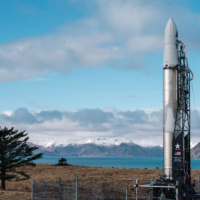
Astra is offering its small, single‑use rockets as targets for the Pentagon’s Golden Dome missile‑defense tests, arguing the inexpensive, expendable nature of its vehicles makes them ideal for realistic threat practice. CEO Chris Kemp also highlighted a new capability to launch drones worldwide in under 24 hours from mobile pads, promising rapid delivery from anywhere on the planet. After taking the company public via a SPAC in 2021 and returning it to private ownership in 2024, Kemp warned that manufacturing firms will soon learn the high costs of being public.
Trump Taps Space Execs For Military Space Roles
Original Publication Date: 2026-04-24 12:44

President Donald Trump has nominated Raytheon vice‑president Erich Hernandez‑Baquero to be the assistant secretary of the Air Force for space acquisition and integration, a role that will replace former chief Frank Calvelli. He also nominated former Peraton and DNI executive Roger Mason to become the next director of the National Reconnaissance Office, succeeding Chris Scolese. Both nominees must receive Senate confirmation before they can assume their posts. The appointments signal an effort to streamline space acquisition, accelerate development, and deepen partnerships with commercial firms.
Astrobotic fires next-generation 'rotating detonation rocket engine' in record-breaking test (video)
Original Publication Date: 2026-04-27 13:00
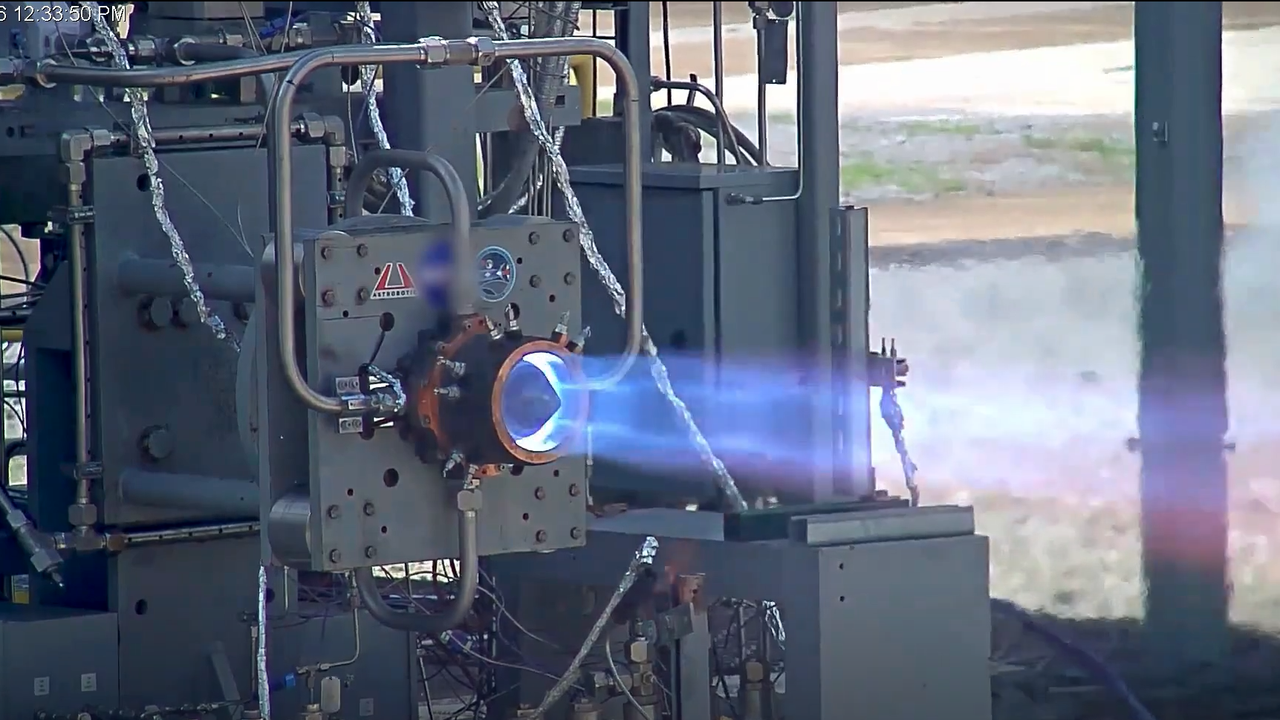
Astrobotic has completed a record‑breaking hot‑fire test campaign for its rotating detonation rocket engine prototype, Chakram, at NASA’s Marshall Space Flight Center. The two engines produced over 4,000 pounds of thrust and ran continuously for 300 seconds—a new longest sustained burn for this technology—without damage. Rotating detonation engines use a circular detonation wave that can boost efficiency by 10–15% and cut weight, making them attractive for lunar landers and cislunar vehicles. Astrobotic says the successful test demonstrates the engine’s reliability and moves the technology closer to flight readiness for future deep‑space missions.
AI sped up James Webb Space Telescope data analysis from years to days. What can it do for the groundbreaking Rubin Observatory?
Original Publication Date: 2026-04-27 12:00
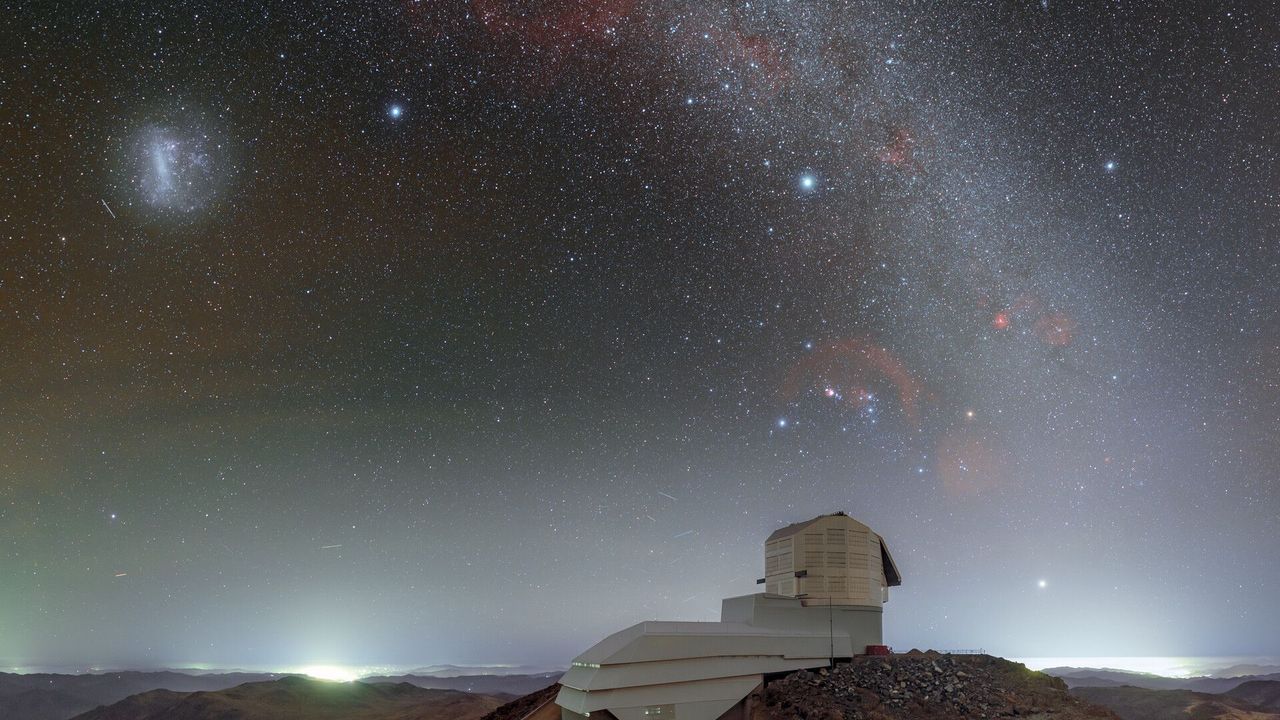
AI has turned the James Webb Space Telescope’s data analysis from years into days, and now the same technology is being applied to Chile’s Vera C. Rubin Observatory, the world’s newest ground‑based survey telescope. A generative AI model called Neo, trained on Subaru and Hubble images, can remove the blurring caused by Earth’s atmosphere and sharpen Rubin’s views to “space‑quality” clarity. Early results show the model improves measurements of galaxy shapes and stellar details by factors of two to ten, revealing far more objects than before. With an $800 million investment, the Rubin Observatory will now deliver sharper, more detailed sky maps every three nights, accelerating discoveries across the cosmos.
NASA wants to use a fleet of MoonFall drones to scout the lunar south pole: 'We believe we can do it'
Original Publication Date: 2026-04-27 10:00
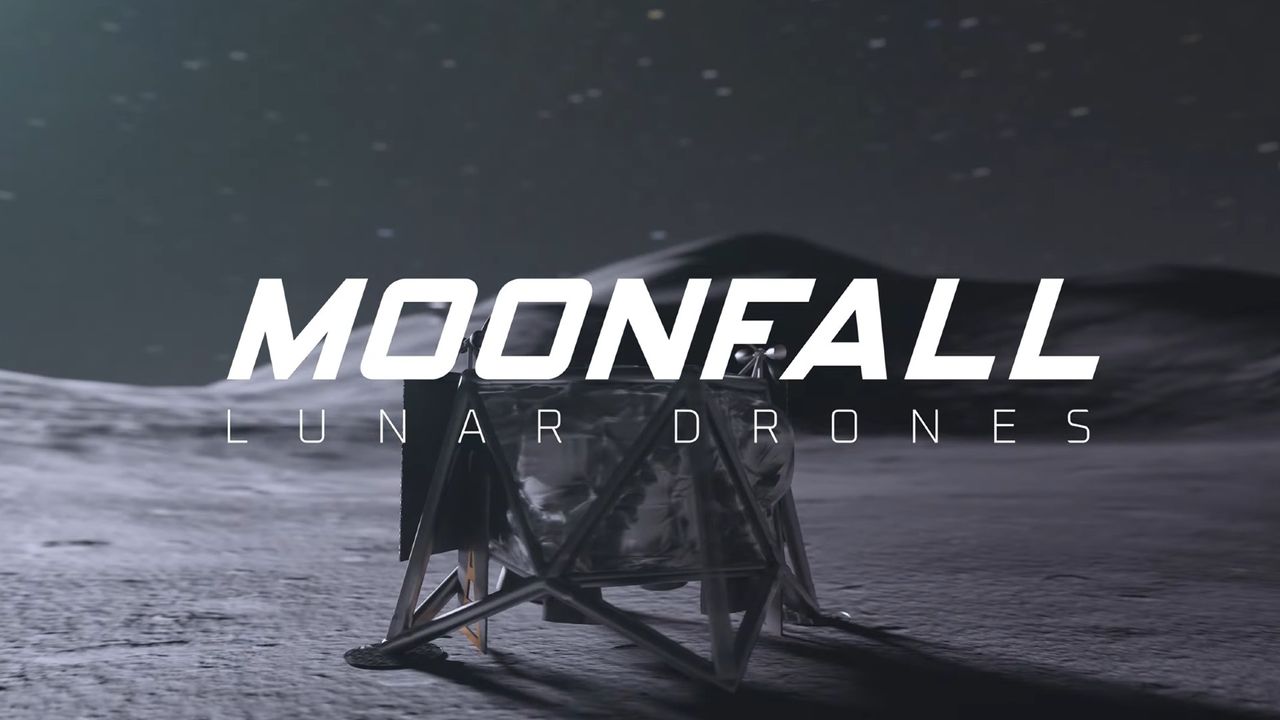
NASA is accelerating its return to the Moon with a new MoonFall drone program that will deploy four autonomous roving drones to map the lunar south pole by 2028. Each drone will cover about 30 miles, carrying 10 cameras and scientific instruments to stitch together a detailed view for future Artemis landings and a lunar base. The initiative builds on the Ingenuity Mars helicopter’s proven technology and relies on commercial off‑the‑shelf electronics to keep costs down. This rapid scouting effort is part of chief Jared Isaacman’s plan to overhaul Artemis and bring astronauts back to the Moon sooner than previously scheduled.
SpaceX launching powerful Falcon Heavy rocket today for 1st time in 18 months: Watch it live
Also covered by: NASASpaceFlight
Original Publication Date: 2026-04-26 16:00
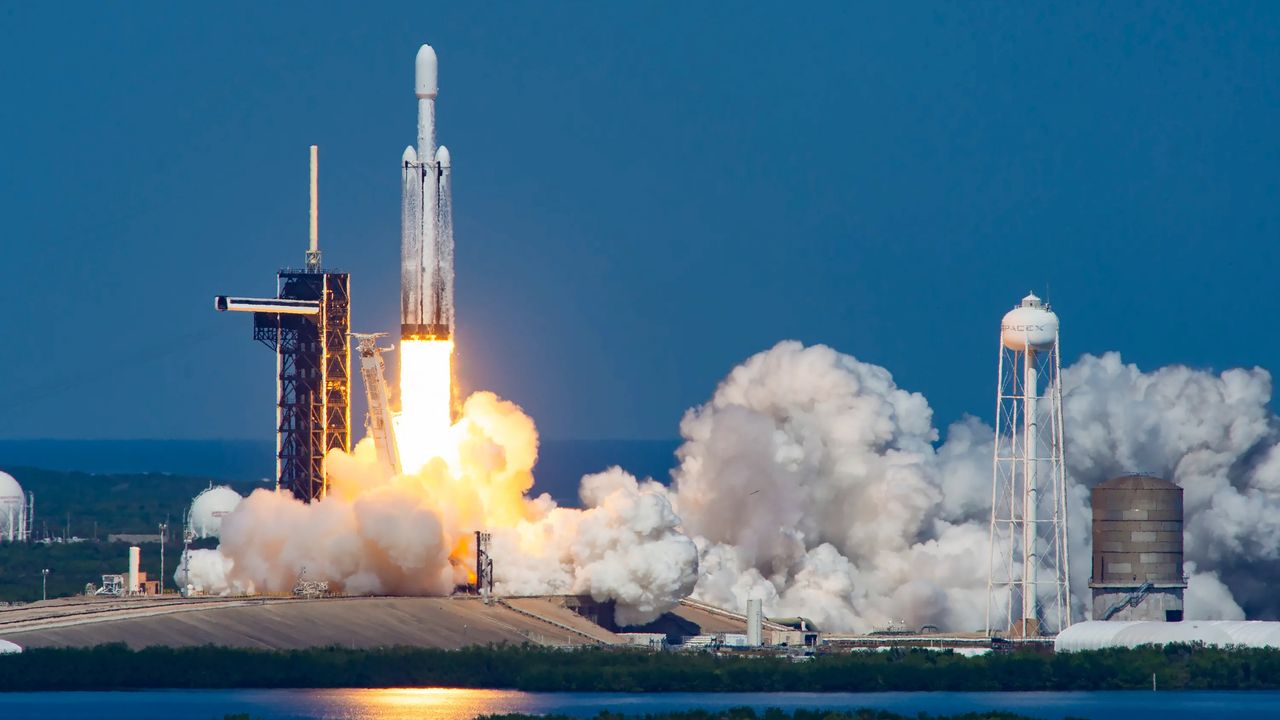
SpaceX’s Falcon Heavy will launch on April 27 2026 at 10:21 a.m. ET from Launch Complex 39A at Kennedy Space Center. The rocket will carry the 6.6‑ton ViaSat‑3 F3 communications satellite into geostationary orbit, adding more than a terabyte per second of broadband capacity to the Asia‑Pacific region. This will be the vehicle’s first flight in over 18 months and its 12th overall, with three Falcon 9 first stages producing about 5.1 million pounds of thrust.
The 'Oscars of Science': Breakthrough Prize 2026 awards over $18 million for discoveries across space, physics and more
Original Publication Date: 2026-04-26 14:00

At this year's Breakthrough Prize ceremony, dubbed the “Oscars of Science,” six $3 million awards were handed out across life sciences, physics, and mathematics, with a total payout exceeding $18 million. Gene‑therapy pioneers Jean Bennett, Katherine High, and Albert Maguire received the Life Sciences prize for a retinal‑degeneration treatment that restores vision, while Stuart Orkin and Swee Lay Thein were honored for uncovering the switch from fetal to adult hemoglobin, paving the way for sickle‑cell therapies.
Artemis II broke Fred Haise's distance record, but he is happy to pass it on
Original Publication Date: 2026-04-25 11:40
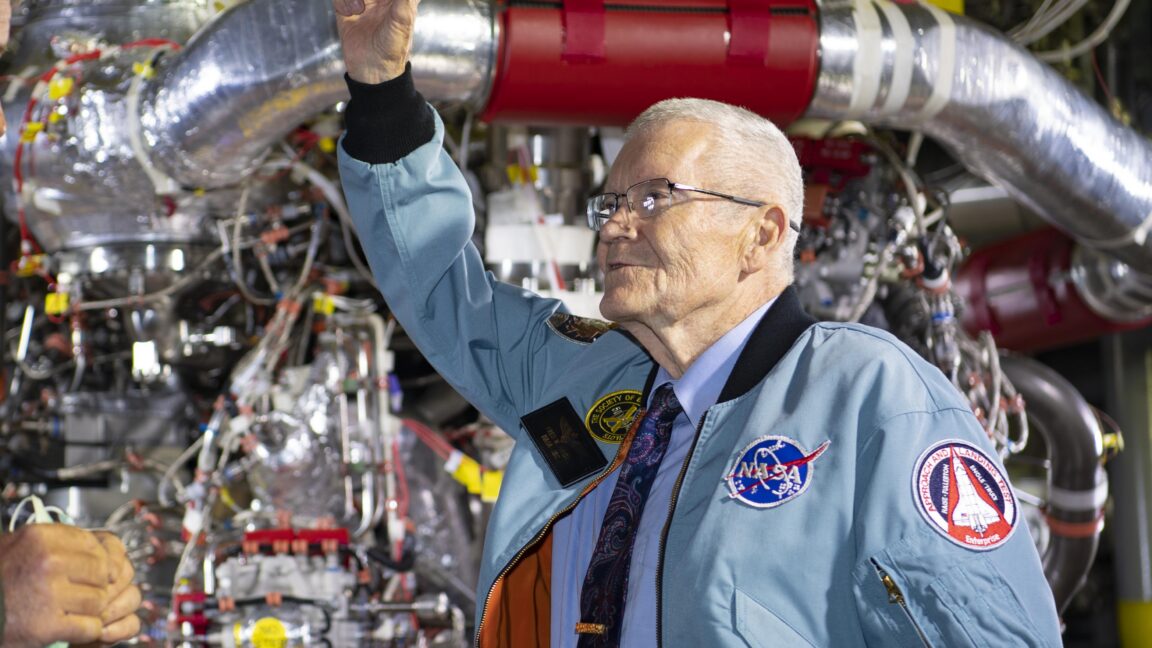
Artemis II’s circumlunar flight marked the first time since the Apollo era that humans have travelled farther from Earth, reaching a record 252,756 miles. The four‑person crew—all in their 40s and 50s—passed over 4,000 miles above the Moon, setting a new distance record. While only 12 astronauts have walked on the lunar surface, the mission adds four new names to the list of lunar explorers.