 Spotify
 Apple Podcasts
 Podcast Addict
 Overcast
 Podcast RSS
SpaceX to attempt 600th Falcon booster landing amid West Coast Starlink mission
Original Publication Date: 2026-04-18 06:45
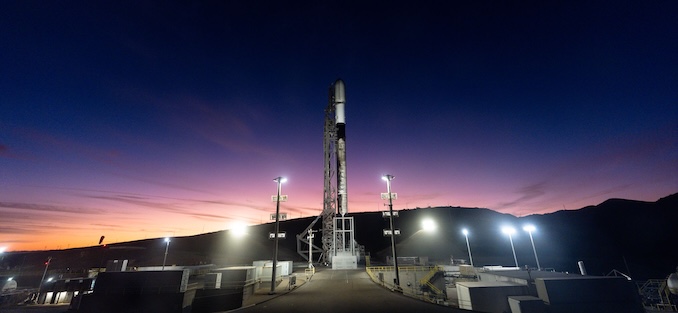
SpaceX’s Falcon 9 rocket is set to launch from Vandenberg Space Force Base on Sunday, April 19, marking the company’s 600th booster landing attempt during the Starlink 17‑31 mission. The launch, delayed from Saturday, will send 25 new broadband satellites into a constellation already exceeding 10,200 spacecraft, with the rocket heading south‑southwest on a 7 a.m. PDT trajectory. The Falcon 9i booster B1097, making its seventh flight, will later touch down on the drone ship “Of Course I Still Love You,” potentially adding to the vessel’s 191‑st landing record. Live coverage will begin about 30 minutes before liftoff, offering listeners a front‑row view of this milestone event.
Starlink Outages Disrupt Navy Drone Tests as Pentagon Dependency Grows
Original Publication Date: 2026-04-18 21:54
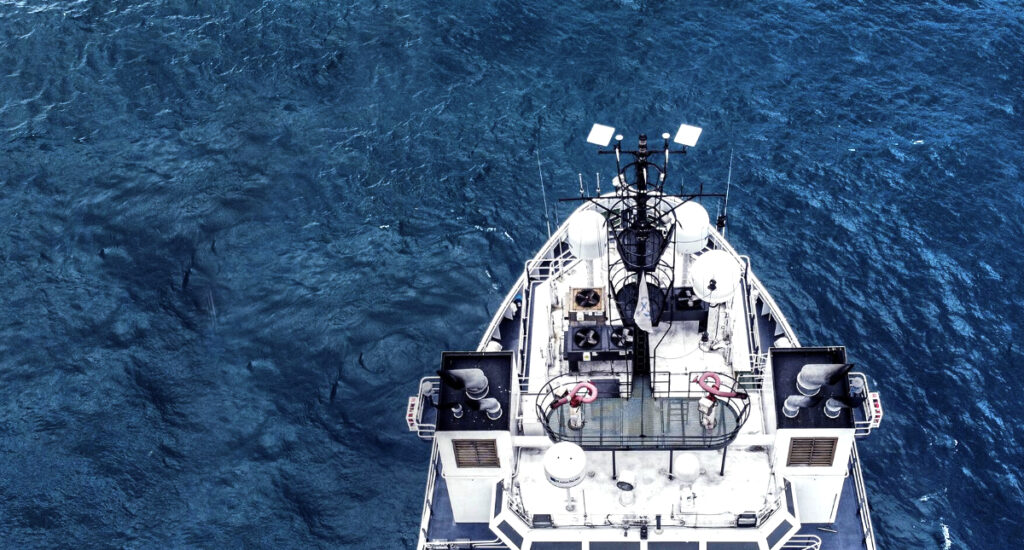
Internal Pentagon reports released Thursday, April 16 2026, revealed that U.S. Navy unmanned surface vessels suffered operational failures due to intermittent Starlink connectivity. The outages caused mission delays and highlighted the fleet’s reliance on commercial satellite links. Analysts warn that this vulnerability could impede future autonomous maritime operations. The Navy is reportedly reviewing redundancy measures to safeguard against similar disruptions.
Amazon+Globalstar. Turbocharging the industry
Original Publication Date: 2026-04-18 21:19

Amazon has announced a landmark $11.6 billion acquisition of satellite communications company Globalstar, a deal that has already become a hot topic in the industry.
New Glenn set to launch on third mission, reuse booster for the first time
Also covered by: Space.com
Original Publication Date: 2026-04-18 23:04

Blue Origin’s New Glenn rocket is set to lift off from Cape Canaveral at 6:45 a.m. EDT on Sunday, April 19, carrying the BlueBird Block 2 FM2 satellite—BlueBird 7—for AST SpaceMobile’s next‑generation 4G/5G broadband constellation. The flight will mark the company’s first attempt to reuse the New Glenn first‑stage booster GS1‑SN002, nicknamed “Never Tell Me The Odds,” which previously launched the NASA ESCAPADE mission to Mars. If the booster lands safely on the Jacklyn barge, Blue Origin will become only the second firm to successfully reuse an orbital‑class rocket booster, after SpaceX. This mission underscores the growing push to deliver commercial satellite‑based cellular service directly to unmodified smartphones.
Vast unveils Astronaut Flight Suit and revolutionary Large Docking Adapter
Original Publication Date: 2026-04-18 21:28

Vast unveiled a new Astronaut Flight Suit and a Large Docking Adapter for its upcoming Haven‑1 station, aiming to set a new standard for commercial crewed spaceflight. The suit, crafted with astronaut input, blends a polished, aviation‑inspired look with practical features such as pockets, zippers, and even boots, and will be worn on the company’s planned private ISS mission. The Large Docking Adapter offers a 2.9‑meter pressurized opening—more than triple the current IDA—and is up to 30 times more rigid, enabling the transfer of larger modules and supporting future artificial‑gravity habitats. With launch targeted for Q1 2027, Vast is also open‑sourcing the adapter standard to encourage broader industry adoption.
Synthetic universe allows you to 'see and hear' galaxies evolving from the dawn of time (video)
Original Publication Date: 2026-04-19 10:00
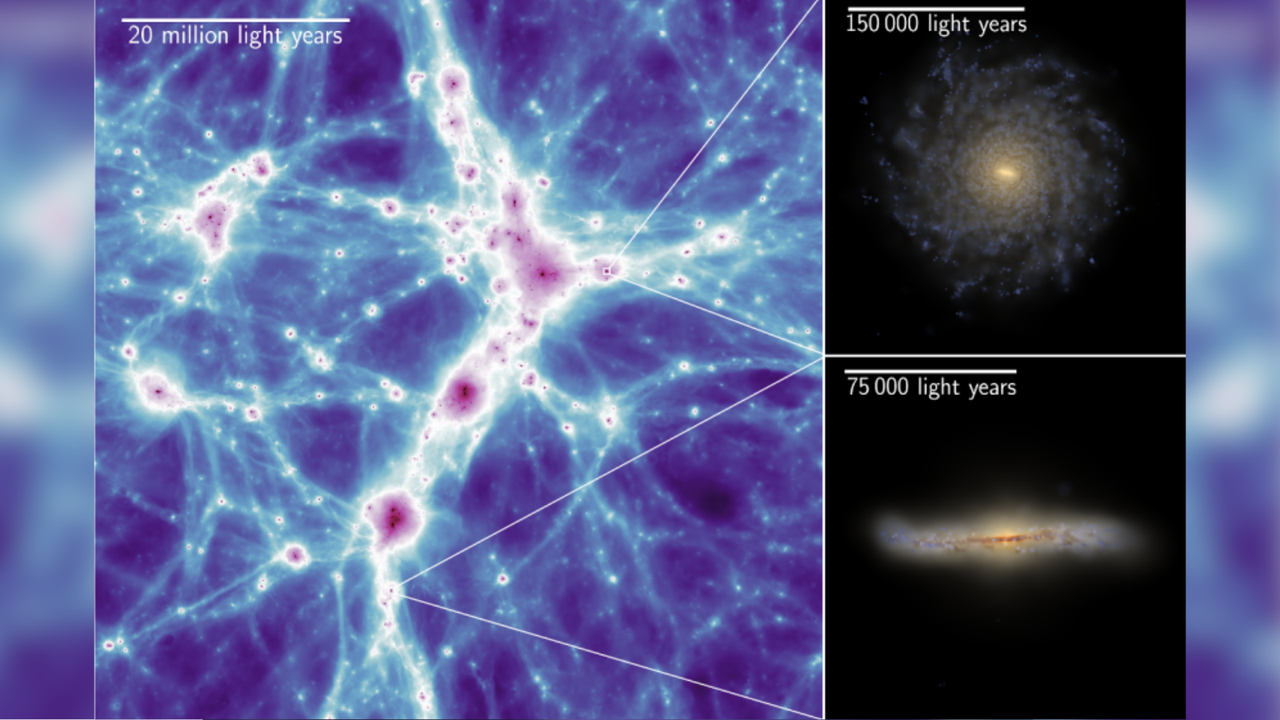
Scientists have created the COLIBRE simulation, a synthetic universe that reproduces the appearance and properties of real galaxies from the first billion years to today, matching observations from the James Webb Space Telescope. By accurately modeling cold gas, dust, and star formation, the simulation runs on the COSMA8 supercomputer and has convinced even seasoned astronomers that its galaxies are indistinguishable from real ones.
Artemis 2 and Tiangong space station astronauts set record for farthest distance between humans
Original Publication Date: 2026-04-18 14:00
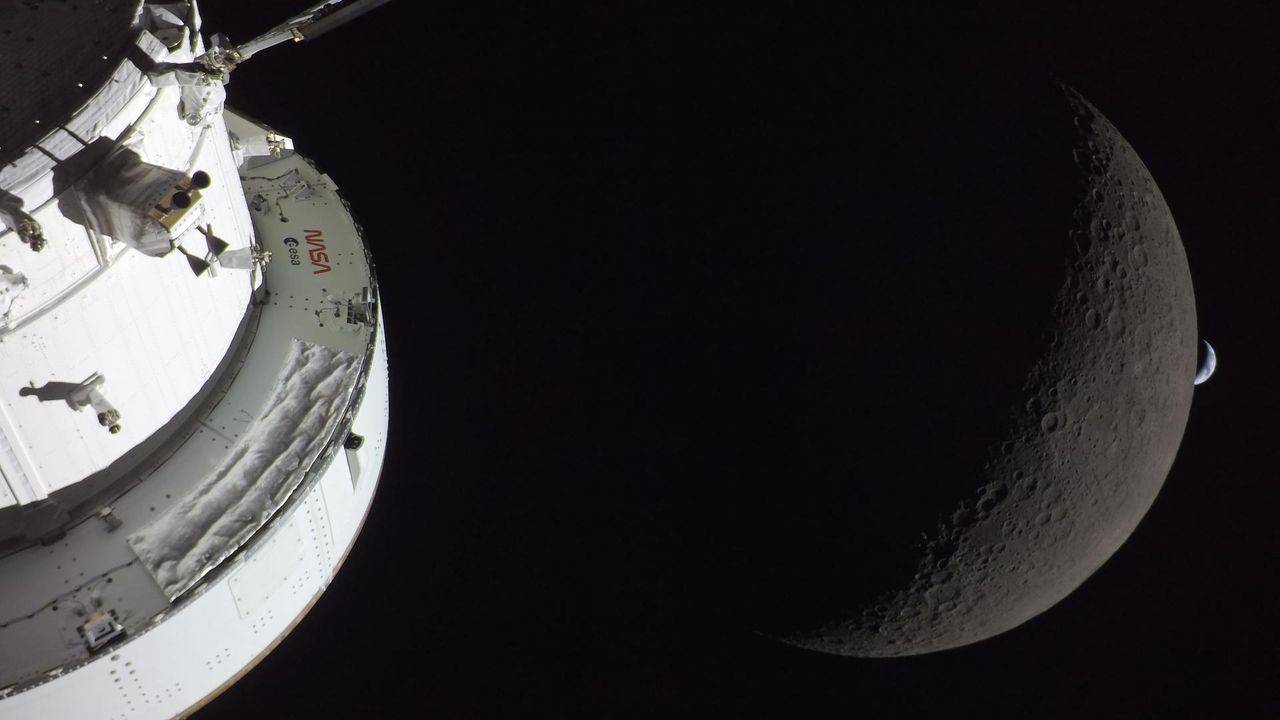
NASA’s Artemis 2 mission broke the all‑time record for the greatest distance between humans when its Orion capsule, “Integrity,” looped around the Moon and reached 260,754 miles from China’s Tiangong space station, a few miles farther than the International Space Station. The record eclipses the 1970 Apollo 13 maximum of about 260,600 miles, showing how modern spaceflight pushes human separation farther than ever. Astrophysicist Jonathan McDowell highlighted the achievement on social media, noting the moment marked a shift from “how far from Earth” to “how spread out human civilization.” This milestone underscores the expanding reach of crewed space exploration and the growing footprint of humanity across the solar system.
This life-hunting rover may be SpaceX's 1st-ever Mars launch
Original Publication Date: 2026-04-18 12:00
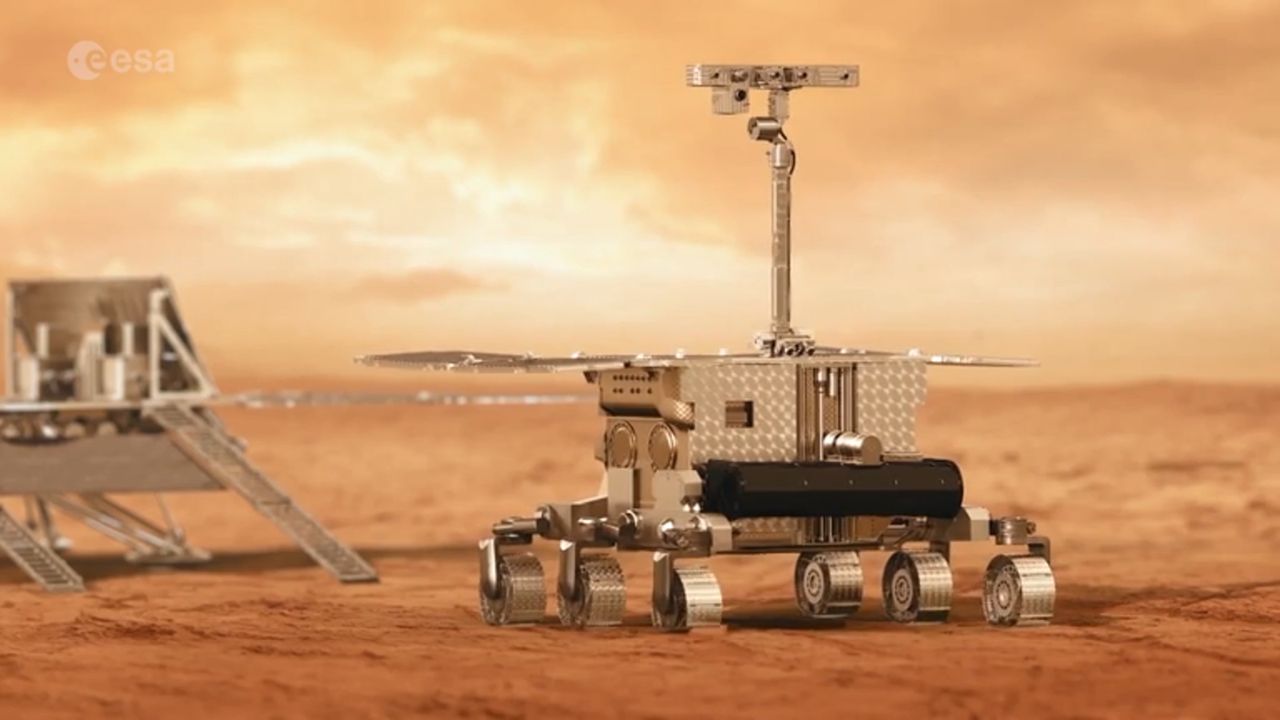
SpaceX has secured a 2028 launch of Europe’s first Mars rover, Rosalind Franklin, aboard its Falcon Heavy from Kennedy Space Center. The rover, part of ESA’s ExoMars program, had been delayed by Russian launch issues, supply‑chain hiccups and the pandemic, but a 2024 partnership with NASA will provide the launch vehicle and key instruments. NASA will also supply propulsion, heaters and a mass spectrometer to search for life’s building blocks at Mars’ Oxia Planum landing site. With the launch now on firm footing, SpaceX’s heavy‑lift rocket marks a historic first for the company’s Mars ambitions.