 Spotify
 Apple Podcasts
 Podcast Addict
 Overcast
 Podcast RSS
SpaceX Falcon 9 to launch classified mission for U.S. Space Force from West Coast
Original Publication Date: 2026-09-25 20:26
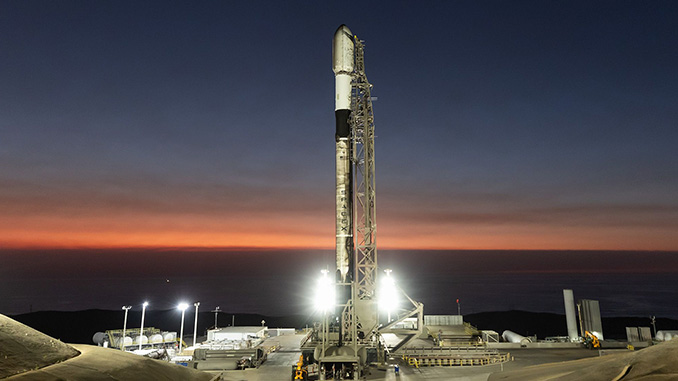
SpaceX will launch a classified U.S. Space Force satellite constellation from Vandenberg Space Force Base on Saturday morning, using a Falcon 9 rocket scheduled to lift off at 7 a.m. PDT. The mission, designated USSF‑385, will deploy a series of Starshield satellites—an armed version of Starlink—into a southerly trajectory. This will be the third such deployment from Vandenberg, following USSF‑366 and USSF‑153, each of which added 23 satellites to orbit. After approximately eight and a half minutes, the first‑stage booster B1100 will land on the drone ship “Of Course I Still Love You,” marking the sixth and final Falcon 9 launch from the site this month.
Europe Decides in December Whether to Launch Its Own Astronauts. The Money Comes Later.
Original Publication Date: 2026-09-25 15:30
ESA’s director general opened World Space Business Week with a fireside chat, outlining the agenda for ministers’ meeting in Rome on December 15, which will cover everything from rocket launches to crew recovery. He explained that funding will be secured through ESA’s standard subscription process. The briefing signals a comprehensive review of Europe’s space strategy. Ministers will tackle these issues in the upcoming meeting.
Satellite Primes Quoted Factory Rates of Up to Two a Day in Paris. The Component Tier Below Them Described 18-Month Waits.
Original Publication Date: 2026-09-25 14:00
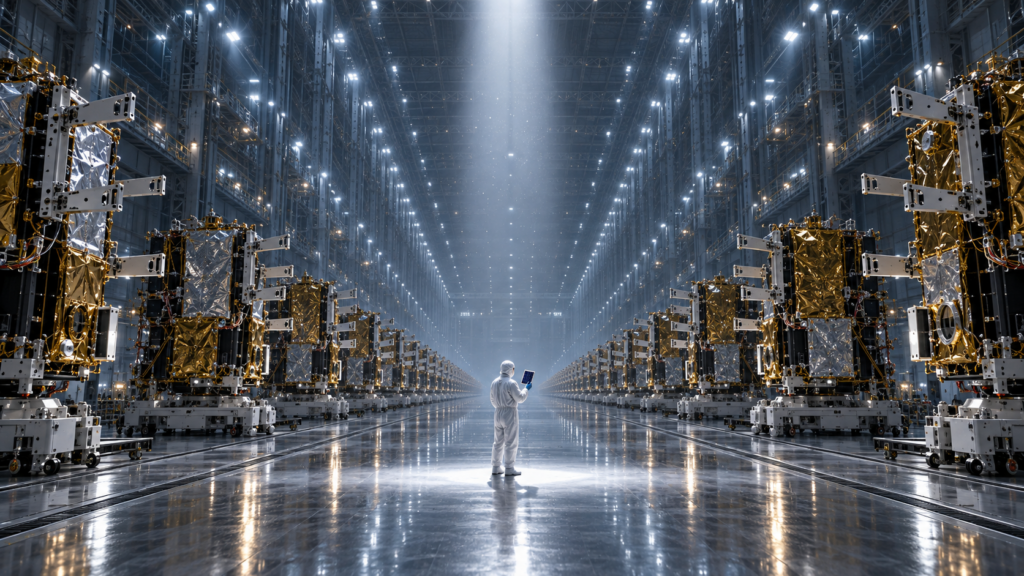
At World Space Business Week, Thales Alenia Space and MDA unveiled new factories capable of producing one to two satellites a day. The announcement highlighted a surge in production capacity as the industry gears up for a growing launch demand. Meanwhile, component suppliers warned that manufacturing lines are already at or above capacity, with an 18‑month wait for solar cells. These constraints underscore the challenges the satellite industry faces as it strives to meet an ever‑increasing demand for space hardware.
NASA, Boeing to Provide Update on Starliner Development
Original Publication Date: 2026-09-25 22:06
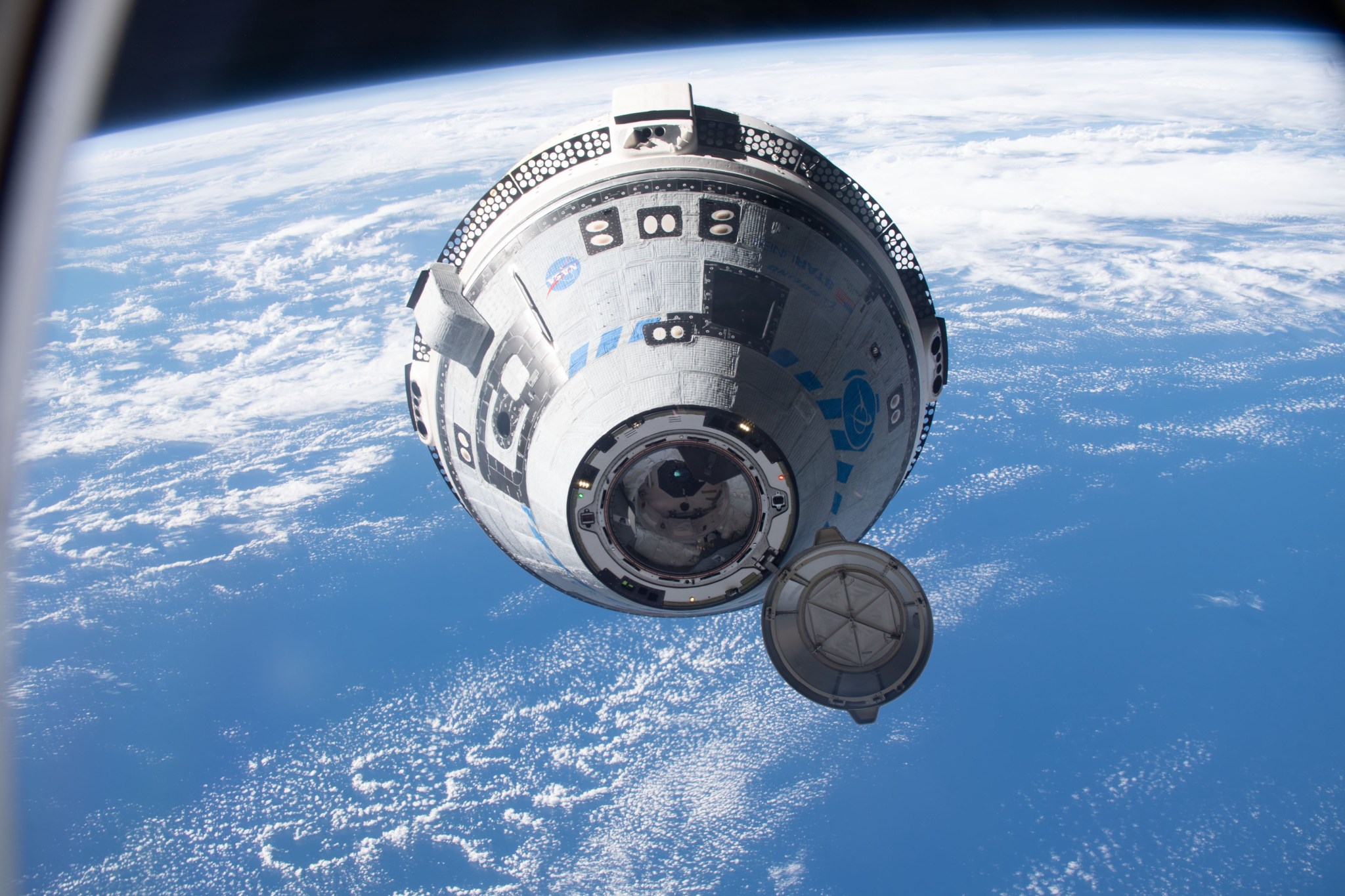
Boeing’s Starliner, which carried astronauts Butch Wilmore and Suni Williams to the International
NASA Welcomes San Marino Signing the Artemis Accords
Original Publication Date: 2026-09-25 19:53

San Marino has joined the Artemis Accords as the 76th signatory, signing the agreement in Rimini on September 25, 2026, with NASA and U.S. Department of State officials in attendance. Minister Rossano Fabbri signed on behalf of the tiny republic, while NASA Europe representative Gregory Mann and U.S. Consul General Joseph Tordella also participated. The Accords, launched in 2020, set principles for peaceful, transparent space exploration and open the door for San Marino to contribute scientific payloads, CubeSats, and other technologies to NASA’s lunar return efforts. This move underscores San Marino’s commitment to international cooperation and the responsible use of space.
NASA Tests Dual Mode Propulsion CubeSat Ahead of Launch
Original Publication Date: 2026-09-25 19:36
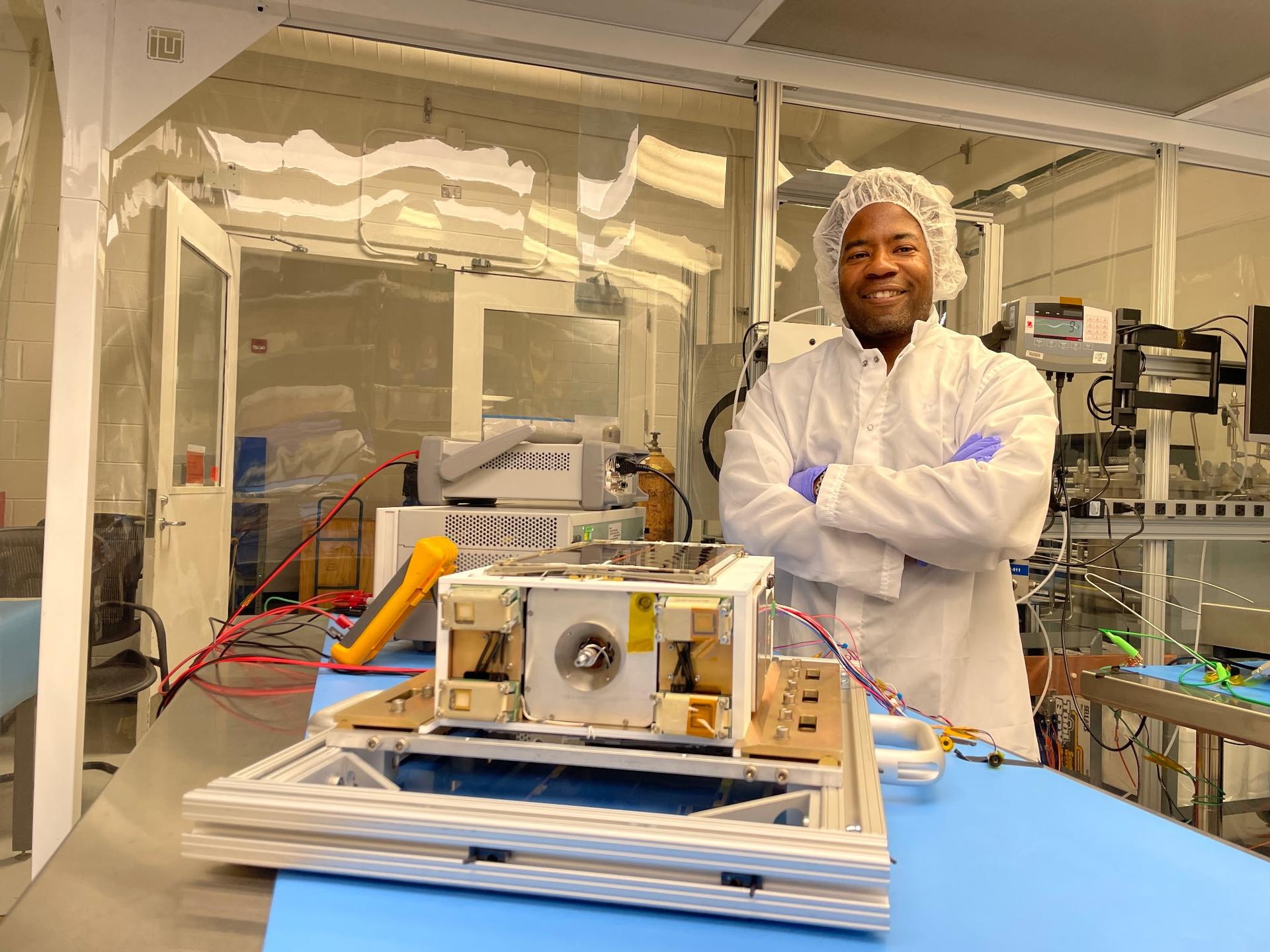
NASA’s Marshall Space Flight Center has finished rigorous ground tests on the ASCENT (Advanced Spacecraft Energetic Non‑Toxic) propulsion system, a breakthrough that lets a small satellite use one non‑toxic fuel tank for both high‑thrust chemical burns and low‑thrust electrospray maneuvers. The 6‑U CubeSat has passed leak, thermal vacuum, and spin tests, proving its integrated propulsion, electronics, and structural systems can survive the harsh vacuum and temperature swings of space. The spacecraft will launch no earlier than October 1 aboard a SpaceX Falcon 9 from Vandenberg, where it will conduct a nine‑month mission to demonstrate the dual‑mode concept in orbit. If successful, this technology could free future missions from bulky, dual‑tank propulsion systems, saving weight and allowing more scientific payloads on smaller rockets.
2026-2027 DWU: Middle School Design Challenge
Original Publication Date: 2026-09-25 17:20
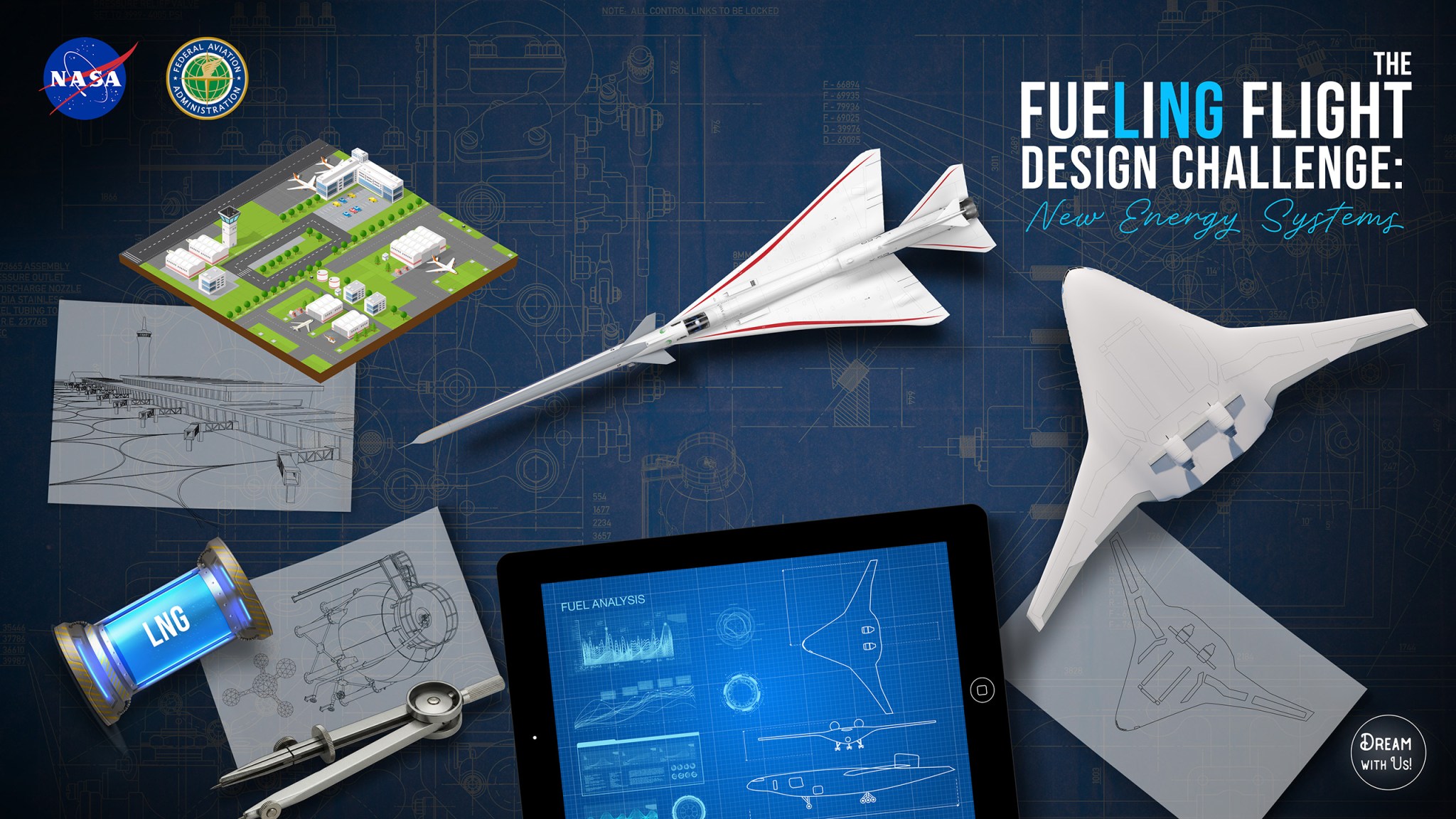
NASA and partners are launching the 2026‑27 Dream with Us Design Challenge, inviting middle and high school teams to reimagine airports and aircraft for a new fuel: liquefied natural gas. Students will design an airport that can handle both LNG and traditional jet fuel, exploring how this change affects runways, terminals, and fuel storage. The competition opens September 25, 2026, with submissions due January 22, 2027, and winners will be announced at a virtual awards reception. This challenge aims to spark innovation in aviation safety, affordability, and sustainability for the future.
Rocket Lab CFO Adam Spice Predicts More M&A Deals on the Horizon
Original Publication Date: 2026-09-25 12:51
Rocket Lab’s shareholders approved a $54‑per‑share acquisition of Iridium, with 99.6% voting in favor and a closing target of mid‑2027. The deal will add flight software, satellite separation, space solar power, sensors, laser communications and robotics to Rocket Lab’s portfolio, boosting its satcom reach. CFO Adam Spice said the company will pursue further mergers and acquisitions to meet diverse government needs, blending external buys with internal R&D. Rocket Lab also plans to protest NASA’s Mars network award to Blue Origin, underscoring its growing influence in the space industry.
FUSE Grows Its Space Portfolio
Original Publication Date: 2026-09-25 12:50

FUSE VC, originally a Seattle software‑focused firm, has broadened its reach to space, now backing eight companies with over $45 million invested. The firm led a $6 million seed round for Quindar in 2024, then added Starcloud, Mantis Space Systems, and most recently Pluto Aerospace, a reusable launch startup. FUSE’s strategy centers on building a tightly‑linked ecosystem where its portfolio companies collaborate—sharing technology, data‑center infrastructure, and mission‑management tools—to accelerate innovation.
With PRIMA, NASA will try to build a billion-dollar space telescope in record time
Original Publication Date: 2026-09-25 14:07
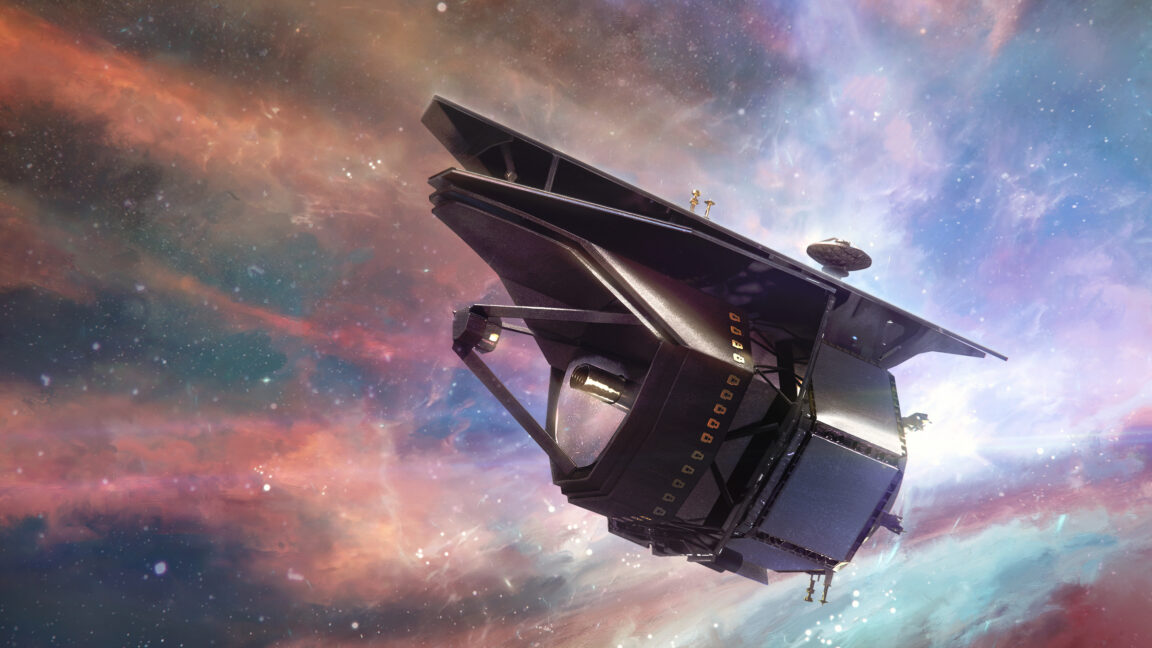
NASA has confirmed that the PRIMA mission, the first of its new Probe Explorer telescopes, is on track to reach the launch pad in the early 2030s. Designed to deliver more science for less money, Probe Explorers aim to sit between the low‑cost Explorer‑class missions and the multi‑billion‑dollar flagships like the Nancy Grace Roman Space Telescope. The agency has been studying these concepts for years after an independent panel’s recommendation, but budget pressure from the Trump administration had left development uncertain. Today, NASA’s announcement signals that the PRIMA telescope is now officially moving forward toward launch.