 Spotify
 Apple Podcasts
 Podcast Addict
 Overcast
 Podcast RSS
Ariane 6 Turbopump Anomaly Delays Launch Cadence, Capping 2026 Flight Operations at Six Missions
Original Publication Date: 2026-09-18 21:18
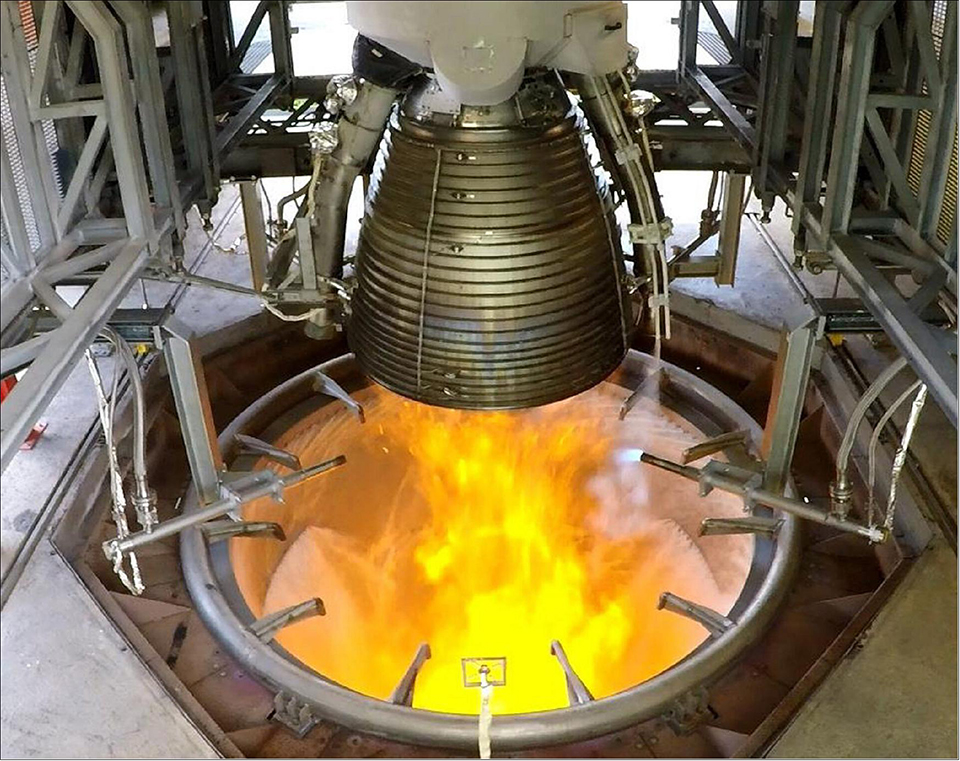
Industry reports on September 18, 2026 revealed that a turbopump anomaly in the Ariane 6 engine, discovered during August ground evaluations, has forced a delay in the launch schedule for Europe’s heavy‑lift vehicle. The fault, identified in a critical component that powers the rocket’s propulsion system, has prompted a review of all upcoming missions. As a result, several scheduled launches have been postponed, tightening the window for future payload deployments. The European space agency is working to resolve the issue and restore the launch cadence as quickly as possible.
Silicon Valley Space Week Speaker Focus: Dr. Eugene Tu, NASA Ames Research Center
Original Publication Date: 2026-09-18 20:32

NASA tested a scale model of SpaceX’s Super Heavy booster in the Unitary Plan Wind Tunnel at Ames, gathering data that will feed software guiding the booster safely through reentry. The test results will help refine algorithms that ensure a precise and reliable return trajectory. Dr. Eugene Tu, director of the Ames Research Center, opened the second day of Silicon Valley Space Week with a talk on how the center’s research will de‑risk future industry projects. This workshop underscores NASA’s partnership with commercial space companies to advance launch and reentry technologies.
NASA Invites Media to Albania Artemis Accords Signing Ceremony
Original Publication Date: 2026-09-18 19:56
Albania will become the 73rd country to sign the Artemis Accords during a ceremony at NASA Headquarters on Monday, September 21 at noon Eastern time. NASA Deputy Administrator Matt Anderson will host Albanian Minister Ferit Hoxha and Ambassador Ervin Bushati, with U.S. State Department officials in attendance. The Accords, first set of principles for safe, transparent lunar and Martian exploration, were launched in 2020 by the United States and seven founding nations. Media wishing to attend must RSVP by 10 a.m. September 21, and further details are available on NASA’s website.
NASA Awards SpaceX Three Crew Flights to Space Station
Original Publication Date: 2026-09-18 16:02
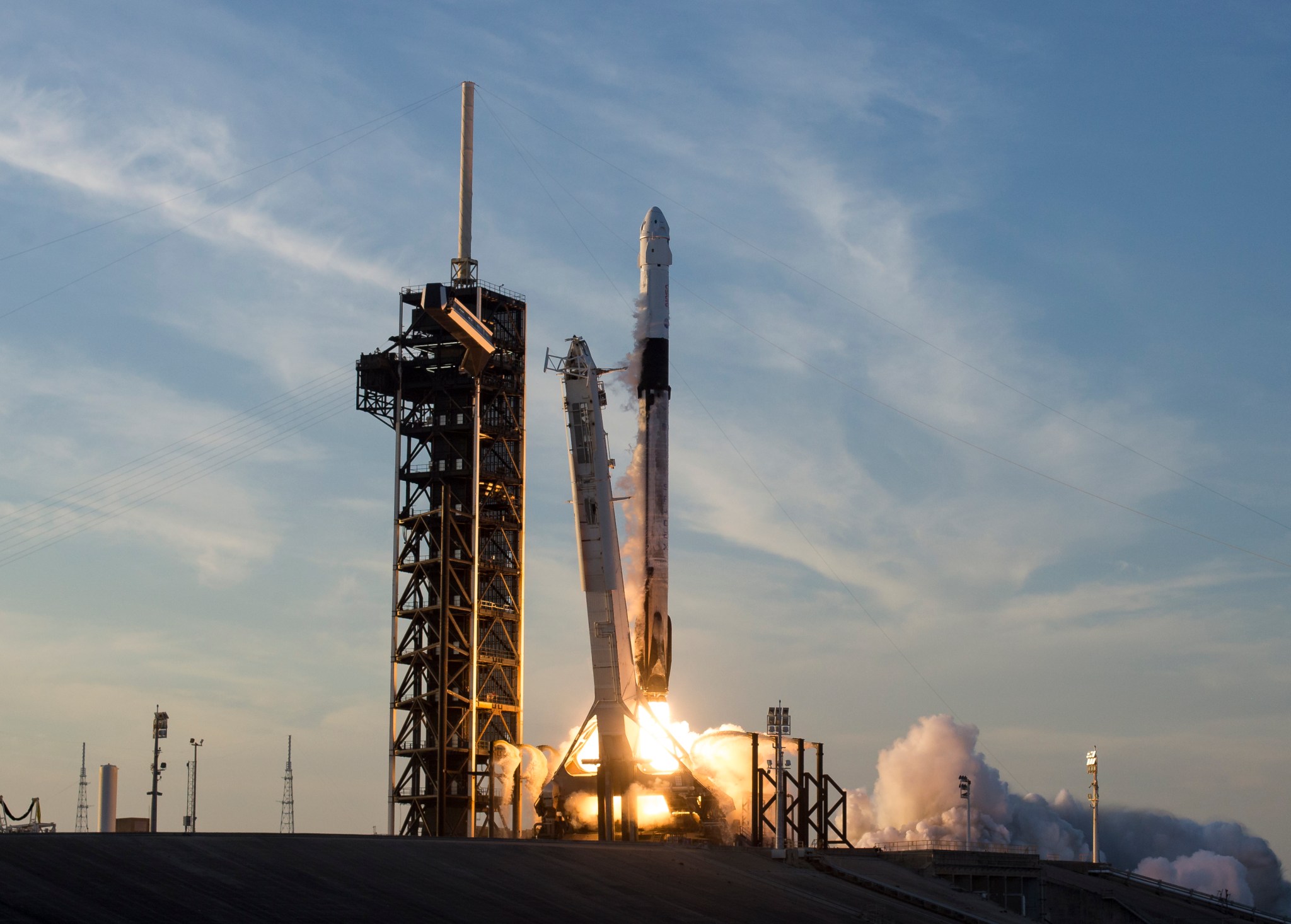
SpaceX’s Falcon 9 rocket will launch the Crew‑10 Dragon spacecraft to the International Space Station on March 14, 2025, marking the company’s twelfth crew rotation for NASA. NASA has now awarded SpaceX three additional missions—Crew‑15, Crew‑16, and Crew‑17—under a $946 million contract modification that extends the Commercial Crew Transportation Capability contract through 2030. The new missions will keep the U.S. Crewed presence on the station with up to four astronauts per flight and include cargo transport, lifeboat capability, and full launch and recovery services. This brings SpaceX’s total CCtCap value to $5.92 billion, ensuring continued access to the space station with two commercial partners.
COSI Telescope Comes Together
Original Publication Date: 2026-09-18 15:45
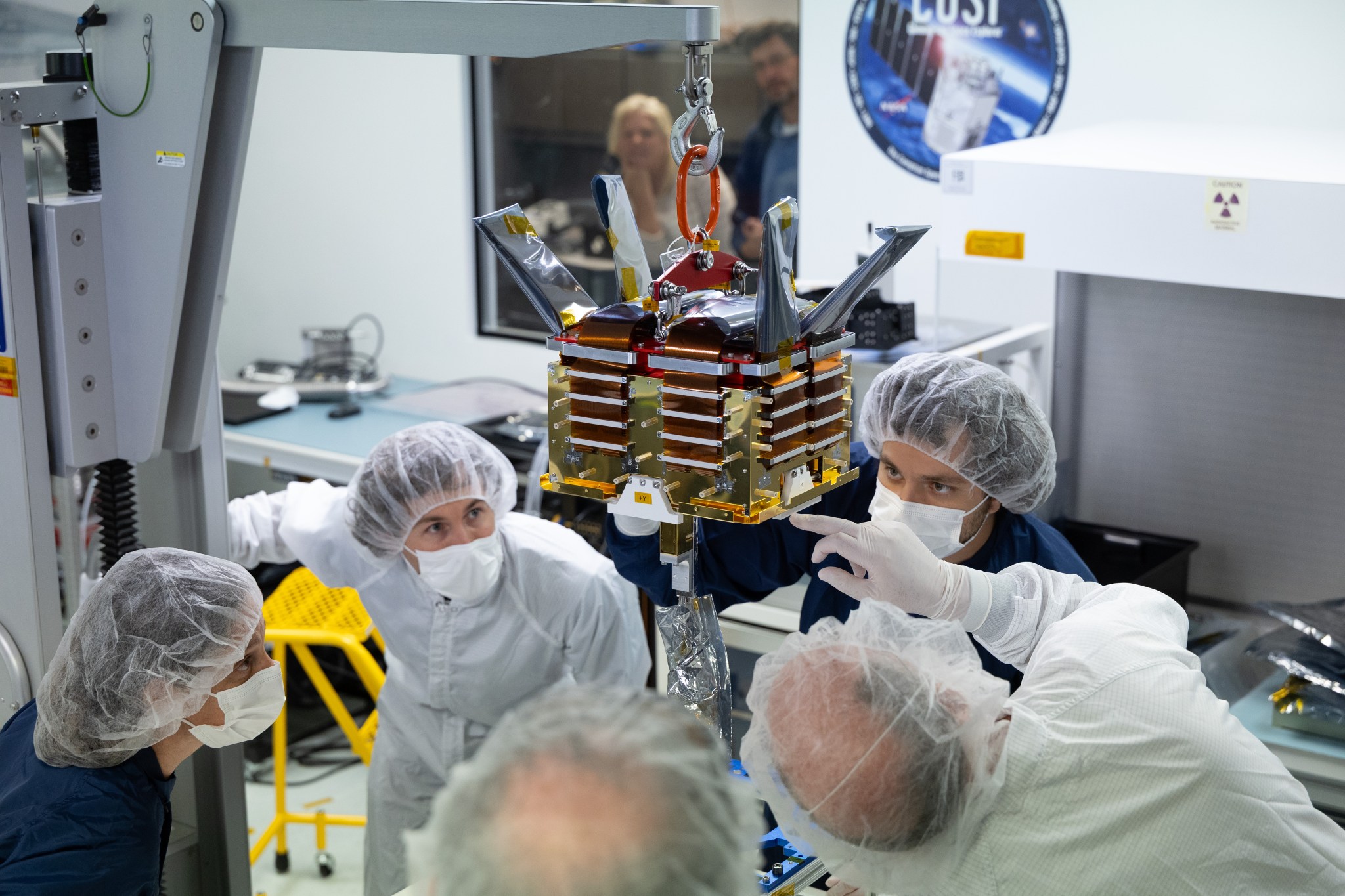
UC Berkeley engineers and managers are watching as the COSI (Compton Spectrometer and Imager) detector assembly is carefully lifted from a table, a moment captured on July 8, 2026. COSI is a wide‑field gamma‑ray telescope designed to probe the most energetic events in the Milky Way and beyond, from matter‑antimatter interactions to the final stages of stellar evolution.
China progresses plans for Mars sample return, asteroid flyby and more launch sites
Original Publication Date: 2026-09-18 21:58

China is advancing its lunar and Martian exploration with the Tianwen‑3 Mars Sample Return mission slated to launch in 2028, drill two meters below the surface, and bring back up to 500 g of samples by 2031 to search for past life.
European Space Startups Steal the Show in Paris
Original Publication Date: 2026-09-18 13:35
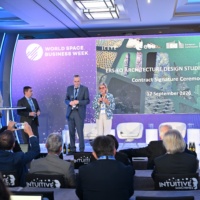
European space startups are stepping into big contracts at the International Space Summit in Paris, breaking the legacy A&D prime dominance. Companies like ICEYE, Aerospacelab, and Exotrail secured multi‑billion‑euro deals for SAR, satellite constellations, and propulsion systems, showing a shift in institutional buyers’ risk appetite and a growing confidence in new‑space capabilities. The French government and European Commission are partnering with startups to build sovereign earth‑observation and signal‑intelligence assets, while the industry acknowledges that startups can deliver faster, cost‑effective solutions. If these ventures scale on time and budget, Europe may cement a new model of space procurement that relies less on legacy giants and more on nimble, venture‑backed firms.
States Campaign to Host the US Space Academy
Original Publication Date: 2026-09-18 12:45
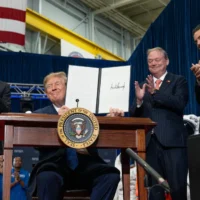
President Trump’s August executive order has sparked a race among U.S. States to host a new civilian Space Academy, with NASA outlining a 2031 launch after breaking ground in 2027. States are scrambling to meet NASA’s 300‑acre, 1,200‑student capacity requirements, and proposals are due October 26, with Texas, Florida, Alabama, Nevada and Colorado already in the mix.
Exclusive: Space Cargo Unlimited Booked a Third of its Starfall Capacity
Original Publication Date: 2026-09-18 12:30
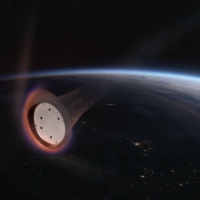
Luxembourg‑based Space Cargo Unlimited has secured a dedicated mission on SpaceX’s new Starfall reentry vehicle, slated to launch on a Starship rocket in 2028. The company has already sold a third of the vehicle’s 1,000‑kg capacity and expects to lock in half of it by year‑end, driven by a surge in demand from pharmaceutical firms and researchers exploiting microgravity for drug discovery. Starfall stands out by offering ten times the payload capacity and greater power than other reentry platforms, a shift that could lower costs and broaden access for scientists worldwide. Space Cargo also plans to deploy its own vehicle‑agnostic “BentoBox” payload across multiple reentry systems, aiming to make it easier for researchers to send lab experiments to orbit without learning the complexities of spaceflight.