 Spotify
 Apple Podcasts
 Podcast Addict
 Overcast
 Podcast RSS
No Robot Has Captured an Uncontrolled Satellite. The Pentagon Is Buying It Anyway.
Original Publication Date: 2026-09-04 20:34
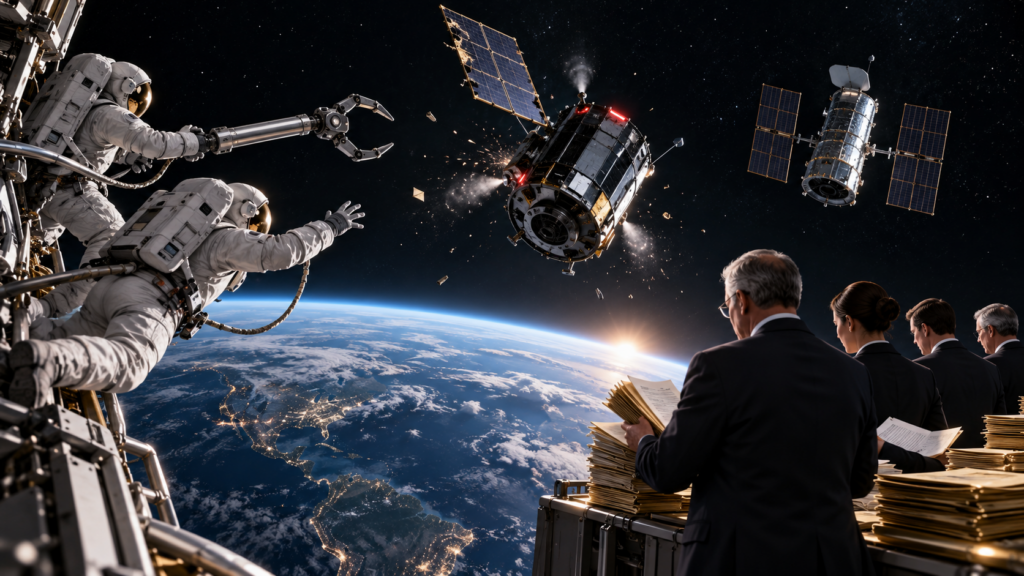
DIU and SDA are acquiring end‑of‑life disposal services to manage aging equipment. The move comes amid growing concerns over system reliability. Katalyst’s recent LINK failure and an empty flight record have exposed critical weaknesses. These incidents underscore the urgent need to address bus reliability challenges.
Silicon Valley Space Week Speaker Focus: Dr. Dan Ceperley, LeoLabs
Original Publication Date: 2026-09-04 18:18

LeoLabs secured a $20.68 million prototype deal in August to showcase a variant of its Scout‑S S‑band transportable radar, which it first deployed in the Indo‑Pacific in June. The agreement underscores the company’s push to refine satellite‑tracking technology for space situational awareness. At the same time, Dr. Dan Ceperley, LeoLabs co‑founder and COO, opened the Satellite Innovation event at Silicon Valley Space Week, signaling a new chapter for the firm. This milestone positions LeoLabs at the forefront of commercial space surveillance solutions.
The Labors of Love
Original Publication Date: 2026-09-04 14:52
The article urges readers to dive headfirst into their work, avoiding hesitation and staying in shallow waters. It compares diligent individuals to oxen and water buffalo pulling heavy carts, emphasizing relentless effort and massive patience. By harnessing themselves like these beasts of burden, workers can push through challenges and achieve lasting success. The piece encourages a steadfast, hardworking mindset for anyone seeking progress.
NASA Ames Fire Department Aircraft Firefighting Training
Original Publication Date: 2026-09-04 19:51
NASA’s Ames Research Center fire department will conduct aircraft fire training at Moffett Federal Airfield from Sept. 8 to 11, using a propane‑fueled simulator that produces minimal smoke. Sessions run from 8 a.m. To 8 p.m. PDT, and while flames may be visible to Highway 101 drivers, the controlled burns are safe. The drill aims to sharpen first responders’ readiness for realistic aircraft firefighting scenarios.
NASA Hosts Virtual Artemis Webinar for Blind, Low-Vision Community
Original Publication Date: 2026-09-04 16:48
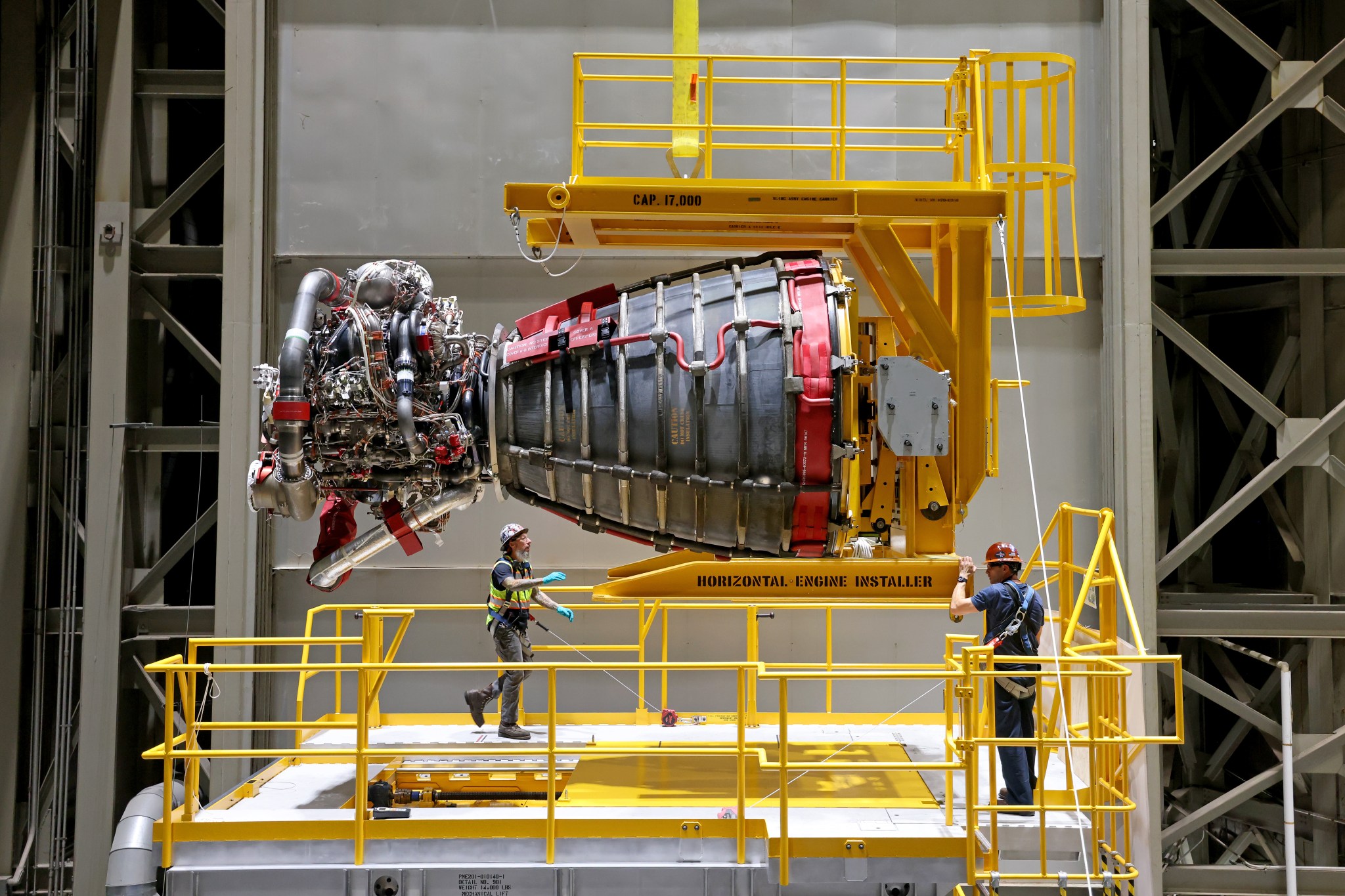
NASA will host a virtual webinar on Friday, Oct. 2 at 2 p.m. EDT titled “The RS‑25 Engine and the Future of Artemis Missions: An Accessible Webinar for the Blind and Low‑Vision Community.” The two‑hour event will feature an audio‑described video of an RS‑25 engine test, a Q&A with Artemis engineers, and a panel on accessibility in space science. Participants include NASA scientists from the Chandra X‑ray Observatory, Stennis Space Center, Marshall, Johnson, and freelance writer Christine Malec. To join, RSVP by Sept. 25 and contact thalia.k.patrinos@nasa.gov for questions.
Lunar Occultation of Venus
Original Publication Date: 2026-09-04 14:14
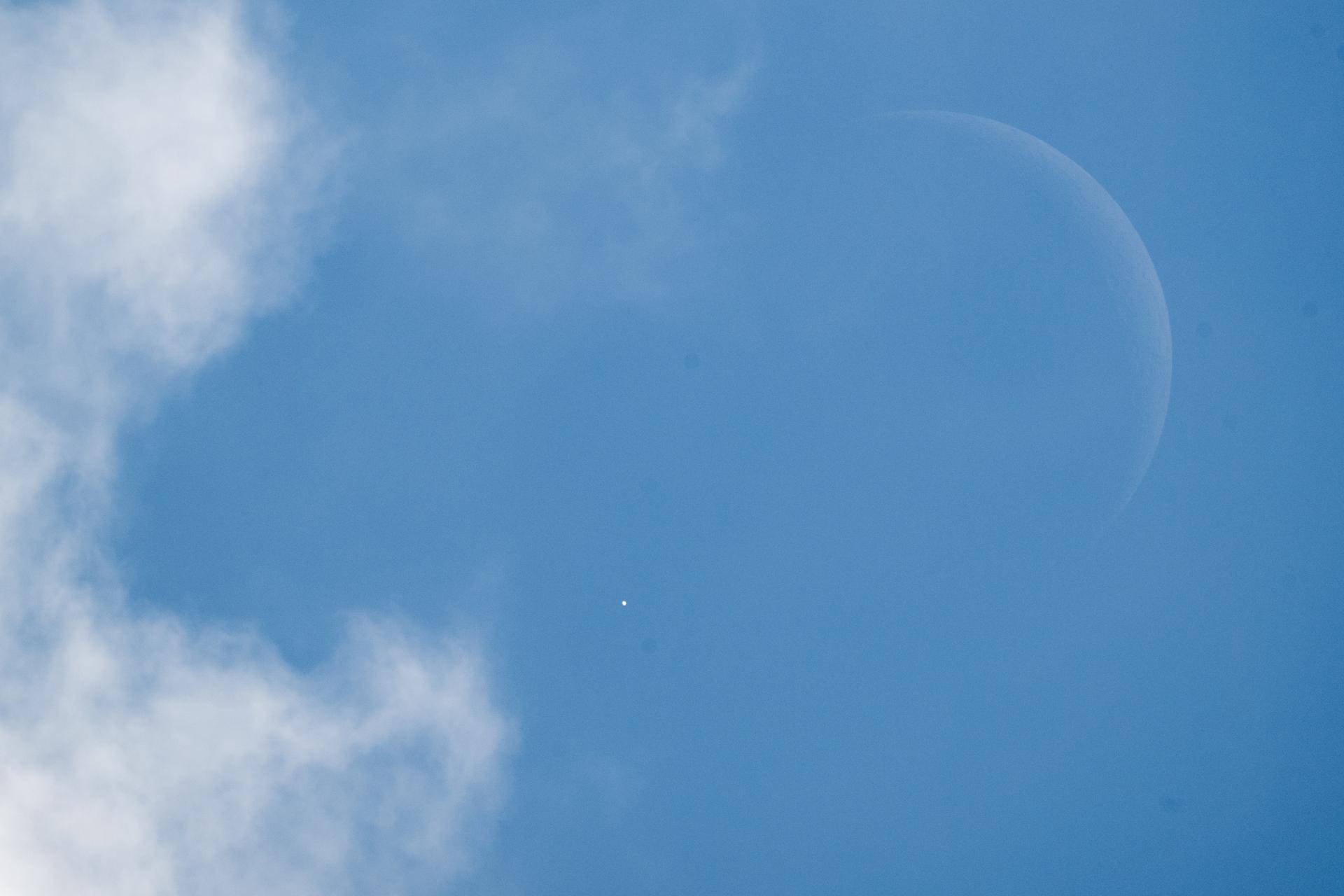
On June 17, 2026, a rare daytime lunar occultation of Venus swept across the skies of the United States and parts of Canada. The Moon slipped directly in front of the bright planet, briefly hiding it from view and creating a striking daylight spectacle for skywatchers. This event marked the first of three occultations slated for 2026, with follow‑ups on September 14—visible from Asia, Africa, Europe, and western Russia—and November 7, seen from southern South America.
Blue Origin expands test and launch sites across the Cape
Original Publication Date: 2026-09-04 20:37

Blue Origin is dramatically expanding its footprint at Kennedy Space Center and Cape Canaveral, adding a new Merritt Island test site and revamping Launch Complex 36.
Scientists detect signals of hydrogen from billions of years ago. Could this help us map out the universe?
Original Publication Date: 2026-09-04 21:00
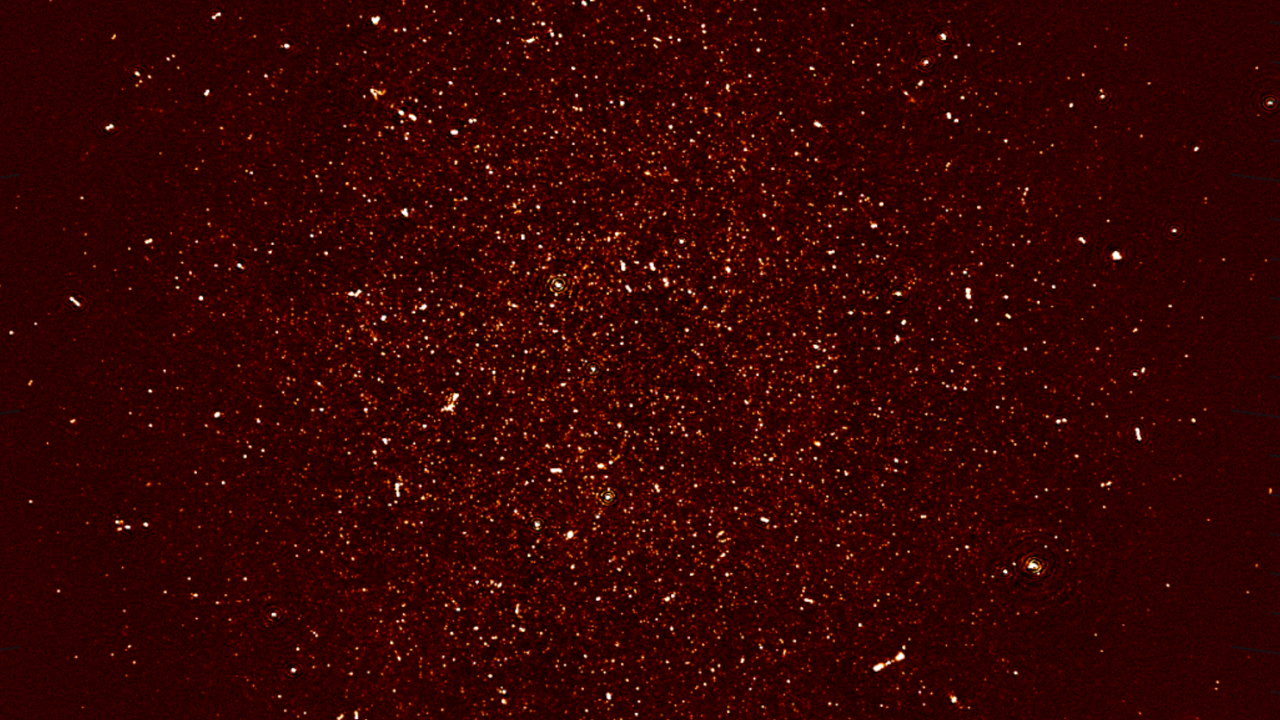
Astronomers using South Africa’s MeerKAT radio telescope have, for the first time, detected faint hydrogen gas from billions of light‑years away, tracing the 21‑centimeter signal that reveals where the universe’s most abundant element sits. This breakthrough in hydrogen intensity mapping lets scientists chart large‑scale cosmic structures without relying on visible‑light surveys, offering a new, efficient way to study galaxy formation and the distribution of matter. The team analyzed 96 hours of data, finding hydrogen signals from 4 to 5 billion years ago, and plans to expand the survey to cover more sky and longer periods. These results pave the way for future projects like the Square Kilometre Array, promising deeper insights into the universe’s history.
Hubble Telescope sees spectacular 'superbubble' | Space photo of the day for Sept. 4, 2026
Original Publication Date: 2026-09-04 14:00
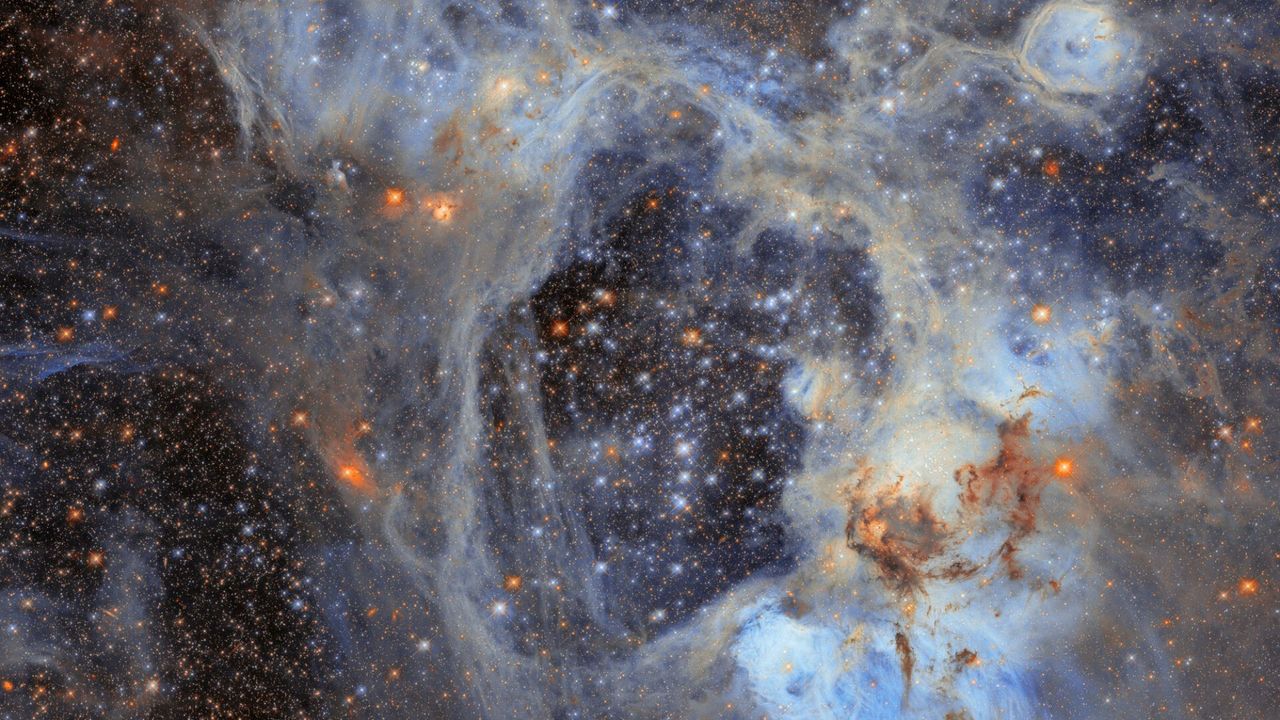
The Hubble Space Telescope has captured a stunning view of the N44 nebula in the Large Magellanic Cloud, revealing a colossal void—called a superbubble—measuring roughly 210 by 140 light‑years across. Scientists think the bubble was carved out by supernova explosions or powerful stellar winds from massive stars, leaving a shell where new stars are still forming. The image showcases the nebula’s glowing, ionized gas and a swarm of young stars, with Hubble having catalogued nearly half a million stars in the region. This observation offers fresh insight into star birth and the forces that shape stellar nurseries.
On this day in space! Sept. 4, 1962: NASA's Mariner 2 spacecrafts performs the 1st-ever maneuver in deep space so it could reach Venus
Original Publication Date: 2026-09-04 14:00
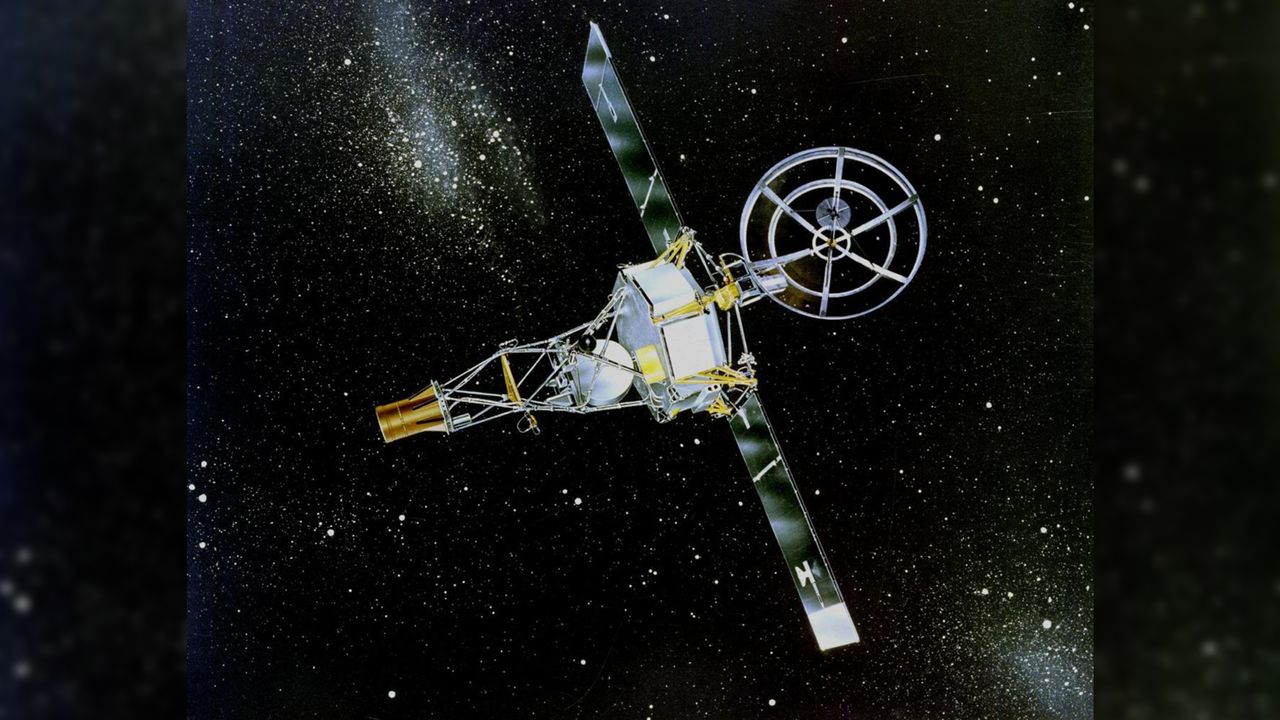
On September 4, 1962, NASA’s Mariner 2 performed the first ever deep‑space maneuver, firing its engines 1.5 million miles from Earth to correct its trajectory toward Venus. The five‑command burn—roll, pitch, turn, and engine burn—shifted the probe’s path from a miss to a close flyby, enabling it to become the first spacecraft to visit another planet. Without this maneuver, Mariner 2 would have missed Venus entirely. This historic correction set the stage for future mid‑course changes that have become routine in modern spaceflight.
How did the infant sun form? Scientists get surprising new insights from 4.6-billion-year-old space dust
Original Publication Date: 2026-09-04 13:00
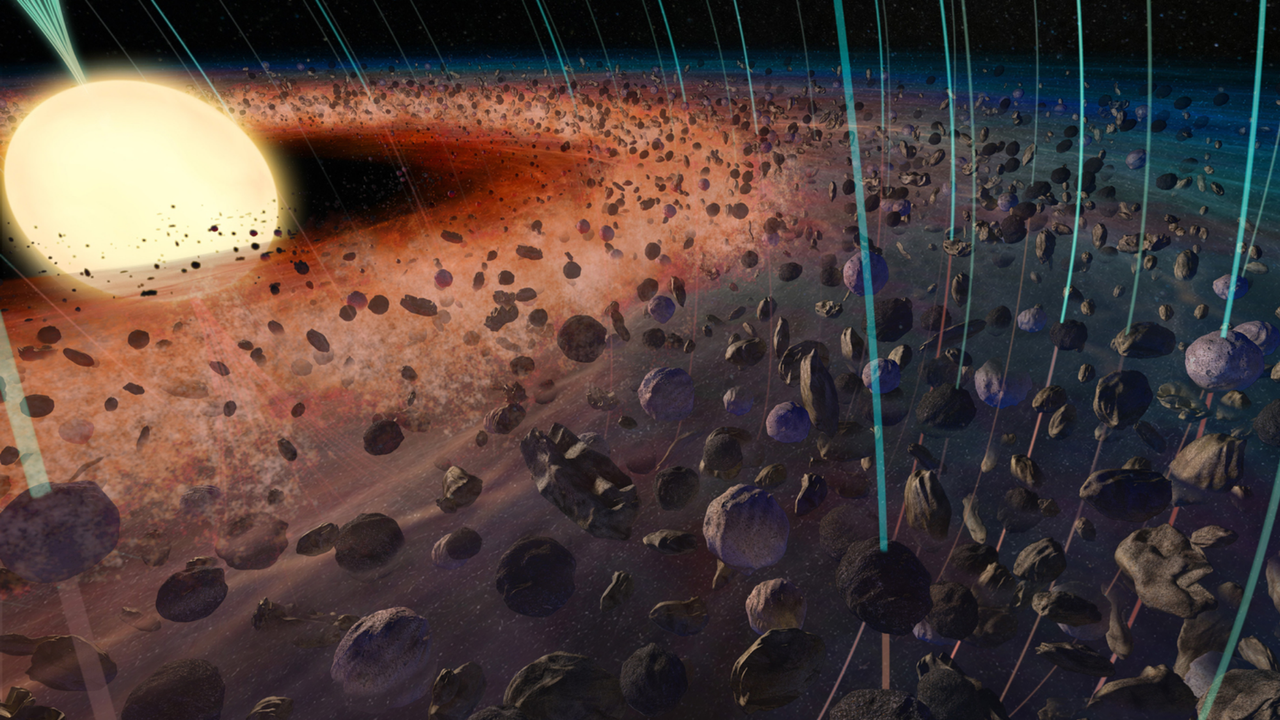
Scientists have uncovered a magnetic “fossil record” in the 4.6‑billion‑year‑old calcium‑aluminum‑rich inclusions of the pristine Antarctic meteorite DOM 08006, revealing a magnetic field 12 times stronger than Earth’s during the sun’s birth. This ancient field likely helped flatten the primordial gas‑dust cloud into a protoplanetary disk, a process previously attributed mainly to gravity. By measuring the remanent magnetization of these grains, researchers demonstrate that magnetism was a key player in shaping the early solar system. The findings suggest that magnetic forces were instrumental in guiding the material that eventually formed the planets.