 Spotify
 Apple Podcasts
 Podcast Addict
 Overcast
 Podcast RSS
Silicon Valley Space Week Speaker Focus: Brian Manning, Xona Space Systems
Original Publication Date: 2026-10-23 20:22

Xona Space Systems secured $250 million in new funding at a $2.45 billion valuation on October 22, just two days after successfully launching six satellites into orbit. Co‑founder and CEO Brian Manning, who founded the company in 2019, will also appear on a panel discussing GPS jamming and spoofing at Silicon Valley Space Week. The deal underscores growing investor confidence in Xona’s satellite‑based positioning technology. Xona’s rapid progress positions it as a key player in the emerging space‑tech sector.
NASA, Partners Accelerate Lander Development for 2028 Moon Missions
Original Publication Date: 2026-10-23 22:39
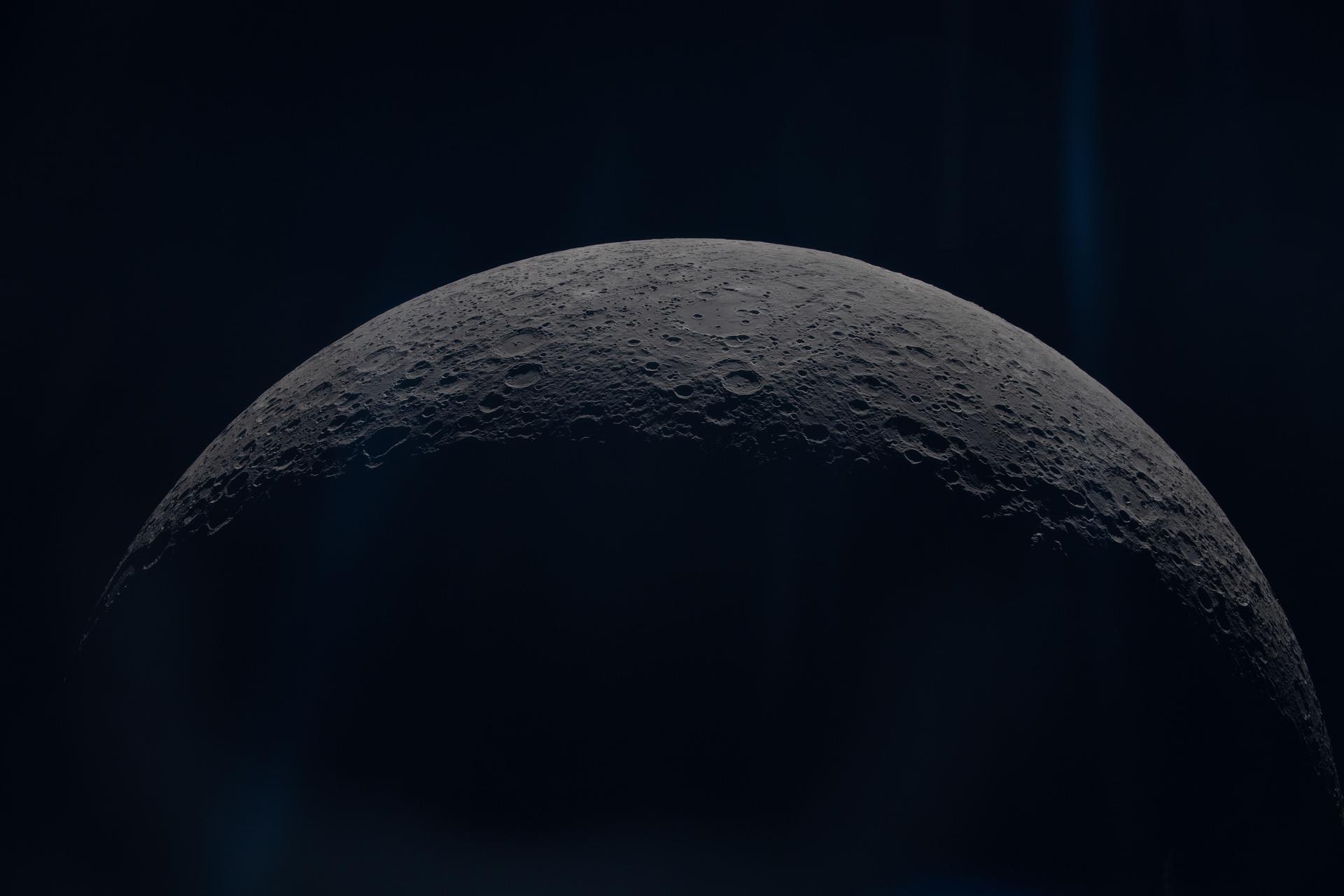
NASA is fast‑tracking a 2028 crewed lunar landing by partnering with Blue Origin and SpaceX, revamping the Artemis III plan to include rendezvous and docking between each company’s lander and the Orion capsule in Earth orbit. SpaceX will use a series of “tanker” Starships to aggregate cryogenic propellant in low Earth orbit, then launch the Starship Human Landing System to the Moon, reducing propellant needs and allowing flexible launch timing. Blue Origin’s Mark 2 Alpha lander will employ three transfer stages to reach an elliptical polar orbit, cutting propellant requirements and shortening the return journey to Orion. Both partners must complete uncrewed demonstration missions and earn NASA certification before the first crewed flights, setting the stage for a historic return of American astronauts to the Moon.
RS-25 Engine Tests at NASA Stennis
Original Publication Date: 2026-10-23 18:57

NASA’s Stennis Space Center fired RS‑25 engine No. 10001 on Oct. 21, 2026, running a 500‑second hot‑fire at 111 % power that matches the engine’s launch burn. The RS‑25, one of four engines that together deliver up to 2 million pounds of thrust on the Space Launch System, is key to Artemis missions. Although this developmental engine won’t fly, the test provides critical data to sharpen engine performance and reliability. The exercise reaffirms NASA’s commitment to ensuring every SLS engine is flightworthy before launch.
NASA Artemis Update: SLS Stacking, Sortie Suit, Dual 2028 Paths
Original Publication Date: 2026-10-24 03:25

NASA’s October Artemis Update revealed progress on the Space Launch System and a new lightweight “sortie” spacesuit designed to keep the 2028 lunar landing on
NASA Outlines the Details of Artemis III and IV Missions
Original Publication Date: 2026-10-23 21:13
NASA plans to land U.S. Astronauts on the Moon by 2028, with Artemis III slated for 2027 and Artemis IV for 2028, testing multiple launch vehicles and landers. Artemis III will begin with an uncrewed Blue Origin New Glenn launch, then an SLS‑delivered Orion crew capsule will rendezvous with Blue Moon, followed by a Starship docking test and Orion subsystem checks. Artemis IV will offer two paths—SpaceX’s Starship HLS or Blue Origin’s New Glenn and Mark 2 lander—both advancing despite recent setbacks. NASA stresses the urgency to beat China, accelerating supply chains and vendor cooperation to keep the schedule on track.
Exclusive: DoD Taps Orbital Operations for Cryogenic Spacecraft Demo
Original Publication Date: 2026-10-23 13:00
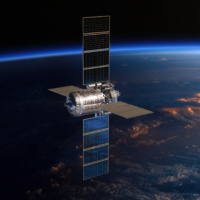
Orbital Operations, a Long Beach startup, is turning the proven versatility of the Lockheed C‑130 into orbit, aiming to bring launch‑vehicle‑class propulsion to on‑orbit missions with its cryogenic‑maneuvering vehicle Astraeus. The company has secured up to $35 million from the DoD for a full‑scale in‑orbit demo and has raised roughly $16 million in private capital, positioning Astraeus to perform rapid maneuvers, logistics, and refueling in low Earth orbit. By keeping liquid hydrogen and oxygen from boiling off, Astraeus could stay aloft for years, offering a reusable “third stage” that can ferry payloads to higher orbits and return to refuel, meeting the Pentagon’s urgent demand for sustained space maneuver. The firm is already conducting engine hot‑fires and refrigeration tests, with the next milestone a flight that could unlock dynamic operations across the contested space environment.
SpaceX launches Starlink satellites from California as Falcon 9 cadence slows (photos)
Original Publication Date: 2026-10-23 23:26
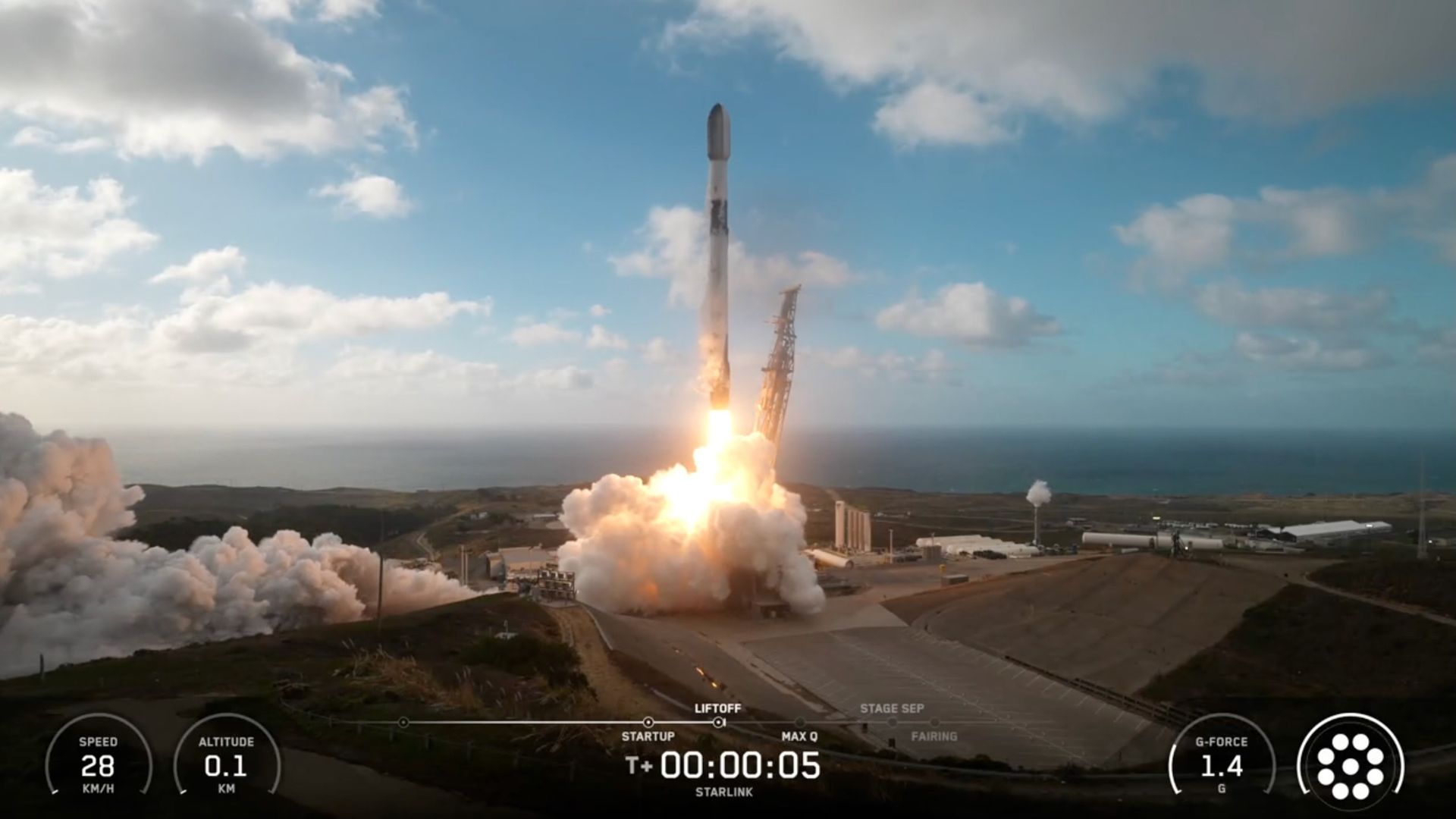
SpaceX's Falcon 9 lifted off from Vandenberg on Oct. 23, 2026, carrying 27 new Starlink satellites into low‑Earth orbit. The rocket’s first‑stage booster, B1063, landed on the droneship “Of Course I Still Love You,” marking its 36th successful landing. With the launch, SpaceX added to its constellation of more than 11,000 satellites while shifting focus toward its larger Starship rocket, which will eventually replace the Falcon 9. This mission underscores the company’s ongoing expansion of global broadband coverage.
On this day in space! Oct. 23, 2007: NASA launches Harmony module to ISS on STS-120 space shuttle mission
Original Publication Date: 2026-10-23 20:47
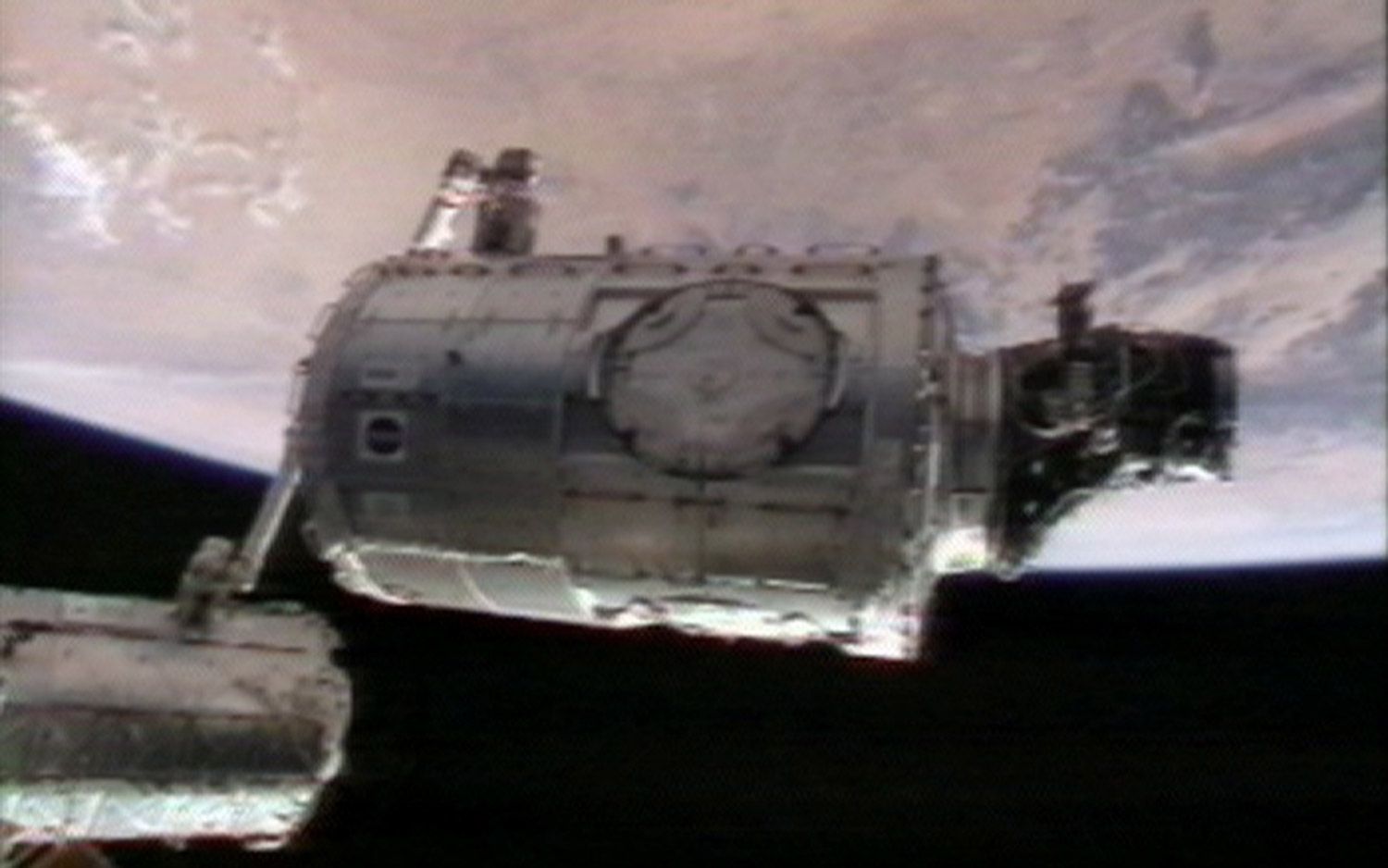
On October 23, 2007, the Space Shuttle Discovery launched the Harmony module—NASA’s second ISS hub—to the International Space Station. The 14‑by‑24‑foot module, built by Thales Alenia Space, became the crew quarters for U.S. Astronauts and a critical link for Europe’s Columbus lab and Japan’s Kibo laboratory. After a brief temporary berth at Unity, Harmony was moved to the Destiny laboratory, expanding the station’s living space from a three‑bedroom to a five‑bedroom “house.” This launch marked a pivotal step in the ISS’s growth, enabling future modules and increased crew capacity.
Private Griffin moon lander gets put to the test | Space photo of the day for Oct. 23, 2026
Original Publication Date: 2026-10-23 14:00
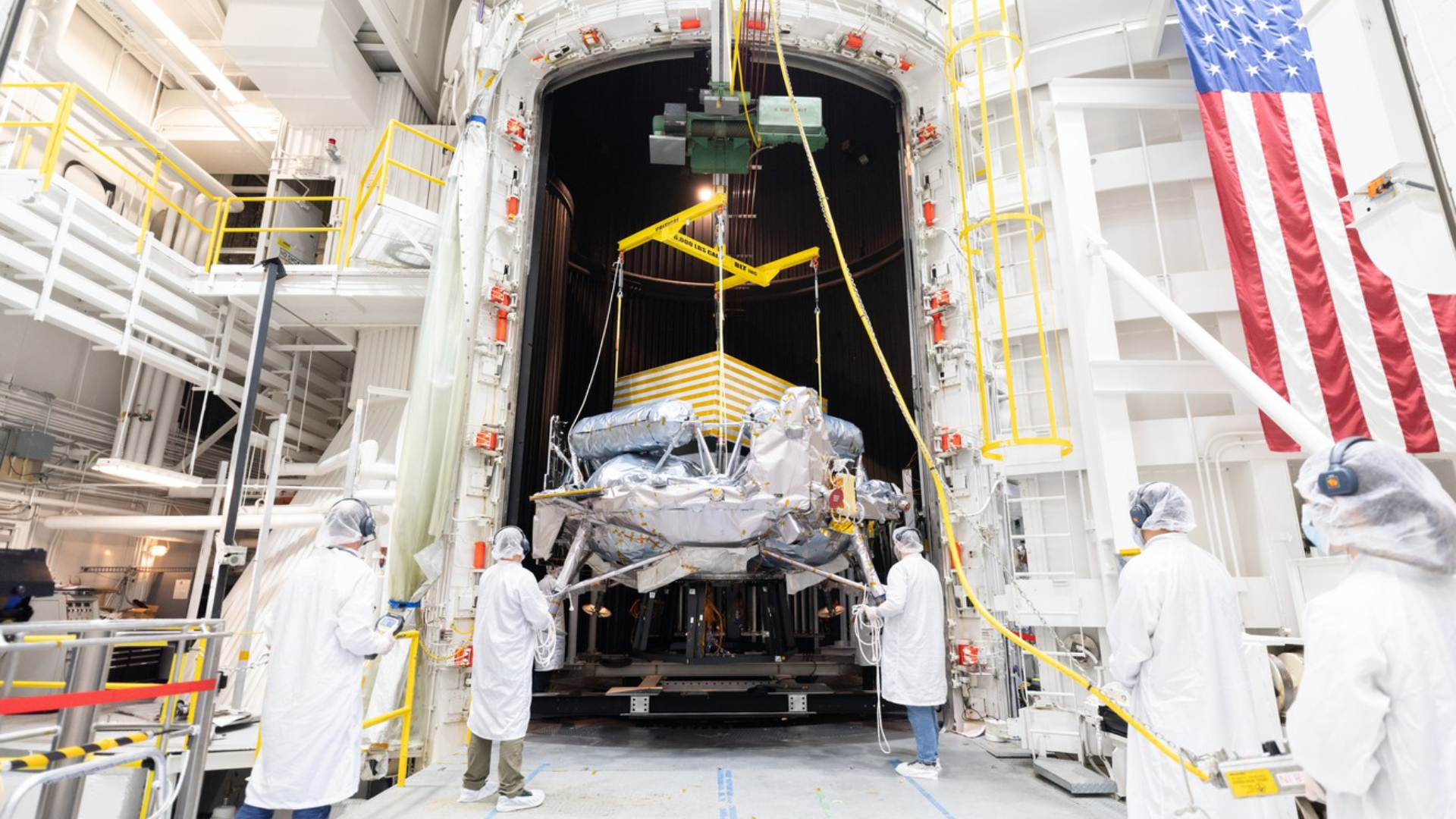
Voyager Technologies’ Griffin‑1 lunar lander has successfully completed a rigorous series of environmental tests at NASA’s Jet Propulsion Laboratory, proving it can withstand the extreme temperatures, vibrations, and acoustic pressures of a lunar mission.
'Stupendously large black holes' aren't a major component of dark matter, study finds
Original Publication Date: 2026-10-23 12:00
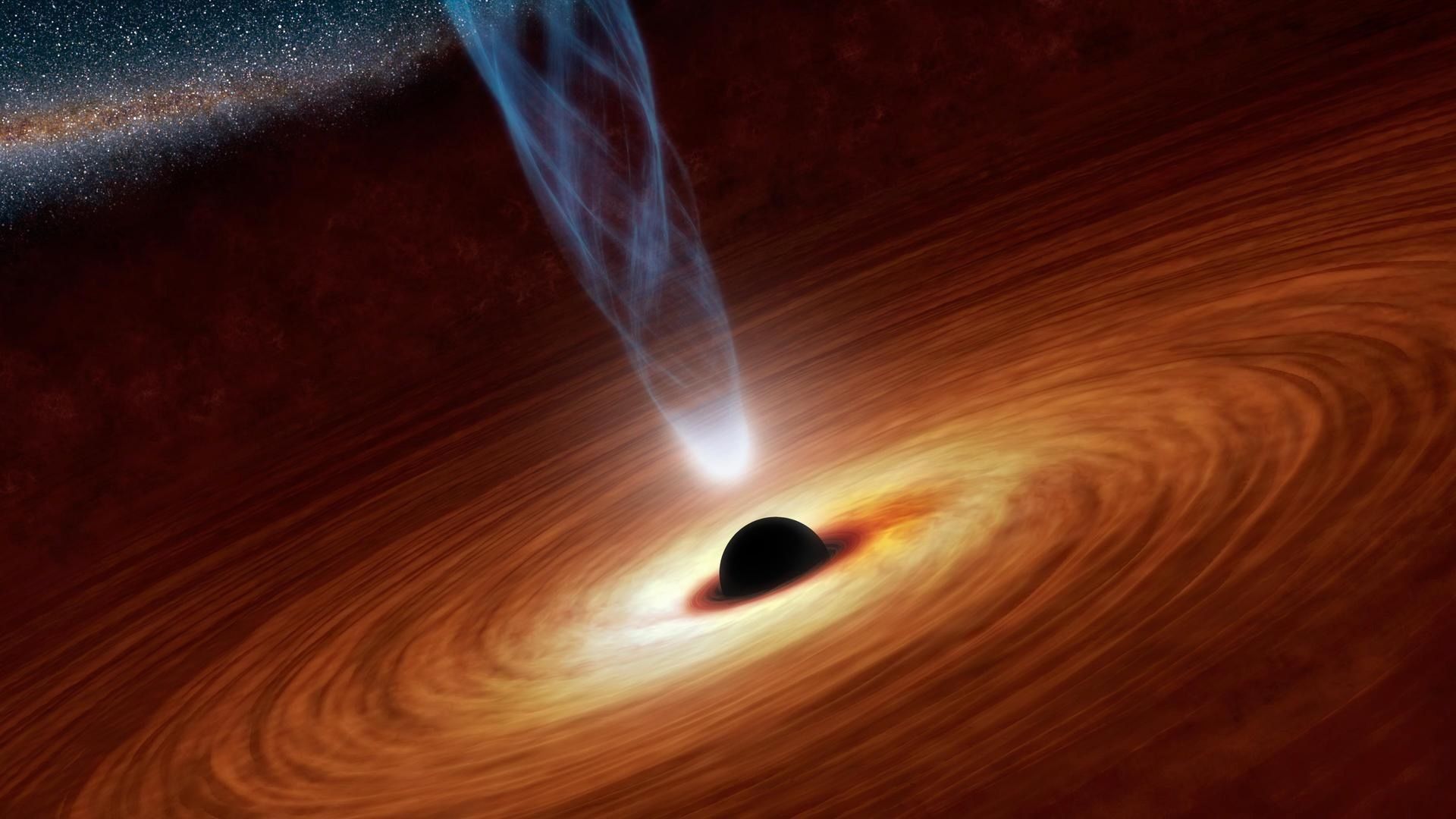
Scientists have ruled out the idea that the mysterious dark matter keeping galaxies together is made up of stupendously large black holes, each weighing more than 100 billion suns. By examining the cosmic microwave background, the team found no grainy pattern that such gigantic objects would create, and none have been observed in the hundreds of galaxies studied. While these titanic black holes are ruled out as a major component, researchers say smaller, asteroid‑mass black holes could still play a role in the dark matter puzzle. The findings will appear in Physical Review Letters on October 26.
Inside the Pentagon, the pressure is on to find a home for a new spaceport
Original Publication Date: 2026-10-23 19:33
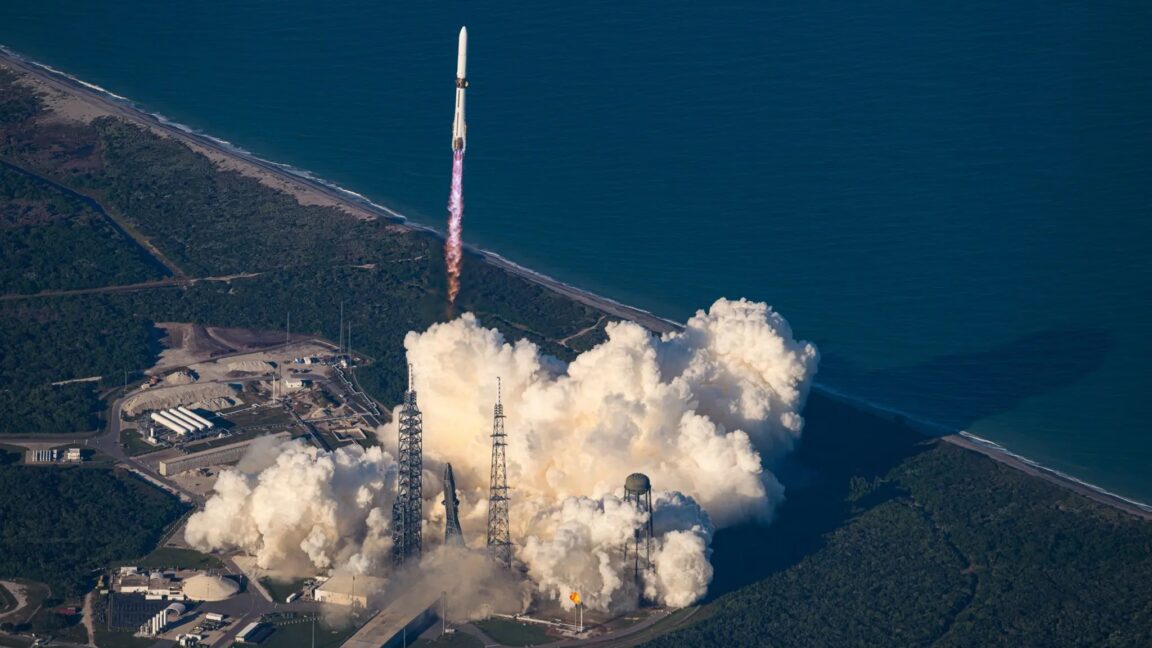
The U.S. Space Force aims to have a new spaceport operational by 2030, adding a third heavy‑lift launch site to ease the load on Florida and California bases that have launched rockets for nearly 70 years. Yet the Pentagon has not yet decided where the new spaceport will be located or how to acquire the land, making the four‑year deadline a tight race. Air Force Secretary Troy Meink first mentioned the search for a third launch base in May, and a congressionally mandated study confirmed the need for another heavy‑ and super‑heavy launch capability.