 Spotify
 Apple Podcasts
 Podcast Addict
 Overcast
 Podcast RSS
SpaceX launches 21 data satellites for the Space Development Agency
Original Publication Date: 2026-10-09 21:41
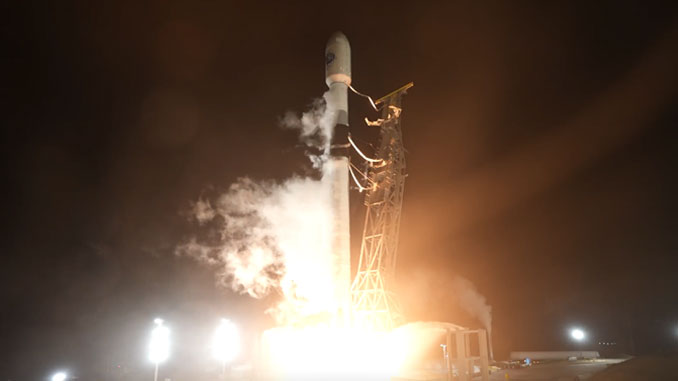
SpaceX successfully launched a Falcon 9 from Vandenberg Space Force Base on Saturday, carrying 21 Northrop Grumman satellites for the U.S. Space Development Agency’s Tranche 1 Transport Layer A mission after a last‑minute abort the previous day. The launch, which began at 12:39 a.m. PDT, followed a southerly trajectory and saw the first‑stage booster B1103 land safely at Landing Zone 4, marking the 668th Falcon 9 landing to date. This mission is part of a broader 126‑satellite constellation designed to give the U.
Blue Origin Commits $550M to Texas Satellite Complex as Jeff Bezos Confirms $10B Equity Round and IPO Roadmap
Original Publication Date: 2026-10-09 21:23
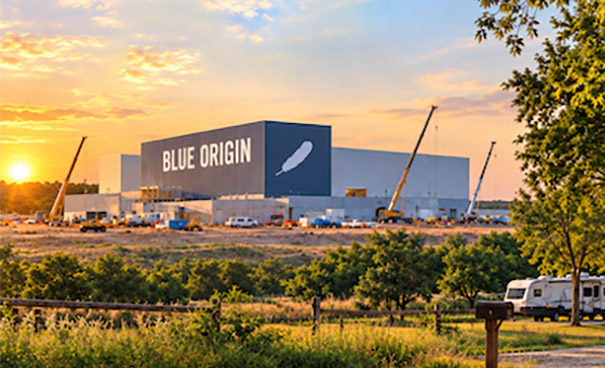
Blue Origin announced plans to build Constellation Park, a $550 million satellite manufacturing complex in central Texas. The 120,000‑square‑meter facility will house advanced production lines for next‑generation satellites. The project is expected to create dozens of high‑tech jobs and bolster the region’s aerospace industry. Construction is slated to begin later this year, with the complex set to open in 2028.
Silicon Valley Space Week Speaker Focus: Patrick Shannon, TrustPoint
Original Publication Date: 2026-10-09 18:34

The U.S. Space Force has scrapped a $1 billion program to harden GPS against jamming, and the GAO reports the Army will not finish fielding anti‑jam receivers on its aircraft until 2049. Patrick Shannon, whose company has ordered forty satellites for a GPS‑free navigation system, discussed the future of protected PNT at Silicon Valley Space Week. These moves underscore growing concerns over navigation security and a shift toward alternative positioning solutions. The industry is poised to adapt as traditional GPS resilience programs wane.
NASA Seeks US Industry Plans for Commercial Space Stations
Original Publication Date: 2026-10-09 18:11
NASA has issued its final Request for Proposals to develop the next generation of commercial space stations, aiming to keep the United States in low‑Earth orbit long after the International Space Station retires. The agency, led by Administrator Jared Isaacman, says these stations will support research, technology development, crew training, and missions to the Moon and Mars while opening new opportunities for American industry. Companies must submit their plans by December 8, with contracts expected to be awarded in spring 2027 under firm‑fixed‑price, multi‑award arrangements that will cover design, construction, certification, and operations. This initiative will allow NASA to select multiple contractors early on, followed by competitive task orders for final design, testing, and service delivery.
NASA Demonstrates Next-Generation Heat Shield Technologies
Original Publication Date: 2026-10-09 16:59
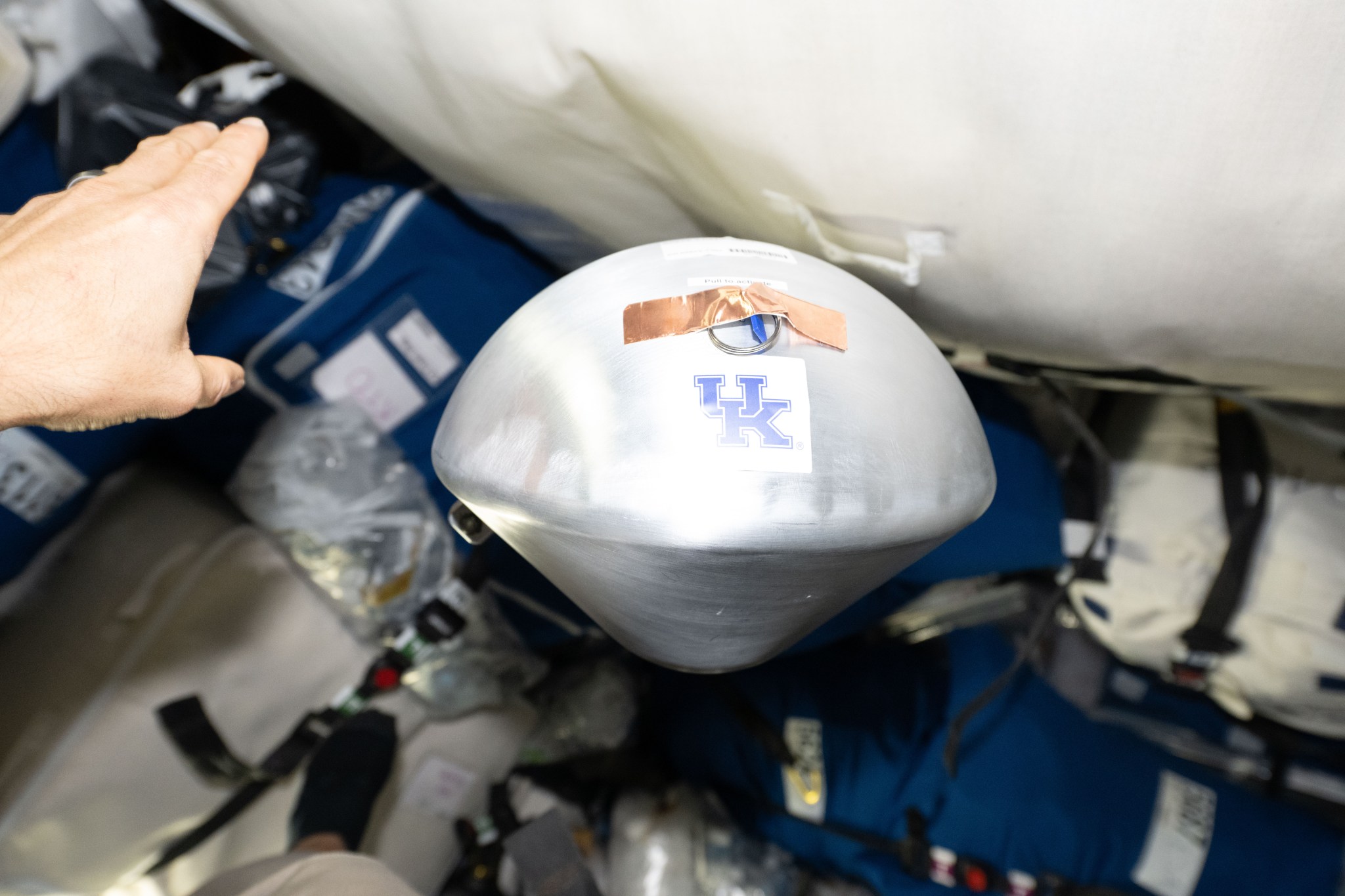
NASA’s latest KREPE‑3 experiment has launched 12 tiny, sensor‑laden capsules inside a Cygnus XL cargo ship that will soon break apart over Earth, turning the spacecraft’s “trash” into a data‑rich test bed for next‑generation heat shields. Designed by University of Kentucky students and backed by NASA’s EPSCoR program, the capsules will measure temperature, pressure, motion, magnetic fields, and light as they re‑enter, sending live data back to researchers. Among the materials tested are proven ceramic tiles, a 3‑D‑printed shield from Johnson Space Center, and a new flexible MERINO composite that could reduce cost and weight for future Mars missions. This low‑cost, high‑impact approach promises to validate computer models and accelerate innovation in thermal protection for crewed and cargo spacecraft.
Cosmic House of Mirrors
Original Publication Date: 2026-10-09 13:57
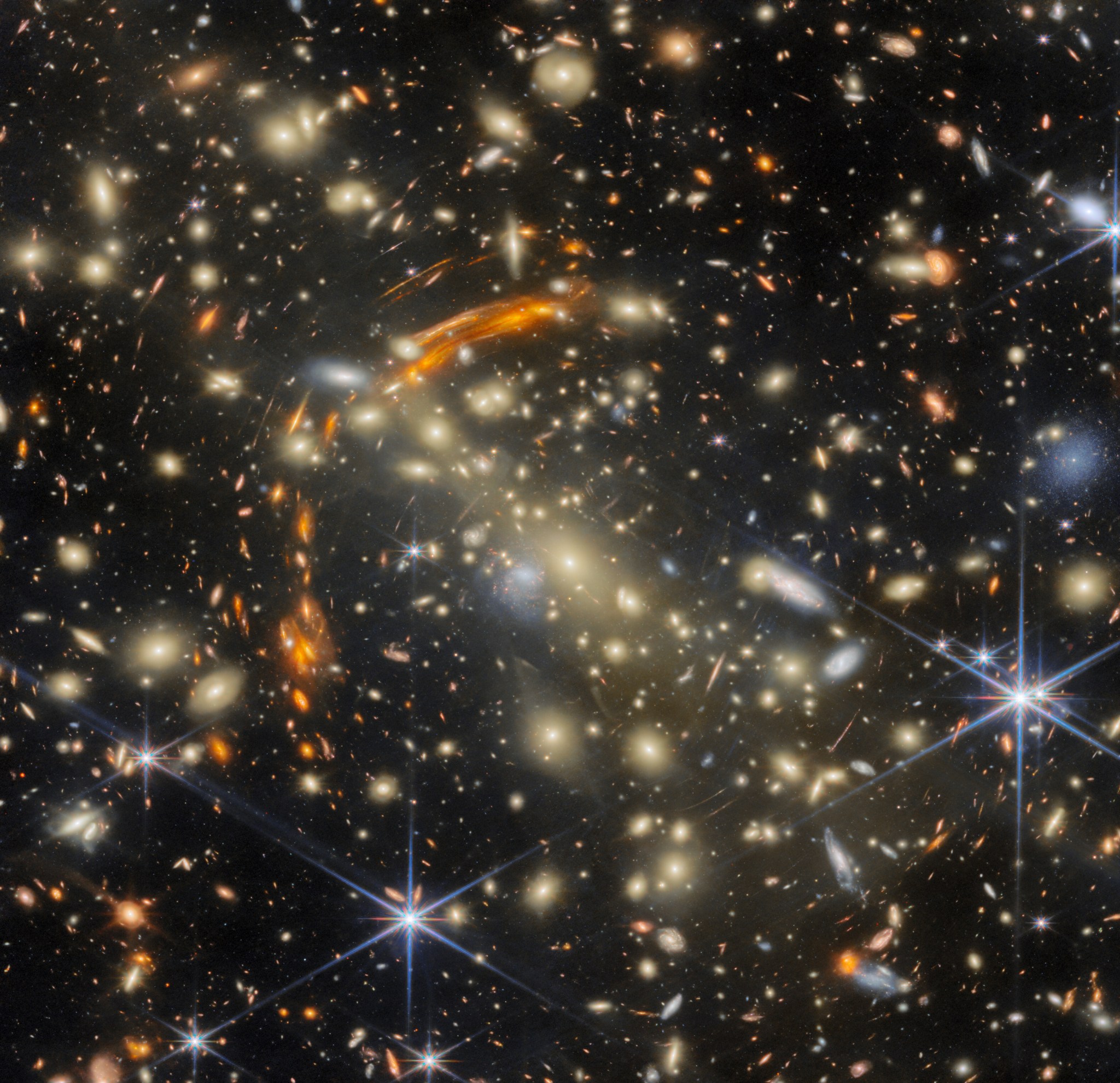
NASA’s James Webb Space Telescope unveiled a stunning view of the galaxy cluster MACS J0454.1‑0300 on September 29, 2026. The bright golden galaxies belong to the cluster itself, while the orange galaxies on the image’s far side are actually much farther away, their light bent and magnified by the cluster’s massive gravity—a classic case of gravitational lensing. This cosmic “house of mirrors” effect lets us glimpse galaxies that would otherwise be invisible. The image showcases the powerful role of gravitational lensing in expanding our view of the universe.
Ship 40 Returns Home as Ship 42 gets more Cryo Proof Testing
Original Publication Date: 2026-10-09 14:36

Space X has sent Ship 42 back to Massey’s for a third cryo‑proof test after removing its six engines, while Ship 40 returned to Texas after a 75‑day sea voyage.
Exclusive: Kapta Space Raises $24M Series A to Build Moving Target Radar Payload
Original Publication Date: 2026-10-09 13:00

Kapta Space, a Seattle‑based startup, has closed a $24 million Series A round, bringing its total funding to $30 million since its 2022 launch. The new capital will help mass‑produce low‑cost moving‑target‑indication radar payloads for classified U.S. Government missions, with two high‑profile demo flights slated for the next 24 to 36 months. Kapta’s radar uses a novel electronic‑steering design that offers a wide view, tracks missiles in mid‑course, and is far cheaper, lower‑power, and less complex than traditional active electronically scanned arrays. This breakthrough could enable the U.S. To deploy hundreds or thousands of space‑borne radar units, dramatically scaling ISR capabilities and potentially supporting future missile‑defense shields.
NASA Signs Space Nuclear Pact, Says Moon Base Is Ahead of Schedule
Original Publication Date: 2026-10-09 12:18
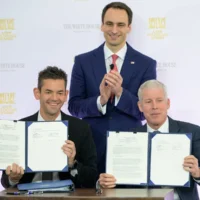
The White House Office of Science and Technology Policy hosted a “Science: A New Golden Age Summit,” where NASA Administrator Jared Isaacman and Energy Secretary Chris Wright signed a new agreement to accelerate joint space nuclear power and propulsion projects. The pact lays out a framework for NASA and DOE to design, build, and launch space nuclear systems, including the SR‑1 Freedom nuclear‑powered spacecraft slated for a 2028 Mars mission and a lunar reactor expected by 2030. It also supports a $6 billion science package that funds NASA Genesis Mission Fellows and other research initiatives. Isaacman announced that NASA will now aim to launch the first Moon Base element in December, ahead of the original 2030 target, and will deploy robotic missions every month starting in 2027.