 Spotify
 Apple Podcasts
 Podcast Addict
 Overcast
 Podcast RSS
Starship in orbit ahead of catch attempt, booster diverts to explosive splashdown
Original Publication Date: 2026-11-13 19:15

SpaceX’s Starship lifted off from Starbase, Texas, on its 15th flight at 4:48 p.m. CST on Friday, November 13, 2026, carrying 26 new Starlink satellites into orbit. While the upper stage performed as planned, the Super‑Heavy Booster 22 diverted to a splashdown off the Gulf of Mexico, exploding before it could be caught by the pad’s recovery system. This marks the third time the Version 3 booster has failed to return safely to the launch site. If all systems remain healthy, the Starship vehicle is scheduled to return to the launch site about 22½ hours later, around 3:20 p.m. CST.
ULA delays to Saturday Vulcan rocket launch of 40 Leo satellites for Amazon
Original Publication Date: 2026-11-13 12:25

United Launch Alliance’s Vulcan rocket, fitted with six solid boosters, is poised for a Saturday launch from Cape Canaveral’s Pad 41 after a one‑day delay caused by a power cut at a nitrogen plant. The 215‑foot vehicle will carry 40 Amazon Leo satellites on its first flight of a redesigned booster nozzle and Blue Origin‑made BE‑4 engines, aiming for a 12:32:30 p.m. EST liftoff.
York Space Systems Posts $807.4M Q3 Loss After $749.7M Pentagon Contract Charge
Original Publication Date: 2026-11-13 19:15

York Space Systems reported a third‑quarter net loss of $807.4 million, a dramatic swing from a modest $20.1 million loss in the same period last year. The company’s losses ballooned as revenue fell short of expectations amid rising costs and supply‑chain delays. Despite the steep decline, executives said they remain focused on long‑term growth and are restructuring to improve profitability. The report underscores the volatility facing the aerospace industry.
Outbursts from a Massive Star
Original Publication Date: 2026-11-13 16:39
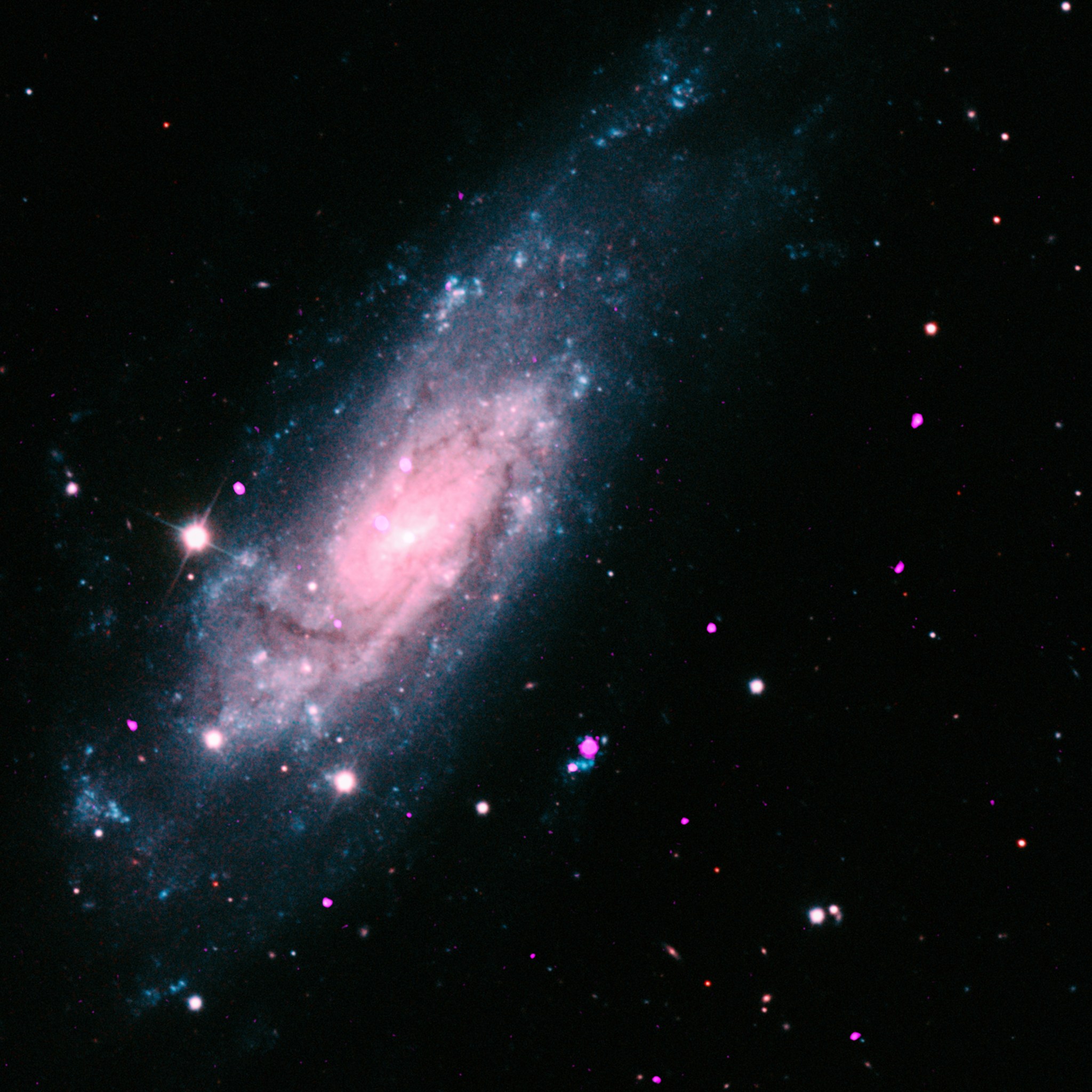
Using NASA’s Chandra X‑ray Observatory, astronomers have pinpointed the cause of repeated outbursts from the massive star AT 2016blu in the spiral galaxy NGC 4559, about 30 million light‑years from Earth. The star, weighing at least 33 times the Sun, is erupting in a way that scientists now believe is triggered by its own instability. The discovery, based on X‑ray and optical data from Chandra and SDSS, sheds light on the life cycles of the universe’s most massive stars. Further details are available through the linked study.
Gemini Astronaut Photos Inspired Early Earth Observation Program
Original Publication Date: 2026-11-13 16:05

NASA’s final Gemini mission in November 1966 saw astronauts James Lovell and Buzz Aldrin capture the first high‑resolution images of the Red Sea and Nile valley from orbit. While completing rendezvous and spacewalks, the crew also demonstrated the scientific value of Earth‑observation photography, sparking a push for dedicated satellite programs. Their images helped convince leaders like USGS director William Pecora that orbital imagery could map Earth resources, ultimately leading to the Earth Resources Observation Satellite (EROS) program and the launch of Landsat. For more than five decades, Landsat and other Earth‑observing satellites have delivered vital data on crops, wildfires, flooding, and land‑use changes worldwide.
Exclusive: Sagittarius Logistics Raises $1.2M to Build Inland Launch Capabilities
Original Publication Date: 2026-11-13 14:00
Colorado‑based startup Sagittarius Logistics, spun out of the former Masten Space Systems, just closed a $1.2 million pre‑seed round from investors such as Nova Threshold and Space Venture Studios to fund the early development of a new reusable launch system. The company plans to build three rockets—suborbital Yellowstone, orbital Sequoia, and heavy‑lift Denali—that can launch from inland sites and abort mid‑flight, returning both stages safely to land. By enabling launches from inland locations, Sagittarius aims to bypass congested coastal launch pads and offer faster, more flexible access to orbit. The founders, led by former Masten CEO Jonathan Slavik, view the venture as a capital‑efficient path to a multi‑billion‑dollar launch business.
Midterms Impact on NASA Budgets
Original Publication Date: 2026-11-13 10:30
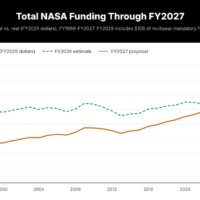
An article titled “Midterms Impact on NASA Budgets” discusses how the upcoming midterm elections could influence funding for NASA. The piece, available only to subscribers, examines potential shifts in congressional support and budget allocations for space exploration programs. It highlights the importance of political dynamics in determining the agency’s fiscal priorities. For more details, readers must access the full subscriber content.
SpaceX launches Starship on ambitious 22-hour Flight 15 test, but aborts booster 'chopsticks' catch (video)
Original Publication Date: 2026-11-13 23:20
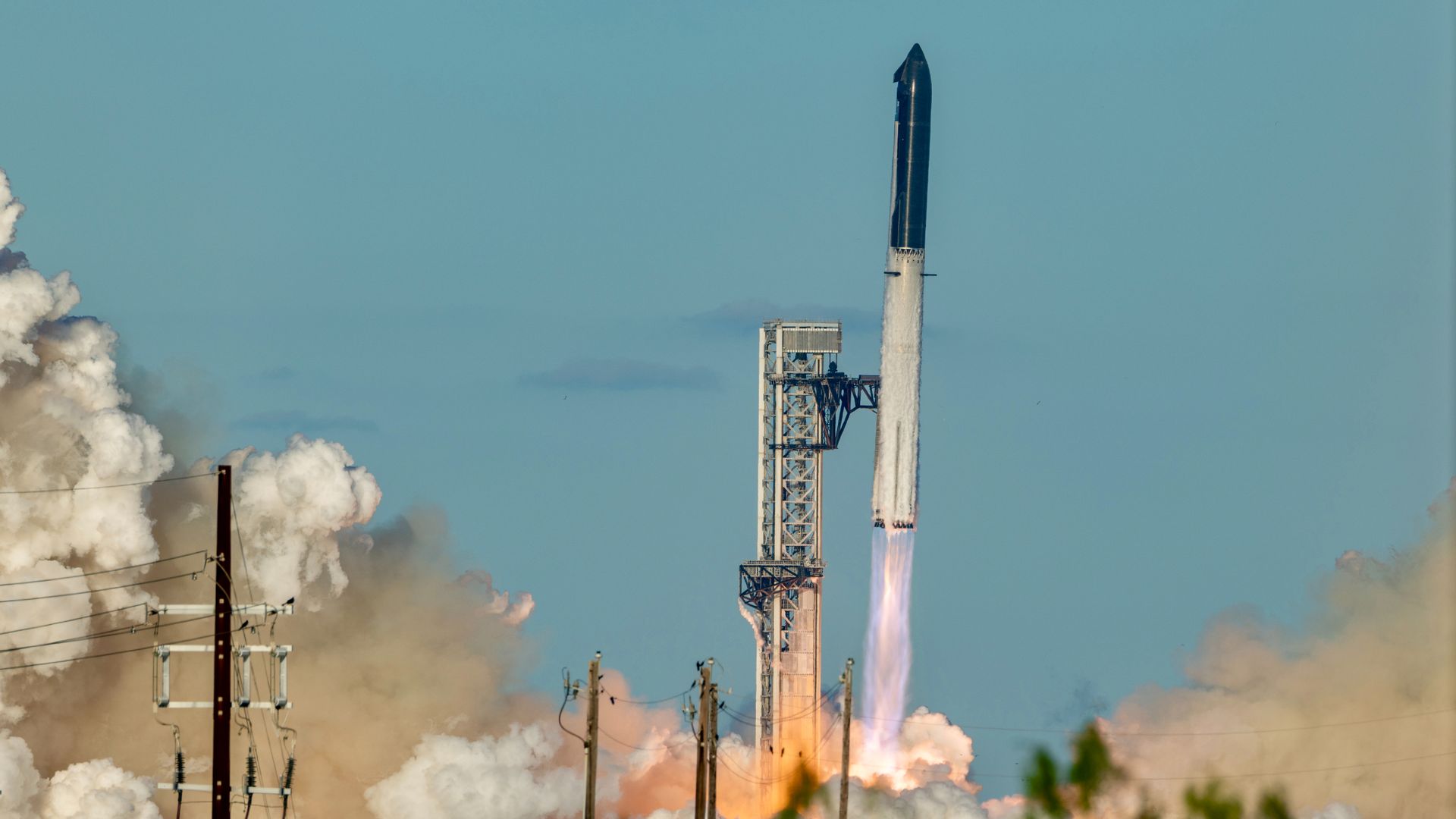
SpaceX launched its 15th test of the Starship megarocket from Starbase, Texas, on Nov. 13, 2026, as the massive Super Heavy booster and Ship upper stage lifted off under 18 million pounds of thrust.
On this day in space! Nov. 13, 1971: NASA's Mariner 9 becomes 1st spacecraft to orbit Mars, revealing close looks at the Martian surface
Original Publication Date: 2026-11-13 21:25
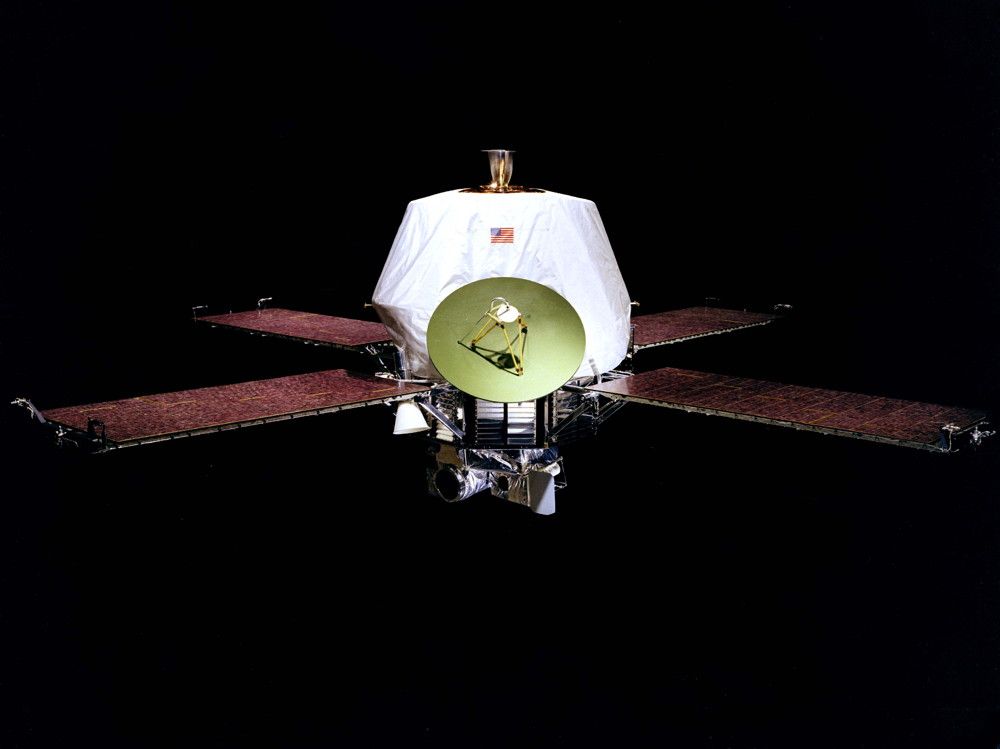
On November 13, 1971, NASA’s Mariner 9 became the first human‑made spacecraft to orbit Mars, outpacing the Soviet Mars 2 mission.
100 launches! Rocket Lab sends Earth-observing satellite to orbit on milestone mission (photos)
Original Publication Date: 2026-11-13 20:00
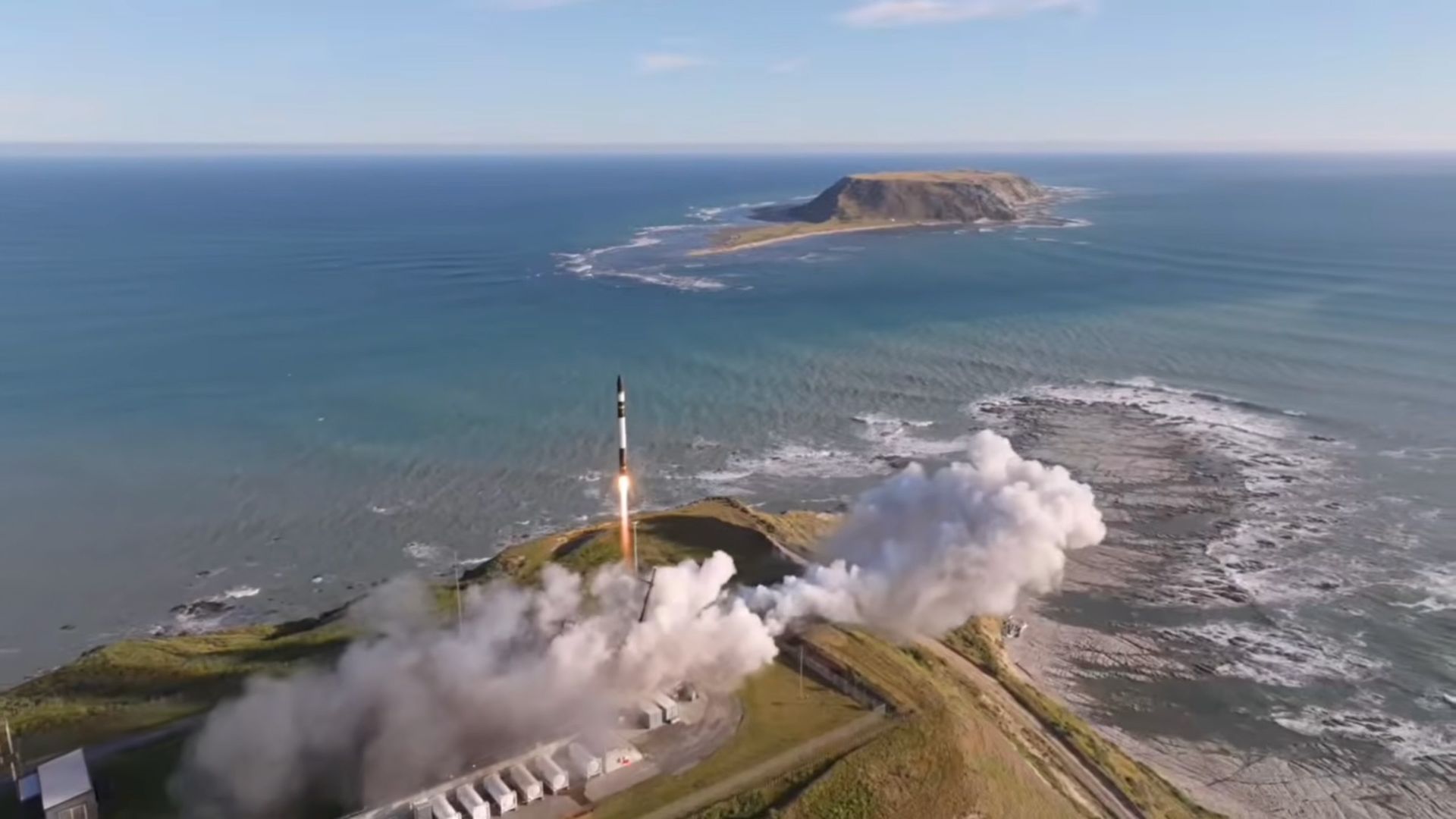
Rocket Lab celebrated a landmark achievement today as its Electron rocket launched the 100th mission from New Zealand, carrying a Japanese Earth‑observing satellite into low Earth orbit. The launch, dubbed “The Mountain God Rises,” marked the fastest time any commercial small‑lift rocket has reached the century mark, surpassing even SpaceX’s Falcon 9. With a 96 % reliability rate across 99 flights, Rocket Lab’s Electron has become one of the most prolific small launch vehicles, delivering satellites for customers like iQPS. The mission’s success underscores the growing maturity and reliability of commercial spaceflight.
California's brand-new Air & Space Center, home of the space shuttle Endeavour, opens today
Original Publication Date: 2026-11-13 19:30
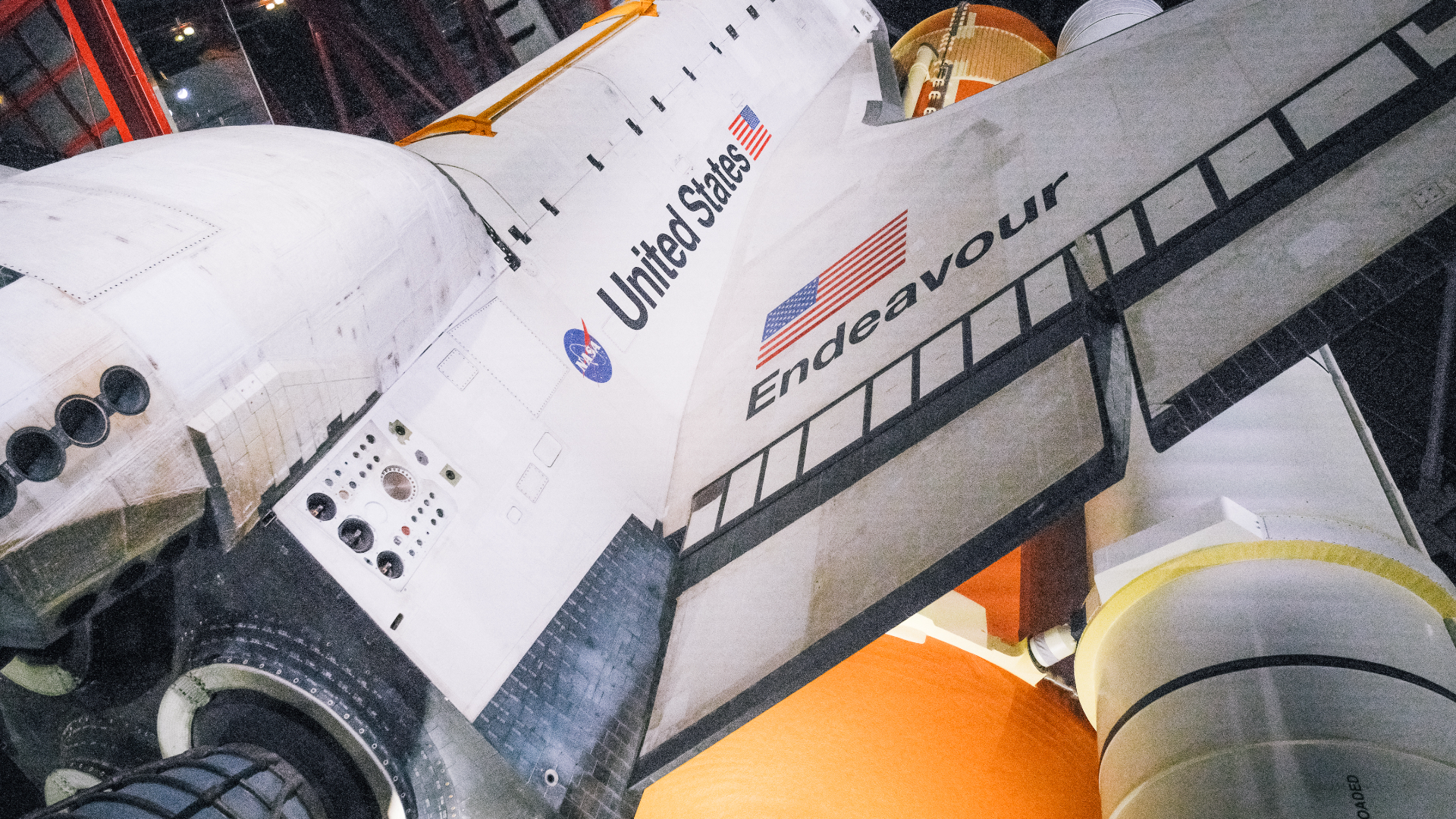
The California Science Center has opened its new Samuel Oschin Air & Space Center, unveiling a massive new wing after more than three decades of development. At its heart stands the retired space shuttle Endeavour, towering nearly 200 feet and offering visitors an up-close view from a replica launch tower and transparent floors. Interactive displays—including a shuttle cockpit replica, landing simulator, and artifacts from 25 missions—allow guests to experience spaceflight history firsthand. While admission to the center is free, visitors must book online reservations, as the opening has generated high demand.
Astronomers trace mystery radio signals back to cosmic odd couple of white dwarf and sun-like star
Original Publication Date: 2026-11-13 17:00

Astronomers have pinpointed a mysterious radio signal to a distant pair of stars—a rapidly spinning white dwarf and a sun‑like companion—about 5,000 light‑years from Earth.