 Spotify
 Apple Podcasts
 Podcast Addict
 Overcast
 Podcast RSS
SpaceX launches CRS-34 cargo mission to ISS
Also covered by: Spaceflight Now, NASA
Original Publication Date: 2026-05-15 23:27
On Friday, May 15, 2026, SpaceX launched Falcon 9 from Cape Canaveral’s SLC‑40 after a weather‑related scrub, carrying Dragon cargo spacecraft C209 loaded with roughly 3,000 kg (6,500 lb) of supplies and experiments—including an 816‑kg Space Test Program payload
Starlink Mobile challengers back proposed telco-led D2D joint venture
Original Publication Date: 2026-05-15 22:06
AT&T, T‑Mobile and Verizon have announced a joint venture to pool spectrum for direct‑to‑device satellite services, aiming to close coverage gaps for rural and hard‑to‑reach areas. The three carriers will work with satellite operators such as AST SpaceMobile, which sees the partnership as a step toward nationwide space‑based broadband. SpaceX, which has already launched Starlink Mobile with T‑Mobile, has expressed skepticism, raising concerns about potential regulatory hurdles and collusion. Analysts suggest the venture will likely act as a marketing intermediary rather than a license holder, with no definitive agreement yet in place.
Virgin Galactic reaffirms plans to begin commercial service this year
Original Publication Date: 2026-05-15 11:48
Virgin Galactic remains on track to launch commercial flights of its next‑generation suborbital spaceplane by the end of the year, with the first SpaceShip vehicle’s airframe already in a testing hangar near Phoenix. Executives say flight testing will begin in Q3 and passenger flights will start in 2027, targeting 650 customers and potentially eight flights a month by Q2 2027. The company is also ramping up production of hybrid rocket motors and has secured strong global interest, selling tickets at $750,000, while maintaining a $251 million cash reserve to support operations. Despite a $65 million net loss, Virgin Galactic’s cash position and declining expenses keep it positioned for the final pre‑revenue phase.
SmallSat Europe Speaker Focus: Moritz Novak, GATE Space
Original Publication Date: 2026-05-15 12:43

Moritz Novak, co‑founder of GATE Space, is pioneering green propulsion systems for maneuverable small satellites. His company is building Austria’s first military satellite. At SmallSat Europe, Novak delivered a tech brief outlining how these innovations will redefine satellite mobility for defense.
Curiosity Shakes Loose a Pesky Rock
Original Publication Date: 2026-05-15 14:45
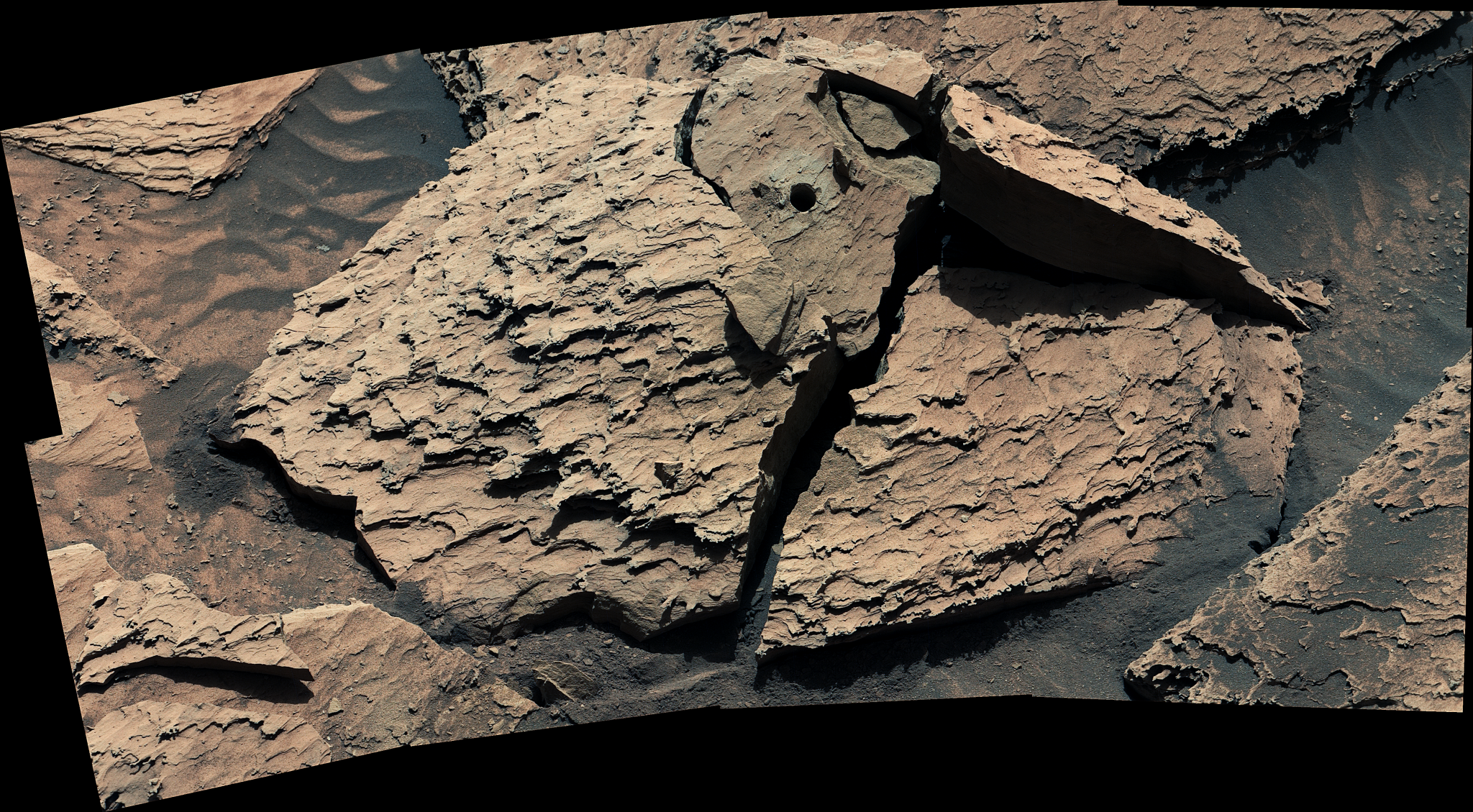
NASA’s Curiosity rover accidentally pulled a 1.5‑foot rock—nicknamed “Atacama”—off the Martian surface after drilling a sample on April 25, 2026. Engineers struggled for days, repositioning the arm and vibrating the drill, until the rock finally detached on May 1 and shattered into pieces. A close‑up image captured by Curiosity’s Mastcam on May 6 shows the broken fragments and the drill hole. The rock would weigh about 28.6 pounds on Earth, roughly a third of that on Mars.
Hubble Sights Galaxy in Transition
Original Publication Date: 2026-05-15 12:01

Hubble Space Telescope has captured a stunning image of NGC 1266, a 100‑million‑light‑year‑old lenticular galaxy in Eridanus that shows a bright core but no spiral arms. Scientists say the galaxy is a rare post‑starburst, having triggered a burst of new stars about 500 million years ago after a minor merger that fed its supermassive black hole.
Intuitive Machines Bets on Lunar Comms with Goonhilly Buy
Original Publication Date: 2026-05-15 12:12
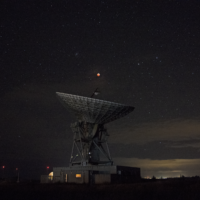
Intuitive Machines has announced a definitive agreement to acquire UK‑based Goonhilly Earth Station and its US subsidiary COMSAT, expanding its deep‑space communications network for lunar missions. The deal, expected to close in Q3, adds Goonhilly’s 30‑ and 32‑meter antennas in Cornwall and multiple US ground stations, providing coverage across X, S, Ka, and Ku bands. CEO Steve Altemus said the acquisition delivers a single, resilient solution that meets customer demand for integrated communications and PNT as launch cadence accelerates. Although the addition is projected to contribute only $14 million in annual revenue, the combined assets are poised to drive significant growth as NASA prepares for dozens of lunar landings.
Iridium Boosts Air Safety Offering With Aireon Acquisition
Original Publication Date: 2026-05-15 12:01

Iridium Communications plans to acquire Aireon, the company that operates the world’s largest satellite‑based aircraft surveillance network, for $366.7 million, taking its ownership from 39 % to 100 %. The deal will give Iridium a stronger foothold in the aviation safety market—one of four growth pillars that also include IoT, PNT and national security—by adding Aireon’s Automatic Dependent Surveillance‑Broadcast system that tracks about 190,000 flights daily. With the acquisition, Iridium will launch space‑based VHF communications to let pilots talk to air traffic controllers in remote areas and expand Aireon’s data services into turbulence spotting, GPS jamming detection and other safety analytics.
Mars orbiter captures striking images of 'chaos and craters' carved by ancient floods
Original Publication Date: 2026-05-15 16:00

ESA’s Mars Express orbiter has released stunning new images of Shalbatana Vallis, a sprawling 800‑mile channel near Mars’s equator that was carved by catastrophic floods billions of years ago. The high‑resolution stereo camera captured chaotic terrain—fractured rock blocks that formed when underground ice melted and collapsed—alongside winding valleys gouged by immense water flows. Layers of volcanic ash, impact craters, and wrinkle ridges reveal a complex history of flooding, lava flows, and erosion that gradually filled the valley with sediments. These images provide compelling evidence that Mars once hosted far warmer, wetter conditions and may have even supported a vast ancient ocean.
Auroras over Australia look like sci-fi from space | Space photo of the day for May 15, 2026
Original Publication Date: 2026-05-15 14:00
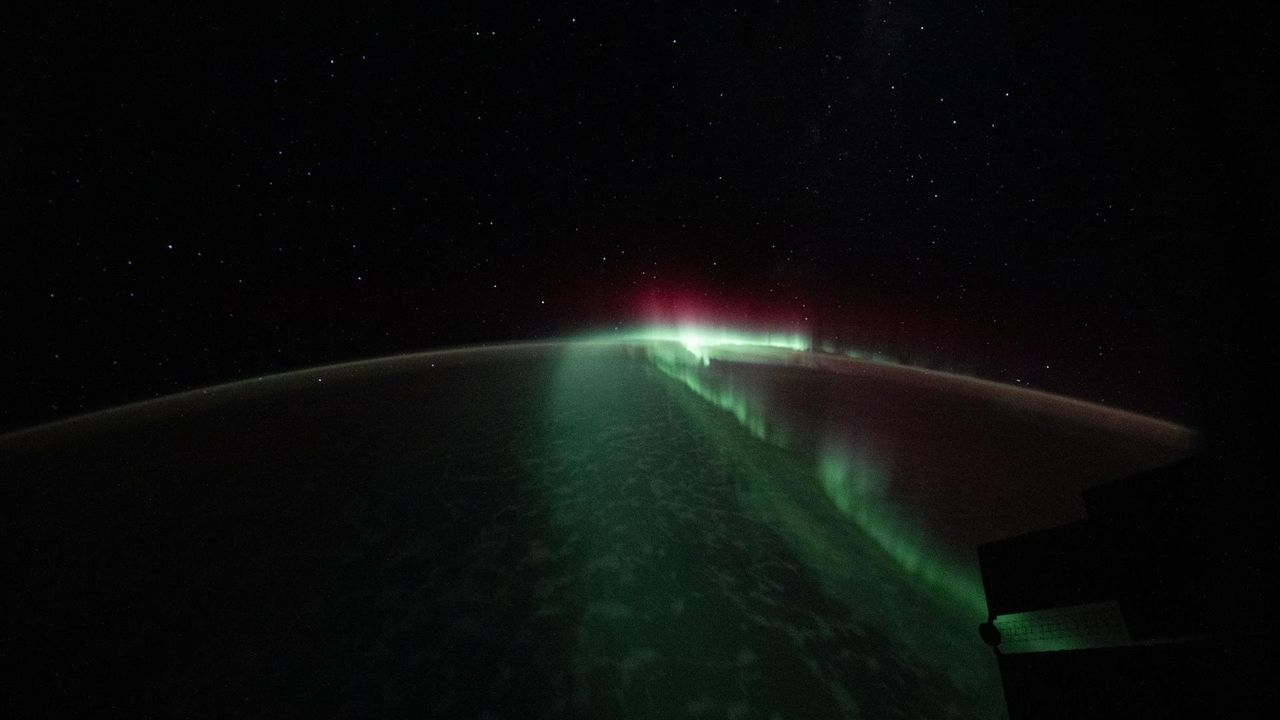
Astronaut Sophie Adenot aboard the ISS captured a stunning green and pink aurora australis over the Indian Ocean near Perth, Australia, on May 7, 2026. The image, taken from 268 miles above Earth, looks like something out of a sci‑fi movie and shows the southern lights in all their glory. Auroras form when solar particles collide with Earth’s magnetic field and atmosphere, creating colorful displays that can occasionally be seen from the Southern Hemisphere. This space‑borne view gives viewers a rare glimpse of the phenomenon from orbit, highlighting the dynamic interaction between the Sun and our planet.
James Webb Space Telescope maps our universe's largest structure in unprecedented detail
Original Publication Date: 2026-05-15 13:00
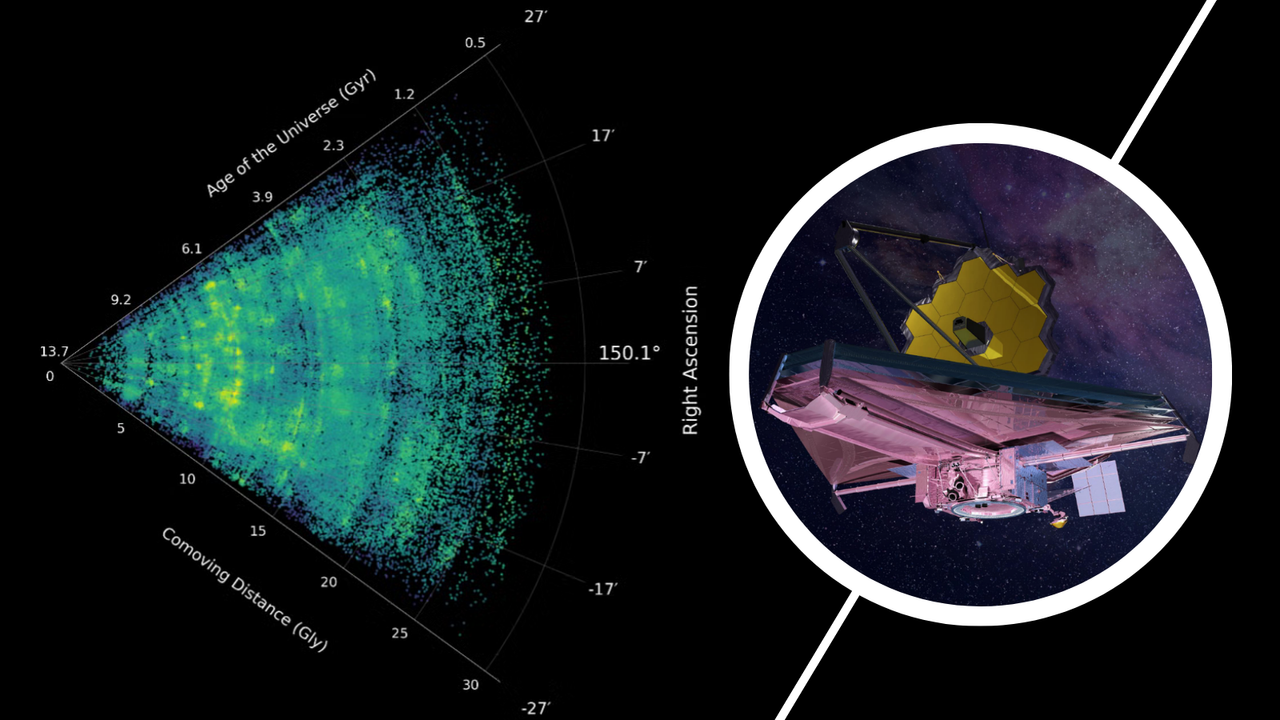
Scientists using the James Webb Space Telescope have completed the largest ever map of the universe's cosmic web, tracing galaxies back to when the cosmos was just a billion years old. The COSMOS‑Web survey covers nearly 14 billion light‑years, revealing the intricate network of filaments, clusters and voids that shape galaxy evolution. Compared with Hubble, JWST’s sharper resolution and deeper reach show structures that were previously blurred into a single haze. This breakthrough, published in The Astrophysical Journal, opens a new window on how galaxies assemble over cosmic time.
We still can't see dark matter. But what if we can hear it?
Original Publication Date: 2026-05-15 10:00
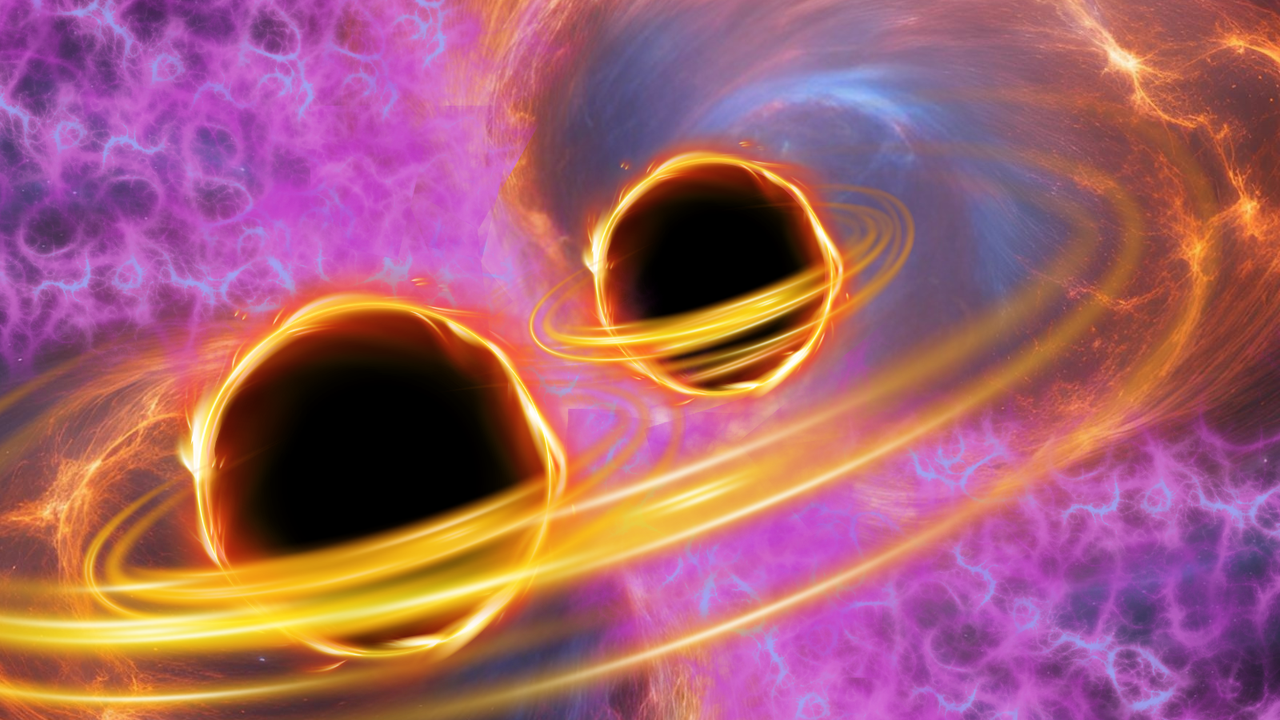
Scientists now propose that we might “hear” dark matter by listening to the ripples in spacetime produced when black holes collide, because spinning black holes could stir dark matter into dense, butter‑like clouds that imprint on the gravitational waves. By modeling how these waves would look in the presence of such dark matter, researchers examined data from LIGO, Virgo, and KAGRA, focusing on the clearest 28 black‑hole mergers. While most events appeared to occur in empty space, one signal—GW190728—showed a subtle signature that could indicate a merger in a dense dark‑matter region. Though not a definitive detection, this hint points the way forward for future, more sensitive gravitational‑wave searches for the universe’s invisible mass.
Solar power production undercut by coal pollution
Original Publication Date: 2026-05-15 20:36

Coal remains the most polluting energy source, emitting vast amounts of carbon, sulfur dioxide, nitrogen oxides, and toxic coal ash that harms health. A new UK study shows that the aerosols produced by coal burning also cut the potential output of solar panels by hundreds of terawatts per year. Researchers built a global inventory of solar farms using satellite imagery and AI to map sites and estimate power production, revealing the hidden impact of coal on renewable energy. This work underscores that coal’s environmental damage extends far beyond health, undermining the efficiency of clean power sources.
Three's a party: US, China, and now Russia are on the prowl in GEO
Original Publication Date: 2026-05-15 19:11
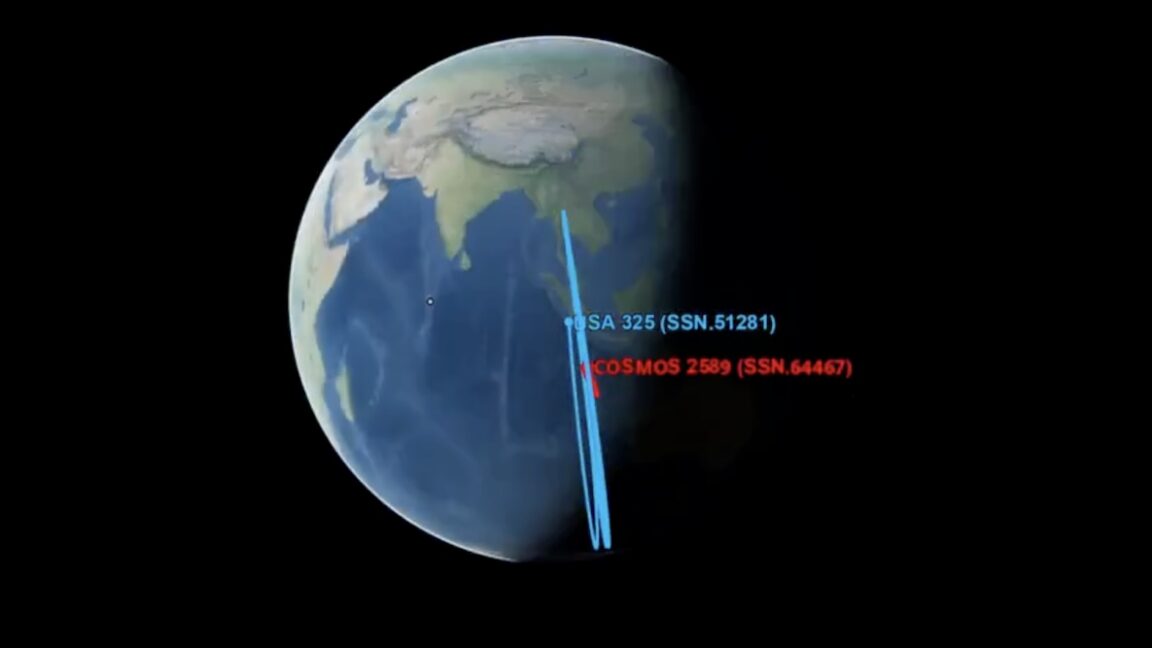
The world’s space superpowers are now racing to dominate the geosynchronous belt, with the U.S. And China already operating “inspector” satellites that hover over the equator to photograph each other’s spacecraft. Russia has joined the fray with its own suspected surveillance satellite, and the U.S. Space Force is preparing to order more reconnaissance satellites to strengthen its presence. These satellites sit 22,000 miles above Earth, moving in sync with the planet’s rotation to maintain a constant view of their targets. This escalating space surveillance competition could reshape the balance of power in the final frontier.
Casimir force co-opted to generate free energy, midichlorians not included
Original Publication Date: 2026-05-15 15:07
Casimir Inc. Has emerged from stealth mode after securing substantial venture capital to pursue perpetual free‑energy technology. The startup also claims success with the controversial EM‑drive thruster, which supposedly converts electricity directly into thrust. While the EM‑drive has attracted attention—featured in shows like Salvation—its scientific validity remains disputed. The company’s bold ambitions have sparked both excitement and skepticism within the energy community.
Rocket Report: Cowboy up for data centers in LEO; Russia's new ICBM actually works
Original Publication Date: 2026-05-15 14:24
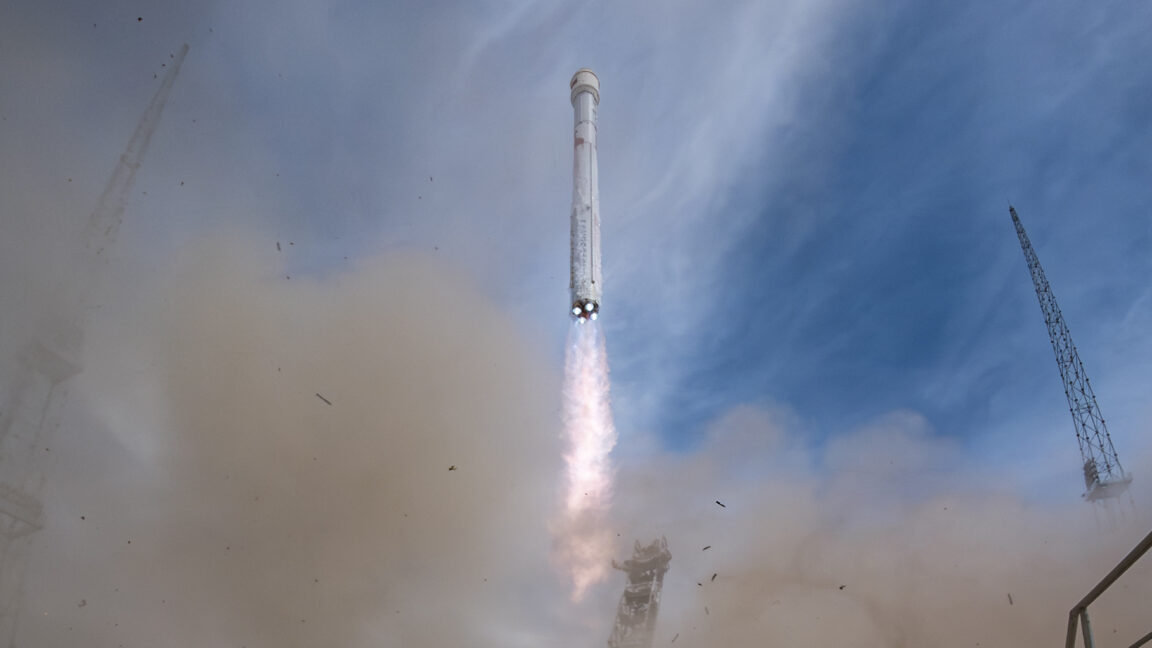
NASA’s third Space Launch System is now assembling at Kennedy Space Center, while SpaceX’s upgraded Starship Version 3 is primed for liftoff from Starbase, Texas, both key to NASA’s Artemis III timeline. Blue Origin’s New Glenn rocket and Blue Moon lander also weigh heavily on the schedule for low‑Earth orbit missions. Meanwhile, Indian startup Skyroot Aerospace is close to its first orbital flight with the Vikram‑1, backed by a recent $60 million funding round that values the company at $1.1 billion. These developments underscore the rapidly evolving landscape of global launch capabilities.