 Spotify
 Apple Podcasts
 Podcast Addict
 Overcast
 Podcast RSS
Swift reboost mission completes environmental tests
Original Publication Date: 2026-05-08 20:22
NASA and Katalyst Space’s Link spacecraft has cleared environmental tests at Goddard, clearing the way for a June launch on a Pegasus XL rocket to boost the decaying orbit of the Swift gamma‑ray observatory. The $30 million contract turned a demonstration craft into a reboost mission, with Swift’s orbit expected to fall below 300 km as early as May, threatening reentry. Katalyst’s rapid eight‑month turnaround and NASA’s adjustments—shutting down instruments to reduce drag—have kept the tight schedule on track, though the mission remains high risk. If successful, the launch could extend Swift’s operational life by several months, delaying its inevitable reentry.
Paraguay signs the Artemis Accords
Original Publication Date: 2026-05-08 15:04
Paraguay became the 67th nation to sign NASA’s Artemis Accords on May 7, joining a growing coalition committed to safe, sustainable space exploration. The signing, led by Space Agency head Osvaldo Almirón Riveros in Asunción, follows a wave of new signatories spurred by the success of Artemis 2 and plans for a lunar base. Paraguay’s modest space program, which includes a $24 million partnership with Japan on satellites, now gains a platform to collaborate on future lunar missions and advance national space capabilities. The move also bolsters U.S. Geopolitical influence in the Global South, countering rising Chinese presence in space.
Rocket Lab announces large launch contract and plans to acquire space robotics company
Also covered by: Payload Space
Original Publication Date: 2026-05-08 11:40
Rocket Lab announced its largest contract yet, signing a five‑launch deal for its Neutron and Electron rockets with a confidential customer for 2026‑2029 at average pricing.
SmallSat Europe Speaker Focus: Johannes Galatsanos, Diffraqtion
Original Publication Date: 2026-05-08 14:01

Diffraqtion CEO Johannes Galatsanos is developing a quantum camera that could deliver twenty times the resolution of today’s optical systems while processing images a thousand times faster. The DARPA‑backed, MIT‑spun project aims to launch its first satellite by 2028. At SmallSat Europe, Galatsanos presented a Tech Brief outlining how quantum sensing will revolutionize Earth‑Observation. This breakthrough could reshape everything from environmental monitoring to national security.
UAE Space Agency Drives Public-Private Collaboration at MIITE 2026
Original Publication Date: 2026-05-08 12:18

On May 7, the UAE Space Agency wrapped up its participation at the fifth Make it in the Emirates (MIITE) 202
I Am Artemis: Anton Kiriwas
Original Publication Date: 2026-05-08 17:36

Anton Kiriwas, a senior technical integration manager for NASA’s Exploration Ground Systems Program, has turned a childhood fascination with a Moon and Mars booth into a career that now helps launch humans back to the lunar surface. After working for United Launch Alliance during the Space Shuttle era, he joined NASA and rose to the pivotal role of launch project engineer, sitting at the heart of Firing Room 1 at Kennedy Space Center. From there, he coordinates test management and engineering teams, making critical go/no‑go decisions during countdowns and troubleshooting any issues that arise. With Artemis II complete, Kiriwas is now applying lessons learned to shape the next chapter of NASA’s return to the Moon.
NASA, Industry Advance High Performance Spaceflight Computing
Original Publication Date: 2026-05-08 17:05
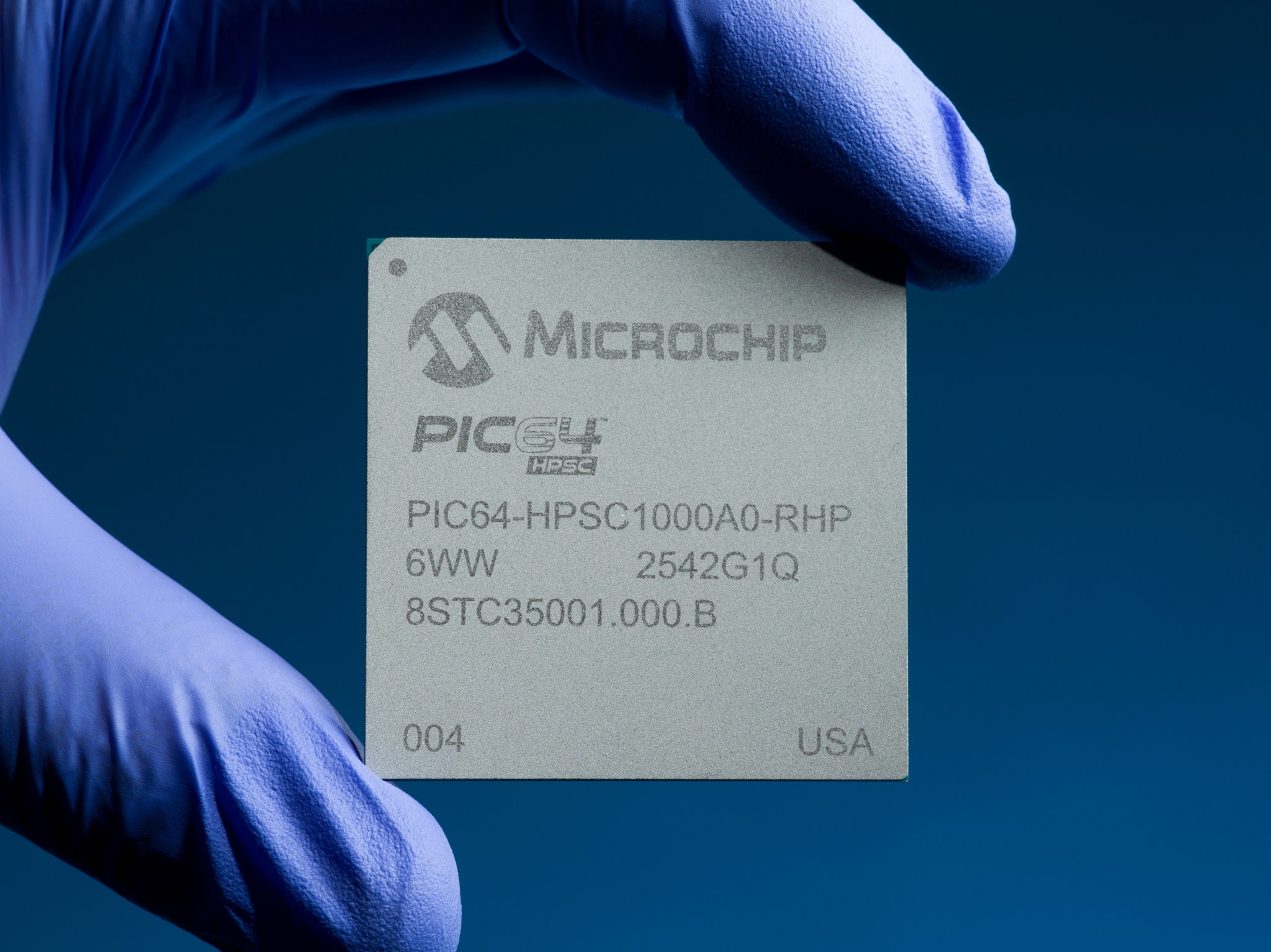
NASA and Microchip are developing a next‑generation system‑on‑chip that delivers more than 100 times the computing power of current space processors. The radiation‑hardened version will power long‑duration missions to the Moon, Mars, and beyond, while a radiation‑tolerant version will secure low‑Earth‑orbit satellites.
Glowing Views from the Space Station
Original Publication Date: 2026-05-08 15:21
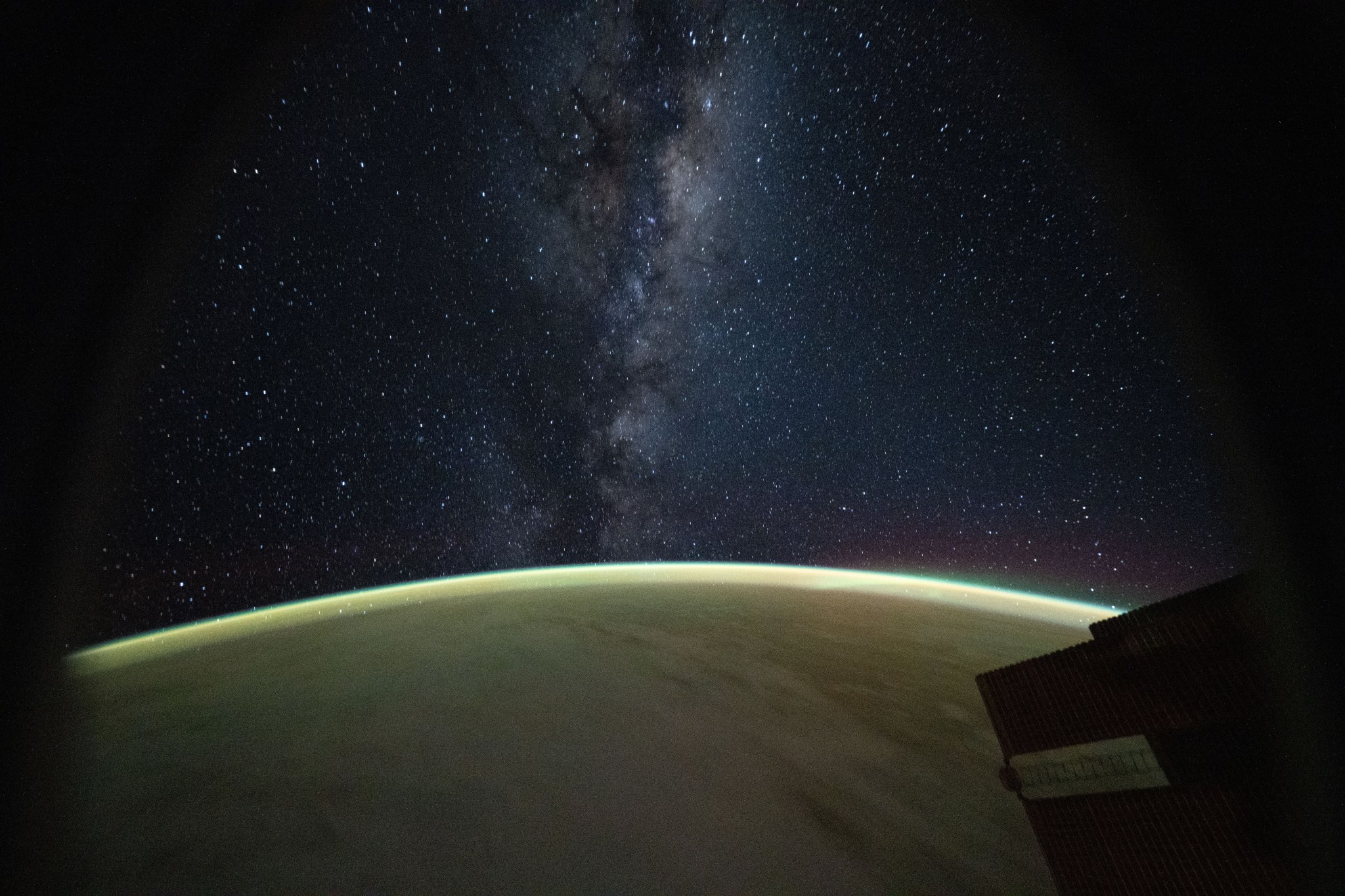
On April 13, 2026, NASA astronaut Chris Williams captured the Milky Way rising above Earth’s atmospheric glow from the International Space Station aboard a SpaceX Dragon. The glow, known as airglow, is produced when upper‑atmosphere atoms and molecules, energized by sunlight, release photons as they return to lower energy states. Unlike auroras, which are driven by high‑energy solar wind particles, airglow results from everyday solar radiation. This stunning image showcases the subtle beauty of our planet’s own light show.
Booster 19 completes Static Fire as Ship 39 prepares for rollout
Original Publication Date: 2026-05-08 22:45

SpaceX’s Block 3 Super Heavy booster, Booster 19, completed a successful 14‑second, full‑thrust 33‑engine static fire on May 7, 2026, validating the new Raptor 3 engines and Pad 2
Lunar Outpost Closes $30M Series B, Unveils New Rover
Original Publication Date: 2026-05-08 12:31
Lunar Outpost has closed a $30 million Series B round led by Industrious Ventures to accelerate production of lunar rovers amid soaring demand for Moon mobility. The funding comes as NASA plans a $20 billion lunar base program, with the company unveiling its Pegasus rover—half the size of its Eagle vehicle—to meet a 2027 launch window. CEO Justin Cyrus said the new capital will help the firm move from annual flights to monthly launches and eventually deploy large‑scale rovers for the base. With six cislunar contracts already signed, Lunar Outpost is poised to play a key role in the next wave of lunar exploration.
HawkEye 360 Raises $416M in IPO
Original Publication Date: 2026-05-08 11:54

HawkEye 360 closed its NYSE debut, raising $416 million on Thursday by selling 16
NASA's Artemis 2 commander and astrophotographer team up to capture breathtaking, never-before-seen shots of the moon's far side
Original Publication Date: 2026-05-09 10:00
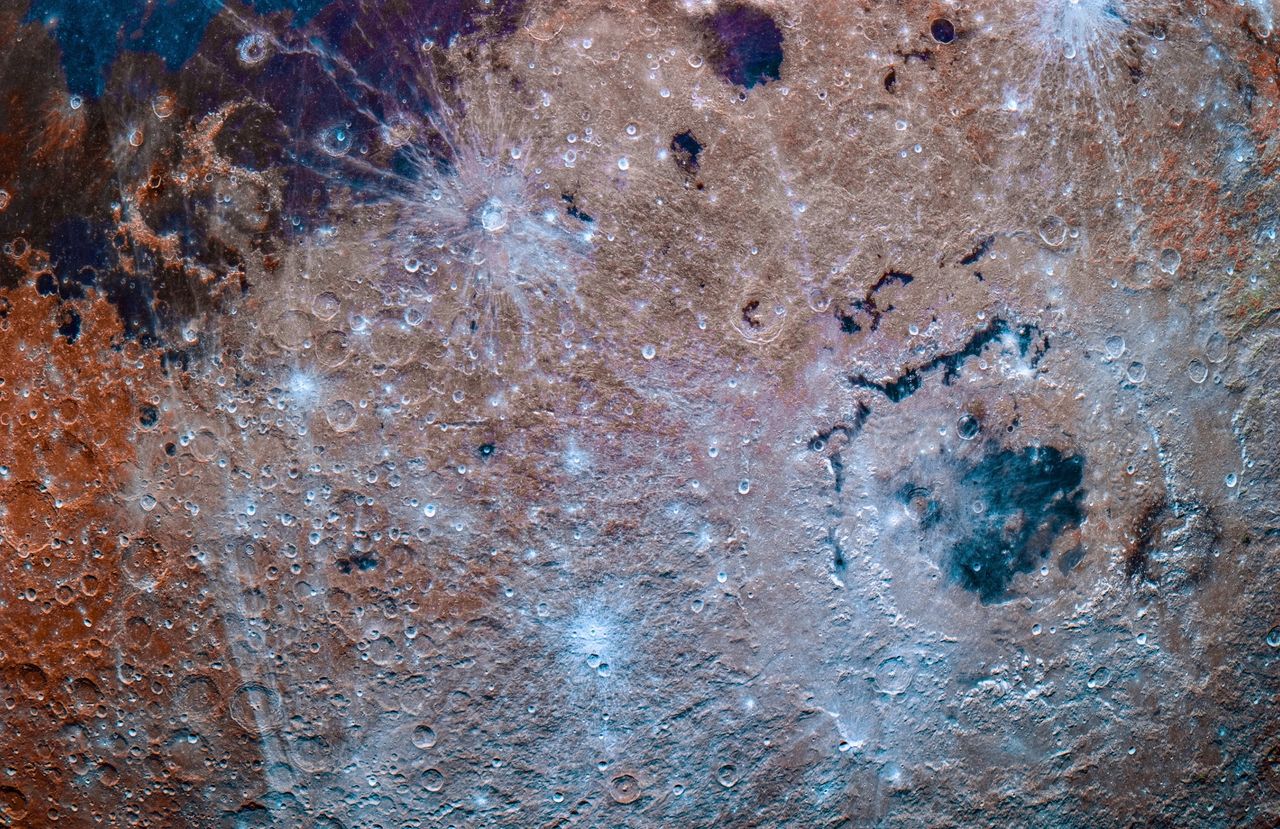
NASA’s Artemis 2 mission, which launched on April 1, carried four astronauts on a 10‑day fly‑by of the moon’s far side, where they captured stunning photographs. Astrophotographer Andrew McCarthy teamed up with commander Reid Wiseman to have the crew use their onboard cameras in a new way, taking multiple exposures that were later stacked to reveal subtle color variations. The resulting images show the far side in richer hues—blue for titanium‑rich basalt and brown or red for iron‑rich, weathered material—offering fresh insight into the moon’s mineral composition. This collaboration marks the first time such high‑fidelity color data has been obtained from the lunar far side.
Pentagon unveils trove of declassfied 'UFO' videos. How to see them all, from 'a football-shaped body' to 'a misshapen and uneven ball of white light'
Original Publication Date: 2026-05-08 22:01
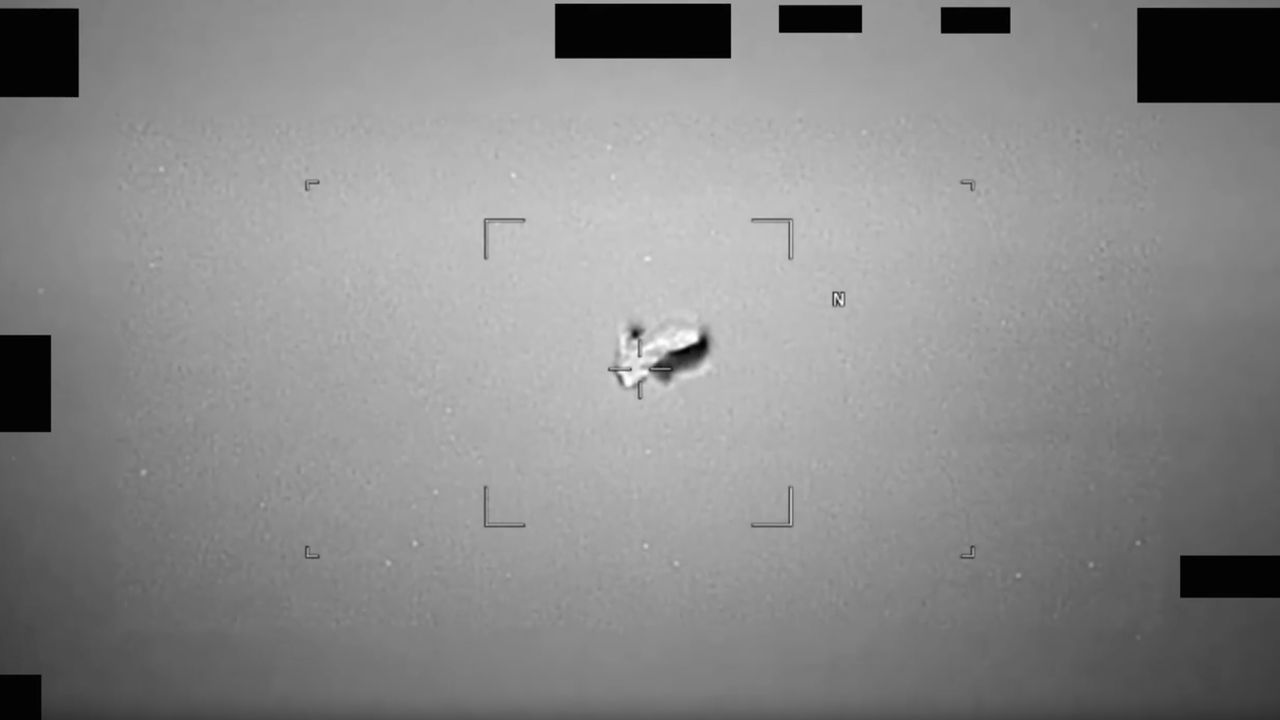
On May 8, the Pentagon released the first batch of 161 declassified UFO files, including nearly 30 videos that capture mysterious objects ranging from a football‑shaped body to a glowing white ball. The footage, sourced from military platforms in 2024, shows unidentified anomalous phenomena that remain unexplained and are labeled as unresolved cases. Officials emphasize that these sightings could stem from anything from advanced drones to sensor glitches, and they invite private‑sector experts to help analyze the data. More declassified material is expected to surface in the coming weeks as the department continues its rolling release schedule.
Black holes slamming into scorching stars may be causing mysterious blue flashes in the cosmos
Original Publication Date: 2026-05-08 21:00
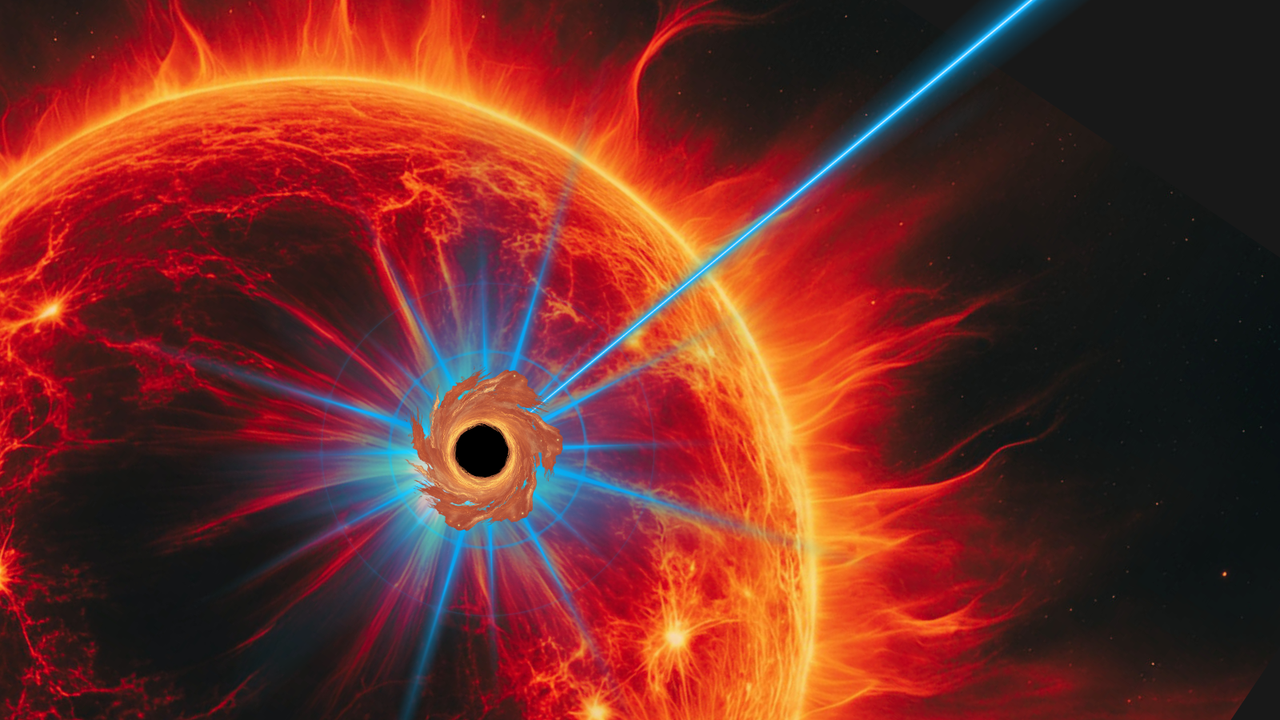
Astronomers have identified a new explanation for the rare, bright blue explosions known as Luminous Fast Blue Optical Transients (LFBOTs). Researchers at Harvard’s Center for Astrophysics propose that these flashes arise when a compact stellar remnant—such as a black hole or neutron star—merges with a Wolf‑Rayet star, the stripped core of a massive star.
Blue Origin tests 1st moon lander ahead of lunar launch later this year (photo)
Original Publication Date: 2026-05-08 16:00
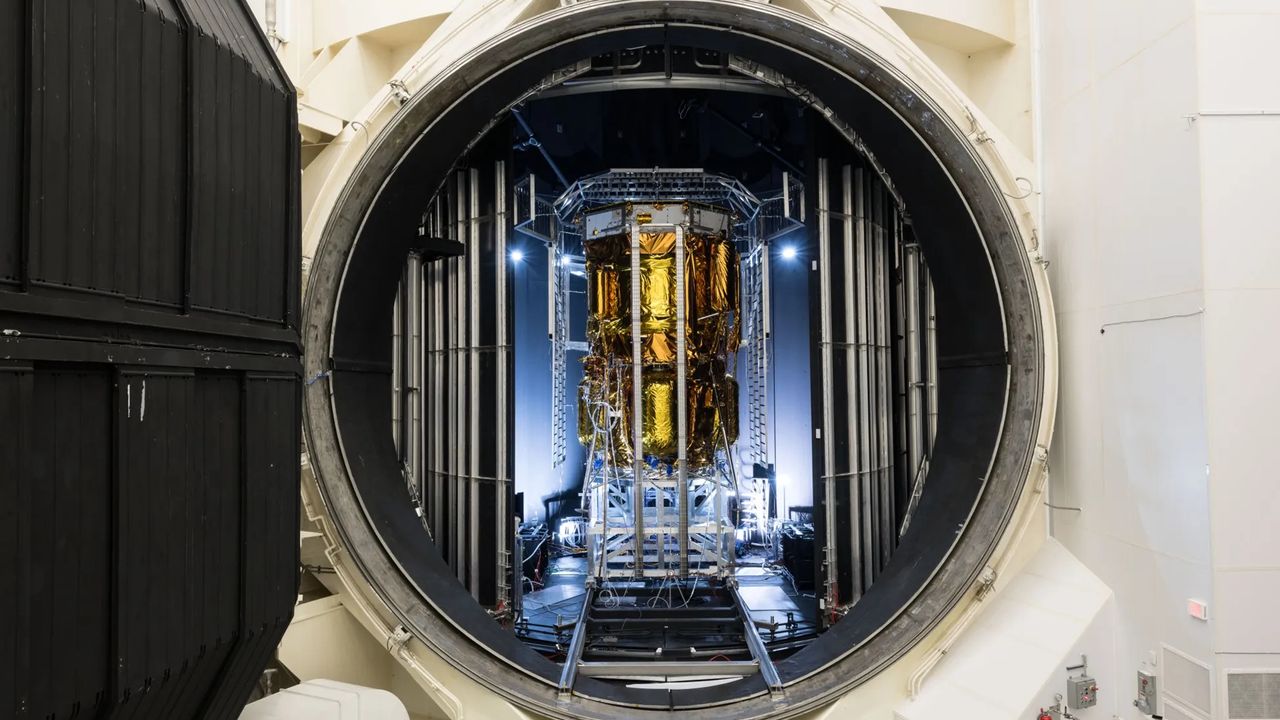
Blue Origin’s uncrewed Blue Moon MK1 lander, Endurance, is undergoing final tests at NASA facilities as it prepares for a possible launch later this year. The vehicle must prove autonomous navigation, cryogenic fuel transfer and a lunar touchdown before it can be certified to carry astronauts in NASA’s Artemis program. Endurance will also carry science payloads for the Commercial Lunar Payload Services program, supporting future lunar habitation efforts. The success of these tests will determine whether Blue Origin can meet NASA’s 2027 Artemis 3 launch schedule and help the agency achieve its 2028 moon landing goal.
The charred hull of Artemis 2's Orion | Space photo of the day for May 8, 2026
Original Publication Date: 2026-05-08 15:00
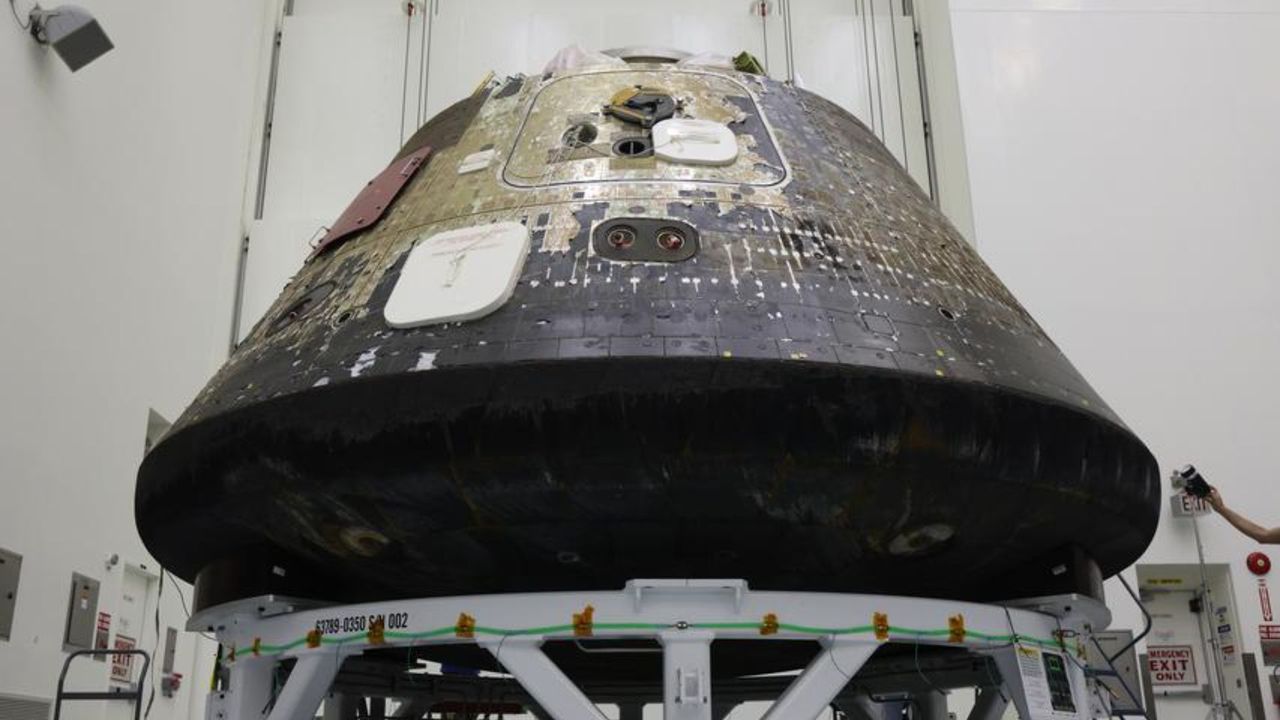
NASA’s Artemis 2 Orion capsule, carrying four astronauts, now sits charred at Kennedy Space Center after a 10‑day lunar orbit and a fiery re‑entry that reached temperatures up to 5,000 °F. The crew—Reid Wiseman, Victor Glover, Christina Koch, and Jeremy Hansen—landed safely in the Pacific on April 10, but the heat shield’s extreme exposure left visible scorch marks on the craft. NASA will study this damage to refine the Orion design for Artemis 3, which will conduct Earth‑orbit docking tests. The mission marks the first crewed lunar trip since Apollo 17, highlighting both the triumph and the challenges of human spaceflight.
Engineers at NASA's Jet Propulsion Lab make a breakthrough in rotor technology
Original Publication Date: 2026-05-08 15:46
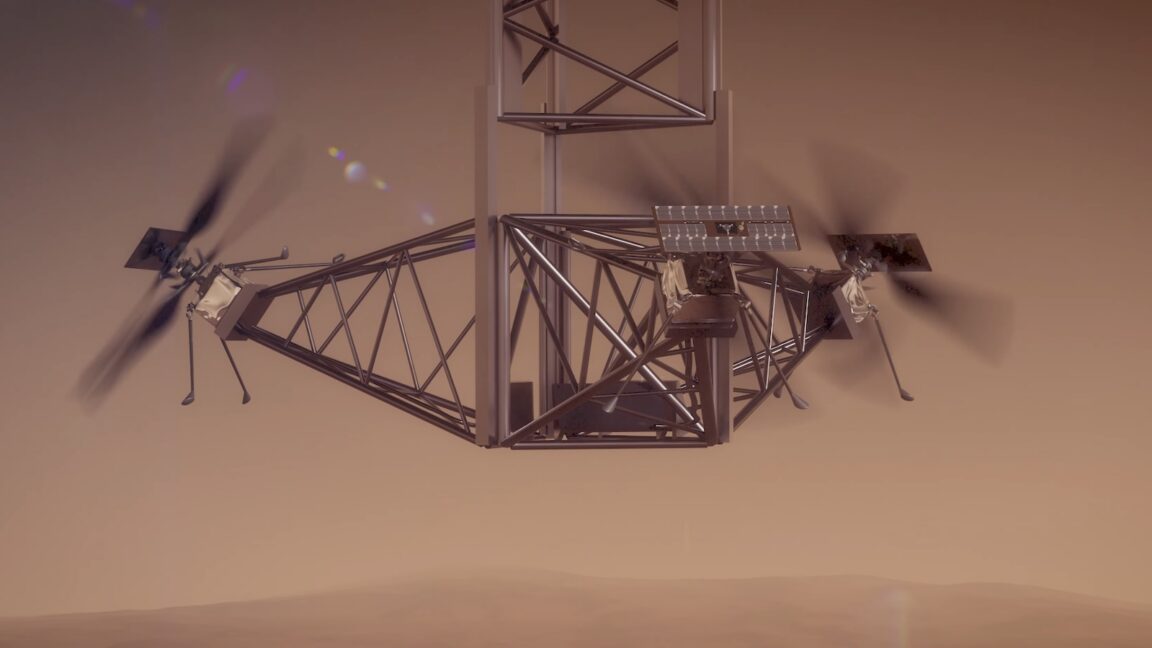
Three years after Ingenuity's historic Martian flights, JPL is designing next‑generation rotorcraft that can carry heavier payloads and travel farther across Mars’s thin atmosphere. Ingenuity’s 72 flights far exceeded expectations, proving that air travel can reach places ground rovers cannot. NASA now plans to launch three more helicopters on the SkyFall mission, potentially as early as late 2028, aboard the nuclear‑powered Space Reactor‑1 spacecraft. This ambitious effort could open new frontiers for planetary exploration.